Attractions and Places To See around Pizarra - Top 20
Best attractions and places to see around Pizarra include a rich blend of historical landmarks, cultural sites, and natural beauty. This village is situated in Spain's Guadalhorce Valley, surrounded by hills and mountains, offering a picturesque natural environment. Its history spans from the Bronze Age through Roman and Moorish periods, leaving behind a variety of fascinating points of interest. The area features extensive cultivated fields of olive and almond trees, and citrus groves, alongside the rocky Sierra de Gibralmora.
Best attractions and places to see around Pizarra
- The most popular attractions is Christ the Redeemer of Sierra de Mijas, a man-made monument that offers panoramic views. This monument has a history dating back to 1916, with its current form inaugurated in 1995.
- Another must-see spot is Álora, a historical settlement known for its charm. Visitors can explore its cobblestone streets, historical landmarks like Álora Castle, and its role as a gateway to the Caminito del Rey.
- Visitors also love Álora Castle, a historical castle with Phoenician and Roman origins. It was significantly developed by the Arabs and later housed the parish church of Nuestra Señora de la Encarnación.
- Pizarra is known for its historical landmarks, cultural sites, and natural features. The region offers a variety of attractions to see and explore, from ancient ruins to scenic viewpoints.
- The attractions around Pizarra are appreciated by the komoot community, with 14 highlights and 13 photos shared by visitors.
Last updated: October 10, 2026
Álora
Highlight • Settlement
The cobblestone streets and cozy squares invite you to stroll, while the authentic local cuisine completes the experience. Álora, with its rich heritage and welcoming atmosphere, stands as a tourist destination in itself in the beautiful region of Malaga.
Translated by Google •
Tip by

Álora Town Hall
Highlight • Monument
Tip by

Sign up now to discover places like this
Get recommendations on the best single tracks, peaks, & plenty of other exciting outdoor places.
Christ the Redeemer of Sierra de Mijas
Highlight • Monument
Tip by

Church of the Veracruz of Álora
Highlight • Religious Site
Its façade, divided into three sections, has a belfry with a single opening that houses an 18th century bell. Inside, the image of Our Lady of Mercy and Saint Veracruz is venerated.
andalucia.org/es/alora-turismo-cultural-iglesia-de-la-veracruz
Translated by Google •
Tip by
Álora Castle
Highlight • Castle
The parish church of Nuestra Señora de la Encarnación stands on the old mosque, built between 1600 and 1699. The castle was damaged in the earthquake of 1680 and, since then, served as a cemetery. Although only two partially reconstructed towers and a horseshoe arch in the wall remain standing today, the site was declared a National Historic Monument in 1931.
Translated by Google •
Tip by
Sign up for free to discover even more attractions around Pizarra.
Already have an account?
Start today with a free account
Your next adventure awaits.
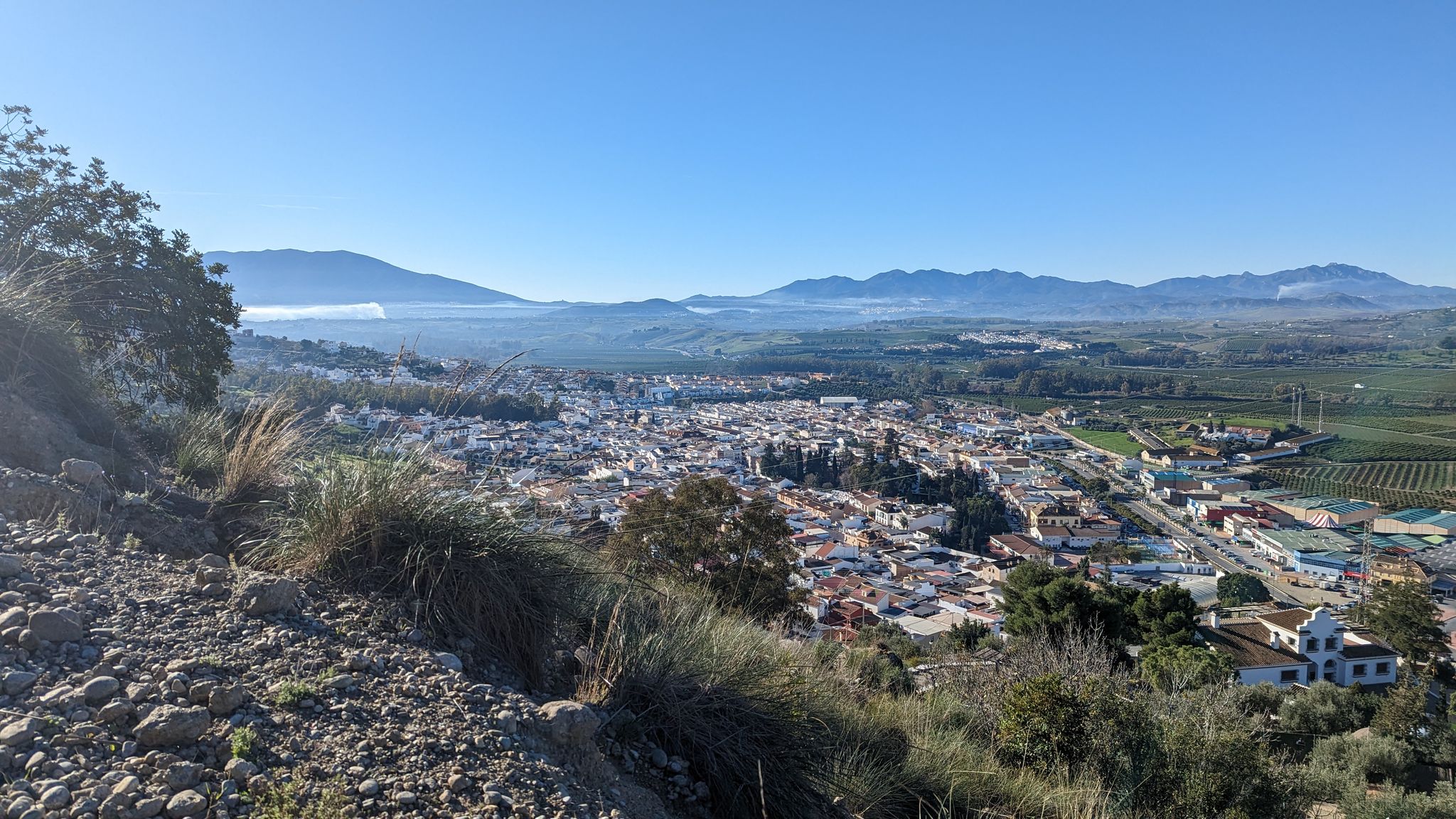
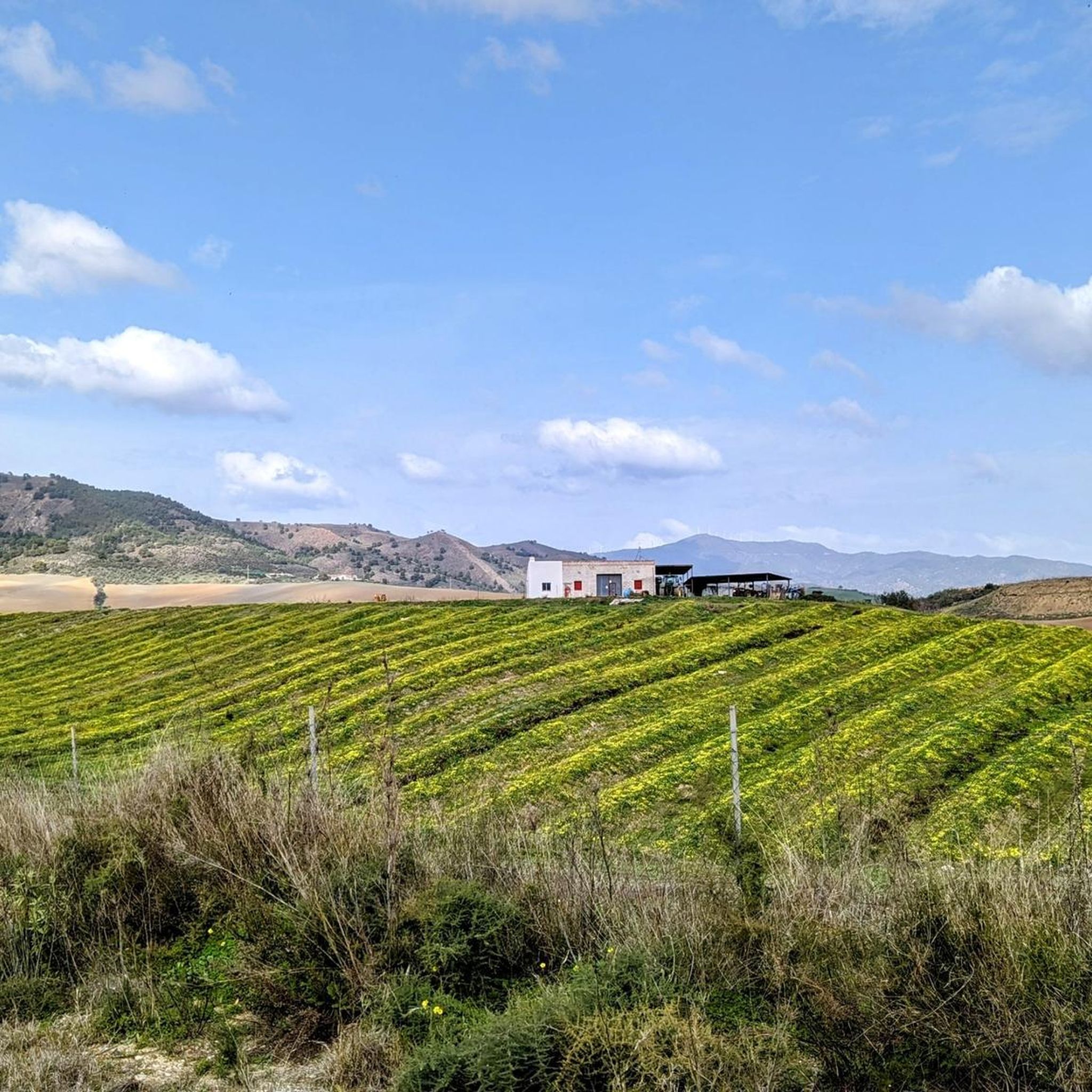
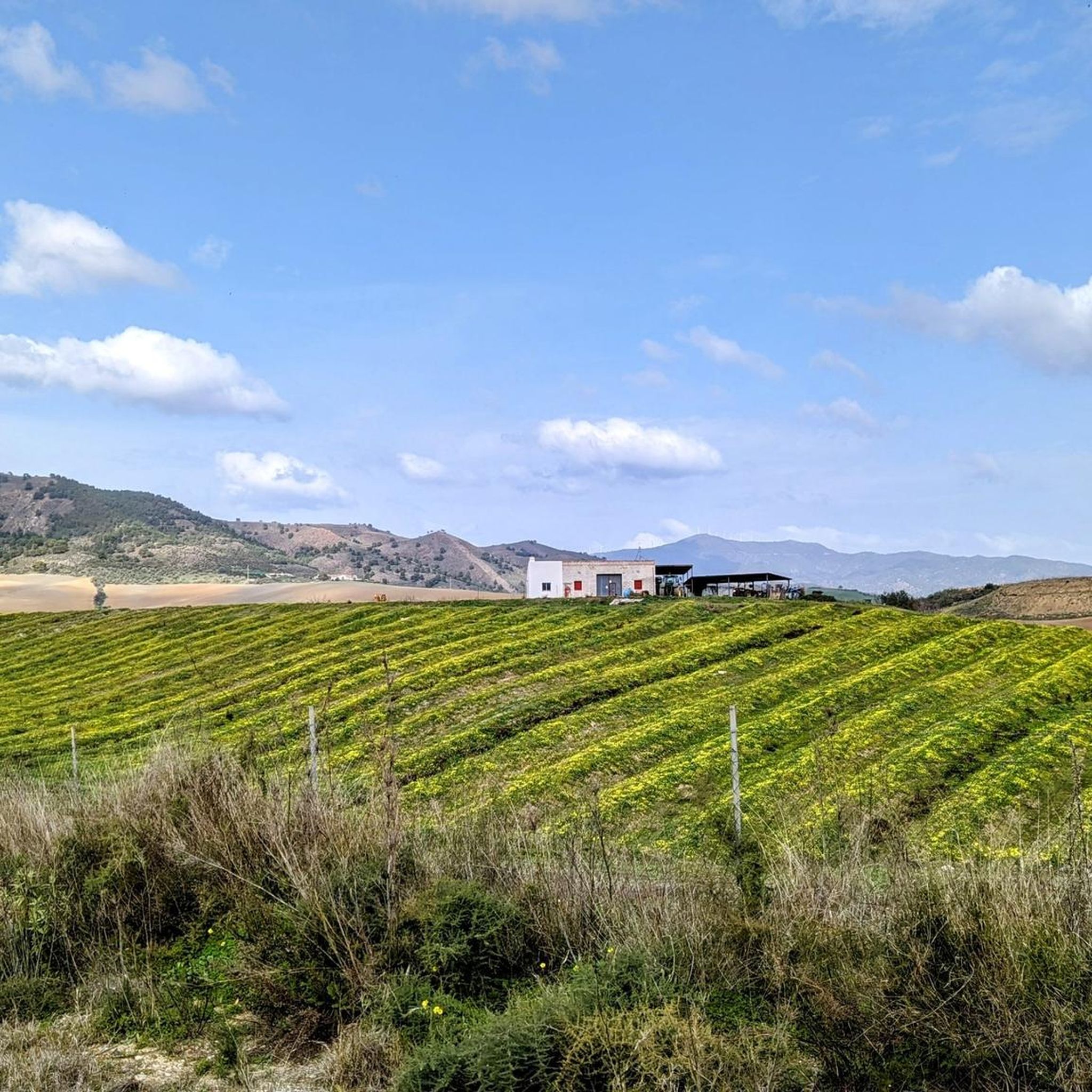
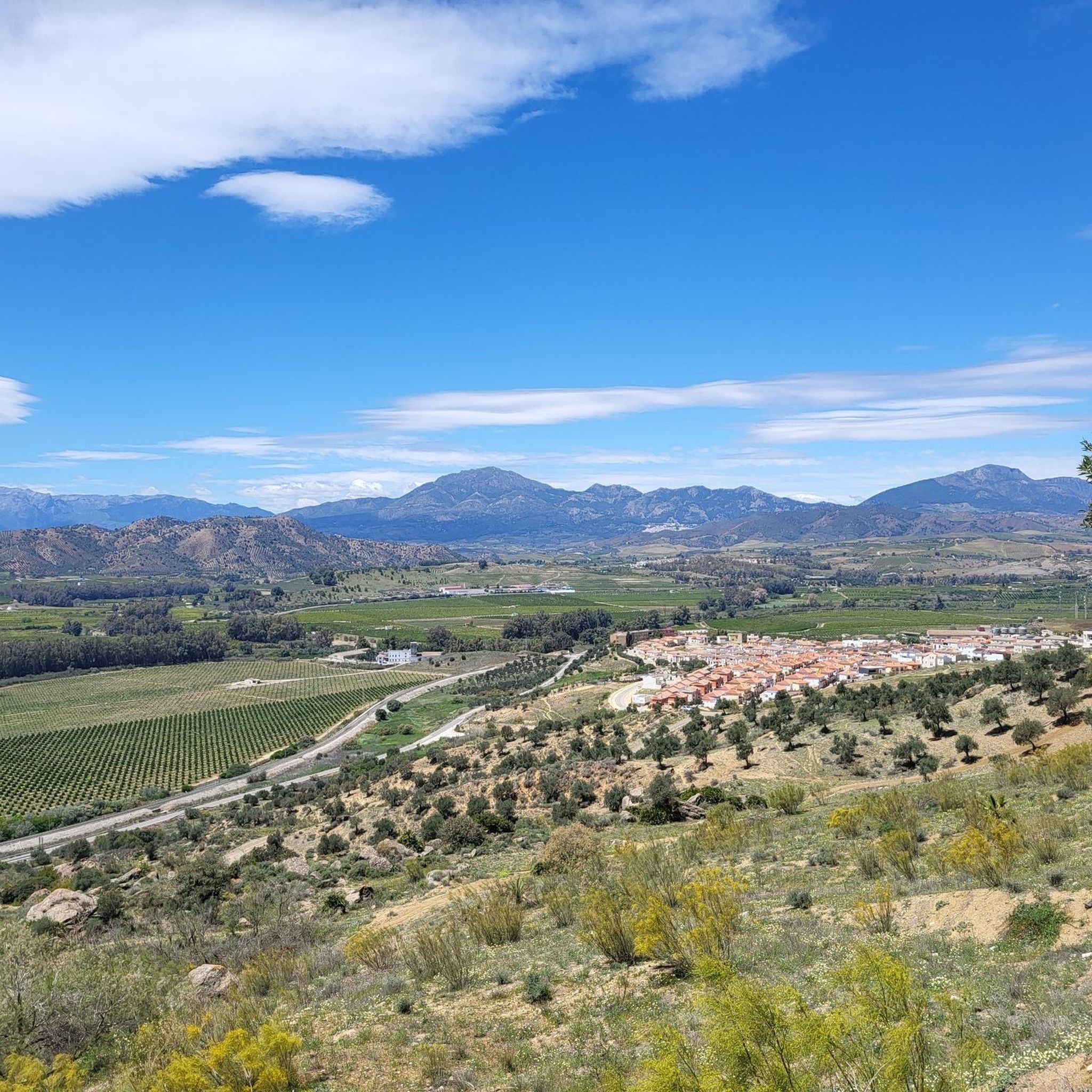
Other adventures around Pizarra

Tips from the Community

Álora, a Spanish municipality in the province of Málaga, Andalusia, is located in the Guadalhorce Valley and covers an area of 169.62 km². Its history dates back to prehistory in Hoyo del Conde, with influences from the Turdetani, Phoenicians, and Romans, who fortified the castle, whose foundations are of Phoenician origin. The inhabitants are known as aloreños or perotes, the origin of this latter name being attributed to the first mayor, Don Pero. Álora lies between hills on the banks of the Guadalhorce River and on the railway line towards Málaga, Seville, Córdoba, and Granada. The municipality includes the natural area of El Chorro with the famous Caminito del Rey and a landscape of pine forests and hills with cereal and olive plantations. The landscape is characterized by the Guadalhorce Valley and the hills of the Sistema Bética, with citrus and olive cultivation.
1
0
Álora, a Spanish municipality in the province of Málaga, Andalusia, is located in the Guadalhorce valley and has an area of 169.62 km². Its history dates back to prehistory in Hoyo del Conde, with influences from the Turdetani, Phoenicians, and Romans, who fortified the castle, whose foundations are of Phoenician origin. The inhabitants are known as aloreños or perotes, with the origin of the latter name attributed to the first councilman Don Pero. Álora lies among hills on the banks of the Guadalhorce river and on the railway line towards Málaga, Seville, Córdoba, and Granada. The municipality includes the El Chorro natural area with the renowned Caminito del Rey and a landscape of pine forests and hills with cereal and olive plantations. The landscape is characterized by the Guadalhorce valley and the Sistema Bético mountains with citrus and olive cultivation.
1
0
Álora, a Spanish municipality in the province of Málaga, Andalusia, is located in the Guadalhorce valley and covers an area of 169.62 km². Its history dates back to prehistory in Hoyo del Conde, with influences from the Turdetani, Phoenicians, and Romans, who fortified a castle whose foundations are of Phoenician origin. Its inhabitants are known as aloreños or perotes, with the origin of this latter name attributed to the first councilman, Don Pero. Álora lies between hills on the banks of the Guadalhorce river and on the railway line towards Málaga, Seville, Córdoba, and Granada. The municipality encompasses the natural area of El Chorro with the famous Caminito del Rey and a landscape of pine forests and hills with cereal and olive plantations. The landscape is characterized by the Guadalhorce valley and the mountains of the Sistema Bético, with the cultivation of citrus and olives.
1
0

The Álora Town Hall (Casa Consistorial) is the seat of the city's municipal administration. The current building dates from the late 19th century, after the municipality acquired the land in 1898 to establish a permanent administrative center. Architecturally, the Town Hall is simple and functional, typical of smaller Andalusian towns of that era. It is not intended as a monumental structure, but rather as a practical administrative building that blends harmoniously into the historic town center.
1
0
The Arab castle of Álora, also known as Castillo de Álora, sits atop Cerro de las Torres overlooking the town and is one of the most important historical structures in the region. The fortress, in its present form, dates back to the Moorish rule of the Middle Ages, although the site had been used and fortified in earlier periods. Due to its strategic location, the castle controlled the Guadalhorce Valley and served both military and administrative purposes. It was captured by Christian troops in 1484 during the Reconquista. Remaining are sections of the imposing curtain walls, square towers, and a horseshoe-arched gate, typical of Islamic military architecture. Within the complex are also remnants of later Christian buildings, including a chapel built over a former mosque. The castle has been a listed building (Bien de Interés Cultural) since 1931 and offers a wide view over Álora and the Guadalhorce valley from its elevated position.
1
0

The Castillo de Álora, also known as the Castle of Álora, stands on a hill above the town and forms an impressive landmark. The castle's origins date back to Roman times, but the current structure dates largely from the Moorish period (Al-Andalus), particularly from the 9th and 10th centuries. The Moors used the fortress's strategic location to monitor the Guadalhorce Valley and protect themselves from Christian attacks. The horseshoe portal, a typical element of Islamic architecture, is particularly noteworthy. Sections of the castle walls, a Moorish tower, and a small Christian chapel added after the Reconquista still remain. From the castle grounds, you can enjoy magnificent panoramic views over the valley, the village of Álora, and the surrounding Sierra de Huma mountains. Today, the castle is a cultural landmark and a popular viewpoint. It tells the eventful history of the region – from Romans to Moors to the Christian reconquest.
0
0
Álora is a small town in the province of Málaga in Andalusia, about 40 kilometers northwest of Málaga city. It is located in the Valle del Guadalhorce, an agricultural region, and has a population of around 13,000. The town is known for its typical Andalusian architecture with white houses and narrow streets. Álora has a long history dating back to Roman times. Later, under Moorish rule, it was of strategic importance, as can still be seen today in the Castillo de Álora – a castle located on a hill above the town. Today, Álora is primarily a starting point for visitors to the Caminito del Rey, a well-known hiking route through the Desfiladero de los Gaitanes gorge. Despite its growing tourist importance, the town remains relatively quiet and has retained its traditional character. There are a few bars, small shops and a few sights such as churches and museums, but overall, Álora is a rather tranquil place.
0
0

Frequently Asked Questions
What historical landmarks can I explore in Pizarra?
Pizarra boasts a rich history with several notable landmarks. You can visit the 16th-century Church of San Pedro Apóstol, the Palace of the Counts of Puerto-Hermoso built in Mudejar style, and the Our Lady of Fuensanta Hermitage, which is uniquely sculpted into rock. Additionally, the area features ancient sites like the Prehistoric Necropolis of Castillejos de Luna and Cerro de los Castillejos de Quintana, showcasing Roman and Moorish remnants.
Are there any ancient ruins or archaeological sites near Pizarra?
Yes, Pizarra is rich in ancient history. You can explore the Prehistoric Necropolis of Castillejos de Luna, an Asset of Cultural Interest with Bronze Age remains. Another significant site is Cerro de los Castillejos de Quintana, which contains tombs, Roman baths, and Mozarabic buildings. The site known as El "Bañaero" de la Reina is also believed to have been a Roman bathing area.
What natural features can I explore around Pizarra?
Pizarra is nestled in the picturesque Guadalhorce Valley, surrounded by extensive olive, almond, and citrus groves. The Sierra de Gibralmora mountain range offers unique sandstone rock formations and protected wildlife. You can also discover Raja Ancha, a crevice with a stone staircase carved into the rock, and the prominent Statue of the Saint / Sacred Heart of Jesus (El Santo), which provides unforgettable panoramic views of the valley.
Are there hiking opportunities near Pizarra?
Absolutely! Pizarra offers a variety of hiking trails. You can explore the wooded area around Raja Ancha, which can lead to the Dark Cave, or hike the SL-A 213 El Santo trail to the Statue of the Saint for stunning views. Other recommended itineraries include the Contrasts and Orange Blossom route, Pizarra-Cerralba, and Zalea-Cerralba. For more detailed routes, you can check out the MTB Trails around Pizarra guide, which also includes hiking-friendly paths.
Are there any viewpoints offering panoramic views of the area?
Yes, Pizarra is known for its stunning viewpoints. The Statue of the Saint / Sacred Heart of Jesus (El Santo) offers unforgettable panoramic views of the village and the entire Guadalhorce valley. Other notable viewpoints include those at Raja Ancha, Fuente Luna, Pico Aguililla, and Mirador de la Ermita. Additionally, the Christ the Redeemer of Sierra de Mijas is a popular spot for expansive views.
Can I find cycling routes around Pizarra?
Pizarra is a great base for cycling enthusiasts. You can find a range of routes for different disciplines. For mountain biking, explore the MTB Trails around Pizarra. Road cyclists can discover challenging routes in the Road Cycling Routes around Pizarra guide, while gravel biking options are available in the Gravel biking around Pizarra guide.
Are there family-friendly attractions or activities in Pizarra?
Pizarra offers several family-friendly options. The Raja Ancha recreational area is ideal for a day out in nature, with easy walks and expansive views. The village itself, Pizarra, is considered family-friendly with its natural environment and historical charm. The Christ the Redeemer of Sierra de Mijas is also a family-friendly monument that offers a nice, short trip to the top for views.
When is the best time to visit Pizarra for outdoor activities?
The best time to visit Pizarra for outdoor activities is typically during spring (March to May) and autumn (September to November). During these seasons, the weather is mild and pleasant, ideal for hiking and cycling. Spring also brings the beautiful almond blossom. Summers can be very hot, making intense outdoor activities less comfortable, while winters offer cooler temperatures suitable for walks.
What is the "Christ the Redeemer of Sierra de Mijas"?
The Christ the Redeemer of Sierra de Mijas is a significant man-made monument located near Pizarra. Originally commissioned in 1916, the current monument was inaugurated in 1995 after its predecessor was destroyed during the Civil War. It stands as a place of pilgrimage and offers visitors a nice, short trip to the top for panoramic views of the surrounding landscape.
What is the "Monument to the Female Farmworker" in Álora?
The Monument to the Female Farmworker in Álora is a bronze sculpture by artist Marino Amaya. It honors the arduous work of women, known as "faeneras," who historically harvested and processed citrus fruits in the Guadalhorce River Valley. Located in the center of Álora, it symbolizes their dedication and contribution to the region's rural life and economy.
What is the significance of Álora Castle?
Álora Castle has a rich history dating back to Phoenician and Roman origins. It was significantly developed by the Arabs, who transformed it into a formidable citadel. Later, the mosque within its walls was converted into the parish church of Nuestra Señora de la Encarnación. Although only two partially reconstructed towers and a horseshoe arch remain today, it stands as a National Historic Monument and offers insights into the region's past.
What cultural sites are worth visiting in Pizarra?
Beyond historical landmarks, Pizarra offers cultural sites such as the Municipal Museum of Pizarra, located in Cortijo Casablanca, which houses a collection of archaeological and ethnographic pieces. The Casa de la Cultura is another important center that regularly hosts exhibitions and events, contributing to the vibrant local culture.
Most popular routes around Pizarra

Get inspired with the komoot mobile app


Explore more
Still not found the Highlight you’re looking for? See guides of the top attractions in other regions:
