The best cycling routes around Pizarra
4.6
(124)
1,883
riders
73
rides
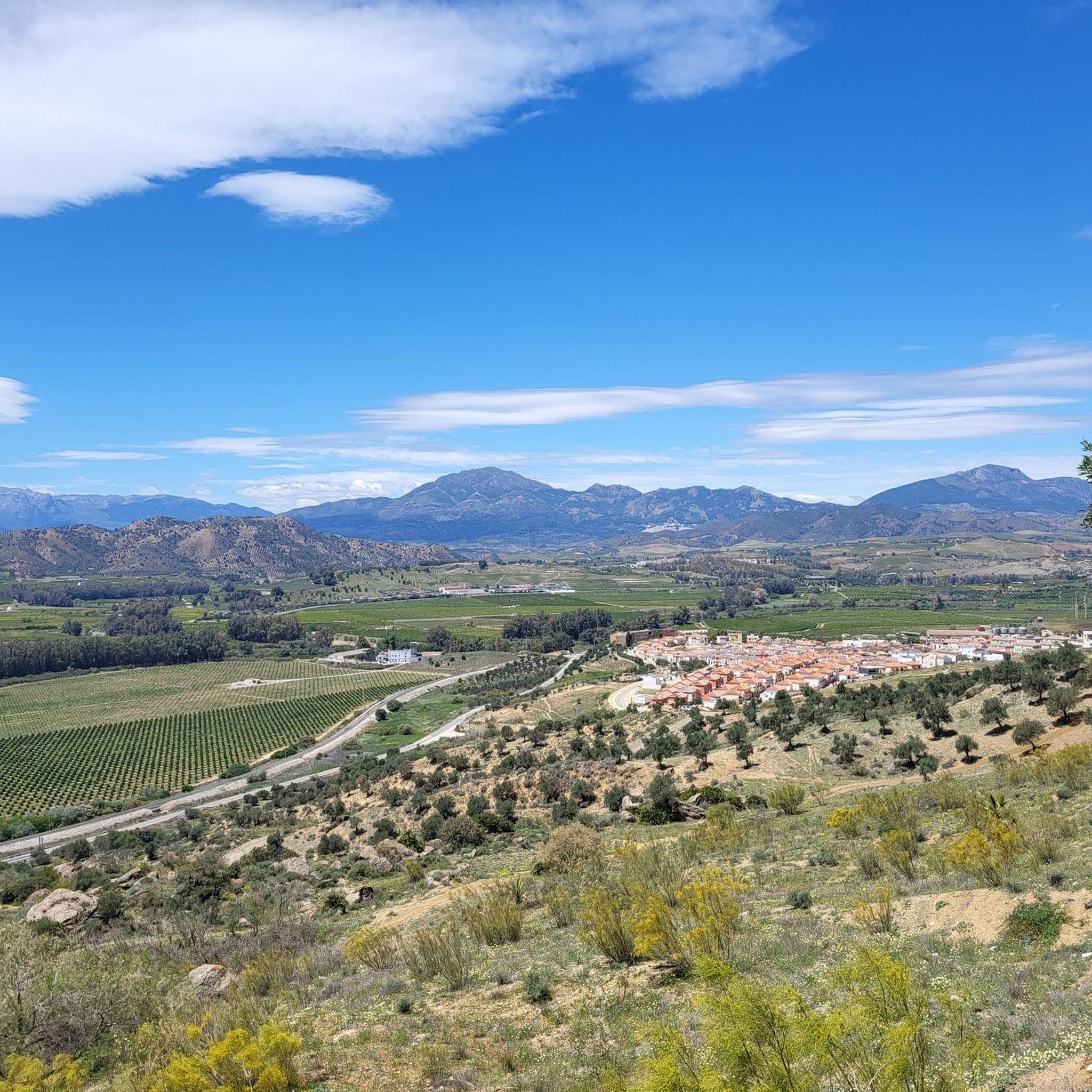
Touring cycling around Pizarra offers diverse landscapes within the Guadalhorce Valley, characterized by scenic hills and mountains such as Sierra Prieta and Sierra de Alcaparain. The region features varied terrain, from flat stretches along the Rio Guadalhorce to challenging climbs through mountainous passes. Cyclists can experience routes that wind through valleys and ascend to viewpoints, providing sweeping panoramas. The area also provides access to unique geological formations like the Torcal de Antequera.
Best touring cycling routes around Pizarra
- The most popular touring cycling route is Álora Castle Loop Trail, a 15.0 miles (24.1 km) trail that takes 1 hour 37 minutes to complete. This route visits the historic Arab castle of Álora and offers panoramic views from the Mirador Alí Ben Falcún.
- Another top favourite among local touring cyclists is Guadalhorce Reservoir – Abfahrt in Richtung Ardales loop from Álora, a difficult 32.1 miles (51.7 km) path. This route features significant elevation gains as it traverses towards the Guadalhorce Reservoir.
- Local touring cyclists also love the Guadalhorce Reservoir – Abfahrt in Richtung Ardales loop from Pizarra, a 46.8 miles (75.3 km) trail leading through scenic hills and mountainous passes, often completed in about 5 hours 8 minutes.
- Touring cycling around Pizarra is defined by the Guadalhorce Valley, scenic hills, and mountainous passes. The network offers options for various ability levels, from moderate loops to challenging rides with significant elevation gains.
- The routes in Pizarra are highly rated by the komoot community with an average score of 4.6 stars from over 100 reviews. More than 1,800 touring cyclists have used komoot to explore Pizarra's varied terrain.
Last updated: May 24, 2026
3.0
(1)
6
riders
24.1km
01:38
370m
370m
Moderate bike ride. Good fitness required. Mostly paved surfaces. Suitable for all skill levels.
47
riders
52.5km
03:44
1,070m
1,070m
Hard bike ride. Very good fitness required. Mostly paved surfaces. Suitable for all skill levels.

Sign up for free
5.0
(1)
30
riders
51.3km
03:38
1,000m
1,000m
Hard bike ride. Very good fitness required. Mostly paved surfaces. Suitable for all skill levels.
5.0
(1)
30
riders
75.3km
05:08
1,280m
1,280m
Hard bike ride. Very good fitness required. Mostly paved surfaces. Suitable for all skill levels.
24
riders
103km
07:28
1,890m
1,890m
Hard bike ride. Very good fitness required. Mostly paved surfaces. Suitable for all skill levels.
Get access to more routes and recommendations from other explorers.
Sign up for free
Already have an account?
Our route recommendations are based on thousands of hikes, rides, and runs completed by other people on komoot.
Start today with a free account
Your next adventure awaits.
Login or Signup
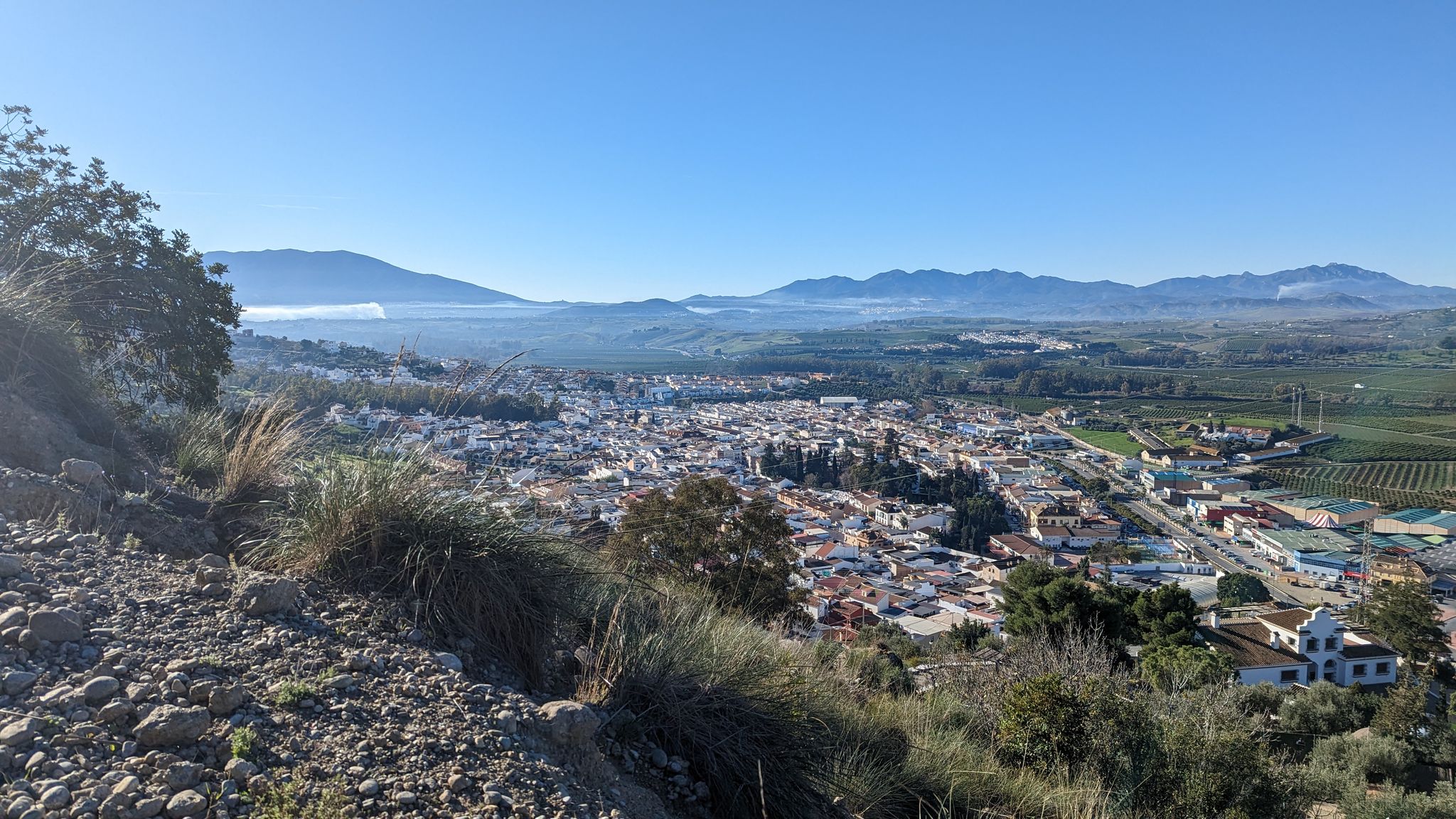
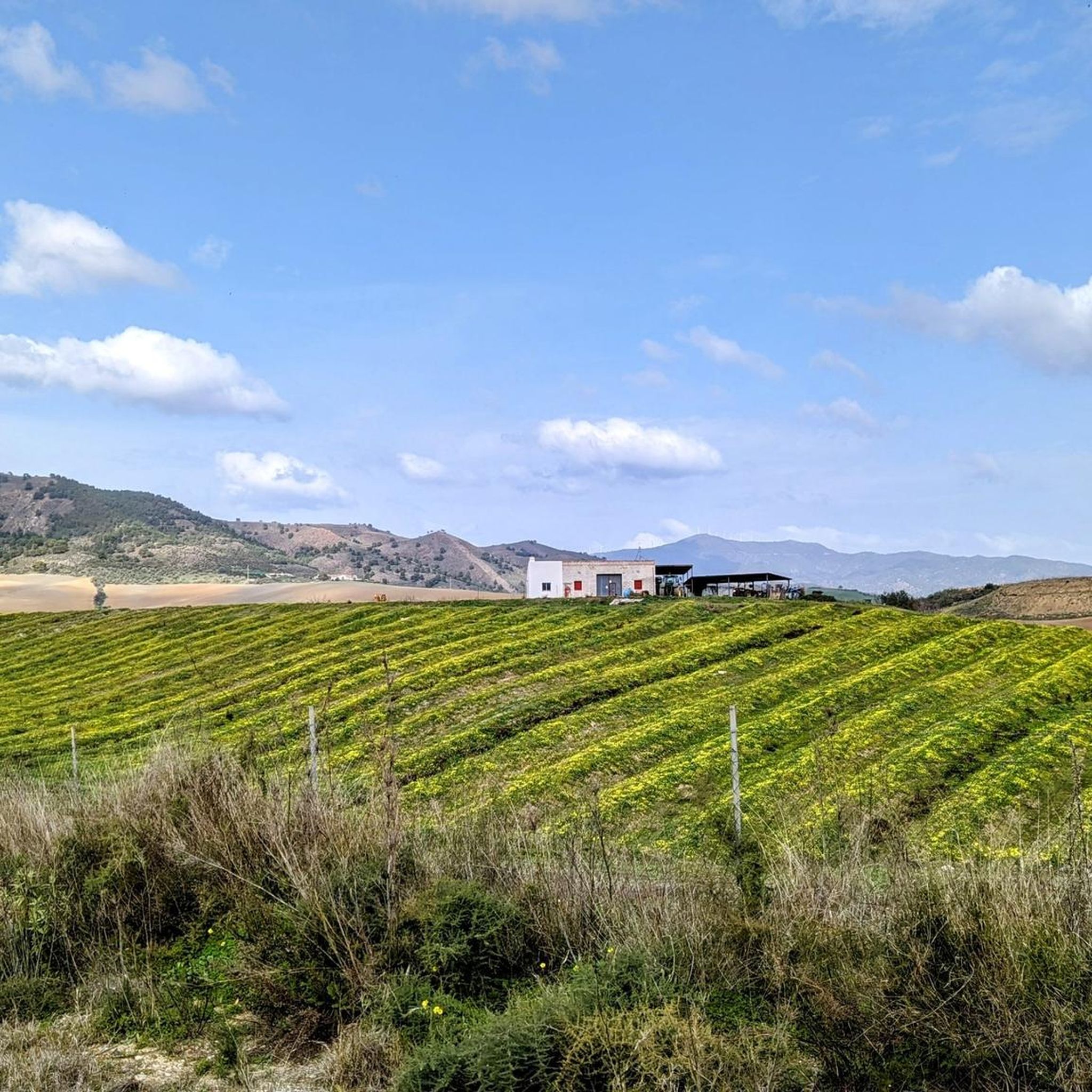
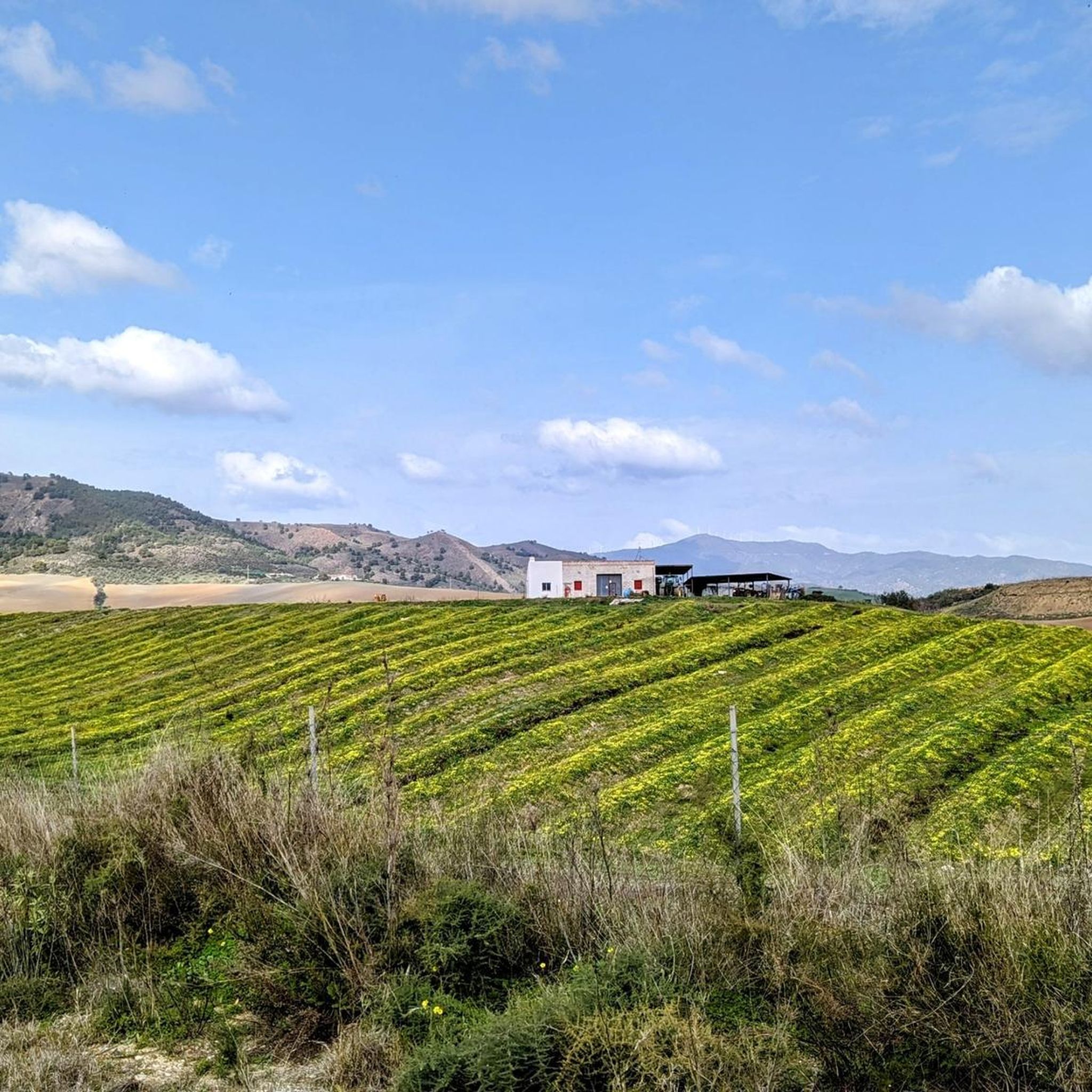
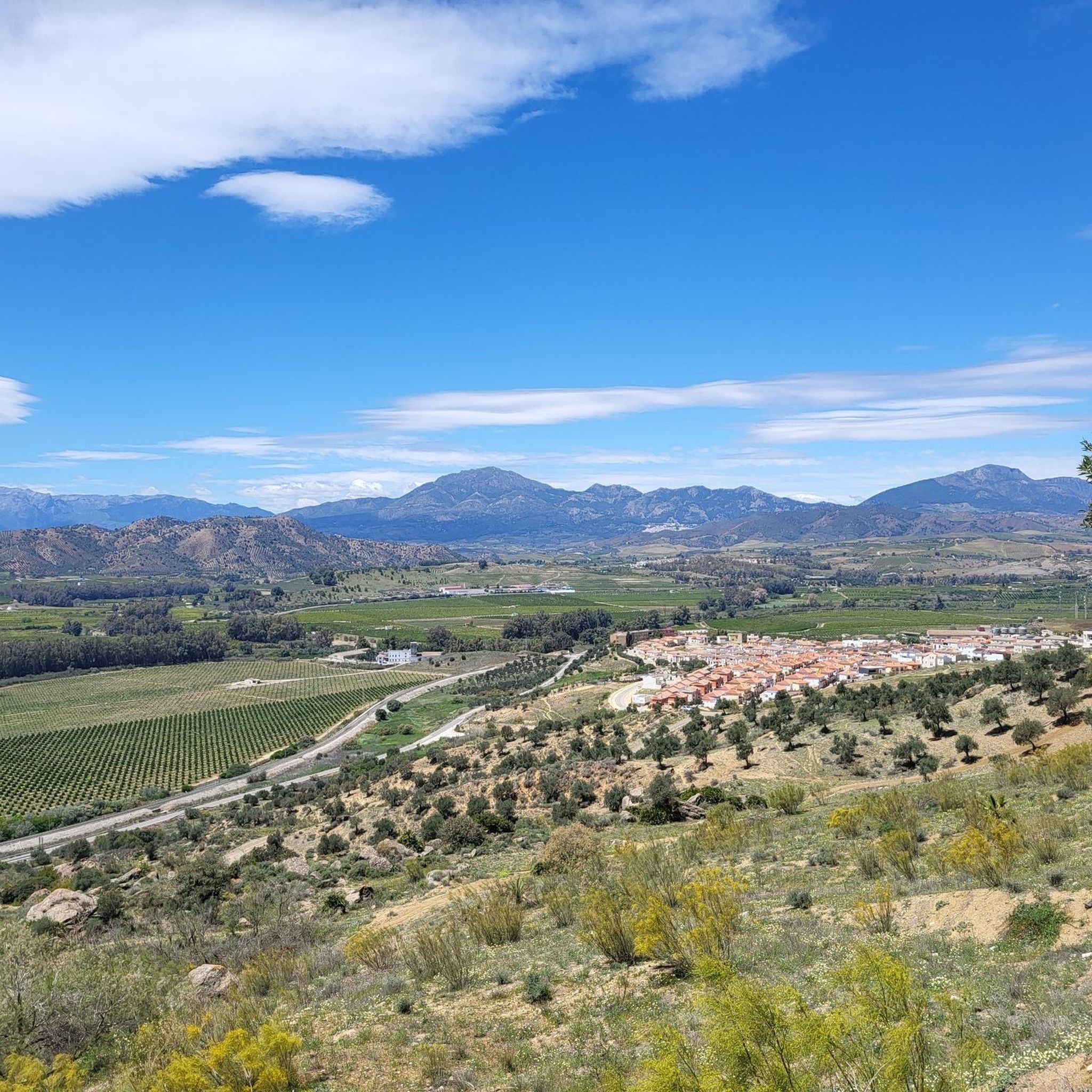

Other adventures around Pizarra

Tips from the Community

Well-lit tunnel as a shortcut to the start of the Caminito del Rey. A bit low for people 1.90m and taller, otherwise another highlight around the Caminito del Rey. The tunnel is approx. 500m long and you can see the end of the tunnel right from the beginning.
3
0

The journey by bicycle combines quiet stretches of nature with the first views of the white town center and the hills above the valley – a typical transition from the rural surroundings to the historic urban structure of Álora.
2
0
The Arab castle of Álora, also known as Castillo de Álora, sits atop Cerro de las Torres overlooking the town and is one of the most important historical structures in the region. The fortress, in its present form, dates back to the Moorish rule of the Middle Ages, although the site had been used and fortified in earlier periods. Due to its strategic location, the castle controlled the Guadalhorce Valley and served both military and administrative purposes. It was captured by Christian troops in 1484 during the Reconquista. Remaining are sections of the imposing curtain walls, square towers, and a horseshoe-arched gate, typical of Islamic military architecture. Within the complex are also remnants of later Christian buildings, including a chapel built over a former mosque. The castle has been a listed building (Bien de Interés Cultural) since 1931 and offers a wide view over Álora and the Guadalhorce valley from its elevated position.
1
0
The Mirador Alí Ben Falcún “Al Baezi” viewpoint lies below Álorá Castle on the castle hill and offers a sweeping view of the town, the Guadalhorce Valley, and the surrounding landscape. The path to the top is steep and requires some effort, but the climb is more than worth it. The view compensates for the strenuous ascent with an impressive panorama that vividly illustrates Álorá's unique location between the river valley and the mountains. The viewpoint is named after Alí Ben Falcún, a figure from the Moorish era, thus commemorating the town's long Islamic history. Today, the Mirador is a cherished viewpoint that combines historical significance with scenic beauty, inviting a moment of quiet reflection.
2
0
The Church of the Incarnation (Iglesia de la Encarnación) is the most important and largest church in Marbella's old town and is considered one of the city's most significant historical buildings. Begun in the 16th century, it was expanded over several centuries, resulting in a blend of Gothic, Renaissance, and, most notably, Baroque styles. The 18th-century Baroque portal, crafted from fine limestone and framed by sculptural decoration and two columns, is particularly striking. The imposing bell tower, which dominates the cityscape, also dates from the 18th century. Inside, the church has a three-aisled basilica layout with tall columns and richly decorated chapels. A remarkable work of art is the monumental organ, installed in 1975, which is among the largest in Andalusia. Many elements of the interior furnishings were acquired from older chapels or stately homes after the Christian reconquest of the region. The church stands on the site of the former main Muslim mosque, the remains of which were discovered during archaeological investigations – a testament to Marbella's long cultural and historical development. Today, the Iglesia de la Encarnación is the city's religious center and the focal point of many traditional processions, festivals, and religious celebrations, especially during Semana Santa (Holy Week).
2
0

Great view of the reservoir
4
0
You can't get enough of it.
5
0
The large mural by artist Lalone (Eduardo Luque) attracts the attention of locals and visitors alike. Located on Avenida Peñón Gordo, it was created as part of a community street art project aimed at transforming Álora into an open-air museum. The artwork presents a vibrant and detailed depiction of Álora's identity, focusing on the striking Arab castle, the spectacular Caminito del Rey, and the rocky landscape of the Desfiladero de los Gaitanes. In his signature style, Lalone combines realistic elements with a surreal compositional approach, seamlessly blending landscape, architecture, and human figures. The mural has been featured in numerous regional media outlets and was selected by the Street Art Cities platform as one of the best murals in the world. It symbolizes not only artistic quality but also the community's pride in its history and natural environment.
5
0
Frequently Asked Questions
How many touring cycling routes are available around Pizarra?
There are over 75 touring cycling routes available around Pizarra, offering a wide range of experiences from moderate loops to challenging rides with significant elevation gains. The region is known for its diverse landscapes within the Guadalhorce Valley, including scenic hills and mountainous passes.
Are there any easy or beginner-friendly touring cycling routes in Pizarra?
Yes, while many routes are moderate to difficult, there are a couple of easier options for touring cyclists in Pizarra. These routes typically feature flatter stretches along the Rio Guadalhorce, providing a gentler introduction to the region's beautiful scenery.
What kind of terrain can I expect on touring cycling routes around Pizarra?
The terrain around Pizarra is quite varied. You can expect flat stretches along the Rio Guadalhorce, scenic hills, and challenging climbs through mountainous passes like Sierra Prieta and Sierra de Alcaparain. Routes often wind through valleys and ascend to viewpoints, offering sweeping panoramas. Some routes, like those towards the Guadalhorce Reservoir, feature significant elevation gains.
Are there any circular touring cycling routes in the Pizarra area?
Yes, many touring cycling routes around Pizarra are designed as loops, allowing you to start and finish in the same location. A popular example is the Álora Castle Loop Trail, which is a moderate 24.1 km route visiting the historic Arab castle of Álora.
What are some notable landmarks or attractions I can see along the touring cycling routes?
Touring cycling routes around Pizarra offer access to several interesting landmarks and natural features. You can visit the historic Álora Castle and enjoy panoramic views from the Mirador Alí Ben Falcún. The region also provides access to unique geological formations like the Torcal de Antequera. Other highlights include the town of Álora and the Pizarra settlement itself.
Can I find routes that lead to the Guadalhorce Reservoir?
Absolutely. There are challenging routes that traverse towards the Guadalhorce Reservoir, offering significant elevation gains and stunning views. For instance, the Guadalhorce Reservoir – Abfahrt in Richtung Ardales loop from Pizarra is a difficult 75.3 km trail that leads through scenic hills and mountainous passes to the reservoir.
What do other touring cyclists say about the routes in Pizarra?
The touring cycling routes in Pizarra are highly rated by the komoot community, with an average score of 4.6 stars from over 100 reviews. Cyclists often praise the diverse landscapes, the combination of quiet natural stretches with visits to historic towns, and the panoramic viewpoints.
Is it possible to rent bikes in Pizarra?
Yes, the cycling infrastructure in Pizarra is supported by services that offer bike rentals, including hybrid bikes and e-bikes. This makes the region accessible for a wide range of cyclists who may not bring their own equipment.
What is the best time of year for touring cycling in Pizarra?
Pizarra, being in Andalusia, Spain, generally offers good cycling conditions for much of the year. Spring and autumn are typically ideal, with pleasant temperatures and less extreme weather. Summers can be hot, especially in the Guadalhorce Valley, while winters are mild but can have cooler, wetter days.
Are there family-friendly touring cycling options in Pizarra?
While many routes involve significant climbs, there are easier options that can be suitable for families, particularly those along the flatter sections of the Rio Guadalhorce. It's advisable to check the difficulty and elevation profiles of specific routes to ensure they match your family's fitness level.
Can I bring my dog on touring cycling routes in Pizarra?
While komoot routes generally don't restrict dogs, it's important to consider the specific conditions of each route. Factors like terrain, distance, weather, and local regulations (especially in protected natural areas or near livestock) should be checked. Always ensure your dog is fit for the ride and that you carry enough water for both of you.
Are there any very long or advanced touring cycling routes for experienced cyclists?
Yes, for experienced touring cyclists seeking a challenge, Pizarra offers several difficult routes with substantial distances and elevation gains. An example is the Marbella Marina – Castillo de La Mota loop from Aljaima, which is over 100 km long with nearly 1900 meters of elevation gain, traversing through mountains and passes.
Most popular attractions around Pizarra

Get inspired with the komoot mobile app


Explore more
Browse the best Cycling routes in other regions.
