The 6 Most Amazing Peaks around Sant Jaume De Frontanyà
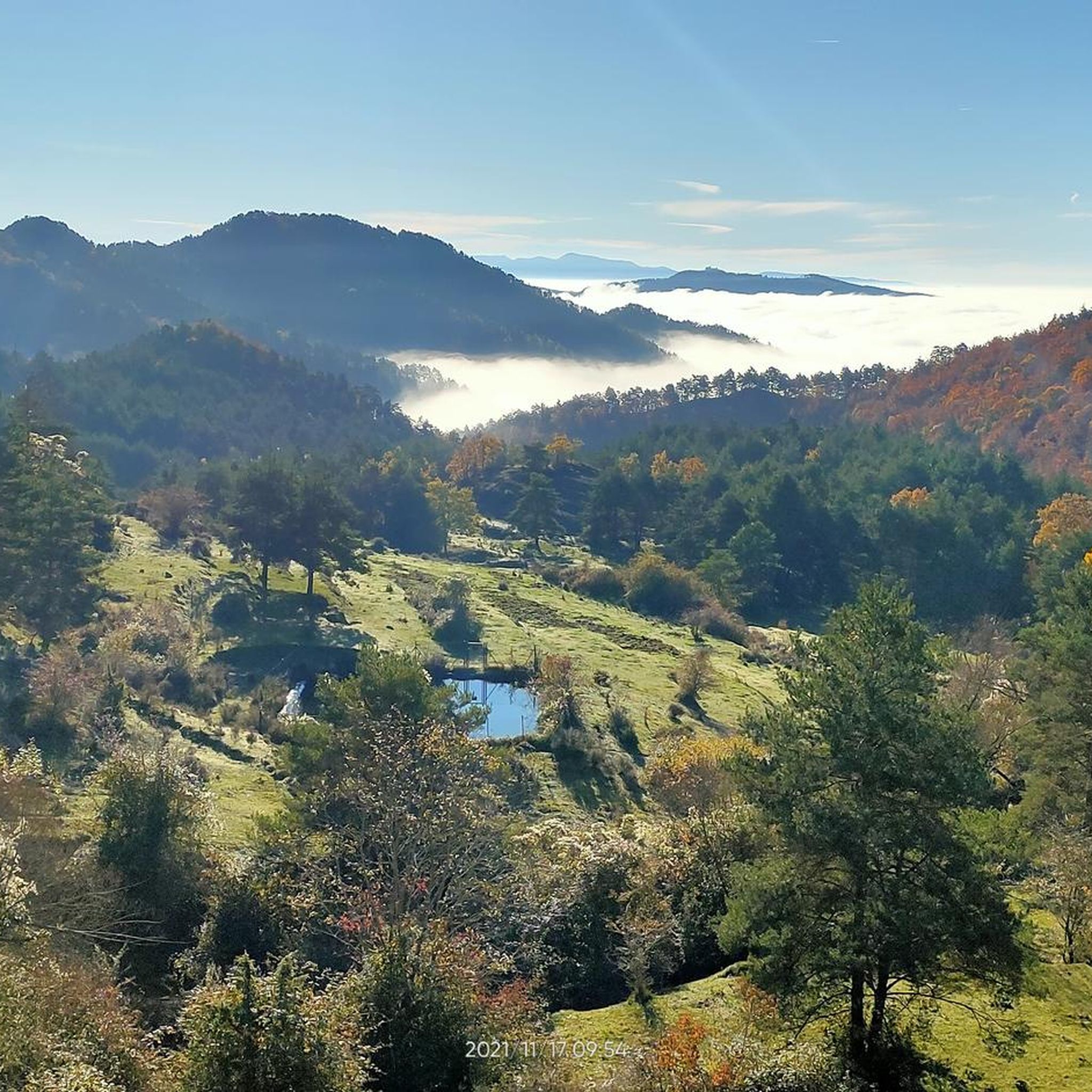
Best mountain peaks around Sant Jaume De Frontanyà are found in a mountainous landscape within the Berguedà comarca of Catalonia, Spain. This region, nestled in the Pyrenees, offers a tranquil environment characterized by extensive forests of pine, oak, holm oak, and beech. The area is known for its natural beauty, providing numerous opportunities for outdoor exploration and a rich cultural heritage, including Romanesque architecture.
Best mountain peaks around Sant Jaume De Frontanyà
- The most popular mountain peaks is Coll de Merolla, a mountain pass that divides the Berguedà and Ripollès regions. This pass also separates the Llobregat and Merdás river basins, offering a gentle ascent from La Pobla de Lillet. At the pass, a refuge provides a stopping point for refreshments.
- Another must-see spot is Collada de Sobirana, a mountain pass with varied ascents. From Guardiola de Berguerdà, it features ramps above 10%, while the La Pobla de Lillet slope is covered by a thick forest. Visitors can expect a narrow road with good asphalt and minimal traffic.
- Visitors also love Sant Romà de la Clusa Hermitage, a religious building set in an unbeatable location with views of the Serra del Catllaràs. This site includes a refuge, offering a good option for an overnight stay, and a nearby viewpoint.
- Sant Jaume De Frontanyà is known for its mountain passes, summits, and viewpoints. These offer diverse experiences, from challenging climbs to scenic routes through forests.
- The mountain peaks around Sant Jaume De Frontanyà are appreciated by the komoot community, with more than 60 upvotes and 20 photos shared.
Last updated: July 28, 2026
Coll de Merolla
Highlight • Mountain Pass
Good food and a fantastic morning in the foothills of the Pyrenees
Translated by Google •
Tip by

Collada de Sobirana
Highlight • Mountain Pass
From La Pobla de Lillet the ascent is shorter, six kilometers long, and with the last four kilometers quite hard, with a percentage close to 7.5% and with some ramps of up to 14%.
Translated by Google •
Tip by

Sign up now to discover places like this
Get recommendations on the best single tracks, peaks, & plenty of other exciting outdoor places.
Sign up for free
Sant Romà de la Clusa Hermitage
Highlight • Religious Site
Translated by Google •
Tip by

Costa Pubilla (Pla de Pujalts Summit, 2,056 m)
Highlight • Summit
Translated by Google •
Tip by

Collada de Falgars (1255 m)
Highlight • Mountain Pass
Translated by Google •
Tip by

Sign up for free to discover even more peaks around Sant Jaume De Frontanyà.
Sign up for free
Already have an account?
Start today with a free account
Your next adventure awaits.
Login or Signup

Tips from the Community

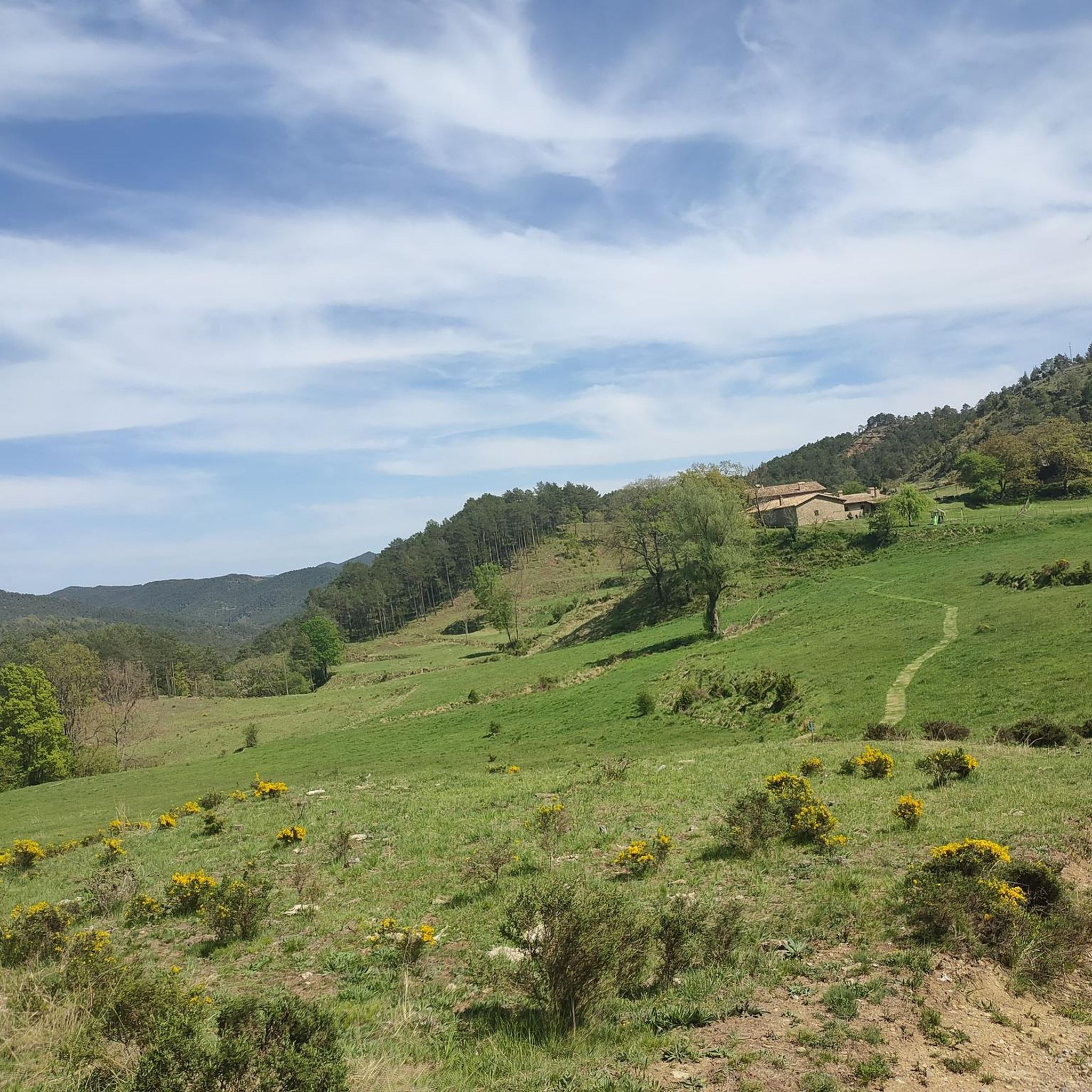
Magnificent church of Sant Romà de la Clusa in an unbeatable setting, with spectacular views of the Serra del Catllaràs. It belongs to the municipality of Castell de l'Areny, and to get there you can go from the track that leaves the town of Vilada, it's about 10km uphill with some quite demanding sections. The path that follows, cut in the rock, hangs over deep precipices cut by the Clusa stream. Next door is the manor house of the same name. The Mirador is also located a few meters below. Also highly recommended.
0
0

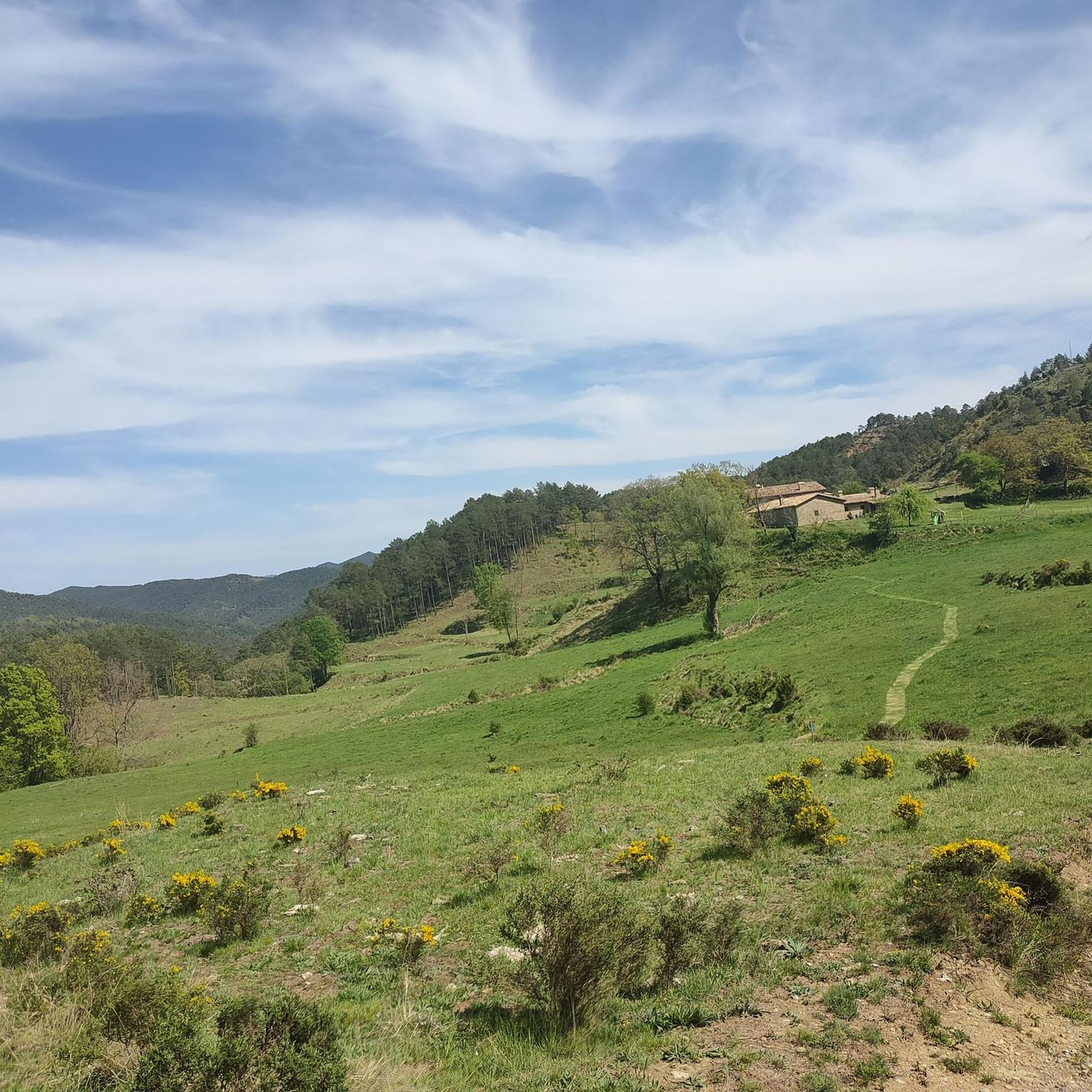
The Collada Sobirana is a classic of the Berguedà, whether from Guardiola de Berguedà or from the Pobla de Lillet, it is a pleasant and tough port at the same time. The first is longer and harder, with more exposure to wind and sun. The second is shorter and draws its curves in a very leafy forest that can protect you on very hot days.
0
0
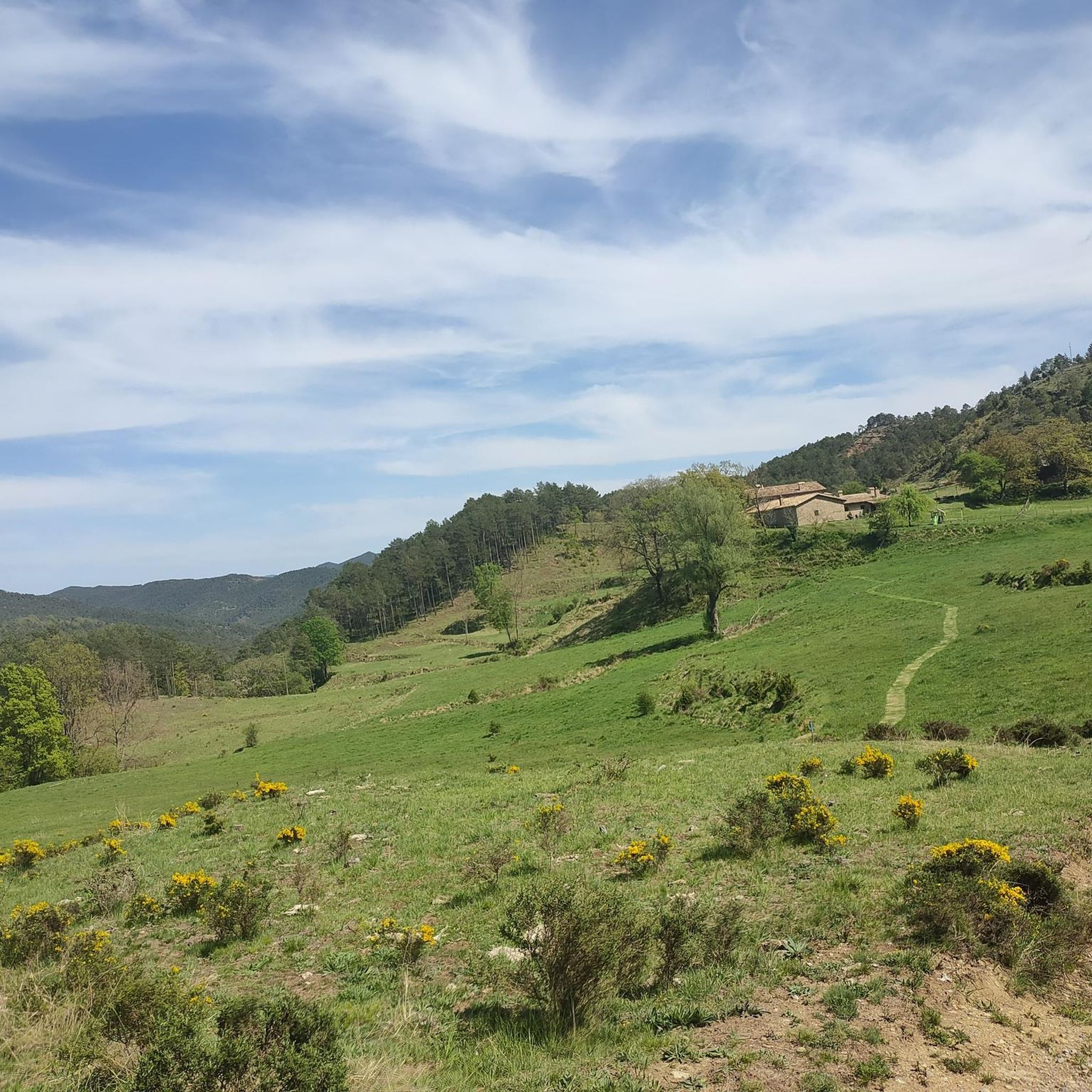
The Collada de Falgars is the opposite of the Collada de Subirana, going up from the Pobla de Lillet. It is a local road with good pans and often cattle on the tarmac. At the top of the Coll there is a Sanctuary, good views and also a bar where you can get refreshments.
0
0

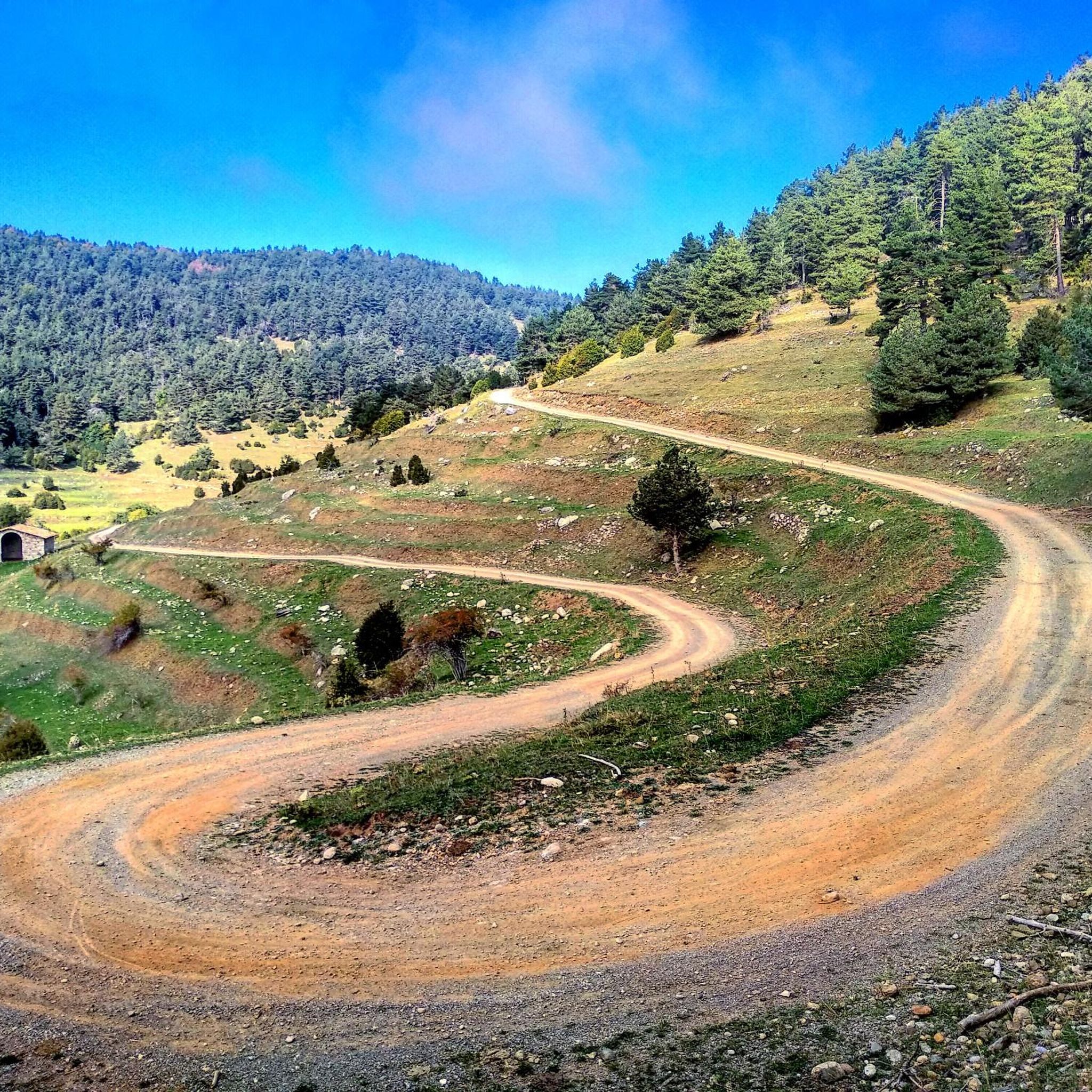
It is a very steep and fun climb on both sides. The road is very winding, with continuous curves and countercurves, some of these counterbanks. The asphalt is rough and there is no shoulder, although it is true that traffic is very scarce. The eastern slope, which starts from Campdevánol and passes through Gombrèn, is approximately 14 km and in no case does the slope exceed 5%. It is a sunny climb, very favorable for the colder months. In summer it is usually very hot. The western slope, which starts from Guardiola de Berguedà, is a little longer and presents a first section to La Pobla de Lillet characterized by long straights. It has some sections at 6-7% and the last 3 km are the hardest.
0
0
The Coll de Merolla is the crossing point between the Pobla de Lillet and Campdevànol, that is to say between the upper Berguedà and the Ripollès. The two slopes are gentle, and halfway, near Gombrèn, there is the link with the Carretera de Montgrony, to continue climbing up to Castellar de N'Hug. At the top is the Merolla refuge, site of the legendary full moon brevet dinner.
0
0

The Coll de Merolla refuge is located at 1090 meters above sea level, next to the road that connects Pobla de Lillet and Gombrèn. It consists of a kitchen and dining room and four rooms with bunk beds and capacity for 23 people. There is also a community kitchen and bar and restaurant service.
0
0
The Collada de Falgars from La Pobla de Lillet shares a route for the most part with the Collada Sobirana. The climb branches into 2 in its final part. If we take the road that goes to the left, we will reach the Collada de Falgars, where there is a church to visit and a very nice bar where you can take a break. The other side of the Collada de Falgars is not cycleable with a road bike, although it can be cycled with a gravel bike.
0
0
It is a port that has 2 completely different sides, in both cases with a narrow road, good asphalt and little traffic, although the La Pobla de Lillet side is the least busy of the two. The La Pobla de Lillet slope is completely covered by a thick forest, which makes it ideal for hot summer days. It is a very constant climb until the last final ramp. The Guardiola de Berguedà slope is harder, with stronger kms and ramps, although also with more breaks. It is clearly exposed to the sun and the wind in almost its entirety.
0
0
Frequently Asked Questions
What are some of the most notable mountain peaks and passes around Sant Jaume De Frontanyà?
The region around Sant Jaume De Frontanyà offers several significant peaks and passes. Coll de Merolla is a popular mountain pass dividing the Berguedà and Ripollès regions, known for its gentle ascent and a refuge. Another key pass is Collada de Sobirana, which features varied and sometimes challenging ascents through thick forests. The most prominent peak directly associated with the village is Pedró de Tubau (1,543 m), offering extensive panoramic views of the Pyrenees and surrounding ranges.
Are there any challenging mountain climbs for experienced hikers or cyclists?
Yes, for those seeking a challenge, the ascent to Collada de Sobirana from Guardiola de Berguedà includes ramps above 10%, reaching up to 15%. The Costa Pubilla (Pla de Pujalts Summit, 2,056 m) also presents a challenging climb, rewarding with unimaginable views from its summit. For cyclists, routes like the 'El Coll de la Creueta – return via Coll de Merolla' are rated as difficult.
What kind of views can I expect from the mountain peaks in this area?
The mountain peaks and passes around Sant Jaume De Frontanyà offer breathtaking panoramic views. From Pedró de Tubau, you can see the Cingles de Tubau, Cingles de Montgrony, Puigmal, Taga, Montseny, Serra de l'Obac, Montserrat, Catllaràs massif, and the iconic Pedraforca. Viewpoints like those near Sant Romà de la Clusa Hermitage and Collada de Falgars also provide excellent vistas of the surrounding mountainous landscape and forests.
Are there any historical or cultural sites located on or near the mountain peaks?
Yes, the Sant Romà de la Clusa Hermitage is a notable historical site set in an unbeatable location with spectacular views of the Serra del Catllaràs. This 11th-century Romanesque church is an exceptional example of architecture in the region. Additionally, the Collada de Falgars features a beautiful sanctuary at its summit.
What outdoor activities can I do near these mountain peaks?
The mountainous terrain around Sant Jaume De Frontanyà is ideal for various outdoor activities. You can find numerous hiking opportunities, from easy to hard, often leading through charming beech groves and offering vast panoramic views. The area is also popular for gravel biking and road cycling, with routes like 'Ascent to Sant Julià – Collada de Sobirana loop from la Pobla de Lillet' for gravel biking and 'El Coll de la Creueta – return via Coll de Merolla' for road cycling. For more details on routes, explore the Gravel biking around Sant Jaume De Frontanyà, Running Trails around Sant Jaume De Frontanyà, and Road Cycling Routes around Sant Jaume De Frontanyà guides.
Are there any natural features like waterfalls or pools near the mountain trails?
Yes, several routes in the vicinity of Sant Jaume De Frontanyà feature natural pools and waterfalls. You can find trails passing by 'Gorg del Salt Waterfall,' 'Gorg del Matxo,' and 'Gorg Blau.' The 'Salts i Gorgs de la riera de Merles' route is particularly noted for its numerous waterfalls and beautiful pools, providing refreshing stops during warmer months.
What is the best time of year to visit for hiking and outdoor activities?
The region's extensive pine, oak, holm oak, and beech forests make it appealing throughout much of the year. Spring and autumn offer pleasant temperatures and vibrant foliage, ideal for hiking. Summer is also suitable, especially with the presence of natural pools and waterfalls for refreshing breaks. While specific winter hiking gear might be needed for higher elevations, the area generally provides a serene escape in the Pyrenees.
Are there any facilities or places to rest near the mountain passes?
Yes, at Coll de Merolla, you'll find a refuge that serves as a good stopping point for refreshments. The Sant Romà de la Clusa Hermitage also includes a refuge, offering an option for an overnight stay. Additionally, Collada de Falgars has a bar where you can take a break and get refreshments.
What kind of terrain can I expect on the trails?
The trails around Sant Jaume De Frontanyà traverse diverse terrain. You'll encounter extensive forests of pine, oak, holm oak, and charming beech groves, particularly on the northern faces of peaks like Pedró de Tubau. Paths can range from gentle ascents on mountain passes to challenging ramps and narrow roads, often with good asphalt and minimal traffic, especially on cycling routes.
What do visitors enjoy most about the mountain peaks in Sant Jaume De Frontanyà?
Visitors highly appreciate the tranquility and scenic beauty of the area, with its extensive forests and panoramic views. The diverse hiking opportunities, from easy to challenging, are a major draw. The presence of historical sites like the Romanesque church of Sant Jaume and the Sant Romà de la Clusa Hermitage, combined with natural features like waterfalls and pools, also contribute to a rich and memorable experience.
Are there any easy or beginner-friendly mountain walks in the area?
While some routes offer challenging sections, the region around Sant Jaume De Frontanyà does provide hiking opportunities suitable for various fitness levels, including easier trails. The ascent to Coll de Merolla from La Pobla de Lillet, for instance, is described as having a very gentle unevenness, making it more accessible. Many trails lead through charming beech groves, offering a pleasant experience without extreme difficulty.
How accessible are the mountain peaks by public transport?
Information on direct public transport access to the specific mountain peaks is limited. Sant Jaume de Frontanyà itself is a small, somewhat secluded municipality. Visitors typically reach the area by car, which allows for greater flexibility in accessing various trailheads and passes. It's advisable to check local transport options or consider driving to the starting points of your chosen routes.
Most popular routes around Sant Jaume De Frontanyà
Most popular attractions around Sant Jaume De Frontanyà

Get inspired with the komoot mobile app


Explore more
See even more amazing summits around Sant Jaume De Frontanyà with these guides:
