The best cycling routes around Titaguas
4.3
(3)
209
riders
29
rides
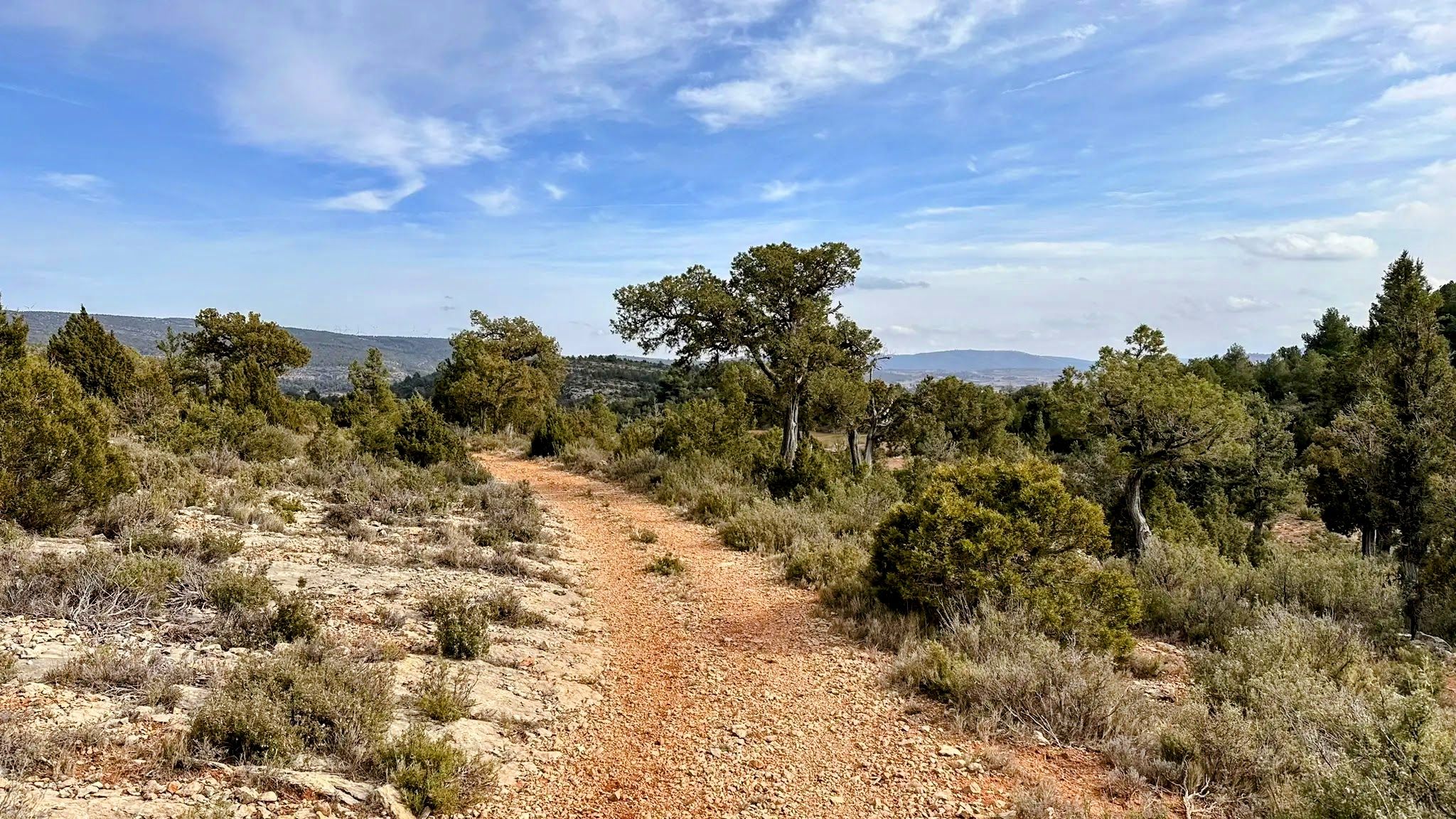
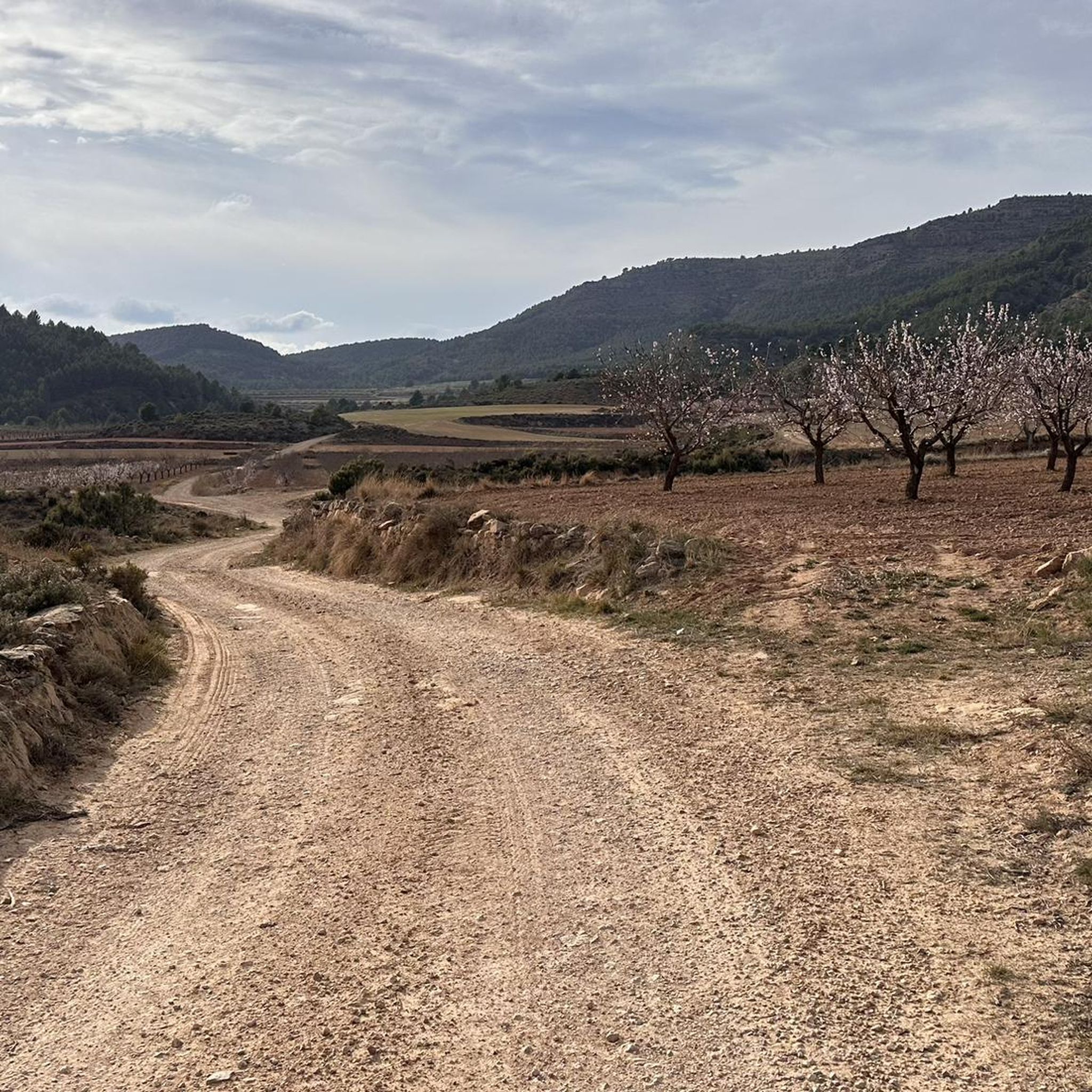
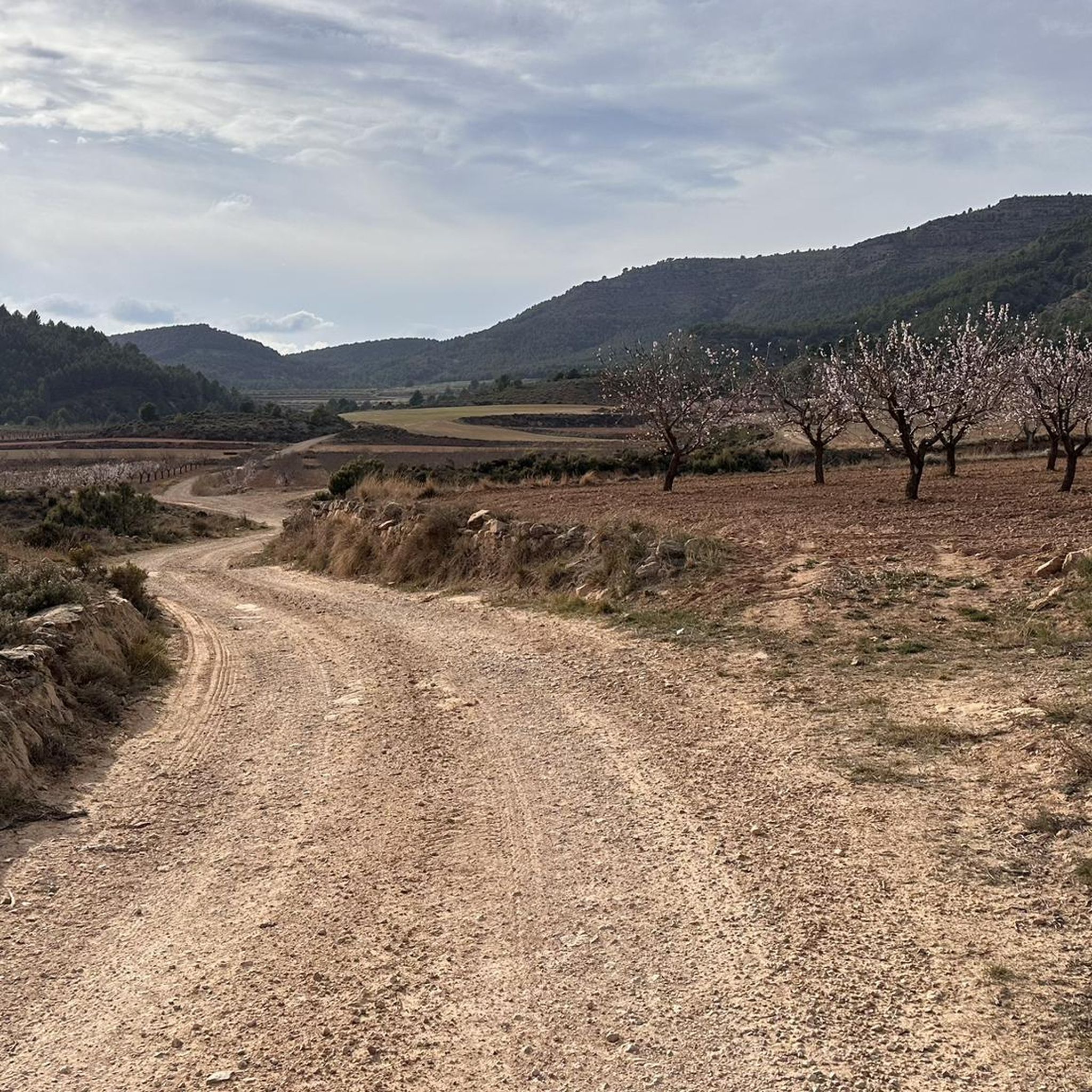
Touring cycling routes around Titaguas traverse a landscape characterized by diverse natural features within the Valencian mountains. The region features the Turia River, which carves through picturesque areas and forms the Conquetes canyon. Dense Mediterranean forests of white pine and holm oaks cover the terrain, interspersed with cultivated plains of cereal and vineyards. Prominent peaks, such as Hontanar del Herrero (1,240m) and Pata la Yegua (1,240m), add to the varied elevation.
Best touring cycling routes around Titaguas
- The most popular touring cycling route is Azud de Tuéjar – Corral de Silla Rock Paintings loop from Tuéjar, a 19.8 miles (31.8 km) trail that takes 3 hours 25 minutes to complete. This route offers varied terrain and passes by historical rock paintings.
- Another top favourite among local touring cyclists is Dino Route of Aras de los Olmos – Dinosaur Trails loop from Campo de Abajo, a difficult 32.2 miles (51.9 km) path. This trail explores areas known for dinosaur trails and natural scenery.
- Local touring cyclists also love the Aras de los Olmos – Beautiful straight road out of Aras de Los Olmos loop from Aras de los Olmos, a 59.5 miles (95.9 km) trail leading through cultivated plains and open roads, often completed in about 6 hours 23 minutes.
- Touring cycling around Titaguas is defined by Turia River valleys, Mediterranean forests, and cultivated plains. The network offers options for both moderate and difficult ability levels.
- The routes in Titaguas are highly rated by the komoot community with an average score of 4.3 stars from over 3 reviews. More than 200 touring cyclists have used komoot to explore Titaguas's varied terrain.
Last updated: May 16, 2026
21
riders
31.8km
03:25
890m
890m
Hard bike ride. Very good fitness required. Mostly paved surfaces. Suitable for all skill levels.
14
riders
Hard bike ride. Very good fitness required. Mostly paved surfaces. Suitable for all skill levels.

Sign up for free
5.0
(1)
13
riders
95.9km
06:23
1,550m
1,550m
Hard bike ride. Very good fitness required. Mostly paved surfaces. Suitable for all skill levels.
14
riders
61.3km
04:03
940m
940m
Hard bike ride. Very good fitness required. Mostly paved surfaces. Suitable for all skill levels.
12
riders
105km
07:32
2,240m
2,240m
Hard bike ride. Very good fitness required. Mostly paved surfaces. Suitable for all skill levels.
Get access to more routes and recommendations from other explorers.
Sign up for free
Already have an account?
Our route recommendations are based on thousands of hikes, rides, and runs completed by other people on komoot.
Start today with a free account
Your next adventure awaits.
Login or Signup
Other adventures around Titaguas

Tips from the Community

The Hermitage of Santa Catalina stands on the Muela of the same name, at an altitude of 1,100 meters and 5 km from Aras de los Olmos. Its origins date back to the 17th century and it is surrounded by a natural setting with a spring water fountain, a table area, and paella pans, making it an ideal place to relax after a hike. The inn, added in 1728, completes the historic site. You can reach it on foot, by bike, or by car, all enjoying the peaceful surroundings and beautiful views.
1
0
Aras de los Olmos is a mountain village surrounded by mountains and ravines, perfect for those seeking hiking and biking trails surrounded by nature. It is known for its clear skies, recognized with the Starlight Destination certification, making it one of the best places in Europe for astronomical observation. Its heritage includes the parish church, hermitages, a Muslim tower, and a medieval oven that can be visited, as well as paleontological finds such as the Losillasaurus dinosaur. The local cuisine, with dishes such as gachas (porridge), ajoarriero (a garlic stew), and artisanal honey, completes the visit.
0
0
Arcos de las Salinas is a small village in the Javalambre Mountains, ideal for hiking and nature lovers. Surrounded by mountains and crossed by the Arcos and Torrijano rivers, it is part of a protected area designated as a Site of Community Interest. Its scattered villages and farmhouses give it a very authentic rural feel, perfect for unwinding. Thanks to its altitude, the climate is cool, and snow is not uncommon in winter, making it a good starting point for excursions at any time of year.
1
0
La Yesa is a small village in the Los Serranos region, surrounded by mountains covered with holm oaks and pine forests, ideal for leisurely hikes with beautiful views of the mountains and even the sea on clear days. Its attractions include the Church of Nuestra Señora de los Ángeles, several chapels, and monumental trees such as the Carrasca Tumbada and the Pino Sombrero. The surrounding area offers trails through natural sites such as El Carrascal and El Castellar, with archaeological remains. To replenish your energy, there's nothing better than trying "Olla de pueblo" (village pot), a hearty rice dish with beans and turnips, typical of the area.
1
0
The Los Arcos aqueduct, located in Alpuente, is a 16th and 17th-century hydraulic structure that supplied water to the town and its orchards. With its thirteen pointed arches and a length of 265 meters, the arcade bridged the uneven level of the Reguero River, although the main arch was lost in a flood in 1880. Today, it is preserved as a Site of Cultural Interest and can be easily visited from the road to La Yesa. It is an interesting spot for combining history and hiking; good footwear is recommended to explore the surroundings.
2
0
Alpuente is a picturesque town in the Los Serranos region, surrounded by mountains and ravines, making it an ideal destination for hiking enthusiasts. Its historic center preserves remains of walls, towers, and the medieval castle, as well as an interesting paleontological museum with dinosaur fossils. From the town, you can take a 46-kilometer trail that connects its numerous villages, a good option for exploring its natural and rural surroundings. The terrain is rocky and uneven, so it's advisable to wear comfortable shoes and bring water, especially in summer.
1
0
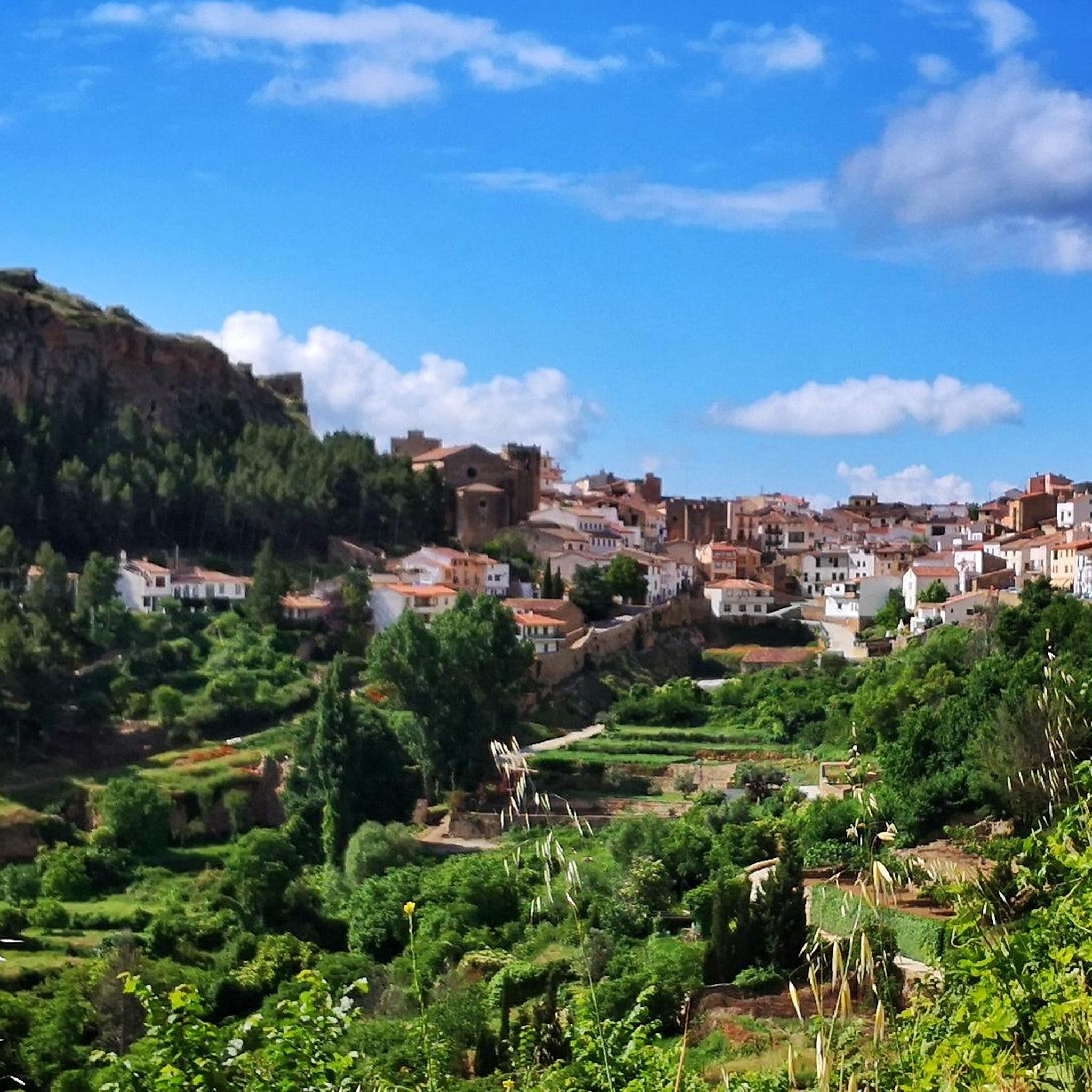
Titaguas is a small town in the Los Serranos region, surrounded by mountains covered with pine, holm oak, and juniper forests, making it an ideal location for hiking. In the surrounding area, you can discover natural springs renowned for their healthy waters, as well as archaeological sites and cave paintings dating back over 9,000 years. The old town preserves historic houses and the Renaissance church of El Salvador, while local festivals keep traditions alive with the famous Mojiganga and wine-related celebrations. It's a great destination for combining nature, heritage, and popular culture, with trails accessible from the CV-35.
1
0

cave paintings with good access
0
0
Frequently Asked Questions
How many touring cycling routes are available around Titaguas?
There are over 30 touring cycling routes available around Titaguas. These routes cater to various skill levels, with 4 moderate and 28 difficult options, offering diverse terrain and scenic views.
What kind of landscapes can I expect to see while cycling around Titaguas?
Touring cyclists in Titaguas will encounter a rich variety of landscapes. The routes often follow the picturesque Turia River, carving through areas like Tosquilla and Molinillo, and featuring the impressive Conquetes canyon. You'll cycle through dense Mediterranean forests of white pine and holm oaks, pass by prominent peaks such as Hontanar del Herrero (1,240m), and traverse cultivated plains of cereal and vineyards.
Are there any touring cycling routes that are suitable for families or beginners?
While many routes around Titaguas are rated as difficult, there are a few moderate options available. For families or beginners, it's recommended to carefully review the route details, including distance and elevation gain, to ensure it matches your group's fitness level. The region's varied terrain means even moderate routes can present some challenges.
What do other cyclists say about touring cycling in Titaguas?
The touring cycling routes around Titaguas are highly rated by the komoot community, with an average score of 4.3 stars. Over 200 touring cyclists have used komoot to explore the area, often praising the varied terrain and the natural beauty of the Valencian mountains.
Are there any routes that pass by historical or cultural sites?
Yes, several routes offer glimpses into the region's history and culture. For example, the Azud de Tuéjar – Corral de Silla Rock Paintings loop from Tuéjar passes by historical rock paintings. The area also features traditional buildings, El Salvador Parish Church, and Nuestra Señora del Remedio Chapel. Further afield, you might encounter the ruins of 13th-century Cabrera Castle or rock art in Rincón del Tío Escribano.
Can I find routes that feature natural landmarks or viewpoints?
Absolutely. The region is rich in natural landmarks. You can explore routes that pass by the Turia River and its canyon, or visit mountain springs like Fuente Vieja. Notable natural attractions include La Playeta de Chelva and Azud de Tuéjar. For impressive views, consider routes near peaks like Hontanar del Herrero or Pata la Yegua, or visit viewpoints such as El Azagador and Monte Calvario.
Are there any routes known for unique natural features like waterfalls or dinosaur trails?
Yes, Titaguas offers routes with unique natural features. You can explore the Dino Route of Aras de los Olmos – Dinosaur Trails loop from Campo de Abajo, which takes you through areas known for dinosaur trails. Additionally, the Tuéjar River Waterfall – Water Route is a highlight in the vicinity, offering a beautiful natural spectacle.
What is the best time of year to go touring cycling in Titaguas?
Titaguas, located in the Valencian mountains, generally offers pleasant conditions for cycling during spring and autumn. These seasons provide milder temperatures, making longer rides more comfortable. Summers can be hot, especially at lower elevations, while winters can be cooler, particularly in the mountainous areas.
Are there any long-distance touring cycling options or multi-day routes?
Yes, for those seeking longer adventures, the Alto Turia Mountain Bike Tour is an extensive route spanning nearly 170 kilometers across six stages, connecting Titaguas with other local municipalities. While this is a mountain bike tour, sections may be suitable for touring cyclists looking for multi-day experiences, though careful planning for terrain and accommodation is advised.
Are there any circular touring cycling routes around Titaguas?
Many of the touring cycling routes around Titaguas are designed as loops, allowing you to start and end in the same location. Examples include the Aras de los Olmos – Beautiful straight road out of Aras de Los Olmos loop from Aras de los Olmos and the Alpuente Village – Dinosaur Trails loop from Aras de los Olmos, providing convenient options for exploring the region.
What kind of terrain can I expect on the touring cycling routes?
The terrain around Titaguas is quite varied. You'll encounter a mix of paved surfaces, especially on routes connecting villages and traversing cultivated plains. However, given the mountainous nature of the region, many routes will also include unpaved sections, forest tracks, and ascents to prominent peaks, offering a challenging and engaging experience for touring cyclists.
Are there opportunities for stargazing after a day of cycling?
Yes, Titaguas is recognized as a Starlight destination, making it an excellent spot for astrotourism. After a day of cycling, you can visit La Loma astronomic viewing point, which provides an ideal location for celestial observation and enjoying the night sky.
Most popular attractions around Titaguas

Get inspired with the komoot mobile app


Explore more
Browse the best Cycling routes in other regions.
