The best road cycling routes around Titaguas
3.5
(2)
420
riders
24
rides
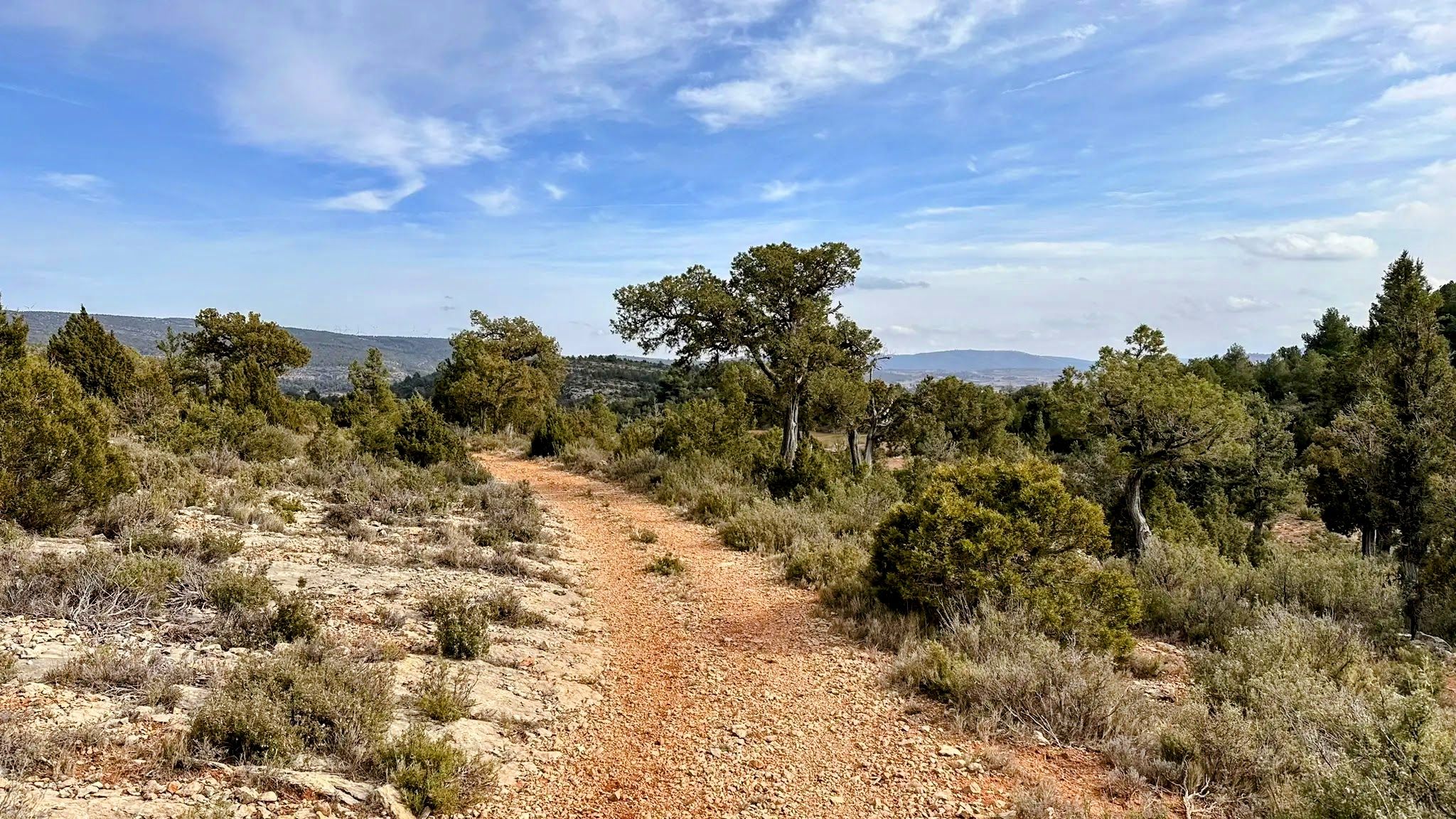
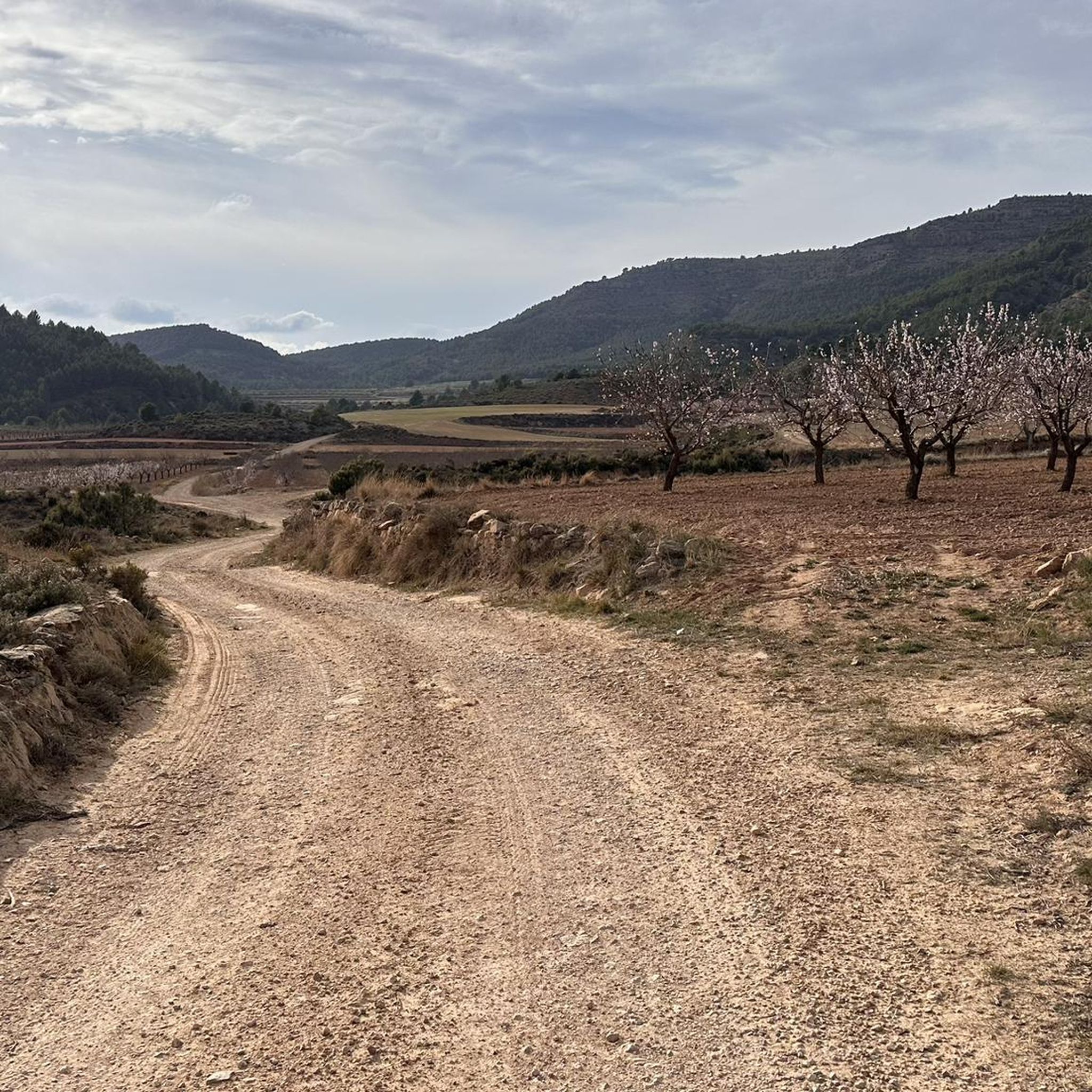
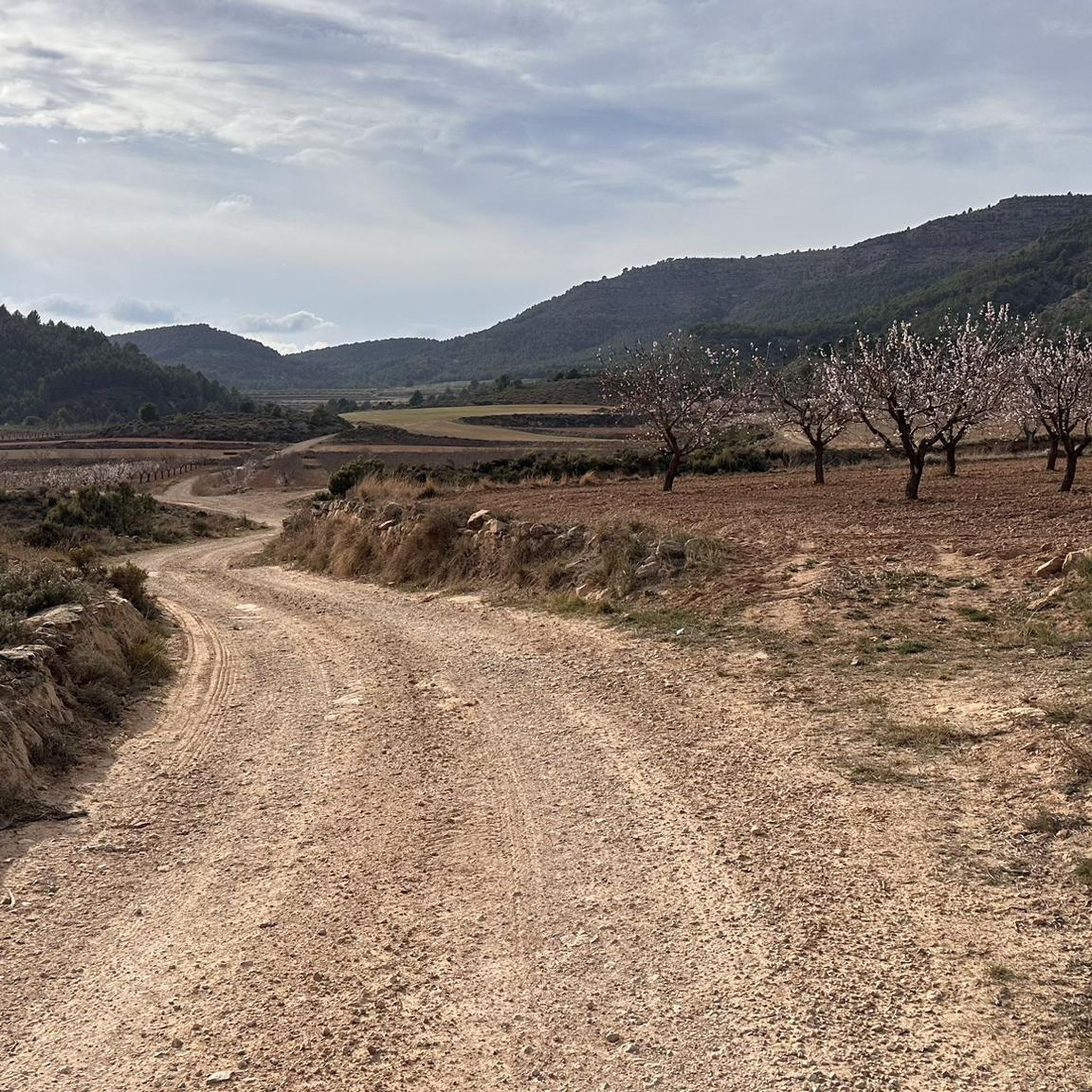
Road cycling routes around Titaguas are set within the mountainous region of Los Serranos and Alto Turia in the Valencian Community. The area features varied terrain, including climbs and descents, with impressive peaks and river valleys. The landscape is characterized by dense Mediterranean forests of white pine and holm oak, alongside dramatic barrancos and canyons carved by the Turia River. Roads in this region often have low traffic, which is suitable for road cyclists.
Best road cycling routes around Titaguas
…Last updated: October 28, 2026
42
riders
108km
05:57
2,270m
2,270m
Hard road ride. Very good fitness required. Mostly well-paved surfaces and easy to ride.
25
riders
62.7km
03:08
960m
960m
Hard road ride. Very good fitness required. Mostly well-paved surfaces and easy to ride.

5.0
(1)
32
riders
Hard road ride. Very good fitness required. Some segments of this route may be unpaved and difficult to ride.
21
riders
45.8km
02:43
1,040m
1,050m
Hard road ride. Very good fitness required. Some segments of this route may be unpaved and difficult to ride.
25
riders
81.6km
04:26
1,520m
1,520m
Hard road ride. Very good fitness required. Some segments of this route may be unpaved and difficult to ride.
Get access to more routes and recommendations from other explorers.
Already have an account?
Our route recommendations are based on thousands of hikes, rides, and runs completed by other people on komoot.
Start today with a free account
Your next adventure awaits.
Other adventures around Titaguas

Tips from the Community

Recreational area, fountain and barbecues. We have to wait for the trees to grow, there is still a lot of sun
0
0
In the heart of Aras, the Fuente Vieja (Old Fountain) was for centuries the main source of drinking water for the neighborhood. With a simple spout but a generous soul, this fountain continues to gush fresh and pure water, a legacy of the village's relationship with the land. Its importance as an element of identity is undeniable, as rest, work, and tradition mingled here. Visiting these fountains and washhouses is to immerse oneself in the living history of Aras de los Olmos, where water is not just a resource, but also a symbol of life, community, and memory. One more reason to let yourself be carried away by the rural charm of this village in the Alto Turia.
0
0
Building from the 16th century built on top of an earlier building, which is why it presents parts belonging to different styles. It is a single-nave church, built with Gothic masonry and with chapels attached between the buttresses. On the exterior, the building has two portals, one in the Renaissance style, with Ionic semicolumns and a tripartite temple-shaped finish, and a Romanesque one, belonging to the oldest part of the building, with a more sober decoration. Furthermore, the bell tower, approximately 30 meters high, stands out. It is formed by two sections, one of masonry work and another of ashlar stone in the upper part, which houses eight semicircular openings containing the bells that call to prayer, tell the time, and formerly also served to give warning in case of fire or war. Inside, the church features rich decoration of sgraffito in grey and white tones distributed across the vaults and walls of the church. These sgraffitos display vegetal decorations, cherubs, fantastic animals, musician angels, and also symbolic elements that refer to popular religious traditions or elements of local culture, such as the two Elm trees that are painted in the choir of the church, which show how the tradition of having an elm tree in the center of the village square existed centuries ago. In the church, we can also find images of various Saints, such as the paintings located on the sides of the altar depicting Saint Barbara and Saint Catherine, sculptures of Saints such as Our Lady of the Angels or the Reclining Christ, and also an interesting silvered Gothic cross from the 10th century.
0
0
This temple of simple forms presides over the village of Losilla, forming the religious nucleus of the population. It is located in the village square. Its style is difficult to determine, as Gothic-Mudejar is spoken of in its original structure and construction, while its exterior appearance is neoclassical. In the center of the lintel of the entrance, an inscription with the year 1851 can be read, although the origin of the building is certainly much older, albeit not with the appearance it presents today. The floor plan of the building is rectangular, approximately 170 square meters. On the sides, forming a Latin cross, there are two chapels resolved in a groin vault. At the beginning of the 20th century, in 1924, the square bell tower was finished, in which the bells ordered the time with the prayer tolls and the Angelus and alerted the population in case of fire. Next to the church, in the garden, was the old cemetery, which was moved to the outskirts of the town after an epidemic that took place at the beginning of the 20th century.
0
0
17th-century parish church completed in 1,622 according to the Renaissance model, it was burned down in 1,840 as a result of the Carlist wars. Its reconstruction lasted until 1,852. To the left of the facade, embedded, robust masonry bell tower with ashlar corners; of two bodies separated by a torus molding. In the first, a loophole and clock; in the second, a semicircular opening for the bells. It is topped by a terrace with a balustrade with small balls. The Abbey House, annexed to it, also stands out.
0
0

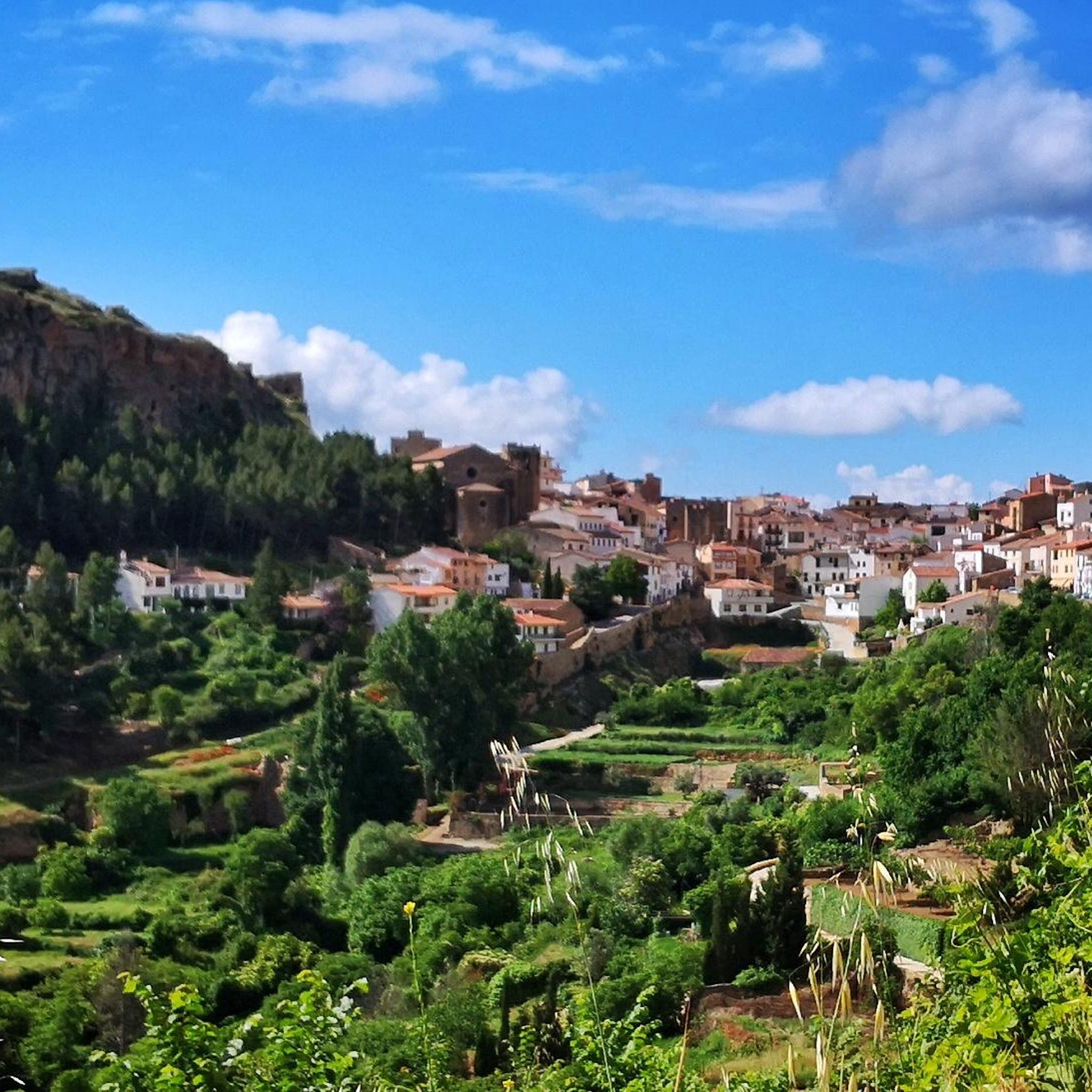
Aras de los Olmos is a mountain village surrounded by mountains and ravines, perfect for those seeking hiking and biking trails surrounded by nature. It is known for its clear skies, recognized with the Starlight Destination certification, making it one of the best places in Europe for astronomical observation. Its heritage includes the parish church, hermitages, a Muslim tower, and a medieval oven that can be visited, as well as paleontological finds such as the Losillasaurus dinosaur. The local cuisine, with dishes such as gachas (porridge), ajoarriero (a garlic stew), and artisanal honey, completes the visit.
0
0
Arcos de las Salinas is a small village in the Javalambre Mountains, ideal for hiking and nature lovers. Surrounded by mountains and crossed by the Arcos and Torrijano rivers, it is part of a protected area designated as a Site of Community Interest. Its scattered villages and farmhouses give it a very authentic rural feel, perfect for unwinding. Thanks to its altitude, the climate is cool, and snow is not uncommon in winter, making it a good starting point for excursions at any time of year.
1
0
La Yesa is a small village in the Los Serranos region, surrounded by mountains covered with holm oaks and pine forests, ideal for leisurely hikes with beautiful views of the mountains and even the sea on clear days. Its attractions include the Church of Nuestra Señora de los Ángeles, several chapels, and monumental trees such as the Carrasca Tumbada and the Pino Sombrero. The surrounding area offers trails through natural sites such as El Carrascal and El Castellar, with archaeological remains. To replenish your energy, there's nothing better than trying "Olla de pueblo" (village pot), a hearty rice dish with beans and turnips, typical of the area.
2
0
Frequently Asked Questions
How many road cycling routes are available around Titaguas?
There are over 20 road cycling routes around Titaguas listed on komoot, offering a variety of experiences for cyclists. These routes range from moderate to difficult, catering to different skill levels.
What kind of terrain can I expect on road cycling routes in Titaguas?
Titaguas is nestled in the mountainous region of Los Serranos and Alto Turia, so you can expect varied terrain including significant climbs and descents. The landscape features impressive peaks, river valleys carved by the Turia River, and dense Mediterranean forests of white pine and holm oak. Roads often have low traffic, making for a tranquil cycling experience.
Are there any challenging road cycling routes in the area?
Yes, Titaguas offers several challenging routes. For example, the Arcos de las Salinas – Source of the Arcos River loop from Titaguas is a difficult 78.6 km trail with significant elevation gain. Another demanding option is the Aras de los Olmos – Beautiful straight road out of Aras de Los Olmos loop from Aras de los Olmos, a 64.4 km route with varied elevations.
What natural features or landmarks can I see along the road cycling routes?
Many routes offer views of the region's natural beauty. You might encounter dramatic barrancos and canyons carved by the Turia River, lush pine forests, and natural springs. Notable attractions include the Azud de Tuéjar and the Tuéjar River Waterfall – Water Route. Viewing points like El Azagador and Monte Calvario also offer panoramic vistas.
Are there any circular road cycling routes starting from Titaguas?
Yes, Titaguas serves as a starting point for several circular cycling routes that explore the Serranos region and the Sierra de Gudar Jabalambre. An example is the Arcos de las Salinas – Source of the Arcos River loop from Titaguas, which is a popular circular option.
What is the best time of year for road cycling in Titaguas?
Given its mountainous terrain, spring and autumn generally offer the most pleasant conditions for road cycling in Titaguas, with milder temperatures. Summers can be hot, while winters might bring colder weather to the higher elevations.
Are there any family-friendly road cycling options in Titaguas?
While many routes in Titaguas are moderate to difficult due to the mountainous terrain, some sections or shorter loops might be suitable for families with older, experienced children. For example, the View of Benagéber Reservoir – Views of the Benagéber Reservoir loop from Tuéjar is a moderate 31.4 km route that could be considered, offering scenic views without extreme difficulty.
Where can I find parking when starting a road cycling route in Titaguas?
Titaguas is a rural village, and parking is generally available within the town itself, often near the main squares or public areas. Specific parking details for individual route starting points are usually provided within the komoot tour descriptions.
What kind of accommodation and dining options are available for cyclists in Titaguas?
As a recognized area for rural and natural tourism, Titaguas offers various local accommodations such as guesthouses and rural hotels. You'll also find cafes, pubs, and restaurants in the village where you can refuel after your rides, experiencing local Valencian cuisine.
What makes Titaguas a unique destination for road cyclists?
Titaguas stands out for its combination of diverse mountainous terrain, low-traffic roads, and stunning natural landscapes. Cyclists can enjoy challenging climbs, scenic descents, and picturesque views of river valleys, dense forests, and dramatic canyons, all within a tranquil, less urbanized setting.
Can I find routes that offer views of reservoirs or water features?
Yes, some routes provide excellent views of water features. The View of Benagéber Reservoir – Views of the Benagéber Reservoir loop from Tuéjar is a prime example, offering scenic stretches with vistas of the Benagéber Reservoir.
Are there any historical sites or cultural points of interest along the routes?
While the focus is on natural beauty, the region around Titaguas also has historical significance. You might find routes that pass near sites like the Archpriest Church of Our Lady of the Angels or the historical quarters of nearby towns, such as the Jewish Quarter of Azoque in Chelva or the Mudéjar-Morisco Quarter of Arrabal.
Most popular attractions around Titaguas

Get inspired with the komoot mobile app


Explore more
Browse the best Road cycling routes in other regions.
