The best road cycling routes around Torrelavega
4.6
(150)
7,691
riders
72
rides
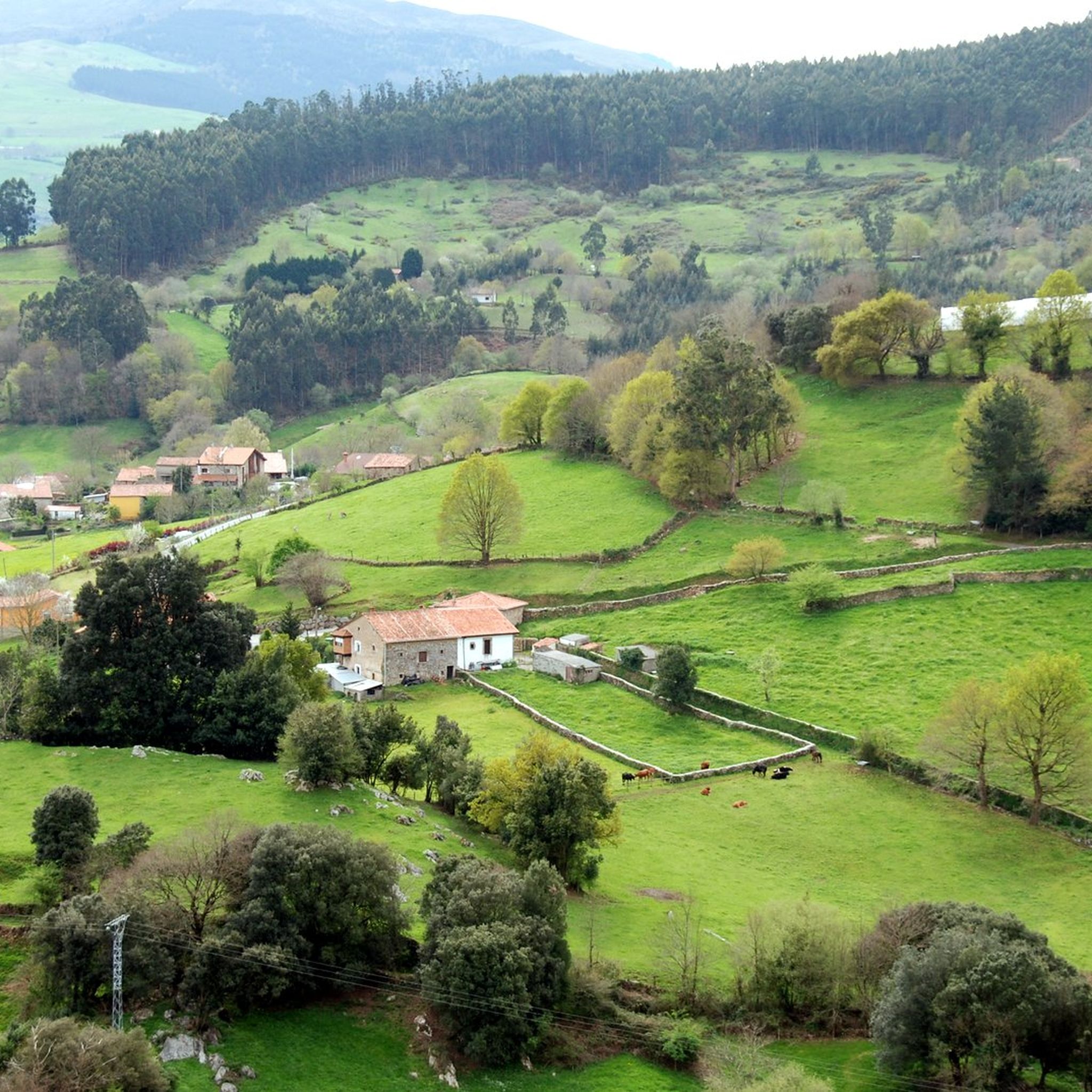
Road cycling around Torrelavega offers diverse landscapes, from large flat valleys to challenging mountain passes. The region's strategic location provides direct access to bike paths connecting the coast with the interior, making it suitable for various skill levels. Cyclists can experience rolling coastal hills that gradually ascend into the Cantabrian Mountains, with two converging rivers forming green rings around urban areas. This varied terrain, including popular road bike trails, supports both leisurely rides and significant ascents.
Best road cycling routes around Torrelavega
- The most popular road cycling route is Tanos, Santiurde de Toranzo, Puente Viesgo, Alto de La Montaña – circular route, a 39.8 miles (64.1 km) trail that takes 3 hours 17 minutes to complete. This route features varied terrain including an ascent to Alto de La Montaña.
- Another top favourite among local road cyclists is Collada de Carmona – Stone Fountain loop from Torrelavega-Centro, a moderate 49.7 miles (80.1 km) path. This route includes the Collada de Carmona, offering a notable climb and scenic views.
- Local road cyclists also love the Section between sea and mountains – Views of the Zapedo marsh loop from Torrelavega, a 44.7 miles (71.9 km) trail leading through coastal and mountainous landscapes, often completed in about 3 hours 32 minutes.
- Road cycling around Torrelavega is defined by coastal hills, river valleys, and ascents into the Cantabrian Mountains. The network offers options for different ability levels, from flat sections to challenging climbs.
- The routes in Torrelavega are highly rated by the komoot community with an average score of 4.6 stars from over 30 reviews. More than 2800 road cyclists have used komoot to explore Torrelavega's varied terrain.
Last updated: October 3, 2026
5.0
(3)
110
riders
Moderate road ride. Good fitness required. Some segments of this route may be unpaved and difficult to ride.
4.1
(7)
217
riders
80.1km
03:51
900m
900m
Moderate road ride. Good fitness required. Mostly well-paved surfaces and easy to ride.

4.3
(3)
202
riders
Moderate road ride. Good fitness required. Mostly well-paved surfaces and easy to ride.
3.7
(3)
196
riders
65.5km
03:01
560m
560m
Moderate road ride. Good fitness required. Mostly well-paved surfaces and easy to ride.
180
riders
48.2km
02:18
400m
400m
Moderate road ride. Good fitness required. Mostly well-paved surfaces and easy to ride.
Get access to more routes and recommendations from other explorers.
Already have an account?
Our route recommendations are based on thousands of hikes, rides, and runs completed by other people on komoot.
Start today with a free account
Your next adventure awaits.

Tips from the Community


Whenever I pass by here, even by car, I take a look at this beautiful bridge.
1
0

An area with a unique landscape and spectacular natural surroundings
0
0


The Collada de Carmona is a mountain pass in the Cantabrian mountain range located in western Cantabria.[1] It rises to 601 m above sea level and links the towns of Valle to the east and Carmona to the west, both belonging to the municipality of Cabuérniga.
0
0
Frequently Asked Questions
How many road cycling routes are available around Torrelavega?
Torrelavega offers a wide selection of road cycling routes, with nearly 50 different tours available. These routes cater to various skill levels, from leisurely rides to challenging ascents.
What kind of terrain can I expect when road cycling in Torrelavega?
The region around Torrelavega boasts incredibly diverse terrain. You'll find large flat valleys, rolling coastal hills that gradually ascend into the Cantabrian Mountains, and direct access to bike paths connecting the coast with the interior. This variety allows for both relaxed rides and significant climbs.
Are there road cycling routes suitable for beginners in Torrelavega?
Yes, Torrelavega has several road cycling routes perfect for beginners. There are 8 easy routes available, often utilizing bike paths and flatter sections, providing a great way to explore the area at a comfortable pace.
Are there challenging road cycling routes for experienced cyclists?
Absolutely. For experienced cyclists seeking a challenge, Torrelavega offers 9 difficult routes. These often include significant ascents into the Cantabrian Mountains, such as the Collada de Carmona, and routes with considerable elevation gain like the Tanos, Santiurde de Toranzo, Puente Viesgo, Alto de La Montaña – circular route, which features an ascent to Alto de La Montaña.
What natural features or landmarks can I see along road cycling routes near Torrelavega?
Road cycling routes around Torrelavega often pass by stunning natural features and landmarks. You can encounter spectacular beaches like Santa Justa Beach and El Sable Beach, or enjoy views from peaks such as Summit of Pico La Capía (Pico Dobra) and Alto de La Montaña. The region is also known for its proximity to World Heritage-classified caves and charming medieval towns like Santillana del Mar.
Are there any scenic viewpoints on the road cycling routes?
Many routes offer breathtaking scenic viewpoints. For instance, the Collada de Carmona – Stone Fountain loop from Torrelavega-Centro provides notable climbs with expansive views. You can also find viewpoints like Punta Ballota and Alto de La Montaña, offering panoramic vistas of the diverse Cantabrian landscape.
What do other road cyclists enjoy the most about road cycling in Torrelavega?
The area is highly rated by the komoot community, with an average score of 4.6 stars from over 30 reviews. Cyclists often praise the varied terrain, which allows for everything from coastal rides to challenging mountain ascents, and the strategic location that provides access to both natural beauty and cultural sites.
Are there family-friendly road cycling options in Torrelavega?
Yes, Torrelavega is well-suited for family cycling. The region offers direct access to bike paths that connect the coast with the interior, providing safe and enjoyable options for families. These routes often feature flatter sections and less traffic, making them ideal for all ages.
What is the best time of year for road cycling in Torrelavega?
Torrelavega is an excellent destination for road cycling throughout much of the year. The diverse landscapes mean you can find suitable routes in different seasons. While specific weather conditions vary, spring and autumn generally offer pleasant temperatures and beautiful scenery, though summer can also be great for coastal rides.
Are there circular road cycling routes available?
Yes, many of the road cycling routes around Torrelavega are circular, allowing you to start and end your ride in the same location. Examples include the popular Tanos, Santiurde de Toranzo, Puente Viesgo, Alto de La Montaña – circular route and the Section between sea and mountains – Views of the Zapedo marsh loop from Torrelavega.
Can I find routes that combine coastal views with inland exploration?
Absolutely. Torrelavega's unique location, just six kilometers from the coast and with easy access to the Cantabrian Mountains, means many routes offer a fantastic blend of coastal scenery and inland exploration. The Section between sea and mountains – Views of the Zapedo marsh loop from Torrelavega is a prime example, leading through both coastal and mountainous landscapes.
Are there any routes that follow river valleys?
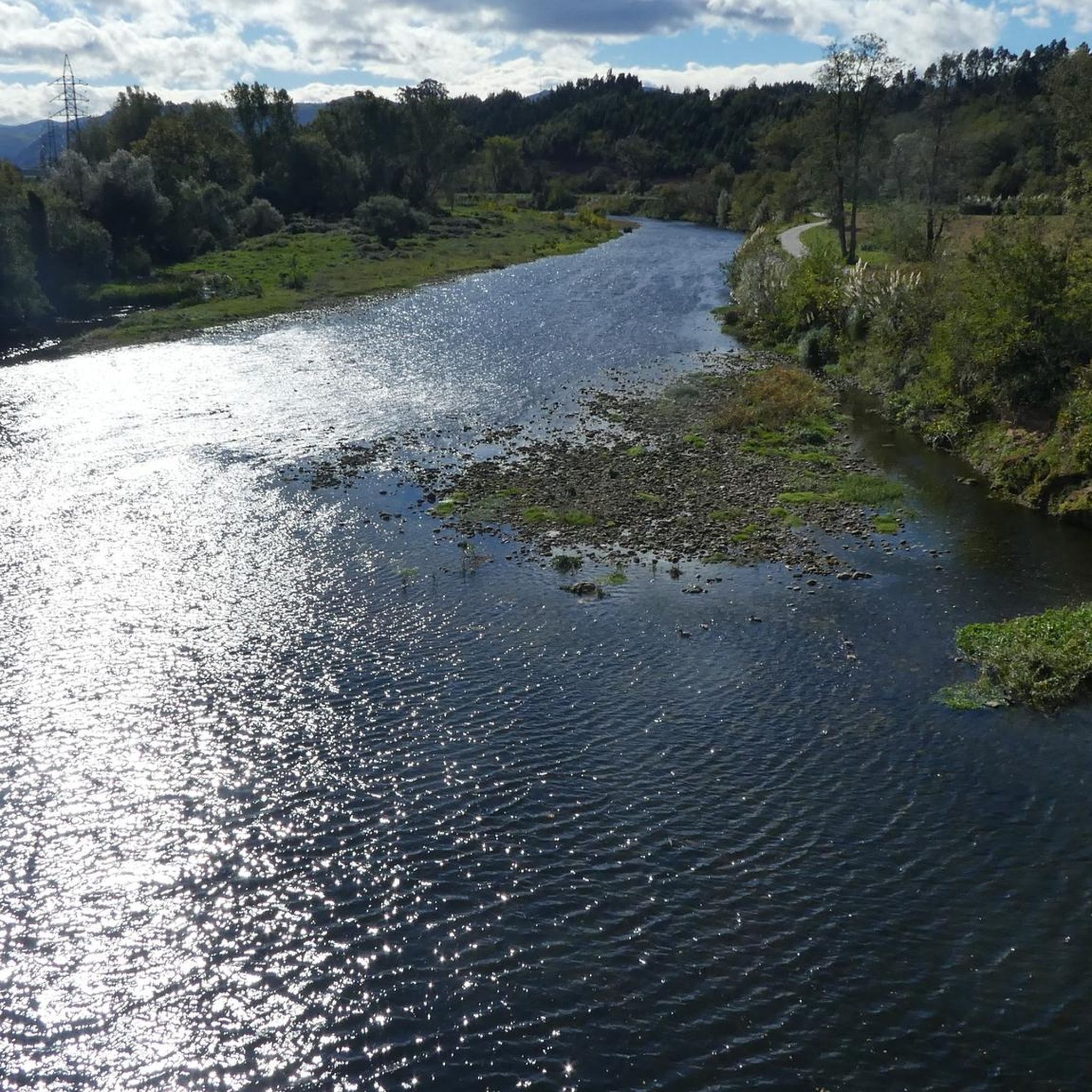
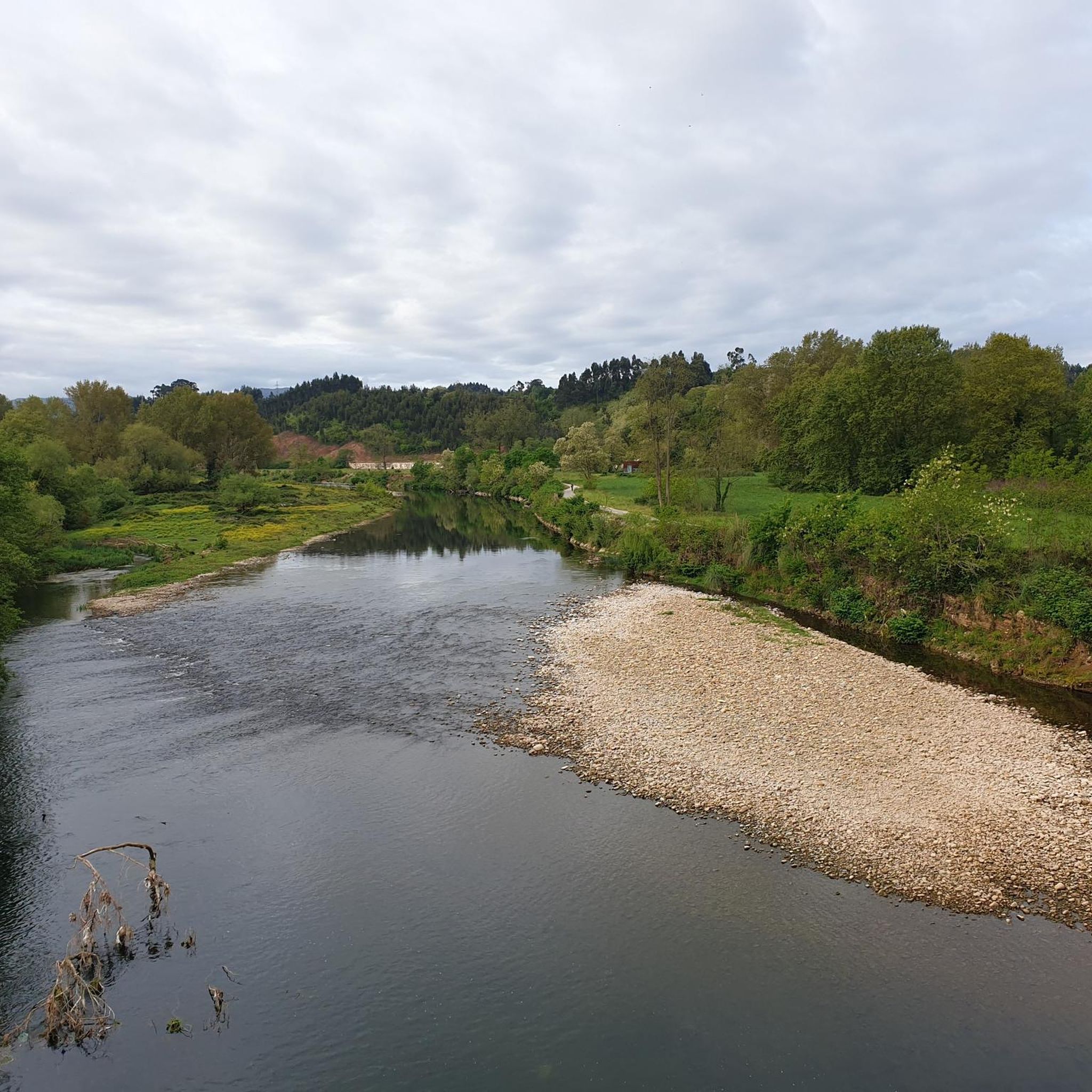
Yes, the region is characterized by two converging rivers that form green rings around its urban areas, offering pleasant routes along river valleys. The Saja River Cycle Path is a notable option, providing a moderate ride through scenic natural surroundings.
Most popular routes around Torrelavega
Most popular attractions around Torrelavega

Get inspired with the komoot mobile app


Explore more
Browse the best Road cycling routes in other regions.
