The best walks and hikes around Montornès De Segarra
4.5
(31)
144
hikers
69
hikes
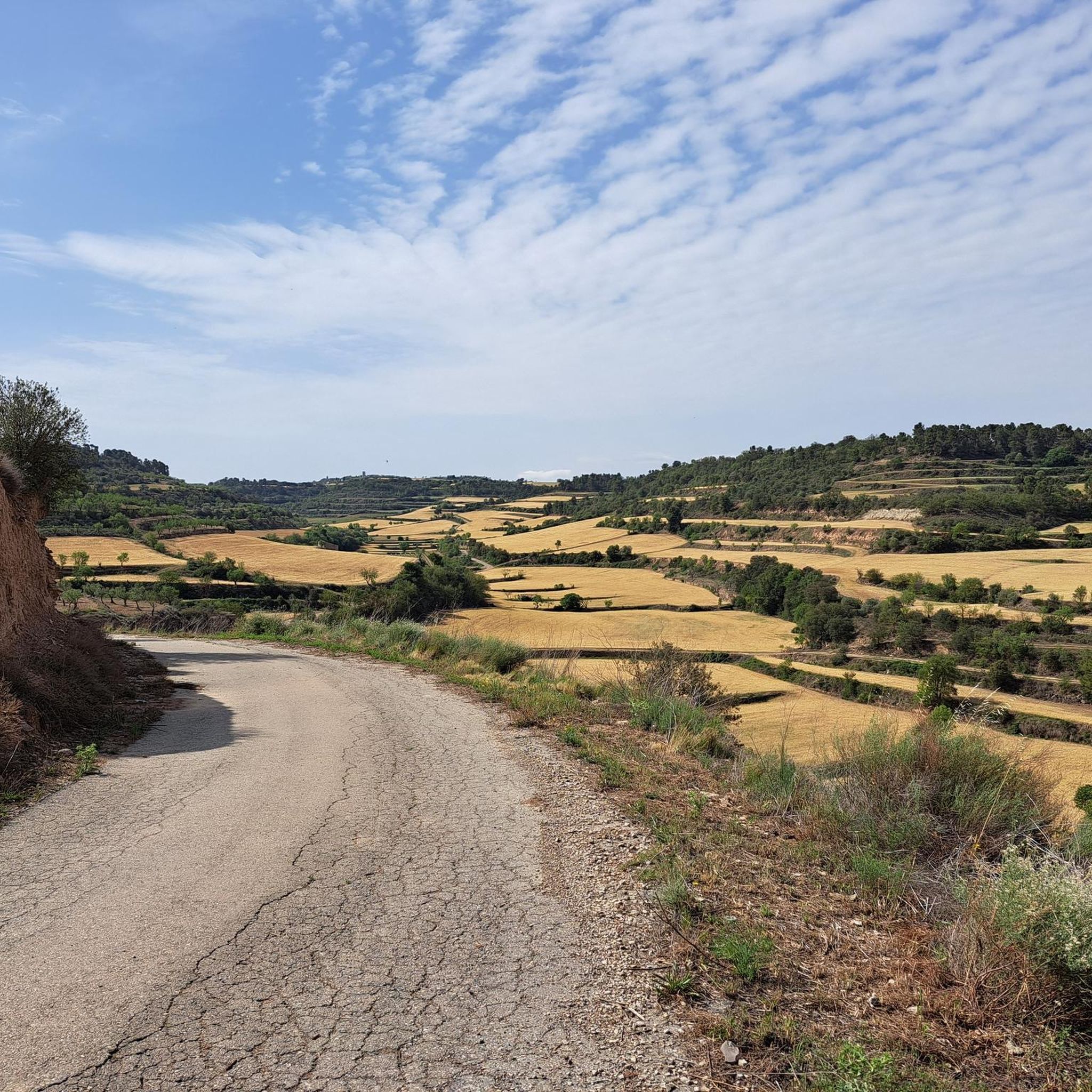
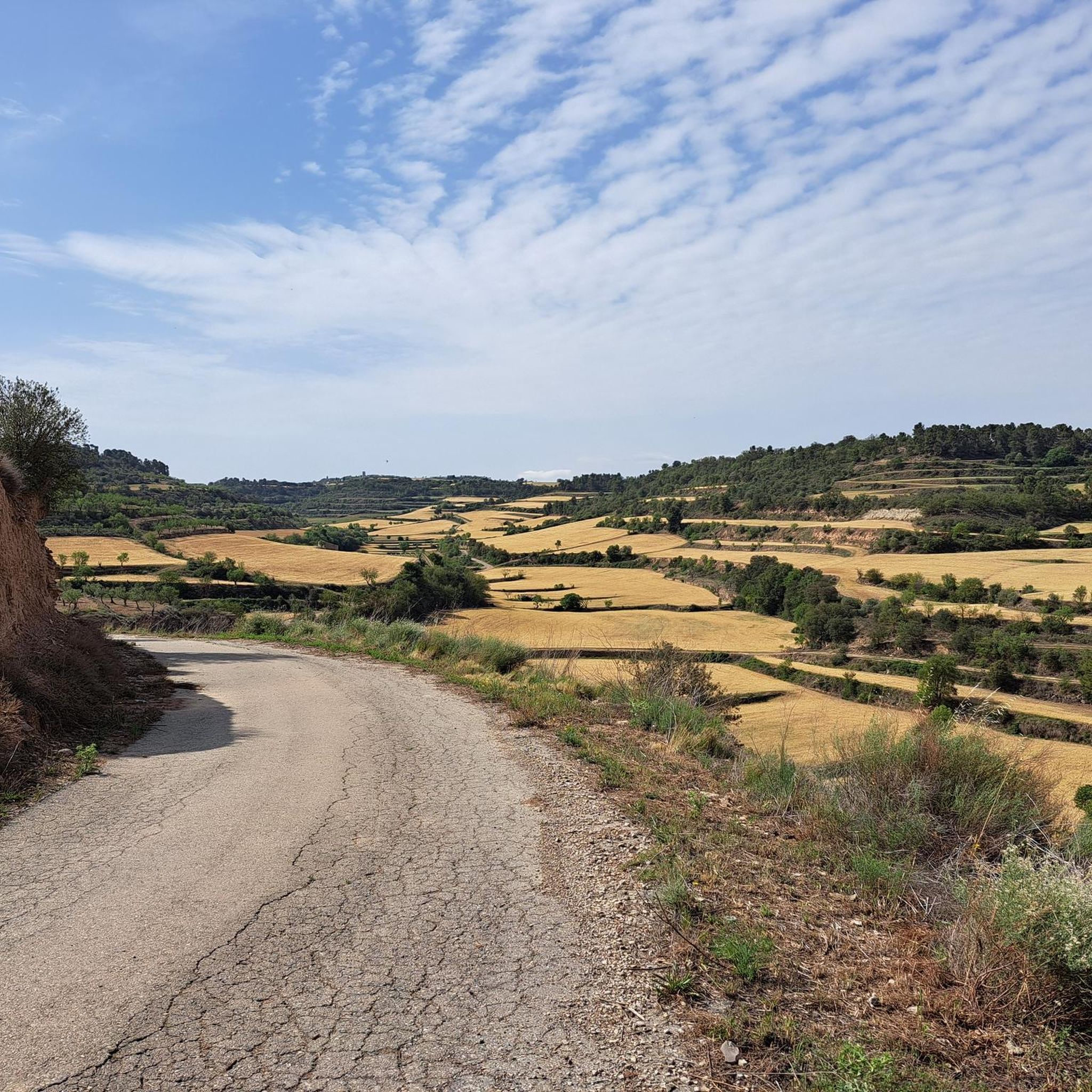
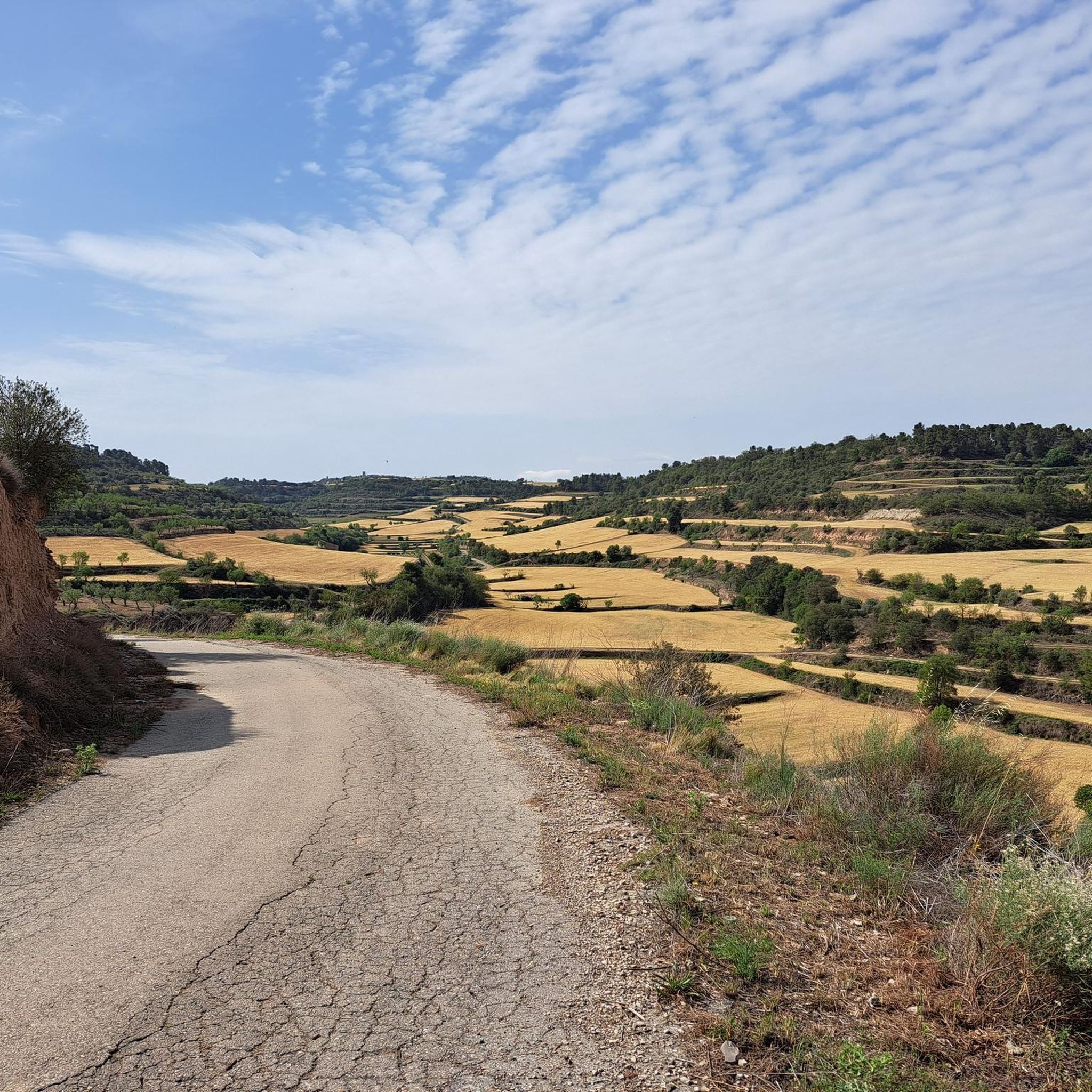
Hiking around Montornès De Segarra offers diverse landscapes within the Catalan Central Depression, situated at an altitude of 605 meters. The region features gently undulating topography, characterized by a mosaic of forests, scrubland, and extensive agricultural areas including cereal fields, almond groves, olive groves, and vineyards. Hikers can explore paths along the Cercavins river and Montornès stream, with a significant portion of the municipality falling within the Protected Natural Area of Granyena.
Best hiking trails around Montornès De Segarra
- The…
Last updated: May 23, 2026
5.0
(1)
1
hikers
13.0km
03:34
220m
220m
Moderate hike. Good fitness required. Easily-accessible paths. Suitable for all skill levels.
5.0
(2)
3
hikers
14.9km
04:23
440m
440m
Moderate hike. Good fitness required. Easily-accessible paths. Suitable for all skill levels.

Sign up for free
2
hikers
9.77km
02:34
80m
80m
Moderate hike. Good fitness required. Easily-accessible paths. Suitable for all skill levels.
5.0
(1)
6
hikers
6.01km
01:40
110m
110m
Easy hike. Great for any fitness level. Easily-accessible paths. Suitable for all skill levels.
4.0
(2)
3
hikers
Easy hike. Great for any fitness level. Easily-accessible paths. Suitable for all skill levels.
Get access to more routes and recommendations from other explorers.
Sign up for free
Already have an account?
Our route recommendations are based on thousands of hikes, rides, and runs completed by other people on komoot.
Start today with a free account
Your next adventure awaits.
Login or Signup


Tips from the Community

In addition to the views of the hilltop village of Albio, the views from Albio itself are also very beautiful.
0
0

Vilagrassa, also officially known as Vilagrasa, is a Spanish municipality located in the province of Lérida, in the Autonomous Community of Catalonia. The Església de Santa Maria, this church was built between the 13th and 14th centuries. It has a main altar and seven lateral ones, as well as a rectory and a choir.
2
0

The Vallfogona de Riucorb spa was built in 1901 to take advantage of the thermal waters that spring up in the area. It is one of several spas that are spread throughout this region.
0
0

Albiò, crossing point in La Segarra. Visit between March and May, beyond that the atmosphere will be very dry.
0
0

The origins of Montornès de Segarra date back to the Reconquest, when the castle was built on top of ancient Iberian and Roman settlements. At the beginning of the 12th century, King Alfonso I the Chaste ceded the castle to the Order of the Temple, which would later pass into the hands of the Order of the Hospitallers. The population is presided over by the remains of the castle and the parish church, attached to it. It is a picturesque town that, in addition to the castle, preserves old houses with voussoired doorways.
0
0
The Montornès de Segarra cemetery was built at the end of the 19th century by Josep Balcells i Cortada, an Indian who, on his return from America, dedicated part of his fortune to building this cemetery and also the village school. The cemetery is built in the modernist style, has a square shape and each of its corners is topped by a pagoda covered in glazed ceramic.
0
0
The parish church of the nucleus of l'Ametlla de Segarra (Montoliu de Segarra) appears for the first time in the records of the bishopric of Vic in the 11th century. Located within the urban nucleus, it is attached to the old rectory, it has a single nave with a pointed barrel vault. The bell tower, square and with four eyes structured in semicircular arches, has a clock and is topped by a pinnacle.
0
0
L'Ametlla de Segarra is a town belonging to the municipality of Montoliu de Segarra, in the Segarra region, province of Lleida. It is linked to the castle of the same name, appearing in records at the end of the 11th century. It is located in an area with a tradition of cereal farming and other rainfed crops such as olive groves and almond trees. You can also find vineyards, particularly organic vineyards that produce Comalats wine, which was the old name of the region. Of its heritage, the church of Sant Pere and the tower of the old castle stand out.
0
0
Frequently Asked Questions
How many hiking trails are available in Montornès De Segarra?
Montornès De Segarra offers a wide variety of hiking opportunities, with over 70 trails recorded on komoot. These routes cater to different preferences, including easy strolls, moderate treks, and a few more challenging options.
What is the best time of year to go hiking in Montornès De Segarra?
The best times for hiking in Montornès De Segarra are generally spring and autumn. The region experiences a dry continental Mediterranean climate, meaning cold winters with frequent frosts and persistent fogs, and hot summers. Spring and autumn offer more moderate temperatures and are when most rainfall occurs, making the landscapes lush and pleasant for exploration.
What makes hiking in Montornès De Segarra unique?
Hiking in Montornès De Segarra offers a unique blend of natural beauty and historical charm. You'll traverse gently undulating terrain through a rich mosaic of forests, scrubland, and extensive agricultural areas, including cereal fields, almond groves, olive groves, and vineyards. The region is also home to medieval villages built atop hills, such as Montornès de Segarra itself, L'Ametlla de Segarra, and Mas de Bondia, providing a cultural dimension to your outdoor adventure.
Are there easy hiking trails suitable for beginners in Montornès De Segarra?
Yes, Montornès De Segarra has several easy hiking trails perfect for beginners or those looking for a relaxed walk. There are 13 easy routes available, such as the Countryside Around Albió – Albió loop from Albió, which is 3.7 miles (6.0 km) long and typically takes about 1 hour 40 minutes to complete.
Can I find circular hiking routes in Montornès De Segarra?
Absolutely. Many of the trails in Montornès De Segarra are circular, allowing you to start and end in the same location. A notable example is the Cercavins Route – hiking in Catalonia, a 8.1-mile (13.0 km) moderate trail that follows the Cercavins river. Another popular option is the Valle del Río Corb — circular por Albió, Segura y Vallfogona del Riu Corb, which explores the Corb River valley and connects several historic villages.
Are there historical sites or landmarks to explore on hikes?
Yes, Montornès De Segarra is rich in historical sites. You can explore the remains of Montornès Castle and the attached Church of Sant Joan in Montornès de Segarra village. Other nearby historical highlights include the medieval walled village of Mas de Bondia, and the charming settlements of L'Ametlla de Segarra and Guimerà. Many routes will take you past these fascinating points of interest, such as the Main Square – Chapel of Sant Esteve loop from Guimerà.
What kind of wildlife can I expect to see while hiking in Montornès De Segarra?
The region is part of the Protected Natural Area of Granyena, which is ecologically significant. Hikers might spot various bird species, particularly steppe birds such as the stone-curlew, little bustard, and European roller. It's also an important area for the dispersion of young Bonelli's eagles, so keep an eye on the skies!
Are dogs allowed on the hiking trails in Montornès De Segarra?
Generally, dogs are welcome on most hiking trails in Montornès De Segarra. However, it's always recommended to keep your dog on a leash, especially when passing through agricultural areas or near livestock, and to respect local regulations, particularly within the Protected Natural Area of Granyena, to protect local wildlife.
What do other hikers say about the trails in Montornès De Segarra?
The trails in Montornès De Segarra are highly rated by the komoot community, with an average score of 4.4 stars from over 20 reviews. Hikers often praise the diverse scenery, from agricultural fields to forests, and the opportunity to discover charming medieval villages along the way. The gently undulating terrain is frequently mentioned as enjoyable for various fitness levels.
Are there any viewpoints offering panoramic views?
Yes, the region's gently undulating topography and villages built atop hills provide several opportunities for scenic views. For instance, the Views of Albió offer expansive vistas. The River Cercavins route also allows hikers to ascend a medieval defensive tower in L'Ametlla de Segarra for magnificent territorial views.
Are there any cafes or places to eat near the hiking trails?
While specific cafes directly on every trail might be limited, the medieval villages scattered throughout the region, such as Montornès de Segarra, L'Ametlla de Segarra, and Mas de Bondia, often have small local establishments where you can find refreshments or a meal. It's a good idea to check opening hours, especially in smaller villages.
What are the typical durations for hikes in Montornès De Segarra?
Hiking durations in Montornès De Segarra vary depending on the trail's length and difficulty. Easy routes like the Countryside Around Albió – Albió loop from Albió can be completed in under 2 hours. Moderate trails, such as the Cercavins Route – hiking in Catalonia, typically take around 3.5 hours. Longer moderate routes, like the Valle del Río Corb — circular por Albió, Segura y Vallfogona del Riu Corb, can take over 4 hours.
Most popular routes around Montornès De Segarra
Most popular attractions around Montornès De Segarra

Get inspired with the komoot mobile app


Explore more
Browse the best Hikes in other regions.
