Attractions and Places To See around Santorcaz - Top 20
Best attractions and places to see around Santorcaz include a range of historical and cultural sites in the east of the Community of Madrid. The town features ancient origins with archaeological remains, including vestiges of the Carpetani people. Visitors can explore medieval fortifications, religious architecture, and other points of interest. This region offers a tranquil setting with a rich past.
Best attractions and places to see around Santorcaz
- The most popular attractions is Goyeneche Palace of Nuevo Baztán, a…
Last updated: July 19, 2026
Goyeneche Palace of Nuevo Baztán
Highlight • Historical Site
Translated by Google •
Tip by

Ruins of Alcalá la Vieja Fortress
Highlight • Historical Site
Translated by Google •
Tip by

Sign up now to discover places like this
Get recommendations on the best single tracks, peaks, & plenty of other exciting outdoor places.
Sign up for free
Cervantes Square
Highlight • Historical Site
Translated by Google •
Tip by

Valmores Fountain
Highlight • Monument
Translated by Google •
Tip by

Pioz Castle
Highlight • Castle
Translated by Google •
Tip by
Sign up for free to discover even more attractions around Santorcaz.
Sign up for free
Already have an account?
Start today with a free account
Your next adventure awaits.
Login or Signup
Tips from the Community


The Valmores watering hole was restored in 2022, recovering an essential piece in the ethnographic heritage of Pezuela de las Torres. The first references to the fountain appear in the Topographic Relations of 1578. In 1735, reforms and improvements were made to the original spring, making it essential in the daily life of the countryside. The construction has a functional design to water livestock at a crossroads of the Alcarreño moor with trees and benches to take a break.
0
0
The unique urban style of Nuevo Baztán maintains the original Baroque model from the beginning of the 18th century, designed by José de Churriguera by order of Juan de Goyeneche, who had permission from Charles II to build glass, paper and textile factories on Spanish territory. The Navarrese businessman was originally from Arizkun, in the Baztán Valley, but spent time in Madrid because he had other properties and professional relations with the Court. He chose the site of Madrid's Alcarria to found an industrial and rural centre in honour of his homeland and commissioned the Madrid architect to build a glass factory, a farming village of half a thousand inhabitants, a palace, a monumental church and gardens with centuries-old pines and elms. The town preserves cobbled streets, stone squares, rural buildings from the time of its foundation, between 1709 and 1713, and palace gardens, a beautiful heritage complex declared a Historic-Artistic Monument in 1941 and a Site of Cultural Interest in 2000.
0
0

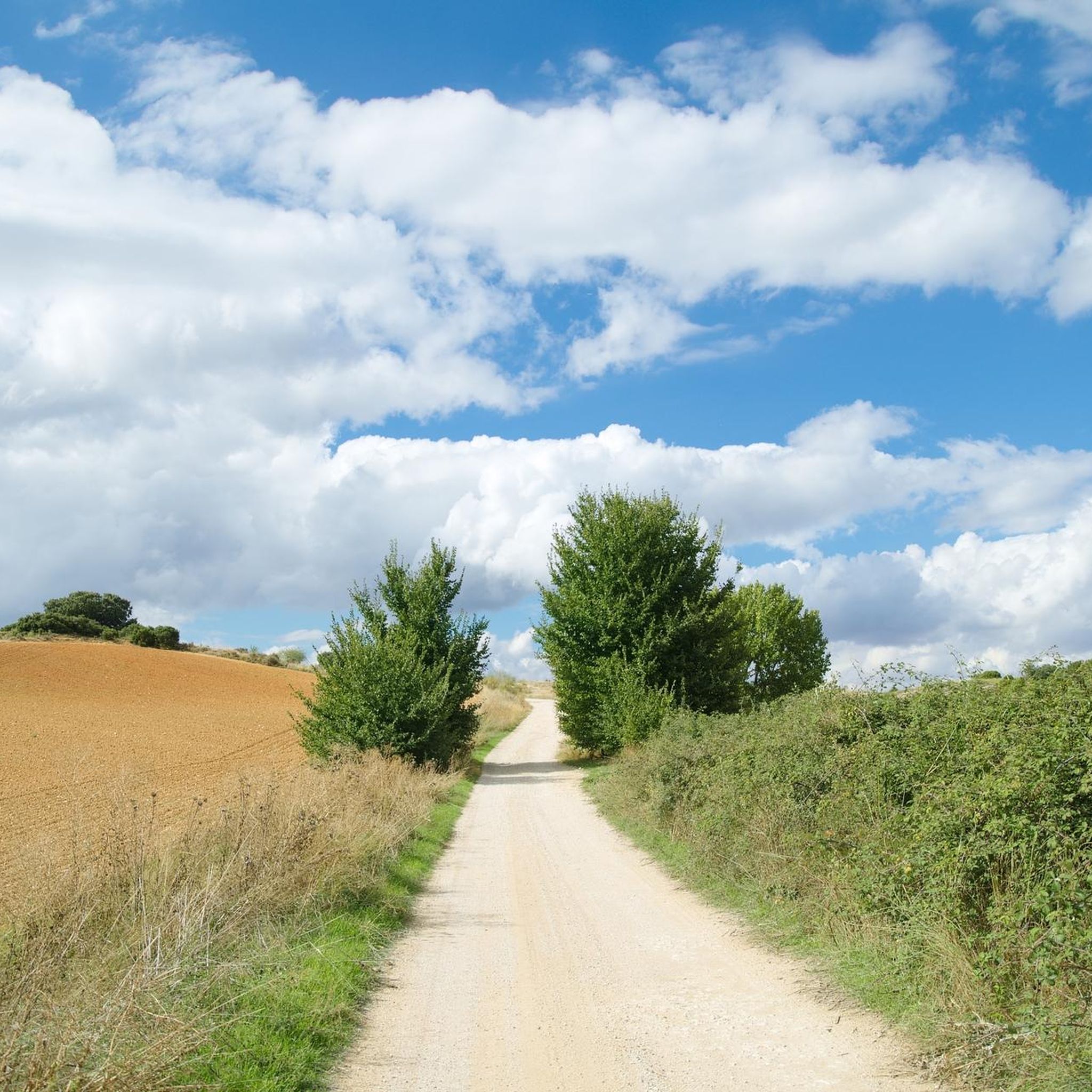
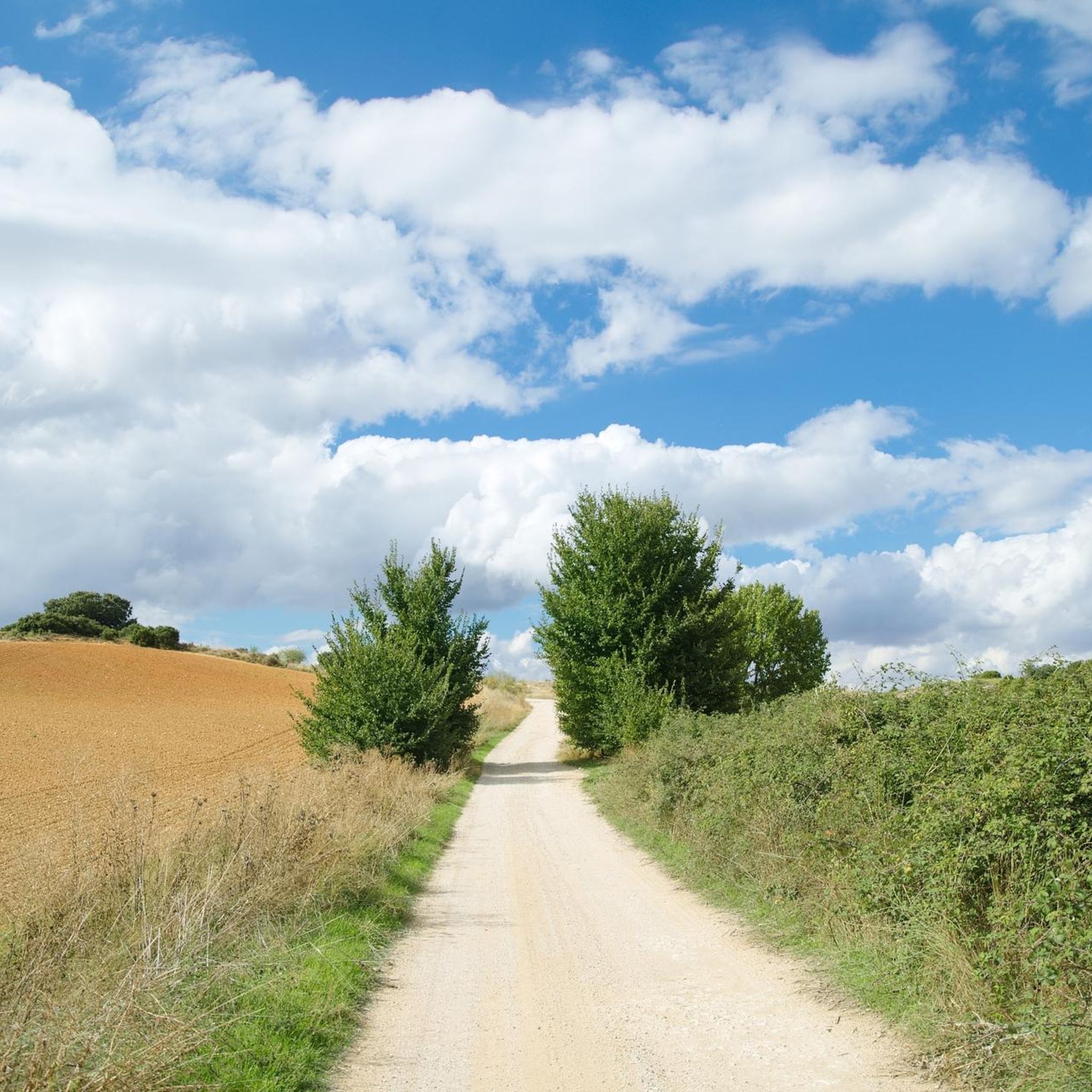
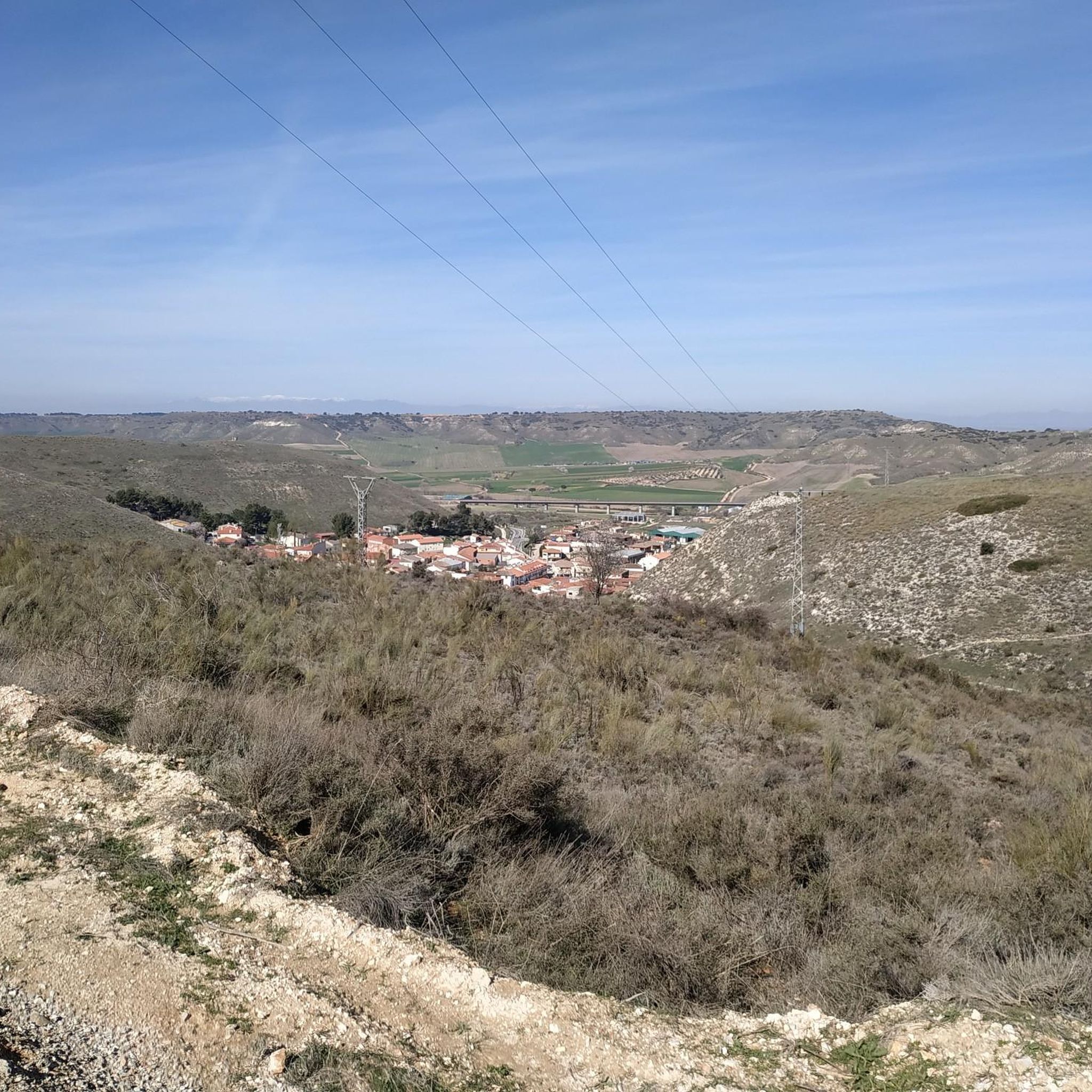
There is a section of the route that is quite out of the way, starting from the passage through the ruins of Alcalá Vieja.
1
0

Ancient Muslim city of the Middle March. Neighbor of Madina Al Faray, which was the most important in the Middle Brand.
1
0

The Valmores fountain, an Asset of Heritage Interest of the Community of Madrid, is a good example of the historical sources existing in the region, closely linked to livestock farming and the livestock routes that facilitated the movement of herds through the territory. It is attached to the base of a bank, a wide unproductive slope that links dry fields arranged at different levels, and preserves the original catchment system intact, maintaining an acceptable flow. Source: https://www.comunidad.madrid/cultura/patrimonio-cultural/restauracion-fuente-valmores-pezuela-torres
0
0

In restoration works, it presents a beautiful appearance
2
0

Fountain in the small park in front of the church.
0
0
Frequently Asked Questions
What historical landmarks can I explore in Santorcaz?
Santorcaz is rich in history, featuring several significant landmarks. You can visit the Castle of Torremocha, a 13th-century fortress declared a Property of Cultural Interest, and the Church of San Torcuato, which is integrated within the castle and showcases Mudejar and Renaissance styles. Other notable sites include the ancient Oppidum Carpetano "El Llano de la Horca", an archaeological site of a pre-Roman civilization, and various hermitages like the Hermitage of La Soledad and the Hermitage of San Roque.
Are there any ancient archaeological sites in Santorcaz?
Yes, Santorcaz is home to the Oppidum Carpetano "El Llano de la Horca". These archaeological remains belong to a small pre-Roman Carpetani civilization, offering a glimpse into the region's ancient past where sedentary people settled amidst agricultural crops.
What is the significance of the Castle of Torremocha?
The Castle of Torremocha is a national historical heritage site, declared a Property of Cultural Interest in 1949. Built in the 13th century, it served as a clerical and noble prison, famously holding figures like Cardinal Cisneros and the Princess of Éboli. Though largely in ruins, it preserves diverse architectural styles across its towers, reflecting centuries of modifications and its strategic importance.
Can I visit the Church of San Torcuato?
The Church of San Torcuato is a prominent religious site in Santorcaz, integrated within the fortress. Originally a 13th-century Mudejar-style building, it has undergone numerous modifications over time, featuring a 16th-century Renaissance altarpiece and an 18th-century neoclassical porch. It is dedicated to San Torcuato, an archbishop from the 1st century AD.
What is the Goyeneche Palace of Nuevo Baztán?
The Goyeneche Palace of Nuevo Baztán is a significant historical site that forms the central nucleus of the town of Nuevo Baztán, alongside its church. This 17th-century Renaissance palace was declared a historical-artistic monument in 1941 and is a popular attraction for its architectural beauty and historical importance. Nuevo Baztán itself is recognized as one of "The Most Beautiful Towns in Spain."
What are the Ruins of Alcalá la Vieja Fortress?
The Ruins of Alcalá la Vieja Fortress are the remains of the ancient Arab fortress al-Qal'at abd al-Salam. This site played a significant role in the region's past, particularly after its recovery by the Archbishop of Toledo in 1118. While currently fenced off, visitors can observe the historical remains from a distance, offering a glimpse into the area's Muslim heritage.
Are there family-friendly attractions in the Santorcaz area?
Yes, several attractions around Santorcaz are considered family-friendly. The Goyeneche Palace of Nuevo Baztán is located in a beautiful area with a square full of trees, making it pleasant for families. Additionally, Cervantes Square in Alcalá de Henares is a lively urban space in a historic university city, offering cultural experiences suitable for all ages. The Valmores Fountain, with its historical significance and surrounding benches, also provides a nice spot for a family break.
Are any attractions in Santorcaz wheelchair accessible?
Yes, Cervantes Square in Alcalá de Henares is noted as wheelchair accessible. This central square is a hub of social life and connects to other main axes of the historic site, making it an inclusive spot for visitors.
What outdoor activities are available near Santorcaz?
The area around Santorcaz offers a variety of outdoor activities. You can explore numerous running trails, hiking routes, and road cycling paths. For detailed information on these activities, including routes like 'Running loop from Villalbilla' or 'Alcalá de Henares to Los Santos de la Humosa Loop', you can check the dedicated guides for Running Trails around Santorcaz, Hiking around Santorcaz, and Road Cycling Routes around Santorcaz.
Are there hiking trails around Santorcaz?
Absolutely! Santorcaz is surrounded by options for hikers. You can find trails ranging from easy to difficult, such as the 'Alcalá de Henares to Los Santos de la Humosa Loop' or the 'Los Santos de la Humosa — circular del Pueblo y Los Miradores'. For a comprehensive list and details, refer to the Hiking around Santorcaz guide.
Can I find road cycling routes near Santorcaz?
Yes, road cycling enthusiasts will find several routes near Santorcaz. Options include challenging rides like 'The two Castles - Castillo de Pioz and Castillo de Torremocha' which takes you through the valleys of the Río Tajuña, or the 'Church of Santorcaz – Pioz Castle loop'. Discover more routes in the Road Cycling Routes around Santorcaz guide.
What do visitors enjoy the most about the attractions around Santorcaz?
Visitors particularly appreciate the historical depth and architectural beauty of the area. The Goyeneche Palace of Nuevo Baztán is praised for its beautiful setting and the comprehensive tourist information available. The historical significance of sites like the Ruins of Alcalá la Vieja Fortress and the well-preserved medieval architecture of Pioz Castle are also highly valued. Many enjoy the blend of history, culture, and the opportunity for outdoor activities in a tranquil setting.
What is the Valmores Fountain?
The Valmores Fountain is an Asset of Heritage Interest, representing a historical water source closely linked to livestock farming and ancient routes. Restored in 2022, it maintains its original catchment system and functional design, serving as a watering trough. It's a peaceful spot with trees and benches, perfect for a break while exploring the Alcarreño moor.
Most popular routes around Santorcaz
Most popular attractions around Santorcaz

Get inspired with the komoot mobile app


Explore more
Still not found the Highlight you’re looking for? See guides of the top attractions in other regions:
