The best traffic-free bike rides around Santorcaz
5.0
(1)
44
riders
19
rides
No traffic gravel bike trails around Santorcaz offer a blend of historical routes and diverse terrain within the Community of Madrid. The area features rolling hills and countryside, characterized by Mediterranean scrublands, remnants of oak and elm groves, and a network of unpaved paths. These landscapes provide varied surfaces for gravel biking, from well-maintained tracks to more challenging sections.
Best no traffic gravel bike trails around Santorcaz
- The most popular no traffic gravel bike trail is Puerta de la Cadena…
Last updated: July 29, 2026
3
riders
Moderate gravel ride. Good fitness required. Mostly paved surfaces. Suitable for all skill levels.
8
riders
Hard gravel ride. Good fitness required. You may need to push your bike for some segments of this route.

Sign up for free
3
riders
35.0km
02:44
350m
350m
Moderate gravel ride. Good fitness required. Mostly paved surfaces. Suitable for all skill levels.
3
riders
30.9km
02:33
310m
310m
Moderate gravel ride. Good fitness required. Mostly paved surfaces. Suitable for all skill levels.
5.0
(1)
7
riders
39.0km
02:44
210m
210m
Moderate gravel ride. Good fitness required. Mostly paved surfaces. Suitable for all skill levels.
Get access to more routes and recommendations from other explorers.
Sign up for free
Already have an account?
Our route recommendations are based on thousands of hikes, rides, and runs completed by other people on komoot.
Start today with a free account
Your next adventure awaits.
Login or Signup
Popular around Santorcaz

Tips from the Community

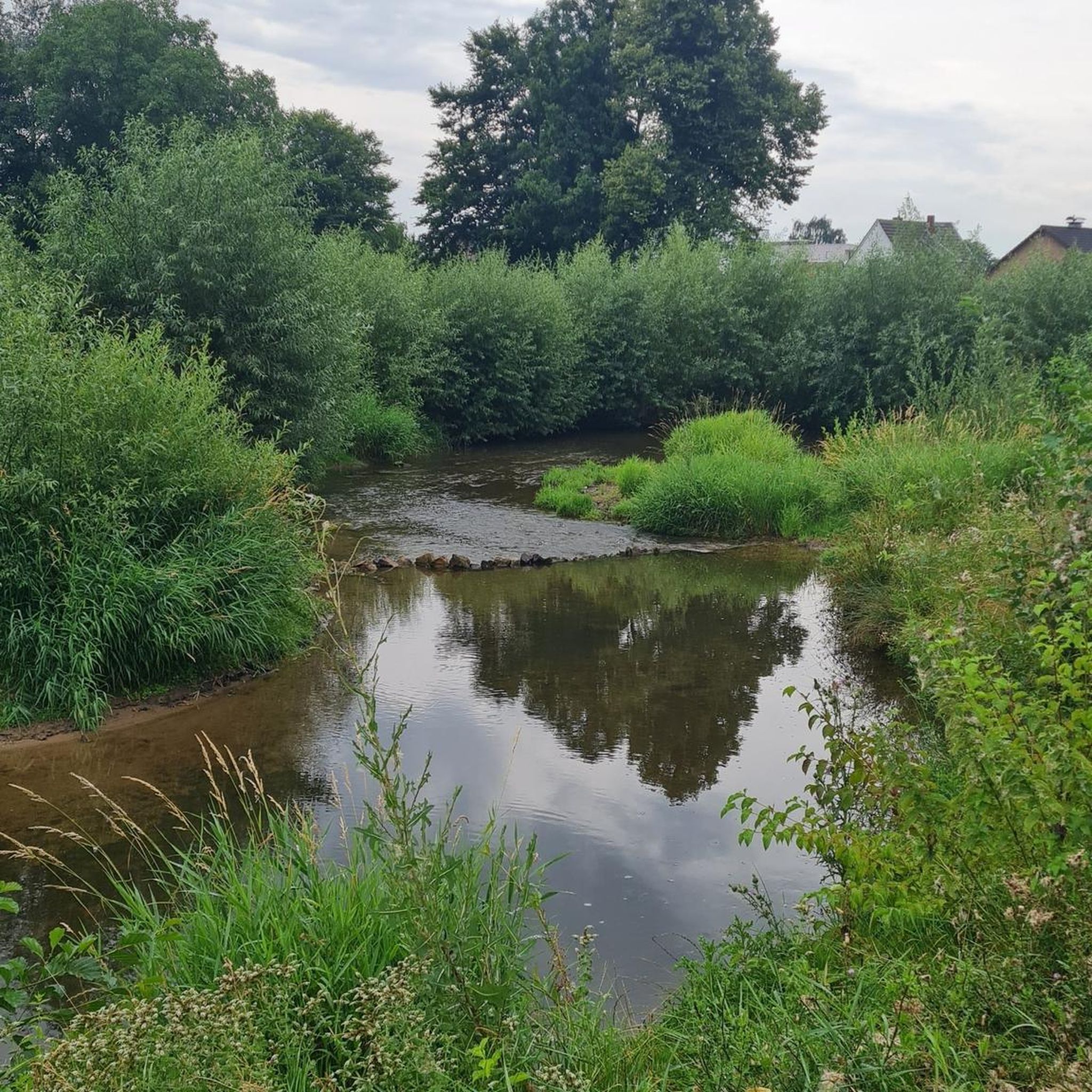
Super cool water to replenish your strength
0
0

August 2025 under construction
0
0

The Valmores watering hole was restored in 2022, recovering an essential piece in the ethnographic heritage of Pezuela de las Torres. The first references to the fountain appear in the Topographic Relations of 1578. In 1735, reforms and improvements were made to the original spring, making it essential in the daily life of the countryside. The construction has a functional design to water livestock at a crossroads of the Alcarreño moor with trees and benches to take a break.
0
0
Pezuela de las Torres acquired jurisdictional independence in 1554 for the payment of one and a half million maravedis, erecting a pillory in the Plaza del Coso that represented the power to administer justice and a place for the town's residents to see criminals who were being sentenced to a pillory. The pillory is seven metres high on a pedestal of four steps and is topped with the heads of four lions. Next to it is the Plaza de la Constitución, home to the Town Hall and the Church of the Assumption, with a Romanesque apse and the rest rebuilt between the 16th and 18th centuries. It has a curious stately doorway from 1748 and a 16th century porticoed gallery, known as El Portalillo, the former meeting centre of the council. Most of the town's streets are on a slope, facing the plain, some houses retain the traditional two-storey country architecture and white facades. On Cerro del Calvario there are remains of traditional wineries used to make wine.
0
0
The Small Fountain is at the start of the Valverde de Alcalá road, it appears mentioned in several 18th century quotes, it maintains the limestone ashlar construction, it has a water spout that falls into an elongated basin and takes the water to the cattle trough. The Big Fountain is at the exit of the town, it is monumental, from the same period and forms a notable ethnographic and heritage complex on the passage of the Cordel de la Galiana livestock route.
0
0
The ethnographic complex of the Fuente Grande de Corpa is an important element of the local heritage. It was built in 1897 by local stonemasons Francisco and Vicente, according to an inscription attached to the wall of the watering hole. The water reaches the stone basins from two different springs in an old cattle rest area at the Cordel de la Senda de la Galiana, although there had been a powerful spring for a long time before. The largest pond was a public washhouse and one of the jets has its own name, it is the Collantes spout and was an old war cannon.
0
0

It is untreated water but it is perfectly safe to drink.
0
0
At this point you can decide to go to Santorcaz or Santos de la Humosa
0
0
Frequently Asked Questions
How many no-traffic gravel bike trails are available around Santorcaz?
There are 13 no-traffic gravel bike trails around Santorcaz, offering a variety of experiences for different skill levels. You'll find 2 easy routes, 7 moderate, and 4 more challenging options.
What kind of terrain can I expect on no-traffic gravel bike trails in Santorcaz?
The no-traffic gravel trails in Santorcaz offer a diverse mix of terrain. You'll encounter well-maintained tracks, unpaved sections, and 'white roads' characteristic of the region. The landscape features rolling hills, remnants of holm oak and gall-oak groves, and Mediterranean scrublands, providing a varied and engaging ride.
What is the best time of year for no-traffic gravel biking in Santorcaz?
Santorcaz is enjoyable for gravel biking throughout much of the year. Spring and autumn generally offer the most pleasant temperatures and vibrant scenery. Summers can be hot, so early morning or late afternoon rides are recommended, while winters are typically mild but can have cooler, wetter conditions.
Are there any easy no-traffic gravel bike trails suitable for beginners in Santorcaz?
Yes, there are 2 easy no-traffic gravel bike routes around Santorcaz perfect for beginners or those looking for a relaxed ride. These trails typically feature less elevation gain and smoother surfaces, allowing for a comfortable introduction to gravel biking in the area.
Are there challenging no-traffic gravel bike routes around Santorcaz?
Absolutely. For experienced gravel bikers seeking a challenge, there are 4 difficult no-traffic routes. These trails often feature more significant elevation changes and potentially more technical unpaved sections. An example is the Church of Santorcaz – Plaza de Santorcaz loop from Pezuela de las Torres, which covers nearly 38 km with almost 500 meters of elevation gain.
Can I find circular no-traffic gravel bike routes in Santorcaz?
Yes, many of the no-traffic gravel bike routes in Santorcaz are circular, allowing you to start and end at the same point. For instance, the Puerta de la Cadena – Church of Santorcaz loop from Los Santos de la Humosa is a popular moderate circular route spanning over 44 km.
What natural features can I see along the no-traffic gravel bike trails in Santorcaz?
While riding the no-traffic gravel trails, you can explore diverse natural features. The area is known for its Mediterranean scrublands, remnants of holm oak and gall-oak groves, and elm groves near water sources. You might also encounter natural monuments like Fuente Grande de Corpa or the serene Fountain of Joy.
Are there historical landmarks to explore on no-traffic gravel bike rides near Santorcaz?
Yes, Santorcaz is rich in history. You can integrate visits to historical landmarks into your rides. The village itself is home to the Church of San Torcuato, and the imposing remains of the Castle of Torremocha offer a glimpse into the area's medieval past. You might also pass by sites related to the ancient Carpetanian oppidum, "El Llano de la Orca," revealing pre-Roman civilization.
Are there any scenic viewpoints on the no-traffic gravel trails around Santorcaz?
The rolling hills and varied terrain of Santorcaz offer several scenic viewpoints. While specific named viewpoints on the trails aren't always marked, the elevation gains on routes like the Church of Santorcaz – Plaza de Santorcaz loop will provide panoramic views of the countryside. You can also find nearby peaks like Malvecino Summit or Ecce-Homo summit for expansive vistas.
Is it possible to access no-traffic gravel trails in Santorcaz using public transport?
While Santorcaz is located in the Community of Madrid, direct public transport access to the trailheads for gravel biking can be limited. It's advisable to check local bus schedules to nearby towns like Los Santos de la Humosa or Villalbilla, which serve as starting points for some routes, and plan your journey accordingly.
Where can I park my car when visiting no-traffic gravel bike trails in Santorcaz?
Parking is generally available in the villages that serve as starting points for the trails, such as Santorcaz itself, Los Santos de la Humosa, or Villalbilla. Look for designated public parking areas within these towns, keeping in mind that spaces might be limited during peak times.
Are there family-friendly no-traffic gravel bike routes in Santorcaz?
Yes, the 2 easy no-traffic gravel bike routes are generally suitable for families, offering less challenging terrain and shorter distances. These routes provide a safe and enjoyable way for families to experience the natural beauty of Santorcaz away from vehicle traffic.
Most popular attractions around Santorcaz

Get inspired with the komoot mobile app


Explore more
Browse the best Gravel rides in other regions.
