Attractions and Places To See around Almogía - Top 20
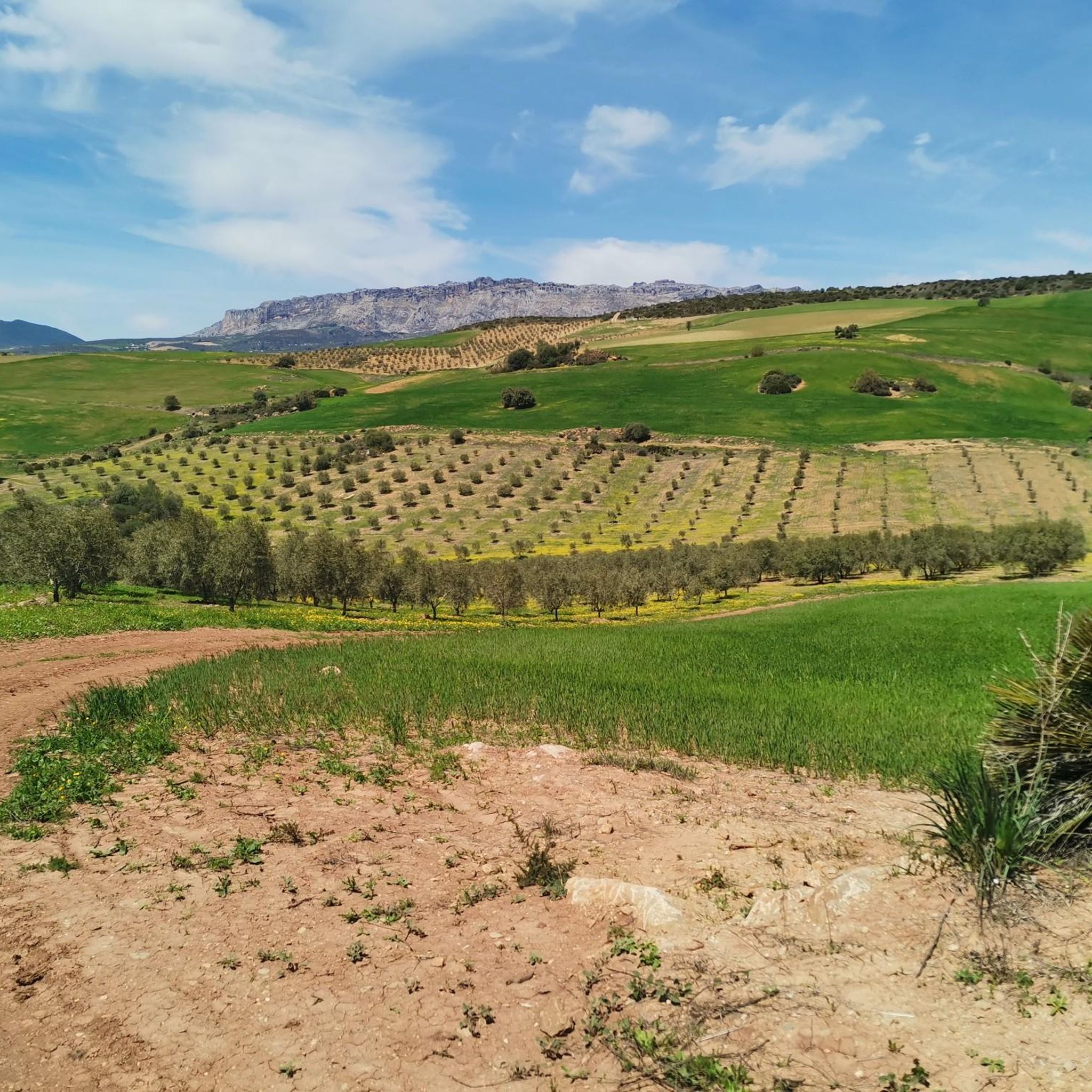
Attractions and places to see around Almogía offer a blend of historical landmarks, cultural sites, and natural beauty. Located in the Montes de Málaga, the village is surrounded by rolling hills and olive groves, providing a serene setting. Visitors can explore a variety of landscapes, from mountain ranges to agricultural areas. The region provides opportunities to discover its rich heritage and diverse natural features.
Best attractions and places to see around Almogía
- The most popular attractions is The Torcal of…
Last updated: July 20, 2026
The Torcal of Antequera
Highlight • Natural Monument
Translated by Google •
Tip by

The Cathedrals of El Torcal
Highlight • Natural Monument
Translated by Google •
Tip by

Sign up now to discover places like this
Get recommendations on the best single tracks, peaks, & plenty of other exciting outdoor places.
Sign up for free
Climb to Puerto del León from Málaga
Highlight (Segment) • Climb
Translated by Google •
Tip by

Montes de Málaga Natural Park
Highlight • Forest
Translated by Google •
Tip by

Queen's Fountain
Highlight • Monument
Translated by Google •
Tip by

Sign up for free to discover even more attractions around Almogía.
Sign up for free
Already have an account?
Start today with a free account
Your next adventure awaits.
Login or Signup
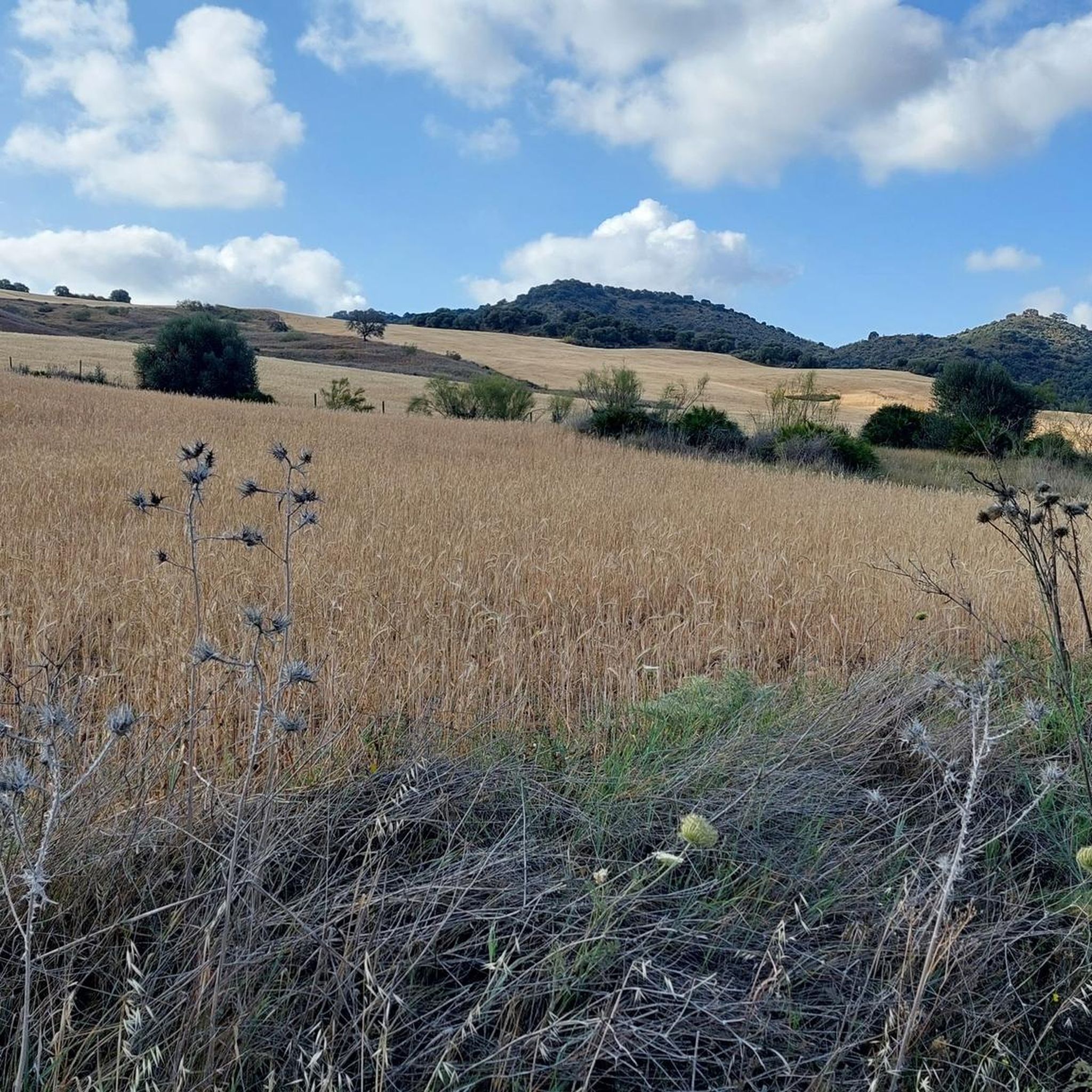
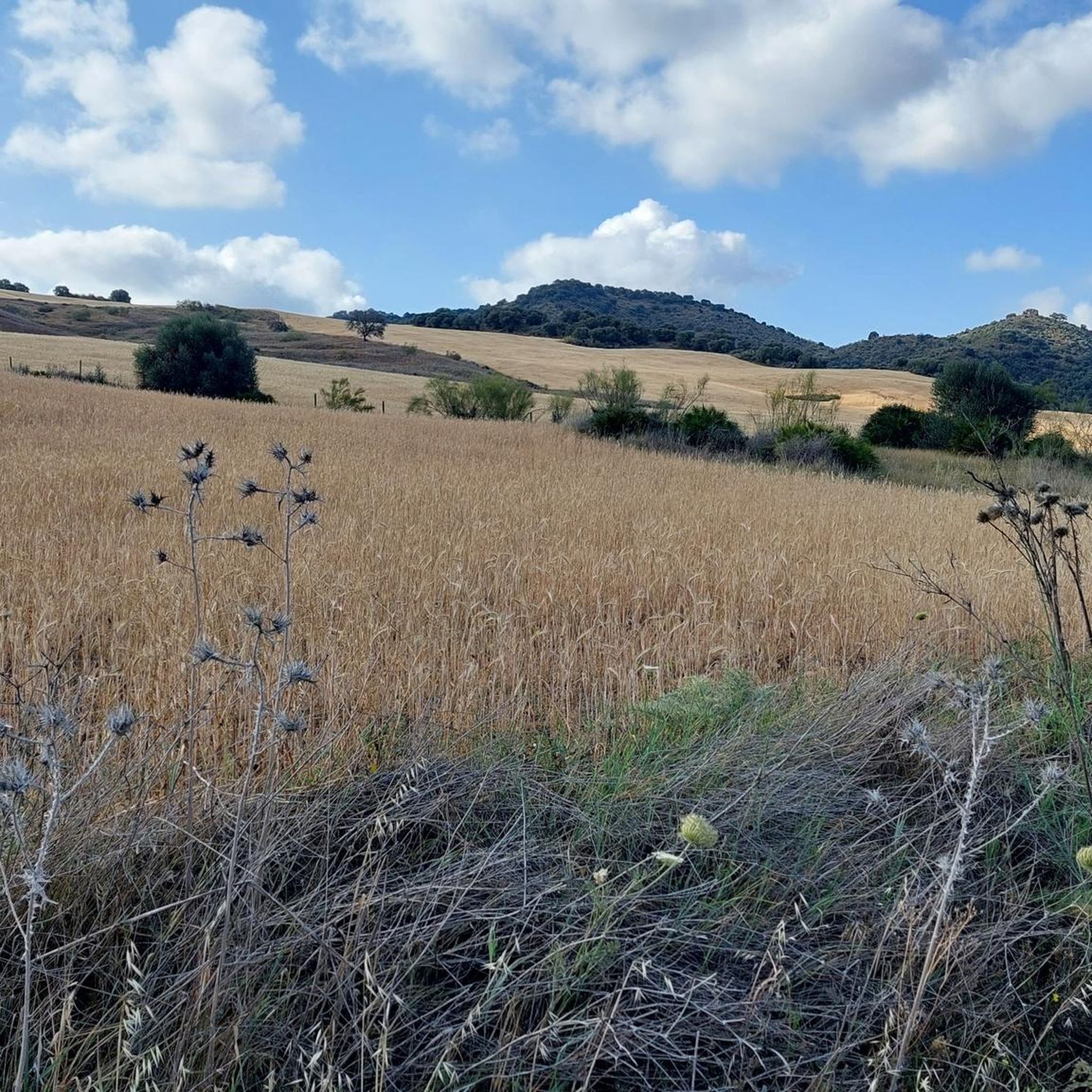
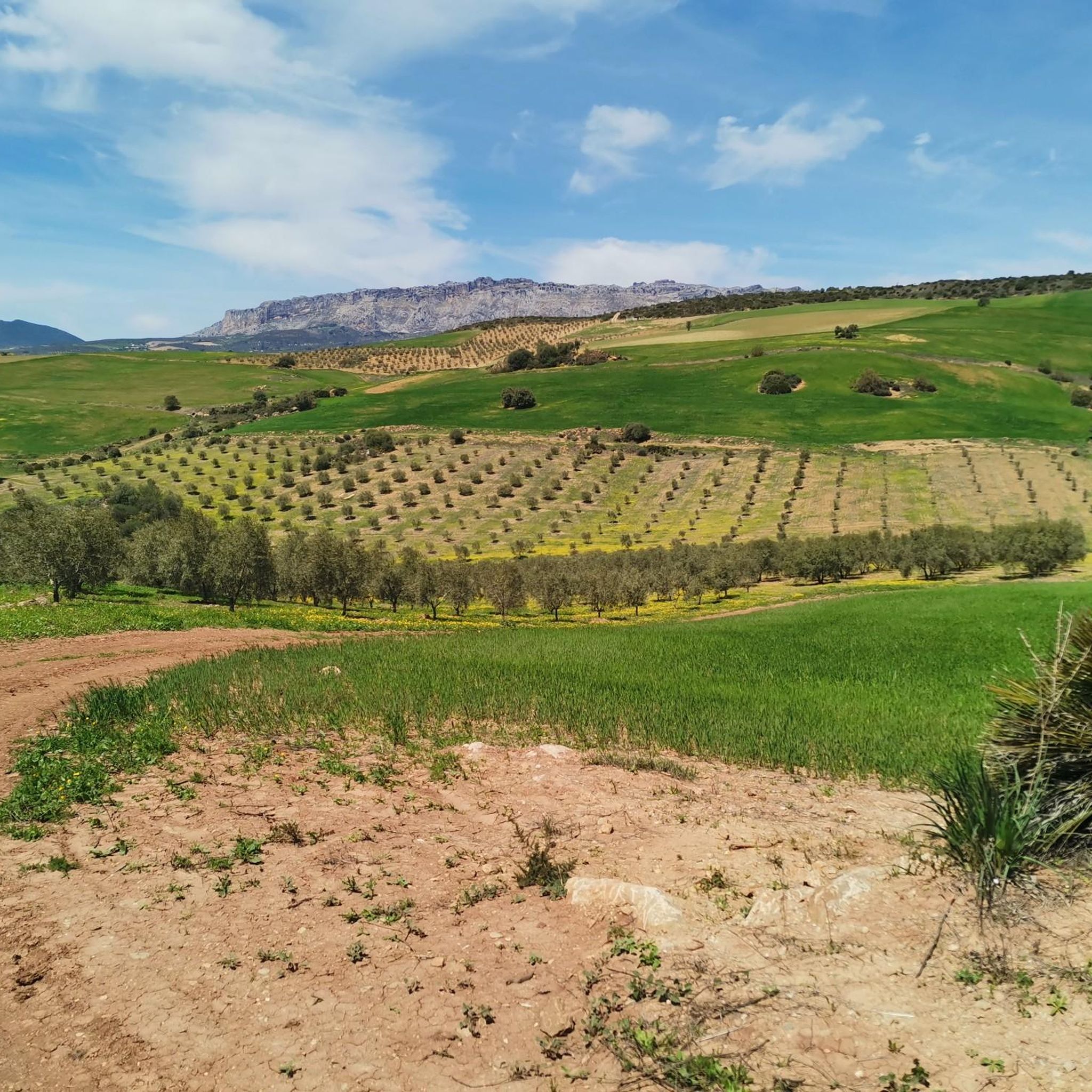
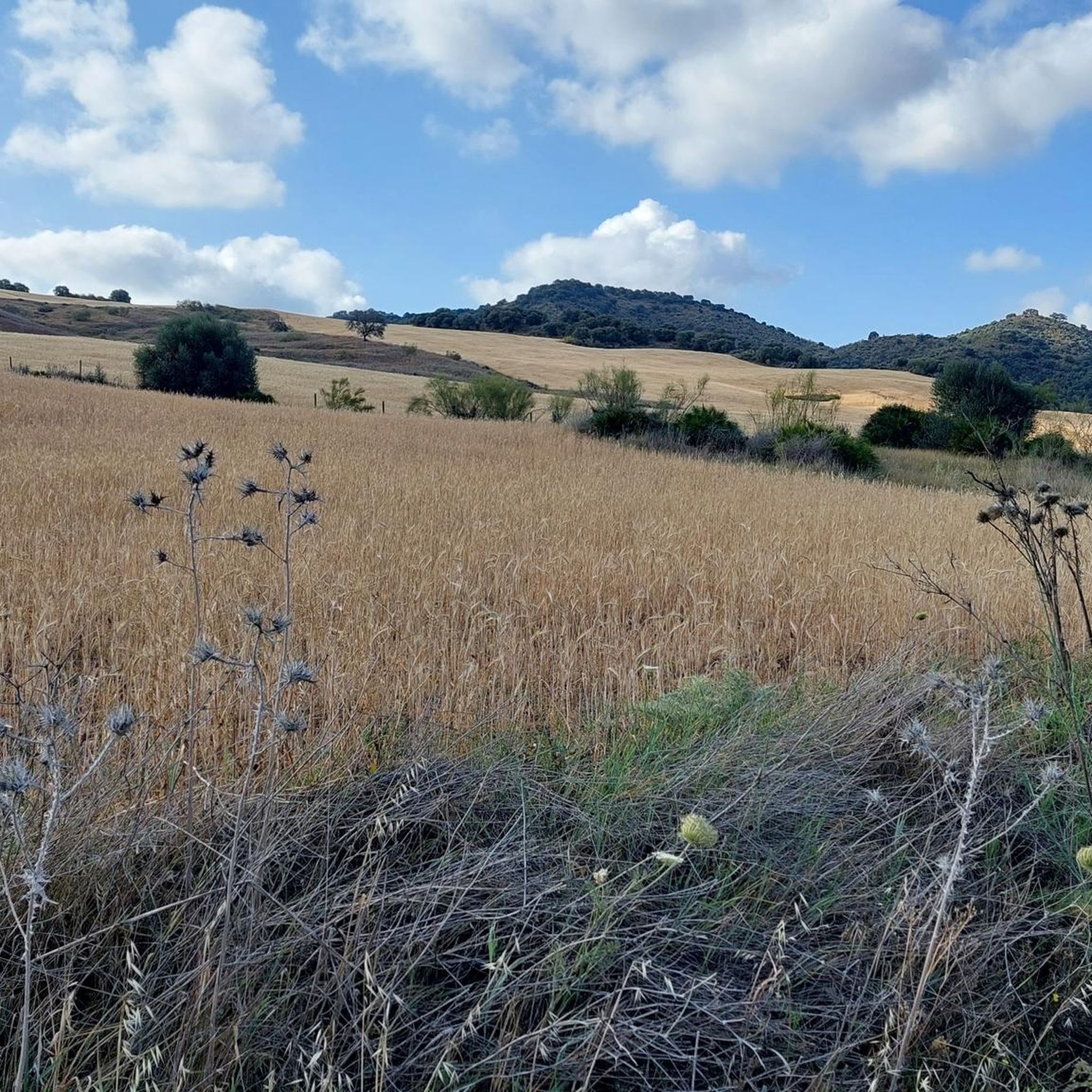

Tips from the Community

A beautiful natural park very close to Malaga that's well worth exploring by mountain bike or gravel bike. Be aware that once inside there are many paths and it's easy to get lost.
0
0

Drinking water from the fountain, cafe/ bar right next door.
0
0


Nice climb from Malaga!
0
0

A mythical spot and a must-see, this majestic fountain only carries water in winter, but it's still very beautiful.
3
0

The Fuente de la Reina is located on a winding mountain road, with some steep climbs, that connects Málaga with the Montes de Málaga. It is a popular stop for cyclists as it offers a natural water source. This historic spring has an impressive stone facade with a lion's head from which water flows. It is an ideal place to take a break, fill up with water and enjoy the views of the surrounding nature. The route through the Montes de Málaga is scenic!
10
0
Natural Park with many paths and trails. The main paths are very wide and even allow vehicles to pass in some sections (others have chains to prevent the passage of vehicles, reserved only for emergency cases). Following the paths it is difficult to get lost, but it is always advisable to take a recorded route and follow it with downloaded maps, there are many sections without network coverage. The best time is winter, from October to April at the latest, after that it is very hot and there are hardly any sources to get water.
1
0
A historic spot where you can take a photo and rest after the long climb. If you are lucky enough to find La Venta, which bears the same name, open (it is next to it) you can rest while you have a drink and even eat, it is one of the best places in terms of quality/price to eat well and then continue the route (but already downhill and with a full stomach 😜). The Fuente de la Reina is a "dry fountain", it does NOT have water (in case you were thinking of refilling water at this point). It is a reference point, a crossroads: if you go up from Malaga you can continue by road towards Venta Galwey (another famous Venta and with a crossroads next to it to take different routes). But if instead of continuing straight on the road you decide to turn left on the small paved road that goes up, it will take you to routes within the Parque Natural de los Montes de Málaga (there are several routes) and even by road to the Hotel Humaina and the El Cerrado recreational area, a well-equipped picnic area.
0
0
Frequently Asked Questions
What historical landmarks can I explore within Almogía village?
Almogía offers several significant historical sites. You can visit the Torre de la Vela, the last remaining tower of a 15th-century Arab defensive castle, which provides panoramic views. The 16th-century Iglesia Parroquial de Nuestra Señora de la Asunción, built on the site of an Arab mosque, showcases Renaissance architecture. Other notable religious sites include the Ermita del Sagrado Corazón de Jesus and the Capilla de Santo Cristo.
Are there any natural features or viewpoints to enjoy near Almogía?
Yes, Almogía is surrounded by the stunning Montes de Málaga, offering diverse landscapes ideal for nature lovers. For breathtaking views, the Torre de la Vela provides panoramic vistas of the village and surrounding hills. Additionally, the Santi Petri Mountain Route leads to Cerro Santi Petri, the highest point in the Moorish territory, offering extensive views of Malaga capital and the Mediterranean Sea.
What cultural sites or unique traditions are associated with Almogía?
Almogía is known as the birthplace of Verdiales, a unique flamenco singing style, with a monument dedicated to this folklore in the village. You can also find prehistoric Cave Paintings of Venta del Fraile, offering a glimpse into ancient settlements. The village itself, with its narrow, whitewashed streets, blends Arab and Christian culture, making it a cultural experience to explore.
What kind of hiking trails are available around Almogía?
The area around Almogía offers a variety of hiking experiences. You can explore trails within the Montes de Málaga, which feature diverse landscapes. The Casasola Reservoir Route provides gentle ascents with panoramic views, especially beautiful when almond trees bloom in late January and early February. For a more challenging option, the Santi Petri Mountain Route takes you through oak forests, almond orchards, and olive groves to the highest point in the Moorish territory. For more detailed routes, check out Hiking around Almogía.
Are there any family-friendly activities or attractions in Almogía?
While specific family-friendly attractions are not detailed, the village itself offers a pleasant environment for leisurely strolls through its picturesque streets and the Plaza de la Constitución. The Lavadero de la Noria, an open-air ethnographic exhibit, can also be an interesting educational stop for families. Gentle walks in the surrounding natural areas, such as parts of the Casasola Reservoir Route, could also be suitable for families.
Where can I find unique historical insights into daily life in Almogía?
For a unique insight into 19th-century daily life, visit the Lavadero de la Noria. This open-air ethnographic exhibit features 30 earthenware bowls and washing stones, demonstrating how villagers performed their daily chores in that era.
What are some of the most popular natural attractions near Almogía?
One of the most popular natural attractions is The Torcal of Antequera, known for its peculiar rock formations and unique geological structures. Another highly regarded spot is Montes de Málaga Natural Park, a vast forest area offering diverse landscapes and tracks in good condition. You can also explore The Cathedrals of El Torcal, which features impressive rock towers formed from ancient shell deposits.
What is the best time to visit Almogía for outdoor activities?
The region is particularly beautiful in late January and early February when the almond trees are in bloom, making it an ideal time for routes like the Casasola Reservoir Route. Spring and autumn generally offer pleasant weather for hiking and exploring the natural landscapes of the Montes de Málaga.
Are there any festivals or special events in Almogía?
Almogía hosts a couple of notable festivals. The Fiesta de los Verdiales de las Tres Cruces, celebrated on the first Sunday in May, is an important folklore festival that has received national and provincial tourism awards. In September, the Día de la Almendra (Almond Day) celebrates almonds, a typical local product since the Arab period.
Can I find cycling routes around Almogía?
Yes, the area around Almogía is popular for cycling. You can find various routes for different types of cycling. For gravel biking, explore options like the Guadalhorce River Footbridge loop or routes with views of the Casasola Reservoir. Road cyclists can find challenging routes such as the Almogía Cycling Viewpoint loop. More details can be found in the guides for Gravel biking around Almogía and Road Cycling Routes around Almogía.
What are some of the unique natural landscapes to see in the region?
Beyond the well-known Torcal, the region boasts the Montes de Málaga with its diverse terrain of mountains, reservoirs, and rivers. You'll also encounter extensive Almond and Olive Groves, which are a prominent feature of the agricultural landscape and can be enjoyed along many hiking trails. The area also borders Sierra del Torcal, offering unparalleled landscapes for exploration.
What is the main gathering place in Almogía village?
The main gathering place in Almogía is the Plaza de la Constitución. It's a pleasant spot where locals gather, and visitors can relax, enjoy a drink or meal, and admire the traditional whitewashed houses and local architecture.
Most popular routes around Almogía
Most popular attractions around Almogía

Get inspired with the komoot mobile app


Explore more
Still not found the Highlight you’re looking for? See guides of the top attractions in other regions:
