The best cycling routes around Almogía
4.5
(196)
4,932
riders
100
rides
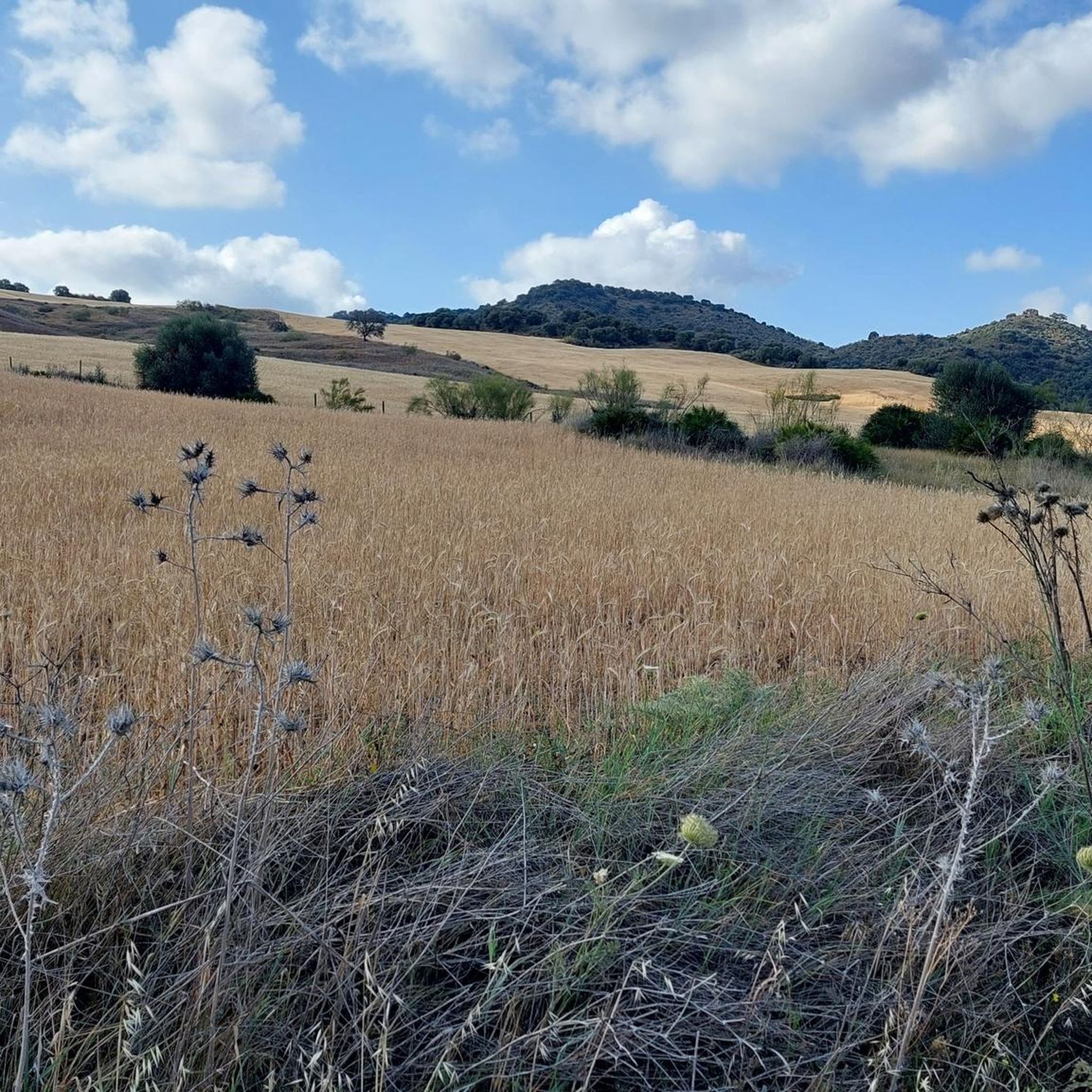
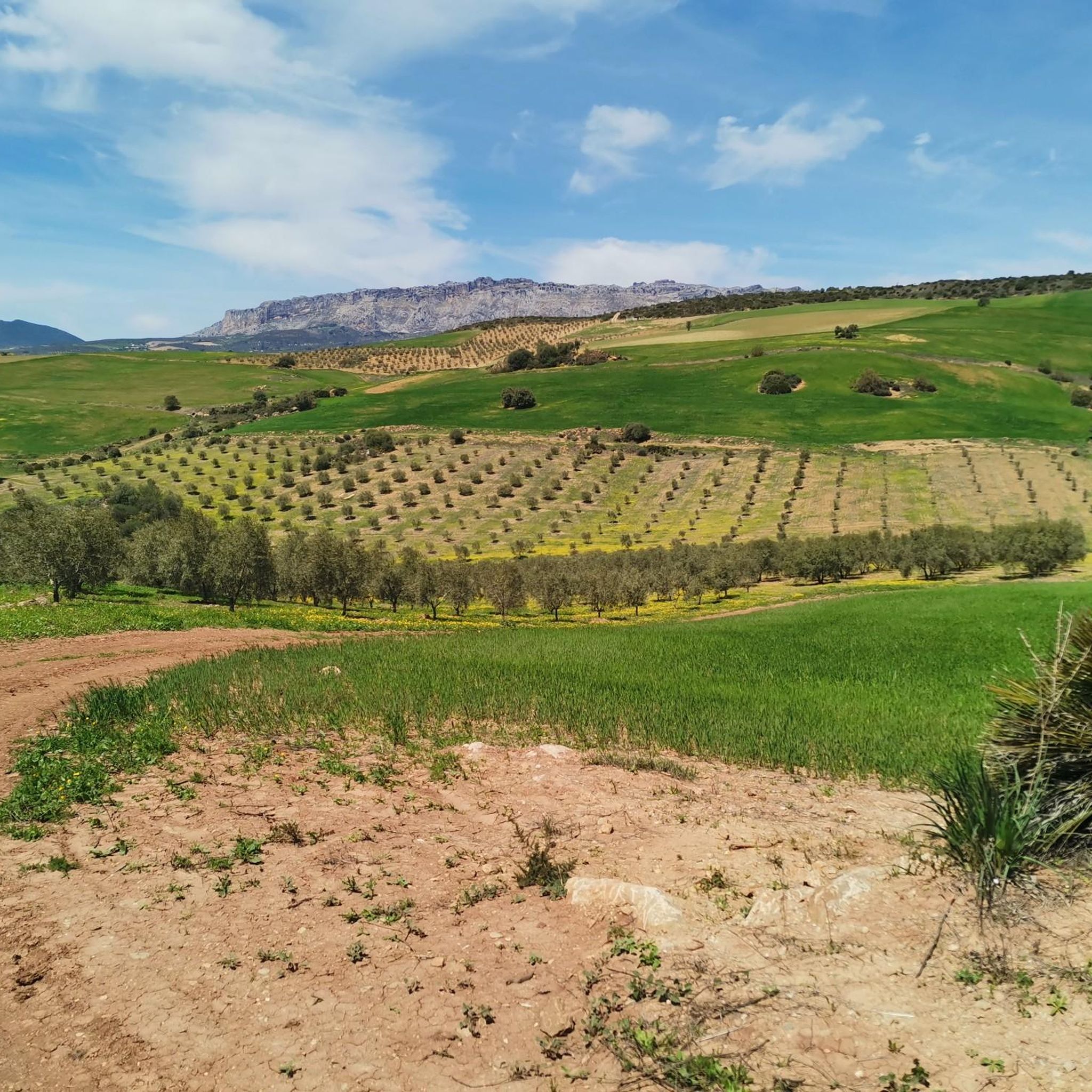
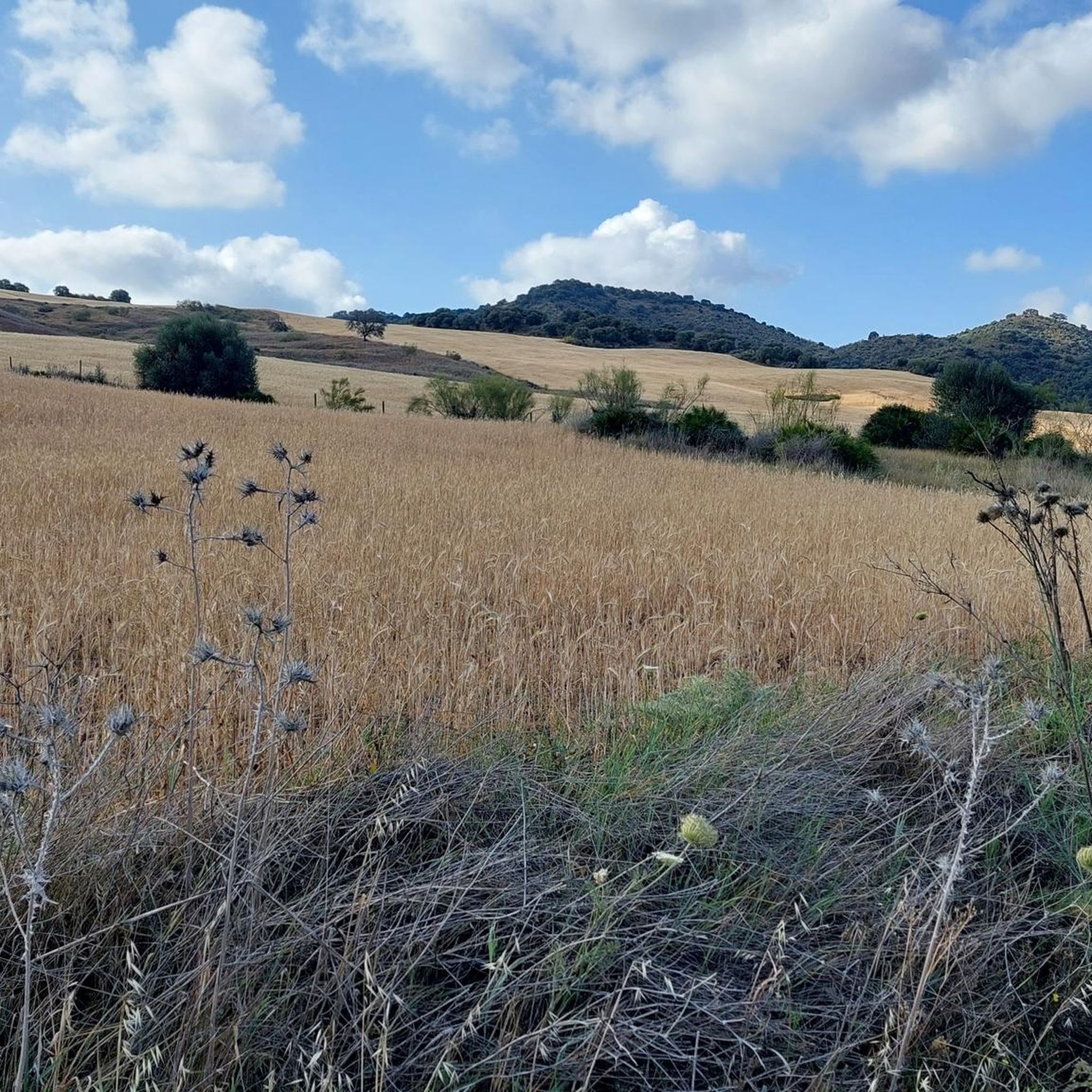
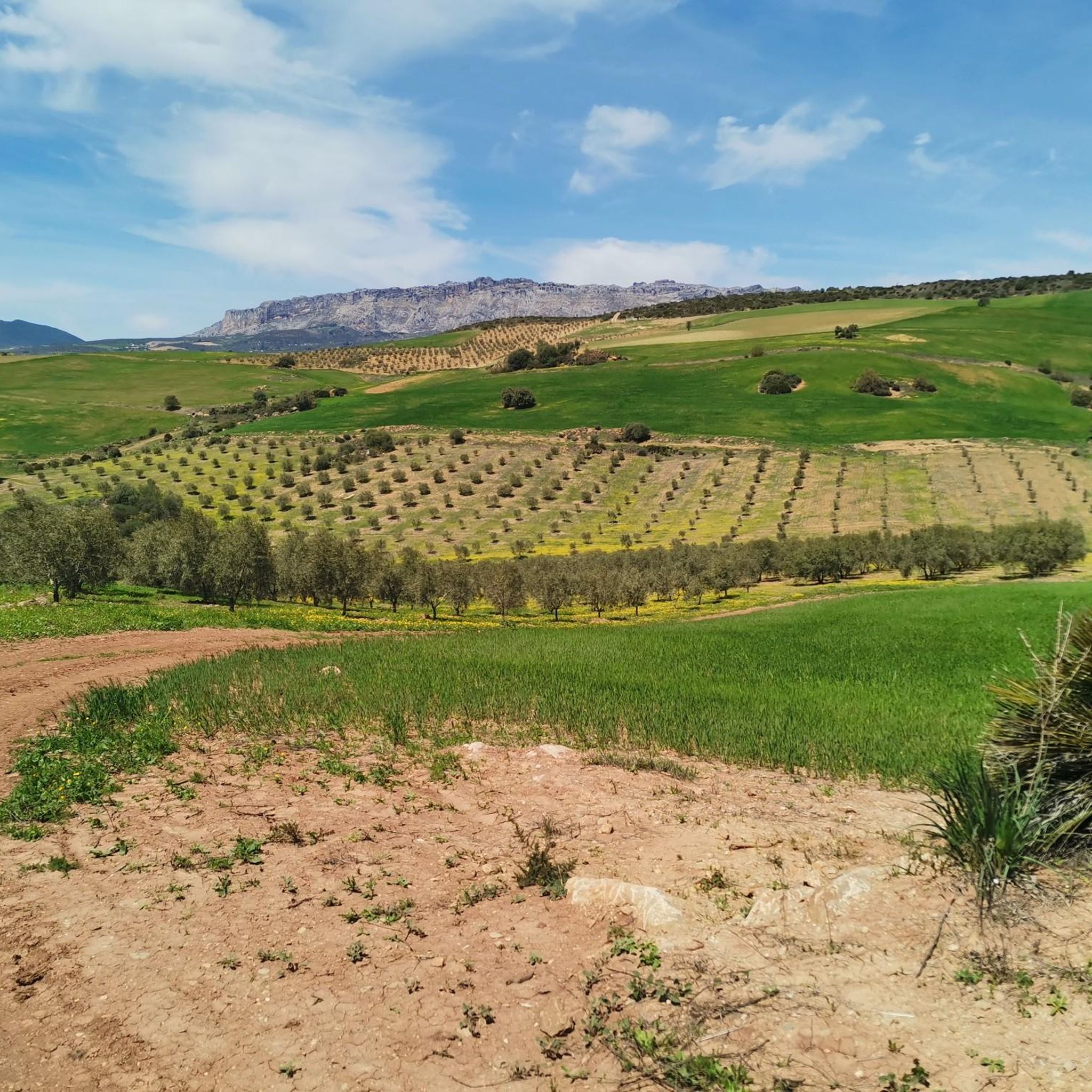
Touring cycling routes around Almogía traverse a diverse landscape characterized by mountainous terrain, extensive olive and almond groves, and significant natural features. The region, nestled in the Guadalhorce Valley, offers continuous climbs and descents, providing wide-open countryside views. Key natural landmarks include the scenic Casasola Reservoir and its dam, as well as proximity to the distinctive limestone formations of El Torcal Natural Park. These routes often feature quiet roads, making them suitable for exploring inland Andalusia.
Best touring cycling routes…
Last updated: July 19, 2026
5.0
(1)
247
riders
68.0km
05:35
2,040m
2,040m
Hard bike ride. Very good fitness required. Mostly paved surfaces. Suitable for all skill levels.
4.5
(2)
116
riders
102km
07:26
2,060m
2,060m
Hard bike ride. Very good fitness required. Mostly paved surfaces. Suitable for all skill levels.

Sign up for free
108
riders
69.8km
04:56
1,400m
1,400m
Hard bike ride. Very good fitness required. Mostly paved surfaces. Suitable for all skill levels.
59
riders
48.4km
03:43
1,260m
1,260m
Hard bike ride. Very good fitness required. Mostly paved surfaces. Suitable for all skill levels.
4.3
(3)
50
riders
58.2km
04:28
1,400m
1,400m
Hard bike ride. Very good fitness required. Mostly paved surfaces. Suitable for all skill levels.
Get access to more routes and recommendations from other explorers.
Sign up for free
Already have an account?
Our route recommendations are based on thousands of hikes, rides, and runs completed by other people on komoot.
Start today with a free account
Your next adventure awaits.
Login or Signup

Tips from the Community

Restaurant and museum with an incredibly rich and interesting collection of agricultural and household appliances. Housed in a former factory hall and well-attended.
0
0

At the end of the steady climb, where a sign reads El Torcal, you reach the pass, which runs along the western edge of the mountain range of the same name. Just a few kilometers further on, a separate road branches off to the El Torcal de Antequera Natural Park and its visitor center. From here, a sweeping view opens up across the surrounding mountain ranges. The pass lies directly on the main road connecting Antequera and Villanueva de la Concepción, making it a prominent landmark. Many mistake it for the natural park itself, but it actually marks the highest point of the road on the edge of the impressive karst mountains.
1
0
The railway bridge near Cártama Station, also known as the Puente de Hierro, spans the Guadalhorce River and is a defining structure of the area. It was built between 1927 and 1931 to ensure a rail connection between Cártama Station and the town center. The iron structure is a prime example of early 20th-century engineering and remains part of the regional railway infrastructure. Over the years, the bridge has undergone several maintenance and modernization projects. A comprehensive restoration was carried out in 2001, followed by the installation of architectural lighting in 2006, which further emphasizes its significance as a technical structure and local landmark. The bridge continues to be used today, vividly connecting transportation history with the landscape of the Guadalhorce Valley.
1
0
Located in the Montes de Málaga, this restaurant is an ideal stop for cyclists exploring the region's mountain trails. The restaurant exudes a rustic, traditional atmosphere, with old tools, jerrycans, and platters evoking the area's agricultural past. The menu features hearty, typical regional dishes such as migas (a type of sausage), Plato de los Montes (a regional specialty), and meat and game dishes—perfect for refueling after a strenuous climb. From the terrace and windows, there are sweeping views of the surrounding mountains and valleys, making the break particularly worthwhile. Venta Galwey is therefore not only a place for good food but also for relaxation and enjoying the scenery during a cycling tour through the Montes de Málaga.
1
0
The ascent to Puerto del León follows a winding, paved road characterized by a consistently steep gradient, particularly noticeable in the switchbacks. The route leads through the foothills of the Montes de Málaga, past wooded slopes, scattered olive groves, and small fields. Upon reaching the upper sections, a view opens up to the mountainous landscape of the Axarquía region, with its gentle mountain ranges and deep valleys. The road itself snakes through the mountains, with the gradient frequently alternating between moderate and challenging, demanding both stamina and pedaling technique. The route, combined with the altitude, offers an intense experience of nature and riding.
2
0
Colmenar, a picturesque village in the Andalusian province of Málaga, was founded at the end of the 15th century after the Christian reconquest of the region. The village's name derives from the Spanish word colmena ("beehive") and recalls the long tradition of beekeeping, which once played a central role here. Thanks to its favorable location in the Montes de Málaga mountains and the lush vegetation, beekeeping was one of the most important sources of income for the population for centuries. Even today, Colmenar is known as the "Village of Honey" and proudly maintains this cultural heritage. Among the village's most important landmarks is the Ermita de la Candelaria, a small 17th-century chapel perched on a hill overlooking the village, offering sweeping views of the surrounding mountains. In the town center stands the Iglesia de Nuestra Señora de la Asunción, a church dating from the 16th and 17th centuries, which impresses with its simple Andalusian style and tranquil atmosphere. At the town entrance, visitors are greeted by the Puerta de la Cruz, a symbolic gate featuring a monolith bearing the village's coat of arms – adorned with a bee and a honeycomb, representing Colmenar's history and identity. A particular highlight is the Museo de la Miel, the "Honey Museum," where visitors can learn all about beekeeping, the work of bees, and honey production. Thus, Colmenar harmoniously blends history, nature, and tradition – a place where the region's past and a deep love for its landscape are reflected in every street and every scent of wild rosemary.
6
0
The Puerto de El Torcal is the highest point on the road that leads from Villanueva de la Concepción up to Antequera (Carretera de Málaga a Antequera por Villanueva de la Concepción). At the end of the steady climb, where a sign reading El Torcal stands, you reach the pass, which runs along the western edge of the mountain range of the same name. Just a few kilometers further, a separate road branches off to the El Torcal de Antequera Natural Park and its visitor center. From here, a sweeping view of the surrounding mountain ranges opens up. The pass is located directly on the main road between Antequera and Villanueva de la Concepción and is therefore a prominent feature in the landscape. Many mistake it for the natural park itself, but it actually marks the highest point of the road at the edge of the impressive karst mountain range.
1
0
Puerto de El Jaral is not only a geographical crossing, but also a quiet viewpoint where the tranquility of nature and the wide view over the Mediterranean landscape combine – a characteristic destination for cyclists and nature lovers alike.
4
0
Frequently Asked Questions
How many touring cycling routes are available in Almogía?
There are over 100 touring cycling routes around Almogía, offering a wide range of options for different skill levels and preferences. The komoot community has highly rated these routes, with an average score of 4.5 stars.
What kind of terrain can I expect on touring cycling routes around Almogía?
Touring cycling routes in Almogía traverse a diverse landscape characterized by mountainous terrain, extensive olive and almond groves, and significant natural features like the Casasola Reservoir. You can expect continuous climbs and descents, providing wide-open countryside views. While many roads are paved, some segments may be unpaved and more challenging.
Are there any easy touring cycling routes for beginners in Almogía?
Yes, Almogía offers a few easier touring cycling routes suitable for beginners. There are 6 routes classified as easy, allowing you to enjoy the scenic landscapes without extreme difficulty. For example, routes around the Guadalhorce Valley often feature less elevation gain.
What are some challenging touring cycling routes for experienced cyclists?
Almogía is well-known for its challenging routes, with 61 classified as difficult. These routes often feature significant elevation gains and longer distances. A notable example is the León Pass – View of Málaga from El Mirador loop from Casabermeja, a 42.2-mile (67.9 km) trail with substantial climbing, offering panoramic views of Málaga.
What natural features or landmarks can I see along the touring cycling routes?
Many routes offer views of the scenic Casasola Reservoir and its dam. You can also explore areas near the distinctive limestone formations of El Torcal de Antequera, such as The Torcal of Antequera or The Cathedrals of El Torcal. The region is also close to the Montes de Málaga Natural Park, offering further natural beauty.
Are there any circular touring cycling routes in the Almogía area?
Yes, many touring cycling routes around Almogía are designed as loops, allowing you to start and end in the same location. An example is the Casasola Reservoir – Almogía Cycling Viewpoint loop from Casabermeja, which takes you through the reservoir area.
When is the best time of year to go touring cycling in Almogía?
The spring and autumn months are generally ideal for touring cycling in Almogía. The weather is milder, making the continuous climbs and descents more enjoyable. Summers can be very hot, while winters are generally mild but can have cooler temperatures at higher elevations.
Where can I find parking for touring cycling routes in Almogía?
Almogía is a cyclist-friendly village, and you can typically find parking within the village itself or at designated starting points for routes. Many routes are accessible from various points around the region, including nearby towns like Casabermeja or Cártama, which also offer parking options.
Can I reach Almogía's cycling routes using public transport?
Almogía is accessible from Málaga, and while public transport options exist, bringing a bicycle on buses can sometimes be restricted or require specific arrangements. It's advisable to check local bus schedules and policies regarding bicycle transport in advance if you plan to use public transport.
What do other cyclists say about touring cycling in Almogía?
The touring cycling routes around Almogía are highly rated by the komoot community, with an average score of 4.5 stars from over 170 reviews. Cyclists often praise the quiet roads, spectacular views of the sierra and olive groves, and the diverse terrain that caters to various fitness levels.
Are there specific viewpoints worth visiting on a touring cycling route?
Absolutely. The region offers numerous viewpoints that reward cyclists with stunning vistas. Highlights include El Pastor, the Repeater viewpoint, and the Boar Viewpoint. The climb to Almogía via the old road by the Casasola Lake also offers particularly enjoyable views.
Are there amenities like cafes or places to refill water along the routes?
Almogía itself is a traditional village with amenities where you can find cafes and places to refuel. The village also provides cyclist-friendly features such as a podium for cyclists and a water source to refill bottles. While some routes pass through other villages, it's always a good idea to carry sufficient water and snacks, especially on longer or more remote sections.
Most popular attractions around Almogía

Get inspired with the komoot mobile app


Explore more
Browse the best Cycling routes in other regions.
