Attractions and Places To See around Millau - Top 20
Best attractions and places to see around Millau are found in a region characterized by its dramatic gorges, limestone plateaus, and historical sites. Situated within the Grands Causses Regional Natural Park, a UNESCO World Heritage site, the area offers diverse landscapes. Visitors can explore impressive engineering marvels like the Millau Viaduct and ancient troglodyte villages. The confluence of the Tarn, Jonte, and Dourbie rivers creates a unique natural environment for exploration.
Best attractions and places to see around Millau
- The…
Last updated: October 9, 2026
L'Ermitage Saint-Michel
Highlight • Other
Translated by Google •
Tip by

Peyrelade Castle
Highlight • Castle
Translated by Google •
Tip by

Sign up now to discover places like this
Get recommendations on the best single tracks, peaks, & plenty of other exciting outdoor places.
Églazines
Highlight • Historical Site
Translated by Google •
Tip by
Peyreleau
Highlight • Settlement
Translated by Google •
Tip by

The Prehistoric Mushroom
Highlight • Viewpoint
Translated by Google •
Tip by
The Creissels waterfalls
Highlight • Waterfall
Translated by Google •
Tip by

Saint-Marcellin
Highlight • Historical Site
Translated by Google •
Tip by
Millau Viaduct
Highlight • Bridge
Translated by Google •
Tip by

Millau Viaduct
Highlight • Bridge
Translated by Google •
Tip by

Entrance to the Canalettes natural site
Highlight • Other
Translated by Google •
Tip by

Sign up for free to discover even more attractions around Millau.
Already have an account?
Start today with a free account
Your next adventure awaits.
Popular around Millau
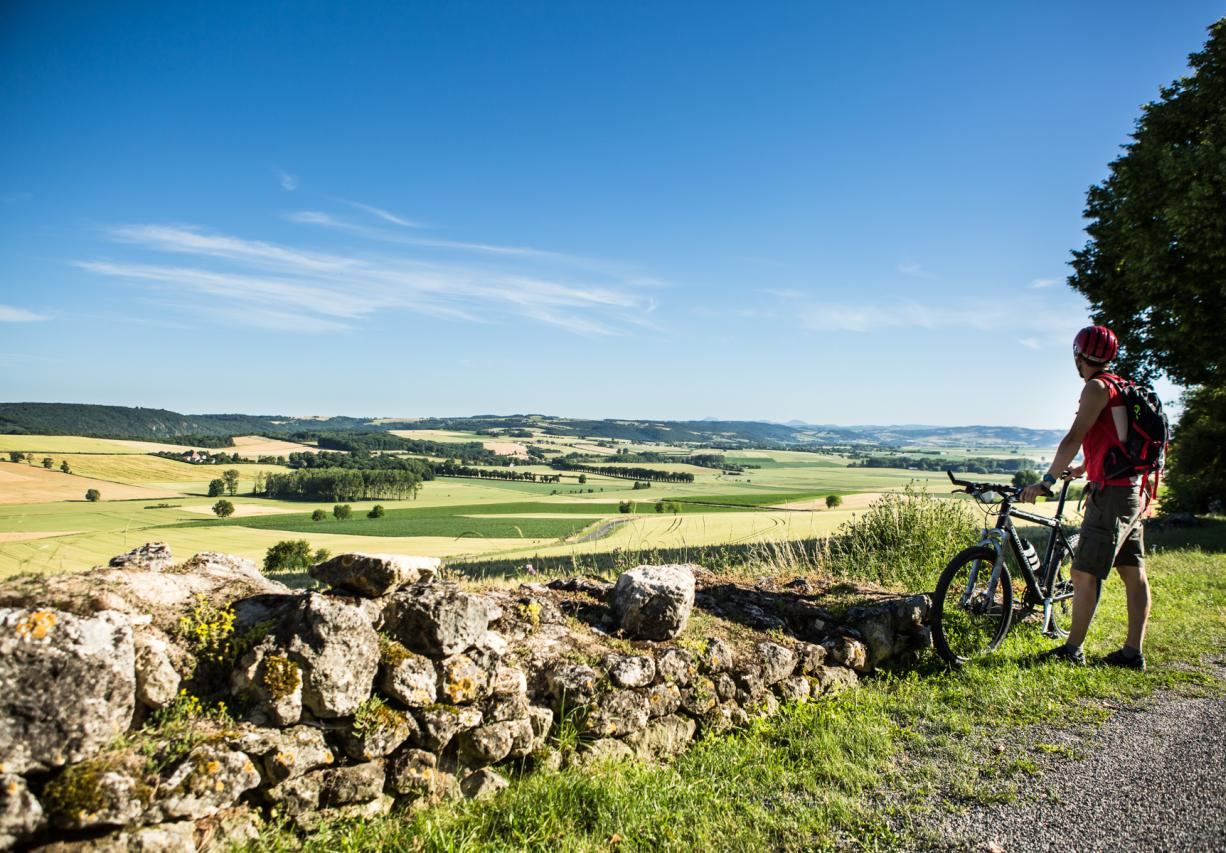
The Grande traversée du Massif Central by gravel bike
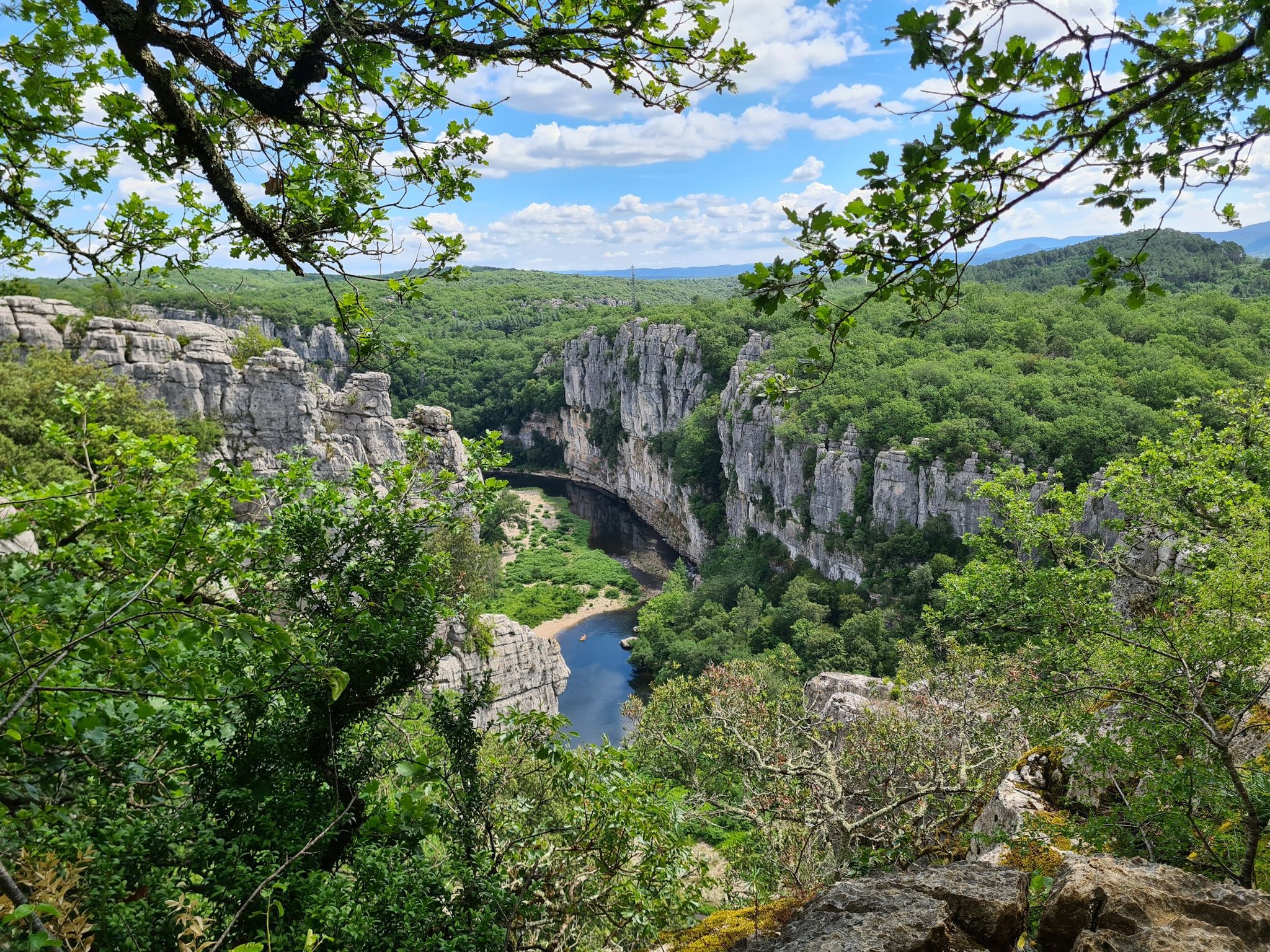
Hexatrek – The Cévennes to the Pyrenees between gorges and limestone plateau
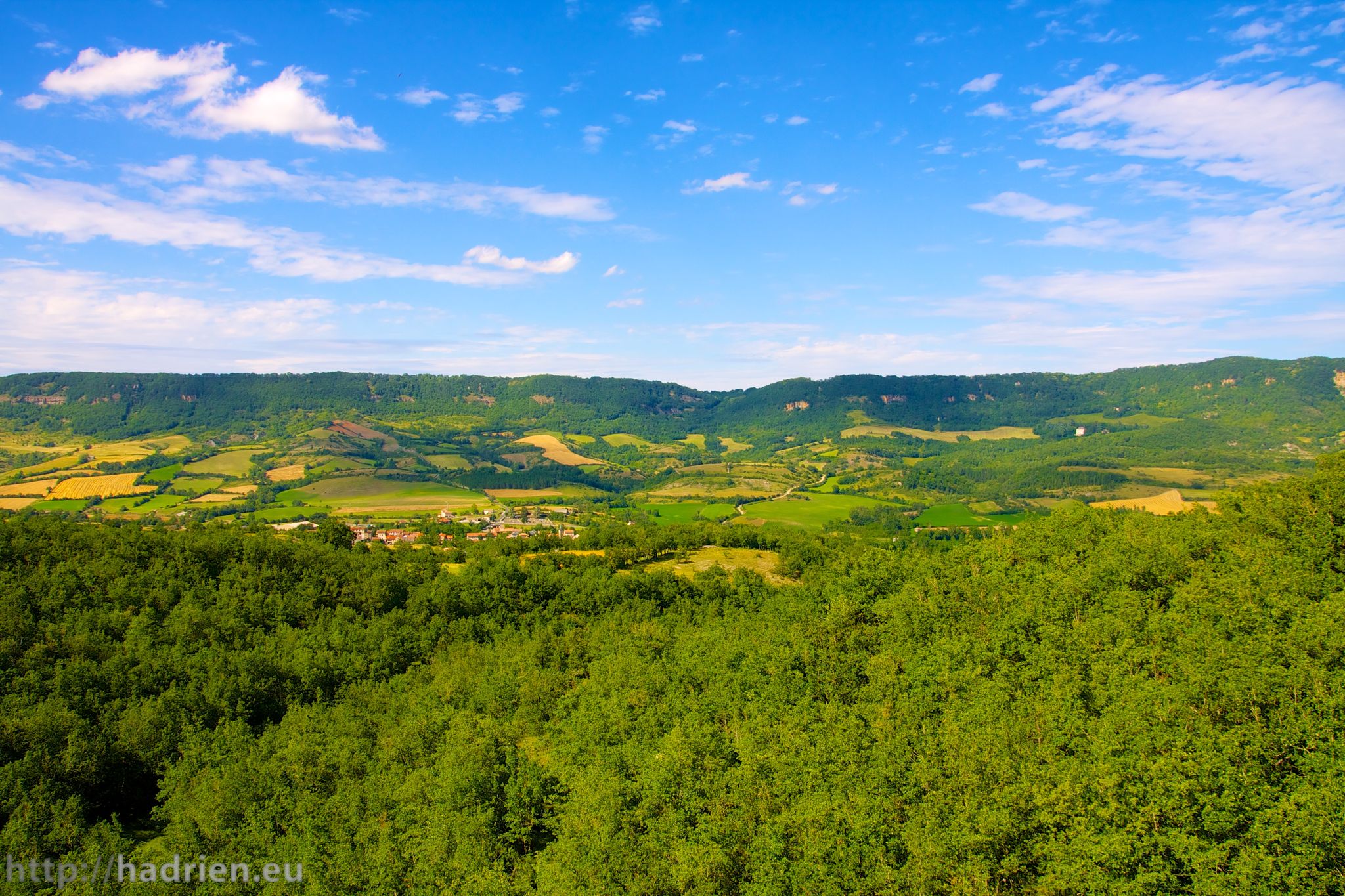
Tour of Aveyron — The mountains and valleys of Roquefort and Aligot
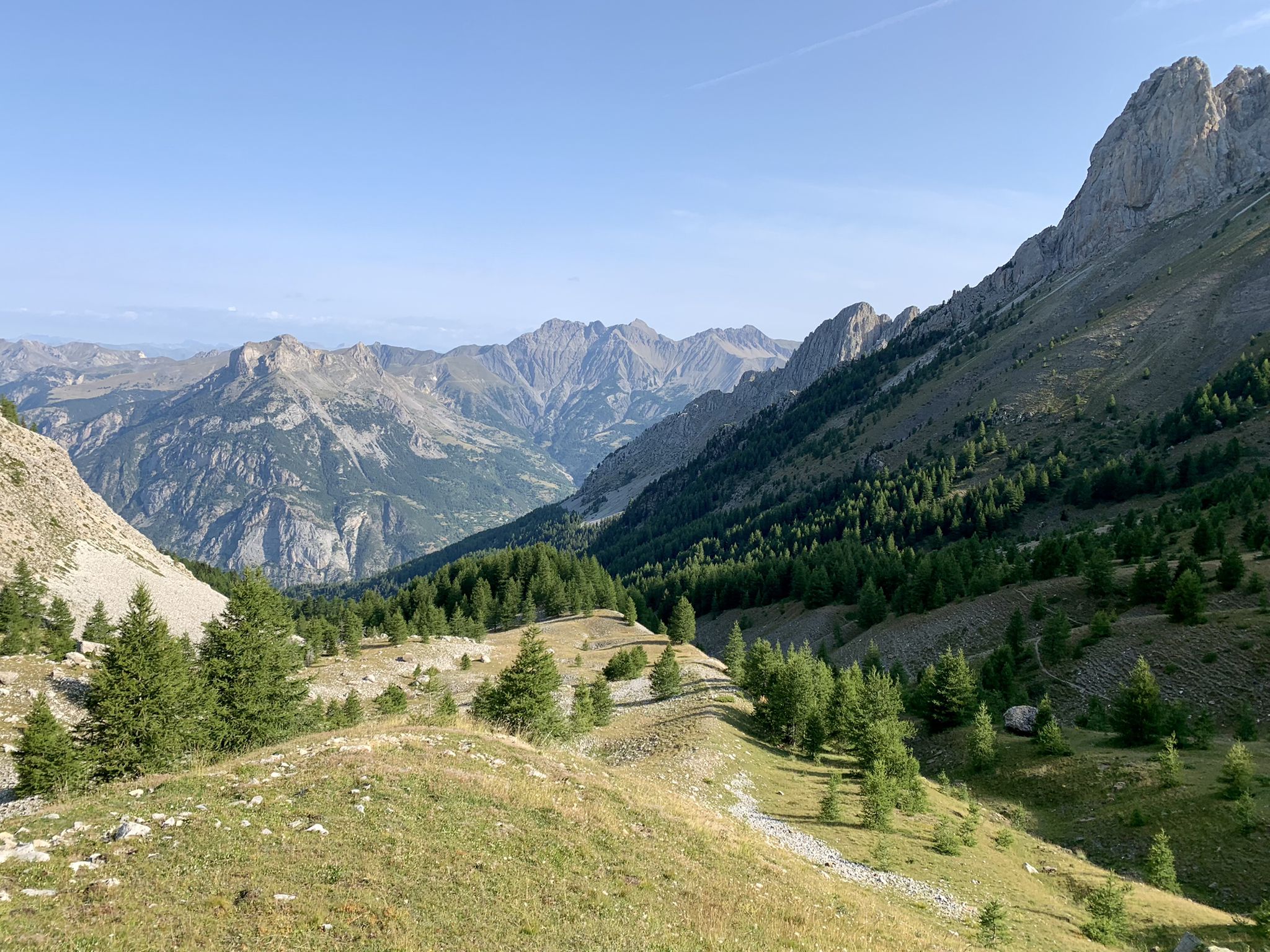
From the Alps to the Atlantic — GR 6
The "Most Beautiful Villages of France" in Aveyron
The most beautiful walks in Lozère
From L'Espérou to Lodève - Explore the Cevennes on the GR 71
Meyrueis to La Roque-Sainte-Marguerite – GR 62A in France
Trails de Légende in France – Festival des Templiers races
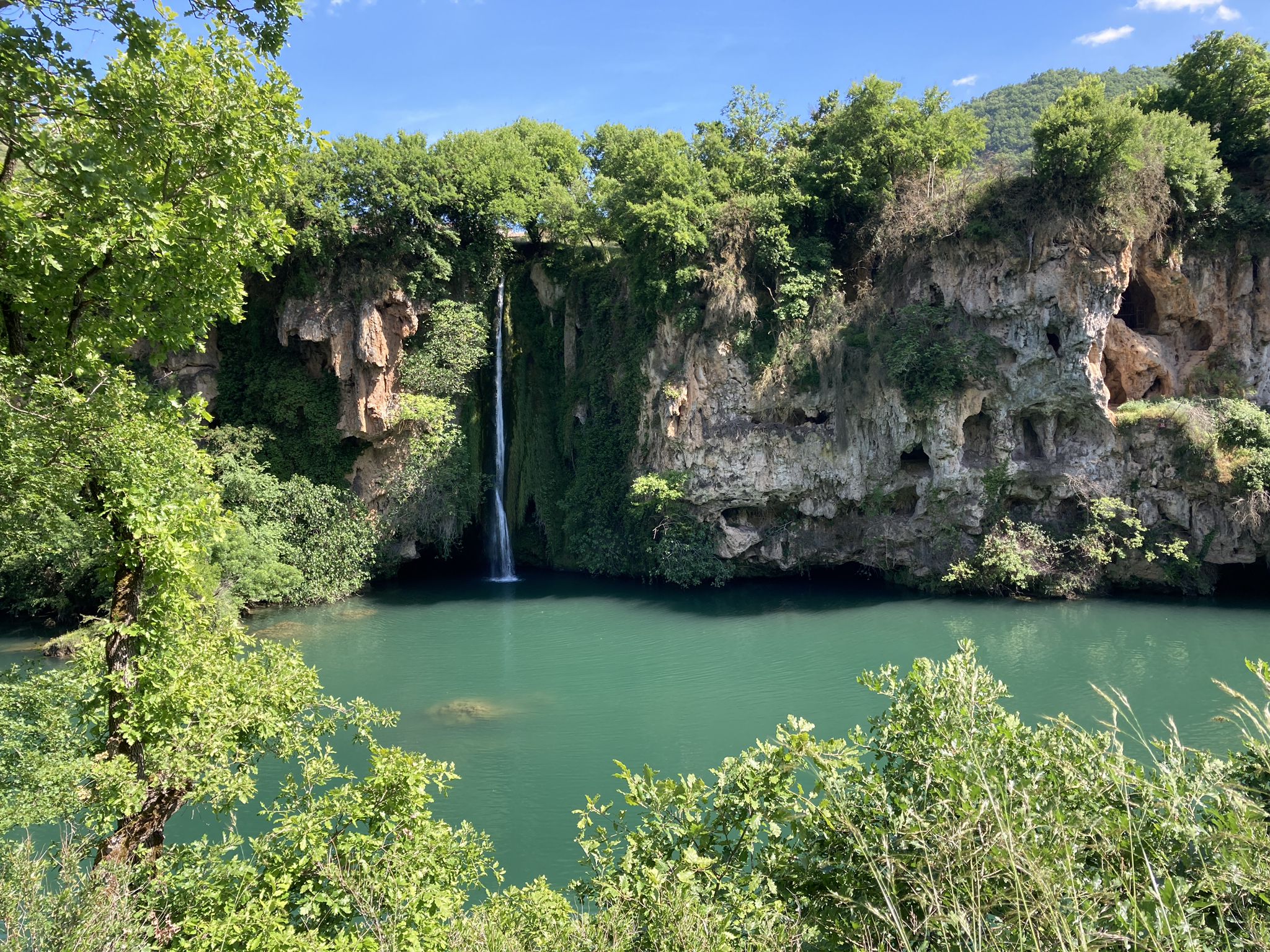
The sound of water – gravel and waterfalls in Aveyron
Other adventures around Millau


Tips from the Community

From this point at the foot of the structure, the regular succession of piers and guyed pylons can be particularly well distinguished. The deck, 2,460 m long, crosses the valley at a height of approximately 270 m above the Tarn. Pier P2, the tallest, culminates at 245 m, while the assembly formed by the pier and its pylon reaches 343 m: a height greater than that of the Eiffel Tower. This perspective also recalls the technical feat that the construction of the viaduct represented. The metal deck was assembled in sections from either side of the valley, then progressively launched across the void. The joining of the two parts was carried out on May 28, 2004, 268 m above the Tarn, before the official inauguration a few months later. An interesting detail can be discerned here: despite its exceptional dimensions, the structure appears remarkably light. This impression is not accidental. The viaduct was specifically designed to blend into the valley by limiting the visual impact of its structure, with a very slender deck and piers that branch out in a "Y" shape.
2
0
From the greenway, the Millau Viaduct is revealed from a particularly spectacular angle! One becomes aware of the extraordinary dimensions of the structure. Built between 2001 and 2004, the viaduct crosses the Tarn valley over 2,460 m and connects the Causse Rouge to the north with the Causse du Larzac to the south. Its metal deck, approximately 32 m wide, rests on seven concrete piers extended by seven cable-stayed pylons. At its highest point, the entire structure reaches 343 m above the ground; the deck is up to about 270 m above the Tarn. Designed by engineer Michel Virlogeux and British architect Sir Norman Foster, the viaduct combines a very slender metal structure with piers whose "Y" shape helps to visually lighten the whole. The deck was manufactured in metal elements and then gradually launched from both ends of the valley. The joining of the two parts was finally carried out on May 28, 2004, at 268 m above the Tarn.
2
0

Absolutely worth seeing - view it from below and definitely join the architecture tour.
0
0

because it remains planted there, in the middle of nature, in perfect harmony
1
0


An exceptional site due to its location. One thing intrigues me: how did the ancients build with stone at such heights? Even on the backs of mules, the task of climbing the 500m drop from the Tarn is gigantic. Other questions: how did they live there? Certainly no prayers.
0
0
Frequently Asked Questions
What historical sites can I explore around Millau?
Millau and its surroundings are rich in history. You can visit the impressive ruins of Peyrelade Castle, a 12th-century fortress overlooking the Tarn valley. Discover ancient troglodyte villages like Églazines and Saint-Marcellin, which are built into cliff sides. Don't miss L'Ermitage Saint-Michel, an ancient fortified site clinging to the rocks of the Jonte gorges. The historic town center of Millau itself, with its Belfry and medieval arcades, also offers a glimpse into the past, as does the significant Gallo-Roman pottery site of La Graufesenque.
Are there any unique natural formations or landscapes to visit?
Absolutely. Millau is a gateway to the spectacular Gorges du Tarn, Gorges de la Jonte, and Gorges de la Dourbie, known for their dramatic cliffs and river scenery. Explore the Prehistoric Mushroom, a remarkable geological formation on the Causse Noir. Another must-see is the Chaos de Montpellier-le-Vieux, also known as the "City of Stones," featuring unusual dolomitic rock formations. For an underground adventure, the Aven Armand cave, with its giant stalagmites, is also nearby.
What are the best viewpoints for panoramic scenery?
For breathtaking views, head to the dedicated viewing areas for the Millau Viaduct, an iconic modern marvel. The Belfry of Millau, located in the old town, offers panoramic views of the city and surrounding Causses. The Prehistoric Mushroom site provides stunning vistas over the Jonte gorges. Additionally, the Pas Destrech Cross is another excellent spot for expansive views.
What outdoor activities can I do near these attractions?
The region around Millau is perfect for outdoor enthusiasts. You can find numerous hiking trails, including challenging mountain hikes and easier walks. Explore routes like the "Pouncho d'Agast loop from Millau" or the "Viewpoint overlooking Le Rozier – Rock formation 'Vase' loop from Peyreleau." For more options, check out the Mountain Hikes around Millau guide or the Easy hikes around Millau guide. The Gorges du Tarn also offer opportunities for canoeing, kayaking, and paragliding from sites like Puncho d'Agast.
Are there any family-friendly attractions in the Millau area?
Yes, there are several attractions suitable for families. Micropolis, la Cité des Insectes, is a unique scientific park dedicated to insects, offering interactive exhibits and live specimens. The Chaos de Montpellier-le-Vieux, with its unusual rock formations, can be explored via hiking trails or a small train, making it fun for all ages. Many of the easier hiking trails in the Easy hikes around Millau guide are also suitable for families.
Where can I learn about the local culture and traditions?
To delve into Millau's local culture, visit the Musée de Millau et des Grands Causses, which showcases the town's history, including its renowned glove-making tradition, Gallo-Roman pottery, and natural history. The town is also famous for Roquefort cheese, and you can visit the Roquefort Caves nearby to learn about its production. The picturesque village of Peyre, listed as one of the "Most Beautiful Villages in France," offers a glimpse into traditional architecture and local life.
What is the best time of year to visit Millau for outdoor activities?
Spring (April to June) and autumn (September to October) are generally considered the best times to visit Millau for outdoor activities. The weather is pleasant for hiking, cycling, and exploring the gorges, with fewer crowds than in the peak summer months. Summer (July and August) is also popular, especially for water sports, but can be quite warm.
Can I see the Millau Viaduct up close?
While pedestrians cannot walk across the Millau Viaduct, you can get excellent views from various dedicated viewpoints, including a tourist information center at the old farm of Brocuéjouls. Guided tours are available that allow access to a viewing platform and even inside one of the pylons, offering a unique perspective on this engineering marvel. You can find more information on tourisme-aveyron.com.
Are there any wildlife attractions in the area?
Yes, the Maison des Vautours (Vulture House) near the Gorges de la Jonte is a notable wildlife park. It focuses on the reintroduction and life of vultures in the region, offering an educational experience about these magnificent birds of prey.
What do visitors enjoy most about the attractions around Millau?
Visitors frequently praise the dramatic natural beauty of the gorges and the unique geological formations. The blend of impressive historical sites, such as ancient castles and troglodyte villages, with modern engineering marvels like the Millau Viaduct, also receives high acclaim. The opportunities for diverse outdoor activities, from hiking to water sports, are also a major draw, making the region a favorite for those seeking both adventure and cultural exploration.
Are there any easy walking routes near the main attractions?
Yes, there are several easy walking routes. For example, the "The Creissels waterfalls – Bizarre Felsformationen loop from Creissels" is an easy hike. Many of the trails within the Easy hikes around Millau guide are suitable for a leisurely pace and offer scenic views without significant difficulty.
Where can I find information about the Grands Causses Regional Natural Park?
Millau is situated within the vast Grands Causses Regional Natural Park, a UNESCO World Heritage site. This park is known for its diverse landscapes, including limestone plateaus (Causses) and dramatic gorges. You can find general information about the park and its features at local tourist offices or through regional tourism websites like visit-occitanie.com, which often highlight its natural beauty and activities.
Most popular routes around Millau
Most popular attractions around Millau

Get inspired with the komoot mobile app


Didn’t find what you were looking for?
Are you keen on exploring more awesome places nearby? Browse our guides:
Explore more
Still not found the Highlight you’re looking for? See guides of the top attractions in other regions:
