The best cycling routes around Millau
4.4
(1078)
14,552
riders
668
rides
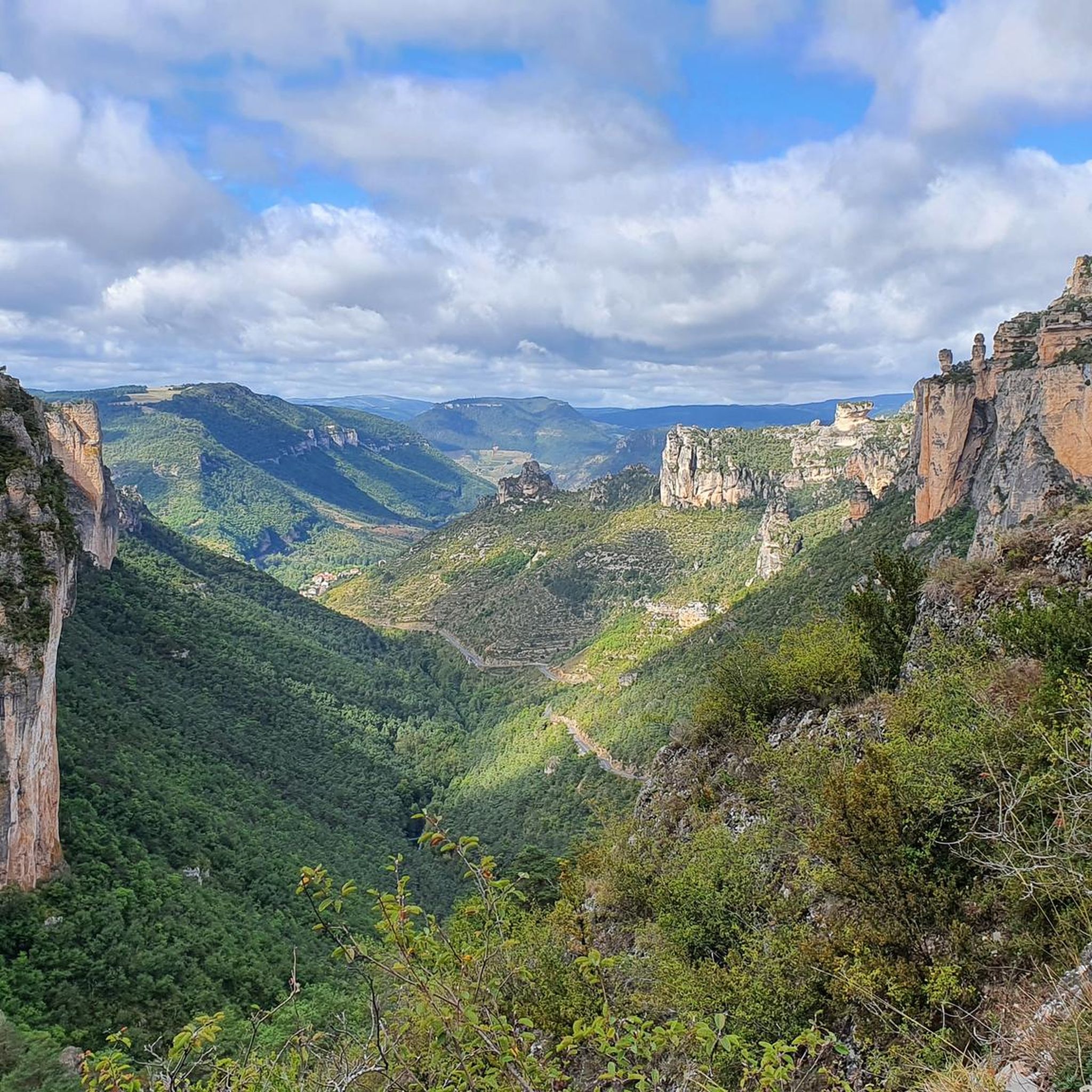
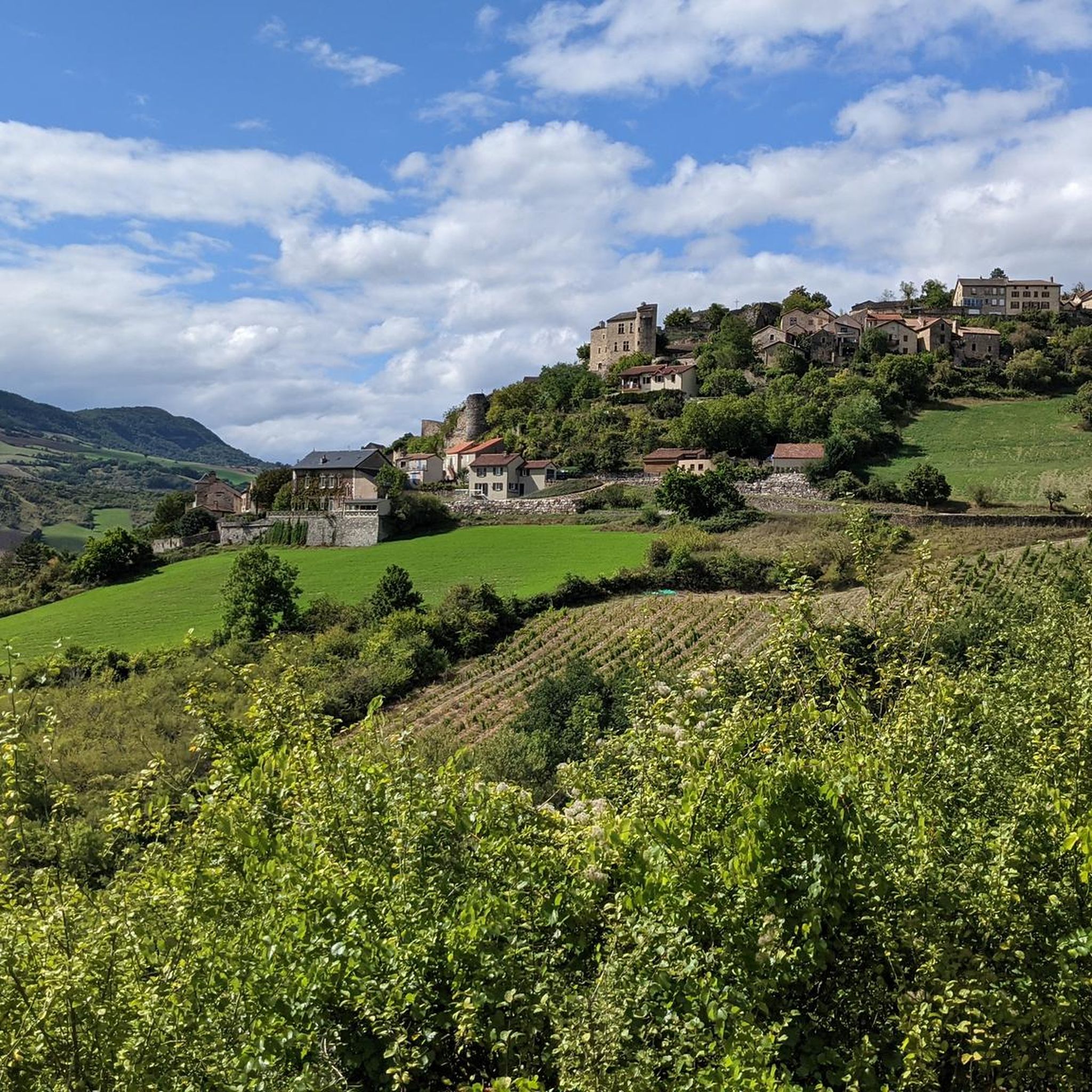
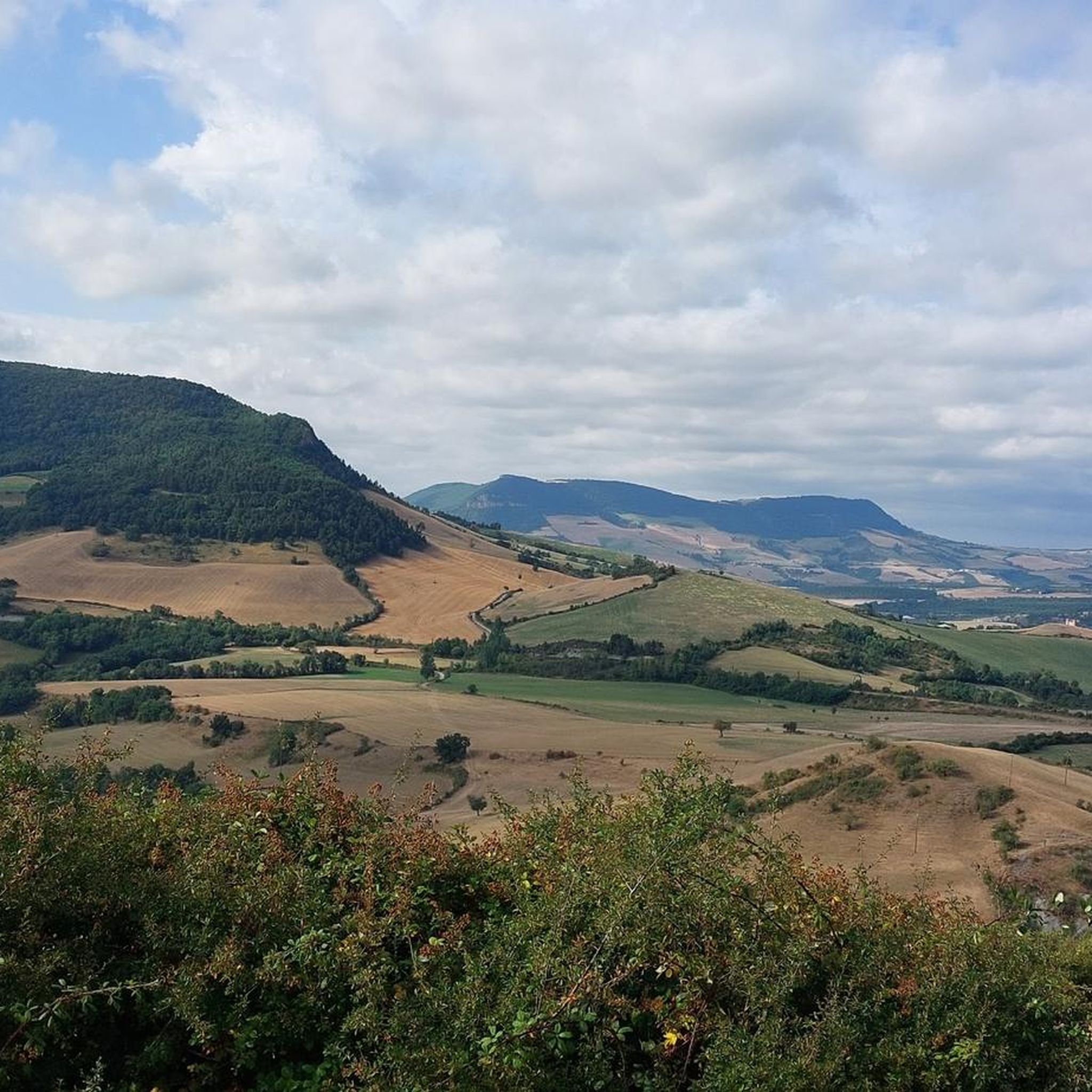
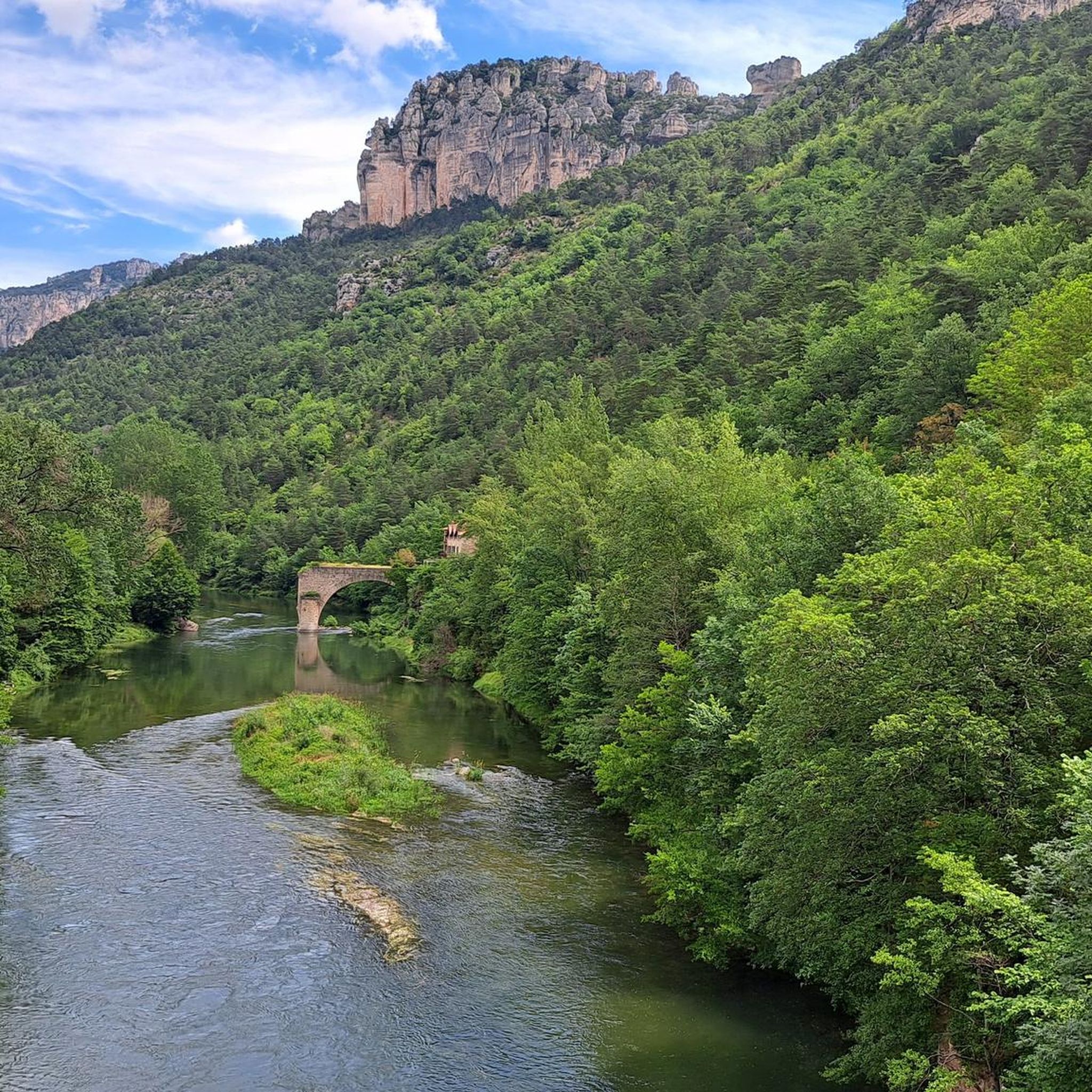
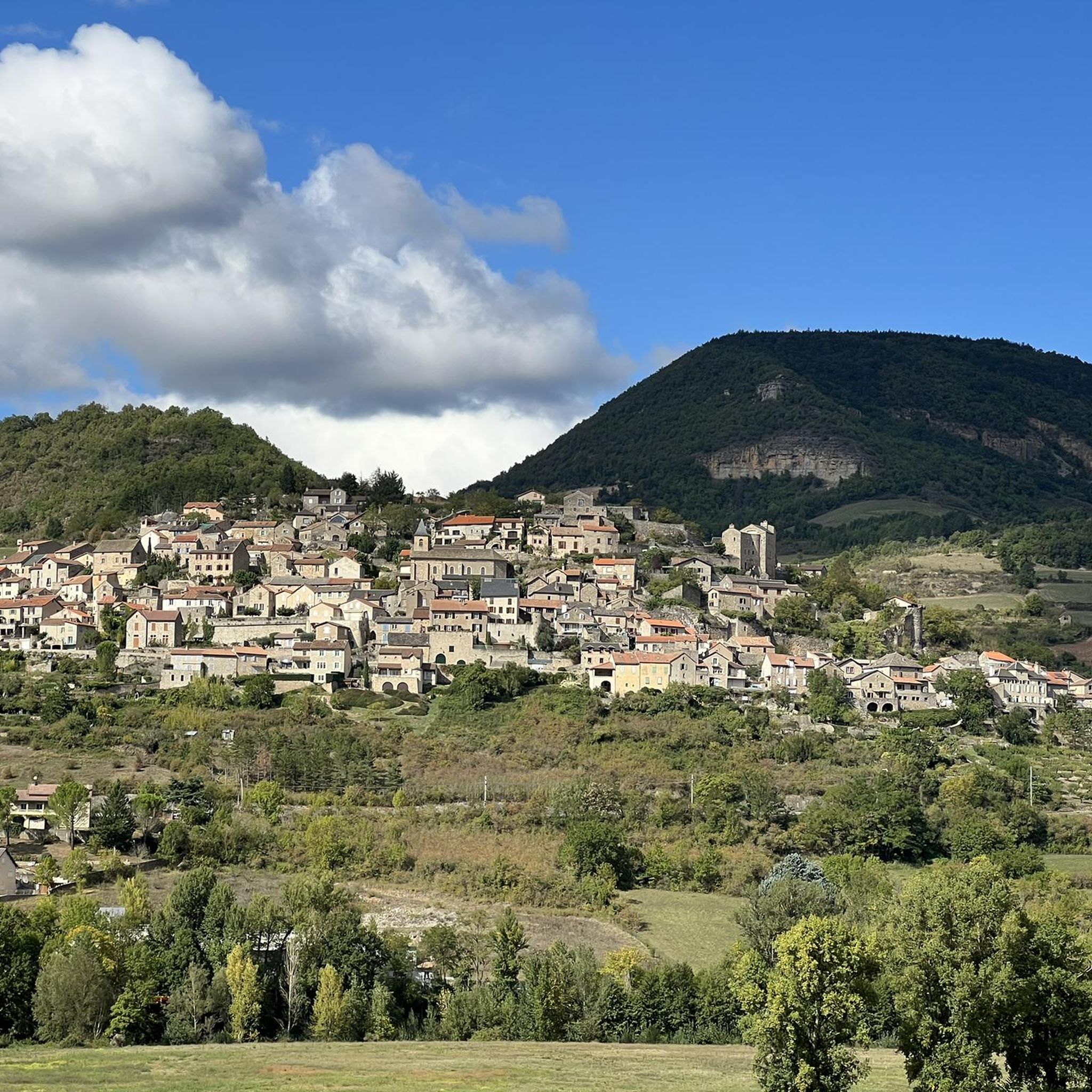
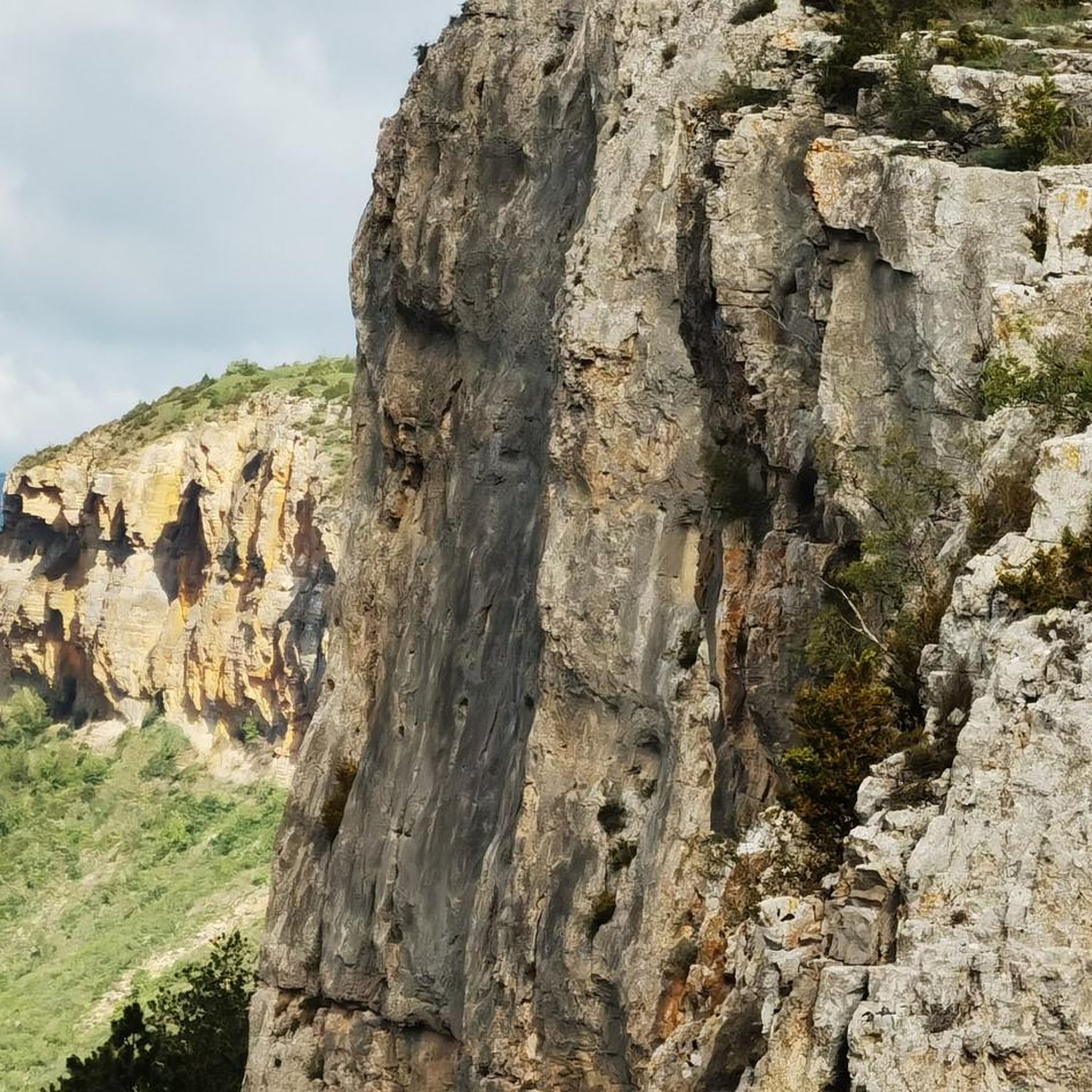
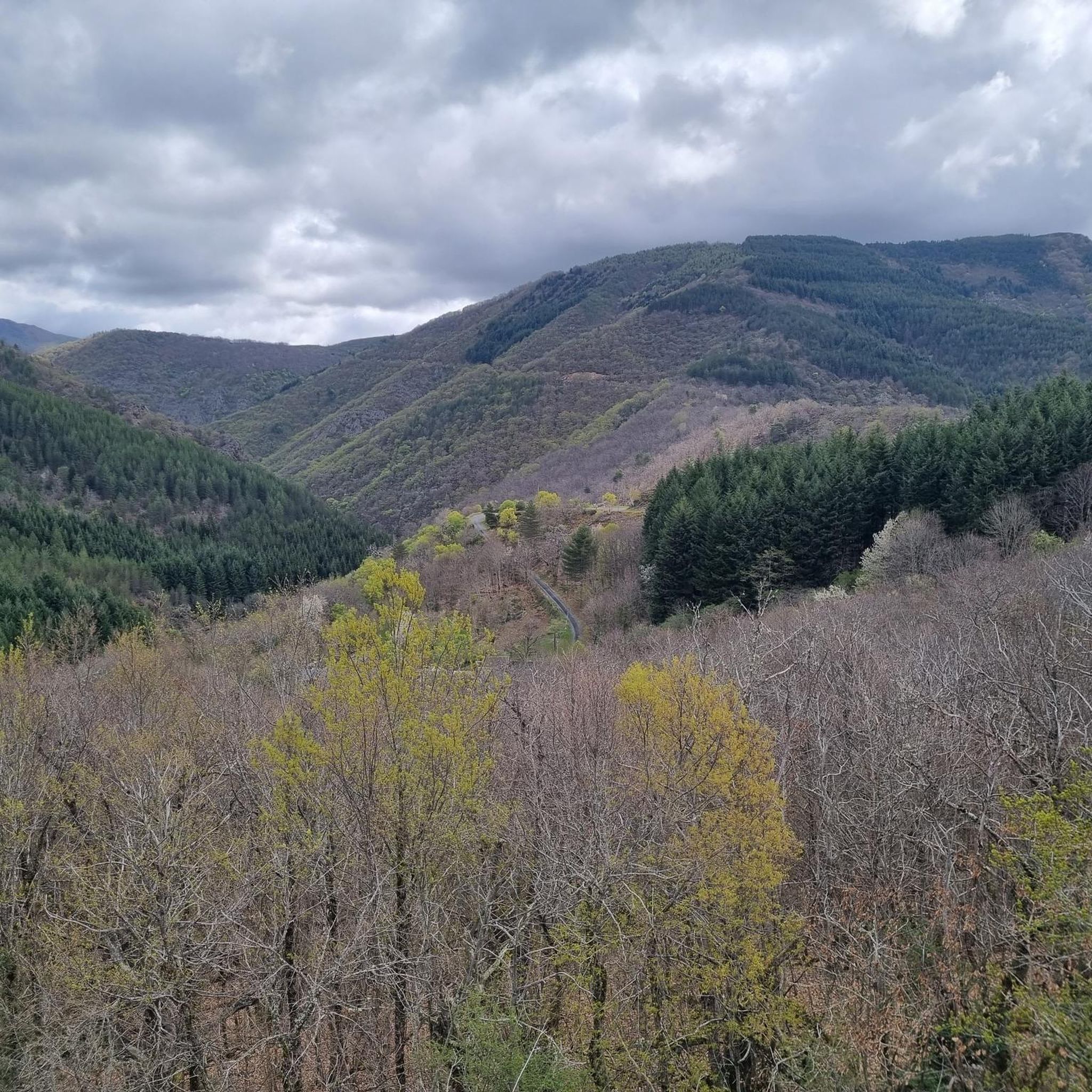
Touring cycling around Millau offers diverse landscapes within the Occitanie region of Southern France. The area is characterized by limestone plateaus known as Causses, deep river gorges such as the Tarn, Jonte, and Dourbie, and the confluence of the Tarn and Dourbie rivers. These features create varied terrain, from river valleys to elevated plateaus, providing a range of gradients for cyclists. Millau serves as a gateway to the Grands Causses Regional Natural Park, a UNESCO World Heritage site.
Best touring cycling routes around Millau
- The most popular touring cycling route is Forêt du Cade – loop in the Grands Causses regional natural park, an 8.8 miles (14.1 km) trail that takes 1 hour 19 minutes to complete, winding through the natural park's varied terrain.
- Another top favourite among local touring cyclists is Jonte Gorge – Le Rozier loop from Peyreleau, a difficult 23.7 miles (38.1 km) path. This route offers views of the dramatic Jonte Gorge and surrounding landscapes.
- Local touring cyclists also love the Millau Viaduct and Castelnau-Pégayrols Loop, a 46.3 miles (74.5 km) trail leading through the Grands Causses and offering views of the iconic Millau Viaduct, often completed in about 5 hours 13 minutes.
- Touring cycling around Millau is defined by limestone plateaus, deep river gorges, and river valleys. The extensive network of routes offers options for different ability levels, from easy rides along riverbanks to challenging ascents on the Causses.
- The routes in Millau are highly rated by the komoot community with an average score of 4.4 stars from over 800 reviews. More than 13,000 touring cyclists have used komoot to explore Millau's varied terrain.
Last updated: October 10, 2026
4.9
(16)
3,365
riders
38.6km
02:31
540m
540m
Hard bike ride. Very good fitness required. Mostly paved surfaces. Suitable for all skill levels.
3.0
(1)
21
riders
14.1km
01:19
140m
140m
Easy bike ride. Great for any fitness level. Mostly paved surfaces. Suitable for all skill levels.

4.5
(4)
14
riders
74.5km
05:14
1,360m
1,360m
Hard bike ride. Very good fitness required. Mostly paved surfaces. Suitable for all skill levels.
14
riders
17.7km
01:08
120m
130m
Easy bike ride. Great for any fitness level. Mostly paved surfaces. Suitable for all skill levels.
3
riders
60.3km
04:13
1,160m
1,160m
Hard bike ride. Very good fitness required. Mostly paved surfaces. Suitable for all skill levels.
Easy bike ride. Great for any fitness level. Mostly paved surfaces. Suitable for all skill levels.
4.8
(49)
334
riders
50.8km
03:25
750m
750m
Hard bike ride. Very good fitness required. Mostly paved surfaces. Suitable for all skill levels.
5.0
(1)
341
riders
16.6km
01:08
280m
280m
Moderate bike ride. Good fitness required. Mostly paved surfaces. Suitable for all skill levels.
4.2
(48)
264
riders
22.9km
01:37
190m
190m
Moderate bike ride. Good fitness required. Mostly paved surfaces. Suitable for all skill levels.
4.6
(33)
242
riders
35.3km
02:11
350m
350m
Moderate bike ride. Good fitness required. Mostly paved surfaces. Suitable for all skill levels.
Get access to more routes and recommendations from other explorers.
Already have an account?
Our route recommendations are based on thousands of hikes, rides, and runs completed by other people on komoot.
Start today with a free account
Your next adventure awaits.
Other adventures around Millau


Tips from the Community

In the heart of Creissels, the Pesquié basin forms a surprisingly vast body of water (1,000 m²) compared to the modest stream that feeds it. Its name, which comes from Occitan and means "fish pond", recalls the ancient purpose of the place, linked to fish farming. The town hall now occupies the premises of a former fish farm. The basin is fed by the Creissels waterfall, a typical resurgence of the karst functioning of the Larzac: the water infiltrated into the limestones of the plateau reappears after an underground journey. In September 2023, the municipality dredged the basin and created a spawning ground for brown trout (Salmo trutta). The restoration has borne fruit, as trout have since recolonized the body of water, alongside amphibians and other aquatic organisms that find refuge in the surrounding wetland.
2
0
Built between 1818 and 1821, the Lerouge bridge became one of the main structures for crossing the Tarn in Millau. It replaced the Pont Vieux, several arches of which had been destroyed by a flood in 1758, leaving the town without a permanent bridge for over sixty years. During this long period, crossing the Tarn was mainly done by ferry. The project was launched on the initiative of the prefect of Aveyron, d’Estourmel. The plans were drawn up by Pierre-Jacques Le Rouge, an engineer for the district. The first stone was laid on June 20, 1818, and the bridge was opened to traffic in January 1821. Its name therefore comes from its designer, not from the color of its stones. A curious detail: its construction was largely financed by private individuals, and a toll was collected until 1875. This tax even caused tensions with the inhabitants of Creissels, some of whom continued to cross the Tarn on foot or by boat to avoid paying it.
3
0
On the Maladrerie, the Parc Aquavagues transforms an arm of the Tarn into a real whitewater stadium. Over about 300 m, waves, currents and counter-currents allow for kayaking, rafting and hydrospeed, up to the training of experienced practitioners and competitions.
2
0
This section of the greenway follows a narrow and shaded path, where dense vegetation forms a real green tunnel in places. The natural surface is particularly pleasant to ride on. These wooded sections alternate with a few openings, which allow you to reconnect with the Tarn river and, further on, the Millau viaduct.
2
0
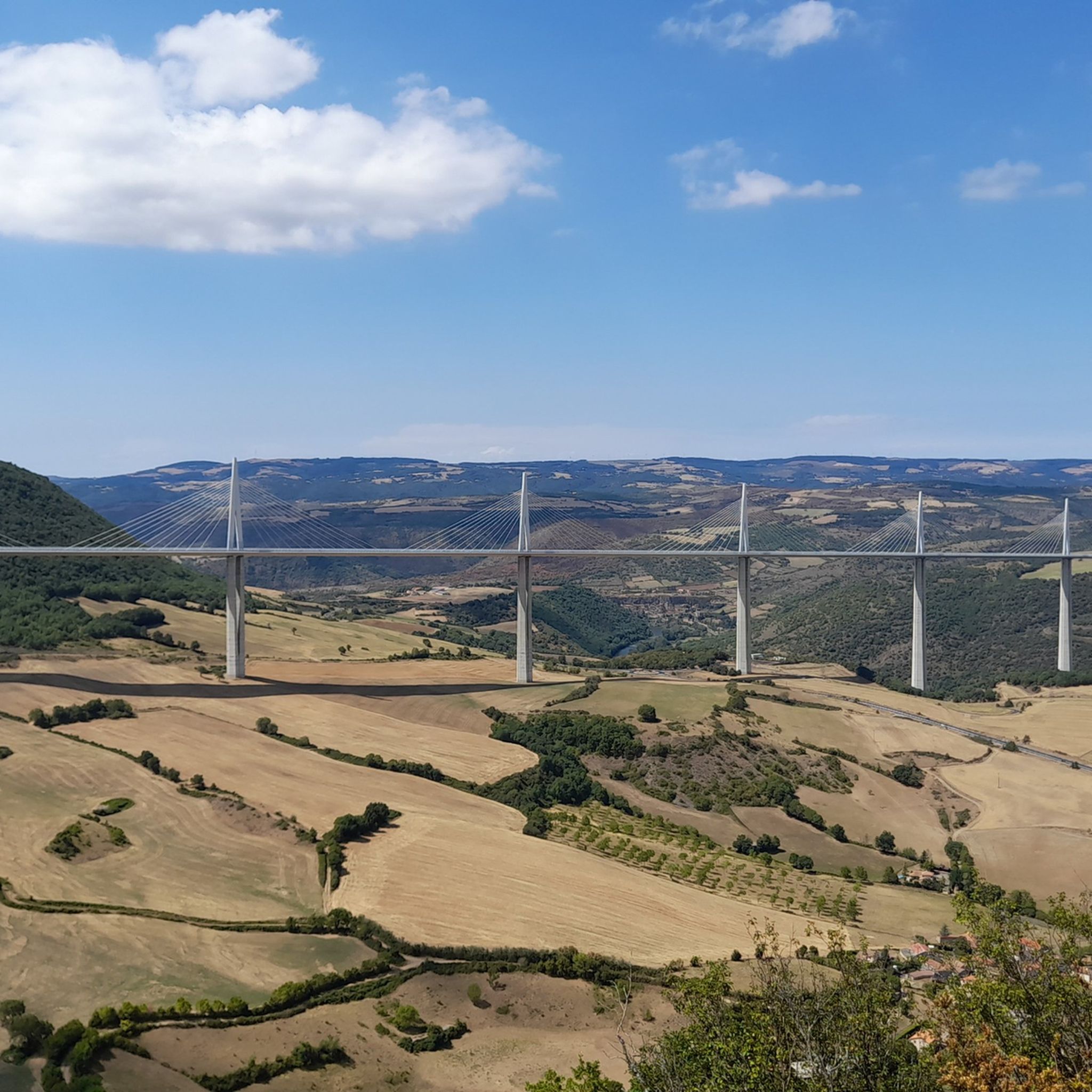
From this point at the foot of the structure, the regular succession of piers and guyed pylons can be particularly well distinguished. The deck, 2,460 m long, crosses the valley at a height of approximately 270 m above the Tarn. Pier P2, the tallest, culminates at 245 m, while the assembly formed by the pier and its pylon reaches 343 m: a height greater than that of the Eiffel Tower. This perspective also recalls the technical feat that the construction of the viaduct represented. The metal deck was assembled in sections from either side of the valley, then progressively launched across the void. The joining of the two parts was carried out on May 28, 2004, 268 m above the Tarn, before the official inauguration a few months later. An interesting detail can be discerned here: despite its exceptional dimensions, the structure appears remarkably light. This impression is not accidental. The viaduct was specifically designed to blend into the valley by limiting the visual impact of its structure, with a very slender deck and piers that branch out in a "Y" shape.
2
0
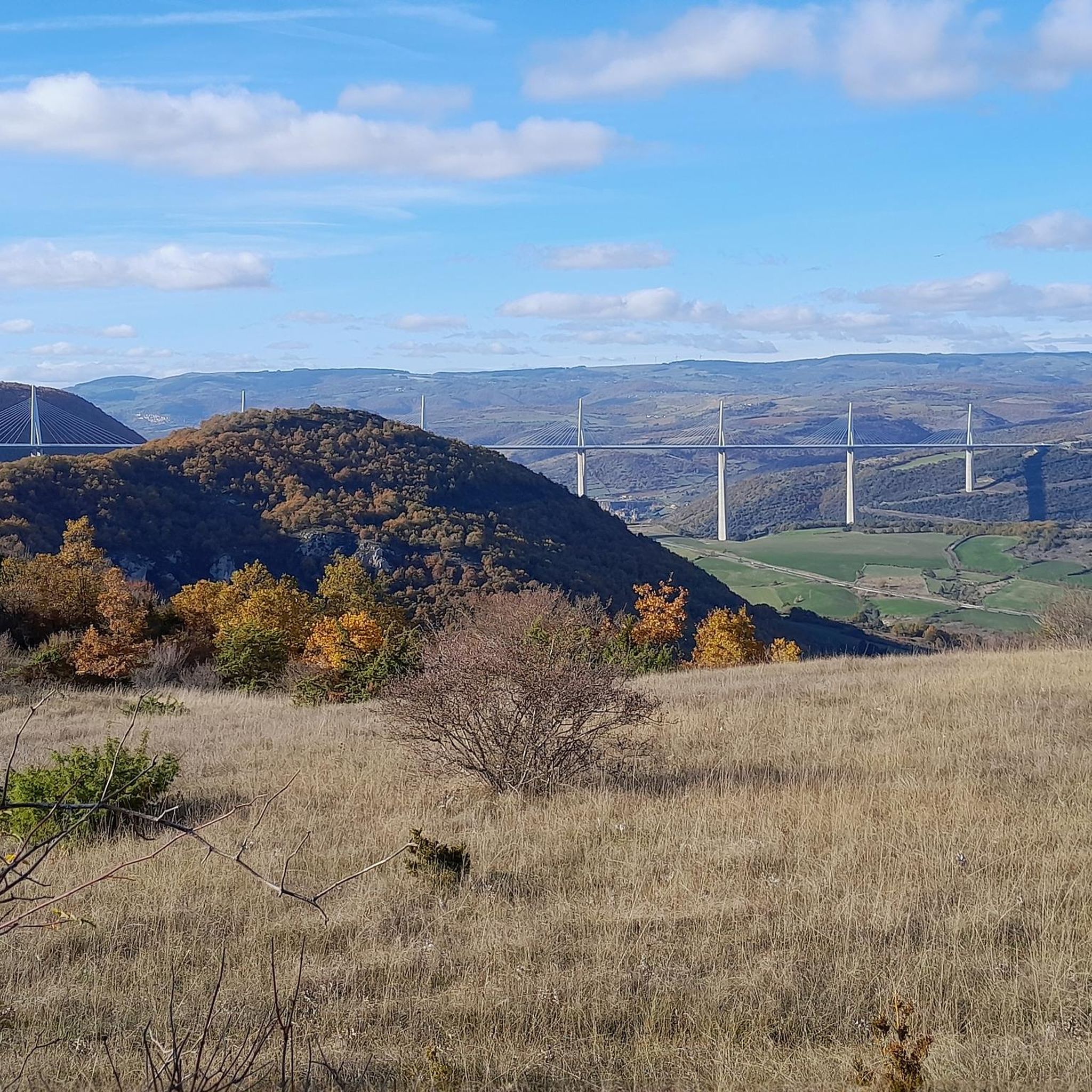
From the greenway, the Millau Viaduct is revealed from a particularly spectacular angle! One becomes aware of the extraordinary dimensions of the structure. Built between 2001 and 2004, the viaduct crosses the Tarn valley over 2,460 m and connects the Causse Rouge to the north with the Causse du Larzac to the south. Its metal deck, approximately 32 m wide, rests on seven concrete piers extended by seven cable-stayed pylons. At its highest point, the entire structure reaches 343 m above the ground; the deck is up to about 270 m above the Tarn. Designed by engineer Michel Virlogeux and British architect Sir Norman Foster, the viaduct combines a very slender metal structure with piers whose "Y" shape helps to visually lighten the whole. The deck was manufactured in metal elements and then gradually launched from both ends of the valley. The joining of the two parts was finally carried out on May 28, 2004, at 268 m above the Tarn.
2
0

Absolutely worth seeing - view it from below and definitely join the architecture tour.
0
0

The climb from Le Rozier accesses the Causse Noir and not the Larzac.
0
0
Frequently Asked Questions
What kind of terrain can I expect on touring cycling routes around Millau?
Touring cycling around Millau offers incredibly diverse terrain. You'll encounter limestone plateaus known as Causses, deep river gorges like the Tarn, Jonte, and Dourbie, and scenic river valleys. This variety provides a range of gradients, from gentle rides along riverbanks to challenging ascents on the Causses, all within the stunning Grands Causses Regional Natural Park.
Are there any easy touring cycling routes suitable for beginners or families?
Yes, Millau offers a good selection of easier routes. For instance, the Forêt du Cade – loop in the Grands Causses regional natural park is an easy 8.8-mile (14.1 km) trail. Another accessible option is the Saint-Affrique – loop in the Grands Causses Regional Natural Park, which is also rated as easy.
What are some challenging touring cycling routes for experienced cyclists?
Experienced touring cyclists will find plenty of challenging options. The Jonte Gorge – Le Rozier loop from Peyreleau is a difficult 23.7-mile (38.1 km) path offering dramatic views. Another demanding route is the Millau Viaduct and Castelnau-Pégayrols Loop, a 46.3-mile (74.5 km) trail with significant elevation changes and views of the iconic viaduct.
What are the best times of year to go touring cycling in Millau?
The warmer months are generally ideal for touring cycling in Millau, especially for exploring the spectacular gorges like the Tarn, Jonte, and Dourbie. Spring and early autumn offer pleasant temperatures and vibrant scenery, while summer provides longer daylight hours, though it can be quite warm in the valleys.
Are there any circular touring cycling routes around Millau?
Yes, many touring cycling routes in Millau are designed as loops, allowing you to start and end at the same point. Examples include the Forêt du Cade – loop in the Grands Causses regional natural park and the Millau Viaduct and Castelnau-Pégayrols Loop. These circular routes make planning your ride and return much simpler.
What notable landmarks or attractions can I see along the touring cycling routes?
Millau's touring cycling routes often pass by significant landmarks and natural features. You can cycle past the architectural marvel of the Millau Viaduct, explore the historic village of Peyreleau, or discover viewpoints like The Prehistoric Mushroom. Historical sites such as Églazines and Peyrelade Castle also dot the landscape, offering interesting stops.
Are there any specific routes that offer views of the Millau Viaduct?
Absolutely. The iconic Millau Viaduct is a highlight for many cyclists. The Millau Viaduct and Castelnau-Pégayrols Loop is specifically designed to offer stunning views of this structure. Another option is the Millau Viaduct – Millau Viaduct loop from Millau, which provides close-up perspectives.
What do other touring cyclists say about the routes in Millau?
The touring cycling routes in Millau are highly regarded by the komoot community, with an average rating of 4.4 stars from over 800 reviews. Cyclists frequently praise the magnificent scenery, the variety of terrain from gorges to plateaus, and the extensive network of roads that cater to all fitness levels.
Are there options for gravel biking in the Millau area?
Yes, the limestone plateaus of the Grands Causses are well-suited for gravel biking, offering many kilometers of trails that combine the speed of a road bike with the ability to handle rougher paths. An example of a gravel-specific route is the Le Phare du Larzac – gravel loop in the Grands Causses Regional Natural Park.
Can I find places to eat or stay along the touring cycling routes?
Millau and the surrounding villages offer various amenities for cyclists. While specific routes may not have cafes or accommodation directly on the path, you'll find options in towns and villages like Millau, Le Rozier, and Peyreleau. It's advisable to plan your stops in advance, especially on longer or more remote routes.
Are there any routes that explore the Gorges du Tarn or Jonte?
Yes, the spectacular gorges are a major draw for touring cyclists. The Jonte Gorge – Le Rozier loop from Peyreleau offers incredible views of the Jonte Gorge. Many routes also follow the banks of the Tarn River, providing scenic and sometimes shaded paths through the valley.
What is the total number of touring cycling routes available in the Millau region?
The Millau region boasts an extensive network of over 650 touring cycling routes, catering to a wide range of preferences and skill levels, from easy rides to very difficult multi-day tours.
Most popular routes around Millau
Most popular attractions around Millau

Get inspired with the komoot mobile app


Didn’t find what you were looking for?
Check out more Cycling routes throughout Millau below and find the perfect route in your destination.
Explore more
Browse the best Cycling routes in other regions.
