The best waterfall hikes and walks around Millau
4.5
(3230)
19,912
hikers
13
hikes
Waterfall hiking trails around Millau are set within the Causses and Cévennes, a UNESCO World Heritage site known for its dramatic landscapes. The region is characterized by impressive river gorges like the Tarn and Dourbie, alongside vast limestone plateaus such as Larzac and Causse Noir. Natural erosion has sculpted unique rock formations, offering diverse terrain for exploring the area's numerous waterfalls and rivers.
Best waterfall hiking trails around Millau
- The most popular waterfall hiking route is The Creissels waterfalls –…
Last updated: November 21, 2026
4.6
(8)
76
hikers
14.0km
04:24
500m
500m
Hard hike. Good fitness required. Sure-footedness, sturdy shoes and alpine experience required.
4.9
(12)
91
hikers
13.1km
04:03
470m
480m

4.7
(23)
156
hikers
2.57km
00:51
80m
80m
Moderate hike. Mostly walkable paths. Sure-footedness required.
4.8
(4)
37
hikers
3.19km
01:00
110m
110m
Moderate hike. Mostly walkable paths. Sure-footedness required.
4.5
(10)
43
hikers
6.57km
02:00
190m
190m
Moderate hike. Good fitness required. Mostly walkable paths. Sure-footedness required.
Get access to more routes and recommendations from other explorers.
Already have an account?
Our route recommendations are based on thousands of hikes, rides, and runs completed by other people on komoot.
Start today with a free account
Your next adventure awaits.
Popular around Millau

Waterfall hikes in Grands Causses
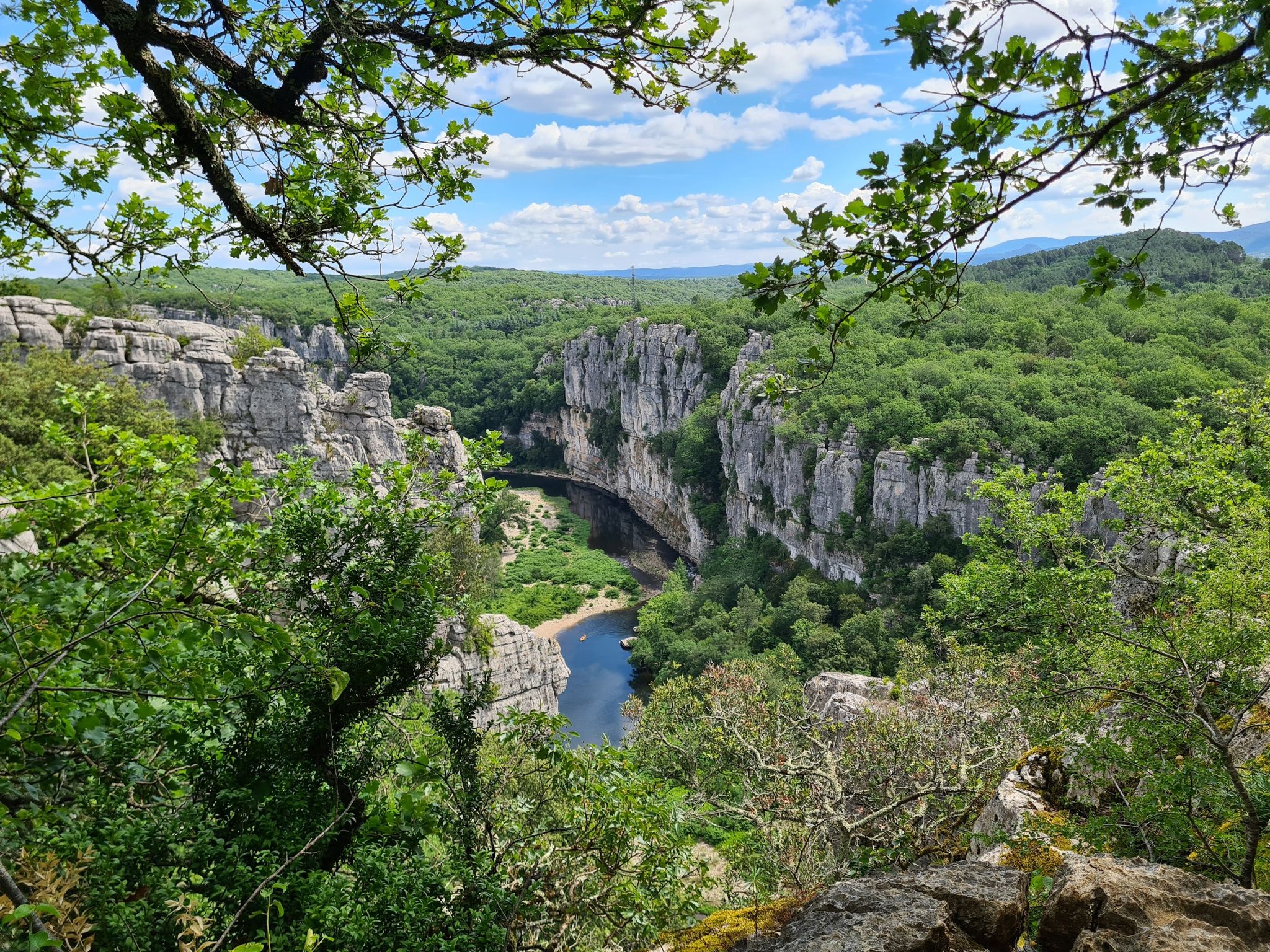
Hexatrek – The Cévennes to the Pyrenees between gorges and limestone plateau
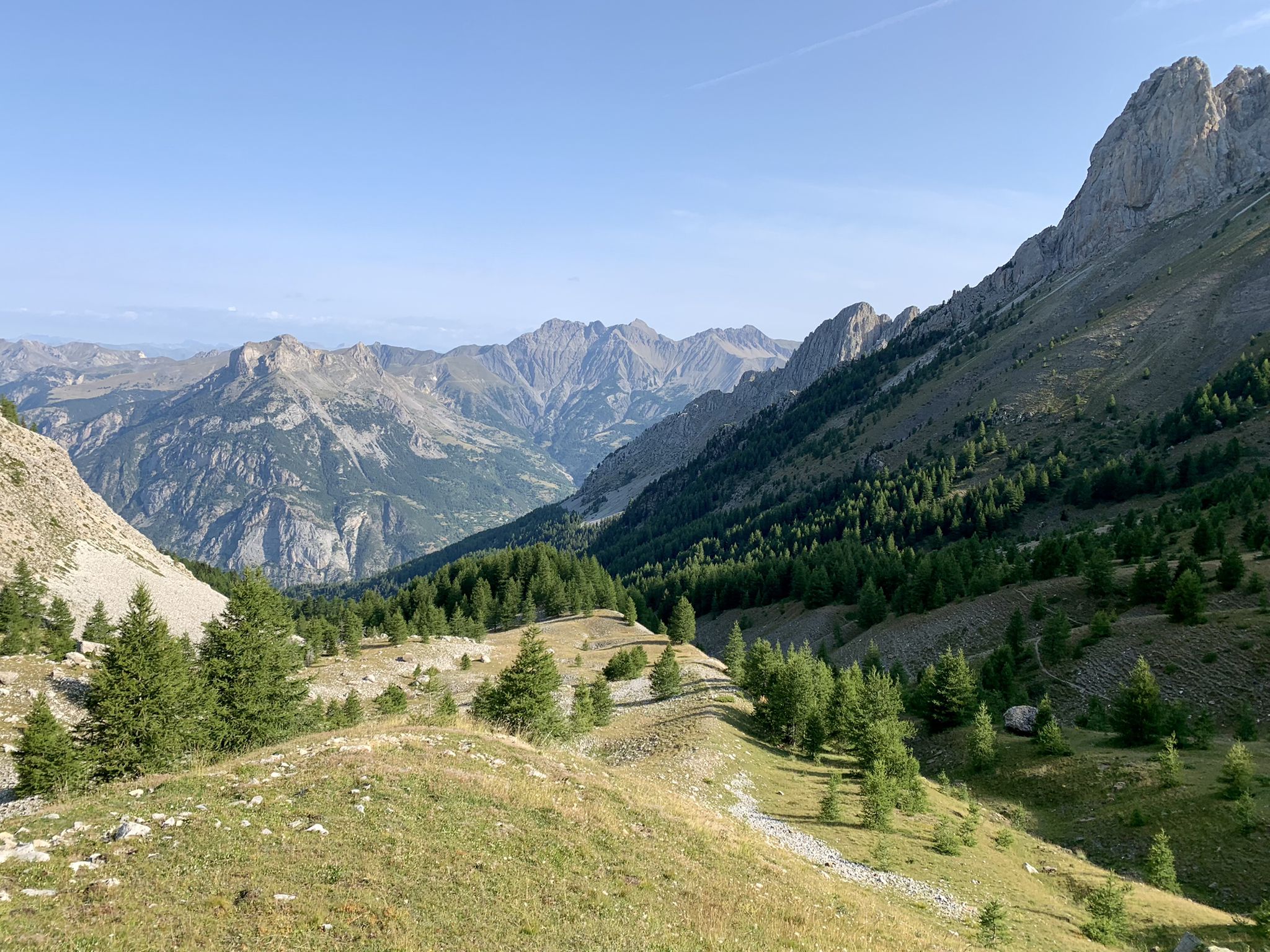
From the Alps to the Atlantic — GR 6
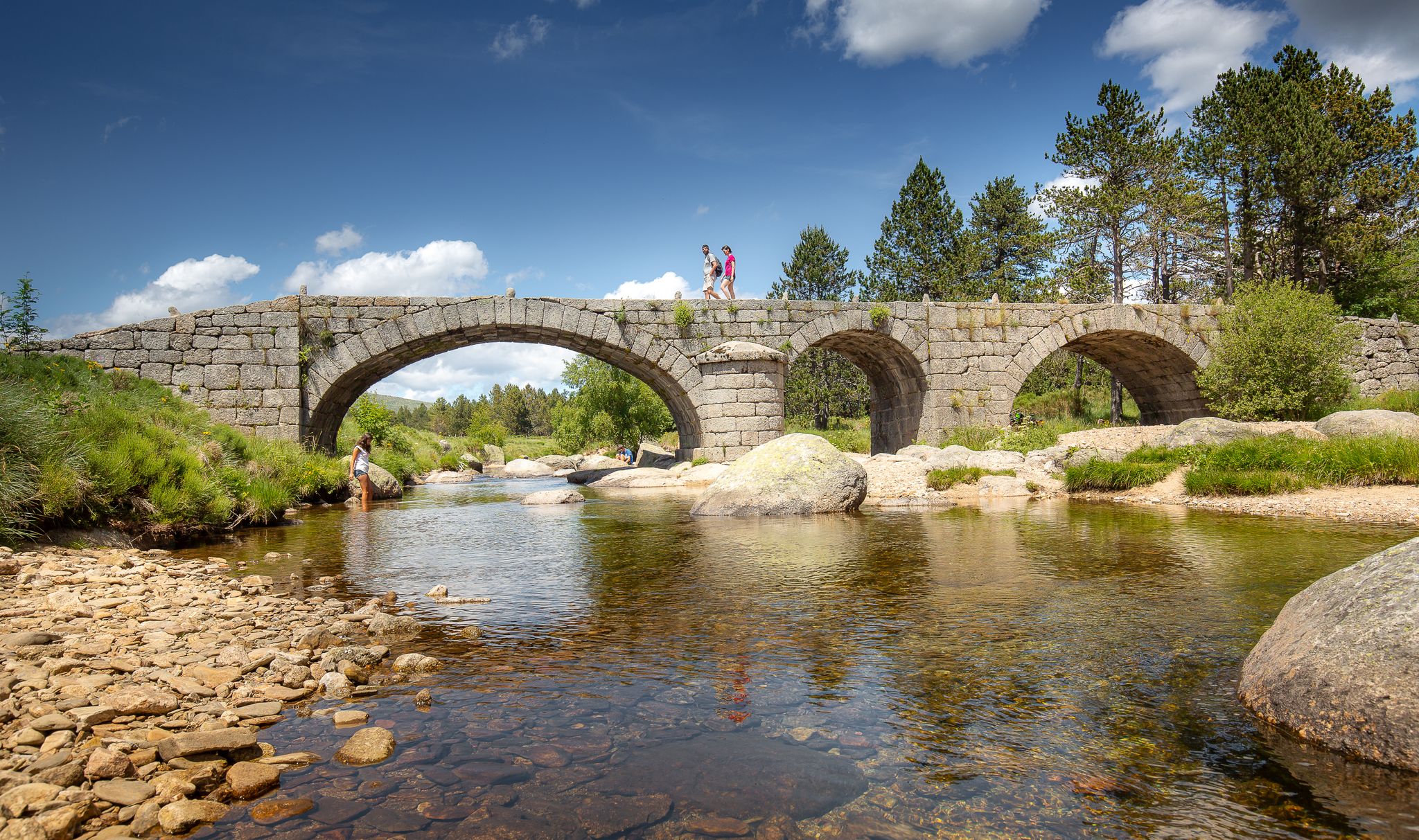
The most beautiful walks in Lozère
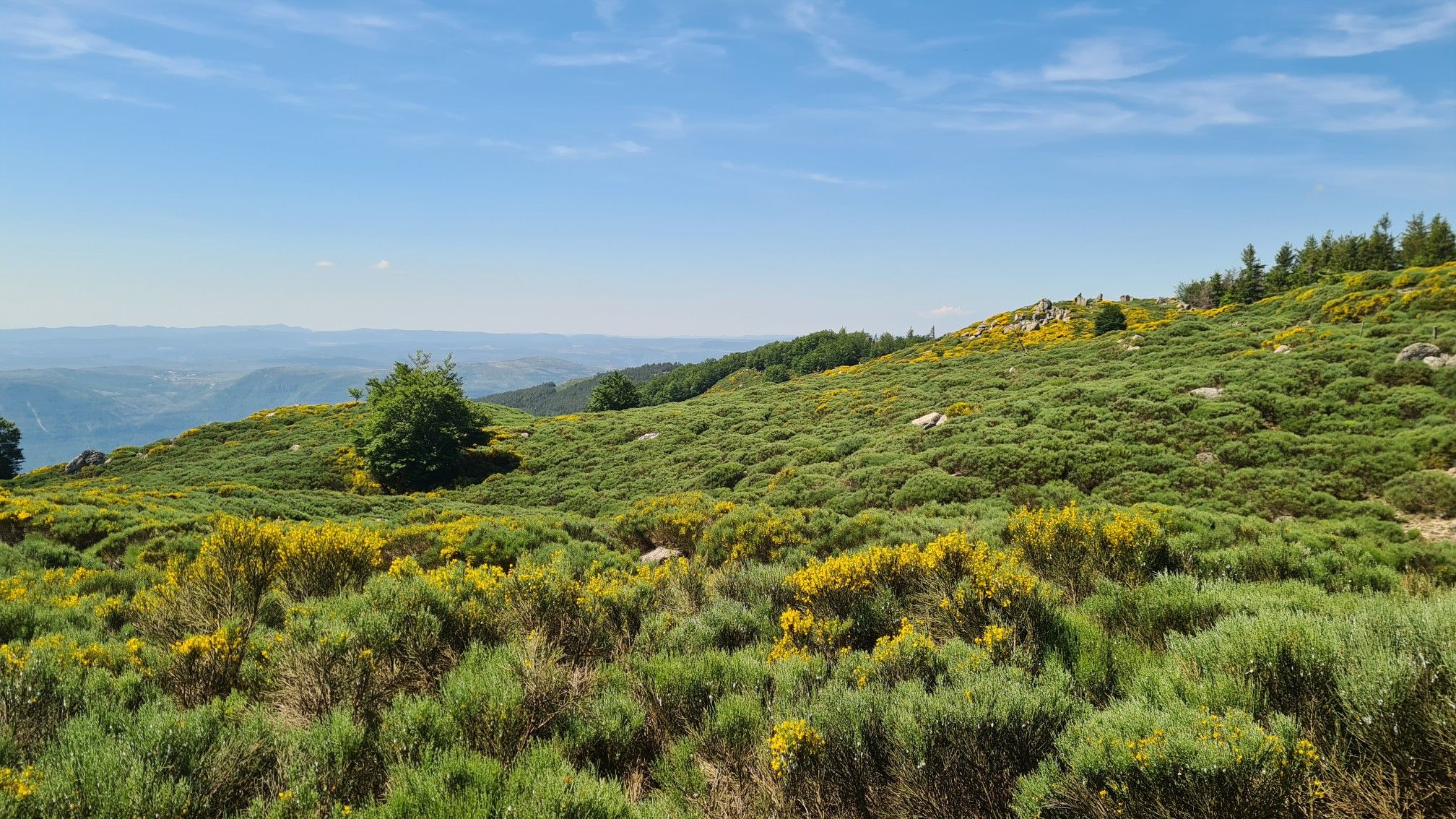
From L'Espérou to Lodève - Explore the Cevennes on the GR 71
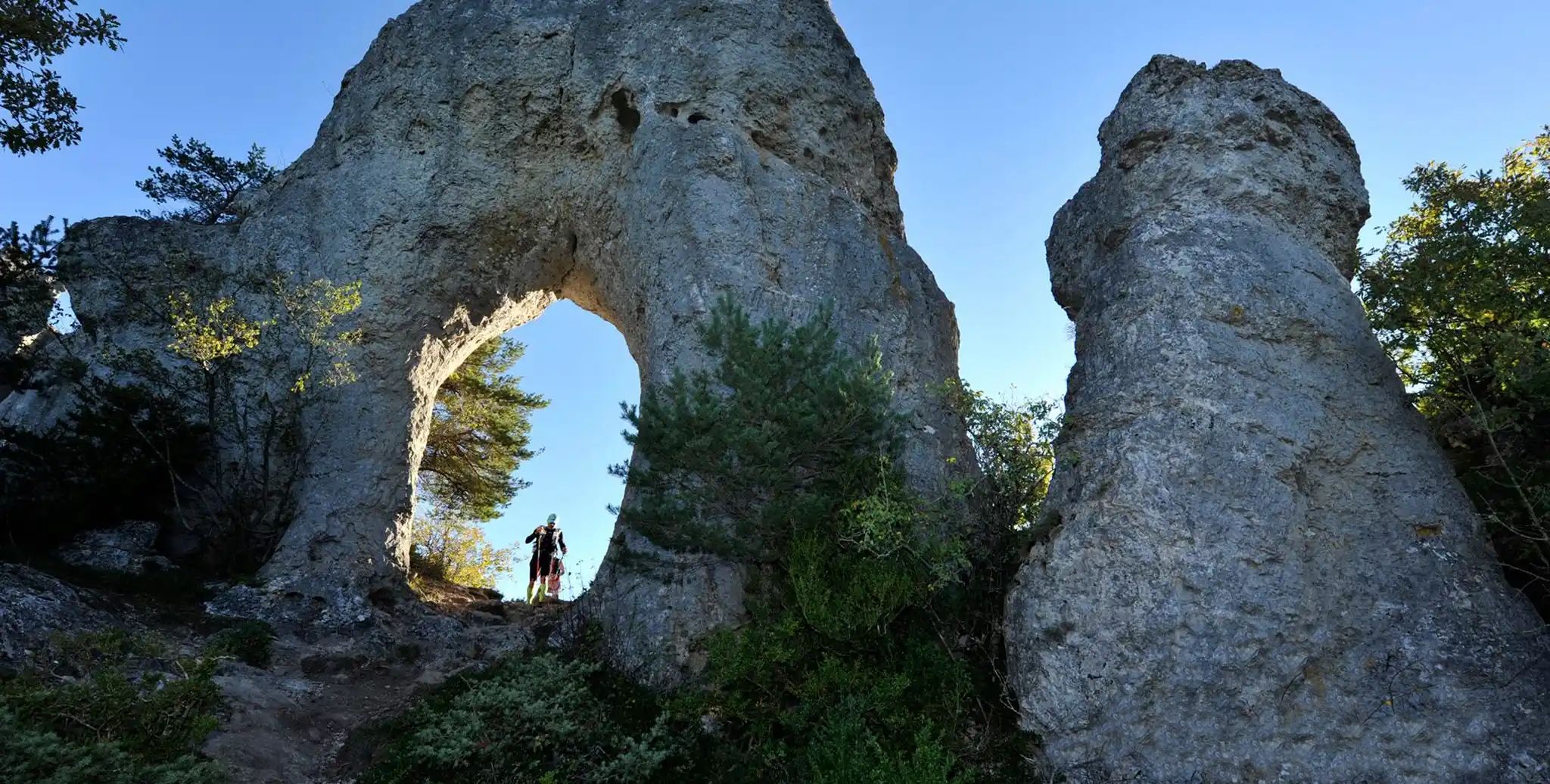
Meyrueis to La Roque-Sainte-Marguerite – GR 62A in France
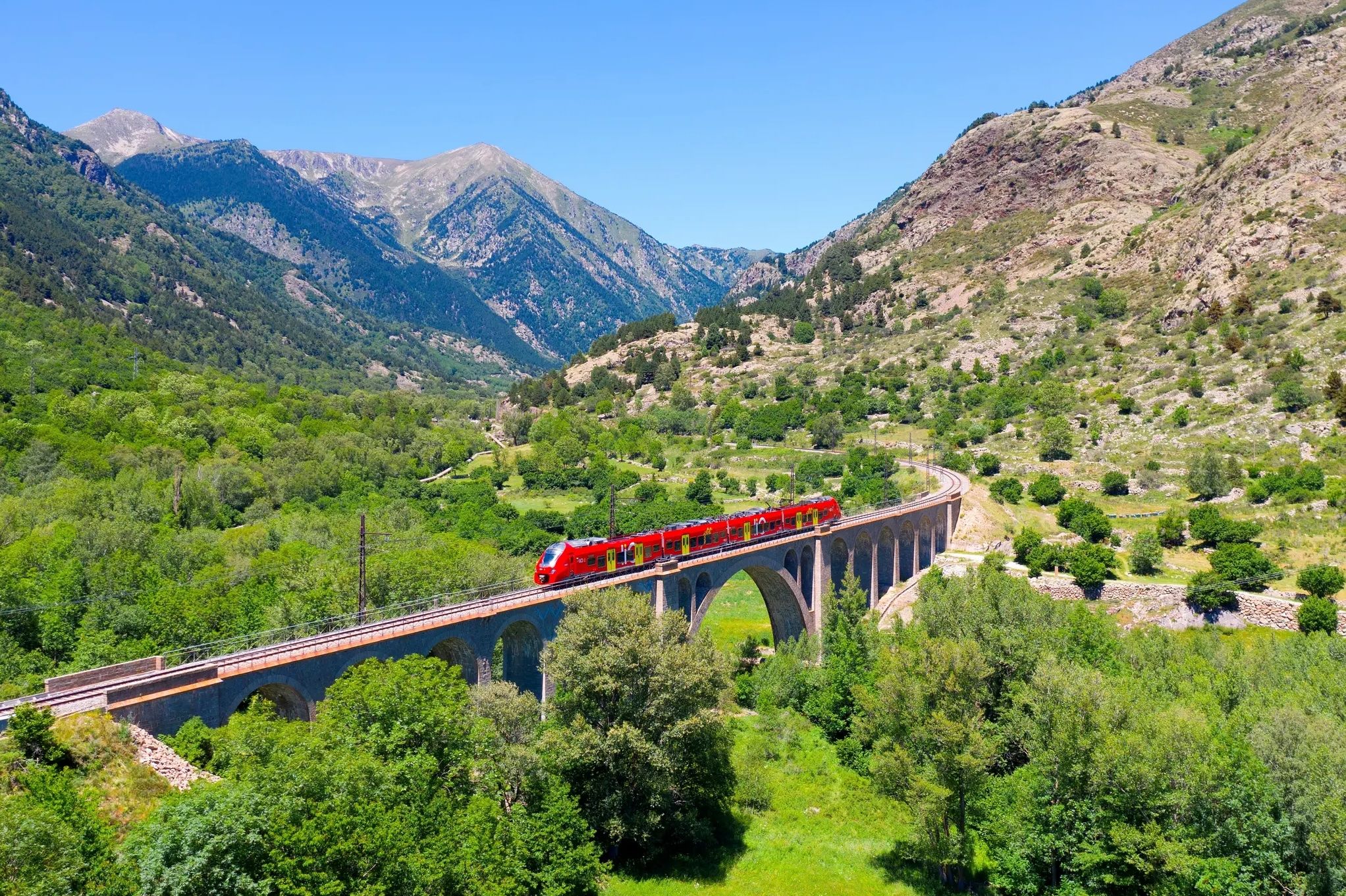
Occitanie Rail Tour – by train and on foot through Occitania
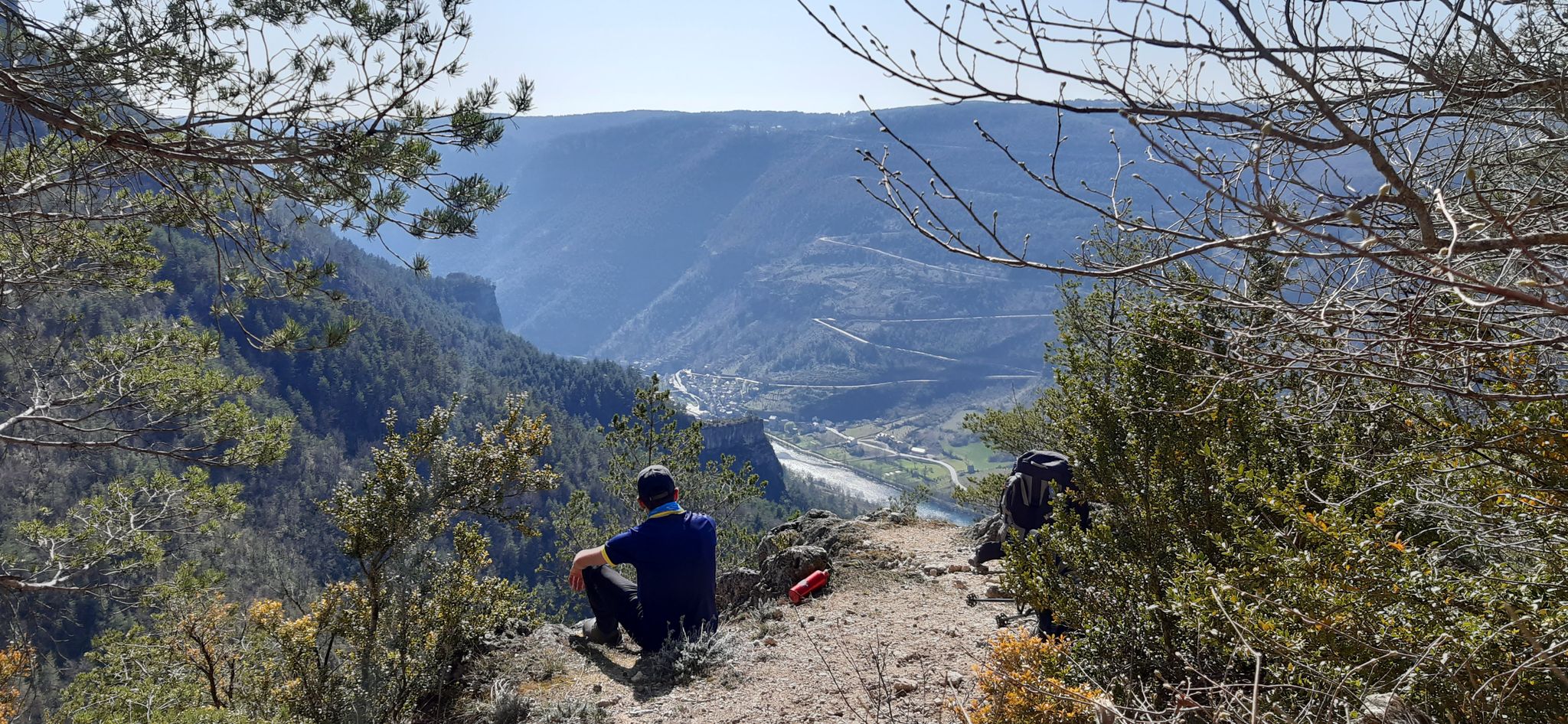
Walking to the rhythm of the Causses — The GRP Tour du Causse Méjean
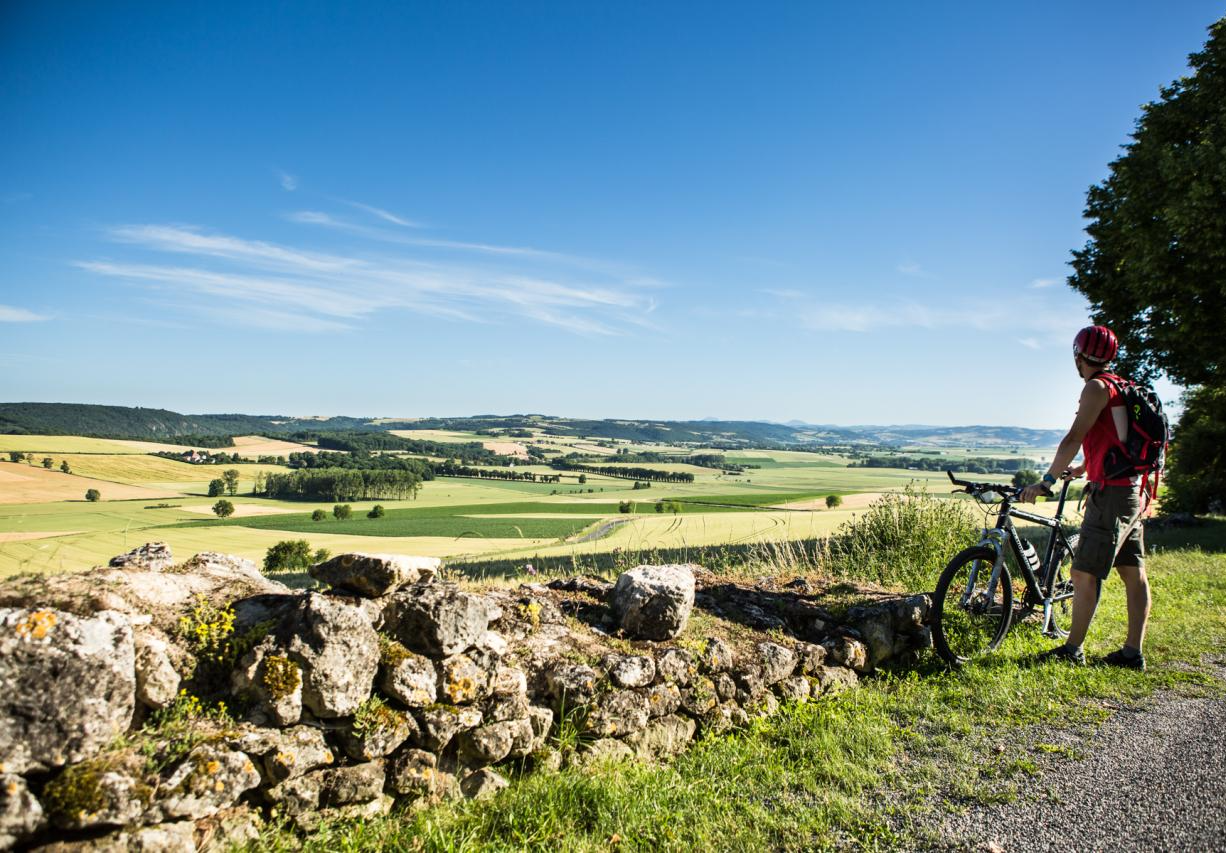
The Grande traversée du Massif Central by gravel bike
Tour of Aveyron — The mountains and valleys of Roquefort and Aligot
Other adventures around Millau


Tips from the Community

The Baoumas fountain springs from a real cavity carved into the limestone wall, at the foot of the rock that bears the castle of Creissels. The name of the place, which comes from the Occitan « bauma » (cave, rock shelter), thus very accurately describes what is observed: the water gushes out in a lively jet from the darkness of the small cave, before falling back into a basin with green reflections, surrounded by a stone wall. This configuration is not an architectural coincidence: it testifies, like the Pesquié basin a little further in the village, to the karstic functioning of the Creissels subsoil, where water infiltrated into the Larzac limestones re-emerges through multiple springs and cavities, to the point of having earned the village the nickname of « Venice of the Larzac ».
3
0
In the heart of Creissels, the Pesquié basin forms a surprisingly vast body of water (1,000 m²) compared to the modest stream that feeds it. Its name, which comes from Occitan and means "fish pond", recalls the ancient purpose of the place, linked to fish farming. The town hall now occupies the premises of a former fish farm. The basin is fed by the Creissels waterfall, a typical resurgence of the karst functioning of the Larzac: the water infiltrated into the limestones of the plateau reappears after an underground journey. In September 2023, the municipality dredged the basin and created a spawning ground for brown trout (Salmo trutta). The restoration has borne fruit, as trout have since recolonized the body of water, alongside amphibians and other aquatic organisms that find refuge in the surrounding wetland.
3
0
Built between 1818 and 1821, the Lerouge bridge became one of the main structures for crossing the Tarn in Millau. It replaced the Pont Vieux, several arches of which had been destroyed by a flood in 1758, leaving the town without a permanent bridge for over sixty years. During this long period, crossing the Tarn was mainly done by ferry. The project was launched on the initiative of the prefect of Aveyron, d’Estourmel. The plans were drawn up by Pierre-Jacques Le Rouge, an engineer for the district. The first stone was laid on June 20, 1818, and the bridge was opened to traffic in January 1821. Its name therefore comes from its designer, not from the color of its stones. A curious detail: its construction was largely financed by private individuals, and a toll was collected until 1875. This tax even caused tensions with the inhabitants of Creissels, some of whom continued to cross the Tarn on foot or by boat to avoid paying it.
3
0
Three stone crosses, erected in a line on this small rise above Creissels, give the place its name, but in reality there are five in total: a fourth is hidden below, a fifth watches further on at a crossroads, on the side of the old Tournal mill. This marking, inherited from centuries-old rural piety, perhaps outlined an ancient processional path now fallen into oblivion. The panorama unfolds in 360°: to the west, the Tarn valley and the Millau viaduct with its fine suspended line and its seven pylons. To the south, the landscape closes in on the Boundoulaou cirque, from which one can distinguish, on the right, the limestone outcrop of Puech de Fayssel which closes the natural amphitheater carved into the edge of the causse. To the north, the town of Millau unfolds almost entirely below, dominated in its center by the massive silhouette of Puech d'Andan, whose summit plateau is divided into two distinct parts. Further to the right stands the Pouncho d'Agast, a pyramid-shaped promontory that marks the beginning of the Causse Noir at an altitude of 841 m.
3
0
Perched at an altitude of about 730 meters, the Cap de Coste viewpoint overlooks the eastern end of the Boundoulaou cirque. It reveals a vast panorama of the Millau basin and its surrounding massifs. To the left, the easily recognizable Millau Viaduct spans the Tarn valley to connect the Larzac to the Causse Rouge. Further to the right stretches the latter: a large limestone plateau whose undulations dominate the valley. Then, the Puech d’Andan stands out with its wooded silhouette, cut in two by a clear central notch. Finally, further away, the Pouncho d’Agast, an emblematic relief of the Causse Noir, is easily recognized by its profile like a true limestone pyramid.
3
0
Installed on rue de la Fontaine, this washhouse testifies to the importance of water in the daily life of the former village of Creissels. Fed by springs that descend from the causse and cross the town, it was once used by the inhabitants for washing clothes. It is part of a hydraulic system that is particularly present in Creissels, where waterfalls, canals, mills, and springs have long contributed to the village's activity. The washhouse thus recalls a time when water was both a domestic resource and an essential element of the local economy.
3
0
In the heart of old Creissels, this medieval dwelling is known as the “Prieuré”. The two-story building most likely dates from the first half of the 13th century. Each level has a large hall lit by two twin bays, whose capitals rest on polygonal columns. The travertine construction bears witness to the medieval civil architecture of the village. The ground floor, called the Pierre Granier hall, is named after a painter, sculptor, and architect born in Creissels around 1679. It is now used as a cultural space and regularly hosts temporary exhibitions and various events. A copy of one of his works, The Holy Family, is also presented there. To understand the historical importance of Creissels, one must place the village within its former political context: it was the capital of a viscounty, which entered the house of Rodez in 1270 before passing to the Armagnacs in 1304. This viscounty lasted until 1497. The castle, perched on the rocky spur overlooking the village, still recalls this seigneurial function and Creissels' strategic position in the Tarn valley.
3
0

No need to go all the way to the other viewpoint. Right after the antennas there is this beautiful viewpoint already
0
0
Frequently Asked Questions
How many waterfall hiking trails are available around Millau?
Millau offers a diverse selection of around 15 waterfall hiking trails, catering to various skill levels. You'll find a mix of easy strolls, moderate treks, and a few more challenging routes to explore the region's beautiful cascades.
What makes the Millau region unique for waterfall hiking?
The Millau region is nestled within the Causses and Cévennes, a UNESCO World Heritage site, offering dramatic landscapes. Waterfall hikes here often wind through impressive river gorges like the Tarn and Dourbie, past vast limestone plateaus, and alongside spectacular rock formations sculpted by natural erosion. This unique geology creates a stunning backdrop for the area's numerous waterfalls and rivers.
What is the best time of year to go waterfall hiking in Millau?
The best time to experience waterfall hiking in Millau is typically during spring (April-June) when the waterfalls are at their fullest due to snowmelt and spring rains, and the weather is pleasantly mild. Autumn (September-October) also offers beautiful scenery with changing foliage and comfortable hiking temperatures. Summers can be warm, but the shade of the gorges and the refreshing spray of the waterfalls can still make for enjoyable hikes.
What are the different difficulty levels of waterfall hikes in Millau?
The waterfall hikes around Millau cater to all abilities. Approximately 6 of the trails are considered easy, perfect for a leisurely walk. Another 7 routes are moderate, offering a bit more challenge, while 2 trails are rated difficult for experienced hikers seeking a more strenuous adventure. This variety ensures there's a suitable option for everyone.
Are there any family-friendly waterfall hikes in Millau?
Yes, several waterfall hikes in Millau are suitable for families. For an easy and enjoyable outing, consider The Creissels waterfalls – Bizarre Felsformationen loop from Creissels, which is 1.7 miles (2.8 km) long and takes less than an hour. Another great option is The Creissels waterfalls – Tournal Mill loop from Creissels, an easy 2.1 miles (3.3 km) path that passes by the historic Tournal Mill, offering an engaging experience for children.
Can I bring my dog on waterfall trails in Millau?
Many trails in the Millau region are dog-friendly, but it's always best to check specific route details or local signage for any restrictions, especially within protected natural areas. Generally, dogs are welcome on a leash, allowing them to enjoy the natural beauty alongside you.
Are there any circular waterfall routes?
Yes, there are several circular routes that allow you to experience the waterfalls without retracing your steps. A popular choice is The Creissels waterfalls – Bizarre Felsformationen loop from Creissels, an easy 1.7-mile (2.8 km) trail. For a slightly longer option, try Bizarre Felsformationen – The Creissels waterfalls loop from Creissels, a 4.3-mile (6.9 km) moderate route that takes you through limestone rock formations and past the Creissels waterfalls.
What kind of terrain can I expect on waterfall hikes around Millau?
The terrain on waterfall hikes in Millau is quite varied. You can expect paths ranging from well-maintained dirt trails to rocky sections, especially near the gorges and rock formations. Some routes might involve gentle inclines, while others, particularly the more difficult ones, could feature steeper ascents and descents. The limestone landscape means you'll often encounter unique geological features.
What other natural features or landmarks can I see near the waterfall trails?
Beyond the waterfalls, the Millau region is rich in natural and historical landmarks. You might encounter spectacular rock formations like the 'Rajal del Gorps' or the 'Chaos de Montpellier-le-Vieux'. Nearby attractions include the impressive L'Ermitage Saint-Michel, the historic Peyrelade Castle, or the unique The Prehistoric Mushroom viewpoint. The region's rural heritage is also visible through traditional dry stone huts (cazelles) and watering holes (lavognes).
What do other hikers say about the waterfall trails in Millau?
The waterfall trails in Millau are highly regarded by the komoot community, boasting an average rating of 4.5 stars from over 2,600 reviews. Hikers frequently praise the stunning natural beauty, the diverse landscapes, and the well-maintained paths that make exploring the waterfalls a truly rewarding experience.
Where can I find parking for waterfall hikes in Millau?
For popular waterfall hikes like those around Creissels, designated parking areas are usually available near the trailheads. For example, when visiting the Creissels waterfalls, you can typically find parking in or near the village of Creissels, which serves as a common starting point for these routes. It's always a good idea to check specific route descriptions for detailed parking information.
Are there any cafes or restaurants near the waterfall hiking trails?
Yes, depending on the specific trail, you can often find cafes or restaurants in nearby villages. For instance, if you're hiking around the Creissels waterfalls, the village of Creissels itself, or the nearby town of Millau, offers various dining options where you can refuel after your hike. It's advisable to check opening hours, especially outside of peak season.
Most popular routes around Millau
Most popular attractions around Millau

Get inspired with the komoot mobile app


Didn’t find what you were looking for?
Check out more Hikes throughout Millau below and find the perfect route in your destination.
Explore more
Browse the best Hikes in other regions.
