Top 20 Mountain Passes around Ban-Sur-Meurthe-Clefcy
Best mountain passes around Ban-Sur-Meurthe-Clefcy are situated in the Vosges mountains, offering access to various passes within the region. The area is known for its natural environment, providing routes for cycling, hiking, and scenic drives. These passes feature diverse terrain, from manageable gradients to challenging climbs. The landscape includes dense forests, meadows, and panoramic viewpoints.
Best mountain passes around Ban-Sur-Meurthe-Clefcy
- The most popular mountain passes is Col de la Schlucht, a mountain pass that lies at an altitude of…
Last updated: October 13, 2026
Col de la Schlucht
Highlight • Mountain Pass
Translated by Google •
Tip by

Wormspel Combe
Highlight • Gorge
Translated by Google •
Tip by

Sign up now to discover places like this
Get recommendations on the best single tracks, peaks, & plenty of other exciting outdoor places.
Wettstein Cemetery
Highlight • Historical Site
The road winds through picturesque landscapes, with stunning panoramic views of the surrounding mountains and valleys.
Translated by Google •
Tip by

Col de Bramont
Highlight • Mountain Pass
Showing Translation
Tip by

Col du Bramont (Southwest)
Highlight (Segment) • Mountain Pass
With a length of 7 kilometers, this pass has a drop of 385 meters, with a maximum gradient of 7%.
Translated by Google •
Tip by

Sign up for free to discover even more mountain passes around Ban-Sur-Meurthe-Clefcy.
Already have an account?
Start today with a free account
Your next adventure awaits.
Popular around Ban-Sur-Meurthe-Clefcy
Tips from the Community

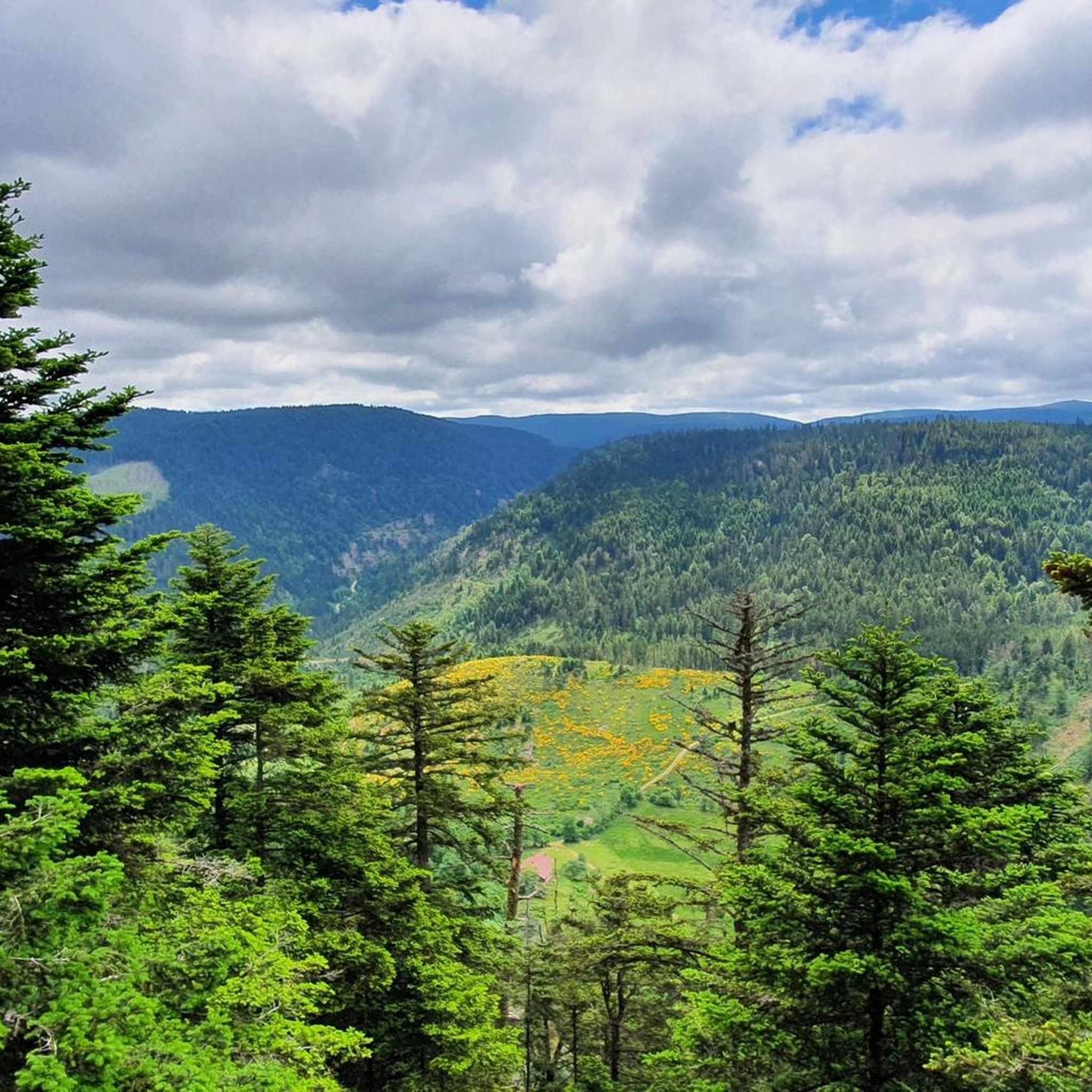
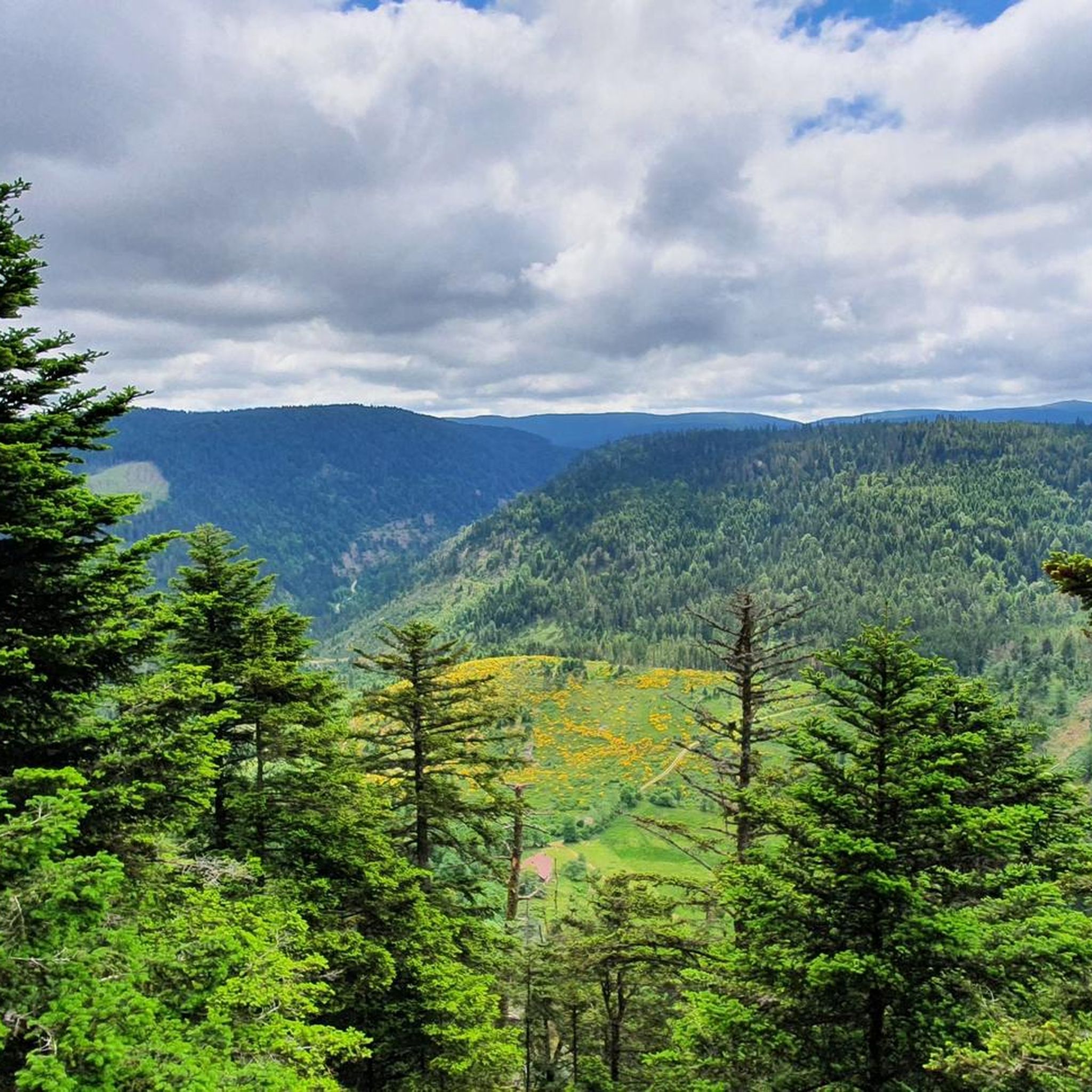
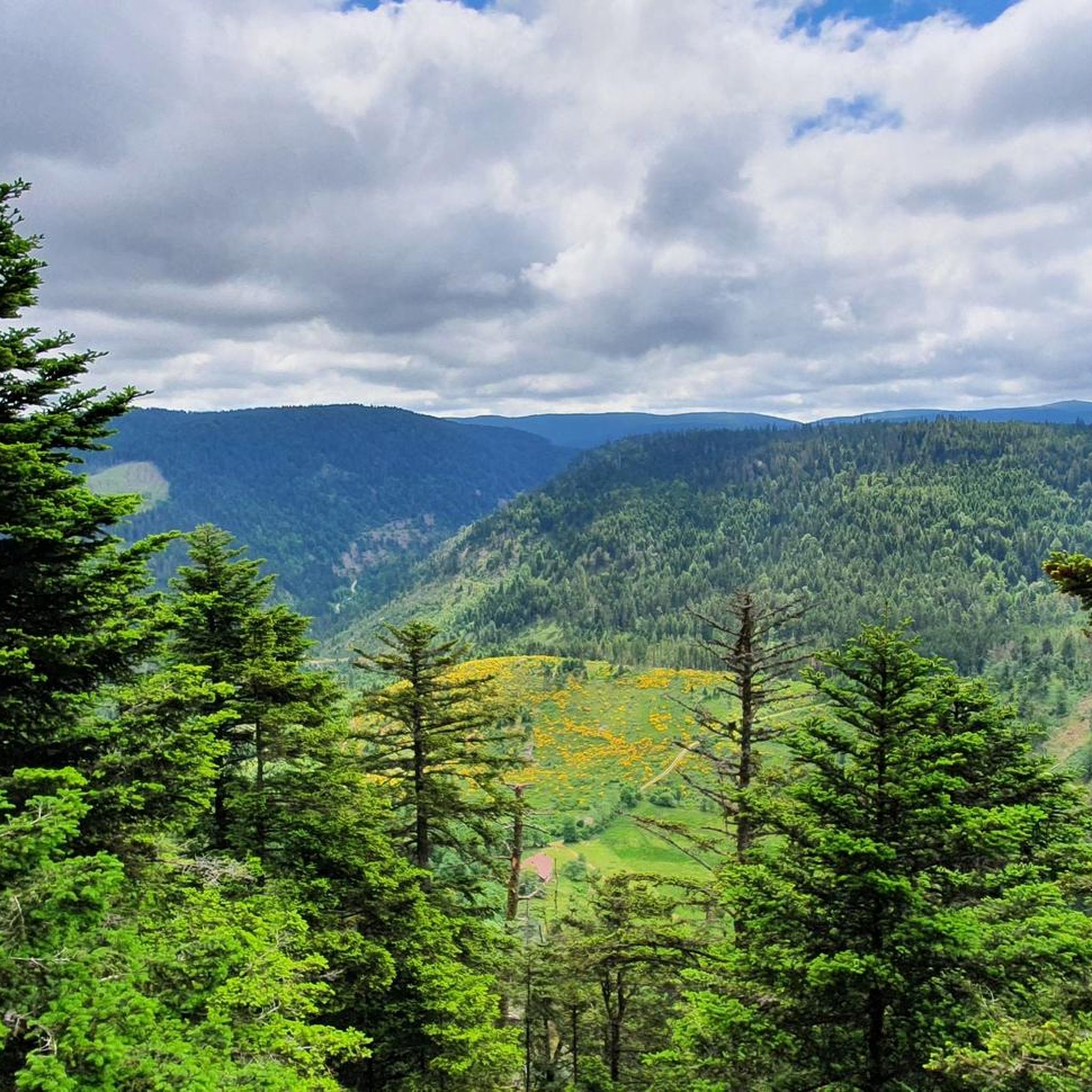
There are no restaurants or cafes at the summit of the Col de Bramont itself. However, the pass serves as a strategic junction. From the summit, you can directly connect to the famous Route des Crêtes (the D431), which links the main mountain peaks of the Vosges. This allows you to easily cycle or hike to larger attractions nearby, such as the Col de la Schlucht, the Hohneck, or the Grand Ballon. The climb is enjoyable due to its 12 hairpin bends on the southern flank (Kruth).
7
0
The climb starts relatively calmly; the first 4.5 kilometers hardly show any significant incline, while the road runs slightly undulating along the Lac de Kruth-Wildenstein reservoir. Only after that does the real climbing work begin over a distance of about 3.5 to 4 kilometers. From that moment on, the road winds its way up via 12 characteristic hairpin bends. The gradient during this section is very constant and fluctuates almost continuously around 5 to 6%, making the climb ideal for finding a steady rhythm. The road is well-asphalted and leads entirely through a dense pine forest. This allows you to cycle delightfully in the shade, although due to the dense vegetation at the top and during the climb, there are few sweeping views of the valley. Once at the top (955m), you can descend directly to the north side towards La Bresse or join the well-known Route des Crêtes to extend the ride to, for example, the Col de la Schlucht or the Grand Ballon.
6
0

Brilliant ascent to the pass relatively quiet with a pleasant gradient
4
0

This is the starting point for many hikes.
3
1


At the pass, the asphalted forest road Chemin Béry leads to the Col de la Vierge after 2 km and to the Lac des Corbeaux after 4.5 km. When descending from the pass towards La Bresse, you will reach a fork in the road after 1 km, where the little-used Département road D34 A, the Route des Américains, goes up to the right towards the Vosges ridge road, the Route des Crêtes. It merges there at the Col de Rothenbach with its distinctive summit. The Route des Américains is 5 km long and has an elevation difference of just under 280 meters.
3
0

An unexpected trail but without regrets...
2
0

Great corner with mega views
2
0
Frequently Asked Questions
What are some of the most popular mountain passes around Ban-sur-Meurthe-Clefcy?
Among the most popular passes is Col de la Schlucht, known for its altitude of 1,139 meters and as a starting point for hikes. Another highly regarded pass is Col de Bramont, which offers challenging climbs and descents through forests and meadows.
What kind of views can I expect from the mountain passes in this region?
The passes offer diverse and stunning views. From Hohneck, the second-highest peak, you can get exceptional panoramic views stretching across the Alsace plain to the Black Forest, and even the Alps on clear days. The Wormspel Combe near Hohneck provides breathtaking panoramas of Lake Schiessrothried and the Wormsa Valley. Grand Ballon, the highest point in the Vosges, also offers a 360° panoramic view of the Alsace plain, the Jura, and the Alps.
Are there family-friendly mountain passes or activities available?
Yes, several passes are suitable for families. Col de la Schlucht is a great destination for day trips in summer, featuring a summer toboggan run and a restaurant. The French military cemetery at Col du Wettstein is also considered family-friendly, offering historical context amidst scenic views. The summit of Grand Ballon is easily accessible with a relatively short walk from the car park.
What historical sites can I find near the mountain passes?
The French military cemetery at Col du Wettstein is a significant historical site, commemorating soldiers from World War I. This pass offers panoramic views and a poignant reminder of the region's past. The Grand Ballon also has historical significance, as the Ballon d'Alsace (a nearby pass) was conquered in the first Tour de France in 1905.
What outdoor activities can I do near the mountain passes around Ban-sur-Meurthe-Clefcy?
The region is ideal for various outdoor activities. You can explore numerous routes for gravel biking, cycling, and running. For gravel biking, consider routes like the 'Green Lake – Schlucht pass loop' or the 'Lac de Retournemer – View of Lake Lispach loop'. Cyclists can enjoy routes such as 'View of Fraize – Col de Mandray loop'. Runners have options like the 'View of Lake Longemer – View of Retournemer lake loop'. You can find more details on these activities in the dedicated guides for gravel biking, cycling, and running trails around Ban-sur-Meurthe-Clefcy.
What is the best time to visit the mountain passes in the Vosges region?
The best time to visit depends on your preferred activities. In summer, passes like Col de la Schlucht are popular for day trips, hiking, and scenic drives. During winter, Col de la Schlucht transforms into a popular winter sports center with ski lifts. The natural beauty of the Vosges makes the passes enjoyable throughout the warmer months for cycling and hiking.
What are the typical terrain types for mountain passes in this area?
The mountain passes in the Vosges region around Ban-sur-Meurthe-Clefcy feature diverse terrain. You'll encounter routes with manageable gradients, such as the ascent to Col du Surceneux, as well as challenging climbs and thrilling descents like those found at Col de Bramont. The landscape often includes dense forests, open meadows, and rocky outcrops, providing varied environments for exploration.
Are there specific cycling routes recommended for these passes?
Yes, the region is well-regarded by cyclists. The ascent to Col du Surceneux from Ban-sur-Meurthe-Clefcy is a popular route due to its manageable 2.6% average gradient over 13 kilometers. For more challenging rides, Col de Bramont offers a mix of demanding climbs and descents. Many passes in the wider Vosges region, including Col de la Schlucht, have also been featured in the Tour de France, indicating their quality for cycling.
What are the elevation gains for mountain passes in the region?
Elevation gains vary across the passes. The ascent to Col du Surceneux from Ban-sur-Meurthe-Clefcy involves a 340-meter elevation gain, reaching a highest point of 810 meters. Col de Bramont rises to 956 meters, with its south-western approach gaining 385 meters over 7 kilometers. Higher passes like Col de la Schlucht reach 1,139 meters, Hohneck 1,363 meters, and Grand Ballon, the highest, stands at 1,424 meters.
What do visitors enjoy most about the mountain passes around Ban-sur-Meurthe-Clefcy?
Visitors frequently appreciate the stunning natural beauty, the fresh and invigorating air at the summits, and the diverse range of activities available. The scenic environment makes them popular for cycling and hiking, with many passes offering panoramic viewpoints. The region's blend of challenging climbs and serene landscapes, along with well-maintained trails, contributes to a highly enjoyable outdoor experience.
Are there options for parking at these mountain passes?
Yes, parking is generally available. For instance, at Col de la Schlucht, there is plentiful parking, though it can get busy during peak winter season. It's advisable to check specific pass information for detailed parking availability, especially during popular times.
Are there any less-known mountain passes in the immediate vicinity of Ban-sur-Meurthe-Clefcy?
While not as widely known as the iconic Vosges passes, Col du Surceneux is directly relevant to Ban-sur-Meurthe-Clefcy. It offers a well-regarded route for cyclists with a manageable gradient and a scenic environment, making the journey an immersive experience in the Vosges landscape. It's a great option for those looking for a local, less crowded experience.
Most popular routes around Ban-Sur-Meurthe-Clefcy
Most popular attractions around Ban-Sur-Meurthe-Clefcy

Get inspired with the komoot mobile app


Explore more
See even more epic mountain passes by checking out these guides around Ban-Sur-Meurthe-Clefcy:
