The best cycling routes around Raves
4.5
(281)
2,548
riders
186
rides
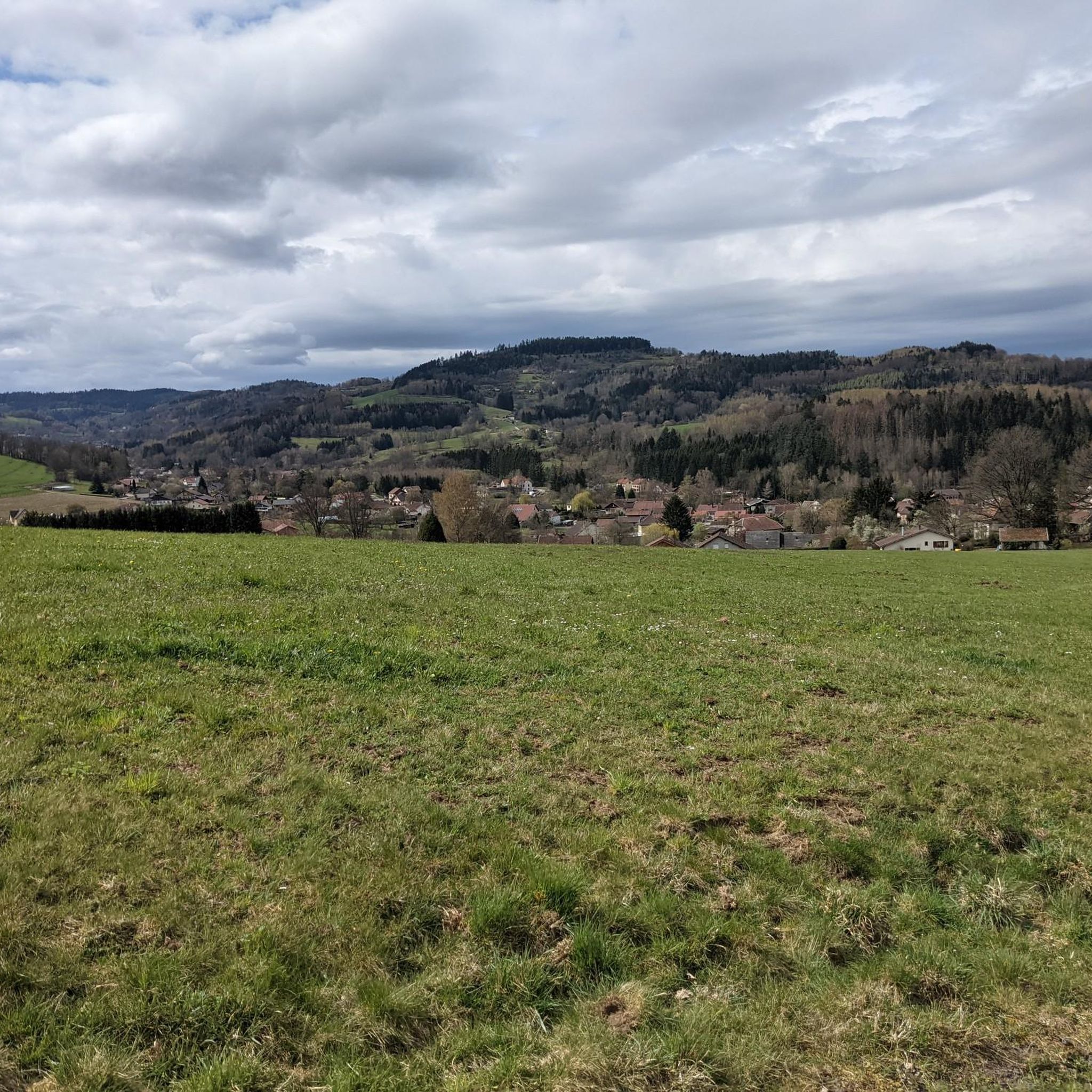
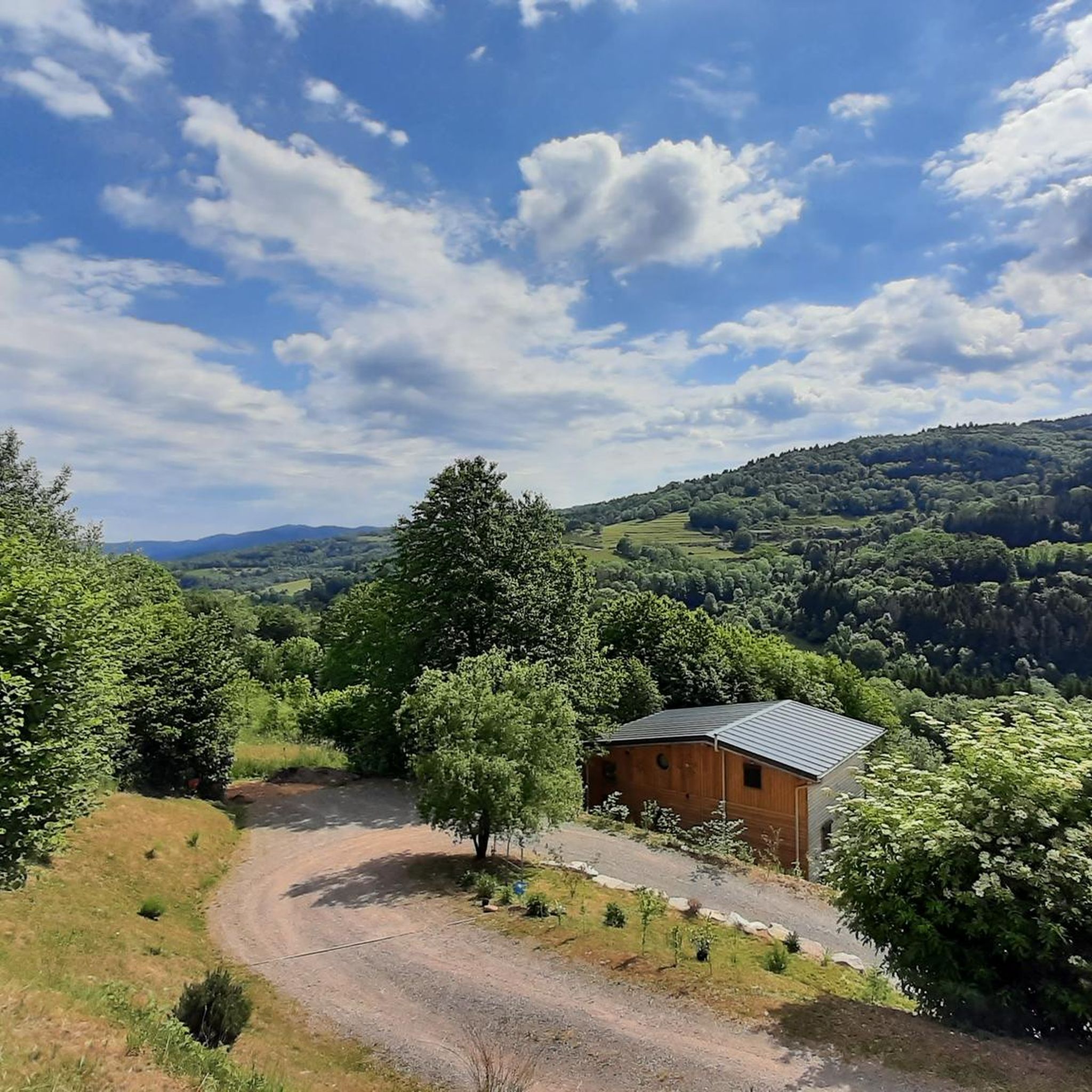
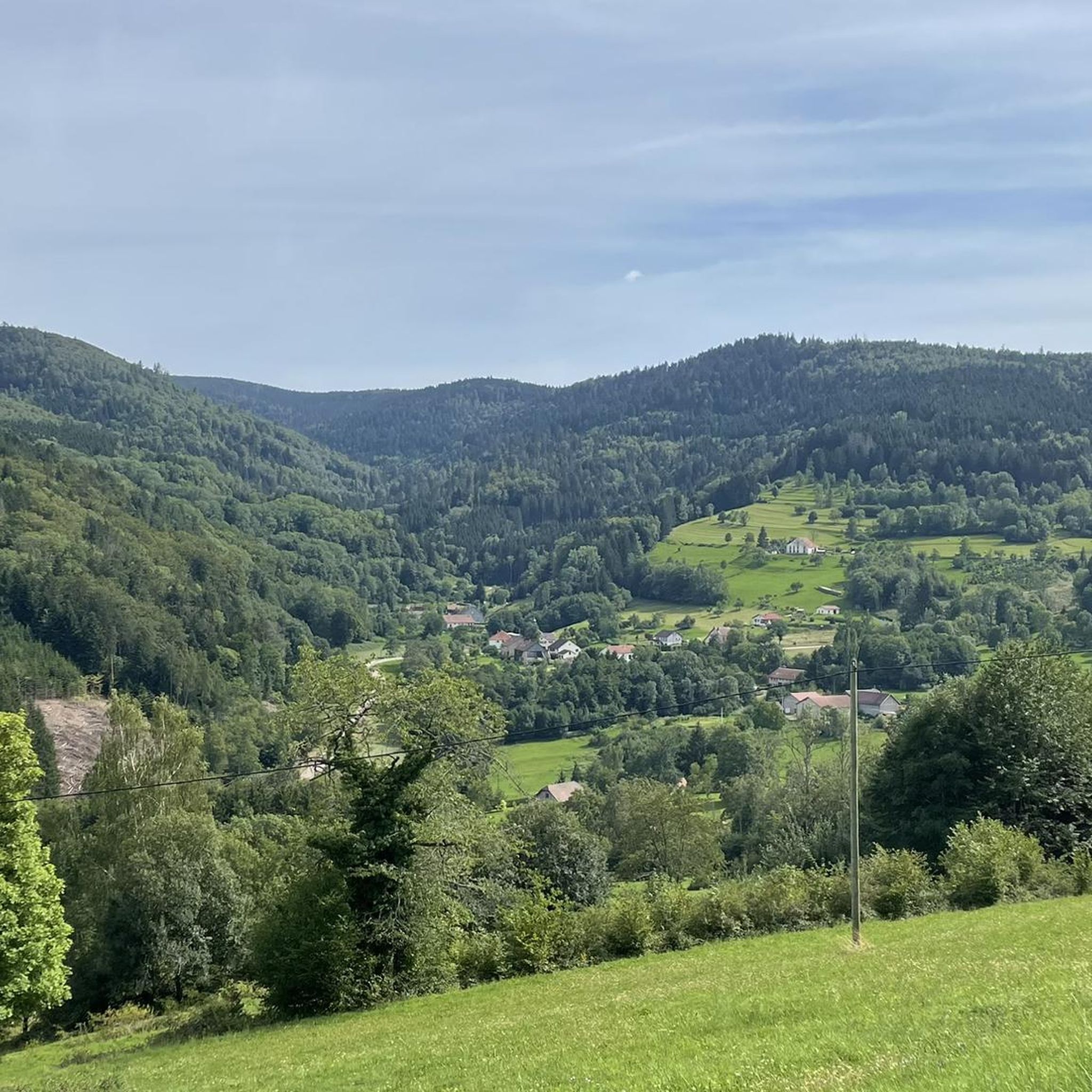
Touring cycling routes around Raves traverse a landscape characterized by rolling hills and valleys, with significant elevation changes evident in some areas. The region features a mix of forested sections, open valley views, and routes that pass by local landmarks. Terrain varies from gentle paths suitable for leisure rides to more demanding climbs.
Best touring cycling routes around Raves
- The most popular touring cycling route is View of the Vallée du Bonhomme – Col de Mandray loop from Raves,…
Last updated: August 1, 2026
3.8
(4)
29
riders
44.9km
03:56
1,020m
1,020m
Hard bike ride. Very good fitness required. You may need to push your bike for some segments of this route.
4.0
(1)
23
riders
22.2km
01:55
530m
530m
Hard bike ride. Very good fitness required. You may need to push your bike for some segments of this route.

Sign up for free
17
riders
43.1km
03:01
650m
650m
Hard bike ride. Very good fitness required. Mostly paved surfaces. Suitable for all skill levels.
5.0
(1)
15
riders
27.0km
01:36
110m
110m
Easy bike ride. Great for any fitness level. Mostly paved surfaces. Suitable for all skill levels.
5.0
(1)
24
riders
56.1km
03:34
540m
540m
Hard bike ride. Very good fitness required. Mostly paved surfaces. Suitable for all skill levels.
Get access to more routes and recommendations from other explorers.
Sign up for free
Already have an account?
Our route recommendations are based on thousands of hikes, rides, and runs completed by other people on komoot.
Start today with a free account
Your next adventure awaits.
Login or Signup

Tips from the Community

yes up there you have a good view
2
0

Nestled in a verdant valley, Saint-Dié-des-Vosges is a charming Vosges town with a rich historical and cultural heritage. Blending conviviality, culture, history, and nature, it appeals to both heritage enthusiasts and lovers of wide-open spaces.
1
0

Originally built in the 12th century, this church was rebuilt and expanded in the 18th century. The square Romanesque bell tower was raised in 1712 and topped with a striking onion-shaped dome, built by Polish carpenters at the initiative of Stanislas Leszczyński, King of Poland and Duke of Lorraine. The church was badly damaged during WWI, but was restored in the 1920s. Inside, you will find stained glass windows by Frères Ott (Strasbourg) and murals in friezes. The church has been protected as a historical monument since 1995.
2
0
Historic village in the Vosges Ban-de-Sapt is located on a strategic height in the Vosges and was the scene of fierce fighting during WWI, especially around the côte 627. Today it is a peaceful place with a rich culture of remembrance. The Nécropole nationale de la Fontenelle, original trenches, a panoramic table and a rare steel observation capsule from WWI make the village a unique destination for those who want to combine nature and history.
7
0
This mountain pass in the Vosges connects the Fave and Hure valleys and is located between the villages of Le Beulay and La Petite-Fosse. During the First World War, the pass was strategically important: the Bayerische 39. Reserve-Division controlled the passage here with bunkers and trenches, remains of which are still visible today. The area is rich in relics such as machine gun bunkers, barbed wire posts and shelters from 1916. The pass is also popular with cyclists: the climb from Saint-Dié-des-Vosges is 10.6 km long with an average gradient of 2.9%. Along the way, you can enjoy peaceful forests, historical traces and views of the Spitzemberg and the Tête de Raves.
8
0

Since the 13th century, a hospice was maintained there by the church. and welcomed pilgrims, travelers and the city's sick. At the request of the inhabitants of this suburb, a church was built there, while a new, more spacious hospital was erected on the right bank of the Meurthe. The church was dedicated to Saint-Martin and was consecrated in 1728. On July 14, 1895, during the National Day fireworks display, the church was set on fire by a rocket which hit the roof covered with fir twigs and burned to the ground. According to the plans of the Parisian architect Heubès, a new Vosges sandstone church was built in the "floral Romanesque" style and consecrated on August 13, 1902.
3
0

As early as the 7th century, Deodatus (French Dieudonné), who was revered by the people as a saint, is said to have founded a monastery here, from which a community of canons then developed in the 10th century. At that time the church wore the patron saint of St. Mauritius. The diocese of Saint-Dié was only established in 1777 by Pope Pius VI. († 1799) built. The church building, which was built in different architectural styles, was blown up by the Germans in 1944, destroying the entire nave and the choir area along with their vaults. The reconstruction lasted until 1974; in this year the church was newly consecrated. Most of the stained glass windows were made and inserted in the 1980s. https://en.wikipedia.org/wiki/Cathedral_of_Saint-Di%C3%A9
3
0

A small, enchanting artificial waterfall. It's accompanied by a gazebo, a perfect place to take a break during a hike. Below, there's an old fish farm. The whole area dates back to the early 20th century, a time when there was a desire to encourage outdoor activities in nature. However, the rock is believed to be a Celtic remnant, perhaps even related to Druidic practices.
2
0
Frequently Asked Questions
How many touring cycling routes can I find around Raves?
There are over 180 touring cycling routes available around Raves, offering a wide range of experiences for all skill levels.
Are there touring cycling routes suitable for beginners in Raves?
Yes, Raves offers 24 easy touring cycling routes. A good option for a more relaxed ride is the Liberty Tower – Saint Martin Church loop from Frapelle, which is 27.3 km long and takes about 1 hour 35 minutes to complete.
What kind of terrain can I expect on touring cycling routes in Raves?
The region features a mix of forested sections, open valley views, and routes that pass by local landmarks. Terrain varies from gentle paths suitable for leisure rides to more demanding climbs, characterized by rolling hills and valleys with significant elevation changes.
Are there any circular touring cycling routes in Raves?
Many routes in Raves are designed as loops. For example, the challenging View of the Vallée du Bonhomme – Col de Mandray loop from Raves offers extensive views, while the moderate Usine Le Corbusier loop from Coinches provides a different experience.
What are some notable natural features or landmarks I can see along the routes?
Raves' touring cycling routes often pass by scenic points and natural monuments. You might encounter the Little Brézouard summit, the Bagenelles Pass, or the Dry Fir Rock viewpoint. Some routes, like the Beautiful road between the trees – Cascade des Molières loop from Remomeix, even lead past waterfalls.
Are there any historical sites to explore while cycling in Raves?
Yes, some routes incorporate historical landmarks. The Liberty Tower – Saint Martin Church loop from Frapelle takes you through areas with historical significance. Additionally, the La Bure Celtic Camp is a notable historical site in the vicinity.
What do other touring cyclists say about Raves?
The touring cycling routes in Raves are highly rated by the komoot community, with an average score of 4.46 stars from over 239 reviews. Cyclists often praise the scenic valleys, forested roads, and varied elevation profiles that define the region's cycling experience.
How long do touring cycling routes in Raves typically take?
Route durations vary significantly based on distance and difficulty. For instance, an easy route like the Liberty Tower – Saint Martin Church loop from Frapelle can be completed in about 1 hour 35 minutes, while a difficult one such as the View of the Vallée du Bonhomme – Col de Mandray loop from Raves might take around 4 hours 17 minutes.
Are there any challenging touring cycling routes for experienced riders?
Absolutely. Raves offers 103 difficult touring cycling routes. The View of the Vallée du Bonhomme – Col de Mandray loop from Raves is a challenging 58.2 km trail with substantial elevation gain, perfect for experienced cyclists seeking a demanding ride.
Can I find moderate touring cycling routes in Raves?
Yes, there are 58 moderate touring cycling routes available. The Ban-de-Laveline – Coinches Hill Climb loop from Ban-de-Laveline is a good example, covering 19.3 km and typically taking about 1 hour 10 minutes.
What are the best viewpoints for touring cyclists in Raves?
Many routes offer panoramic views, especially those traversing the valleys and mountain passes. Specific viewpoints to look out for include Dry Fir Rock and La Roche Saint-Martin and View of Saint-Dié, which provide stunning vistas of the surrounding landscape.
Most popular attractions around Raves

Get inspired with the komoot mobile app


Explore more
Browse the best Cycling routes in other regions.
