The best walks and hikes around Royan
4.7
(115)
2,074
hikers
55
hikes
Hiking around Royan offers diverse landscapes, from the Atlantic coastline with its limestone cliffs and coves to expansive forests and tranquil estuaries. The region is characterized by varied terrain, including sandy beaches, pine woodlands, and marshlands influenced by the Gironde and Seudre estuaries. This mix provides a range of environments for outdoor activities, with numerous marked footpaths available.
Best hiking trails around Royan
- The most popular hiking route is Royan to Saint-Palais-sur-Mer Customs Trail, a 7.1 miles (11.5 km) trail that takes 2 hours 58 minutes to complete. This route follows the coastline, offering views of the Atlantic Ocean.
- Another top favourite among local hikers is Gironde Estuary Bike Trail, a moderate 5.0 miles (8.1 km) path. This trail provides views of the Gironde estuary and its surrounding landscapes.
- Local hikers also love the Royan city center — loop, a 2.8 miles (4.6 km) trail leading through urban and coastal areas, often completed in about 1 hour 12 minutes.
- Hiking around Royan is defined by diverse coastal paths, extensive forest trails, and estuarine landscapes. The network of trails offers options for various ability levels, from easy strolls to more challenging routes.
- The routes in Royan are highly rated by the komoot community with an average score of 4.8 stars from over 100 reviews. More than 1,700 hikers have used komoot to explore Royan's varied terrain.
Last updated: November 20, 2026
4.8
(25)
273
hikers
11.5km
02:58
70m
70m
Moderate hike. Good fitness required. Easily walkable paths.
5.0
(2)
63
hikers
8.05km
02:05
40m
40m
Moderate hike. Good fitness required. Easily walkable paths.

3.8
(5)
33
hikers
4.58km
01:12
40m
40m
Easy hike. Easily walkable paths.
5.0
(15)
246
hikers
8.70km
02:15
50m
50m
Moderate hike. Good fitness required. Easily walkable paths.
4.7
(3)
138
hikers
6.40km
01:37
10m
10m
Easy hike. Easily walkable paths.
Get access to more routes and recommendations from other explorers.
Already have an account?
Our route recommendations are based on thousands of hikes, rides, and runs completed by other people on komoot.
Start today with a free account
Your next adventure awaits.
Popular around Royan


Tips from the Community

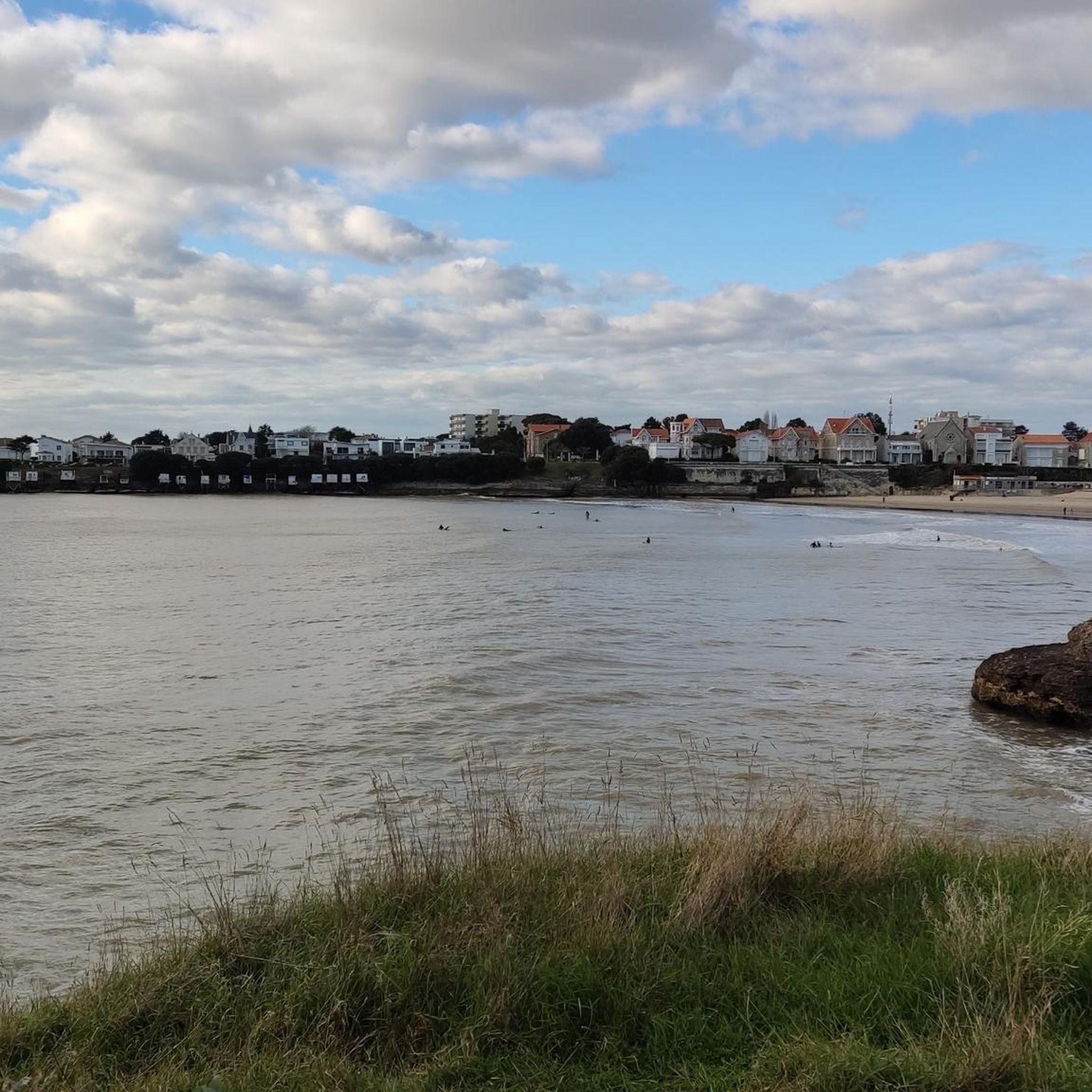
The carrelets are today part of the emblematic images of Royan and the Côte de Beauté. However, contrary to what the current landscape might suggest, the large pontoons with huts are relatively recent. A much older fishing The word carrelet originally designates the square net used for very simple fishing. Fishing with a carrelet has been attested in the region since at least the 18th century. At that time, these were not yet the elegant huts on stilts that we know today. The fisherman used a square frame with a net, which he lowered into the water and then quickly pulled up. This fishing was particularly practiced by women and could provide a dietary supplement. The turning point of 1900: the birth of the pontoons It was around 1900 that the carrelet began to change its nature. With the development of sea bathing and seaside tourism in Royan, fixed structures appeared on the quays, rocks, and cliffs. In Royan, they can be found in particular on the rocks of Pigeonnier and at Pontaillac. Initially, they were essentially simple masts equipped with a winch. The users were often merchants, liberal professions, retirees, or wealthy owners rather than professional fishermen. A particularly interesting old photograph shows the conche de Pontaillac in 1918, with fishing installations. The carrelets become leisure spots Between the two wars, and especially after 1945, the carrelets multiplied. The generalization of paid holidays, the increase in free time, and the development of popular holidays favored their transformation into real small holiday resorts. The installations gradually became more substantial: cliff → footbridge → pontoon → hut → mast and winch → square net Owners often built their own installations with wood or salvaged materials. In the 1950s, this practice experienced a real boom around Royan. Why are there so many carrelets around Royan? The relief of the Côte de Beauté is particularly well-suited for this. They can be found in particular: * in Royan, at the Pointe du Chay, at Pigeonnier and at Pontaillac; * in Vaux-sur-Mer, particularly towards the conche de Gilet; * in Saint-Palais-sur-Mer, along the headlands of Terre-Nègre and Perrières, towards the Pont du Diable and the Concié; * in Saint-Georges-de-Didonne, particularly towards Suzac; * in Meschers-sur-Gironde, along the cliffs and coves. The carrelet is indeed identified today as a viewpoint in Royan. The 1999 storm: a catastrophe The carrelets are extremely vulnerable to storms. The storms of 1996 and especially 1999 destroyed a very large part of the installations in Charente-Maritime. On the coasts of Aunis and Saintonge, nearly 90% of the approximately 700 carrelets had been destroyed during the January 2000 storm. They were then gradually rebuilt, with the help of owners and public schemes. Today: a heritage of Royan The carrelet is therefore not just a fishing equipment. It has become an element of the maritime and landscape heritage of Royan. The Musée du patrimoine du Pays Royannais classifies it as 20th-century maritime heritage and points out that the current installations are essentially the result of the development of this practice in the 20th century. An interesting historical point: the carrelets that we spontaneously associate with Royan today are therefore mainly the result of the evolution of seaside tourism after 1900 and their extraordinary development after 1945, and not the intact survival of a very old tradition of fishing huts.
0
0

Built from 1955 and consecrated in 1958, the Notre-Dame de Royan church symbolizes the city standing tall and proud again. The reinforced concrete monument thus fits into the general trend of renewal in sacred art after the sad events the world experienced in the 1940s. It is considered today as a feat and a masterpiece of modern architecture. "Upon entering this concrete cathedral, be silent. Here, everything is momentum, rigor, roughness, austere beauty. The twilight sings the elusive, the divine, variable and constant like the sea." ANDRÉ MALRAUX Minister of Cultural Affairs (1958-1969)
1
0
📍 Origins and Beginnings The tradition of games and entertainment in Pontaillac dates back to the late 19th century, with gambling clubs such as the Kursaal (around 1880) and the Otrada (1892). These establishments preceded the current casino and catered to a seaside and aristocratic clientele; they combined games, cafes, and entertainment on the beach. In 1902, La Restauration was built in Pontaillac, on the site of various games and entertainment venues. It served as a cafe-restaurant but also attracted gambling enthusiasts, such as horse racing. 🎲 Construction of the Sporting/Casino (1930s) In the 1930s, La Restauration was replaced by a new building called the Sporting, designed by the architect Auguste Bluysen, a specialist in modern casinos of the time. Built of concrete on stilts directly on Pontaillac beach, the building features a rationalist and Art Deco architecture typical of the interwar period, sometimes surprising with its style reminiscent of the 1950s. 🪖 World War II During World War II, the Sporting remained open, primarily serving German soldiers. During the massive bombings of 1945, which destroyed much of Royan, the Pontaillac casino was one of the few to survive, as it was virtually untouched by the raids. 🎭 Post-War and Golden Age After the war, the casino became a central hub of Royan's social life. It reopened in 1948, and the 1950s and 60s constituted a cultural golden age, with a rich program of shows, concerts, dances, and galas. Under the leadership of its "musician-director" Roger Genty, major French and international stars performed on its stage: Josephine Baker, Jacques Brel, Sacha Distel, Georges Brassens, Fernand Raynaud, Henri Salvador, and others. 🎰 Contemporary Era In 1986, the casino was acquired by the Lucien Barrière group, which expanded its operations by modernizing the gaming areas, adding slot machines, a bar, restaurants, and other services, while maintaining its role as a year-round entertainment hub. Today, the Casino Barrière in Royan-Pontaillac is the only casino still operating in the Royan area, bearing witness to more than a century of seaside history, gaming, and entertainment.
0
0
📍 Location Dr. Guillon's bathtubs are located along the Boulevard de la Côte d’Argent / Corniche de Pontaillac (between Royan and Vaux-sur-Mer), carved into the rocks of the Pontaillac cove facing the sea. They are still visible today, especially at low tide. 👨⚕️ Origin and Historical Context 📜 Dr. Frédéric-Auguste Guillon Frédéric-Auguste Guillon (1808-1890) was a physician, former naval surgeon, then a local councilor and practicing doctor in Royan. He contributed to the development of seawater therapy and thalassotherapy (treatments using seawater) on the Atlantic coast in the 19th century, a time when sea bathing was prescribed for health reasons. 🏖️ Construction of the "Bathtubs" In 1872, Dr. Guillon had a series of pools and bathtubs carved directly into the rocks of Bec des Brandes in Pontaillac. These pools were filled with seawater heated by the sun between tides. The aim was to offer natural therapeutic baths, particularly for treating scrofula, a chronic lymphatic and skin condition common at the time. 🛁 Description of the Facilities The facilities included: A large natural pool carved into the rock, Two large pools, Three individual bathtubs carved into the cliff face, which were filled with seawater at each tide. These structures provided access to seawater baths without having to directly face the currents or the depths of the ocean – a hygienic and medical approach ahead of its time. 🩺 Therapeutic Purpose At the time: Sea bathing was considered beneficial to health, improving circulation, treating chronic infections, and promoting overall well-being. Dr. Guillon's baths constituted an early form of thalassotherapy, combining the effects of seawater, sea air, and sunlight. 🌊 Heritage and Current Visibility Although the facilities are no longer used as treatment centers, the baths remain visible today on the rocks of Pontaillac, particularly at low tide. A tourist information panel installed by the city of Royan explains their origin and historical significance.
0
0
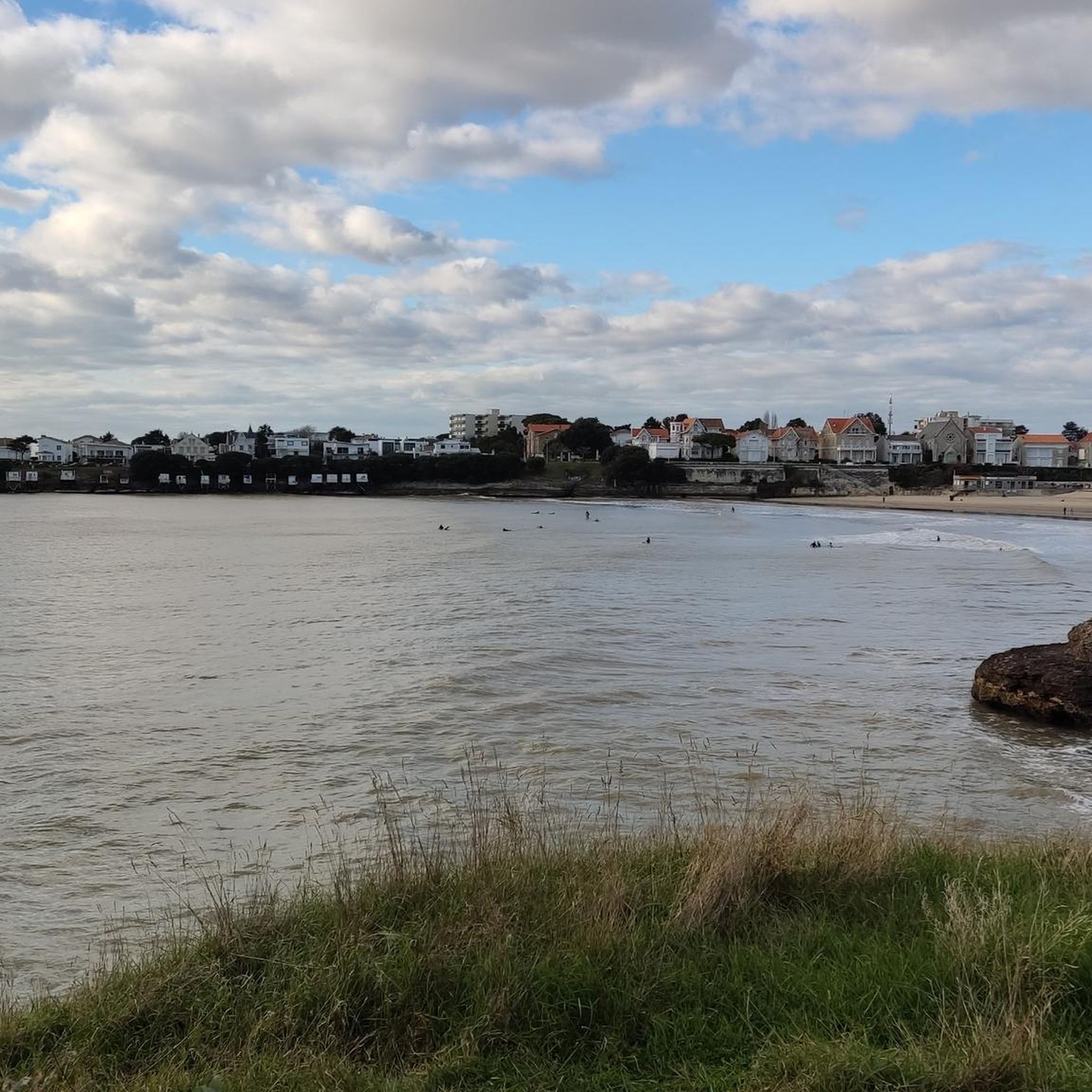
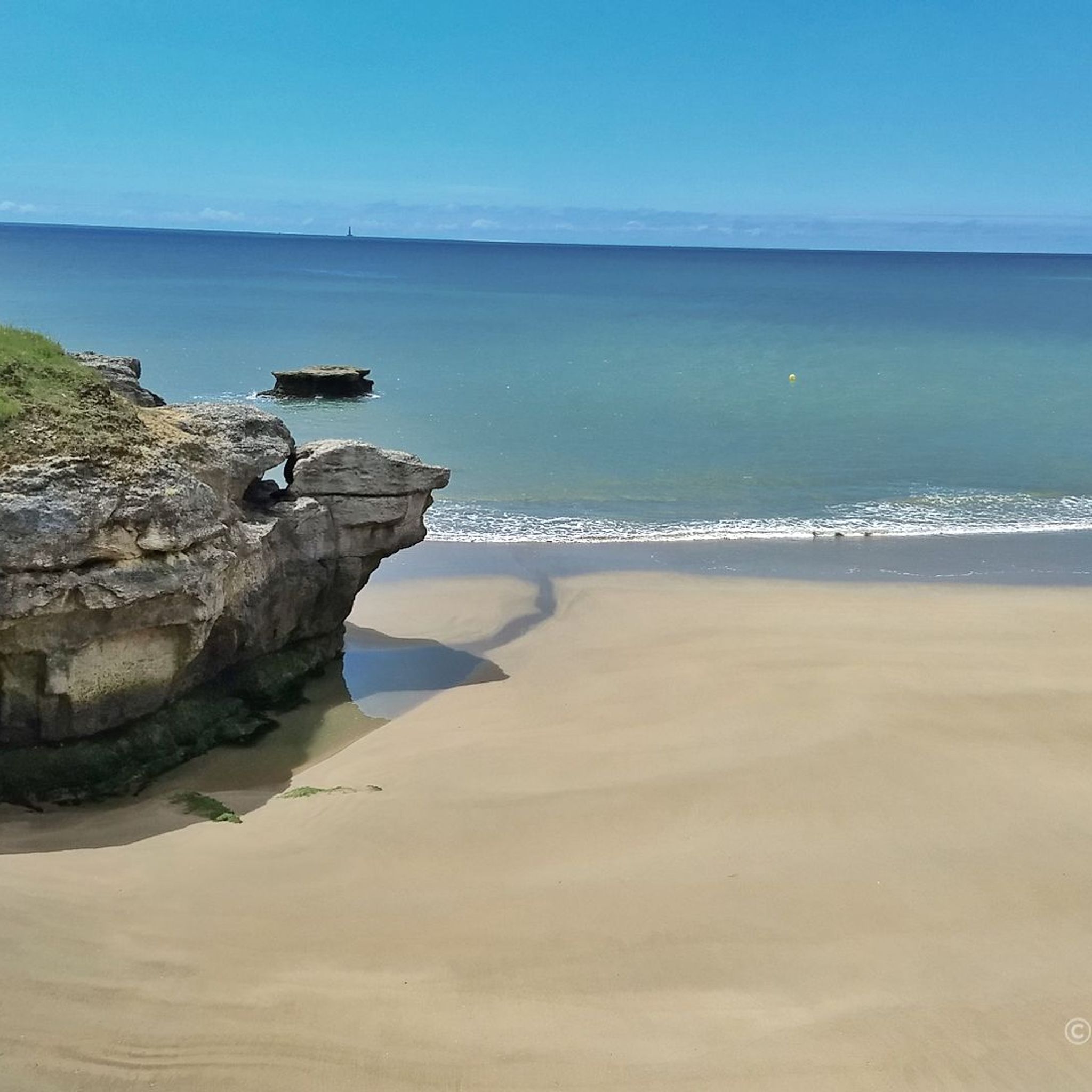
📍 Introducing the Gilet Cove The Gilet Cove is a small, natural beach on the oceanfront, located on Boulevard de la Conche de Gilet / Boulevard de la Falaise, in the town of Vaux-sur-Mer, just before Royan. 🌿 It's a sheltered, rocky cove, appreciated for its tranquility and more intimate setting compared to the larger urban beaches nearby. 🏖️ At high tide, the sea can completely cover this small beach, making the space very limited; at low tide, you can enjoy a patch of sand and rocks for relaxing or swimming. 🧭 Features & Tips 📍 Type of place: small, unsupervised beach, nestled among the rocks with sand and cliffs. 🏖️ Tides: access is best at low tide — at high tide the beach can disappear underwater. 🐶 Animals: prohibited from April 1st to September 30th (subject to municipal regulations). 👣 Access: via stairs from the boulevard above, surrounded by villas with sea views. 🚫 Lifeguard services: no lifeguard station or marked services. 📍 Location La Conche de Gilet is often considered the last small beach in Vaux-sur-Mer before reaching Royan/Pontaillac when following the coastline from Saint-Palais-sur-Mer.
0
0
🏖️ General Overview Chay Beach is a family-friendly, fine sandy beach located in Royan (Charente-Maritime), on the Côte d’Argent promenade between Pigeonnier Beach and Pointe du Chay. It stretches for approximately 200 meters and boasts a pleasant natural setting, with a cove bordered by rocks typical of the Charente coastline. 🏝️ Features • 🌊 Beach type: fine sand, sheltered cove. • 🏄♂️ Atmosphere: relatively calm and family-friendly, ideal for children and vacationers seeking relaxation away from the large urban beaches. • 🐾 Pets: prohibited from April 1st to September 30th. • 🫧 Water quality: excellent (Blue Flag label awarded for 2025). 🧭 Lifeguard and Safety • Swimming is supervised during the season (June to early September), with areas marked by red and yellow flags. • The area is classified as a Category 3 "Supervised Beach" and lifeguards are present during the indicated hours. 🪑 Amenities On-site, you can find: • 🏖️ Sun loungers, parasols, and mattresses for rent. • 🚿 Foot rinse and public restrooms. • 📶 Wi-Fi access, first aid station, and an area accessible to people with reduced mobility (assistance may be required depending on the slope). • 🍴 Beachfront restaurant ("Le Chay" bar-restaurant with sea views). 🚶♂️ Atmosphere and Activities • 🎈 Ideal for families and leisurely strolls. • 🌞 People come here for swimming, playing on the sand, flying kites, or simply relaxing by the ocean. • 🅿️ Parking is available nearby, and the beach is easily accessible on foot or by bike from Royan town center in just a few minutes. 🧭 Practical Tips • 📆 Best time to visit: summer for supervised swimming and full services, but also during the off-season for a more peaceful atmosphere. • ☀️ Arriving early in the morning makes parking easier during peak season. • 🐶 Dogs are not allowed during the summer season; check the signs on site during the off-season.
0
0
Located in the town center and close to the port, La Grande Conche stretches over 2,600 meters of fine sand. The supervised area, marked by colored flags, and totems to facilitate navigation, its amenities, and its calm waters make it an ideal beach for families. Nearby, the always lively seafront with its restaurants, ice cream parlors, cafes, and shops. Municipal decree 22-1388, prohibiting access to the town's beaches to animals, even on leashes, applies from April 1st to September 30th. Special signage is posted at each site indicating the mandatory health measures. Nudist activities are prohibited. From the structures in place to cleanliness (daily cleaning) and the quality of bathing water (regular sampling), Royan beaches receive great attention from municipal technical services and the Urban Community. Due to its urban setting and reasonable size, it's relatively easy to find your way around using the lifeguard station or a building as a landmark. Similarly, during the season, they set up information huts on both sides of the beach, tents (canvas beach huts) to provide tourists with some shade, totems to make it easier to find their way around, deckchairs/sun loungers, and a specially designed path (rigid plastic slabs that clip together). Rankings & Labels: Blue Flag Location Details: Footpath nearby. - Sandy beach - Cycle path/route within 500 m - Coastline - Public transport stop within 500 m On-site activities: Water sports - Beach / Swimming area -
0
0

In 1872, Doctor Guillon had egg-shaped bathtubs dug into the rocks of Bec des Brandes in Pontaillac, where the sea entered through an orifice and which were used to treat scrofula (common chronic infections of the skin and mucous membranes). They are still visible on the rocks near the Villa Les Roches.
0
0
Frequently Asked Questions
What types of landscapes can I expect to see while hiking around Royan?
Royan offers a rich variety of landscapes for hikers. You'll find stunning coastal scenery with Atlantic Ocean views, limestone cliffs, and tranquil coves, particularly along paths like the one from Vaux-sur-Mer to Saint-Palais. Inland, the expansive La Coubre forest provides trails through pines and holm oaks. The region is also shaped by the Gironde and Seudre estuaries, featuring unique marshes and oyster-farming ports, as well as bucolic countryside and vineyards.
Are there any easy hiking trails suitable for families or beginners in Royan?
Yes, Royan has many easy trails. Out of over 50 routes, more than 35 are rated as easy. A great option for a relaxed walk is the Chay Beach – Fort du Chay loop from Royan, which is about 7.9 km long and takes around 2 hours. The region's diverse terrain ensures there are gentle paths suitable for all ages and fitness levels.
Can I find circular hiking routes in the Royan area?
Absolutely. Many of the trails around Royan are designed as circular routes, allowing you to start and end at the same point. For example, the Port of Royan – Chay Beach loop from Royan is a moderate 8.8 km circular hike. These loops are convenient for exploring different parts of the region without needing to retrace your steps.
What are some notable viewpoints or attractions along the hiking trails in Royan?
Hiking in Royan offers numerous scenic viewpoints and attractions. Coastal paths provide breathtaking views of the Atlantic Ocean and the Cordouan lighthouse in the distance. Trails around the Gironde and Seudre estuaries offer panoramas over oyster beds and the waterways. You can also explore natural highlights like Suzac Forest, the unique Grottes de Matata, or relax at Conche de Gilet, a sheltered rocky beach.
Are there any dog-friendly hiking options around Royan?
Many trails in Royan are suitable for dogs, especially those through the extensive forests like La Coubre or along less crowded coastal sections. It's always recommended to keep your dog on a leash, especially in nature reserves or areas with wildlife, and to check local signage for any specific restrictions, particularly on beaches during peak season.
What is the best time of year to go hiking in Royan?
Royan's pleasant climate makes it suitable for hiking throughout much of the year. Spring and autumn offer mild temperatures and beautiful scenery, with fewer crowds. Summer is ideal for combining hikes with beach activities, though trails can be busier. Even winter offers opportunities for peaceful walks, especially in the forests, thanks to the relatively temperate coastal weather.
How many hiking trails are available in the Royan region?
There are over 50 hiking routes available around Royan, catering to various skill levels. This includes a significant number of easy trails, as well as moderate and a few more challenging options, ensuring there's something for every hiker to explore.
What do other hikers say about the trails in Royan?
The hiking trails in Royan are highly regarded by the komoot community, with an average rating of 4.8 stars from over 100 reviews. Hikers frequently praise the diverse landscapes, from the stunning coastal views to the peaceful forest paths, and the well-maintained network of trails that make exploring the region a pleasure.
Are there any longer or more challenging hikes for experienced hikers?
While most trails are easy to moderate, Royan does offer options for more experienced hikers looking for longer distances. The region is the starting point for a 40 km section of the long-distance GR®4 trail, which follows the Customs Trail along the coast and delves into the national forest of La Coubre, providing a more extensive and challenging experience.
Can I access hiking trails in Royan using public transport?
Yes, some hiking trails in Royan are accessible via public transport, especially those starting within or close to the main towns and villages. For trails further afield, you might need to combine public transport with a short walk or consider local taxi services. It's advisable to check local bus routes and schedules in advance to plan your access to specific trailheads.
Are there any trails that go through the famous La Coubre forest?
Yes, the expansive La Coubre forest, covering 8,000 hectares, is a major hiking destination in the Royan region. Numerous trails, such as the Gardour, Reeds, Brandes, and Shark trails, wind through its pine and holm oak woodlands, offering a chance to immerse yourself in nature and observe local flora and fauna.
Most popular attractions around Royan

Get inspired with the komoot mobile app


Explore more
Browse the best Hikes in other regions.
