Attractions and Places To See around Notre-Dame-De-La-Rouvière - Top 20
Best attractions and places to see around Notre-Dame-De-La-Rouvière include a blend of historical sites and natural landscapes within the southern Cévennes, part of the Val-d'Aigoual commune. The region, situated on the foothills of Mont Liron, features granite and schist formations, ancient paths, and significant passes. Its history spans from the Neolithic period through Roman influence and medieval settlements, offering diverse points of interest for exploration. This area is known for its unique cultural heritage, including the cultivation of Cévennes Sweet Onions.
Best attractions and places to see around Notre-Dame-De-La-Rouvière
- The most popular attractions is The 4000 Steps, a summit that is a 9.5 km long hiking trail with a 1200 m drop, named for its stone terraces. It traverses the central Cévennes National Park, offering views of the Cévennes.
- Another must-see spot is Saint-André-de-Valborgne, a village marked by the 19th-century silk industry. Visitors can discover five spinning mills along the Gardon de Saint-Jean and the Château de Nogaret.
- Visitors also love Asclier Pass, a mountain pass that climbs to an altitude of 905 m. It is known for its rewarding views and calm ascent on well-maintained roads.
- Notre-Dame-De-La-Rouvière is known for its popular hiking trails, historical sites, and natural viewpoints. The area offers a variety of attractions to see and explore, from ancient megaliths to medieval hamlets and scenic mountain passes.
- The attractions around Notre-Dame-De-La-Rouvière are appreciated by the komoot community, with more than 50 upvotes and over 70 photos shared by visitors.
Last updated: May 10, 2026
The 4000 Steps
Highlight (Segment) • Summit
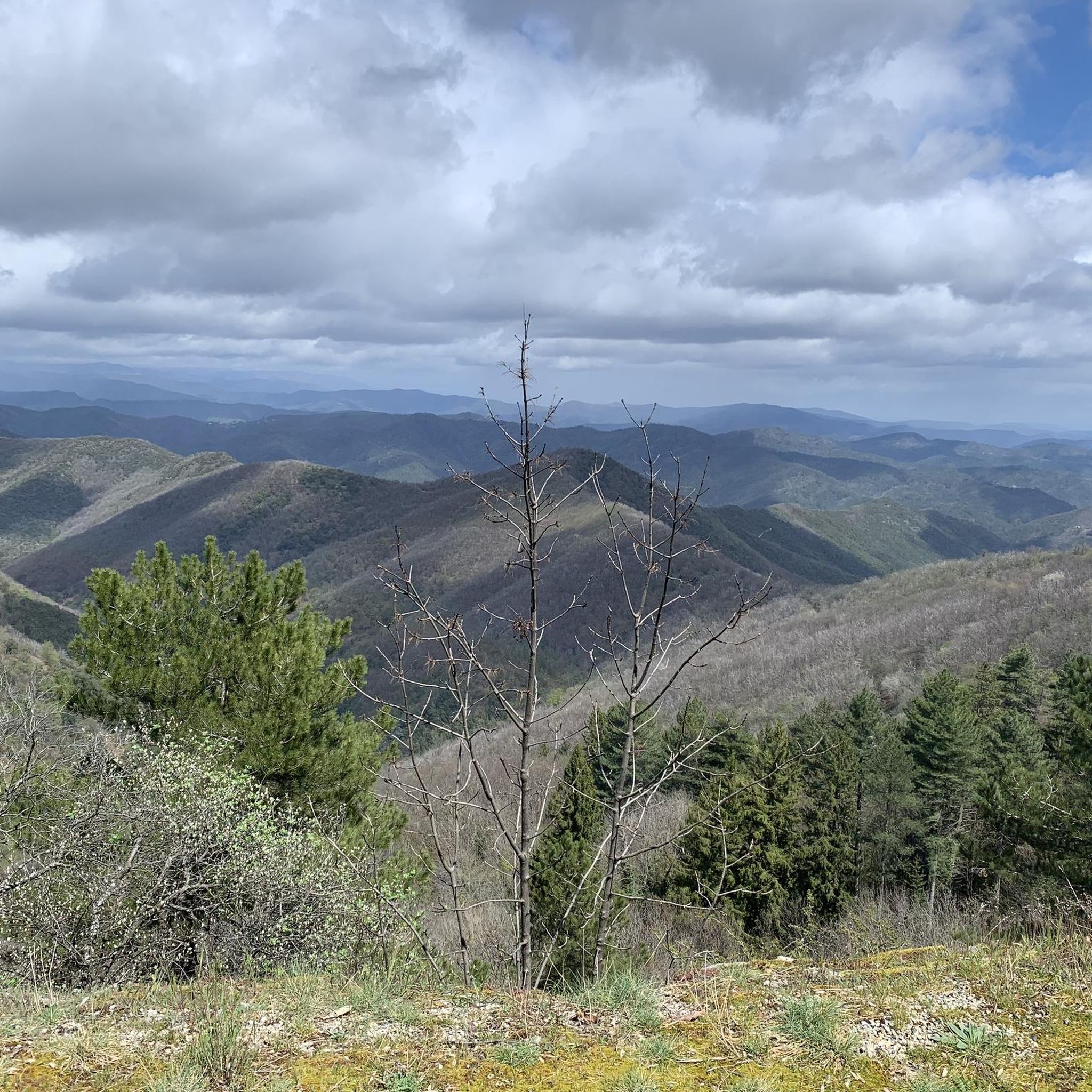
In the central area of the Cévennes National Park and crossing the arboretum of the Hort de Dieu, the 9.5 km long path with a drop of 1200 m leaves from Valleraugue (357 m) to reach the observatory of Aigoual (1567 m).
Massive granite and schist, between Atlantic and Mediterranean, despite its modest altitude, abundant precipitation, wind, fog make it a real mountain.
Translated by Google •
Tip by

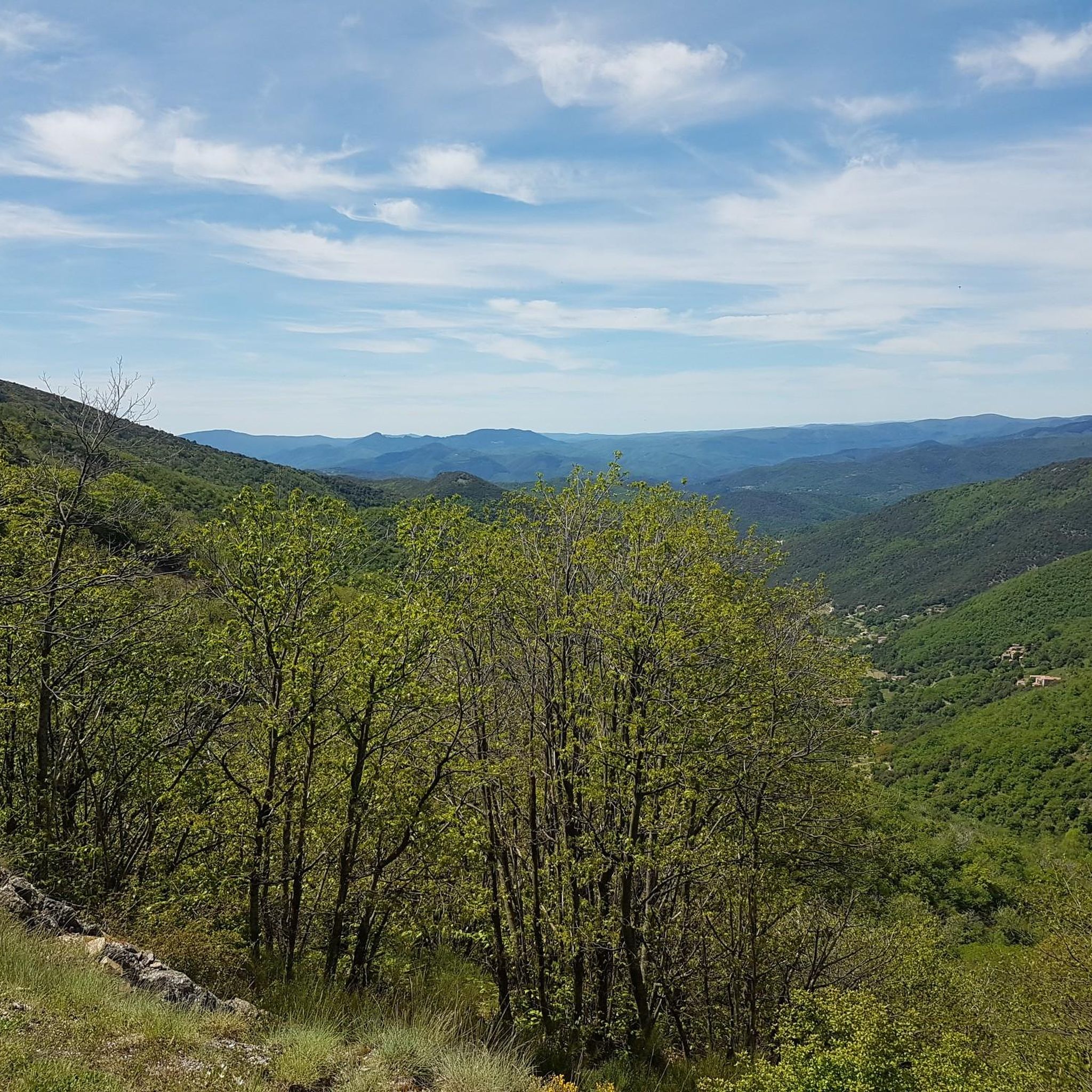
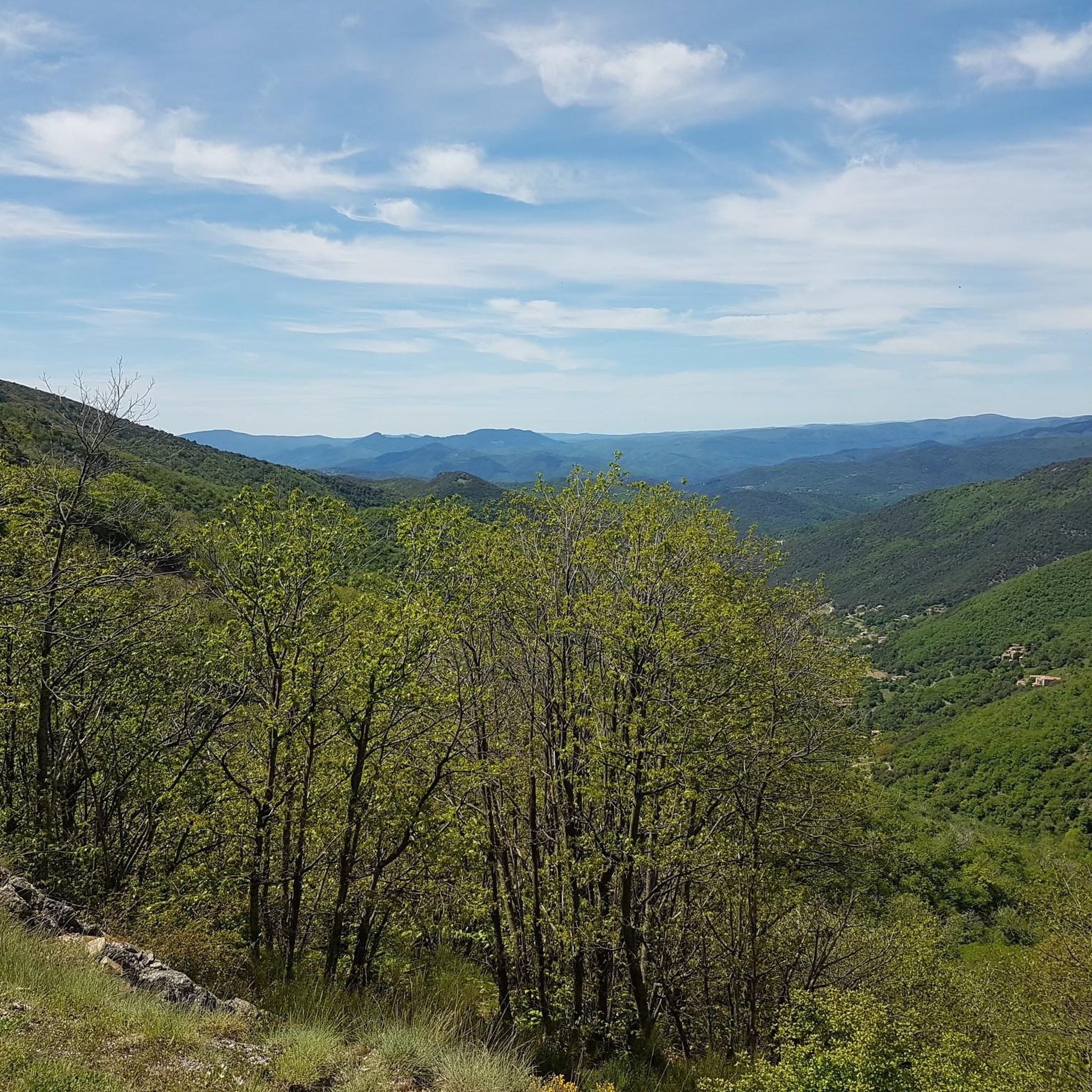
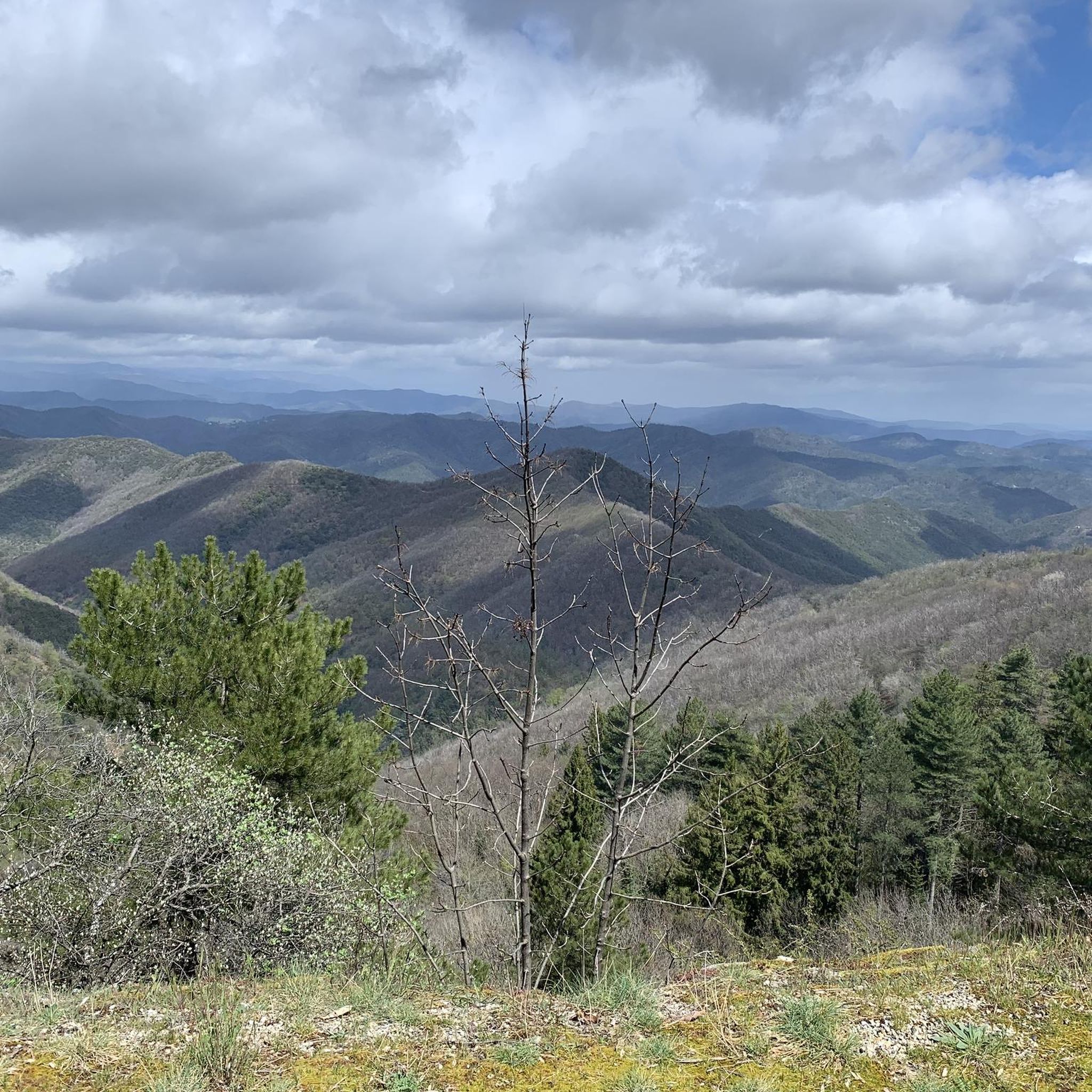
Beautiful view of the Cévennes
Highlight • Other
Translated by Google •
Tip by

Sign up now to discover places like this
Get recommendations on the best single tracks, peaks, & plenty of other exciting outdoor places.
Sign up for free
Asclier Pass
Highlight (Segment) • Other
Translated by Google •
Tip by

Saint-André-de-Valborgne
Highlight • Other
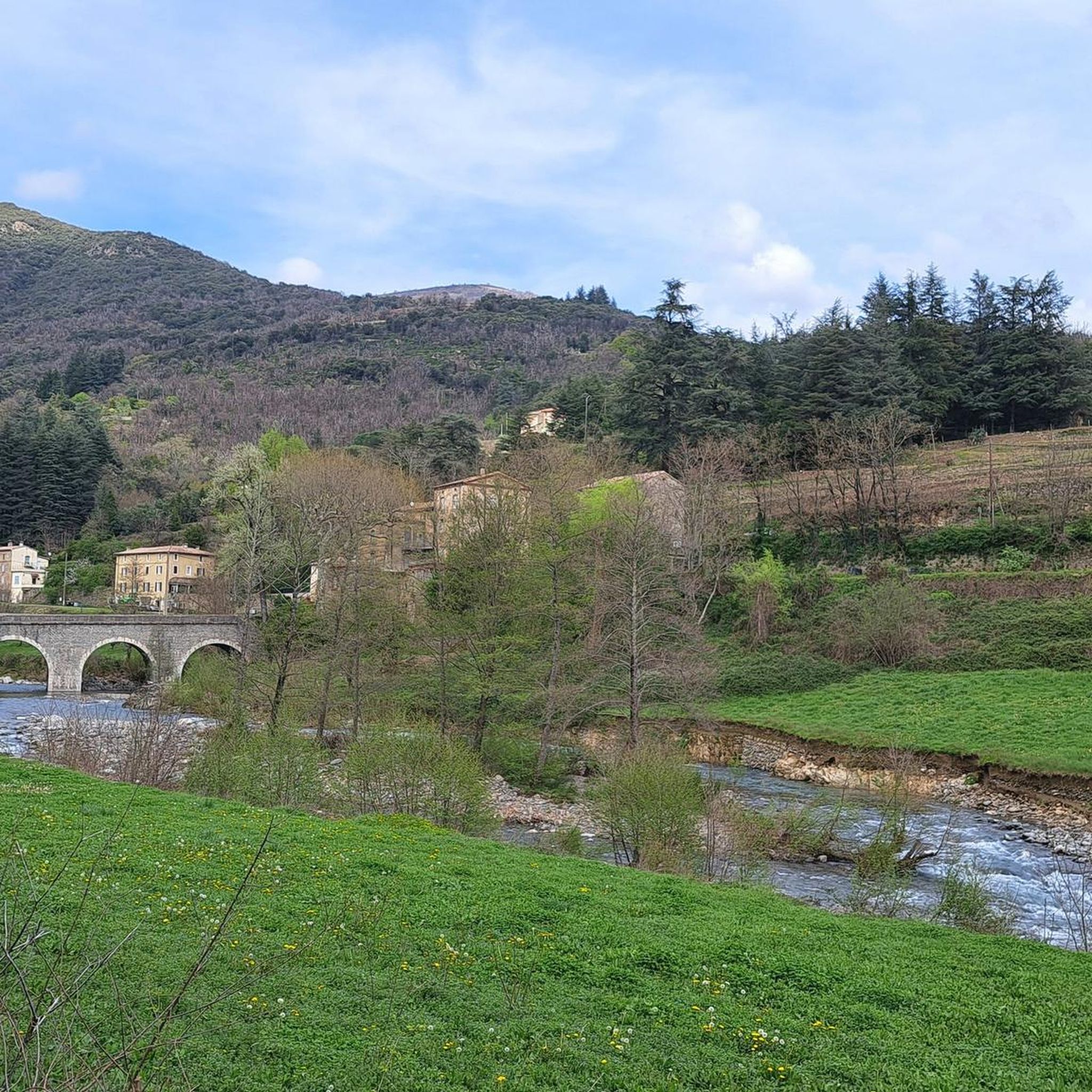
The Château de Nogaret, on an old path leading to the Pompidou, is also an important monument in the village.
Translated by Google •
Tip by

Saint-Roman-de-Codières Village and Medieval Tower
Highlight • Historical Site
The name of the village comes from a military camp built by the Romans in the 1st century AD. The camp was then called Romanus de Codeyra. Aware of the strategic location of the Col de Saint-Roman, a castle was built in the Middle Ages instead of the Roman oppidum and the tower built by the Saracens.
Translated by Google •
Tip by
Sign up for free to discover even more attractions around Notre-Dame-De-La-Rouvière.
Sign up for free
Already have an account?
Start today with a free account
Your next adventure awaits.
Login or Signup
Popular around Notre-Dame-De-La-Rouvière

Tips from the Community

Pretty little village in the Cevennes.
0
0


This small sacred monument, too, is a symbol of remembrance of the crucifixion and resurrection of Jesus Christ. However, its design is very unique and unlike the usual crosses that often crown mountain peaks. At the end of the triangular base plate, a small wall appears to have been built, its sides terminating in the shape of a stepped gable. In the center is a V-shaped cutout, the ends of which extend significantly beyond the height of the small wall. From this V emerges the longitudinal beam of the cross, which, however, has two crossbeams. This double crossbeam, as well as the lack of a corpus, is typical of the so-called "Lorraine Cross."
3
0

Very nice segment, an ascent by a very small road which winds along the river in the first kilometers and continues mainly in undergrowth: in gravel, I loved it!
0
0

St-André de Valborgne is a pretty village marked by the silk industry in the 19th century. Five spinning mills are thus present on the banks of the Gardon de Saint-Jean. The Château de Nogaret, on an old path leading to the Pompidou, is also an important monument in the village.
0
0

The Col de l'Asclier is 12.4 km long with an average gradient of 4.9% and a maximum of 7.5%. It climbs to an altitude of 905m
4
0

From this col du Pas, you have a beautiful view of the Cévennes mountains, but you will also find a monument that pays homage to the resistance fighters of the Aigoual-Cévennes maquis.
1
0
The historical heritage of this village is very old. Testimony of the Neolithic, of the seven menhirs identified in the town, five are still erected. This town is located on the Saint-Roman pass, which gives it strategic importance. The name of the village comes from a military camp built by the Romans in the 1st century AD. The camp was then called Romanus de Codeyra. Aware of the strategic location of the Col de Saint-Roman, a castle was built in the Middle Ages instead of the Roman oppidum and the tower built by the Saracens.
2
0
Frequently Asked Questions
What historical and cultural sites can I explore around Notre-Dame-De-La-Rouvière?
The region is rich in history. You can visit the ancient village of Saint-Roman-de-Codières Village and Medieval Tower, which features a Roman military camp site, a medieval tower, and Neolithic menhirs. The medieval hamlet of Puech Sigal offers insights into early human settlement and panoramic views. Don't miss the Église Notre-Dame de la Rouvière, a typical example of southern Cévennes architecture, and the significant Menhir du Col du Bès, marking ancient paths.
Are there any notable natural features or viewpoints in the area?
Yes, the region boasts several natural highlights. The Asclier Pass offers rewarding views of the Cévennes. You can also find a Beautiful view of the Cévennes from Col du Pas, which also features a monument to resistance fighters. The village is situated on the foothills of Mont Liron, contributing to its exceptional sites and panoramic vistas.
What are the most popular hiking trails around Notre-Dame-De-La-Rouvière?
One of the most popular and challenging trails is The 4000 Steps. This 9.5 km path, with a 1200 m drop, traverses the central Cévennes National Park and the Hort de Dieu arboretum, offering magnificent views. For more hiking options, you can explore various routes listed in the Hiking around Notre-Dame-De-La-Rouvière guide, including a moderate loop around Col de Bès.
What kind of outdoor activities can I do near these attractions?
Beyond hiking, the area is excellent for cycling and gravel biking. You can find numerous routes for touring bicycles in the Cycling around Notre-Dame-De-La-Rouvière guide, including challenging loops like the Saint-Martial – Asclier Pass. For gravel biking enthusiasts, the Gravel biking around Notre-Dame-De-La-Rouvière guide offers routes such as the Mount Aigoual loop.
Are there any unique local industries or agricultural practices to discover?
Yes, the Taleyrac Valley, located above Le Mazel, is renowned as the birthplace of the Cévennes Sweet Onion cultivation. This important agricultural activity is still practiced today, highlighting the region's unique heritage.
What is the significance of the Col de l'Asclier?
The Col de l'Asclier is a mountain pass situated on the ancient Draille de Margeride, a historic drovers' road used by farmers and sheep since the Neolithic period. It climbs to an altitude of 905m and is known for its calm ascent and rewarding views.
What is the Former Mazel Spinning Mill and why is it notable?
The Former Mazel Spinning Mill is an old silk mill located in an exceptional landscape. It is considered one of the most beautiful buildings in the area, reflecting the region's past as a center for the 19th-century silk industry.
What do visitors enjoy most about the attractions around Notre-Dame-De-La-Rouvière?
Visitors particularly appreciate the stunning panoramic views from various points like Puech Sigal and the Asclier Pass. The challenging yet rewarding hiking experience of The 4000 Steps is also highly praised. The historical depth, from Neolithic menhirs to medieval villages, also captivates many.
Can I find information about the silk industry in the region?
Yes, the village of Saint-André-de-Valborgne is particularly marked by the 19th-century silk industry. You can discover five spinning mills along the banks of the Gardon de Saint-Jean, offering a glimpse into this important historical trade.
Are there any ancient megalithic structures in the area?
Indeed, the region has a rich Neolithic heritage. The Menhir du Col du Bès is a significant megalith standing at a crossroads of ancient paths. Additionally, near Saint-Roman-de-Codières, five of the seven identified Neolithic menhirs in the commune are still standing.
What is the best time of year to visit Notre-Dame-De-La-Rouvière for outdoor activities?
Given the mountainous terrain and the nature of the outdoor activities like hiking and cycling, spring and autumn generally offer the most pleasant conditions with milder temperatures and beautiful scenery. Summer can also be suitable, especially for higher altitude trails, but be prepared for warmer weather.
Most popular routes around Notre-Dame-De-La-Rouvière
Most popular attractions around Notre-Dame-De-La-Rouvière

Get inspired with the komoot mobile app


Explore more
Still not found the Highlight you’re looking for? See guides of the top attractions in other regions:
