The best road cycling routes around Notre-Dame-De-La-Rouvière
4.4
(84)
1,996
riders
72
rides
Road cycling routes around Notre-Dame-De-La-Rouvière are situated within the Cévennes National Park, offering a landscape characterized by winding mountain roads and numerous passes. The region features verdant valleys, such as the Galeizon, and dramatic gorges like the Tarn and Jonte, providing varied scenery. Cyclists will encounter diverse forested areas and the Gardon river, with routes often including significant elevation gains. This terrain presents a challenging yet rewarding experience for road cyclists.
Best road cycling routes around Notre-Dame-De-La-Rouvière
- The most popular…
Last updated: May 18, 2026
5.0
(2)
192
riders
103km
05:47
2,310m
2,310m
Hard road ride. Very good fitness required. Mostly well-paved surfaces and easy to ride.
4.8
(8)
99
riders
38.8km
02:18
940m
940m
Hard road ride. Very good fitness required. Mostly well-paved surfaces and easy to ride.

Sign up for free
5.0
(2)
76
riders
45.5km
02:26
880m
880m
Moderate road ride. Good fitness required. Mostly well-paved surfaces and easy to ride.
5.0
(3)
42
riders
37.4km
02:14
870m
870m
Moderate road ride. Good fitness required. Mostly well-paved surfaces and easy to ride.
4.3
(3)
41
riders
32.9km
01:42
540m
540m
Moderate road ride. Good fitness required. Mostly well-paved surfaces and easy to ride.
Get access to more routes and recommendations from other explorers.
Sign up for free
Already have an account?
Our route recommendations are based on thousands of hikes, rides, and runs completed by other people on komoot.
Start today with a free account
Your next adventure awaits.
Login or Signup

Tips from the Community

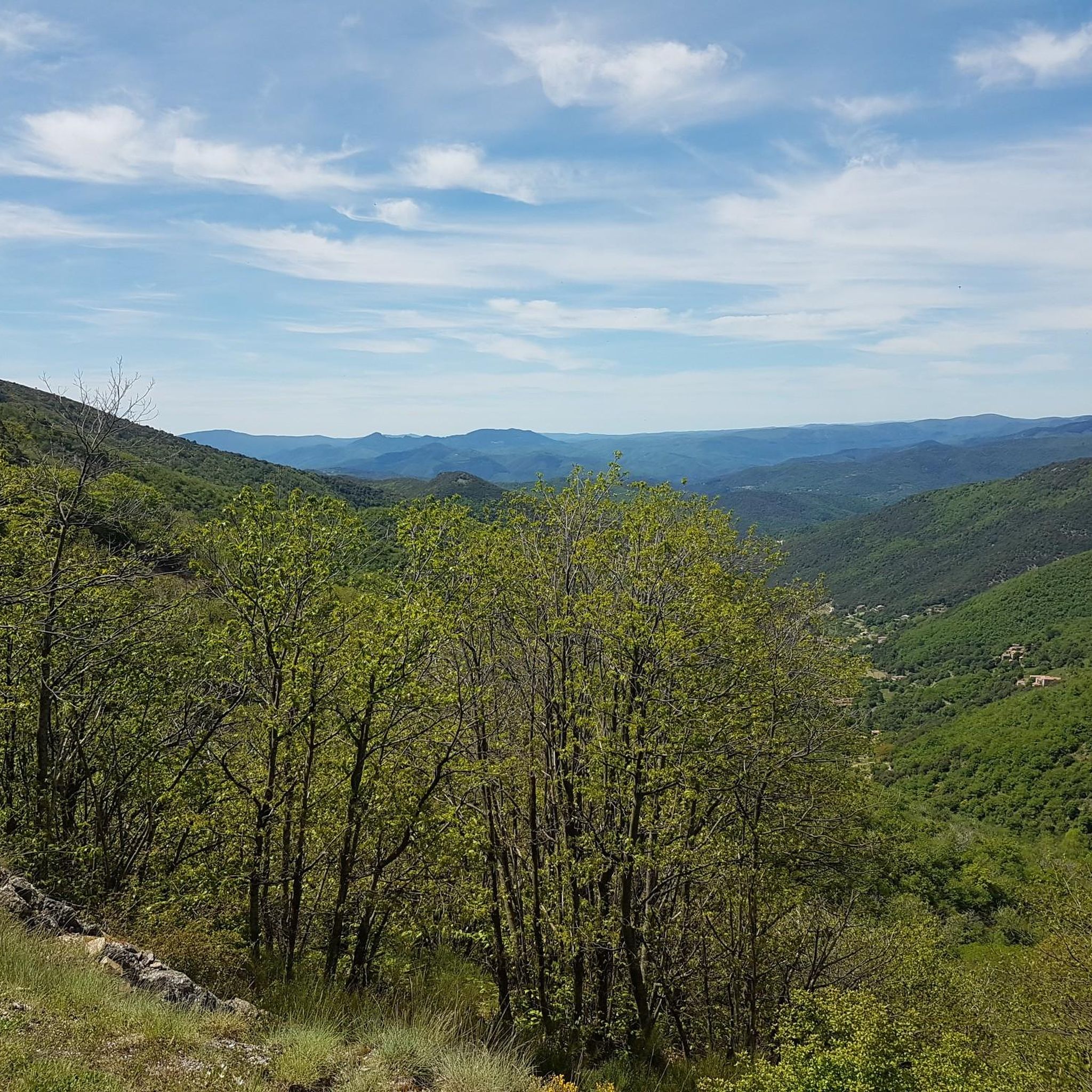
Very beautiful pass offering sumptuous viewpoints and starting points for walks.
0
0

Under the title "France's Wild South," an episode of the British television series "National Parks – Protected Natural Wonders" on 3sat presents the Cévennes mountains. The accompanying text on the website states: "Lush green mountains, barren plateaus, and deep gorges characterize this landscape, which, unlike France's coasts, has not yet been discovered by mass tourism. It also boasts some of the country's most spectacular river landscapes." The compelling documentary, available in German, can be viewed in the media library at the following link: https://www.3sat.de/dokumentation/nationalparks-geschuetzte-naturwunder/nationalparks-geschuetzte-naturwunder-cevennen-frankreichs-wilder-sueden-102.html
0
0

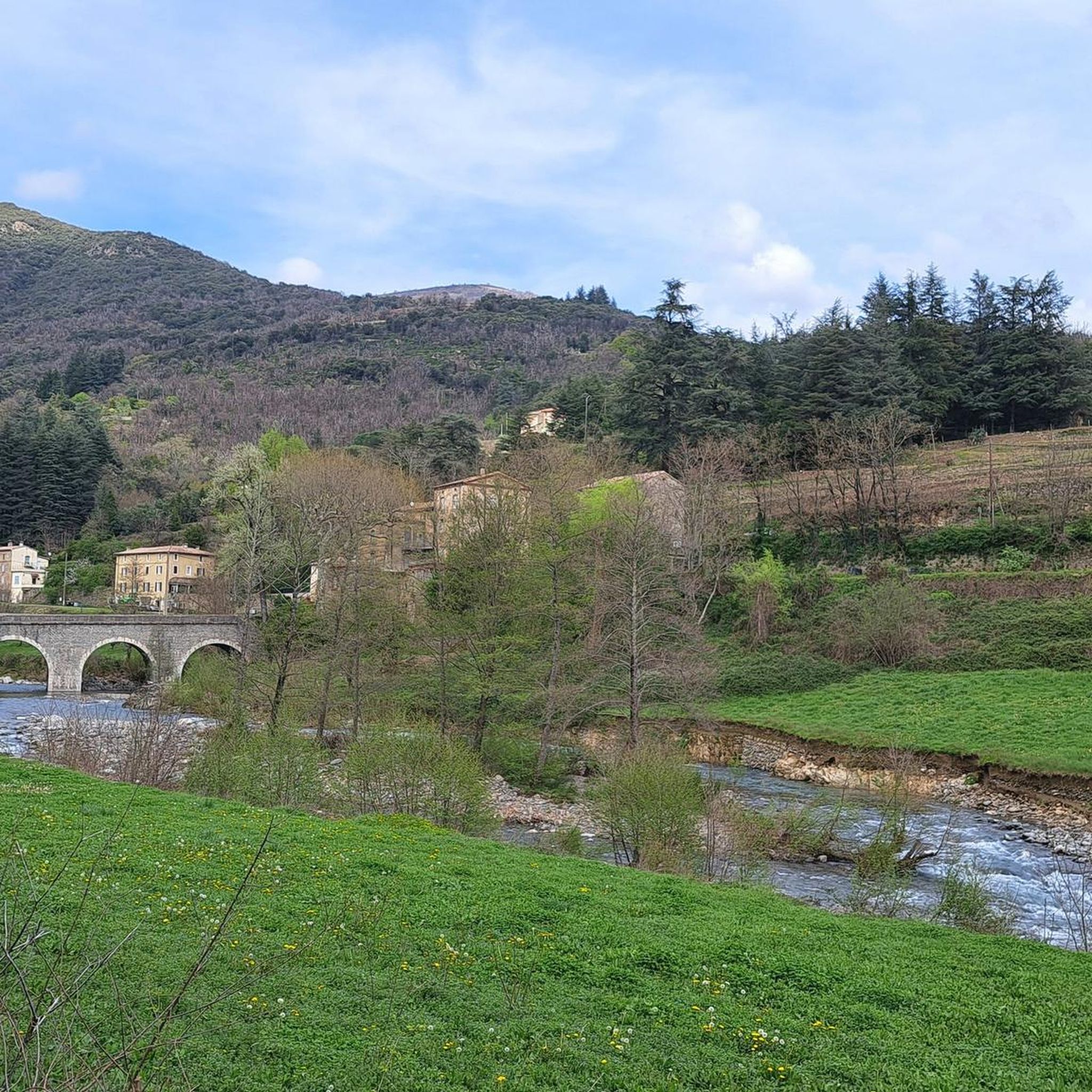
Pretty little village in the Cevennes.
0
0

Lovely running climb, at the beginning through the forest it is nice to cycle. After that the road surface becomes a bit worse. Nice running climb.
0
0


lovely swimming in the river
0
0

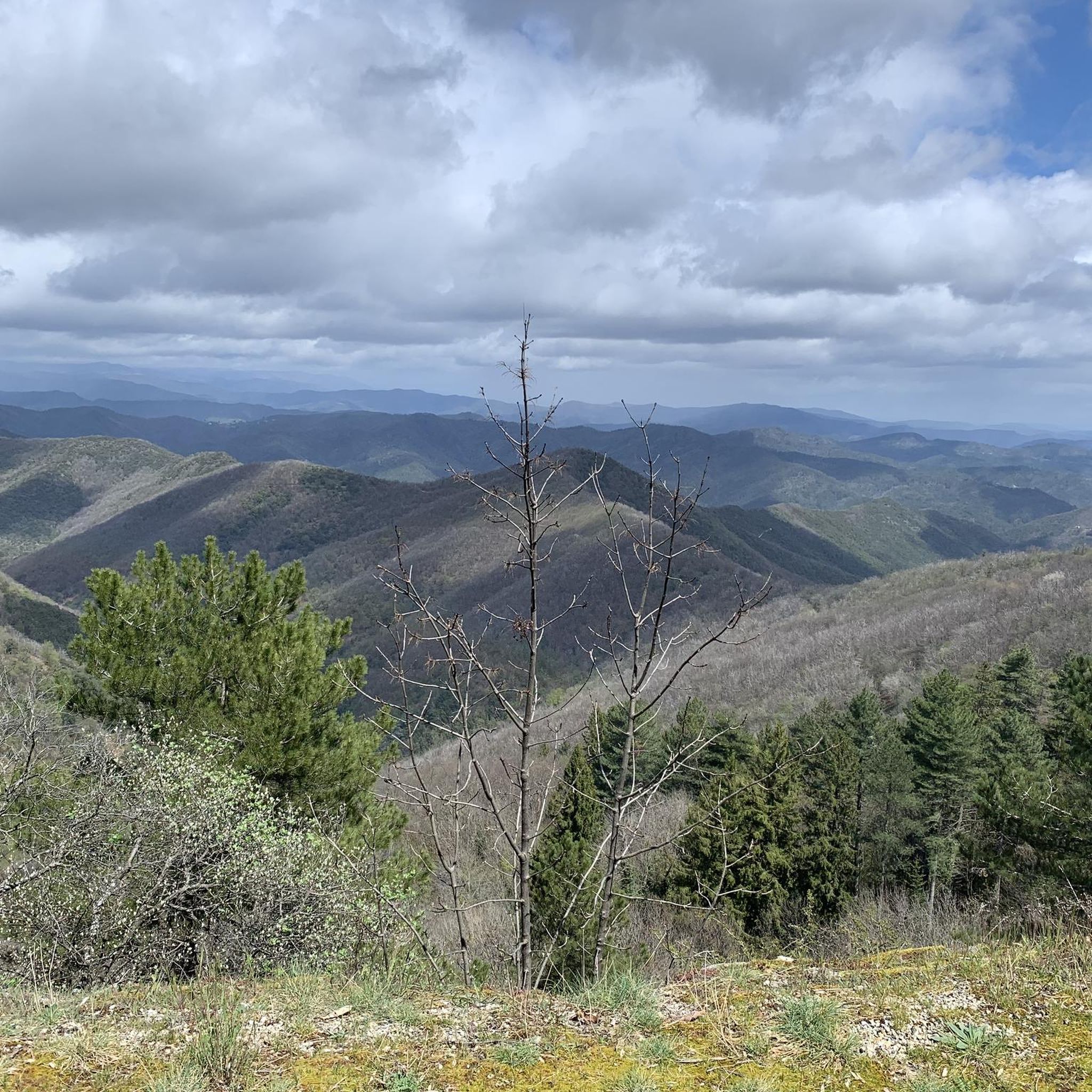
Splendid panorama, a beautiful climb and descent
0
0

L'Espérou is famous for its proximity to Mont Aigoual, one of the high peaks of the Cévennes. Starting point for exploring the Cévennes national park, L'Espérou seduces with its wild beauty, its dense forests and its waterways.
4
0
Frequently Asked Questions
How many road cycling routes are available around Notre-Dame-De-La-Rouvière?
There are over 80 road cycling routes in the Notre-Dame-De-La-Rouvière area, catering to various skill levels. You'll find approximately 5 easy routes, over 40 moderate routes, and more than 30 challenging routes, ensuring options for every cyclist.
What kind of terrain can I expect on road cycling routes in the Cévennes National Park?
The Cévennes National Park, where Notre-Dame-De-La-Rouvière is located, is characterized by winding mountain roads and numerous passes. You'll encounter significant elevation gains, verdant valleys like the Galeizon, and dramatic gorges such as the Tarn and Jonte. Routes often traverse diverse forested areas and follow the melodious Gardon river, offering varied and scenic landscapes.
Are there any particularly challenging climbs for experienced road cyclists?
Yes, the region is known for its challenging ascents. Notable climbs include the Col de l'Asclier, reaching 911 meters, and the iconic Mont Aigoual, a well-known mountain finish sometimes featured in the Tour de France, with its final climb rising over 1300 meters. Routes like the Mount Aigoual – Mont Aigoual loop from Le Mazel offer significant climbs and panoramic views.
What are some scenic viewpoints or natural features I can see along the routes?
Road cycling routes in this region offer sweeping vistas of the Cévennes mountains. You can experience panoramic views from various cols and elevated points. Specific highlights include the Ranc de Banes Viewpoint and the Eagle Rock. The routes also pass through diverse forests and along the Gardon river, providing a rich natural experience.
What is the best time of year for road cycling in Notre-Dame-De-La-Rouvière?
The region offers excellent cycling conditions for much of the year. Spring and autumn generally provide pleasant temperatures and vibrant scenery. Summer can be warm, especially on climbs, but routes often wind through shaded forested areas. Always check local weather forecasts before heading out.
Are there any family-friendly road cycling options in the area?
While many routes involve significant climbs, there are easier options available. Approximately 5 routes are rated as easy, and over 40 are moderate, which may be suitable for families with some cycling experience. Look for routes with less elevation gain and shorter distances for a more relaxed family outing.
What do other road cyclists say about the routes around Notre-Dame-De-La-Rouvière?
The road cycling routes in Notre-Dame-De-La-Rouvière are highly rated by the komoot community, with an average score of 4.4 stars from over 130 reviews. Cyclists often praise the quiet, winding roads, the stunning panoramas, and the challenging yet rewarding experience of cycling through the Cévennes National Park.
Are there any services for cyclists, such as bike repair or accommodation?
The South Cévennes tourism destination holds the "Accueil Vélo" label, indicating a commitment to providing cyclist-friendly services. This includes warm welcomes, information on routes, repair facilities, and secure parking, enhancing the overall cycling experience in the region.
Can I find circular road cycling routes in Notre-Dame-De-La-Rouvière?
Yes, many of the routes are designed as loops, allowing you to start and end in the same location. For example, the Col de la Tribale (612 m) – Saint-Martial loop from Taleyrac is a popular moderate option, and the Saint Martial – Saint-Martial Village loop from Saint-Martial also offers a circular journey.
What kind of landmarks or historical sites can I discover while cycling?
Beyond natural beauty, the region features charming, unspoiled mountain villages and historical sites. You might encounter places like Saint-Roman-de-Codières with its medieval tower and Neolithic menhirs, or Saint-André-de-Valborgne, known for its silk industry history. These offer interesting stops to explore during your ride.
Are there any specific mountain passes I should aim to cycle over?
The Cévennes are famous for their numerous passes. Cyclists often target passes like Asclier Pass, Lusette Pass, and Bès Pass. These passes not only provide a physical challenge but also reward you with spectacular views of the surrounding landscapes.
Is public transport an option for reaching cycling routes in Notre-Dame-De-La-Rouvière?
While the region is best explored by car for direct access to various starting points, some public transport options might exist to larger towns nearby. However, for specific route access within the Cévennes National Park, personal transport or local shuttle services (if available) are generally more convenient for cyclists with bikes. It's advisable to check local transport schedules and bike carriage policies in advance.
Most popular routes around Notre-Dame-De-La-Rouvière
Most popular attractions around Notre-Dame-De-La-Rouvière

Get inspired with the komoot mobile app


Explore more
Browse the best Road cycling routes in other regions.
