Attractions and Places To See around Saint-André-Le-Désert - Top 20
Best attractions and places to see around Saint-André-Le-Désert include historical landmarks, cultural sites, and natural landscapes. This commune in the Saône-et-Loire department features a hilly bocage terrain with scattered habitats, numerous paths, and a mix of meadows and forests. Visitors can explore a variety of sites, from ancient castles to Romanesque churches and scenic outdoor routes. The region offers opportunities to discover its architectural heritage and natural beauty.
Best attractions and places to see around Saint-André-Le-Désert
- The most popular attractions…
Last updated: May 9, 2026
Cormatin Castle
Highlight • Castle
Translated by Google •
Tip by

Sainte-Marie-Madeleine Church
Highlight • Other
Translated by Google •
Tip by

Sign up now to discover places like this
Get recommendations on the best single tracks, peaks, & plenty of other exciting outdoor places.
Sign up for free
Church of Reconciliation
Highlight • Other
Translated by Google •
Tip by
Church of the Assumption of Ameugny
Highlight • Religious Site
Tip by

Saint-Hippolyte Church Ruins
Highlight • Religious Site
Translated by Google •
Tip by

Sign up for free to discover even more attractions around Saint-André-Le-Désert.
Sign up for free
Already have an account?
Start today with a free account
Your next adventure awaits.
Login or Signup

Tips from the Community

Château de Cormatin is a magnificent moated castle from the early 17th century. The castle was built between 1606 and 1625 by the Marquises d'Huxelles. It houses the best-preserved state rooms from the time of Louis XIII in all of France. Famous are the "Gilded Rooms" (Salles Dorées) with opulent paintings, sculptures, and gilded ceilings. The extensive grounds, covering around 12 hectares, are among the most beautiful gardens in France. Highlights in the outdoor area include a large boxwood maze, an open-air baroque theatre, water features, and a historic vegetable garden.
0
0
The historic Romanesque parish church of the municipality of Ameugny. The first documented mention dates from the year 1050, with the Romanesque west portal visible today having been built in the 12th century. A typically Burgundian hall church with three bays and a pointed barrel vault, which appears very massive and is covered with lava stones. The tympanum above the portal shows a cross in a circle and bears the rare signature of the sculptor Seguin. The church has been a listed historic monument since October 22, 1913.
0
0
This is a simple, Romanesque village church from the 12th century. It was already mentioned in the documents of the famous Cluny Abbey in the year 1156. The building has been a listed "monument historique" since 1913. In the small cemetery directly in front of the church is, among other things, the grave of Frère Roger, the founder of the well-known ecumenical community of Taizé. The church is used by many young people and pilgrims as a place of silence and personal prayer.
0
0
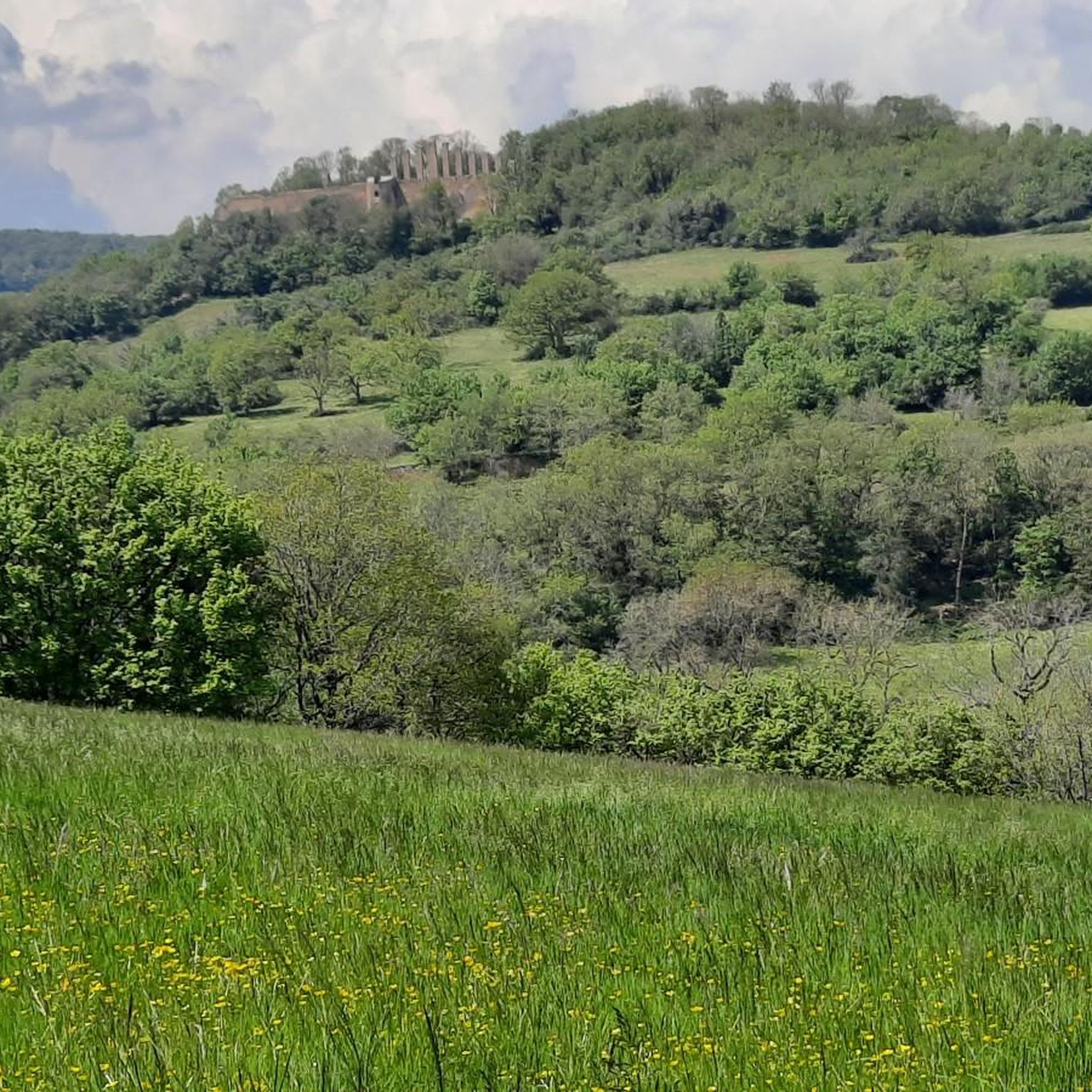
The ruins of the church of Saint-Hippolyte are located in the commune of Bonnay-Saint-Ythaire. The Romanesque church was built in the 11th century by the monks of the Abbey of Cluny. Fortification: In the 13th century (around 1214), the building was converted into a fortified church at the request of the monks to offer better protection. In the process, the church was partially transformed into a keep (Donjon). The building was severely damaged in the 15th and 16th centuries, and the nave of the church finally collapsed in the 18th century. Since 1913, the site has been a listed Monument historique.
0
0

very beautiful hike Very shaded and very pleasant
0
0
The Church of Reconciliation is the spiritual center of the Taizé Community. A simple, spacious structure without interior fittings, which deliberately dispenses with any pomp.
2
0
On Fridays there is a small market behind the church with delicious local produce from the region.
1
0

The residence of the Marquis d'Huxelles, built between 1606 and 1625, is home to the most sumptuous Louis XIII apartment preserved in France. Fireplaces, ceilings and wood panelling were painted, carved and gilded with sumptuous exuberance for the favourite of Queen Marie de Medici. Paintings, tapestries and period furniture complete this seductive evocation of "château life" at the time of the "Three Musketeers". The tour also reveals a monumental stone staircase (20 metres high), an 18th century kitchen and the opulent 1900s salons of an opera director. The garden, in the spirit of the Baroque period, offers 12 hectares of flowerbeds, a large boxwood labyrinth with aviary-belvedere, vegetable garden, green theatre, water features and remarkable trees.
2
1
Frequently Asked Questions
What historical landmarks can I explore in the Saint-André-Le-Désert region?
The region is rich in history. You can visit the impressive Cormatin Castle, an early 17th-century marvel with a monumental stone staircase and extensive gardens. Don't miss the ancient Saint-Hippolyte Church Ruins, an 11th-century site that was fortified and remodeled into a keep. Other notable historical sites include the Château Féodal du Gros-Chigy, the Romanesque Church of Saint-André, and the Oratoire Saint Michel.
Are there any cultural or religious sites to visit near Saint-André-Le-Désert?
Yes, the area is home to significant cultural and religious sites. The Sainte-Marie-Madeleine Church in Taizé is where Brother Roger founded the renowned Taizé community. Nearby, you'll find the larger Church of Reconciliation, built to accommodate the many visitors drawn to the community's message. The Church of the Assumption of Ameugny is another impressive old Romanesque church worth exploring.
What kind of natural landscapes and features can I expect to see?
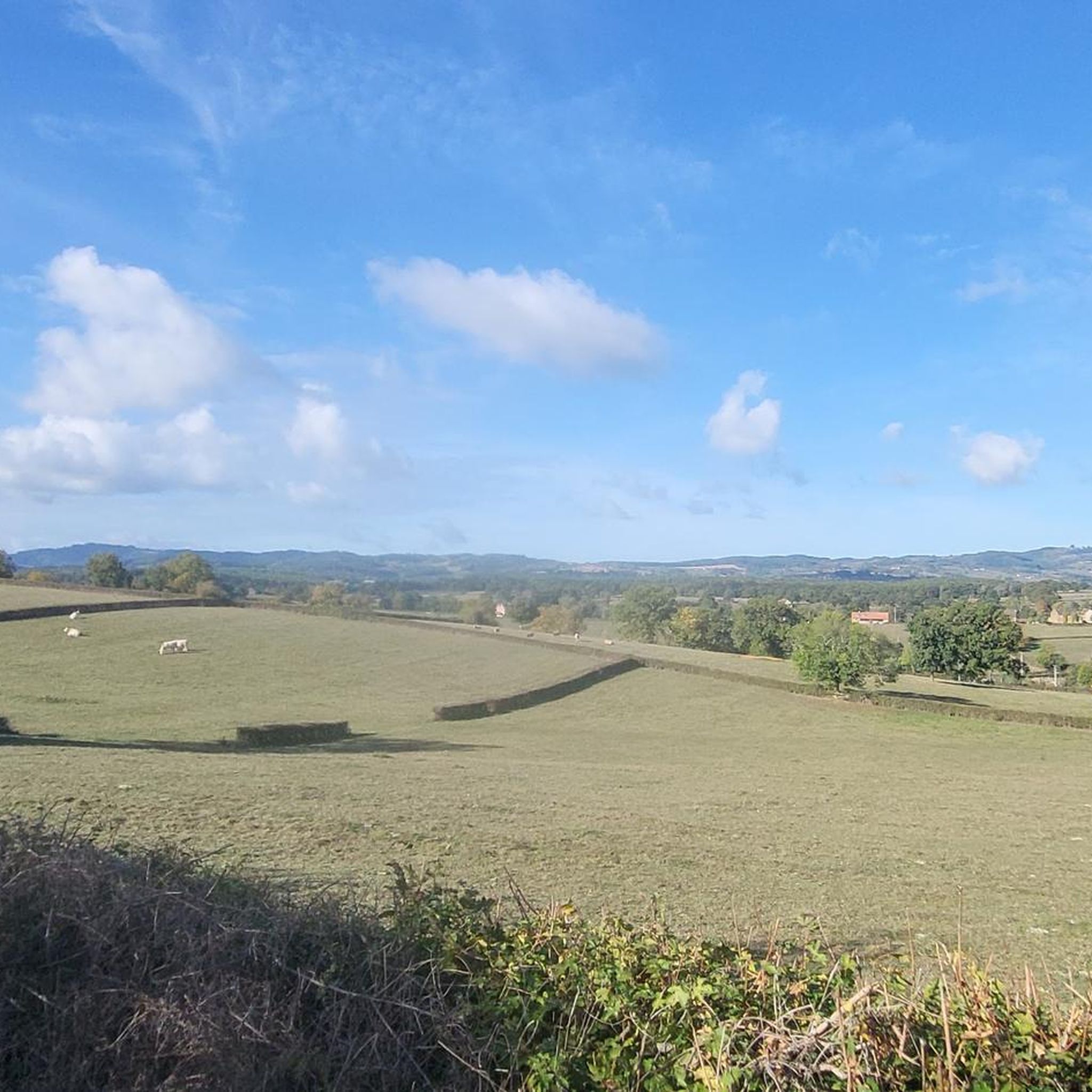
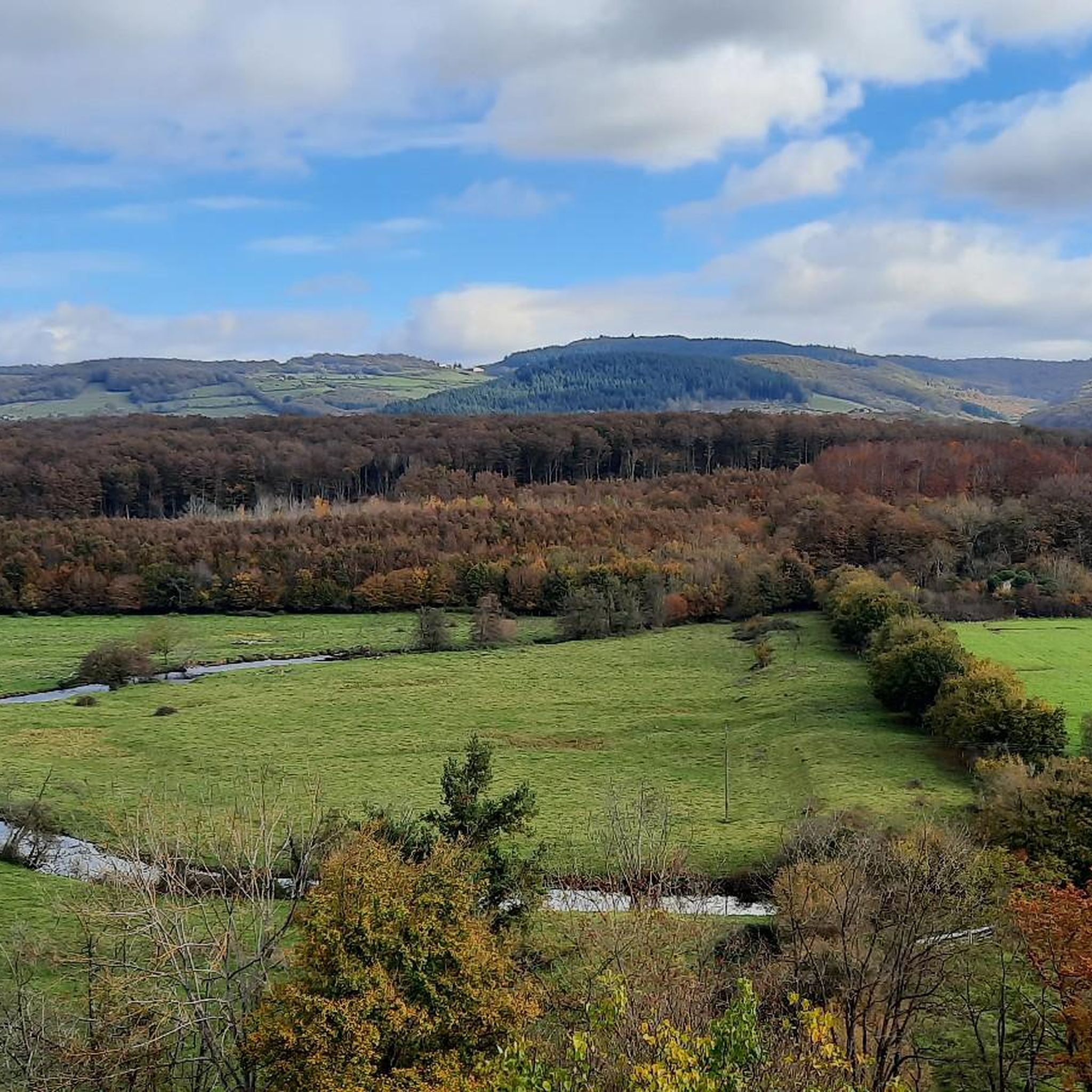
Saint-André-Le-Désert is characterized by a hilly bocage landscape, offering picturesque views. The commune features a mix of meadows and forests, covering 447 hectares of its territory. You'll find numerous well-maintained paths that allow you to immerse yourself in this natural setting.
Are there family-friendly attractions in the area?
Absolutely. Cormatin Castle is a great option for families, with its beautiful gardens, including a large boxwood labyrinth and a green theater that delights both children and adults. The Church of the Assumption of Ameugny is also considered family-friendly, offering a glimpse into historical architecture.
What outdoor activities are available around Saint-André-Le-Désert?
The region is ideal for outdoor enthusiasts. You can enjoy various activities such as running, mountain biking, and road cycling. There are numerous maintained paths for exploring the countryside. For specific routes, you can check out the Running Trails around Saint-André-Le-Désert, MTB Trails around Saint-André-Le-Désert, and Road Cycling Routes around Saint-André-Le-Désert.
Can I go hiking or cycling near the attractions?
Yes, the area is well-suited for both hiking and cycling. The bocage landscape and forests offer many maintained paths. You can find routes that take you past natural features and historical sites. For detailed options, explore the komoot guides for running, mountain biking, and road cycling in the region.
What makes Cormatin Castle a popular attraction?
Cormatin Castle is highly regarded for its well-preserved 17th-century interior, including a monumental stone staircase and a Louis XIII apartment. Visitors particularly enjoy its 12 hectares of restored gardens, featuring a large boxwood labyrinth, green theater, ponds, and flowerbeds. It offers a comprehensive experience of historical architecture and landscape design.
What is the significance of the Taizé community churches?
The churches associated with the Taizé community, including the Sainte-Marie-Madeleine Church and the Church of Reconciliation, are central to the community founded by Brother Roger. They represent a message of reconciliation between peoples and denominations, drawing many visitors, especially young people, to participate in their unique ecumenical services and experience a sense of community and peace.
What is unique about the Saint-Hippolyte Church Ruins?
The Saint-Hippolyte Church Ruins are unusual because this 11th-century church, built by the Cluniacs, was fortified in the Middle Ages and later remodeled into a keep in the 13th century. Its elevated location offers a commanding view, and its history as a fortified religious building makes it a unique and mystical site to explore.
Are there any other historical structures like washhouses or calvaries in the area?
Yes, beyond the major landmarks, the region around Saint-André-Le-Désert also features several traditional lavoirs (washhouses) and calvaires (calvaries), which are historical elements of the local architectural heritage and offer a glimpse into rural life of the past.
What is the terrain like for outdoor activities in Saint-André-Le-Désert?
The terrain around Saint-André-Le-Désert is characterized by a hilly bocage landscape. This means you can expect varied routes with some elevation changes, offering both challenging and scenic paths through meadows and forests. The paths are generally well-maintained, suitable for hiking, cycling, and running.
Most popular routes around Saint-André-Le-Désert

Get inspired with the komoot mobile app


Explore more
Still not found the Highlight you’re looking for? See guides of the top attractions in other regions:
