The best walks and hikes around Saint-André-Le-Désert
4.7
(274)
1,026
hikers
121
hikes
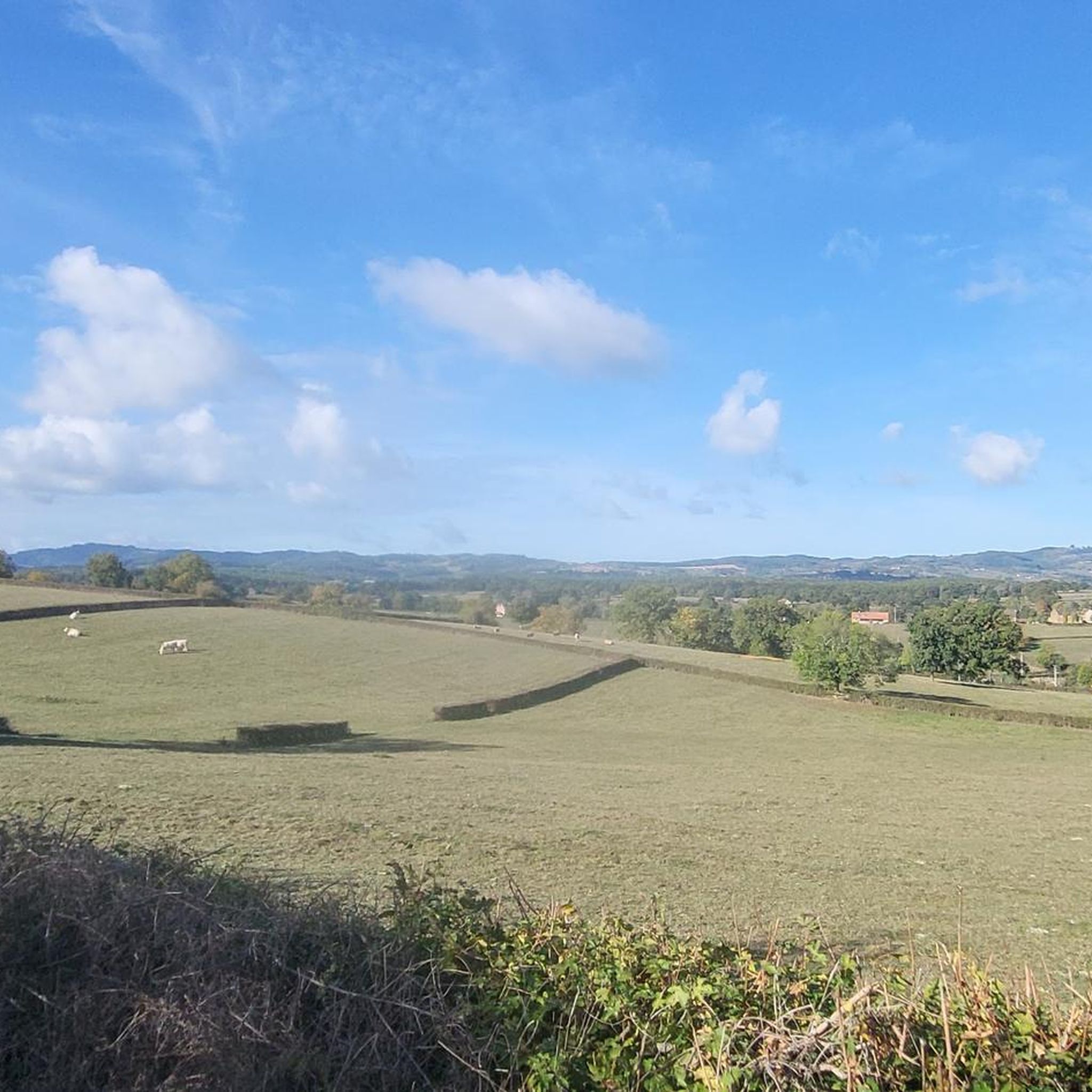
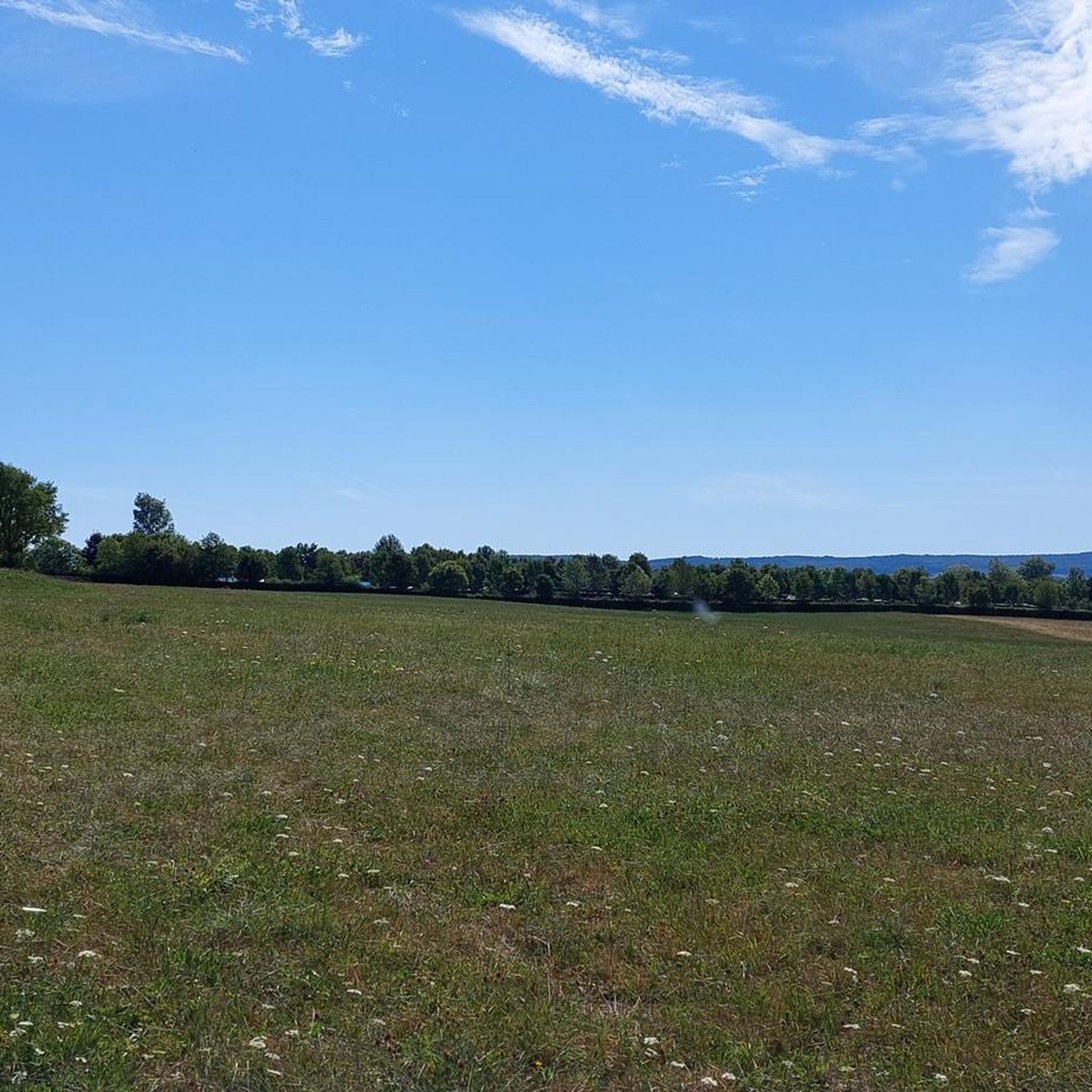
Hiking around Saint-André-Le-Désert offers diverse trails through a landscape characterized by rolling hills and bocage, a patchwork of woodlands, hedges, and pastures. The region features forests and valleys, providing varied terrain for exploration. Situated on a water divide, the area includes a Natura 2000 zone, highlighting its ecological significance.
Best hiking trails around Saint-André-Le-Désert
- The most popular hiking route is View over the Vallée de la Guy loop from Salornay-sur-Guye, a 3.6 miles (5.8 km) trail that takes 1…
Last updated: May 12, 2026
4.8
(5)
13
hikers
5.85km
01:47
200m
200m
Easy hike. Great for any fitness level. Easily-accessible paths. Suitable for all skill levels.
5.0
(2)
10
hikers
10.5km
02:55
190m
190m
Moderate hike. Good fitness required. Easily-accessible paths. Suitable for all skill levels.

Sign up for free
5.0
(8)
14
hikers
12.3km
03:33
300m
300m
Moderate hike. Good fitness required. Easily-accessible paths. Suitable for all skill levels.
4.5
(2)
6
hikers
5.09km
01:25
100m
90m
Easy hike. Great for any fitness level. Easily-accessible paths. Suitable for all skill levels.
4.8
(4)
8
hikers
18.4km
05:11
380m
380m
Hard hike. Very good fitness required. Easily-accessible paths. Suitable for all skill levels.
Get access to more routes and recommendations from other explorers.
Sign up for free
Already have an account?
Our route recommendations are based on thousands of hikes, rides, and runs completed by other people on komoot.
Start today with a free account
Your next adventure awaits.
Login or Signup

Tips from the Community

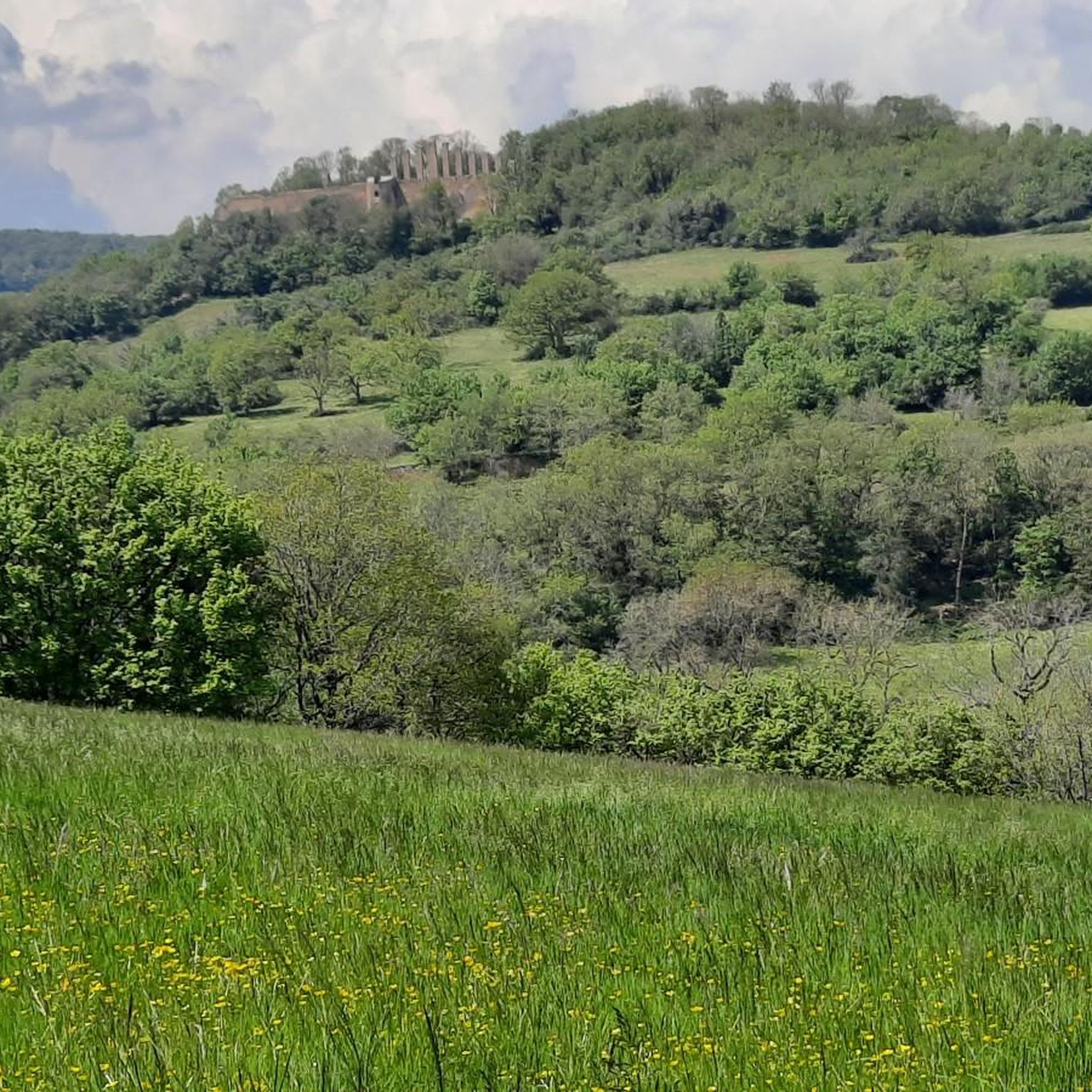
The current complex was built in the 15th century, after a predecessor had been destroyed on the orders of the French king. The irregular quadrilateral encloses a central courtyard. The striking north entrance, visible in the picture, is flanked by two mighty round towers equipped with gun loops (archères-canonniers) and was formerly protected by a drawbridge. The complex has been a listed Monument historique since 1967. Parts of the castle have been restored and are privately used as a charming guest house (Le Gros Chigy Château) for travellers in Burgundy.
0
0

It was built in the 15th century after the destruction of a first castle on the orders of the King of France, who belonged to the Mâcon region, and who was fighting against the Duke of Burgundy. Located on the hillside, between two hamlets, it is a castle whose buildings are grouped together and form a quadrilateral around a central courtyard. The entrance is framed by two round towers pierced by archers, and was formerly equipped with a drawbridge. It will serve as a hotel, the guest rooms are almost finished.
0
0

Unfortunately, it can also be reached by camper.
1
0
Frequently Asked Questions
How many hiking trails are available around Saint-André-Le-Désert?
There are over 120 hiking routes around Saint-André-Le-Désert, offering a wide range of options for different skill levels. You'll find everything from easy strolls to more challenging, longer treks through the varied landscape.
Are there easy hiking trails suitable for families in Saint-André-Le-Désert?
Yes, Saint-André-Le-Désert offers many easy, family-friendly walks. An excellent option is the View over the Vallée de la Guy loop from Salornay-sur-Guye, which is an easy 3.6-mile (5.8 km) trail providing scenic views over the valley, perfect for a leisurely outing.
What kind of landscapes can I expect to see while hiking in this region?
The region is characterized by its gently rolling hills and a distinctive bocage landscape, a patchwork of woodlands, hedges, and pastures. Trails often wind through forests and valleys, offering shaded sections and immersion in nature. You'll also encounter panoramic viewpoints, especially from places like the Butte de Suin and Mont Avril, which offer expansive vistas of the surrounding countryside.
Are there any challenging hikes for experienced trekkers?
Yes, for more experienced hikers, there are several challenging routes. One such option is the Étang de Pierre au Grain – Les Chaumes loop from Donzy-le-National, a difficult 11.5-mile (18.4 km) trail that features significant elevation changes and takes you through diverse terrain.
What are some interesting landmarks or attractions to see along the trails?
Many trails pass through charming historic hamlets with traditional stone houses. You might also encounter unique features like the "Pierre d'Orgeval" and the "Fontaine Chaude," a spring with a constant temperature. Additionally, the Château de Gros Chigy loop from Saint-André-le-Désert takes you past a historic château, and you can explore nearby historical sites like Cormatin Castle and various churches such as the Sainte-Marie-Madeleine Church.
Is Saint-André-Le-Désert a good destination for circular walks?
Absolutely. Many of the hiking routes in Saint-André-Le-Désert are designed as circular walks, allowing you to start and end at the same point. For example, the Bierre Village – Church of Sigy-le-Châtel loop from Sigy-le-Châtel is a popular 7.6-mile (12.3 km) circular trail that guides you through charming villages and past historical churches.
What is the best time of year to go hiking in Saint-André-Le-Désert?
The spring and autumn months are generally ideal for hiking in Saint-André-Le-Désert. During these seasons, the weather is typically mild, and the natural scenery, with blooming flowers in spring or vibrant foliage in autumn, is particularly beautiful. Summer can also be pleasant, especially in the shaded forest sections, but it can be warmer.
Are the hiking trails in Saint-André-Le-Désert dog-friendly?
Yes, the trails in Saint-André-Le-Désert are generally dog-friendly, making it a great area to explore with your canine companion. It's always recommended to keep your dog on a leash, especially when passing through agricultural areas or near livestock, to ensure their safety and respect local wildlife.
What do other hikers enjoy most about the trails in Saint-André-Le-Désert?
The komoot community highly rates the hiking experience in Saint-André-Le-Désert, with an average score of 4.7 stars from over 200 reviews. Hikers often praise the quiet woodlands, the varied terrain of rolling hills and bocage, and the scenic views, particularly the panoramic vistas from various viewpoints.
Is there parking available at the trailheads?
While specific parking locations are not detailed for every route, trails typically start from villages or designated points where parking is generally available. It's advisable to check the starting point of your chosen route on komoot for more precise parking information.
Can I access hiking trails in Saint-André-Le-Désert using public transport?
Information regarding direct public transport access to specific trailheads in Saint-André-Le-Désert is limited. The region is rural, so accessing trail starting points often requires a car. However, some trails may be reachable from larger towns with public transport connections, followed by a local taxi or a longer walk.
Are there any historical or cultural points of interest to explore while hiking?
Beyond the natural beauty, the region is rich in history and culture. Many trails pass through charming small hamlets with traditional stone houses, offering a glimpse into rural French life. The area is situated between the historic Clunisois and Charolais regions, known for their agricultural heritage and significant historical sites, including the Saint-Hippolyte Church Ruins.
Most popular routes around Saint-André-Le-Désert
Most popular attractions around Saint-André-Le-Désert

Get inspired with the komoot mobile app


Explore more
Browse the best Hikes in other regions.
