The best road cycling routes around Saint-André-Le-Désert
4.5
(46)
723
riders
83
rides
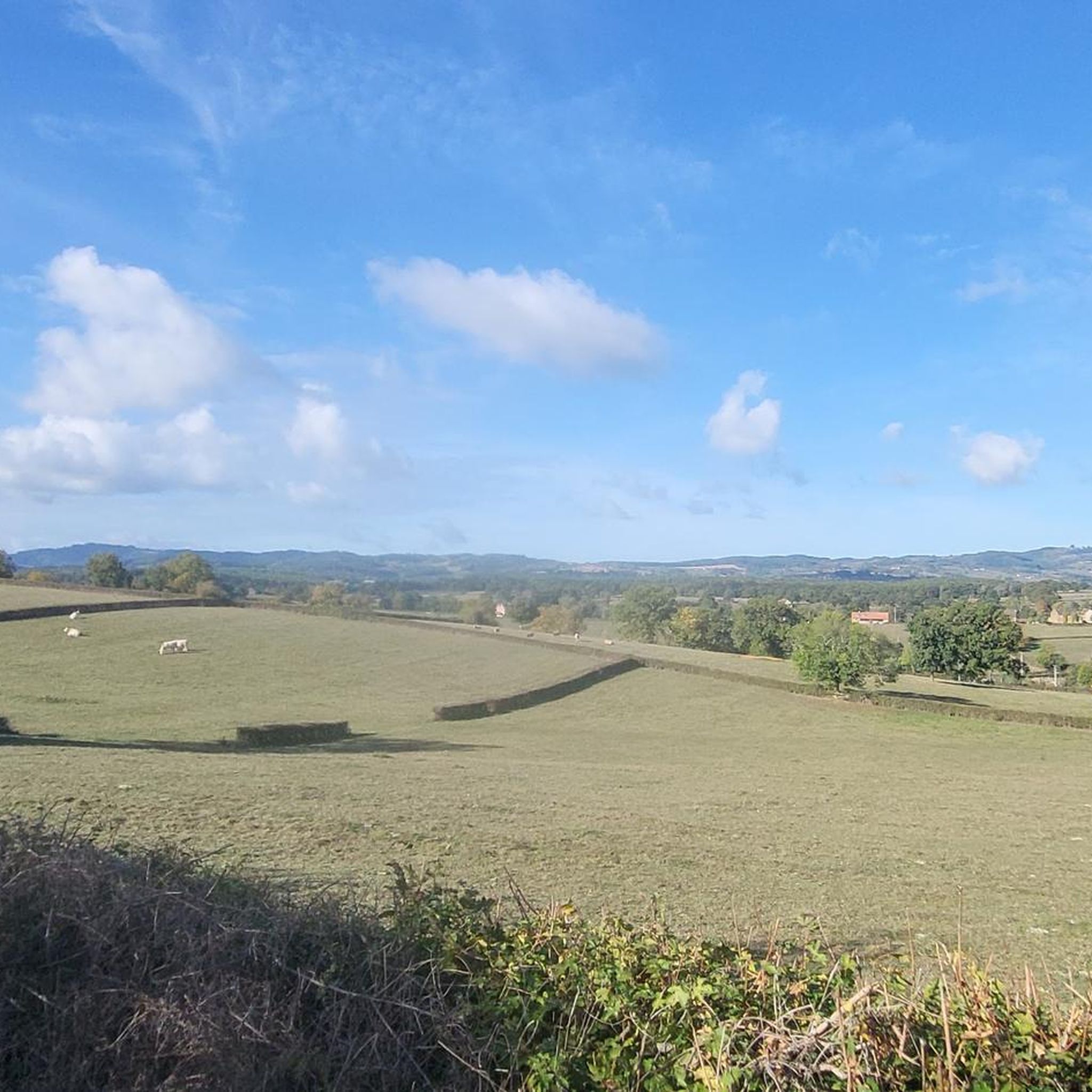
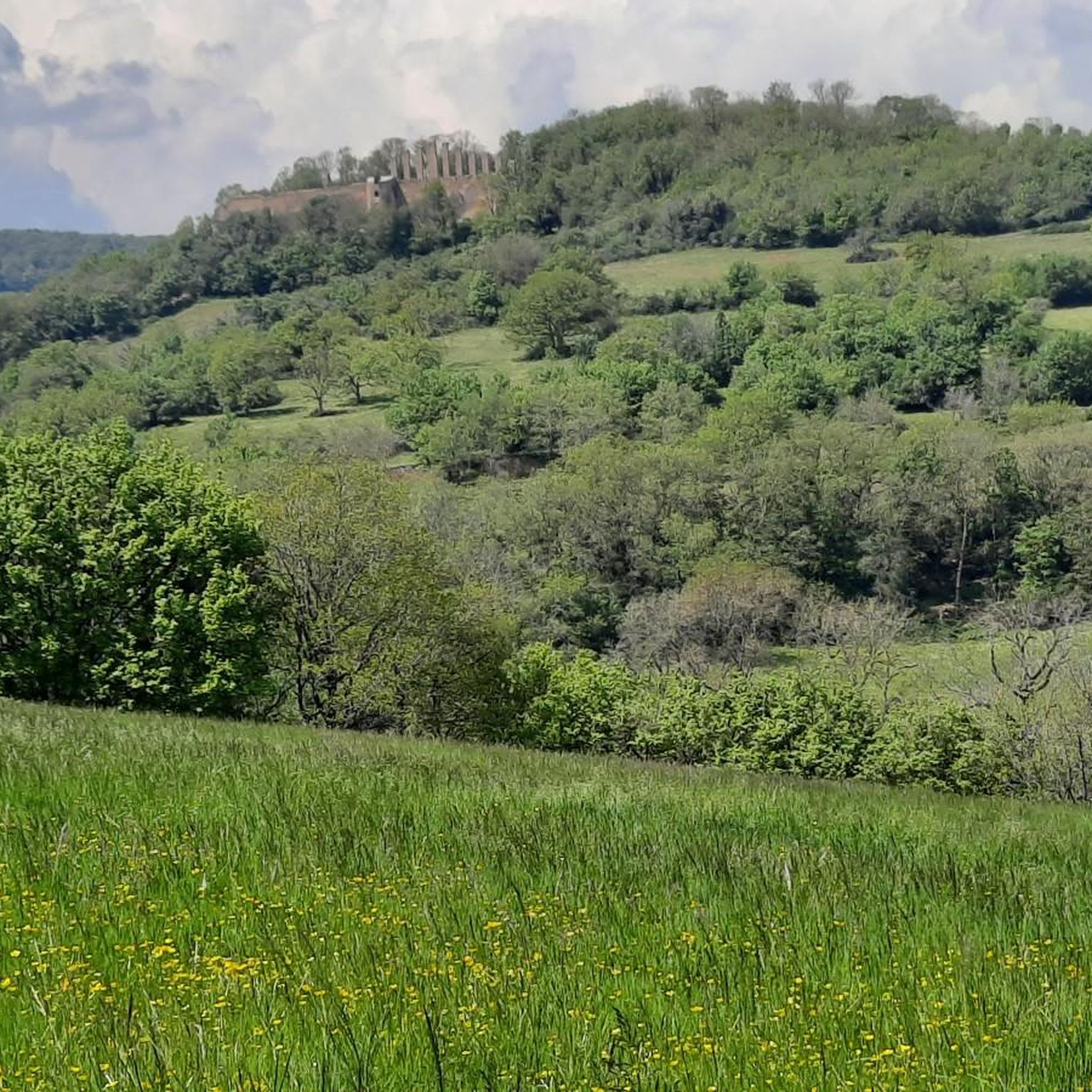
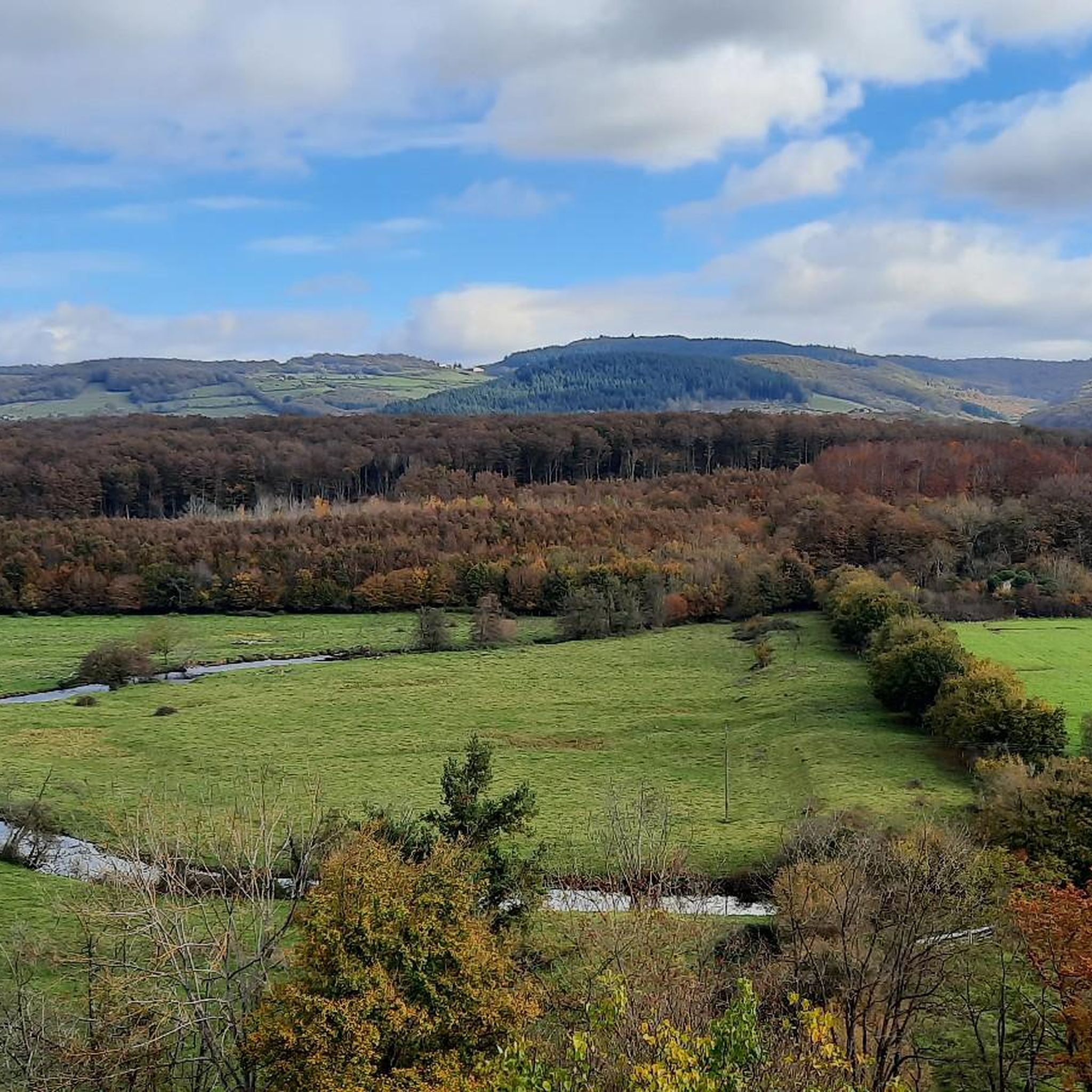
Road cycling around Saint-André-Le-Désert is characterized by a landscape of rolling hills, agricultural fields, and historic villages. The region features moderate elevation changes, with routes often traversing through open countryside and past notable landmarks like castles and churches. This area provides a network of roads suitable for various road cycling experiences, from leisurely rides to more challenging ascents.
Best road cycling routes around Saint-André-Le-Désert
- The most popular road cycling route is Cormatin Castle – Buxy Station loop from La Vineuse sur Fregande, a 50.5 miles (81.3 km) trail that takes 3 hours 38 minutes to complete, featuring a moderate climb of nearly 700 meters.
- Another top favourite among local road cyclists is Saint-Gengoux-le-National – Cormatin Castle loop from Salornay-sur-Guye, a moderate 40.0 miles (64.4 km) path that winds through the scenic countryside with varied terrain.
- Local road cyclists also love the View from Mont Saint-Cyr – Besanceuil Church loop from Salornay-sur-Guye, a 33.6 miles (54.1 km) trail leading through rolling hills and offering panoramic views, often completed in about 2 hours 44 minutes.
- Road cycling around Saint-André-Le-Désert is defined by rolling hills, agricultural landscapes, and historic sites. The network offers options for different ability levels, including beginner road bike routes and more advanced road biking challenges.
- The routes in Saint-André-Le-Désert are highly rated by the komoot community with an average score of 4.6 stars from over 40 reviews. More than 700 road cyclists have used komoot to explore Saint-André-Le-Désert's varied terrain.
Last updated: July 4, 2026
5.0
(1)
11
riders
81.4km
03:39
700m
700m
Moderate road ride. Good fitness required. Some segments of this route may be unpaved and difficult to ride.
5.0
(1)
8
riders
60.9km
02:54
660m
660m
Moderate road ride. Good fitness required. Some segments of this route may be unpaved and difficult to ride.

Sign up for free
8
riders
54.0km
02:44
840m
840m
Moderate road ride. Good fitness required. Mostly well-paved surfaces and easy to ride.
5.0
(1)
9
riders
46.5km
02:12
620m
620m
Moderate road ride. Good fitness required. Mostly well-paved surfaces and easy to ride.
6
riders
52.3km
02:44
890m
890m
Moderate road ride. Good fitness required. Mostly well-paved surfaces and easy to ride.
Get access to more routes and recommendations from other explorers.
Sign up for free
Already have an account?
Our route recommendations are based on thousands of hikes, rides, and runs completed by other people on komoot.
Start today with a free account
Your next adventure awaits.
Login or Signup

Tips from the Community

The Tour des Fromages is a preserved defensive tower from the 11th century, which originally belonged to the ramparts of the powerful Abbey of Cluny. In the Middle Ages, the structure was still called Tour des Fèves (Bean Tower), as supplies were stored there. It got its current, curious name in the 19th century because a merchant used the tower to dry her homemade cheeses. Today, the tower is a popular attraction. Visitors can climb the 120 steps to the top. From up there, you have a beautiful 360-degree panoramic view over the entire medieval monastic city and the surrounding Burgundy landscape. Access to the tower is directly through the local Cluny tourist office.
1
0
The Château de Cormatin is a magnificent moated castle from the early 17th century. The castle was built between 1606 and 1625 by the Marquises d'Huxelles. It houses the best-preserved state rooms from the Louis XIII era in all of France. Famous are the "Gilded Rooms" (Salles Dorées) with lavish paintings, sculptures, and gilded ceilings. The extensive grounds, covering around 12 hectares, are among the most beautiful gardens in France. Highlights in the outdoor area include a large boxwood labyrinth, an open-air Baroque theatre, water features, and a historic vegetable garden. This spot only offers a brief glimpse of the rear grounds.
2
0
The station no longer serves trains. The historic site has been transformed into a vibrant leisure zone (Aire de loisirs de la gare). The building is located directly on the Voie Verte de Bourgogne du Sud, a well-known 77 km cycle path on a former railway line. Travelers will find a bicycle rental service for regular and electric bikes, a tool station for repairs, picnic tables, public restrooms, and a children's playground. It also serves as a starting point for excursions, for example to the nearby Château de Cormatin.
0
0
The recreational facility is located directly on the popular Voie Verte de Bourgogne du Sud, a scenic cycling route on a former railway line. The area offers numerous amenities for cyclists, hikers, and families: There are several shaded picnic tables and benches in a green setting. Directly at the old train station, there is a bicycle rental for classic bicycles and e-bikes, as well as a small repair station. A children's playground with 15 play structures, installed in April 2024, provides entertainment for younger visitors. Public toilets, a water point, and a large, free car park are available.
0
0
Château de Cormatin is a magnificent moated castle from the early 17th century. The castle was built between 1606 and 1625 by the Marquises d'Huxelles. It houses the best-preserved state rooms from the time of Louis XIII in all of France. Famous are the "Gilded Rooms" (Salles Dorées) with opulent paintings, sculptures, and gilded ceilings. The extensive grounds, covering around 12 hectares, are among the most beautiful gardens in France. Highlights in the outdoor area include a large boxwood maze, an open-air baroque theatre, water features, and a historic vegetable garden.
2
0

Found the garden more interesting than the interior of the castle.
0
0

Toilet on site, water point, the best!
2
0
Very pleasant track, slightly monotonous but it's great
0
0
Frequently Asked Questions
How many road cycling routes are available around Saint-André-Le-Désert?
There are over 90 road cycling routes available around Saint-André-Le-Désert, offering a wide range of options for different skill levels and preferences.
What is the best time of year for road cycling in Saint-André-Le-Désert?
The best time for road cycling in Saint-André-Le-Désert is typically from spring through early autumn (April to October). During these months, the weather is generally mild and pleasant, with less rainfall, making for ideal riding conditions through the region's rolling hills and agricultural landscapes.
Are there road cycling routes suitable for beginners in Saint-André-Le-Désert?
Yes, Saint-André-Le-Désert offers several road cycling routes suitable for beginners. There are 9 easy routes that provide a gentle introduction to the region's charming countryside without overly challenging climbs.
Are there challenging road cycling routes for advanced riders?
Absolutely. For advanced riders seeking a challenge, there are 11 difficult road cycling routes around Saint-André-Le-Désert. These routes often feature significant elevation gains, such as the Cheese Tour – Ruins of Cluny Abbey loop from Salornay-sur-Guye, which includes nearly 900 meters of ascent over 52 kilometers.
Can I find circular road cycling routes in Saint-André-Le-Désert?
Yes, many of the road cycling routes in Saint-André-Le-Désert are designed as circular loops, allowing you to start and finish at the same point. Examples include the popular Cormatin Castle – Buxy Station loop from La Vineuse sur Fregande or the Pistole Pass – Cormatin Castle loop from Salornay-sur-Guye.
What scenic views or landmarks can I expect on road cycling routes around Saint-André-Le-Désert?
Road cycling routes in this region offer picturesque views of rolling hills, agricultural fields, and historic villages. You can often pass by notable landmarks such as Cormatin Castle and various historic churches like Sainte-Marie-Madeleine Church or the Church of the Assumption of Ameugny.
Are there any historic sites or castles to see along the road cycling routes?
Yes, the region is rich in history. Many routes will take you past historic sites. A prominent example is Cormatin Castle, a magnificent 17th-century château that is often a highlight on several cycling loops, including the Saint-Gengoux-le-National – Cormatin Castle loop from Salornay-sur-Guye.
Where can I find parking for road cycling routes in Saint-André-Le-Désert?
Parking is generally available in the villages and towns that serve as starting points for many routes, such as Salornay-sur-Guye or La Vineuse sur Fregande. Look for designated public parking areas, especially near local amenities or town centers.
Are there cafes or places to stop for refreshments along the road cycling routes?
Yes, as you cycle through the charming villages and towns in the Saint-André-Le-Désert area, you'll find various opportunities to stop for refreshments. Many villages offer local cafes, bakeries, or small restaurants where you can take a break and refuel.
What do other road cyclists enjoy most about road cycling in Saint-André-Le-Désert?
The road cycling experience around Saint-André-Le-Désert is highly rated by the komoot community, with an average score of 4.6 stars from over 40 reviews. Cyclists often praise the region's varied terrain, which includes both rolling hills and open countryside, as well as the scenic beauty and the opportunity to pass by historic landmarks.
Which road cycling routes offer significant elevation changes for a good workout?
For a good workout with significant elevation changes, consider routes like the View from Mont Saint-Cyr – Besanceuil Church loop from Salornay-sur-Guye. This 54-kilometer route features over 840 meters of ascent, providing a challenging and rewarding ride through rolling hills and offering panoramic views.
Most popular routes around Saint-André-Le-Désert
Most popular attractions around Saint-André-Le-Désert

Get inspired with the komoot mobile app


Explore more
Browse the best Road cycling routes in other regions.
