Attractions and Places To See around Barjols - Top 20
Best attractions and places to see around Barjols include a blend of natural beauty, historical sites, and cultural experiences. This village in Provence Verte is characterized by its numerous fountains, washhouses, and cascades, reflecting its abundant water sources. The area offers diverse landscapes, from picturesque village centers to surrounding mountains and green valleys. Visitors can explore a variety of sites, from ancient churches to natural features.
Best attractions and places to see around Barjols
- The most popular attractions is Cotignac…
Last updated: August 2, 2026
Cotignac
Highlight • Settlement
Translated by Google •
Tip by

Barjols–Varages Rail Trail
Highlight (Segment) • Cycleway
Translated by Google •
Tip by

Sign up now to discover places like this
Get recommendations on the best single tracks, peaks, & plenty of other exciting outdoor places.
Sign up for free
Petit Bessillon Ridge
Highlight • Summit
Translated by Google •
Tip by

Argens Valley
Highlight (Segment) • Other
Translated by Google •
Tip by

Saint-Gervais Church of Pontevès
Highlight • Religious Site
Translated by Google •
Tip by
Sign up for free to discover even more attractions around Barjols.
Sign up for free
Already have an account?
Start today with a free account
Your next adventure awaits.
Login or Signup

Tips from the Community


The route is now really well paved and you can make great progress
1
0

Be careful when you turn onto the path from Varage; I had a huge fall there, resulting in 2 broken ones Poor. It is nice loose gravel, you quickly slide down!
0
0
Not many shadow points and no water spots.
0
0
Be careful, difficult passage with a dog, appropriate equipment required.
0
0


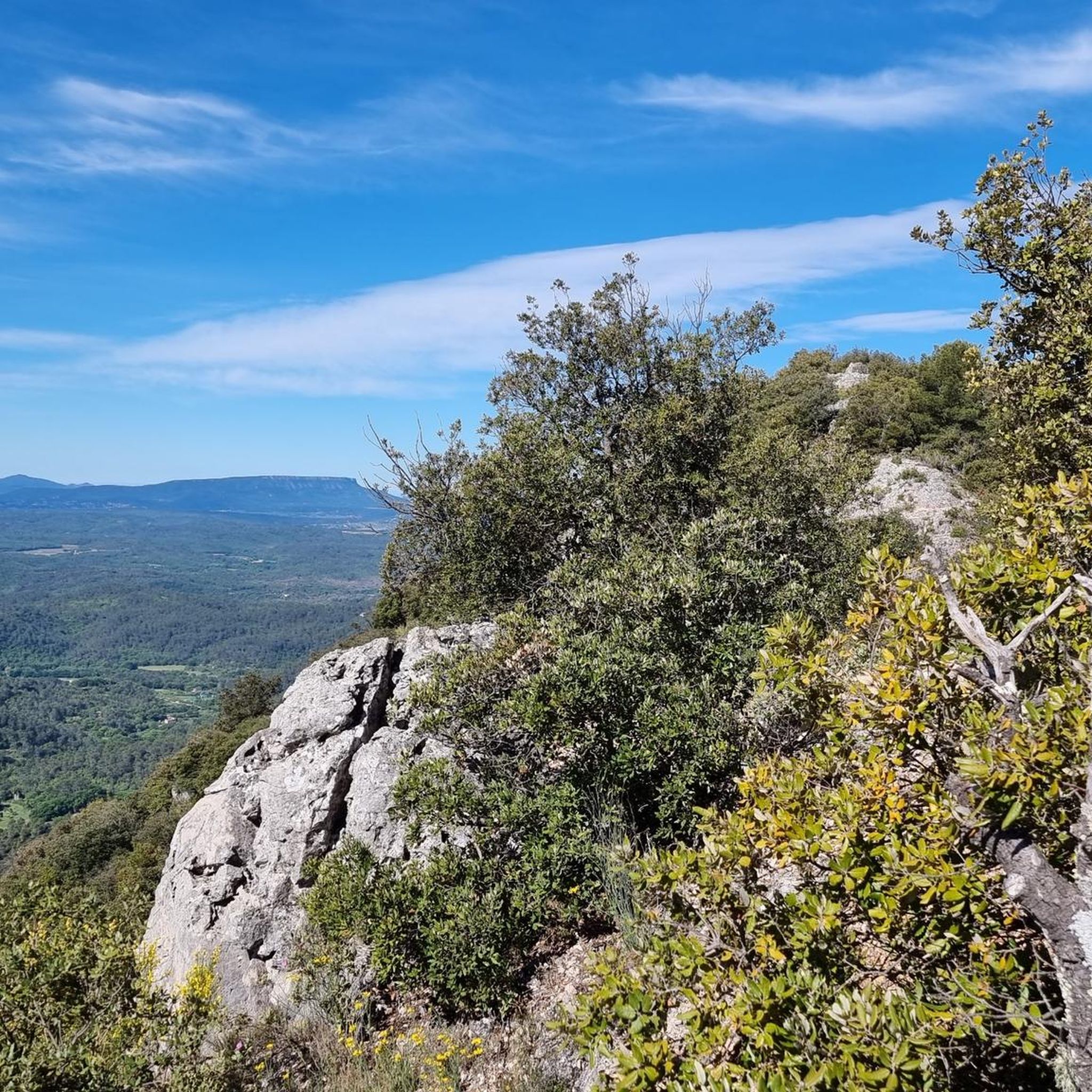
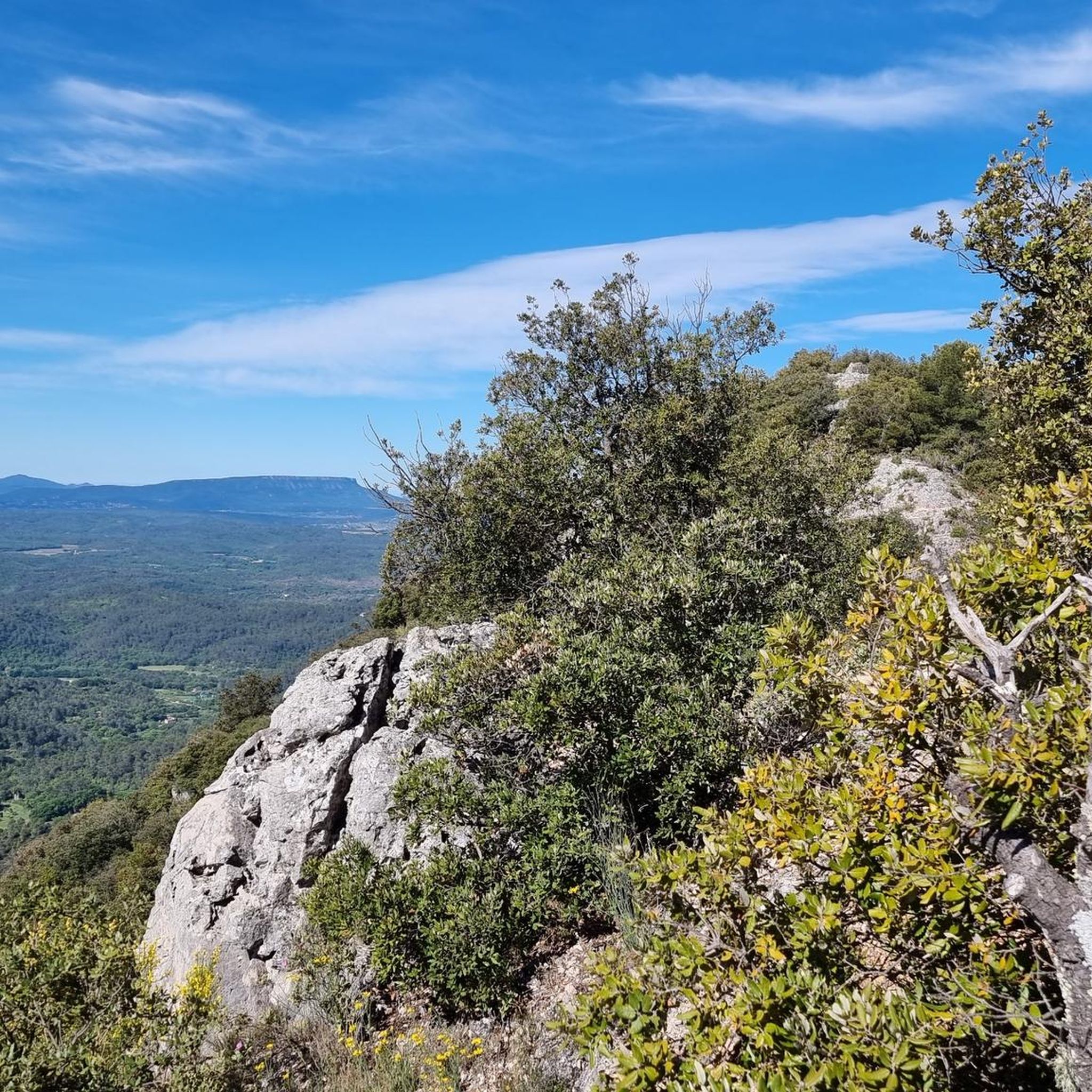
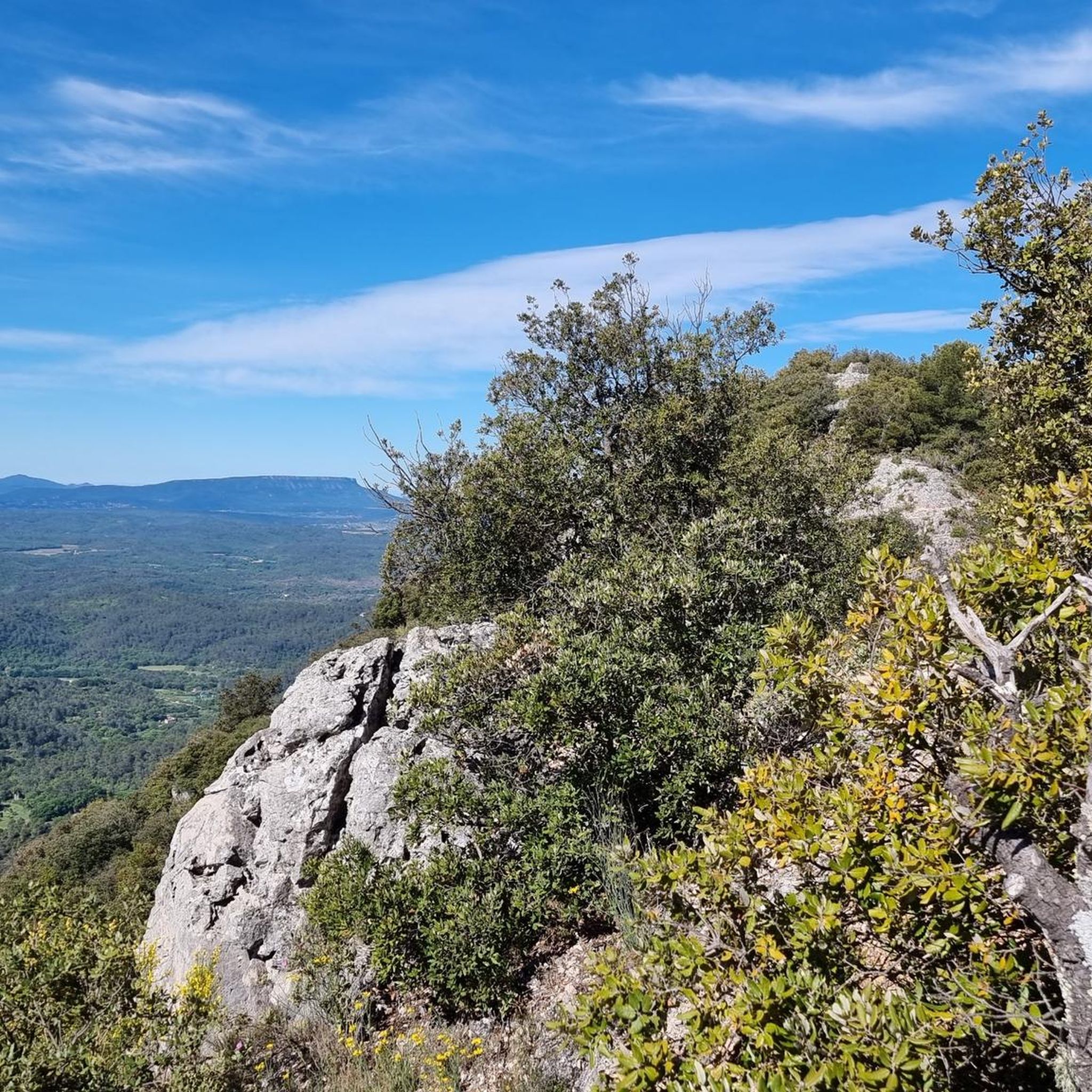
A hill that looks like a volcano, Petit Bessillon peaks at 669 m. Two orientation tables are at the top.
1
0
Frequently Asked Questions
What natural features can I explore around Barjols?
Barjols is surrounded by diverse natural landscapes. You can discover the magical Argens Valley, known for its vertical rock craters and opportunities for climbing, walks, and swimming. The village itself is famous for the Vallon des Carmes, a 3-hectare site with creeks, cascades, and caves, offering a refreshing bathing hole. The region also features forested hills with panoramic views, rivers, waterfalls, and wild gorges.
Are there any historical or cultural sites to visit in Barjols?
Yes, Barjols offers a rich history. The Collegiate Church of Notre-Dame de l'Assomption, dating back to the 11th century, features Gothic modifications, carved wooden stalls, and a medieval baptismal font. You can also explore the Réal Neighbourhood, the oldest quarter and former tanners' district, and stroll through the village center to admire charming medieval houses and shaded squares.
What unique water features can I find in Barjols?
Barjols is known as the 'Tivoli of Provence' due to its abundant water sources. The village boasts over 40 fountains and washhouses, each with its own character. Notable examples include the Fontaine du Boeuf, Fontaine du Champignon, and Fontaine des Limaces. The local tourist office provides a walking route to discover these unique water features.
Are there family-friendly activities or attractions in the area?
Absolutely. The Vallon des Carmes is a popular spot for families, offering a refreshing bathing hole amidst creeks and cascades. The Barjols–Varages Rail Trail is an old railway line converted into a gravel road, perfect for family cycling or hiking away from car traffic. Additionally, the nearby settlement of Cotignac, with its unique rock dwellings, is considered a family-friendly destination.
What kind of outdoor activities, like cycling or hiking, are available near Barjols?
The area around Barjols is excellent for outdoor enthusiasts. You can enjoy cycling on the Barjols–Varages Rail Trail, an easy-gradient path. For mountain biking, there are routes like the 'Correns – Vallon Sourn loop' or 'Carmes Valley – Saint Pothin Chapel loop'. Hiking options include trails through forested hills and the challenging ascent to Petit Bessillon Ridge for great views. You can find more details on routes in the MTB Trails around Barjols, Gravel biking around Barjols, and Cycling around Barjols guides.
Can I find any unique shopping experiences or markets in Barjols?
Yes, Barjols hosts several markets. On Sunday mornings, you can visit the market on La Place de la Rouguière. For food, there's a market on Thursday and Saturday mornings on La Place Capitaine Vincens. Additionally, on the outskirts of the village, there's a second-hand goods market featuring around 30 dealers, open most of the year.
What is the best time of year to visit Barjols?
Barjols is delightful throughout the year, but summer offers a 'paradise of freshness' in the Vallon des Carmes with its bathing hole. Mid-January is unique for the Fête des Tripettes. Spring and autumn provide pleasant weather for exploring the numerous fountains, historical sites, and surrounding hiking trails.
Are there any notable churches or religious sites nearby?
Beyond the Collegiate Church of Notre-Dame de l'Assomption in Barjols, you can visit the Saint-Gervais Church of Pontevès. This church, built in the 17th century, features an altarpiece by Jean Daret and a bell dating from 1762. The nearby settlement of Cotignac is also known as a Catholic pilgrimage site.
What is the Fête des Tripettes?
The Fête des Tripettes is an unusual and memorable annual festival held in Barjols in mid-January. It commemorates the arrival of Saint Marcel's relics with a procession, church service, and a unique dance accompanied by flutes and drums. It's a distinct cultural experience unique to the village.
Can I find good viewpoints or challenging hikes in the region?
For panoramic views, consider hiking to the Petit Bessillon Ridge, which peaks at 669 meters and offers two orientation tables at the top. Be aware that the ascent is steep and requires sure-footedness and sturdy shoes. The surrounding natural landscapes also feature hiking trails winding through forested hills, providing various viewpoints of the Provençal countryside.
What is the history of Barjols' tanneries?
In the 19th century, Barjols was a significant leather-producing center, home to 24 tanneries. While the industry has since declined, many of these old tanneries have been repurposed into artists' studios and art exhibition centers, contributing to a vibrant local art scene. The Réal Neighbourhood, the oldest part of the village, was historically the tanners' district.
What is the Barjols–Varages Rail Trail?
The Barjols–Varages Rail Trail is an old railway line that has been converted into a gravel road. It offers a pleasant way to explore the area by cycling or hiking, providing a route away from car traffic with gradients always below 3%. It's a great option for a relaxed outdoor excursion.
What is Cotignac known for?
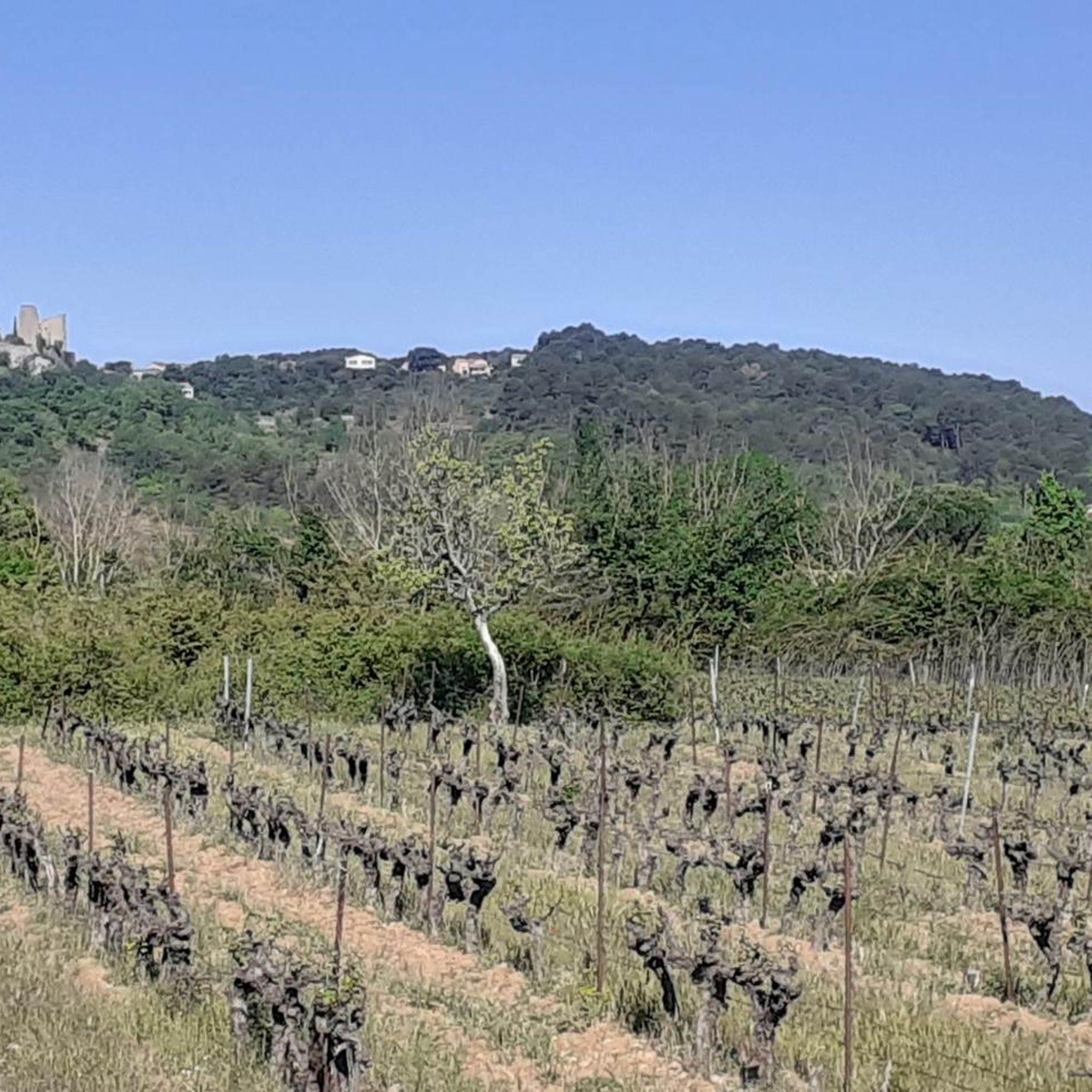
Cotignac is a picturesque settlement known as a Catholic pilgrimage site and one of the most beautiful places in the area. It is distinctive for its 80-meter-high rock wall, into which rock dwellings have been carved. The village thrives on tourism and viticulture, offering a charming market to explore.
Most popular routes around Barjols
Most popular attractions around Barjols

Get inspired with the komoot mobile app


Explore more
Still not found the Highlight you’re looking for? See guides of the top attractions in other regions:
