Attractions and Places To See around L'Albère - Top 20
Best attractions and places to see around L'Albère include a blend of natural beauty and historical landmarks. Located in the Albères massif within the Pyrénées-Orientales department of southern France, the region offers diverse landscapes where the Pyrenees meet the Mediterranean. It provides opportunities for outdoor activities and exploring a rich historical landscape.
Best attractions and places to see around L'Albère
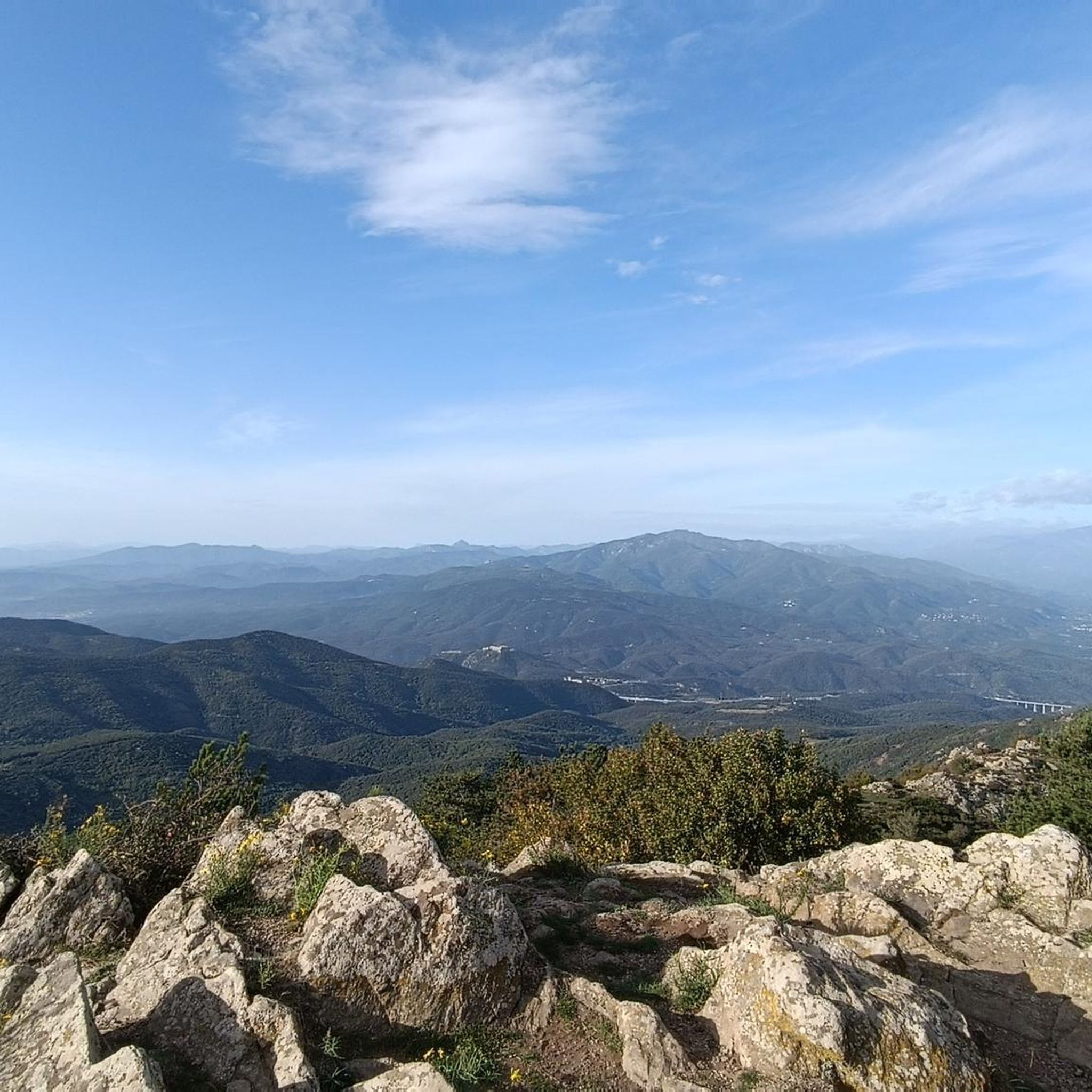
- The most popular attractions is Puig Neulós, a summit that offers an impressive panorama over Roussillon and Alt Empordà.…
Last updated: September 26, 2026
Puig Neulós
Highlight • Summit
If we refer to the toponymy, this 1,256 meter summit is often in the clouds. In fact “neulós” means covered in clouds in Catalan.
Translated by Google •
Tip by

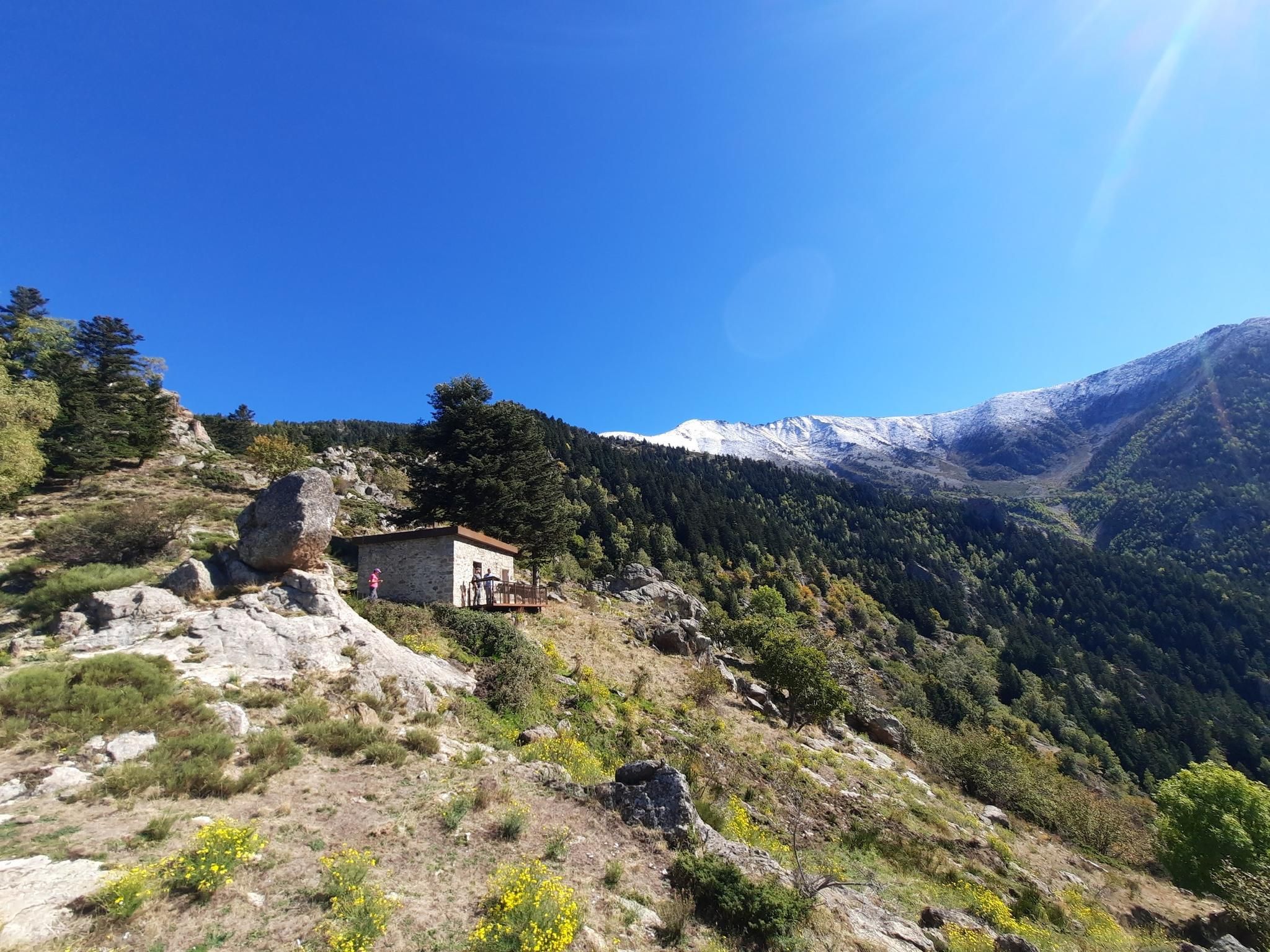
Chalet of the Albère
Highlight • Other
Its privileged location at the Col de l'Ouillat offers a breathtaking setting and panoramic view.
Translated by Google •
Tip by
Sign up now to discover places like this
Get recommendations on the best single tracks, peaks, & plenty of other exciting outdoor places.
Devil's bridge
Highlight • Bridge
Translated by Google •
Tip by

Ascent to Coll de Banyuls from Espolla
Highlight (Segment) • Mountain Pass
Translated by Google •
Tip by

Puig de Sant Cristau
Highlight • Summit
Translated by Google •
Tip by
Sign up for free to discover even more attractions around L'Albère.
Already have an account?
Start today with a free account
Your next adventure awaits.



Tips from the Community

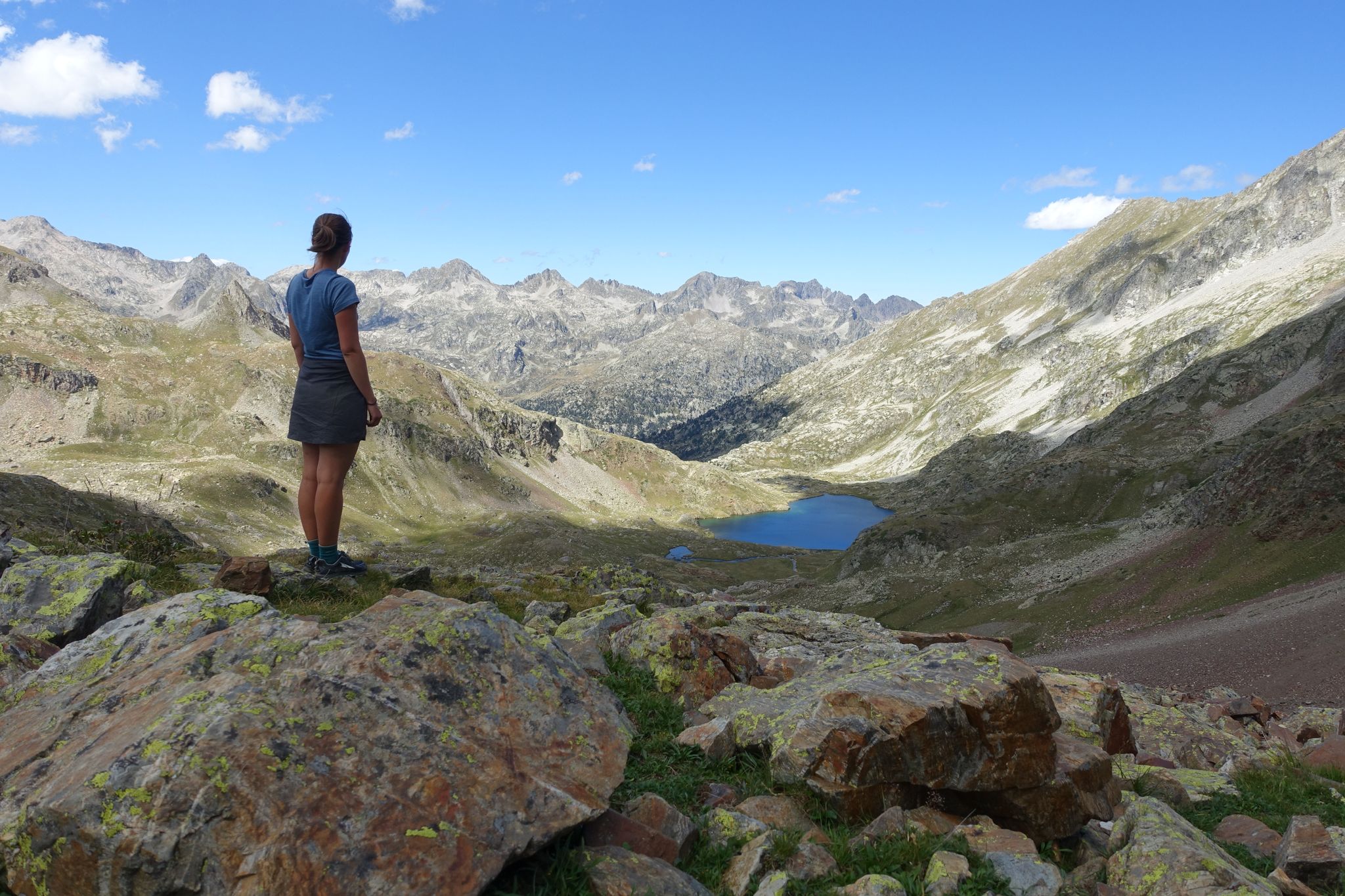
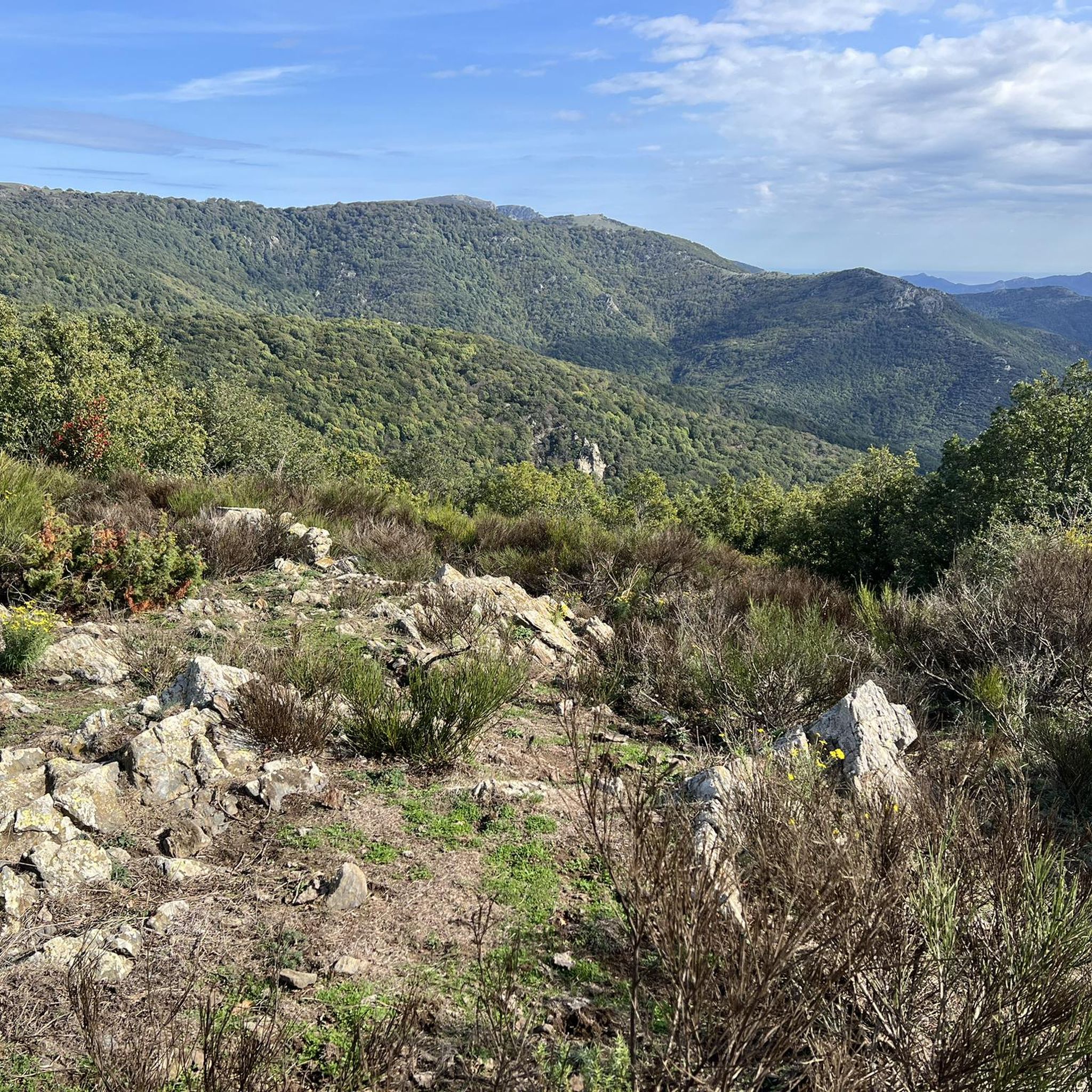
The Puig de Sant Cristau (Catalan; French: Pic de Saint-Christophe) lies at an altitude of 1,015 meters in the Albères massif at the eastern end of the Pyrenees. On the summit plateau stand the remains of a chapel dedicated to Saint Christopher, which now more closely resembles a small shelter.
0
0

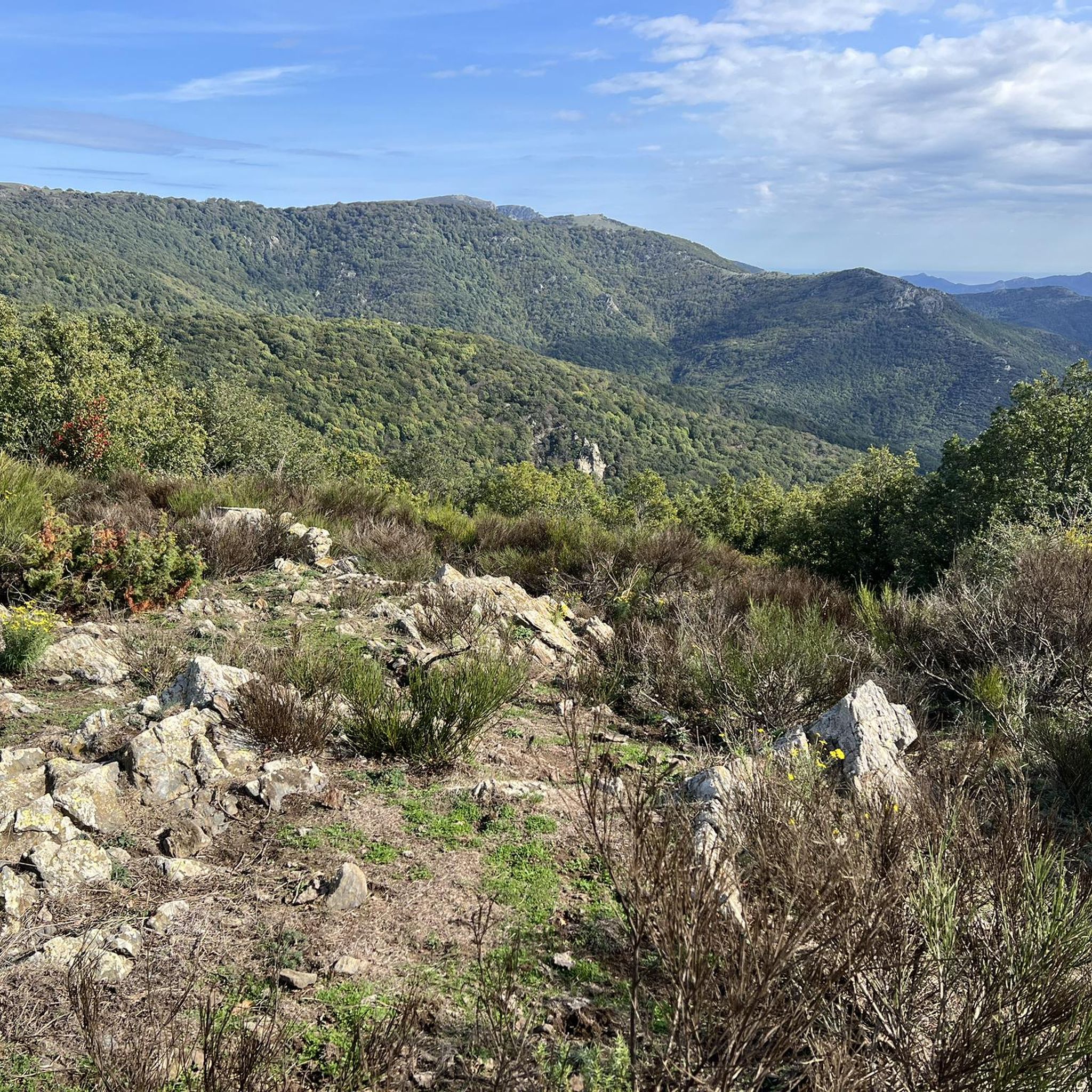
Beautiful route and a great view
0
0

It is possible to do it with a mountain bike or gravel bike starting either from Villeneuve or from Montesquieu or from Boulou
0
1

The Tech River rises in the Canigou massif in the Pyrénées-Orientales, France, at an altitude of around 2,500 metres. It runs for approximately 84 km through the Vallespir and Roussillon, passing through towns such as Prats-de-Mollo, Céret and Le Boulou, before flowing into the Mediterranean Sea near Argelès-sur-Mer. The Tech is a Mediterranean river, with irregular flows that depend on seasonal rainfall and snowmelt. It is essential for agricultural irrigation and the ecosystem of the region.
1
0
It spans the Tech River and has become a symbol of both the city and medieval engineering. It was built in the early 14th century, between 1321 and 1341, and is one of the finest examples of medieval architecture in the region. In its time, it was considered a masterpiece of engineering.
1
0
Pont du Diable, a single arch of 45 metres, standing out for its age and grandeur.
1
0
The refuge is surrounded by lush nature, with beech and oak forests, and is an excellent place to observe the local fauna and flora. It is also a strategic point for those who wish to explore the biodiversity and natural heritage of the Albera mountain range.
1
0
The refuge can be reached on foot from various points in the region, and is accessible via several hiking trails that cross the forests and hills of the Albera. It is a starting or resting point for those exploring the Puig Neulós or hiking through the Eastern Pyrenees.
1
0
Frequently Asked Questions
What natural features can I explore in and around L'Albère?
The region is rich in natural beauty, being part of the Albères massif where the Pyrenees meet the Mediterranean. You can explore the highest peak, Puig Neulós, offering impressive panoramic views. Another notable summit is Puig Saint-Christau Summit, known for its 'sensations of altitude' and 'sumptuous panoramas'. The Albères Massif itself provides diverse landscapes, from steep mountains to coastal views, and is home to a Forest Nature Reserve, a UNESCO World Heritage site, for experienced hikers.
Are there historical or cultural sites to visit in L'Albère?
Yes, L'Albère and its surroundings boast several historical and cultural sites. You can visit ancient religious landmarks like the Saint-Jean Church (known since 1089) and the Saint-Martin Church (mentioned as early as 844). The Balma de Na Cristiana Dolmen represents early human activity in the region, and the Monastery of the Hermits of Mary is also a point of interest.
What hiking opportunities are available in the Albères Massif?
The Albères Massif is a paradise for hikers. You can find numerous trails leading to summits like Puig Neulós and Puig Saint-Christau Summit, both offering rewarding experiences and stunning views. For more detailed routes, you can explore the Hiking around L'Albère guide, which includes trails like the Puig Sant Cristau Loop Trail and the Puig Neulós – Ullat Pass loop.
Where can I find panoramic views in the L'Albère region?
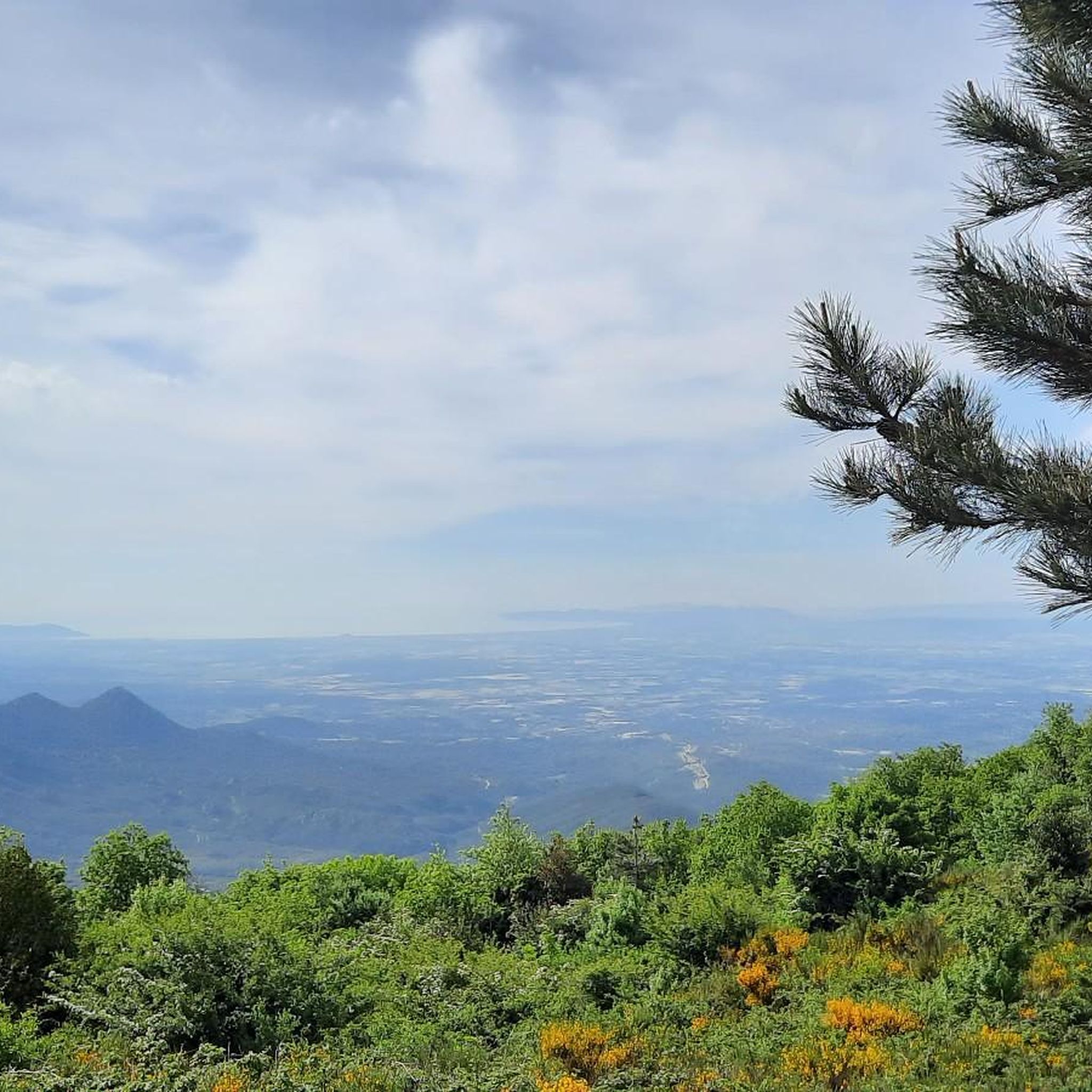
For breathtaking panoramic views, head to Puig Neulós, the highest peak in the Albères massif, offering vistas over Roussillon, Alt Empordà, Canigou, and the Mediterranean Sea. Puig Saint-Christau Summit also provides 'sumptuous panoramas' of the surrounding landscape. Additionally, the Chalet de l'Albère at Col de l'Ouillat offers a privileged location with a stunning setting and panoramic outlook.
Are there any unique historical landmarks beyond churches?
Beyond the ancient churches, you can discover unique historical landmarks such as the Devil's Bridge (Pont du Diable), a single-arch bridge spanning 45 meters across the Tech River, notable for its age and grandeur. In the wider Albères massif, you can also find historical signal towers like the Madeloc Tower and Massane Tower, offering glimpses into the region's past fortifications.
What kind of outdoor activities, besides hiking, can I do?
The L'Albère region is excellent for various outdoor activities. Besides hiking, you can find numerous cycling trails throughout the Albères Massif. For specific routes, check out the Road Cycling Routes around L'Albère guide, which features challenging climbs like 'The climb of Puig Neulós'. Running enthusiasts can also find suitable trails in the Running Trails around L'Albère guide.
Is there a place to eat or rest during a hike in the area?
Yes, the Chalet de l'Albère, located at the Col de l'Ouillat, serves as both a refuge and a restaurant. It's a popular stop for hikers, offering a place to rest and enjoy local, simple, and excellent food amidst a breathtaking setting and panoramic view. It's advisable to book ahead, and they typically accept cash or check.
What are some notable historical structures in the wider Albères region?
The broader Albères region is rich in history. Beyond L'Albère itself, you can find the Madeloc Tower and Massane Tower, which are historical defense sites. Other significant structures include the Solar Oven of Sorède, the Hermitage of Notre-Dame du Château, the Catalan Forge, the Romanesque Church of Saint-André, the Prieuré Santa Maria del Vilar, and the Abbey of Saint Genis des Fontaines.
Are there any significant natural reserves or protected areas nearby?
Yes, part of the Albères massif has been recognized as a UNESCO World Heritage site since 2021 due to a Forest Nature Reserve that has remained undisturbed for 150 years. Access to this specific area is generally reserved for experienced hikers due to its pristine and wild nature.
What are some interesting villages to visit in the broader Albères region?
The Albères region is dotted with picturesque villages, each offering unique charm and historical sites. Notable villages include Collioure, Céret, Laroque-des-Albères, Sorède, and Villelongue-dels-Monts. These villages often provide access to hiking trails and a rich cultural heritage, allowing visitors to explore the local life and history.
What is the Douglas DC-6 crash site and how can I visit it?
The Douglas DC-6 crash site (1986) is a poignant historical landmark. It marks the location where a French civil protection plane crashed on July 19, 1986, while attempting to put out a forest fire. The wreckage remains as a somber reminder of the tragedy and a tribute to the crew who lost their lives. It's located near the top of Puig de les Canals, and visitors should pay close attention to find it, as it can be easily missed.
What do visitors enjoy most about the attractions around L'Albère?
Visitors particularly appreciate the stunning panoramic views from summits like Puig Neulós and Puig Saint-Christau Summit. The sense of altitude and the diverse landscapes, from forested paths to more mineral terrain, are frequently highlighted. The historical significance of sites like the Devil's Bridge and the unique experience of places like the Chalet de l'Albère also receive high praise from the komoot community.
Most popular routes around L'Albère
Most popular attractions around L'Albère

Get inspired with the komoot mobile app


Explore more
Still not found the Highlight you’re looking for? See guides of the top attractions in other regions:
