The best cycling routes around Bouconville-Vauclair
4.4
(182)
1,643
riders
113
rides
Touring cycling routes around Bouconville-Vauclair traverse a landscape characterized by significant forested areas, such as the Forêt de Vauclair, and tranquil water features. The region includes serene locations like the Monks' Pond and the expansive Lake Ailette, providing scenic backdrops for rides. Gentle elevations offer varied terrain, contributing to a dynamic cycling experience.
Best touring cycling routes around Bouconville-Vauclair
- The most popular touring cycling route is View of Lake Ailette – Lake Ailette loop from Bouconville-Vauclair, a 11.5 miles…
Last updated: August 1, 2026
4.4
(29)
115
riders
18.5km
01:18
170m
170m
Moderate bike ride. Good fitness required. Mostly paved surfaces. Suitable for all skill levels.
4.5
(15)
82
riders
35.2km
02:20
240m
240m
Moderate bike ride. Good fitness required. Mostly paved surfaces. Suitable for all skill levels.

Sign up for free
5.0
(6)
51
riders
13.7km
00:53
120m
120m
Easy bike ride. Great for any fitness level. Mostly paved surfaces. Suitable for all skill levels.
5.0
(2)
20
riders
9.50km
00:39
60m
60m
Easy bike ride. Great for any fitness level. Mostly paved surfaces. Suitable for all skill levels.
5.0
(1)
4
riders
Moderate bike ride. Good fitness required. Mostly paved surfaces. Suitable for all skill levels.
Get access to more routes and recommendations from other explorers.
Sign up for free
Already have an account?
Our route recommendations are based on thousands of hikes, rides, and runs completed by other people on komoot.
Start today with a free account
Your next adventure awaits.
Login or Signup
Tips from the Community

Beautiful quiet place for a walk
0
0

This memorial stone, located on the Plateau de Californie above the old Craonne, commemorates the fierce fighting of April-May 1917 during the Nivelle Offensive. It stands on the spot where the French army suffered heavy losses in the battle against the German defenses. The stone also pays tribute to the destroyed village of Craonne, which was not rebuilt after the war. The site is closely linked to the famous “Chanson de Craonne”, the pacifist song of the French soldiers
6
0
The Plateau de Californie, situated above the ruined village of Craonne, was a strategic high point during the First World War. In April 1917, it became the scene of fierce fighting during the Nivelle Offensive. French troops suffered heavy losses here in their attempt to break through the German lines.
5
0
On the eastern edge of the Chemin des Dames plateau lies the Ferme d’Hurtebise, a place that played a crucial role during both the Napoleonic Wars and the First World War. In 1814, it was the scene of the Battle of Craonne, and exactly a century later it again became a strategic junction in the struggle between French and German troops. From September 1914 onwards, fierce fighting took place here. The farm overlooked the Ailette and Aisne valleys, making it a fiercely contested observation post. French units, including Zouaves and the 12th and 49th Infantry Regiments, tried to hold or retake the farm, often with heavy losses. The family that owned the farm sheltered in the cellar for days while the building was under fire. After months of fighting and bombardment, the farm was reduced to ruins, crisscrossed by trenches. Today the site is a symbol of resistance and sacrifice, and is part of the Chemin des Dames memorial landscape.
6
0


Ailette Lake is a haven of tranquility surrounded by greenery. Its calm and clear waters invite you to relax, whether for a stroll along the lake, a canoe trip or a picnic break. The preserved natural setting offers magnificent views of the surrounding wooded hills and the developed beaches.
1
1

Here we explain a lot about the war of attrition in the First World War. The whole area was very much fought over and there are many places where this is remembered.
1
0
Today there is a beautiful resting place at the foot of the vineyards.
8
0
Frequently Asked Questions
How many touring cycling routes are available around Bouconville-Vauclair?
There are over 100 touring cycling routes in the Bouconville-Vauclair area, offering a wide range of options for different skill levels and preferences. You'll find everything from easy excursions to more challenging rides.
What types of landscapes can I expect to see while touring cycling in Bouconville-Vauclair?
The region around Bouconville-Vauclair features diverse and picturesque landscapes. Cyclists can expect to traverse significant forested areas, such as the Forêt de Vauclair, and enjoy tranquil water features like the serene Monks' Pond and the expansive Lake Ailette. Gentle elevations also provide varied terrain and rewarding viewpoints.
Are there any easy touring cycling routes suitable for beginners or families?
Yes, Bouconville-Vauclair offers several easy touring cycling routes. For example, the Vauclair Abbey – Monks' Pond loop from Bouconville-Vauclair is a gentle 9.4 km path leading through historical sites and tranquil waters. Another easy option is the Lake Ailette – View of Lake Ailette loop from Chermizy-Ailles, which is about 13.7 km long.
What historical sites or attractions can I visit along the touring cycling routes?
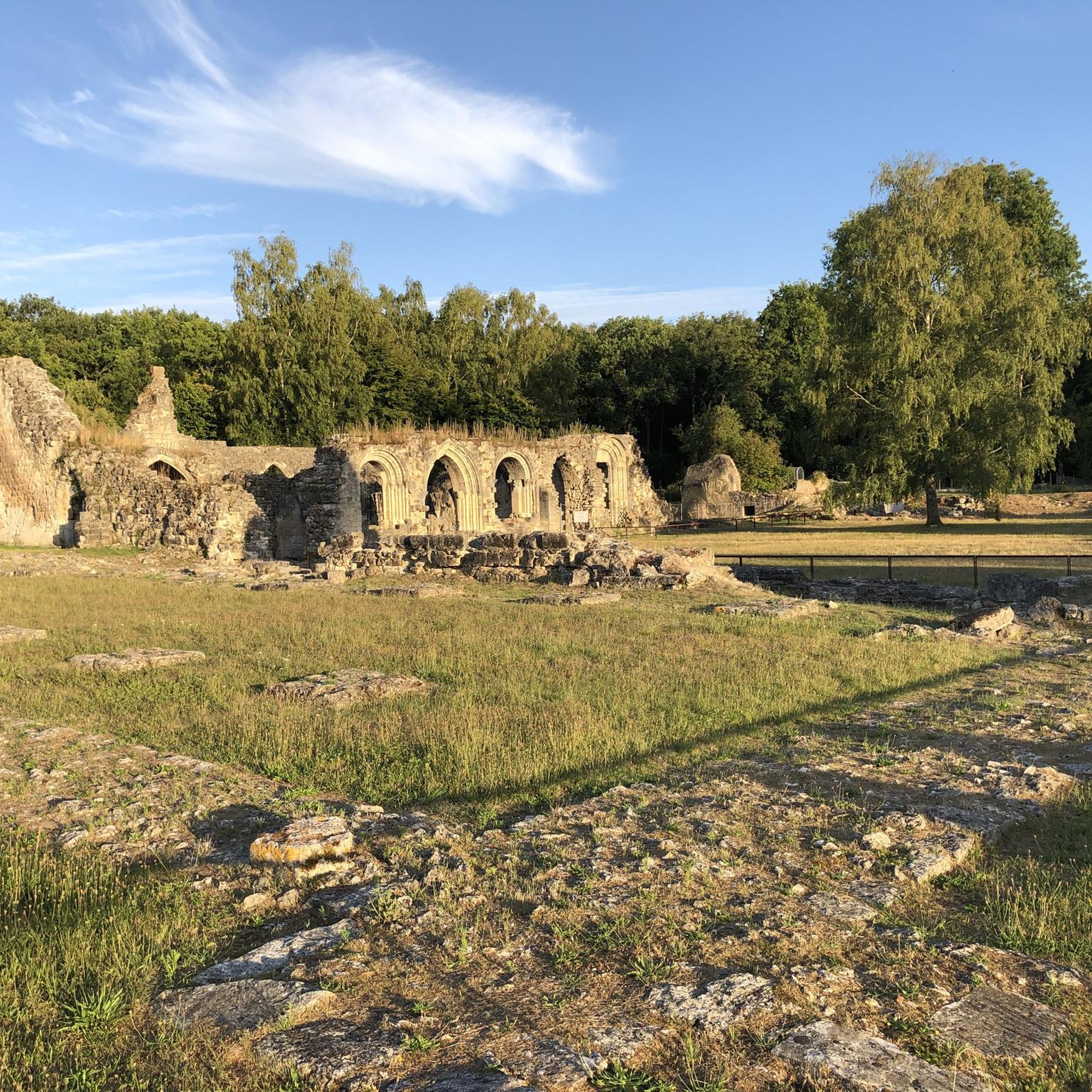
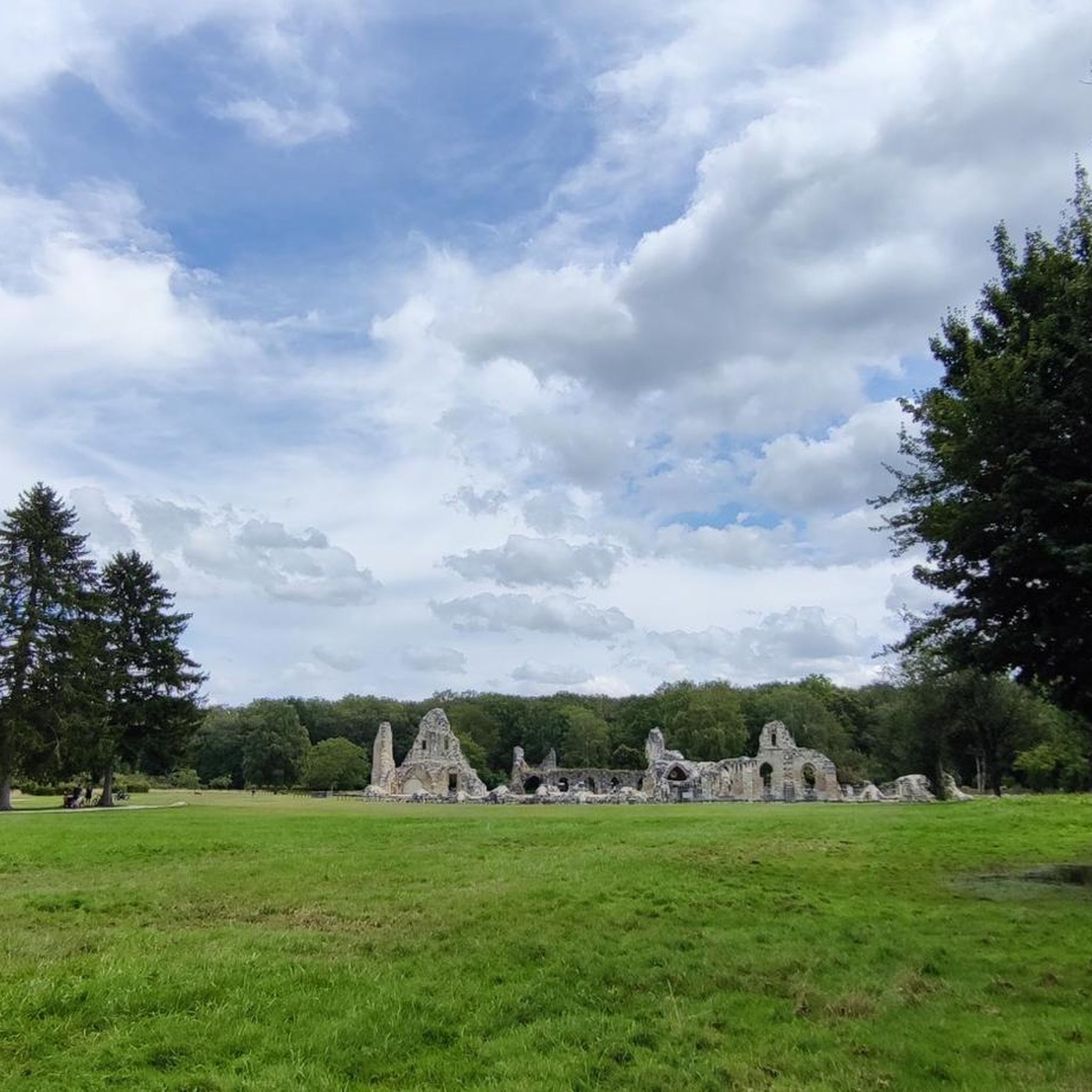
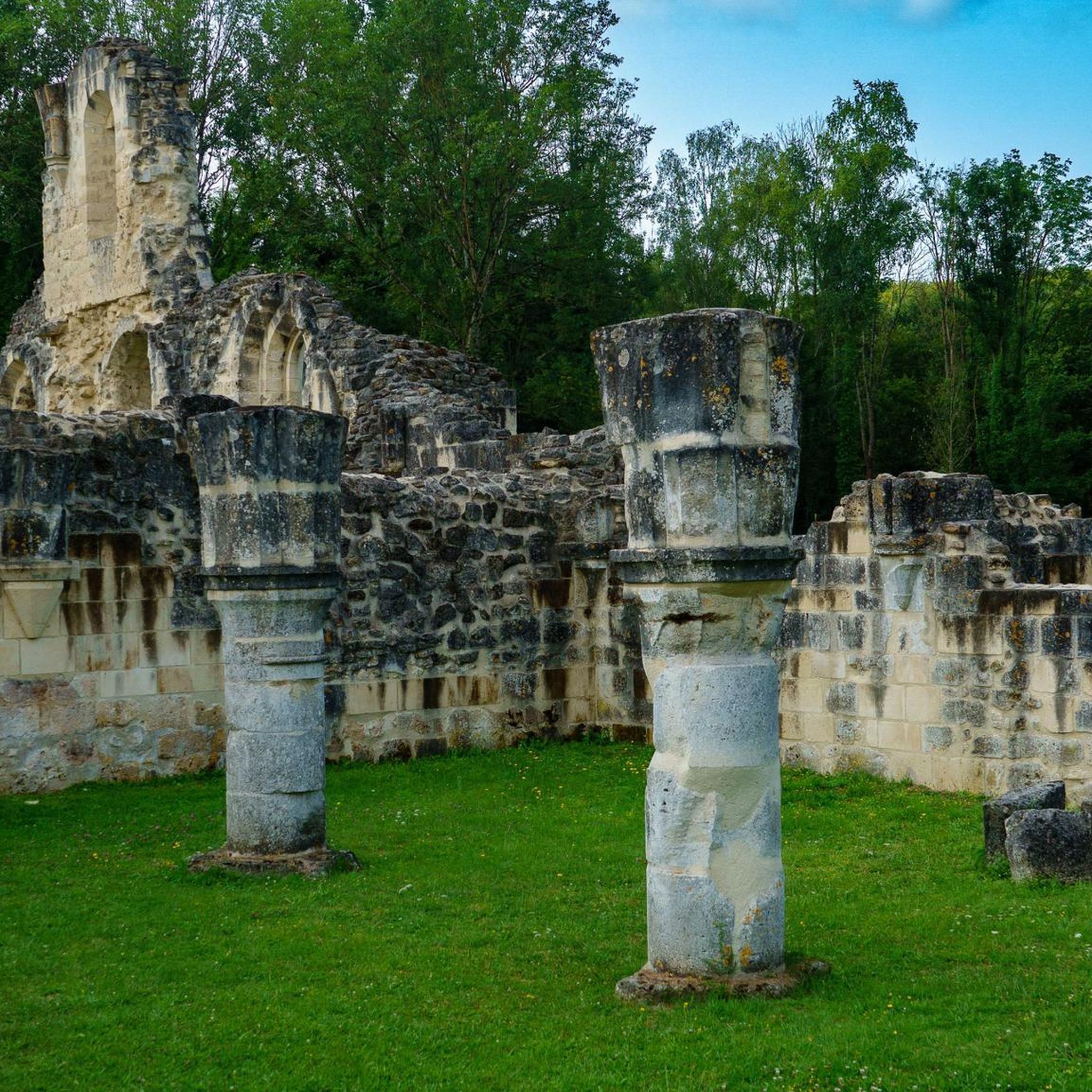
Many routes incorporate historical landmarks. You can explore the Vauclair Abbey Ruins, which are often featured on trails. Other notable sites include the Napoleon Statue in Craonne and the Ferme d'Hurtebise War Memorial, both offering a glimpse into the region's rich past.
Are there any circular touring cycling routes in the area?
Yes, many of the touring cycling routes around Bouconville-Vauclair are circular, making them convenient for day trips. Popular options include the View of Lake Ailette – Lake Ailette loop from Bouconville-Vauclair and the longer Lake Ailette – View of Lake Ailette loop from Bouconville-Vauclair, both offering extensive views of Lake Ailette.
What do other touring cyclists say about the routes in Bouconville-Vauclair?
The touring cycling routes in Bouconville-Vauclair are highly rated by the komoot community, with an average score of 4.4 stars from over 200 reviews. Reviewers often praise the scenic views, particularly around Lake Ailette, and the varied terrain that makes for an engaging cycling experience.
Are there any longer or more challenging touring cycling routes for experienced riders?
Yes, for those seeking a longer ride, the View of Lake Ailette – Lake Ailette loop from Aubigny-en-Laonnois is a moderate 41.5 km route with over 400 meters of elevation gain, providing a more extensive exploration of the region's varied terrain.
Can I find routes that focus on the Chemin des Dames area?
Yes, some cycling loops in the region explore areas connected to the Chemin des Dames, a historically significant ridge. These routes often combine natural beauty with cultural exploration, allowing you to cycle through landscapes with deep historical context.
What are the prominent natural features I'll encounter on these cycling routes?
You'll frequently encounter the dense Forêt de Vauclair, providing shaded sections, and the tranquil waters of the Monks' Pond and Lake Ailette. These natural elements create a serene and picturesque backdrop for your rides.
How many people have explored Bouconville-Vauclair's touring cycling routes using komoot?
Over 1,800 touring cyclists have used komoot to explore the varied terrain and scenic beauty of Bouconville-Vauclair, highlighting its popularity among the cycling community.
Are there routes that offer panoramic viewpoints?
Yes, the topography of the region includes elevated points that offer rewarding viewpoints. Many routes, especially those around Lake Ailette, provide opportunities to take in panoramic vistas of the surrounding countryside and water features.
Most popular routes around Bouconville-Vauclair
Most popular attractions around Bouconville-Vauclair

Get inspired with the komoot mobile app


Explore more
Browse the best Cycling routes in other regions.
