Attractions and Places To See around Blagny - Top 20
Attractions and places to see around Blagny are centered on its historical heritage and natural setting. The commune is situated in the Vingeanne River valley and near the Canal de Champagne-Bourgogne, offering natural landscapes. Notable landmarks include the 18th-century Château de Blagny-sur-Vingeanne, a 19th-century church, and various historical structures like a lavoir and presbytery. The area provides opportunities for exploring both historical sites and the surrounding natural environment.
Best attractions and places to see around Blagny
- The most popular attractions…
Last updated: August 4, 2026
View of the Abbey's castle
Highlight • Viewpoint
Translated by Google •
Tip by

Orval Abbey
Highlight • Religious Site
Translated by Google •
Tip by

Sign up now to discover places like this
Get recommendations on the best single tracks, peaks, & plenty of other exciting outdoor places.
Sign up for free
Chassepierre Village
Highlight • Settlement
Translated by Google •
Tip by

Breux Footbridge
Highlight • Bridge
Translated by Google •
Tip by
Abbatiale Notre-Dame de Mouzon
Highlight • Historical Site
Translated by Google •
Tip by

Sign up for free to discover even more attractions around Blagny.
Sign up for free
Already have an account?
Start today with a free account
Your next adventure awaits.
Login or Signup


Tips from the Community

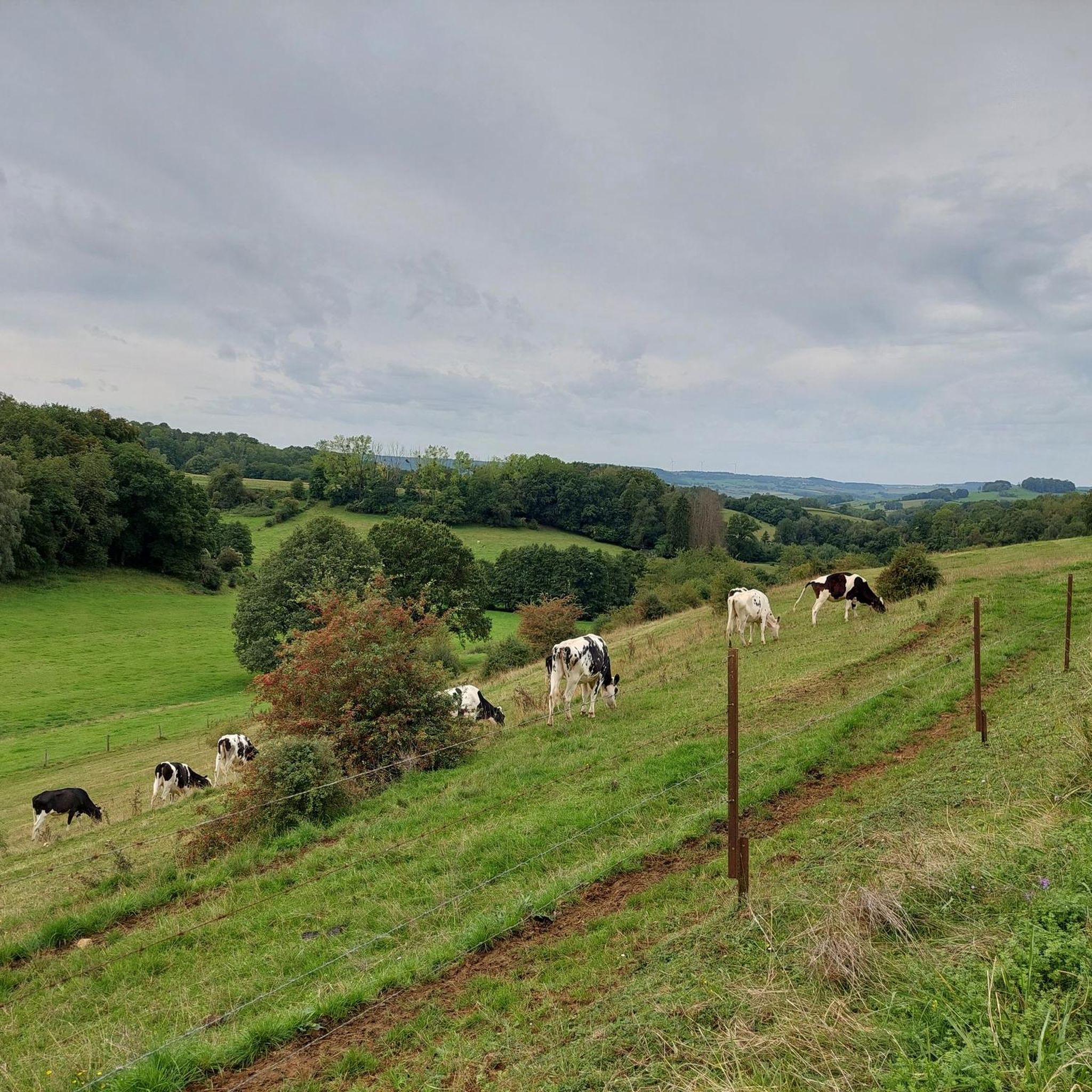
Known from the cultural festival, steep slope if you want. Good food / drink options.
0
0

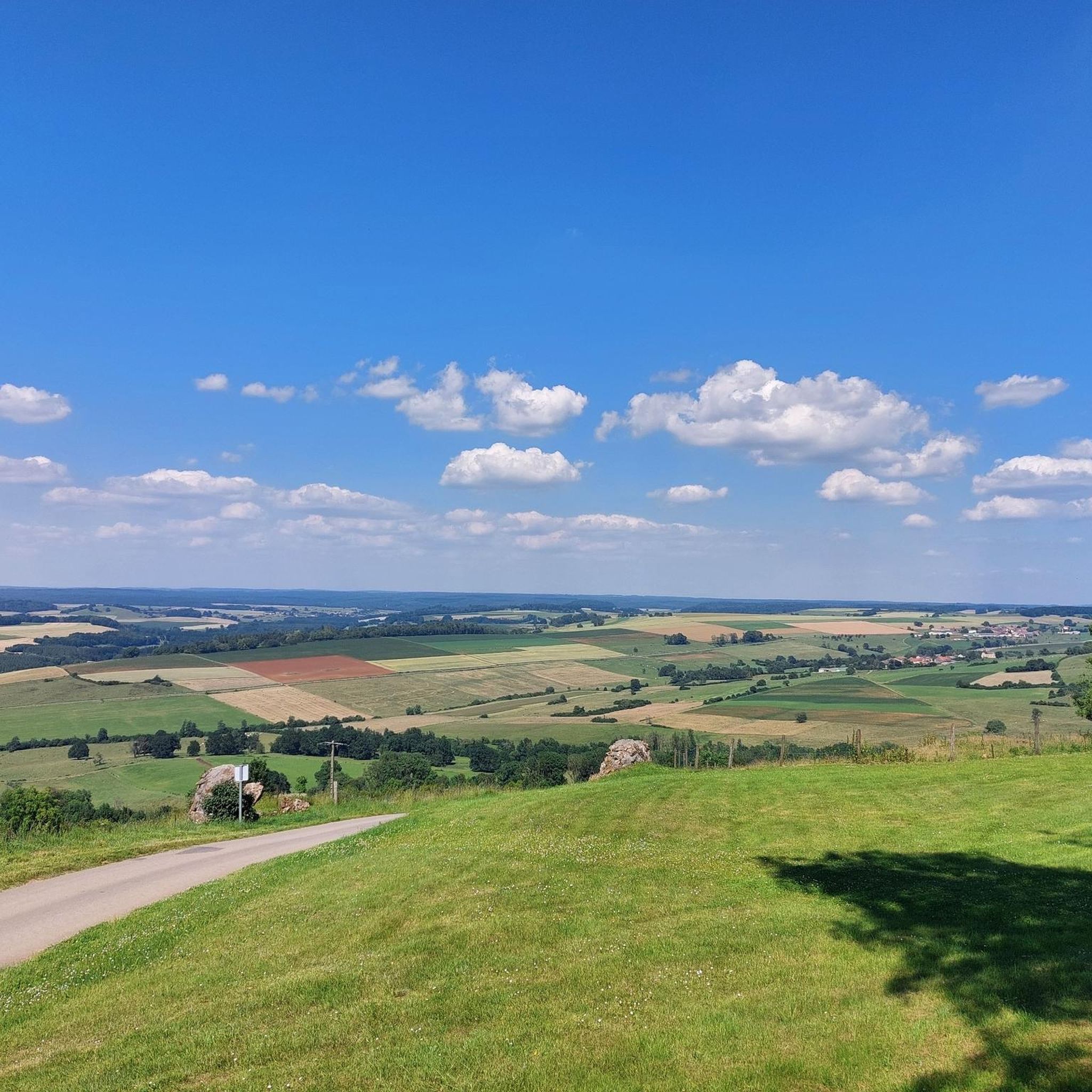
The current castle is very recent. It was built in 1960 at the request of the owners, the Otreppe de Bouvette family, based on plans by architect Emile Godin. The previous castle was severely damaged in both world wars and fell into disrepair.
10
0
Chassepierre is an artists' village situated on the Semois River. Chassepierre derives from the Latin casa petrea ("stone house"). It is one of the most beautiful villages in Wallonia.
12
0
Over a period of 22 years, from 1926 to 1948, a completely new abbey was built based on a design by architect Henri Vaes. This was primarily the work of Ghent native Albert-Marie Van der Cruyssen, who became the first abbot in 1936. On August 20, 1929, the foundation stone was laid in the presence of Prince Leopold and Cardinal Van Roey. The new abbey was completed in 1948. On June 5, 1939, the abbey church was consecrated and elevated to Basilica Minor by Pope Pius XII. On September 8, 1948, the abbey church and the completed cloister were solemnly consecrated by Cardinal Micara, who served as Apostolic Nuncio to Belgium from 1923 to 1946 and subsequently became Prefect of the Congregation for Rites. To finance the major construction projects, which by then had already cost tens of millions of Belgian francs, various fundraising activities were initiated. For example, special postage stamps with a surcharge were issued by the Belgian government. The cheese factory (1931) and the brewery (1932) were established to generate the necessary funds, and laypeople were employed from the outset. After the construction work was completed, these proceeds were used for social and charitable purposes. (Wikipedia)
12
0

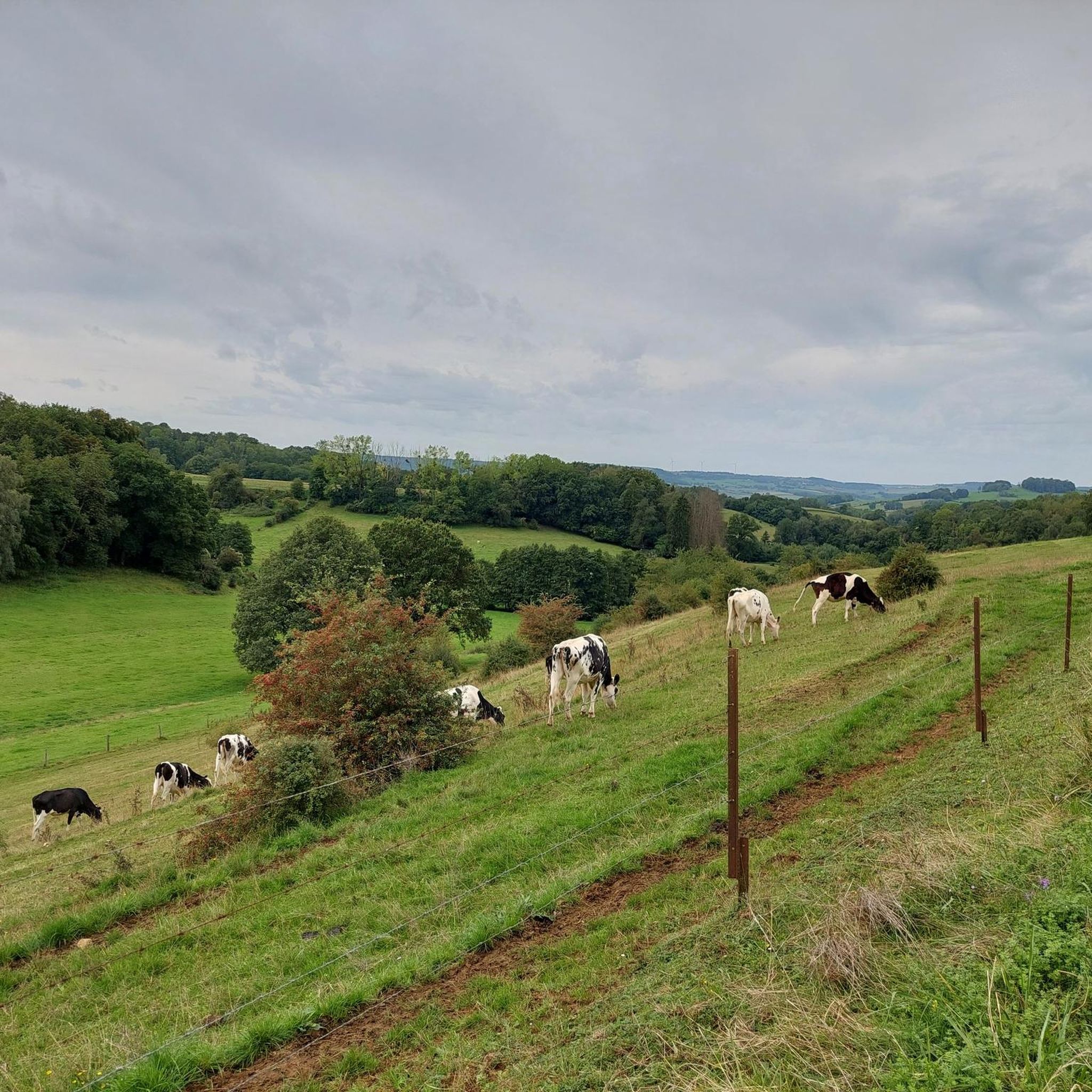
A visit to the abbey is worthwhile. You should allow yourself about an hour and a half. Not far away there is a brasserie where you can try the cheese and beer.
6
0
Orval Abbey is a monastery of the Trappist Order (Cistercians of the Strict Observance) located in the municipality of Florenville in southern Belgium, near the French border. The name derives from the Basque ar(an) and French val (both meaning valley). The folk etymological interpretation of the French or (as golden valley) gave rise to a legend according to which a Countess Matilda (in some versions Matilda of Tuscany) lost her golden ring in the valley, which was then returned to her by a fish. She founded the monastery in gratitude. The Matilda Fountain can be visited in the ruins of the old monastery. (Wikipedia) Orval is a Trappist beer that has been brewed since 1932 in the Cistercian Abbey of Notre-Dame d'Orval in the Belgian province of Luxembourg. The bottle label and beer mat depict a trout with a golden ring in its mouth, illustrating the legend of the abbey's founding.
5
0
It's worth taking a short stop to try the abbey beer.
5
0
Had a small celebration on the streets that day.
4
2
Frequently Asked Questions
What historical sites can I explore around Blagny?
The region is rich in history. You can visit the 18th-century Château de Blagny-sur-Vingeanne, recognized as a historical monument, or explore the 19th-century church, lavoir, and presbytery within the village. Further afield, the Orval Abbey offers a deep dive into religious history and culture, known for its Trappist beer and the legend of Countess Mathilde.
Are there any natural attractions or scenic viewpoints near Blagny?
Yes, Blagny is situated in the picturesque valley of the Vingeanne River, offering opportunities for forest walks. The nearby Canal de Champagne-Bourgogne also provides scenic views. For a specific highlight, consider visiting the View of the Abbey's castle, which offers a unique perspective of the privately owned Château d’Orval reflected in a pond.
What are some family-friendly activities in the Blagny area?
Many attractions are suitable for families. The Orval Abbey is a great option, combining history with a chance to learn about its famous beer. The charming Chassepierre Village, known as an artists' village on the Semois River, is also family-friendly and recognized as one of Wallonia's most beautiful villages.
Where can I find easy walks or hiking trails around Blagny?
The Vingeanne River valley offers natural settings for walks. For specific routes, you can explore the 'Hiking around Blagny' guide. An easy option listed there is the Château de Lombut loop from Euilly-et-Lombut, which is about 7 km long.
Are there cycling routes available near Blagny's attractions?
Absolutely! The region offers various cycling opportunities. You can find several routes in the 'Cycling around Blagny' guide, such as the Beautiful road – France–Belgium Border Crossing loop from Carignan, which is an easy 21.5 km ride. For road cycling, the Chassepierre Village – Breux Footbridge loop from Carignan is a moderate 40 km option.
What is the Breux Footbridge and why is it significant?
The Breux Footbridge, located in Chassepierre, has a fascinating history. Originally built in 1902, it was destroyed in 1940 to impede the German army. After years of being known as the 'broken bridge,' the current footbridge was constructed in 2013 on the pillars of the old structure, symbolizing a blend of past and present.
Can I visit any religious buildings with historical importance?
Beyond the 19th-century church in Blagny-sur-Vingeanne, the Abbatiale Notre-Dame de Mouzon is a significant site. This former abbey church, built in the 12th and 13th centuries, showcases early Gothic style and houses relics that attracted many pilgrims in the Middle Ages.
What do visitors particularly enjoy about the attractions around Blagny?
Visitors appreciate the blend of historical depth and natural beauty. For instance, the Orval Abbey is loved for its legendary history, cultural significance, and the unique experience of its Trappist beer. The scenic beauty of places like Chassepierre Village, nestled by the Semois River, is also highly praised.
Are there any unique villages to explore in the vicinity?
Yes, Chassepierre Village stands out as an 'artists' village' and is officially recognized as one of the most beautiful villages in Wallonia. Its charming old houses and idyllic setting by the Semois River make it a delightful place to visit.
What kind of historical monuments can be found in Blagny-sur-Vingeanne itself?
In Blagny-sur-Vingeanne, you can discover the elegant 18th-century Château de Blagny-sur-Vingeanne, whose facades, roofs, and gates are protected as historical monuments. The village also features a 19th-century church, a traditional lavoir (public wash house), a presbytery, and several pigeonniers (dovecoats), all contributing to its historical landscape.
What are the opportunities for outdoor activities along the Vingeanne River and Canal de Champagne-Bourgogne?
The Vingeanne River valley offers pleasant forest walks, allowing you to immerse yourself in the natural environment. The Canal de Champagne-Bourgogne, which runs near the village, provides a scenic backdrop for leisurely strolls or cycling along its banks, making it ideal for relaxed outdoor recreation.

Get inspired with the komoot mobile app


Explore more
Still not found the Highlight you’re looking for? See guides of the top attractions in other regions:
