The best gravel rides around Blagny
3.8
(4)
34
riders
4
rides
Gravel biking around Blagny offers routes through a landscape characterized by rolling vineyards, dense forests, and charming villages in the Côte de Beaune region of Burgundy, France. The terrain features a mix of marl, limestone scree, and clay-limestone soils, often stony and pebbly, providing varied surfaces for gravel cyclists. Situated at altitudes of 340 to 400 meters, the area provides views over the surrounding wine country. The Bois de Blagny forest and numerous vineyard paths contribute to a diverse network…
Last updated: October 5, 2026
3.0
(2)
14
riders
Hard gravel ride. Very good fitness required. Mostly paved surfaces. Suitable for all skill levels.
7
riders
Hard gravel ride. Very good fitness required. Mostly paved surfaces. Suitable for all skill levels.

1
riders
Moderate gravel ride. Good fitness required. Mostly paved surfaces. Suitable for all skill levels.
3
riders
34.3km
02:34
600m
600m
Hard gravel ride. Very good fitness required. Mostly paved surfaces. Suitable for all skill levels.
3
riders
101km
07:08
1,160m
1,160m
Hard gravel ride. Very good fitness required. Mostly paved surfaces. Suitable for all skill levels.
Our route recommendations are based on thousands of hikes, rides, and runs completed by other people on komoot.
Start today with a free account
Your next adventure awaits.

Tips from the Community

The bridge in the hamlet of Laiche (municipality of Florenville) spans the river Semois. The current bridge dates from 1960. Next to it is a picnic area. Hikes start here, including to the estate of Les Epioux.
6
0
In Chassepierre, a church is mentioned as early as 1097. Its privileged location underscores the importance of its function. The elevated cemetery appears to have been extended towards the village. The road along the river Semois was diverted, making the construction of the current building possible. The tower dates from 1702, as evidenced by the anchors, which are affixed above the coat of arms of the Austrian Loewenstein family, which was damaged during the French Revolution. The spherical roof, crowned by a double spire ending in a pear-shaped finial below the wind vane cross, adorns the summit and the landscape, crowning the church with its slate splendor. The bells are not located in the tower, but lower down. The awkwardly placed bell testifies to the building's many functions: a place of spiritual life, but also a landmark in space and time. While the village boasts its golden stones, the new whitewash applied during the recent restoration of the church recalls the once widespread (and sensible) practices of protecting stonework with porous stones. (Maison des Plus Beaux Villages de Wallonie)
6
0
At the top of the village stands a small neoclassical building that served as a washhouse. Three semi-circular limestone arches, connected by mouldings, form the structure of the plastered facade. Built in the second half of the 19th century, it offers a glimpse into past community life. The covered washhouse, fed by a spring higher up the hill, allowed the village women to wash their laundry in all seasons. Inside, the tub has wide, sloping edges for beating the laundry. (Maison des Plus Beaux Villages de Wallonie)
7
0

Known from the cultural festival, steep slope if you want. Good food / drink options.
0
0

À l’Ange Gardien is a surprising place; as part of the world-famous Orval site, it undoubtedly contributes to the region's tourism development. The fully renovated and modernized building meets all modern needs and requirements (proximity to parking, accessibility for people with disabilities, Wi-Fi, etc.). Here, you can enjoy the widest selection of Orval products. Both the beer and cheese are at their finest. L’Ange Gardien also exclusively serves Orval on tap, better known as the Green Orval. (À l’Ange Gardien)
9
0
The current castle is very recent. It was built in 1960 at the request of the owners, the Otreppe de Bouvette family, based on plans by architect Emile Godin. The previous castle was severely damaged in both world wars and fell into disrepair.
10
0
The "Conques" viaduct is located 1 km from the village center of Herbeumont. Construction of the viaduct began in 1902 by the Chagnaud and Cox companies. The viaduct was the first completed structure for railway line 163a. It took two years to build and is said to have used 9 million bricks. The brick construction of graceful, high arches, the central one reaching almost 40 meters above the Semois, is truly impressive. Although construction was completed in 1904, it would be another 10 years before the first trains (under German occupation) rolled over the viaduct! (Trails and hikes)
13
0
Frequently Asked Questions
How many gravel bike trails are available around Blagny?
There are 9 gravel bike trails available around Blagny. These routes offer a diverse experience through vineyards, forests, and charming villages in the Côte de Beaune region.
What is the general difficulty level of gravel biking in Blagny?
The gravel bike trails around Blagny primarily cater to more experienced riders, with 7 routes classified as difficult and 2 as moderate. You'll encounter varied terrain including rolling hills and forest tracks.
What kind of terrain can I expect on gravel bike trails in Blagny?
The terrain around Blagny is characterized by a mix of rolling vineyards, dense forests, and charming villages. You'll ride on surfaces ranging from marl and limestone scree to clay-limestone soils, often stony and pebbly, providing a dynamic environment for gravel cycling.
What do other gravel bikers say about the trails in Blagny?
The gravel biking routes in Blagny are highly rated by the komoot community, with an average score of 3.9 stars from 5 reviews. Over 40 gravel bikers have used komoot to explore the varied terrain, often praising the scenic vineyards and challenging ascents.
Are there any circular gravel bike routes in Blagny?
Yes, many of the gravel routes around Blagny are designed as loops, allowing you to start and finish in the same location. For example, consider the moderate Chassepierre Village – Stone Bridge Over the Semois loop from Fontenoille, which covers 34.3 km.
What landmarks or attractions can I see along the gravel bike trails in Blagny?
Several routes offer views of significant landmarks. You can see the View of the Abbey's castle, visit the historic Orval Abbey, or pass through charming places like Chassepierre Village. The region's winemaking heritage means you'll also encounter numerous vineyards and picturesque villages.
What is the best time of year for gravel biking in Blagny?
The best time for gravel biking in Blagny is typically during spring and autumn. These seasons offer pleasant temperatures and stunning views of the vineyards, either in bloom or displaying their vibrant fall colors. Summer can also be good, but be prepared for warmer weather, especially on exposed vineyard sections.
Are there options for parking near the gravel bike trails in Blagny?
While specific parking areas for each trail are not always designated, you can generally find parking in the charming villages that serve as starting points for many routes, such as Meursault or Puligny-Montrachet. Always check local signage for parking regulations.
How can I reach the Blagny area using public transport for cycling?
Reaching Blagny directly by public transport for cycling can be challenging as it's a small hamlet. However, you can take trains to larger nearby towns in the Côte de Beaune region, such as Beaune, and then cycle to Blagny. From Beaune, you can access the Voie des Vignes, which connects to many villages in the area.
Are there any scenic viewpoints on the gravel bike routes?
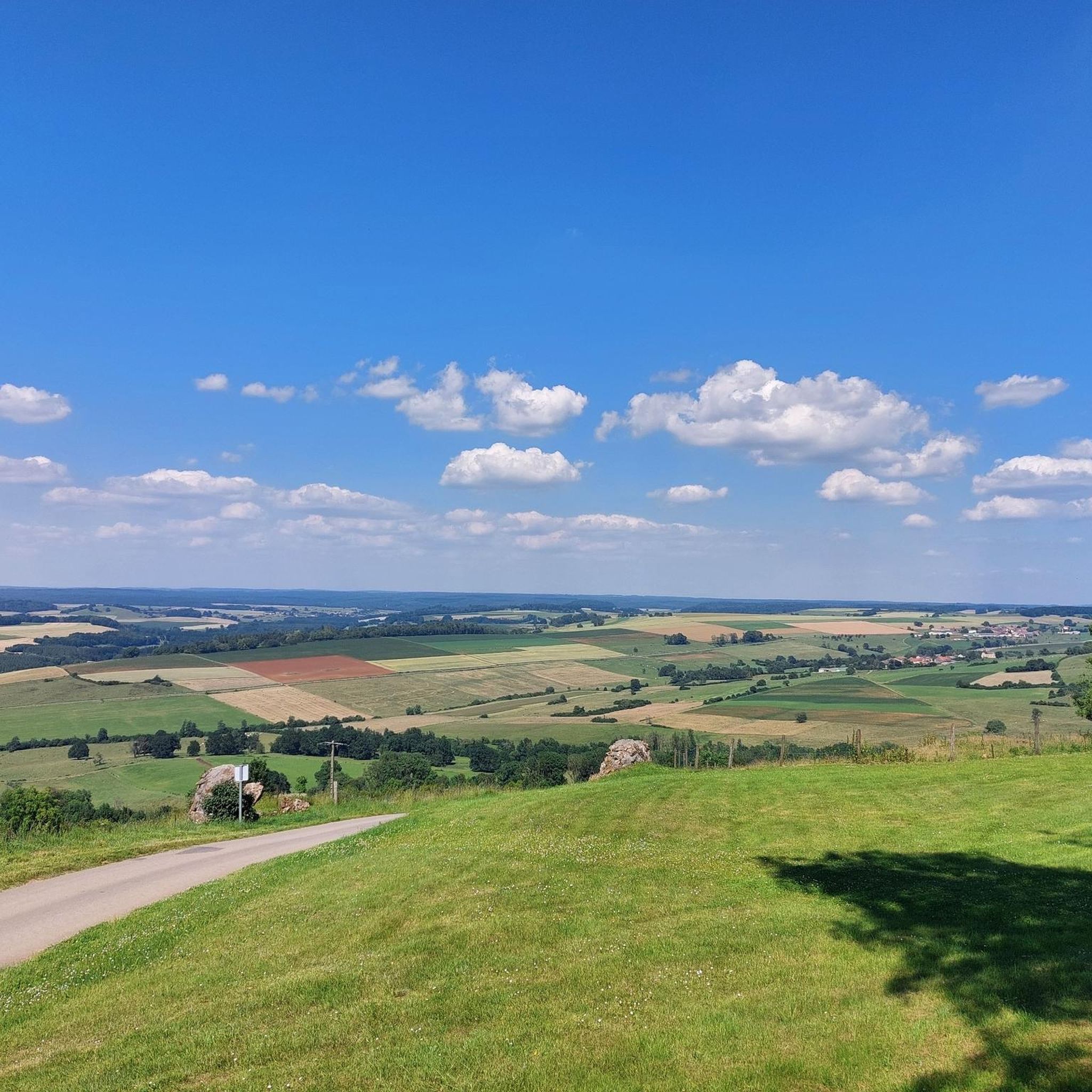
Yes, Blagny's elevated position (340 to 400 meters) above Meursault and Puligny-Montrachet offers some of the finest views of the Côte de Beaune. Many routes wind through hillsides, providing panoramic vistas of the expansive vineyards and surrounding countryside.
Where can I find places to eat or stay near the gravel trails in Blagny?
The charming villages surrounding Blagny, such as Meursault and Puligny-Montrachet, offer various options for dining and accommodation. You'll find local restaurants, cafes, and guesthouses that cater to visitors exploring the region's renowned winemaking heritage.
Are there any challenging gravel trails for experienced riders?
Absolutely. The Blagny area is well-suited for experienced gravel bikers, with 7 out of 9 routes classified as difficult. A challenging option is the Saint Walfroy Hermitage – Auflance Village loop from Tremblois-lès-Carignan, covering 51.9 km with significant elevation changes.
Most popular attractions around Blagny

Get inspired with the komoot mobile app


Explore more
Browse the best Gravel rides in other regions.
