Attractions and Places To See around Guillemont - Top 20
Best attractions and places to see around Guillemont are primarily centered on its profound historical significance related to World War I. This rural commune in the Somme department of Hauts-de-France is a poignant destination for remembrance tourism. The landscape, once a scene of devastation, has largely recovered into agricultural land, offering a quiet, reflective environment within the Picardy countryside.
Best attractions and places to see around Guillemont
- The most popular attractions is Canal de la Somme Cycle Path, a…
Last updated: July 21, 2026
Lochnagar Crater
Highlight • Monument
Translated by Google •
Tip by

Thiepval Memorial
Highlight • Viewpoint
Translated by Google •
Tip by
Sign up now to discover places like this
Get recommendations on the best single tracks, peaks, & plenty of other exciting outdoor places.
Sign up for free
Vaux Viewpoint
Highlight • Other
Translated by Google •
Tip by

Canal de la Somme Cycle Path
Highlight • Cycleway
Translated by Google •
Tip by

Frise Viewpoint
Highlight • Viewpoint
Translated by Google •
Tip by

Sign up for free to discover even more attractions around Guillemont.
Sign up for free
Already have an account?
Start today with a free account
Your next adventure awaits.
Login or Signup



Tips from the Community

Officially part of the Historial de la Grande Guerre, the Thiepval Museum is located near the impressive Thiepval Memorial and offers an in-depth look at the Battle of the Somme of 1916. Opened in 2016 to mark the centenary of this bloody battle, the museum comprises seven thematic areas, each highlighting a different aspect of the war. One of the highlights is the 60-metre-long panoramic comic strip by artist Joe Sacco, which vividly depicts the events of 1 July 1916. Visitors will gain insight not only into the military strategies, but also into the human suffering and the culture of remembrance surrounding the missing of the Somme.
5
0
The Cratère de Lochnagar, an impressive war memorial, was created by a huge mine blown up by the British Royal Engineers on 1 July 1916, as part of the Battle of the Somme. The explosion marked the beginning of the battle and left a crater 90 metres in diameter and 25 metres deep. Interestingly, the crater was named after Lochnagar Street, the trench from which the tunnel was dug. The crater is now a preserved site of remembrance and a religious service is held there every year on 1 July in memory of those who died.
8
0
An interesting anecdote is that the monument was inaugurated in 1932 by the Prince of Wales and the French President Albert Lebrun. The monument consists of a series of arches supported by sixteen massive square pillars, on which the names of the missing soldiers are engraved. At the foot of the monument is a Franco-British military cemetery with 600 graves: 300 French and 300 British soldiers.
6
0
The Parc Mémorial de Thiepval is an impressive war memorial that commemorates the 72,337 missing British and South African soldiers who died during the Battle of the Somme in World War I. Designed by Sir Edwin Lutyens, the memorial is considered one of the greatest British monumental works of the twentieth century. The park also includes a visitor centre, opened in 2004, and the Jardins de la Paix, where visitors can reflect and enjoy the serene surroundings. Every year on 1 July, remembrance ceremonies are held to honour the victims of the Battle of the Somme.
8
0


Just off the road to Bapaume, is the site of the grand mine. At 7am on the 1st July 1916 the biggest explosion in history cause this hole o e of several that marked the start of the Battle of the Somme. Well worth a visit.
0
0

Very moving place of memory. Never forget 💮.
1
0

The Frize mountain belvedere reveals a striking view of the meanders of the Somme, in a peaceful setting that contrasts with its past marked by the battles of the First World War. Traces of this history are still visible in the trenches and shell impacts. Mentioned by Blaise Cendrars, this land rich in history today offers visitors an exceptional panorama of a landscape of marshes and ponds.
2
0
Frequently Asked Questions
What historical sites related to World War I can I visit around Guillemont?
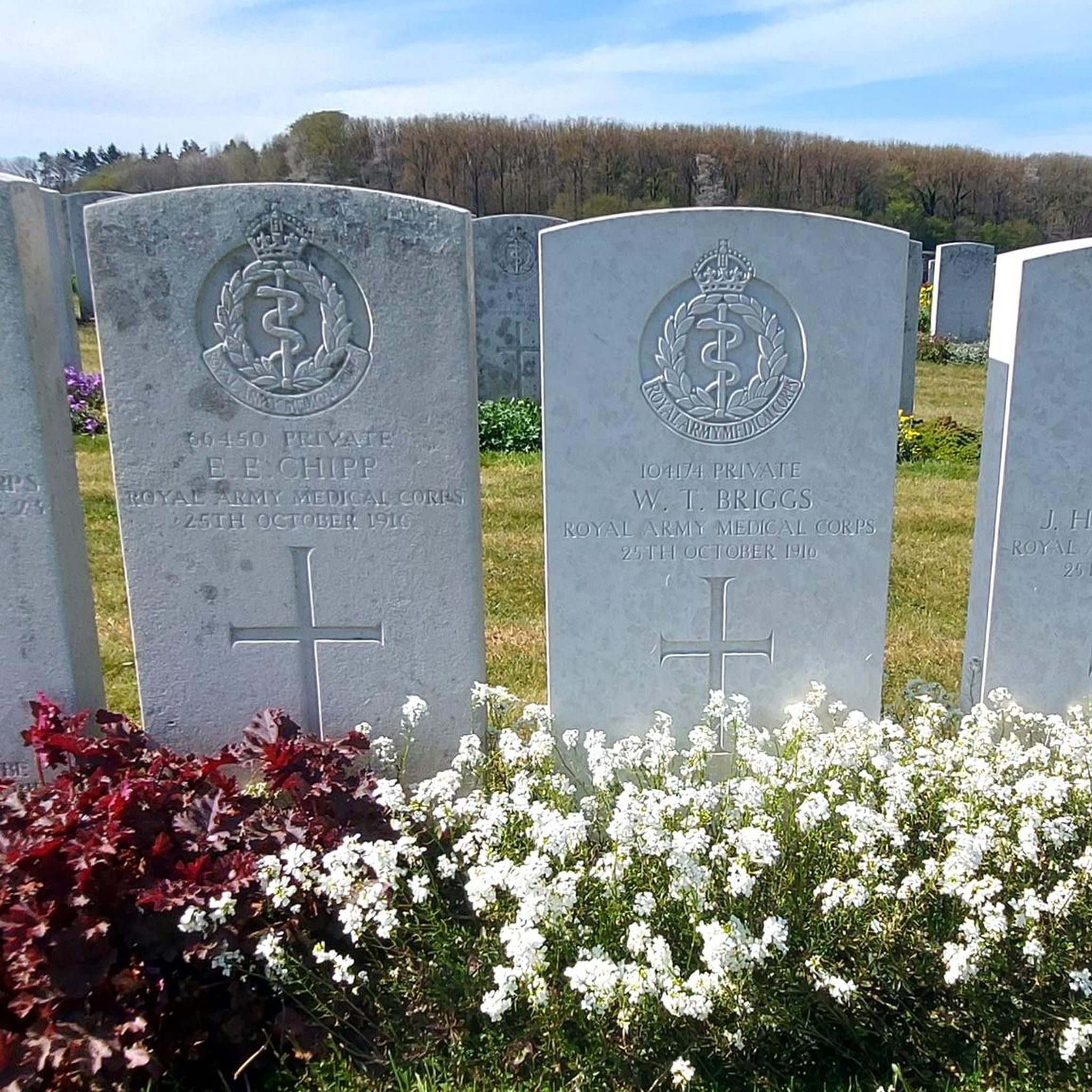
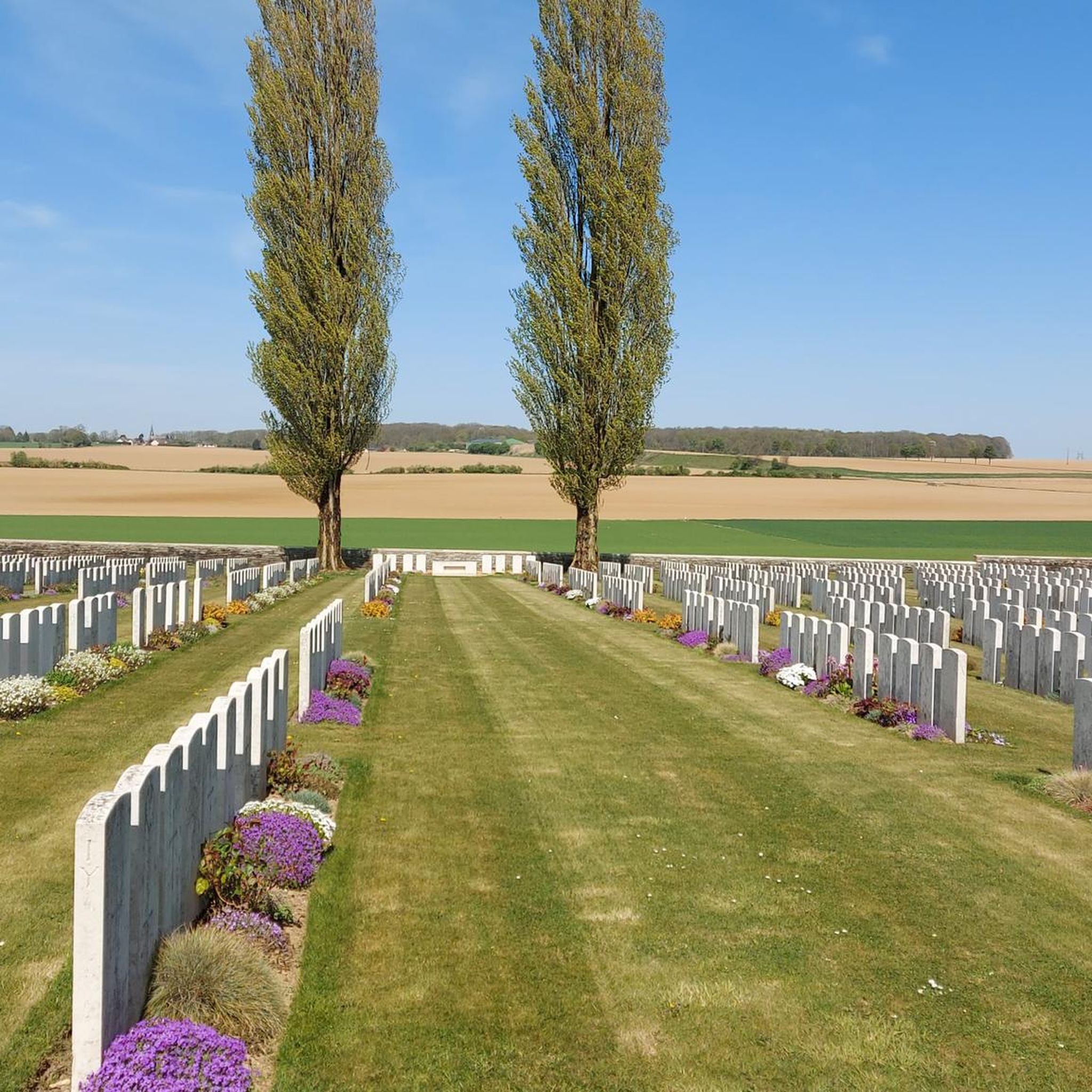
Guillemont is deeply rooted in World War I history. You can visit the poignant Guillemont Road Cemetery, a Commonwealth War Graves site. Nearby, the Lochnagar Crater, the largest man-made WWI mine crater, offers a powerful reminder of the Battle of the Somme. The Thiepval Memorial, commemorating missing British and South African soldiers, is also a significant site in the area.
Where can I learn more about the Battle of the Somme near Guillemont?
To delve deeper into the Battle of the Somme, the Thiepval Memorial includes a visitor centre and museum that provides an in-depth look at the 1916 battle. Additionally, the Somme 1916 Museum in Albert (approximately 13 km away) offers further historical context.
Are there scenic viewpoints to enjoy the landscape around Guillemont?
Yes, the area offers several beautiful viewpoints. The Vaux Viewpoint provides an exceptional panorama of the upper Somme valley, with its ponds, marshes, and river meanders. Another excellent spot is the Frise Viewpoint, which reveals a striking view of the Somme's meanders in a peaceful setting that still shows traces of its wartime past.
What natural features characterize the area around Guillemont?
The immediate area around Guillemont is primarily rural agricultural land, having recovered from the devastation of World War I. However, the wider Somme department features the Somme River, which creates a landscape of ponds, marshes, and meanders, particularly visible from viewpoints like Vaux and Frise. The Canal de la Somme Cycle Path runs alongside this river, offering a close-up view of these natural elements.
What cycling opportunities are available near Guillemont?
You can enjoy cycling along the Canal de la Somme Cycle Path, which offers a comfortable macadam surface along the river. For more extensive cycling adventures, explore the various routes detailed in the Cycling around Guillemont guide, which includes routes like the 'Banks of the Somme – Canal du Nord loop'.
Are there walking or running trails around Guillemont?
Yes, the rural landscape around Guillemont is suitable for walking and running. You can find various routes, including those that trace historical battlefields. For specific trails, refer to the Running Trails around Guillemont guide, which lists options like the 'Long run along the Somme – Bridge loop from Feuillères' and 'Frise Lock – Trail des anguillères loop'.
Are there family-friendly attractions around Guillemont?
Many of the historical sites, such as the Lochnagar Crater and Thiepval Memorial, are accessible and can be visited by families. The Canal de la Somme Cycle Path is also suitable for family bike rides, offering a flat and comfortable surface.
What do visitors enjoy most about the attractions around Guillemont?
Visitors particularly appreciate the profound historical significance of the World War I sites, finding them deeply moving and educational. The serene and reflective environment, combined with the scenic views from places like Vaux Viewpoint and Frise Viewpoint, also receives high praise. The well-maintained Canal de la Somme Cycle Path is popular for outdoor activities.
What is the best time to visit Guillemont and the Somme battlefields?
The spring and autumn months generally offer pleasant weather for exploring the outdoor historical sites and trails. Summers can be warm, while winters can be cold and damp. Visiting outside of peak season might also provide a more reflective experience at the memorials.
Are there opportunities for mountain biking near Guillemont?
Yes, there are mountain biking trails in the broader area. You can find routes such as the 'Freeride downhill mountain biking – Belvedere of Vaux/Somme loop' in the MTB Trails around Guillemont guide, offering diverse terrain for mountain biking enthusiasts.
What towns are nearby for additional amenities or attractions?
Nearby towns include Péronne (12 km away) and Albert (13 km away), both offering additional historical sites and amenities like restaurants and accommodation. Further afield, Arras (30 km) and Amiens (33 km) provide more extensive cultural and architectural attractions, including impressive cathedrals and historical fortifications.
Most popular attractions around Guillemont

Get inspired with the komoot mobile app


Explore more
Still not found the Highlight you’re looking for? See guides of the top attractions in other regions:
