Attractions and Places To See around Arronches - Top 14
Best attractions and places to see around Arronches include a rich tapestry of historical sites and natural landscapes in the Alentejo region of Portugal. This area is characterized by its borderland history, featuring ancient fortifications and significant cultural landmarks. Visitors can explore a variety of sites that reflect the region's past and its connection to the surrounding environment. The municipality of Arronches offers a blend of historical exploration and opportunities to appreciate the local scenery.
Best attractions and places to…
Last updated: October 5, 2026
Capela dos Ossos de Campo Maior
Highlight • Religious Site
Translated by Google •
Tip by

Castle of Campo Maior
Highlight • Castle
Showing Translation
Tip by

Sign up now to discover places like this
Get recommendations on the best single tracks, peaks, & plenty of other exciting outdoor places.
Fortification of Campo Maior
Highlight • Historical Site
Showing Translation
Tip by
Bridge over the Caia River
Highlight • Bridge
Translated by Google •
Tip by

Jardim do Fosso
Highlight • Rest Area
Translated by Google •
Tip by
Sign up for free to discover even more attractions around Arronches.
Already have an account?
Start today with a free account
Your next adventure awaits.

Tips from the Community

Despite its centuries-old origins, most buildings in the historic center date from after the 18th century. An explosion in the fortress's gunpowder magazine in 1732 destroyed about two-thirds of the old medieval village.
16
0
The castle, which is thought to have been founded by the Moors, played an important role in the defense of the national territory, given its strategic location near the border.
17
0

The Jardim do Fosso in Arronches is the beating heart of the social and cultural life of the municipality. It is a much-loved, carefully maintained public space, which has received recent improvements such as new street lighting and a fountain. The garden is a focal point for significant annual events, including the festivities of St. John and the Alto Alentejo Dog Show, making it a welcoming and dynamic place for residents and visitors.
0
0

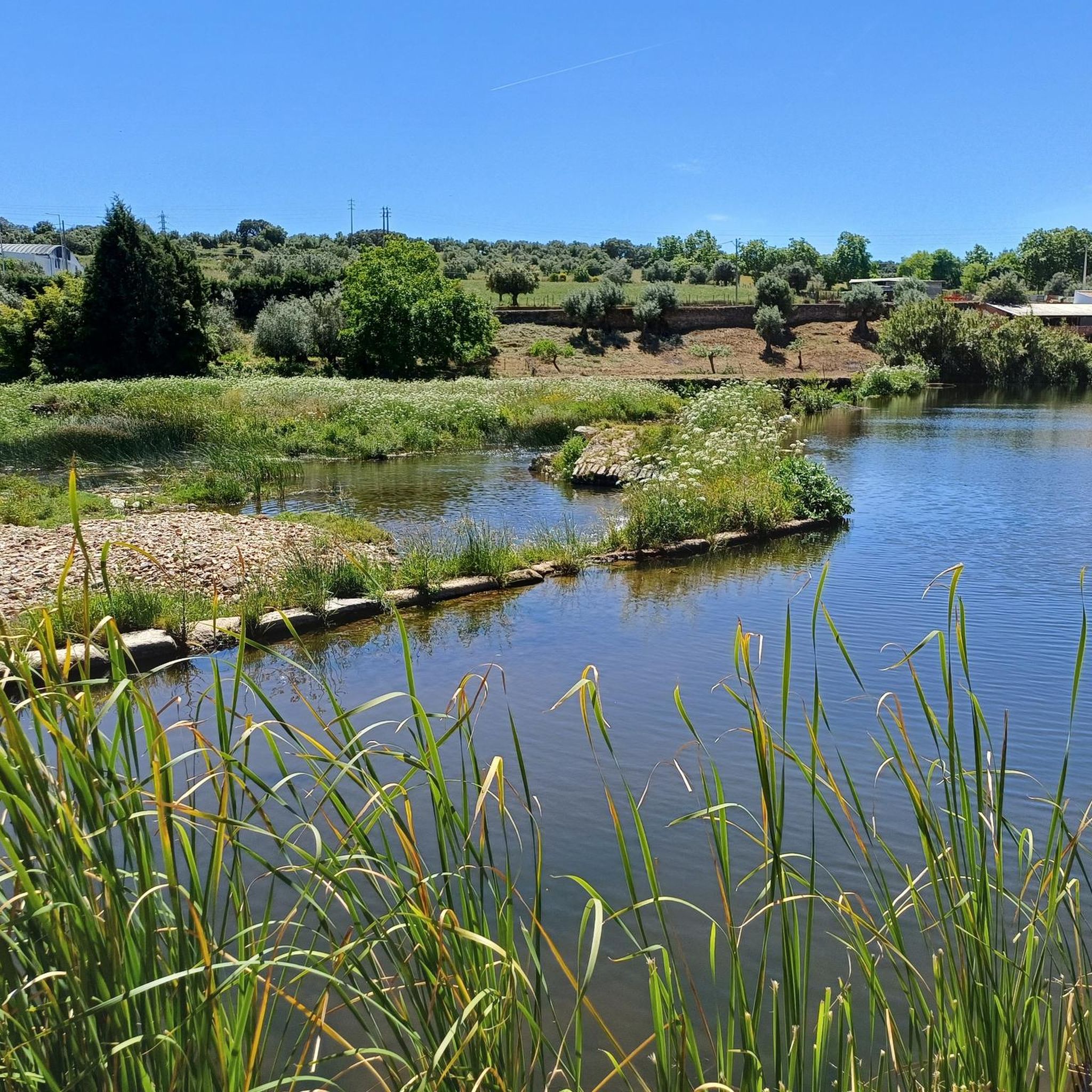
Beautiful bridge, on the side, below the road, swallows have built their nests, in the evenings they fly and hunt insects.
1
0

Bridge over the Caia river in Arronches.
1
0

Nice terrace for coffee and something tasty or a simple lunch. The only terrace in the town
3
0

Since the Jardim do Fosso is one of the most coveted spaces for citizens and visitors to the Municipality, it is imperative that it is presented in the best conditions to receive them, so that the Municipality, in addition to the daily maintenance already carried out in the green spaces of the community, has done some work to add even more vibrancy to this place. Having already replaced the public lighting in this garden, the Arronches City Council installed a new water source that gives a new look to the space that hosts annual events such as the São João Balls or the Alto Alentejo Dog Show.
2
0
The Castle of Campo Maior is a medieval military fortress located in the civil parish of São João Bapista, municipality of Campo Maior, part of a first line of defense in the Portuguese Alentejo, facing Spain, associated with the military fortresses of Ouguela, Elvas, Olivença and Juromenha.
10
0
Frequently Asked Questions
What historical sites can I visit around Arronches?
Arronches and its surroundings are rich in history. You can explore the medieval military fortress of the Castle of Campo Maior, which was a key defense point facing Spain. Another significant historical site is the Capela dos Ossos de Campo Maior, known for its unique funerary art and connection to a historical explosion. Don't miss the small but well-preserved Ouguela Castle, offering a glimpse into the region's borderland past.
What is the significance of the Capela dos Ossos de Campo Maior?
The Capela dos Ossos de Campo Maior is an important example of Christian funerary art in Portugal. It is historically linked to a devastating castle warehouse explosion in 1766 that destroyed half the village. While popular legend suggests the bones are from the explosion victims, archaeological findings indicate they likely came from the Mother Church's graveyard during its post-explosion redesign.
Are there any scenic natural spots to visit near Arronches?
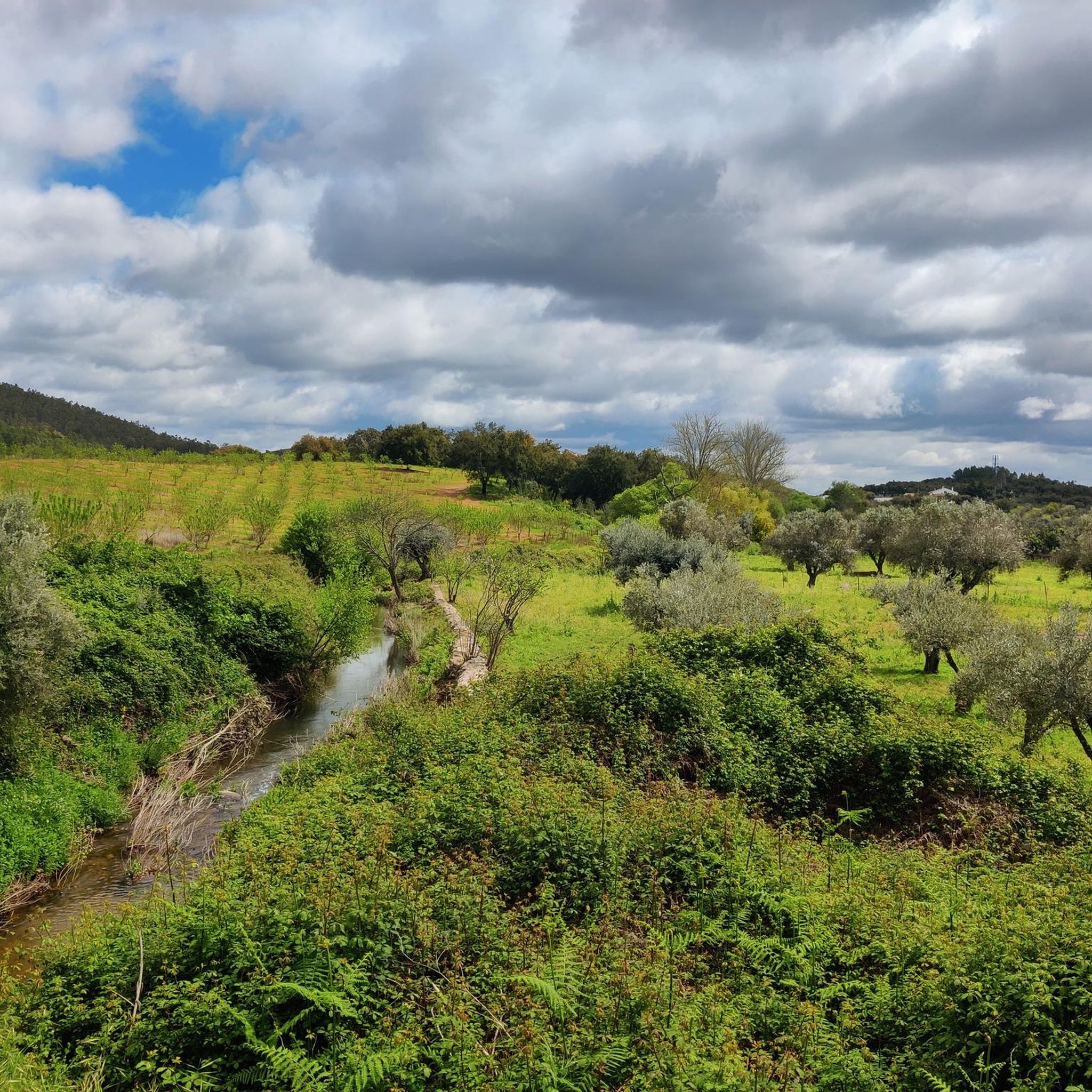
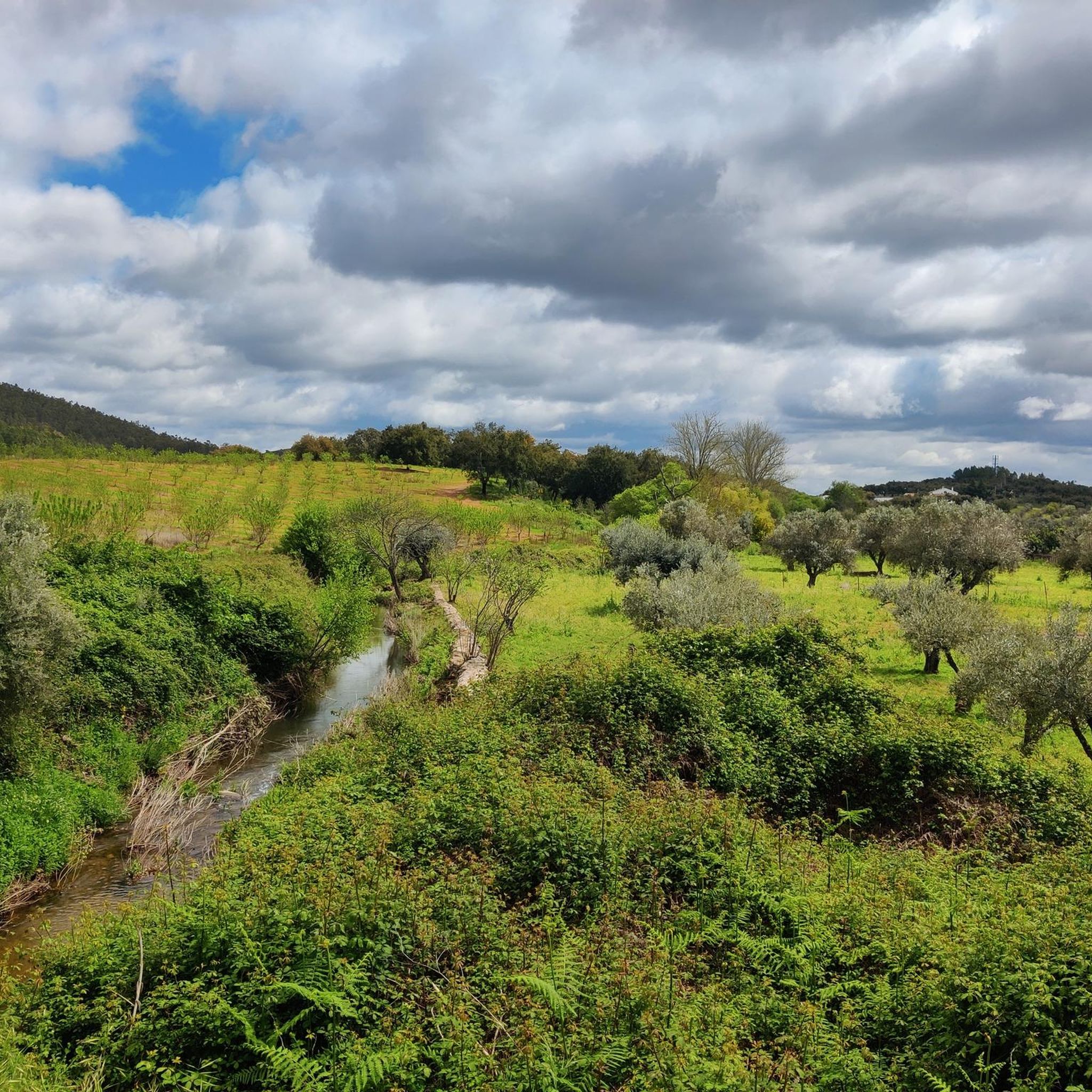
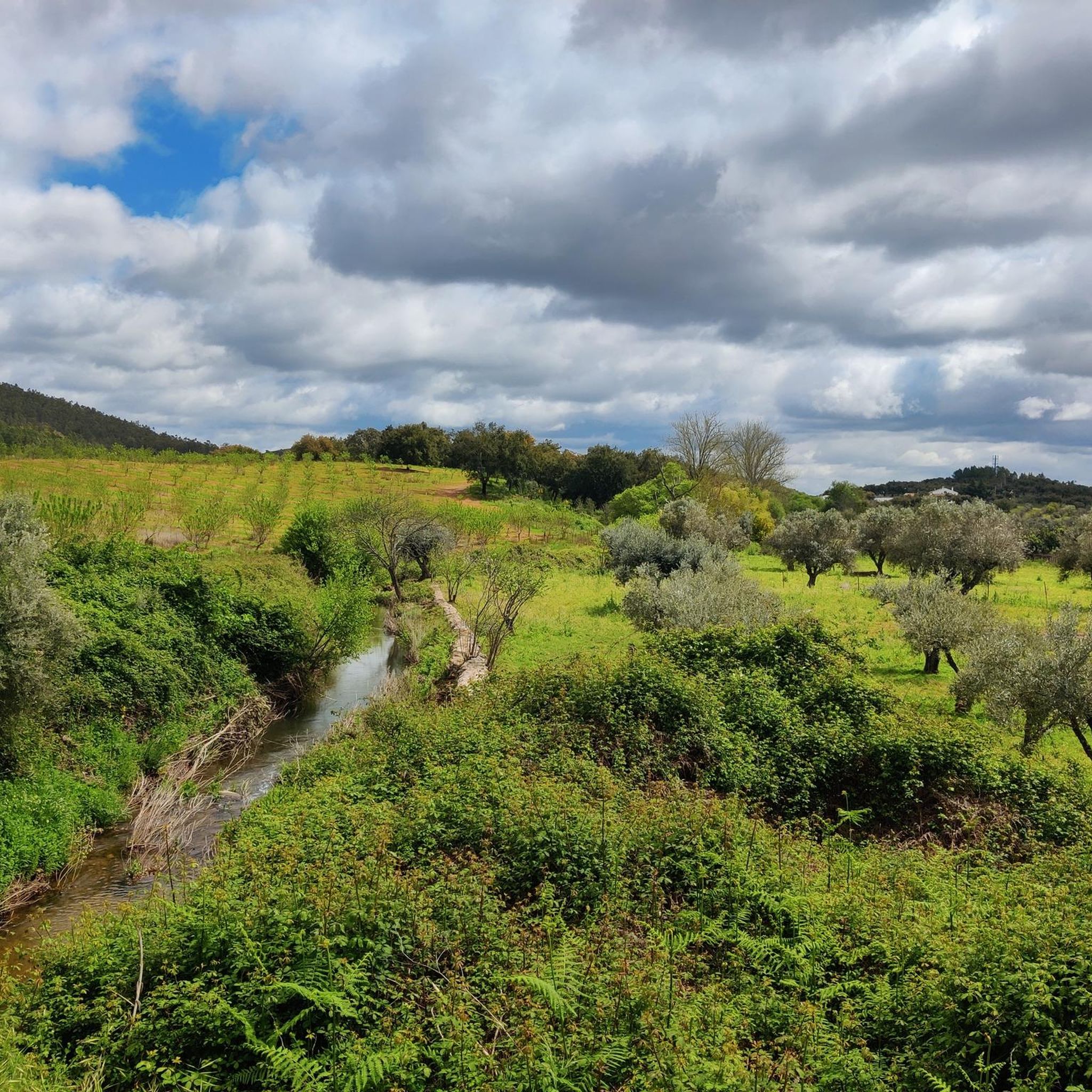
Yes, the area offers beautiful natural features. The Bridge over the Caia River in Arronches is a notable spot, not just for its structure but also for the swallows that nest beneath it, especially visible in the evenings. The wider Alentejo region provides a serene landscape of rolling hills and cork oak forests, perfect for appreciating nature.
Where can I observe local wildlife around Arronches?
For a unique wildlife observation, visit the Bridge over the Caia River in Arronches. In the evenings, you can watch swallows flying and hunting insects as they return to their nests built beneath the bridge. The rural landscape surrounding Arronches also offers opportunities for birdwatching and spotting other local fauna.
What family-friendly attractions are available in Arronches?
Families can enjoy the Jardim do Fosso in Arronches, a well-maintained public garden with a new fountain and lighting, ideal for relaxation and play. The Bridge over the Caia River is also considered family-friendly, offering a pleasant spot to observe swallows.
What kind of hiking trails are available near Arronches?
The area around Arronches offers a variety of hiking trails. You can find moderate routes like the Our Lady of Lapa Trail (PR1), which is about 10.7 km, or the Defenses of Campo Maior Trail, around 7.7 km. For an easier option, consider the Caia Conservation Area loop from Campo Maior, which is about 7 km. You can find more details and routes on the Hiking around Arronches guide.
Can I go cycling around Arronches?
Absolutely! Arronches is a great starting point for cycling. There are several road cycling routes, such as the Arronches, Alegrete and Esperança Loop (around 61.5 km, moderate difficulty) or more challenging options like the Marvão Castle – Marvão Castle loop from Arronches (around 130 km). Mountain biking trails are also available, including the Castle of Campo Maior – Valdebotoa Bridge loop from Campo Maior (around 68.6 km). Explore more routes on the Road Cycling Routes around Arronches guide and MTB Trails around Arronches guide.
Are there any easy walking routes suitable for beginners near Arronches?
Yes, for beginners or those seeking a relaxed walk, the Caia Conservation Area loop from Campo Maior is an easy 7 km route. Many of the local trails offer gentle terrain, allowing you to enjoy the Alentejo landscape without strenuous effort. Check the Hiking around Arronches guide for more options with varying difficulties.
What is the best time of year to visit Arronches attractions?
The best time to visit Arronches and its attractions is generally during the spring (April to June) and autumn (September to October). During these months, the weather is pleasant, with comfortable temperatures ideal for exploring historical sites and enjoying outdoor activities. Summers can be very hot, while winters are mild but can be rainy.
What do visitors particularly enjoy about the attractions in Arronches?
Visitors appreciate the blend of history and natural beauty. The unique aesthetic of the Capela dos Ossos de Campo Maior and the well-preserved medieval architecture of the Castle of Campo Maior are frequently highlighted. The serene atmosphere of the Jardim do Fosso and the charming wildlife observation at the Bridge over the Caia River also receive positive feedback.
Are there any lesser-known or 'hidden gem' attractions worth exploring?
While not widely publicized, the Ouguela Castle is a small, well-conserved border castle that offers a simple yet authentic historical experience. Its recent interventions have made it an excellent option for those who enjoy walking through preserved historic areas. The Jardim do Fosso, while central to Arronches, is a local gem for relaxation and community events.
Is public transport available to reach attractions around Arronches?
Public transport options to reach attractions directly outside of Arronches are generally limited. It is often recommended to have a car for greater flexibility when exploring the various historical sites and natural spots in the wider region. Within Arronches itself, attractions like the Jardim do Fosso are easily accessible on foot.

Get inspired with the komoot mobile app


Explore more
Still not found the Highlight you’re looking for? See guides of the top attractions in other regions:
