Attractions and Places To See around Campo Maior - Top 20
Best attractions and places to see around Campo Maior, a town in Portugal's Alentejo region, offer a blend of historical, cultural, and natural sites. Situated near the Spanish border, the area is characterized by its strategic past and a landscape featuring plains and reservoirs. Visitors can explore ancient fortifications, significant religious buildings, and cultural museums. The region provides opportunities to discover both Portuguese heritage and nearby Spanish historical landmarks.
Best attractions and places to see around Campo Maior
- The most…
Last updated: November 16, 2026
Plaza Alta
Highlight • Historical Site
Translated by Google •
Tip by

Puente de Palmas
Highlight • Bridge
Translated by Google •
Tip by
Sign up now to discover places like this
Get recommendations on the best single tracks, peaks, & plenty of other exciting outdoor places.
Puente Real
Highlight • Bridge
Translated by Google •
Tip by
Capela dos Ossos de Campo Maior
Highlight • Religious Site
Translated by Google •
Tip by

Fort of Graça
Highlight • Historical Site
Remarkable example of 19th century military architecture. XVIII and considered by many historians to be …
Translated by Google •
Tip by

Sign up for free to discover even more attractions around Campo Maior.
Already have an account?
Start today with a free account
Your next adventure awaits.


Tips from the Community

The Puente Real is a modern cable-stayed bridge located in Badajoz (Extremadura, Spain) that crosses the Guadiana River, inaugurated on December 23, 1994. Designed by engineers Francisco and Ramón Sánchez de León, the work has become over time one of the most iconic architectural symbols of contemporary Badajoz. Structural Characteristics and Design Dimensions: The bridge has a total length of 452 meters and a width of 23 meters. The Iconic Central Pylon: The structure is distinguished by a large central white concrete pylon in the shape of an inverted "A", standing 81.2 meters tall. The Cables: From the central pylon, 28 steel cables (stays) branch out, arranged axially to support the roadway. Materials: Built mainly of high-strength prestressed concrete with steel details, it required an initial investment of approximately 2,353 million pesetas.
3
0


The modern cable-stayed bridge is 452 meters long and has a striking, approximately 81-meter-high A-shaped pylon. From it, 28 steel cables support the roadway and give the bridge its characteristic appearance. It got its name because the Spanish royal couple laid the foundation stone for its construction in 1992.
7
1

A beautiful square of medieval origin, renovated between the 17th and 18th centuries.
1
1

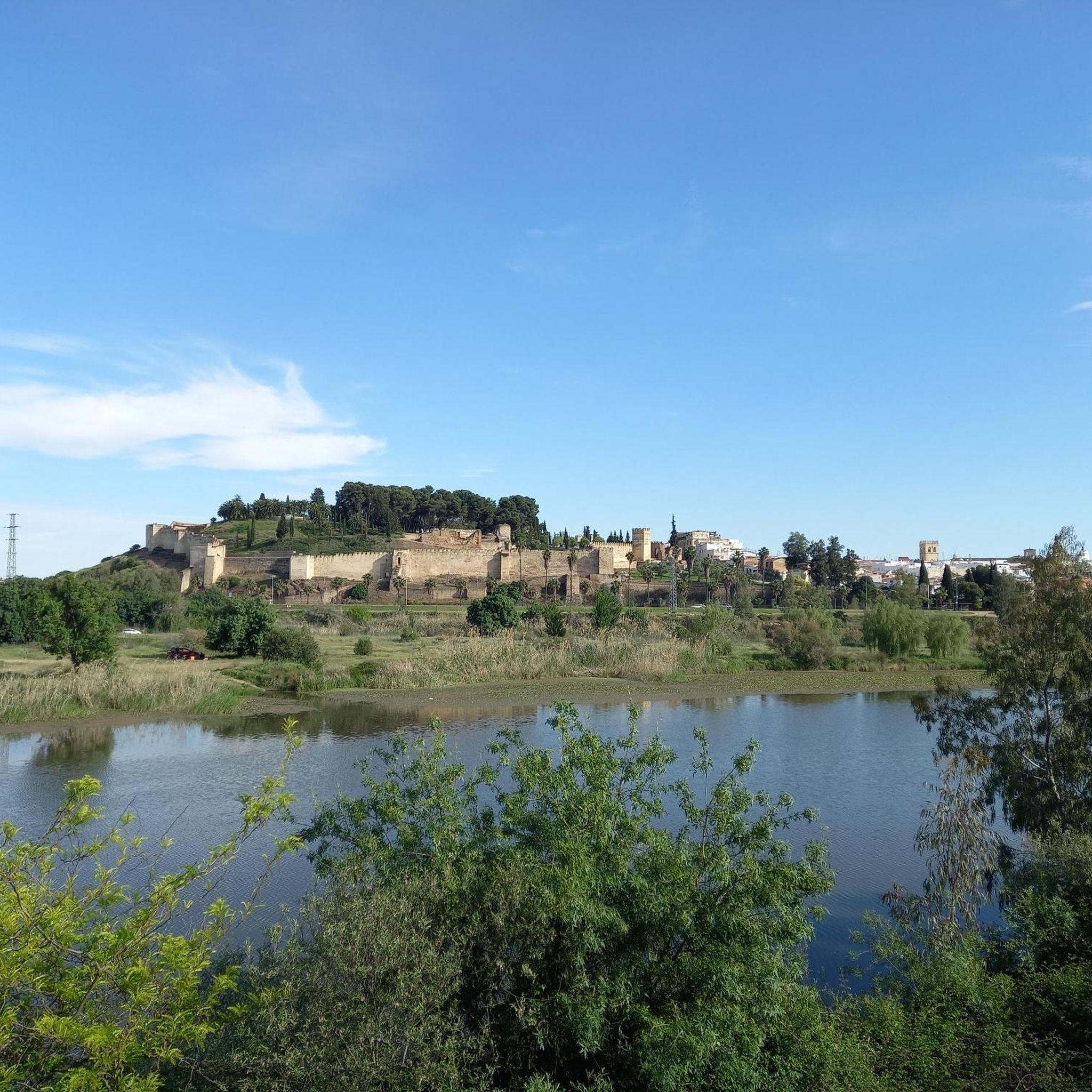
If you pass through Badajoz, you shouldn't miss visiting at least its Puerta de Palmas, its Alcazaba, and its cathedral.
1
0

The Palmas Bridge is the oldest bridge in Badajoz, situated over the Guadiana River. It was built in 1596 during the reign of Philip II, although it was built on a previous bridge dating from 1460. This Herrerian-style bridge is 585 metres long and has 32 arches. Over the centuries, the bridge has undergone several repairs due to flooding of the river. At one end of the bridge is the Puerta de Palmas, one of the main entrances to the city in times past, and at the other end, a hornwork built in the 17th century to protect the bridgehead.
7
0

A place full of history, in the recent past it was a Military Prison where many young Portuguese soldiers served prison sentences.
1
2
Frequently Asked Questions
What historical sites can I visit in Campo Maior?
Campo Maior is rich in history. You can explore the imposing medieval Campo Maior Castle, a national monument offering panoramic views. Don't miss the Capela dos Ossos de Campo Maior, a unique bone chapel. Other significant sites include the 17th-century Igreja Matriz de Nossa Senhora da Espectação, the Igreja de São João Baptista, and the historic Praça da República with its 1740 pillory.
Are there any unique cultural attractions in Campo Maior?
Yes, Campo Maior offers several unique cultural experiences. The Delta Coffee Museum, located nearby in Ouguela, showcases the region's significant coffee industry. You can also visit the Religious Art Museum within the Igreja de São João Baptista, the Lagar Museum for olive oil production history, and the Open Museum of Campo Maior, which covers the area's history from prehistory to the present.
What is the significance of the Capela dos Ossos in Campo Maior?
The Capela dos Ossos de Campo Maior is a fascinating and somewhat unsettling site. It's an annex to the Igreja Matriz de Nossa Senhora da Espectação, paneled with human bones. While popular legend links the bones to a devastating 1732 gunpowder explosion, archaeological findings suggest they likely came from the Mother Church's graveyard during its post-explosion redesign. It stands as one of Portugal's most important examples of Christian funerary art.
What natural attractions are there around Campo Maior?
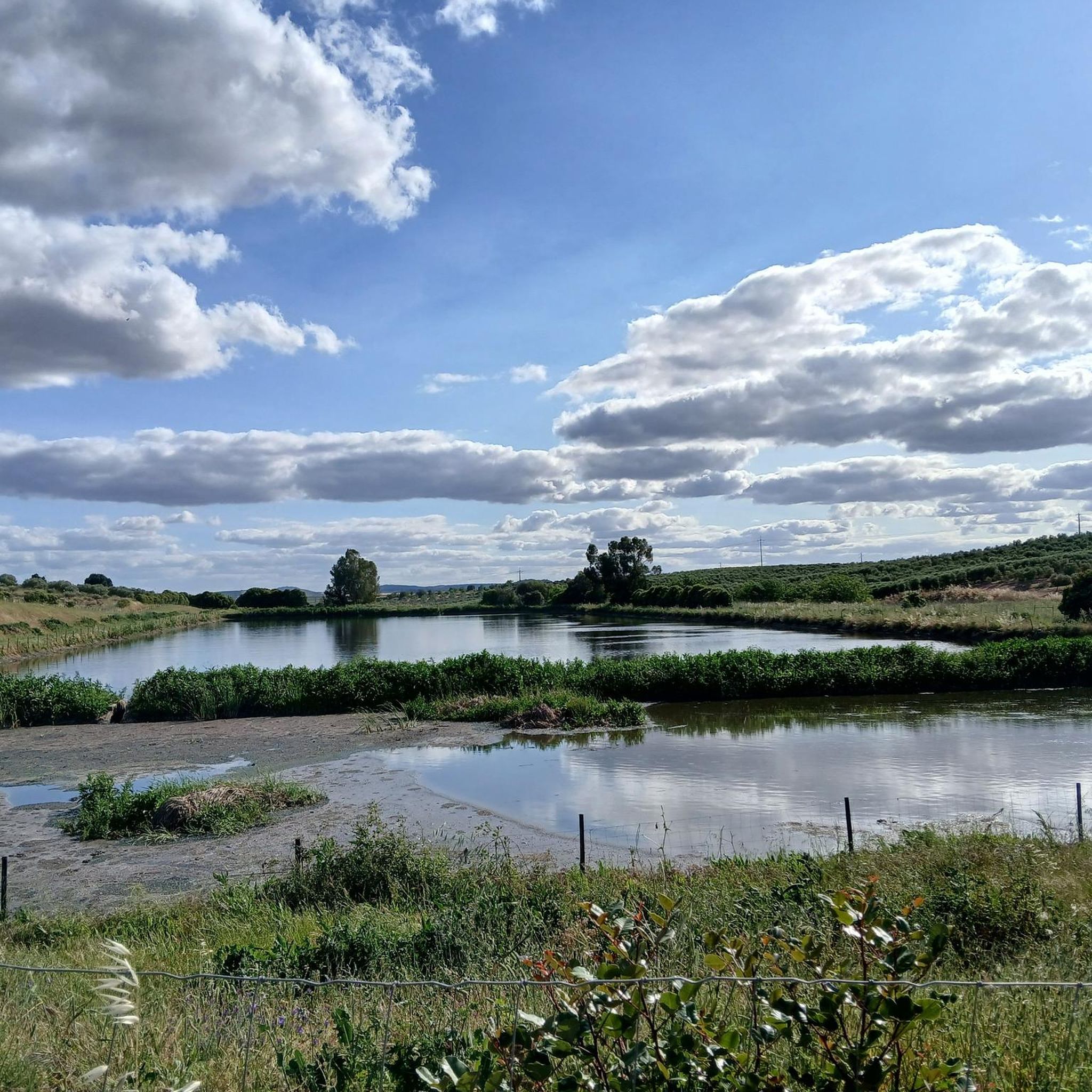
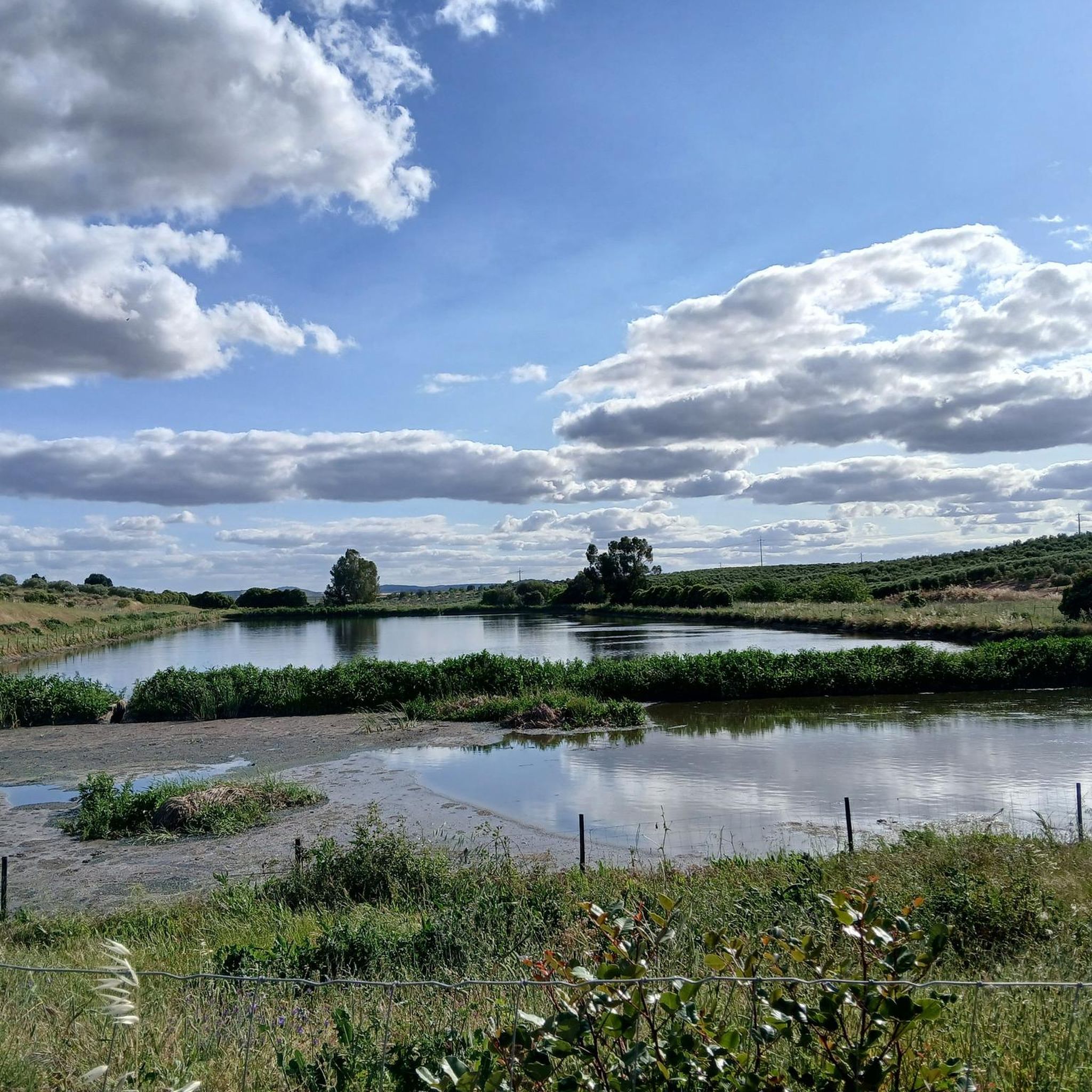
The area around Campo Maior features rolling natural landscapes, particularly around the Caia and Abrilongo Dams. The Caia reservoir, about 5 km from Campo Maior, is the largest in the Portalegre district and is ideal for water sports or relaxation. You can also visit the Muro Dam, the largest surviving Roman dam south of the Tagus River in Portugal.
Are there opportunities for outdoor activities like hiking or cycling near Campo Maior?
Absolutely. The region around Campo Maior provides excellent opportunities for outdoor activities. You can find various hiking trails, cycling routes, and MTB trails. These routes often take you through scenic landscapes, including those around the Caia reservoir and the historic defenses of Campo Maior.
Where can I find hiking trails around Campo Maior?
For hiking enthusiasts, there are several trails available. A popular option is the 'Defenses of Campo Maior Trail,' which is a moderate 7.6 km route. You can also explore trails around the Guadiana River, such as the 'Badajoz – circular by the Guadiana Park and the Puente de Palmas' (10.7 km, moderate). For more options, check out the hiking guide for Campo Maior.
Are there any prehistoric sites to explore near Campo Maior?
Yes, west of Campo Maior, you can visit the Povoado Pré-Histórico de Santa Vitória. This prehistoric village dates from the first half of the 3rd millennium BC, offering a glimpse into ancient settlements with archaeological evidence of defensive walls, ditches, and huts.
Are there family-friendly attractions in Campo Maior?
Many of the historical sites are suitable for families. The Puente de Palmas and Plaza Alta in nearby Badajoz are marked as family-friendly. The Alcazaba of Badajoz, a historic castle, also welcomes families. Exploring the Campo Maior Castle and its grounds can be an engaging activity for all ages.
When is the best time to visit Campo Maior?
A particularly vibrant time to visit Campo Maior is in September for the Festas do Povo (Flower Festival). This unique festival, recognized by UNESCO, transforms the town with streets decorated in thousands of paper flowers. The 'Casa das Flores' (House of Flowers) and the 'Jardim de Papel' (Paper Garden) event in August offer insights into this tradition. Otherwise, spring and autumn offer pleasant weather for exploring historical sites and engaging in outdoor activities.
Are there any interesting nearby villages to visit from Campo Maior?
Just 8 kilometers away, the charming walled village of Ouguela is worth a visit. Perched on a cliff overlooking the Abrilongo river, it offers a glimpse into Portuguese history with its well-preserved medieval castle, Governor's House, and Cistern. Ouguela also provides access to rural hiking trails.
What do visitors enjoy the most about Campo Maior and its surroundings?
Visitors appreciate the rich historical tapestry, from ancient fortifications like the Alcazaba of Badajoz to unique religious sites like the Capela dos Ossos de Campo Maior. The blend of Portuguese heritage and nearby Spanish landmarks, such as the Puente de Palmas and Plaza Alta, is highly valued. The opportunities for outdoor activities amidst the natural landscapes, especially around the dams and reservoirs, also receive positive feedback.
Most popular routes around Campo Maior
Most popular attractions around Campo Maior

Get inspired with the komoot mobile app


Explore more
Still not found the Highlight you’re looking for? See guides of the top attractions in other regions:
