The best walks and hikes around Campo Maior
4.5
(103)
1,099
hikers
89
hikes
Hiking around Campo Maior offers diverse landscapes, from rolling natural terrain to the protected areas of Parque Natural da Serra de São Mamede. The region features a mix of gentle hillsides and more challenging routes with varied inclines. Notable natural features include the Caia and Abrilongo Dams, providing scenic views and opportunities for exploration. The area's topography caters to a range of hiking preferences.
Best hiking trails around Campo Maior
- The most popular hiking route is Badajoz – circular by…
Last updated: October 10, 2026
2
hikers
10.8km
02:47
60m
60m
Moderate hike. Good fitness required. Easily-accessible paths. Suitable for all skill levels.
3.5
(2)
3
hikers
7.67km
02:03
80m
80m
Moderate hike. Good fitness required. Easily-accessible paths. Suitable for all skill levels.

4.3
(6)
100
hikers
Moderate hike. Good fitness required. Easily-accessible paths. Suitable for all skill levels.
4.7
(6)
43
hikers
6.50km
01:41
30m
30m
Easy hike. Great for any fitness level. Easily-accessible paths. Suitable for all skill levels.
4.3
(9)
37
hikers
7.81km
02:05
80m
80m
Moderate hike. Good fitness required. Easily-accessible paths. Suitable for all skill levels.
Get access to more routes and recommendations from other explorers.
Already have an account?
Our route recommendations are based on thousands of hikes, rides, and runs completed by other people on komoot.
Start today with a free account
Your next adventure awaits.


Tips from the Community

Despite its centuries-old origins, most buildings in the historic center date from after the 18th century. An explosion in the fortress's gunpowder magazine in 1732 destroyed about two-thirds of the old medieval village.
16
0
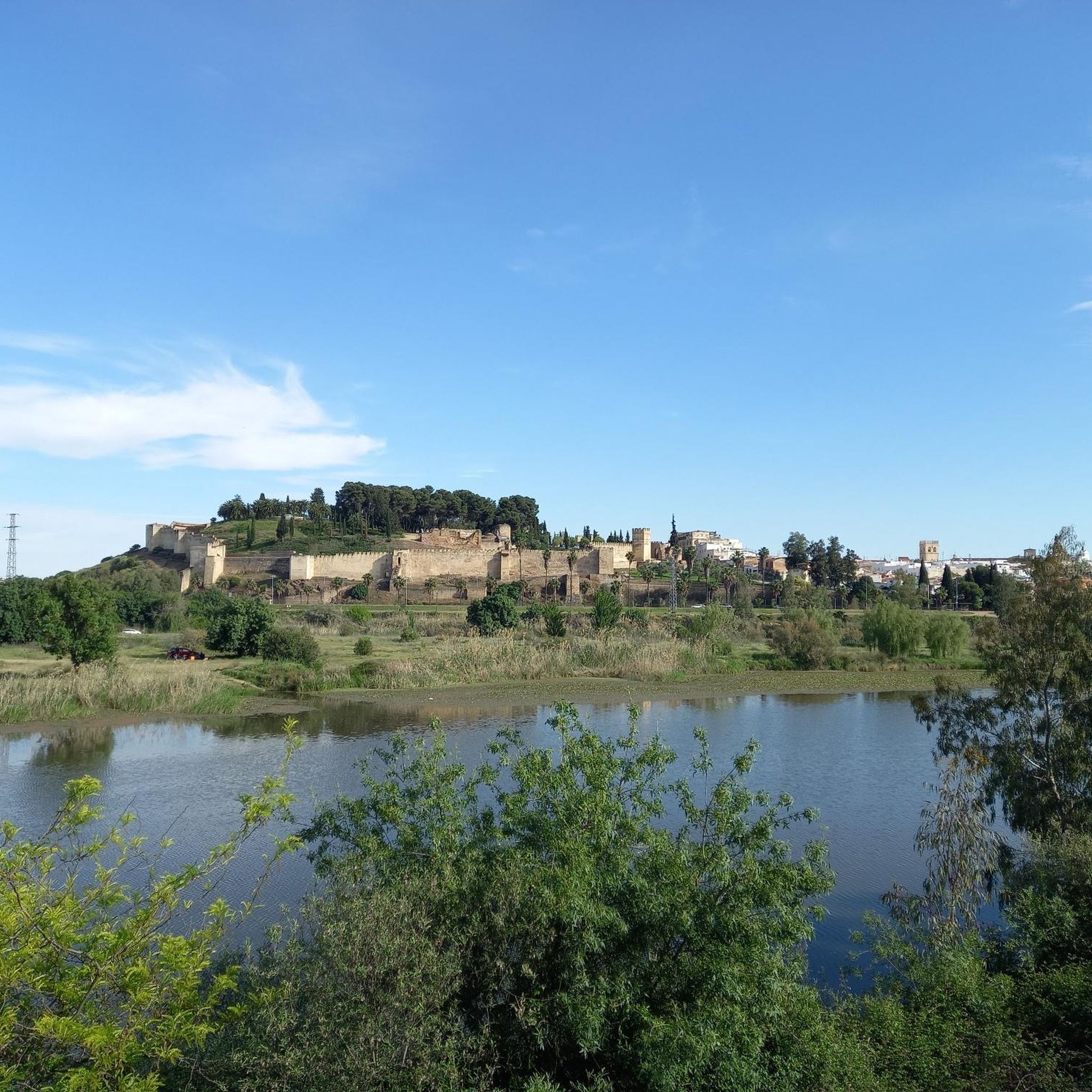
The castle, which is thought to have been founded by the Moors, played an important role in the defense of the national territory, given its strategic location near the border.
17
0


The modern cable-stayed bridge is 452 meters long and has a striking, approximately 81-meter-high A-shaped pylon. From it, 28 steel cables support the roadway and give the bridge its characteristic appearance. It got its name because the Spanish royal couple laid the foundation stone for its construction in 1992.
4
1

Stone representation of a hunting scene, belonging to the pictorial work of the Extremaduran painter Adelardo Covarsi.
0
0
The Puerta de Palmas is the most iconic monument in Badajoz and served as the main entrance to the fortified city for centuries.
1
0

If you pass through Badajoz, you shouldn't miss visiting at least its Puerta de Palmas, its Alcazaba, and its cathedral.
1
0
Frequently Asked Questions
What kind of terrain can I expect on hikes around Campo Maior?
Hiking around Campo Maior offers a diverse landscape, ranging from gentle hillsides adorned with wildflowers to more strenuous routes involving varied inclines. You'll find rolling natural landscapes and protected areas within the Parque Natural da Serra de São Mamede, catering to different preferences and skill levels.
Are there easy hiking options suitable for beginners in Campo Maior?
Yes, Campo Maior offers a good selection of easy hiking routes. Out of approximately 80 trails in the area, about 37 are classified as easy, making them perfect for beginners or those looking for a relaxed walk. An example of an easy route is the Guadiana River loop from La Cañada - Las Moreras.
What natural features or viewpoints can I discover while hiking in Campo Maior?
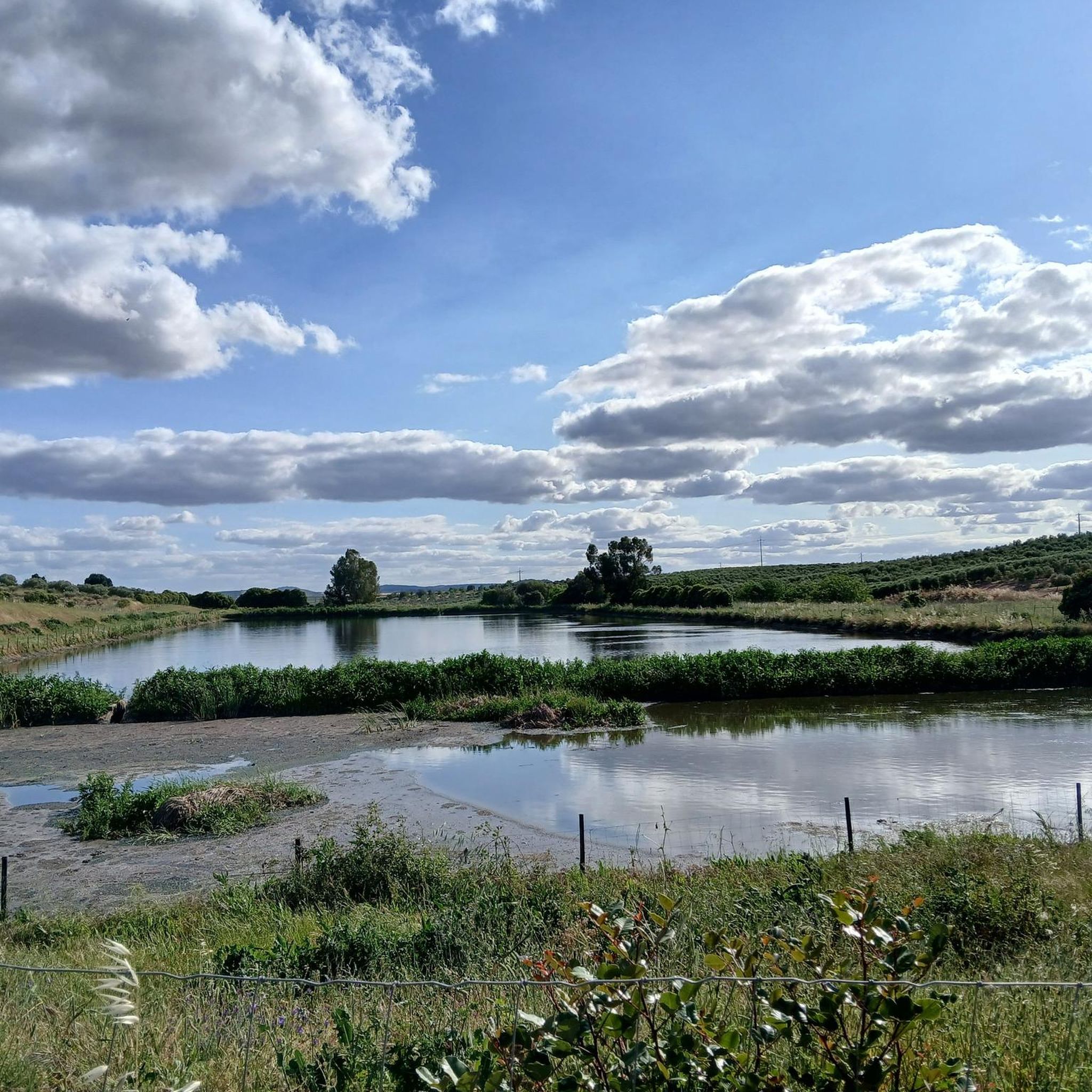
The region is rich in natural beauty. You can explore the lush forests and panoramic views within the Parque Natural da Serra de São Mamede. The area is also home to the scenic lakes on the Caia and Abrilongo Dams, with the Caia reservoir being particularly notable. Many trails offer views of these water bodies and the surrounding rolling landscapes.
Are there any historical sites or landmarks to see on the trails around Campo Maior?
Yes, Campo Maior's historical significance adds another layer to your outdoor exploration. You can encounter sites like the ancient Muro Dam, a Roman-built structure, or the historic Puente de Palmas. The town of Campo Maior itself features a castle that offers stunning views, and the nearby village of Ouguela provides peaceful rural trails amidst medieval charm. The Alcazaba of Badajoz is also a significant historical landmark in the vicinity.
Can I find circular hiking routes in the Campo Maior area?
Absolutely. Many trails around Campo Maior are designed as circular routes, allowing you to start and end at the same point. A popular option is the Defesas de Campo Maior (PR 4) — circular route in Caia, which offers scenic views of the Caia area.
Are the hiking trails around Campo Maior suitable for families with children?
Yes, Campo Maior offers various trails suitable for families. The diverse terrain includes shorter, gentler loops that are ideal for children. These routes allow families to enjoy the natural landscapes and historical sites without overly strenuous climbs, ensuring an accessible and enjoyable experience for all ages.
Are dogs allowed on the hiking trails in Campo Maior?
Generally, dogs are welcome on many of the hiking trails in Campo Maior, especially in the open countryside. However, it's always advisable to keep them on a leash, particularly in protected areas like the Parque Natural da Serra de São Mamede, to protect local wildlife and ensure a pleasant experience for all hikers. Always check local signage for specific restrictions.
What is the best time of year to go hiking in Campo Maior?
The best time for hiking in Campo Maior is typically during the spring (March to May) and autumn (September to November). During these seasons, the weather is milder, and the landscapes are particularly vibrant with wildflowers in spring or rich autumnal colors. Summers can be very hot, making early morning or late afternoon hikes more comfortable, while winters are generally mild but can be wet.
What do other hikers enjoy most about hiking in Campo Maior?
The hiking experiences in Campo Maior are highly rated by the komoot community, with an average score of 4.6 stars from over 60 reviews. Hikers often praise the diverse landscapes, the serene rolling countryside, and the blend of natural beauty with historical elements. The variety of routes, from easy to more challenging, is also frequently highlighted.
Are there opportunities for wildlife spotting while hiking in Campo Maior?
Yes, the diverse ecosystems around Campo Maior, particularly within the Parque Natural da Serra de São Mamede, offer opportunities for wildlife spotting. You might encounter various bird species, including raptors, and other local fauna. The serene natural landscapes provide a good environment for observing nature, especially during quieter times of the day.
How many hiking trails are available in Campo Maior?
There are approximately 80 hiking trails available around Campo Maior, offering a wide range of options for different skill levels and preferences. This includes 37 easy routes, 42 moderate routes, and 1 difficult route, ensuring there's something for everyone.
Are there any trails that follow historical paths, like old smuggling routes?
Yes, the region is known for its historical paths. One notable example mentioned in local research is the Rota dos Contrabandistas (Smugglers' Route), which follows ancient trails used during past conflicts between Spain and Portugal. These routes offer a unique blend of history and rugged terrain, providing a glimpse into the region's past.
Most popular routes around Campo Maior
Most popular attractions around Campo Maior

Get inspired with the komoot mobile app


Explore more
Browse the best Hikes in other regions.
