The best cycling routes around Murça
5.0
(3)
13
riders
2
rides
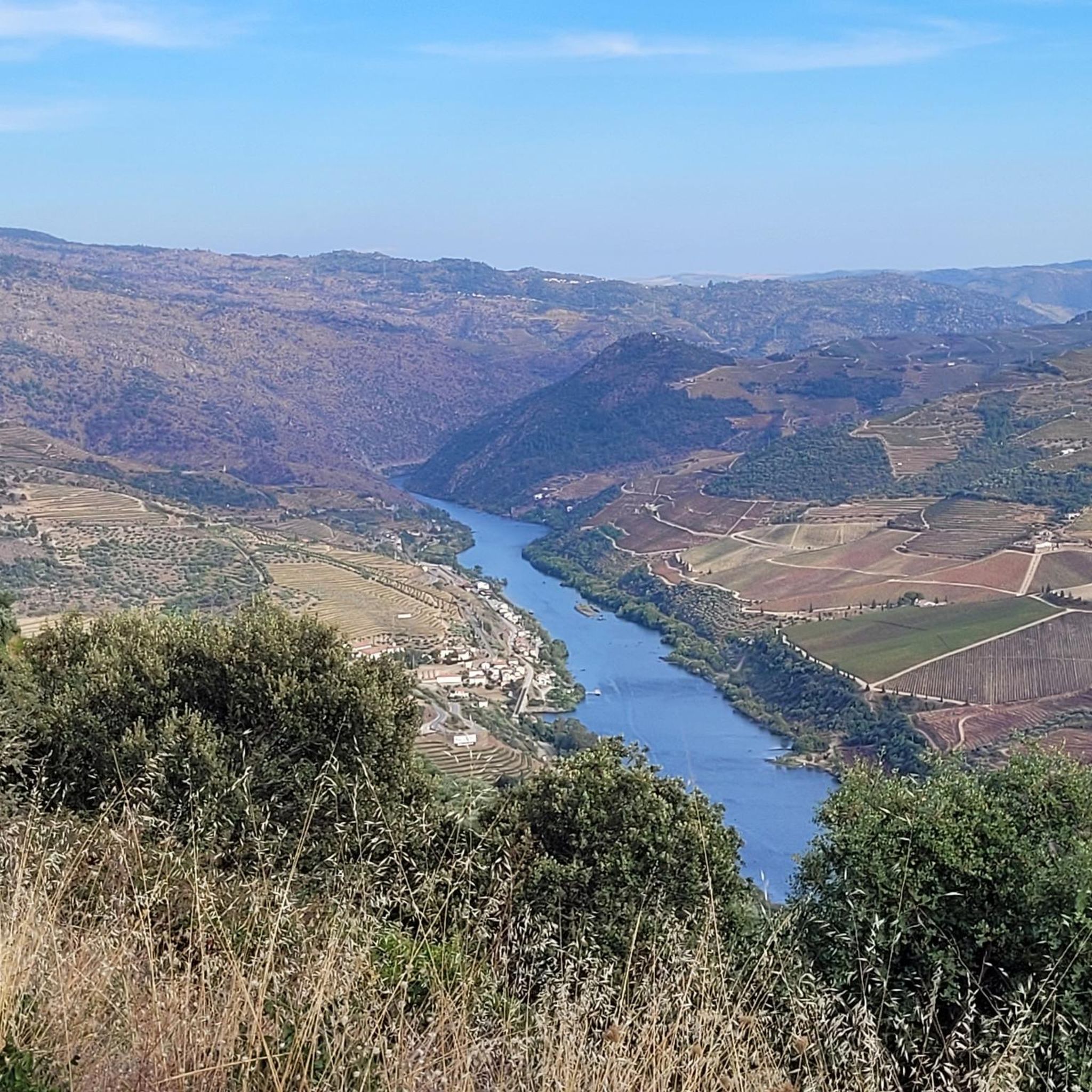
Touring cycling routes around Murça traverse a landscape characterized by deep river valleys, undulating vineyards, and olive groves within the Douro Demarcated Region, a UNESCO World Heritage Site. The area serves as an entry point to the Vale do Tua Regional Natural Park, offering varied terrain from riverside paths to mountainous ascents. Elevations range significantly, with the Padrela mountain reaching approximately 3,757 feet (1145 m), providing challenging climbs and expansive views. This diverse geography supports a range of cycling experiences.
…Last updated: July 25, 2026
5.0
(2)
6
riders
Hard bike ride. Very good fitness required. Mostly paved surfaces. Suitable for all skill levels.
5.0
(1)
4
riders
26.0km
01:41
320m
320m
Moderate bike ride. Good fitness required. Mostly paved surfaces. Suitable for all skill levels.

Sign up for free
3
riders
84.9km
05:51
1,550m
1,550m
Hard bike ride. Very good fitness required. Mostly paved surfaces. Suitable for all skill levels.
Our route recommendations are based on thousands of hikes, rides, and runs completed by other people on komoot.
Start today with a free account
Your next adventure awaits.
Login or Signup
Popular around Murça
Tips from the Community

Town on the iconic EN2 road and the Ecopista do Corgo
0
0

The Roman Baths Museum, recently opened, is a must-see. It is located in Largo do Arrabalde, very close to the current baths. It is the largest Roman bath complex in the Iberian Peninsula. What makes this museum special is that, after an earthquake in the 4th century, the structures collapsed and remained "frozen" in time until they were rediscovered a few years ago. You can see the huge original stone pools where Roman legionaries bathed 2,000 years ago. The Roman Baths Museum What to see: It is the largest Roman bath complex in the Iberian Peninsula. What makes this museum special is that, following an earthquake in the 4th century, the structures collapsed and remained "frozen" in time until they were rediscovered a few years ago. You can see the huge original stone pools where Roman legionaries bathed 2,000 years ago.
0
0
Fort of São Francisco (The Main One) This is the fort that dominates the city skyline and where the statue of General Silveira is located. What it is today: It has been magnificently restored and operates as a 4-Star Hotel, but the historical area is open to visitors. Why visit: History: It was here that General Silveira besieged and defeated Napoleon's troops in 1809. Interior: You can enter (entry to the courtyard is free) and see the Church of São Francisco. Originally a convent, the church houses the tomb of the first Duke of Braganza. Views: The ramparts offer an incredible panoramic view over the city and the Tâmega River.
0
0
The Bridge of Trajan (often simply called the Roman Bridge) is, without a doubt, the most important monument in Chaves. It is worth visiting because it is not just an "old stone bridge"; it is a masterpiece of engineering that defines the city's identity. Here are the 4 main reasons why: 1. Walking on 2,000 Years of History This is one of the best-preserved Roman bridges in the entire Iberian Peninsula. It was built between the late 1st and early 2nd century AD, during the reign of Emperor Trajan. The Feeling: Crossing it on foot (cars are forbidden) means you are literally walking on the same stones as Roman legions, medieval merchants, and Napoleonic troops. It is an instant trip back in time. 2. Engineering that Defies Time It is worth looking closely at the structure to understand why it is still standing. The Tâmega River is known for its violent floods, yet the bridge has withstood them for two millennia. The Secret: If you go down to the riverbank, notice the cutwaters (the triangular structures at the base of the pillars). They were designed to "cut" the force of the water and prevent the bridge from collapsing. It is a live lesson in ancient architecture. 3. The Stones that "Speak" (Milestones) In the middle of the bridge, you will find two cylindrical stone columns (milestones) with Latin inscriptions. One of them is particularly important: the "Padrão dos Povos" (Standard of the Peoples). The inscription lists the 10 local tribes of the region (the "Aquiflavienses") who contributed to the construction of the bridge. It is a historical document carved in stone that has survived to this day. 4. The Photogenic Scenery The bridge connects the historic center to the Madalena neighborhood and is set within a beautiful public garden (Jardim do Tabolado). It is the perfect spot to watch the sunset, seeing the reflection of the arches in the water with the Castle of Chaves dominating the landscape high above. Visitor Tip: After crossing the bridge coming from the historic center, turn left and walk along the landscaped riverbanks. There are stepping stones (pedras poldras) nearby in the water that allow you to see the grandeur of Trajan's Bridge from an impressive low angle.
2
0

The 140 metre-long Ponte Trajano (Trajan Bridge) in Chaves in the Trás-os-Montes region of north eastern Portugal dates from the reign of the Emperor Trajan (53-117) in the early second century AD. The Emperor Trajan was known as a great promoter of public works including the Trajan Forum and Trajan Column in Rome.
6
0
The Roman Bridge of Chaves, also known as Trajan's Bridge, is located over the River Tâmega and was built between the end of the 1st century and the beginning of the 2nd century. Along with the development of the thermal baths, it constitutes one of the best Roman legacies of the ancient Águas Flávias, which still stands today, withstanding historic floods and the strong currents of the river. Approximately one hundred and fifty metres long and with a dozen visible arches, the works carried out in the 1930s covered some of the arches and others were still buried in the construction of the houses built there and overlooking the river.[citation needed] In 2008 it became a pedestrian bridge.
6
0

This stone arch bridge is also called Trajan's Bridge.
4
1

There are quite a few abandoned grand hotels in Vidago which had his heyday a hundred years ago as Portuguese prime spa destination for European aristocracy.
0
0
Frequently Asked Questions
How many touring cycling routes are available in Murça?
Murça offers a selection of touring cycling routes, with a total of 2 routes detailed in this guide. These routes provide diverse experiences across the region's landscapes.
What is the best time of year for touring cycling in Murça?
The region's climate, characterized by warm summers and mild winters, makes spring and autumn ideal for touring cycling. During these seasons, the weather is generally pleasant, and the vineyards and olive groves offer beautiful scenery without the intense heat of summer.
Are there routes suitable for beginners or families?
While some routes in Murça are challenging, there are options for varying skill levels. For a moderate ride, consider the Pena de Aguiar Castle loop from Carrica, which is 16.1 miles (26.0 km) long and provides a scenic journey suitable for those looking for a less strenuous experience. The Ecopista do Corgo, mentioned in the region research, also offers sections with varying terrain that can be suitable for touring.
What kind of terrain can I expect on Murça's touring cycling routes?
Touring cycling around Murça features a diverse landscape. You'll encounter deep river valleys, undulating vineyards, and olive groves, characteristic of the Douro Demarcated Region. Routes can range from riverside paths to mountainous ascents, with the Padrela mountain reaching approximately 3,757 feet (1145 m), offering challenging climbs and expansive views.
Are there options for longer, more challenging touring cycling routes?
Yes, for experienced touring cyclists seeking a challenge, Murça offers longer and more demanding routes. The Miradouro – Curvas de Murça loop from Vila Pouca de Aguiar is a difficult 52.6 miles (84.7 km) trail with significant elevation changes, often taking around 5 hours 50 minutes to complete. Another difficult option is the Fort of São Francisco – Camillo Station loop from São João da Corveira, which is 37.6 miles (60.6 km) long.
What natural features or viewpoints can I see along the touring cycling routes?
Murça's routes offer breathtaking natural beauty. You can enjoy panoramic vistas from several viewpoints, such as the Olhos do Tua Viewpoint, which overlooks the deep Tua River valley, or the View of the Tua River Valley. The region is also rich in vineyards, olive groves, and forests, providing a scenic backdrop for your ride.
Are there any historical sites or cultural landmarks to explore while cycling?
Yes, Murça is dotted with historical and cultural points of interest. You can find ancient structures like the Roman Bridge and sections of the Roman Pavement along the Tinhela River. The town is also known for the unique ancient stone statue, the "Porca de Murça." While cycling, you might also pass by the Ponte de Brunheda, a notable bridge in the area.
Is it possible to bring my dog on touring cycling routes in Murça?
While specific regulations for dogs on cycling routes can vary, many natural areas in Murça are generally dog-friendly, especially if dogs are kept on a leash. It's always advisable to check local signage or specific route guidelines for any restrictions before heading out with your pet.
Where can I find parking for my touring bike in Murça?
Murça, being a destination for outdoor activities, generally offers parking options in and around its main towns and trailheads. Look for designated parking areas near the start points of popular routes or in the town centers. Specific parking details for individual routes are often available on local tourism websites or komoot route pages.
Can I access touring cycling routes in Murça using public transport?
Public transport options in Murça, particularly those that accommodate bicycles, may be limited. While some regional buses or trains might allow bikes, it's best to verify with the specific transport provider in advance. The Ecopista do Corgo, for example, is a dedicated cycleway that can be accessed from various points, potentially near public transport hubs in larger towns like Vila Real.
Are there places to stop for refreshments or food along the routes?
Many touring cycling routes in Murça pass through or near small villages and towns where you can find local cafes, restaurants, or small shops to refuel. Given the region's agricultural heritage, you might also encounter opportunities to sample local produce or wines. It's always a good idea to carry sufficient water and snacks, especially on longer routes.
What do other touring cyclists say about the routes in Murça?
The touring cycling routes in Murça are highly rated by the komoot community, with an average score of 5.0 stars from more than 2 reviews. Cyclists often praise the varied terrain, the stunning views of the Douro and Tua River valleys, and the immersive experience through vineyards and olive groves.
Most popular routes around Murça
Most popular attractions around Murça

Get inspired with the komoot mobile app


Explore more
Browse the best Cycling routes in other regions.
