Attractions and Places To See around Peso Da Régua - Top 20
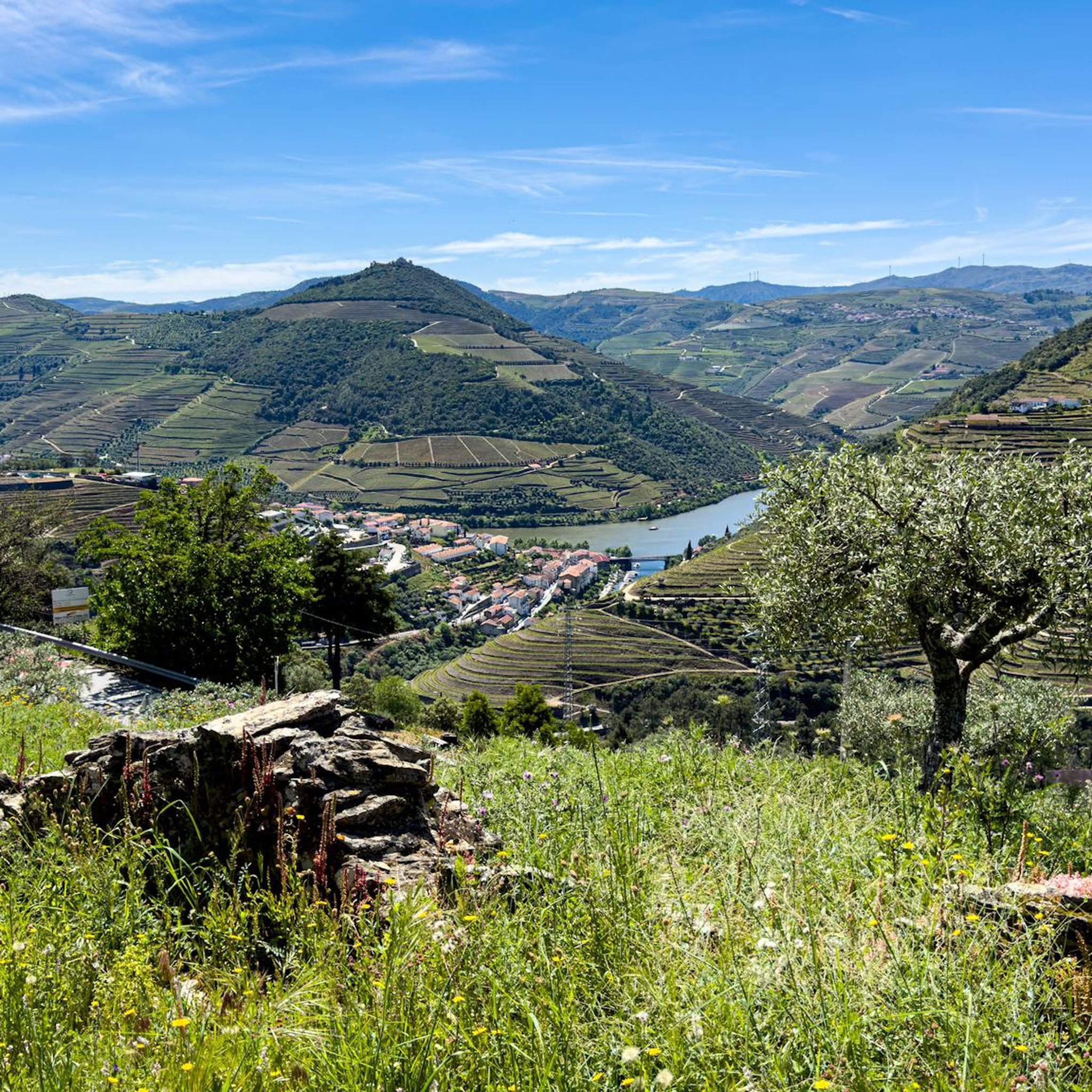
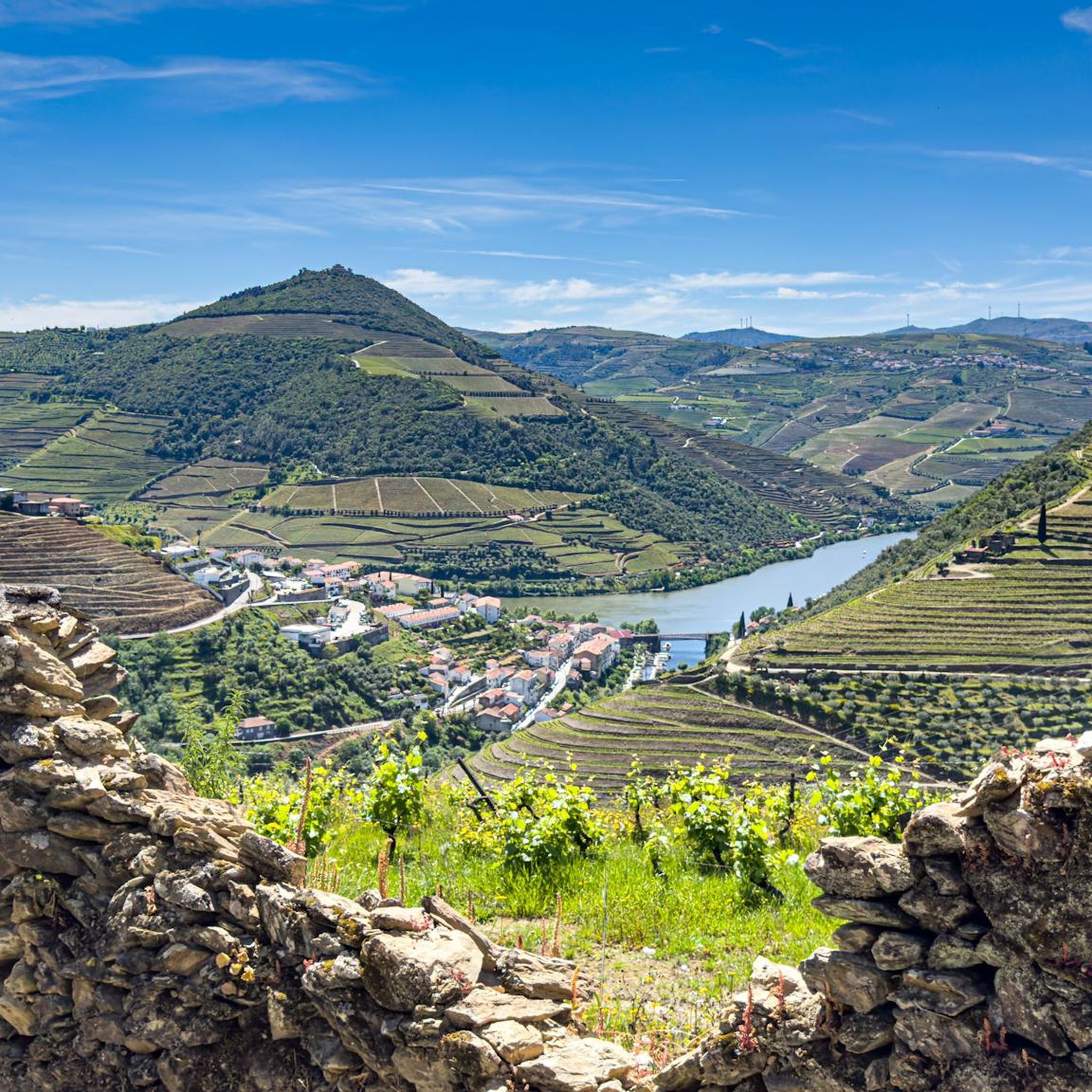
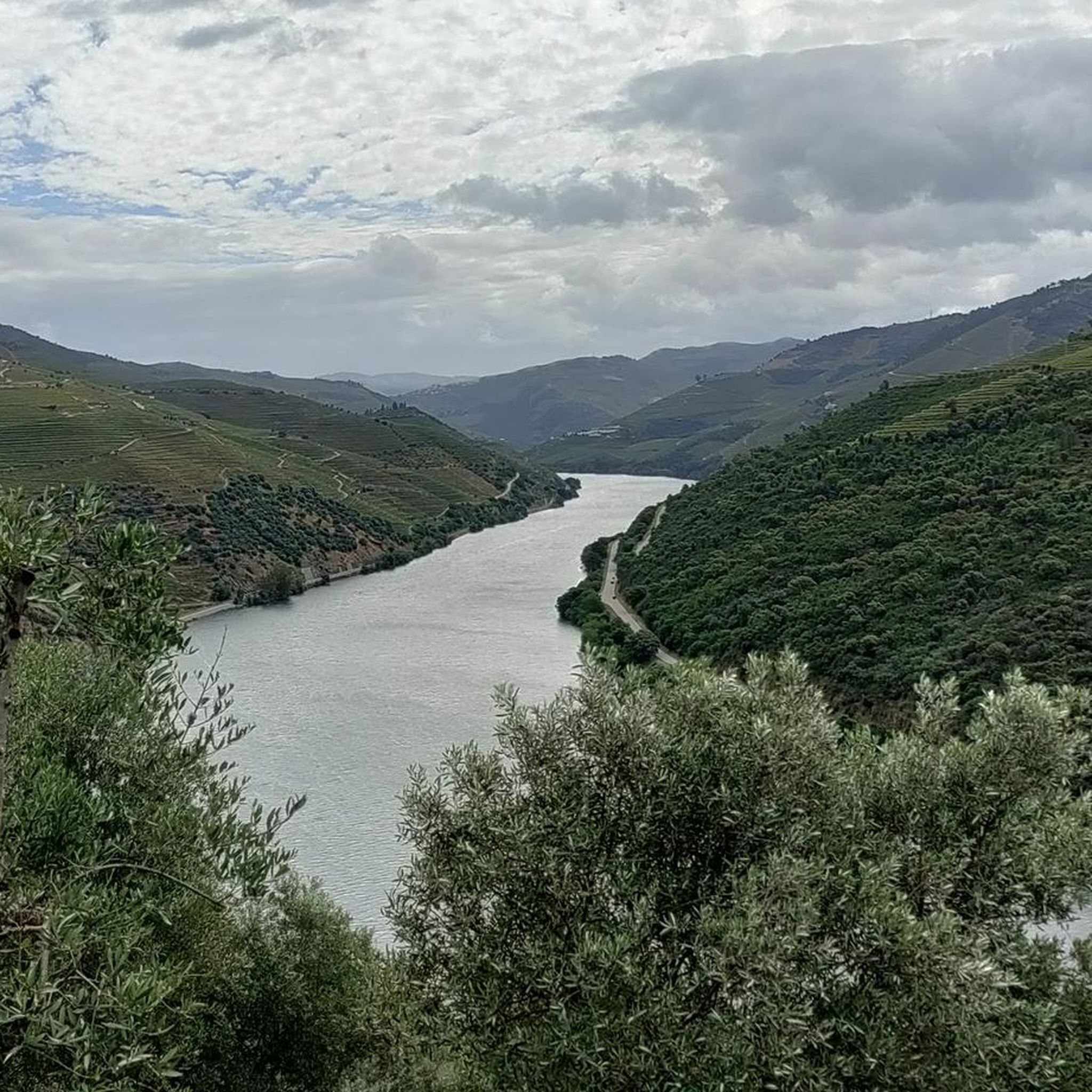
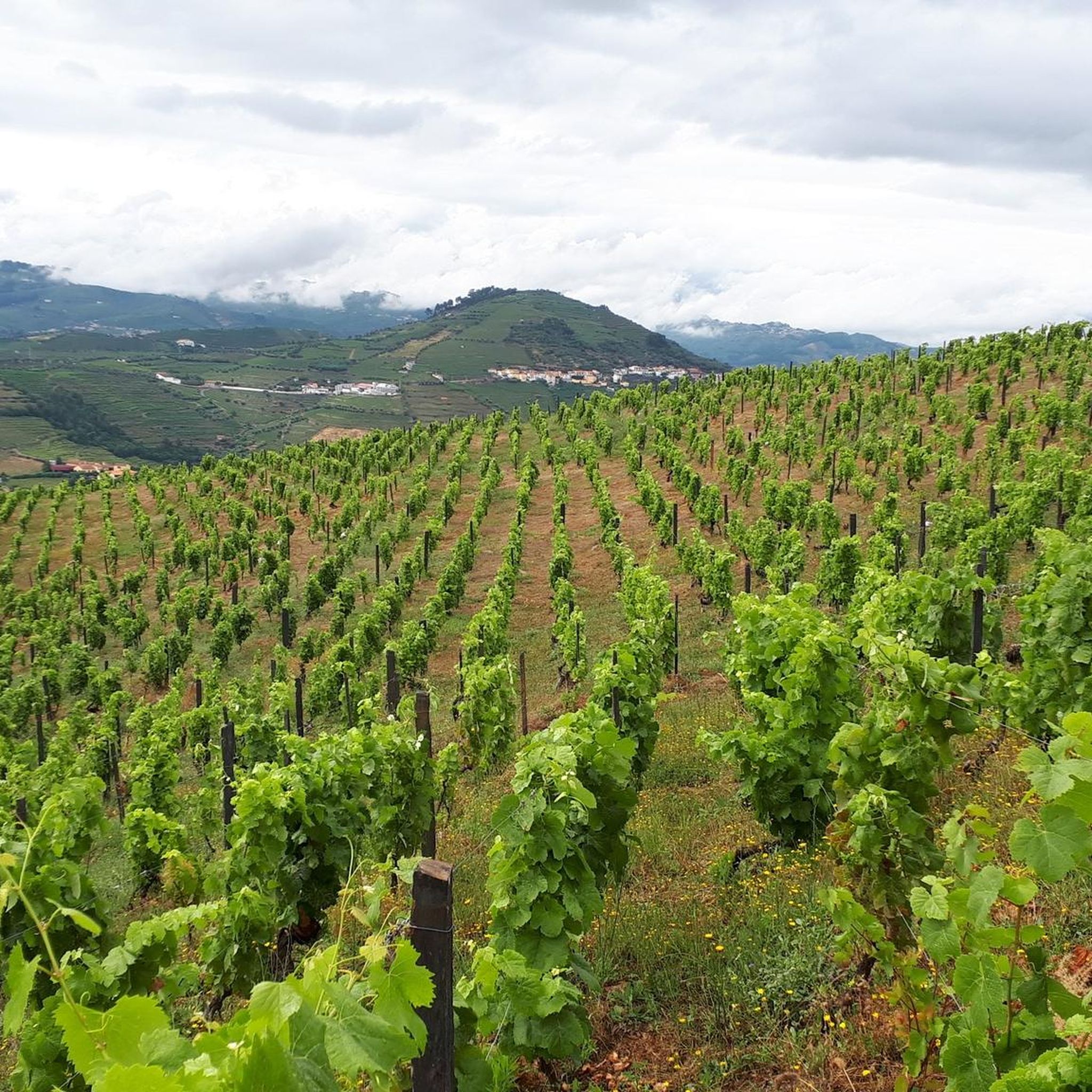
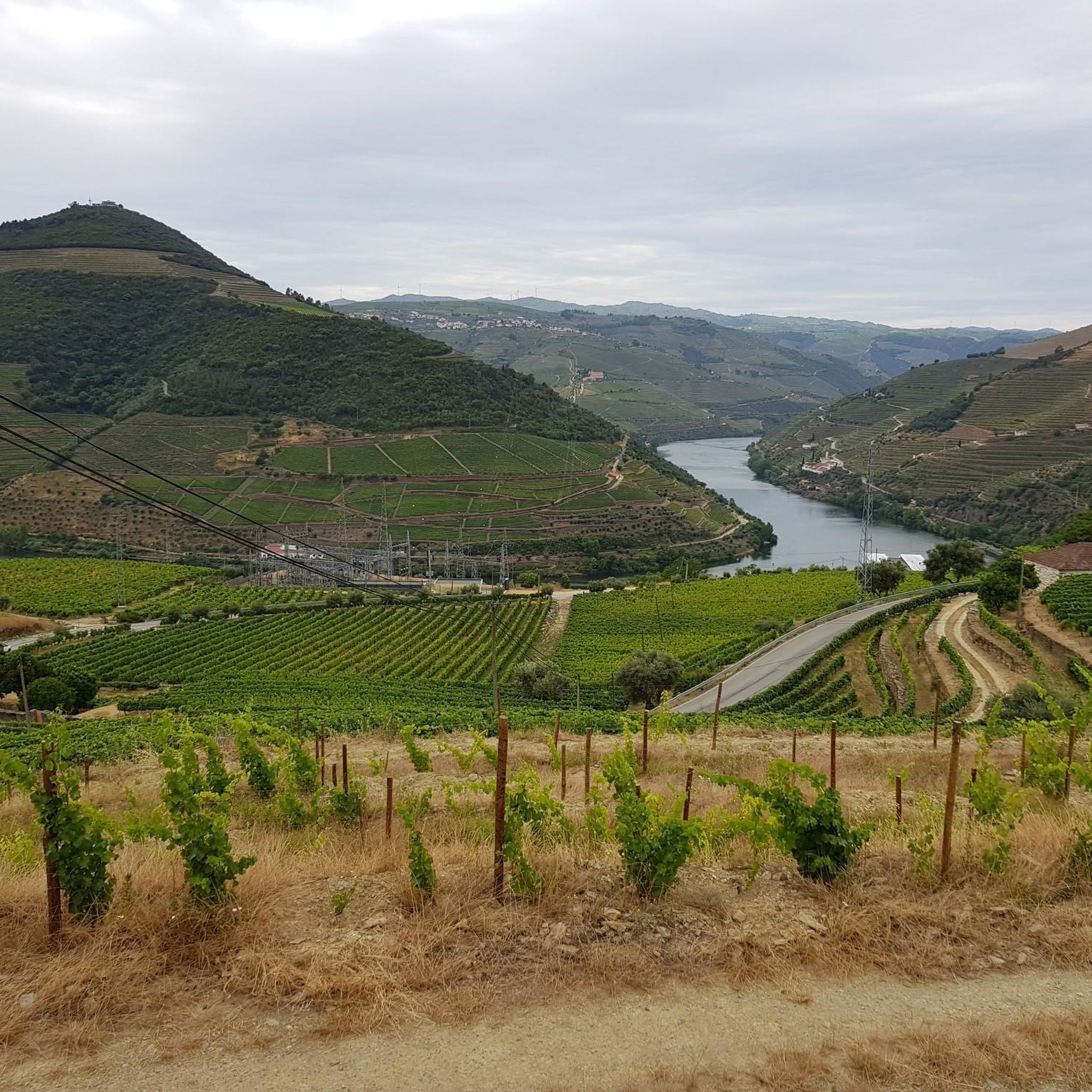
Attractions and places to see around Peso Da Régua are centered in Portugal's Douro Valley, a region known for its viticultural heritage and the Douro River. The area features terraced vineyards, historical sites, and cultural landmarks related to Port wine production. Peso Da Régua serves as a starting point for exploring the region's natural beauty and significant places.
Best attractions and places to see around Peso Da Régua
- The most popular attractions is Régua Pedestrian Bridge, a bridge that…
Last updated: October 9, 2026
Pinhão Railway Station
Highlight • Monument
Translated by Google •
Tip by

Marco Pombalino
Highlight • Monument
That “demarcation” had some …
Tip by

Sign up now to discover places like this
Get recommendations on the best single tracks, peaks, & plenty of other exciting outdoor places.
Douro River cruise dock, Peso da Régua
Highlight • Rest Area
Translated by Google •
Tip by

Lamego Castle
Highlight • Castle
Translated by Google •
Tip by
Casa do Douro (House of the Douro)
Highlight • Monument
Translated by Google •
Tip by

Sign up for free to discover even more attractions around Peso Da Régua.
Already have an account?
Start today with a free account
Your next adventure awaits.
Tips from the Community

A worthwhile museum, which scores points despite/or because of its very minimalist presentation of the subject matter. At the end, enjoy a port wine on the terrace of the museum's café.
1
0

The regional motifs are simply beautiful. You should take some time to enjoy them.
7
0
Great station with its azulejos. If you're staying at a hotel on the hill, it's best to book a taxi in advance. Otherwise, it can be difficult during peak season.
6
0

The Casa do Douro was established in 1932 as the Douro Winemakers' Union Federation. Its headquarters, dating from 1944, with its exterior clad in polished granite, was designed by Portuguese architect José Porto. Inside, noteworthy are the stained-glass window by painter Lino António and the grand hall, with three central crystal chandeliers, shaped like clusters and weighing over a ton, as well as the Pombaline marker identified with the number 1. When the Douro region was first demarcated, 331 granite markers were placed. The Pombaline markers (so named because the demarcation was designed by the Marquis of Pombal) are all different and share the word Feitoria (vinho de feitoria, synonymous with better-quality wine) and the year (1758 or 1761). At the time, wines were classified according to their quality and destination. The best wine, known as Vinho de Feitoria, was sent to England; Vinho de Embarque was exported to Brazil; and Vinho de Ramo was sold in Portugal. The stained glass window of the Casa do Douro, by painter Lino António, encapsulates the entire dynamic of the Douro Demarcated Region. It covers an area of 50m2 and forms a triptych. In the center panel, we see three large figures. The central figure represents the Casa do Douro and holds a scroll that reads "... Casa do Douro, decree 21,883, November 1932." This means that the government, through the aforementioned Decree-Law, created the Union Federation of Winegrowers of the Douro Region in November 1932, now known as Casa do Douro.
2
0

The Casa do Douro was founded in 1932 as a cooperative association of Douro winegrowers. This house, built in 1944, is the original home.
3
0

Castelo de Lamego was constructed during the 12th century and was an important defensive structure during the Middle Ages. The castle underwent various renovations over the centuries, with the addition of Gothic and Manueline elements in the 15th and 16th centuries. Today, the castle is mostly in ruins, but visitors can still see the remaining walls, towers, and gates that once surrounded the fortress. The castle is situated on a hill overlooking the city and offers panoramic views of the surrounding landscape.
2
0

If there is more than one ship moored at the dock, it is better to avoid the city because it will be too crowded.
3
3
Frequently Asked Questions
Where can I learn about the history of the Douro wine region?
The Douro Museum (Museu do Douro) in Peso da Régua offers an in-depth look into the history and development of the Douro wine region and Port wine production. You can also admire the beautiful azulejo tiles at Pinhão Railway Station, which depict the history of wine harvesting and daily life in the valley. For a deeper dive into the region's demarcation, visit Marco Pombalino, a historical marker related to the controlled origin of Douro wines.
What are the best viewpoints to experience the Douro Valley's landscapes?
The Douro Valley is famous for its panoramic views. The Viewpoint of São Leonardo de Galafura is considered one of the most beautiful in Portugal, offering magnificent vistas of the terraced vineyards. Other notable viewpoints include the Santo António Viewpoint (Miradouro de Santo António) for spectacular views of Peso da Régua and the river, and the Vale da Cunca Viewpoint, dedicated to the Douro vineyards.
Are there any family-friendly attractions or activities in Peso da Régua?
Yes, several attractions are suitable for families. The Régua Pedestrian Bridge provides a safe and wide path for a stroll with views of the Douro River. A visit to Pinhão Railway Station is also engaging, as children can enjoy the vibrant azulejo tiles depicting local life. Additionally, a Douro River cruise offers a captivating experience for all ages, allowing you to see the terraced vineyards from the water.
What kind of outdoor activities can I do near Peso da Régua?
The region around Peso da Régua offers diverse outdoor activities. You can explore various MTB trails, including challenging routes like the "View of the Douro Valley – Start of the Ecopista do Corgo loop from Régua." For runners, there are several running trails, such as the "Cisterna de Lamego loop from Lamego." Cyclists can enjoy routes like the "Douro Valley – Régua Pedestrian Bridge loop from Régua." Find more details on these and other routes in the respective guides for MTB Trails, Running Trails, and Cycling around Peso da Régua.
What are the best ways to experience the Douro River?
The Douro River is central to the region's charm. You can take a Douro River cruise from the Douro River cruise dock in Peso da Régua, offering a unique perspective of the terraced vineyards. For a more active experience, walk along the Peso da Régua Riverside Eco-trail, which provides magnificent views right next to the river. The Douro Historical Train also offers a scenic journey along the riverbanks.
Are there any historical castles or ancient ruins to visit?
Yes, you can visit Lamego Castle, a historical castle offering panoramic views of Lamego and the surrounding landscape. For ancient history enthusiasts, the Alto da Fonte do Milho Archaeological Station features Roman ruins, including wells, providing a glimpse into the region's past.
What is the best time of year to visit Peso da Régua?
Peso da Régua offers beauty throughout the year. Spring (April-May) brings lush greenery and blooming wildflowers, while autumn (September-October) is ideal for experiencing the grape harvest (vindima) and vibrant fall colors across the vineyards. Summer (June-August) is perfect for river cruises and enjoying the warm weather, though it can be quite hot. Winter (November-March) is quieter, with a chance to see the misty Douro landscapes.
Can I visit local wineries for tastings and tours?
Peso da Régua is a hub for wine tourism. Numerous estates (quintas) in the area offer wine tastings and guided tours, allowing you to delve into the production of Port wine and other Douro wines. Some notable wineries include Quinta do Vallado, Quinta da Pacheca, Quinta de Marrocos, and Dourocaves Winery.
Are there any unique cultural experiences or hidden gems in the area?
Beyond the well-known attractions, you can discover unique cultural spots. The Teatrinho da Régua, a historical theater dating back to 1908, offers intimate performances and a glimpse into the region's cultural heritage. The Peso da Régua Railway Station Cais is a picturesque riverside area perfect for leisurely strolls, and the station itself is adorned with beautiful tiles depicting local life.
What are some of the religious sites worth visiting in Peso da Régua?
The town and its surroundings feature several historical churches and chapels. The Peso da Régua Mother Church (Igreja Matriz), dating back to 1737, is notable for its golden altarpieces and a painting of the Last Supper. Other significant religious sites include the Chapel of the Seven Corners, Cruzeiro Chapel, Church of São José de Godim, and the Church of São Faustino.
Are there any accessible attractions for visitors with mobility needs?
Yes, some attractions in Peso da Régua are designed to be accessible. The Régua Pedestrian Bridge offers a wide path for safe crossing. The Pinhão Railway Station, with its famous azulejo tiles, is also wheelchair accessible. Additionally, the Douro River cruise dock in Peso da Régua is generally accessible, allowing visitors to enjoy river cruises.
What kind of local cuisine and gastronomy can I expect in Peso da Régua?
The region's gastronomy is deeply tied to its viticultural heritage. You can indulge in traditional Portuguese dishes, often paired with excellent Douro wines and, of course, Port wine. Expect to find local specialties such as various sausages, smoked meats, and dishes prepared with pure olive oil. Many restaurants offer stunning views of the Douro River and vineyards.
Most popular attractions around Peso Da Régua

Get inspired with the komoot mobile app


Explore more
Still not found the Highlight you’re looking for? See guides of the top attractions in other regions:
