Attractions and Places To See around Tarouca - Top 20
Best attractions and places to see around Tarouca, a municipality in the Viseu district of Portugal, are found within the Douro and Varosa Valleys. The region features a blend of historical landmarks, natural landscapes, and cultural sites. Its rural and agricultural setting is complemented by significant architectural heritage, offering diverse points of interest.
Best attractions and places to see around Tarouca
- The most popular attractions is Régua Pedestrian Bridge, a bridge that offers views of the Douro River and…
Last updated: October 11, 2026
Lamego Castle
Highlight • Castle
Translated by Google •
Tip by

Régua Pedestrian Bridge
Highlight • Bridge
Translated by Google •
Tip by
Sign up now to discover places like this
Get recommendations on the best single tracks, peaks, & plenty of other exciting outdoor places.
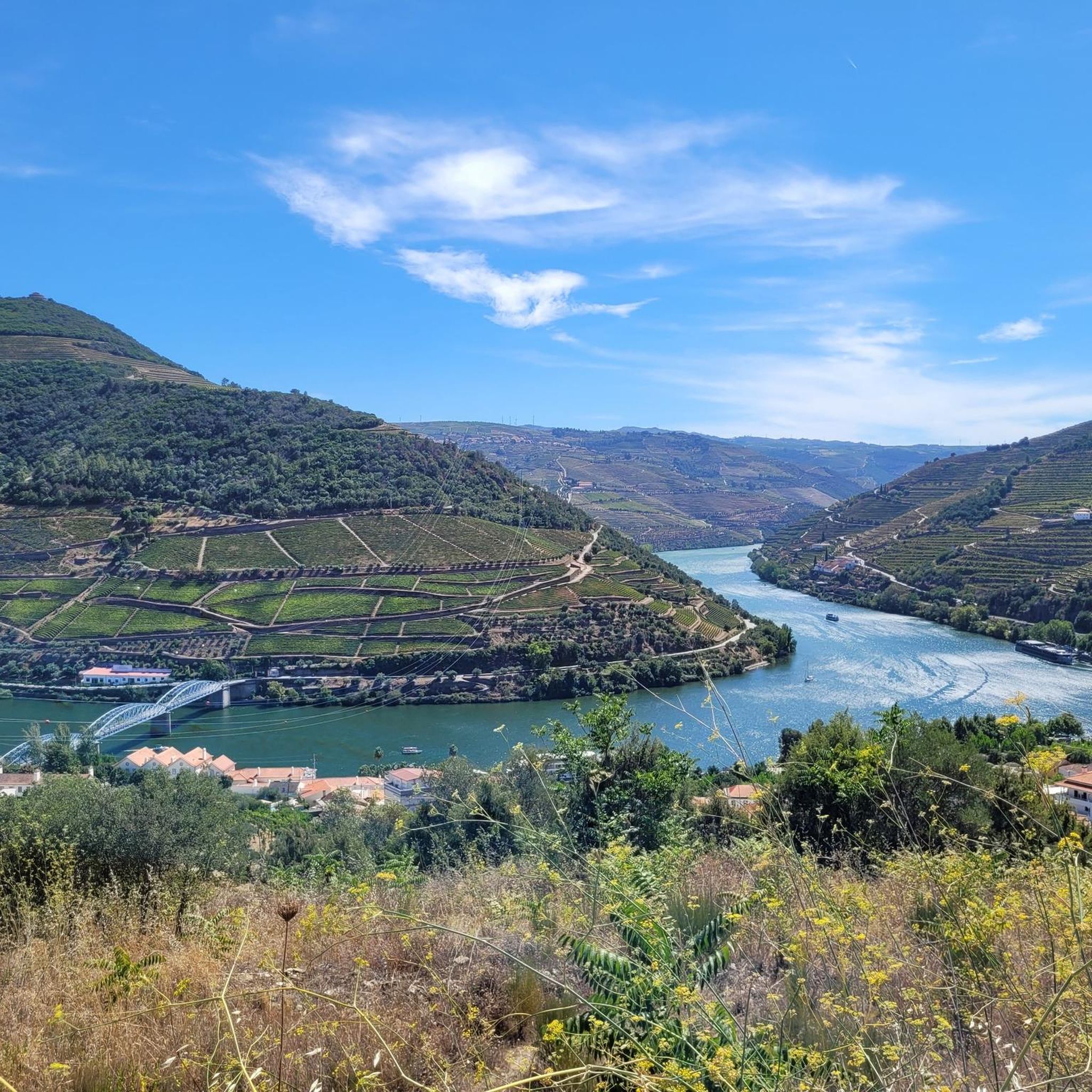
Régua and the Douro River
Highlight • River
Translated by Google •
Tip by

Ucanha Tower and Bridge
Highlight • Bridge
Translated by Google •
Tip by

Régua Railway Station
Highlight • Rest Area
Tip by

Sign up for free to discover even more attractions around Tarouca.
Already have an account?
Start today with a free account
Your next adventure awaits.
Tips from the Community

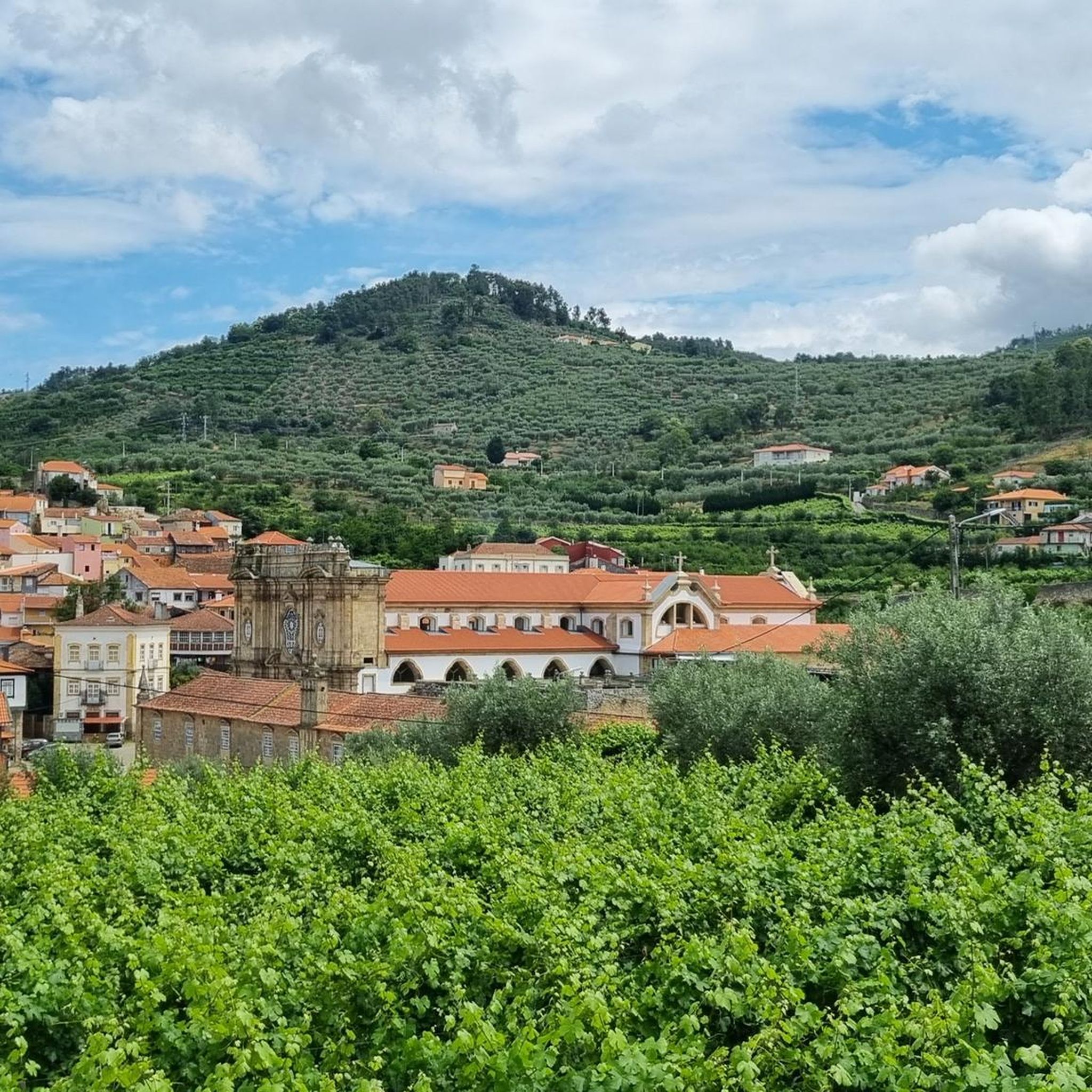
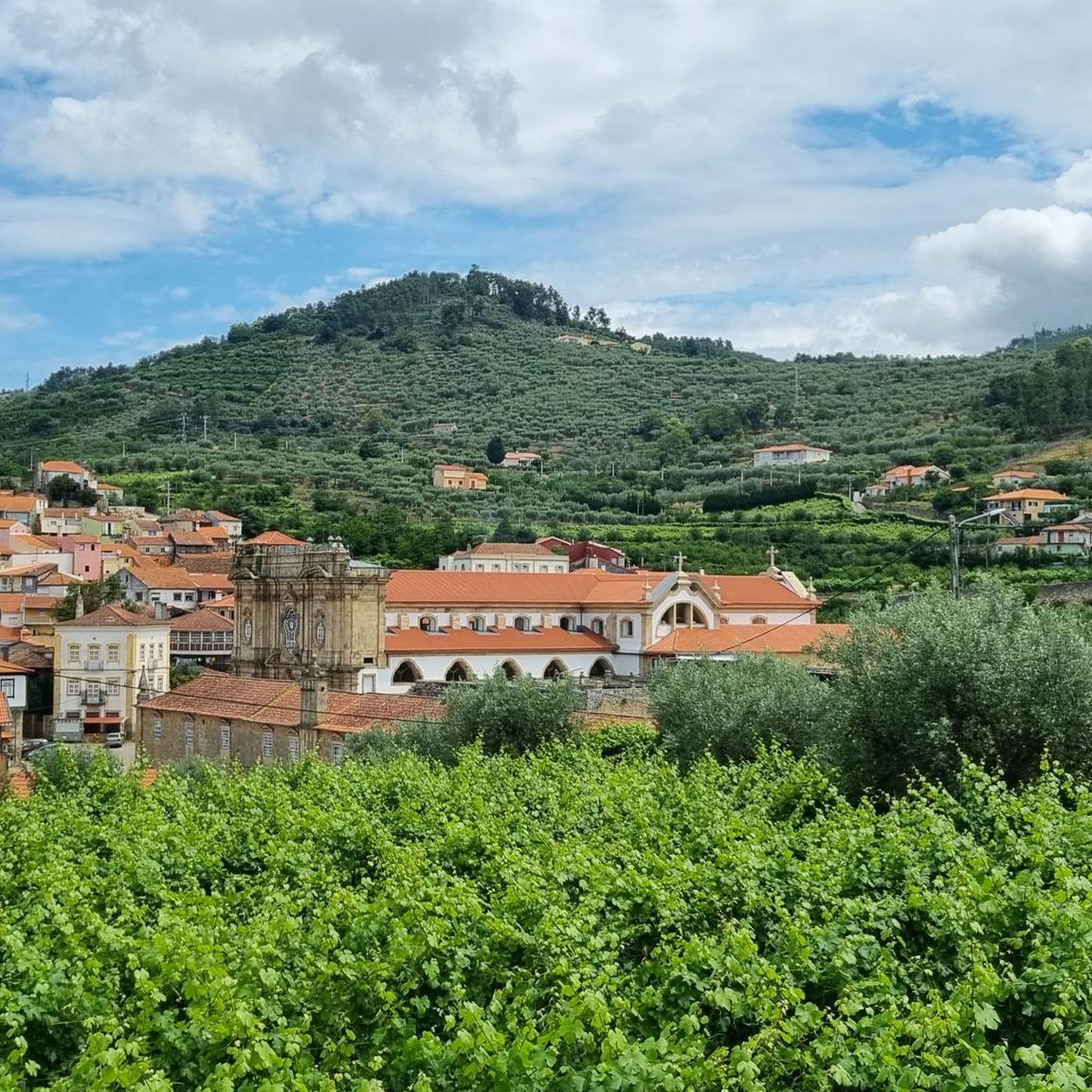
The station is so run-down that it's almost in working order again. Old railway vehicles (burned-out steam locomotives and old wagons) are scattered around the large grounds. There are also many disused tracks, including turntables. At the end of the station, the former storage sheds have been converted into wine shops and restaurants.
2
0
The bridge is really well-made. The view from the bridge is beautiful, even though there's still a lot that could be done with the buildings at the end.
2
0

Thank you for sharing the spectacular photos.👍
0
0

A charming village with a typically medieval feel, the town still consists of a small, romantic line of houses stretching along a narrow path, Rua Principal, Rua Direita, or simply Rua, since it is the only street in the village. Winemaking, particularly elderberry, a strong presence in the village, continues to be the main source of livelihood. The village's two landmarks stand proudly at the entrance to the old Couto de Salzedas. They are the Tower and the Ucanha Bridge, two rare gems of the Douro Heritage. Some scholars suggest that the Ucanha Bridge, a National Monument, was built on an earlier Roman structure, while others suggest that it already existed in the 12th century. In any case, the current structure, in Gothic style, was built in the 15th century. Next to it stands a robust, square-shaped tower, formerly intended not only to guard the entrance to Couto de Salzedas, but also to allow the collection of tolls to which the Monastery was entitled.
1
0

Cool regional trains prepared for a ton of bikes.
1
0

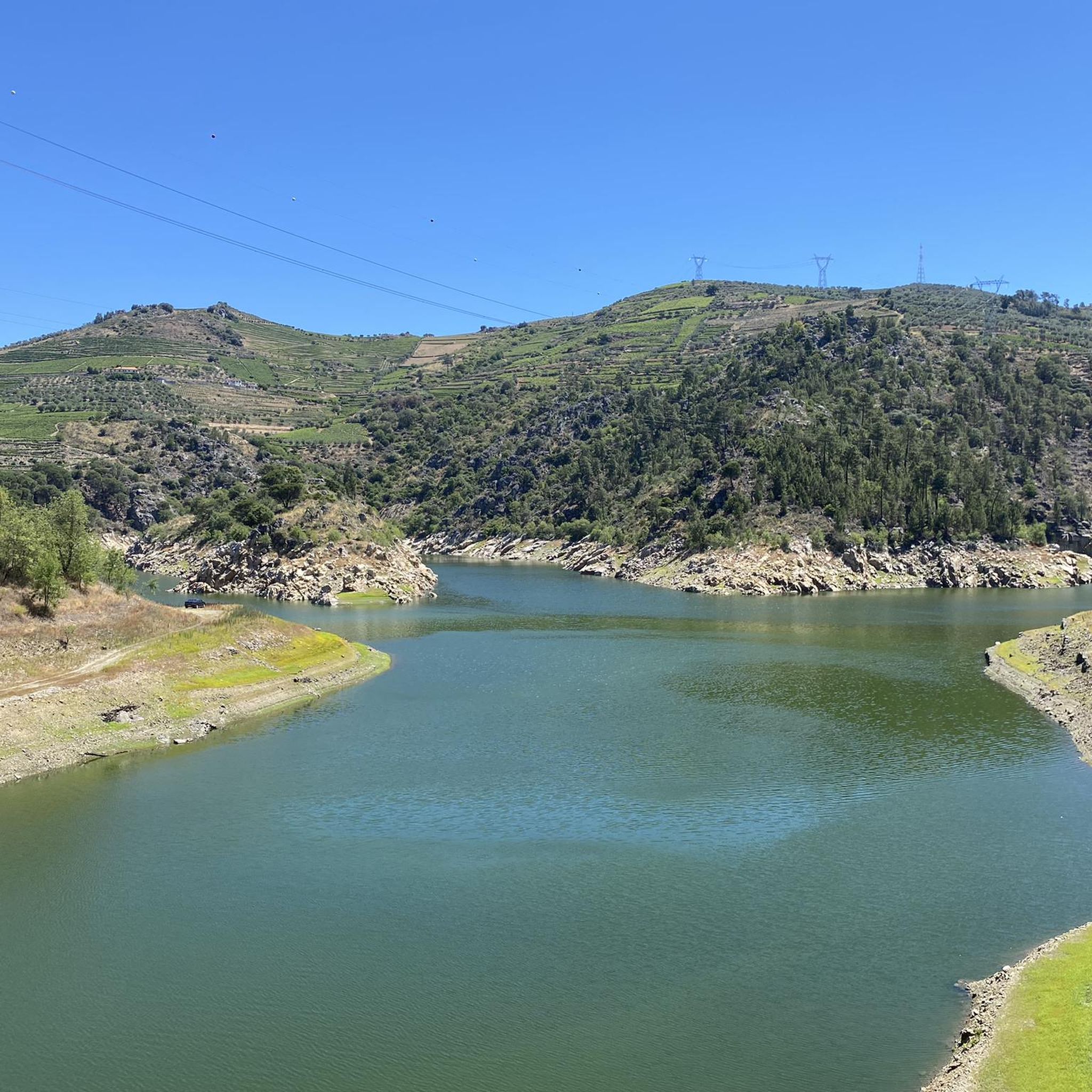
Here is a good start for a train ride along the Duro. Upstream, it is also possible to bike along the river.
2
0
Castelo de Lamego was constructed during the 12th century and was an important defensive structure during the Middle Ages. The castle underwent various renovations over the centuries, with the addition of Gothic and Manueline elements in the 15th and 16th centuries. Today, the castle is mostly in ruins, but visitors can still see the remaining walls, towers, and gates that once surrounded the fortress. The castle is situated on a hill overlooking the city and offers panoramic views of the surrounding landscape.
2
0

The medieval bridge over the Varosa River with its tower is a rare example of civil Gothic architecture in Portugal.
1
0
Frequently Asked Questions
What historical sites can I explore in Tarouca?
Tarouca is rich in history. You can visit the Monastery of São João de Tarouca, the first Cistercian monastery in Portugal, or the impressive Ucanha Bridge and Fortified Tower, a rare example of Gothic civil architecture. Another significant site is the Monastery of Santa Maria de Salzedas. Don't miss Lamego Castle, which offers historical insights and panoramic views.
Where can I find the best panoramic views around Tarouca?
For breathtaking vistas, head to the View of Lamego and the Sanctuary of Nossa Senhora dos Remédios, which offers expansive views of Lamego. Another must-see is the View of the Douro Valley, a UNESCO World Heritage Site known for its terraced vineyards. The Cristo Rei Viewpoint and Serra de Santa Helena also provide inspiring panoramic views over Tarouca and the Varosa Valley.
Are there family-friendly attractions in Tarouca?
Yes, Tarouca offers several family-friendly options. The Tarouca Riverside Park is ideal for nature walks, picnics, and features a playground, skate park, and mini-golf. Children might also enjoy Morro de Alcácima, where they can observe animals and play. The Régua Pedestrian Bridge is a wide, safe footbridge for a pleasant stroll with views of the Douro River.
What natural features can I experience near Tarouca?
Tarouca is nestled within the scenic Douro and Varosa Valleys. You can explore the tranquil natural environment of Serra de Santa Helena, perfect for walks and stargazing. The Varosa Valley itself offers beautiful landscapes, and the nearby Douro River is known for its scenic beauty and connection to Port wine production.
What outdoor activities can I do near these attractions?
The region around Tarouca is excellent for outdoor enthusiasts. You can find numerous routes for mountain biking, road cycling, and running. For detailed routes, explore the MTB Trails around Tarouca, Road Cycling Routes around Tarouca, and Running Trails around Tarouca.
Are there any unique cultural or culinary experiences in Tarouca?
Absolutely. Tarouca is known for its sparkling wine production. You can visit the Casa do Paço de Dalvares and Sparkling Wine Museum to learn about this local product. For a unique experience, explore the Murganheira Cellars, carved into blue granite rock, where the region's famous sparkling wines are matured.
What is the best time to visit Tarouca for sightseeing and outdoor activities?
The spring and autumn months generally offer pleasant weather for exploring Tarouca's attractions and engaging in outdoor activities like hiking and cycling. During the harvest season in autumn, the Douro Valley comes alive, offering a vibrant experience. Summers can be warm, ideal for river-related activities, while winters are milder but can be rainy.
Are there any accessible attractions for visitors with mobility challenges?
The Régua Pedestrian Bridge is a wide footbridge designed for safe crossing, making it accessible for many visitors. While some historical sites may have limited accessibility due to their age, the Tarouca Riverside Park offers paved paths suitable for various mobility levels.
What do visitors enjoy most about the attractions around Tarouca?
Visitors frequently praise the stunning panoramic views, especially from spots like the View of Lamego and the Sanctuary of Nossa Senhora dos Remédios and the View of the Douro Valley. The historical significance of sites like Lamego Castle and the Cistercian monasteries is also highly appreciated. The peaceful natural settings and the opportunity for scenic walks are often highlighted.
Can I find Romanesque architecture in Tarouca?
Yes, Tarouca is home to several examples of Romanesque architecture. You can find various Romanesque bridges throughout the area, including those in Vila Pouca de Salzeda, São João de Tarouca, and Mondim da Beira. The Ucanha Bridge and Fortified Tower, while primarily Gothic, also reflects the region's rich medieval architectural heritage.
Are there opportunities for wine tasting or vineyard visits near Tarouca?
Tarouca is located near the renowned Douro Valley, a UNESCO World Heritage Site famous for its terraced vineyards and Port wine production. While the guide highlights the Sparkling Wine Museum and Murganheira Cellars within Tarouca, many vineyards and wineries in the broader Douro region offer tours and tastings. The Douro River itself is central to this wine region.
Most popular routes around Tarouca

Get inspired with the komoot mobile app


Explore more
Still not found the Highlight you’re looking for? See guides of the top attractions in other regions:
