The best road cycling routes around Vila Nova De Foz Coa
4.5
(4)
205
riders
32
rides
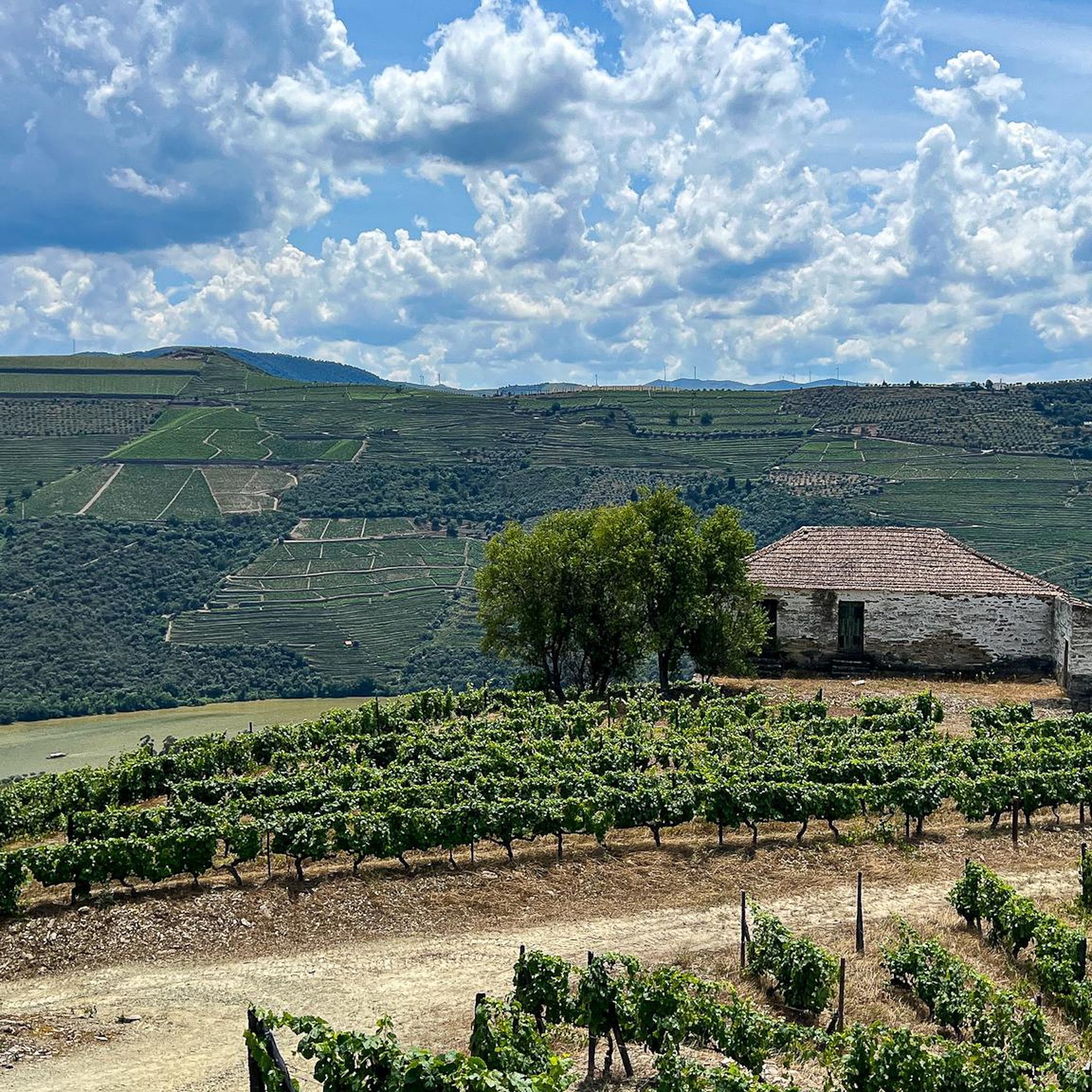
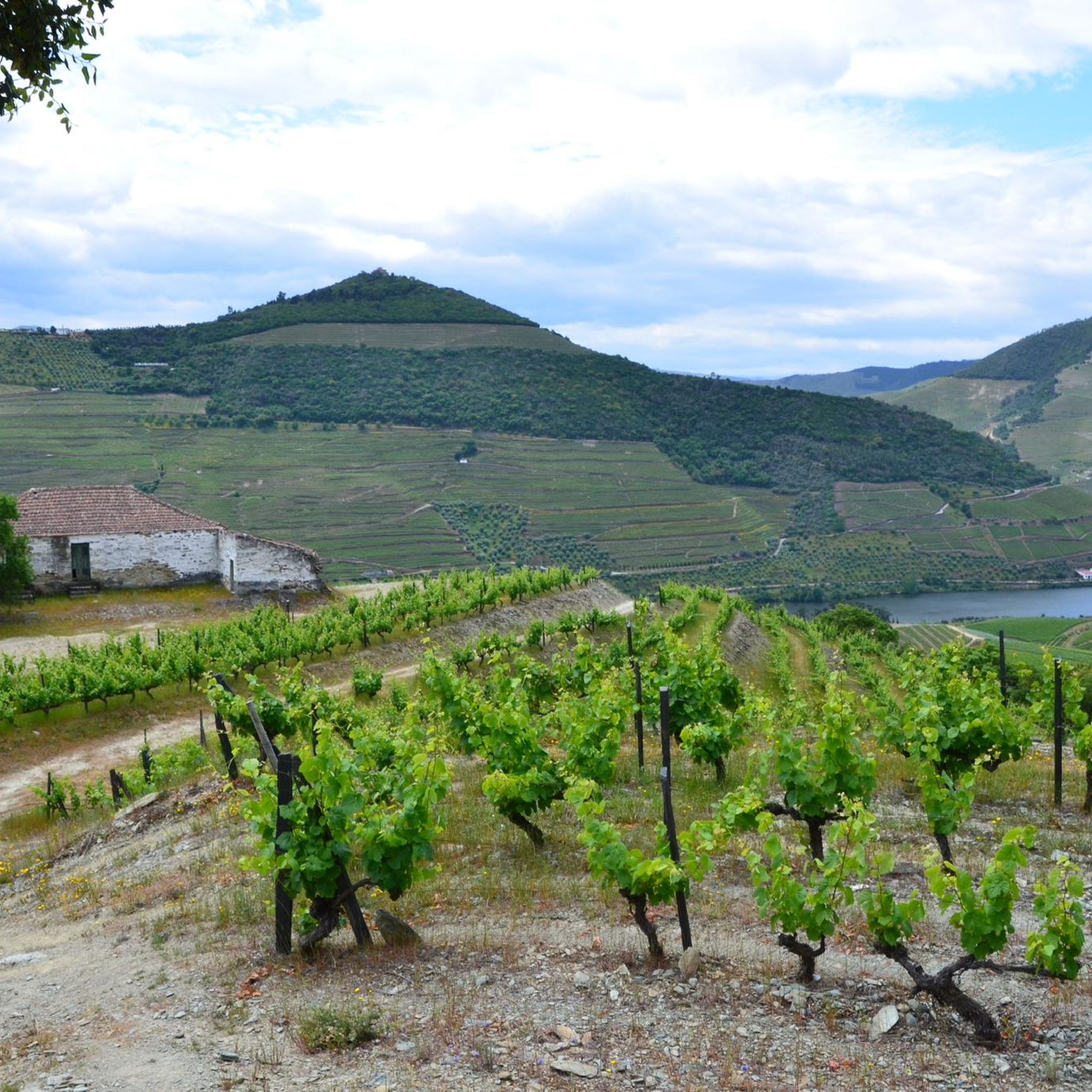
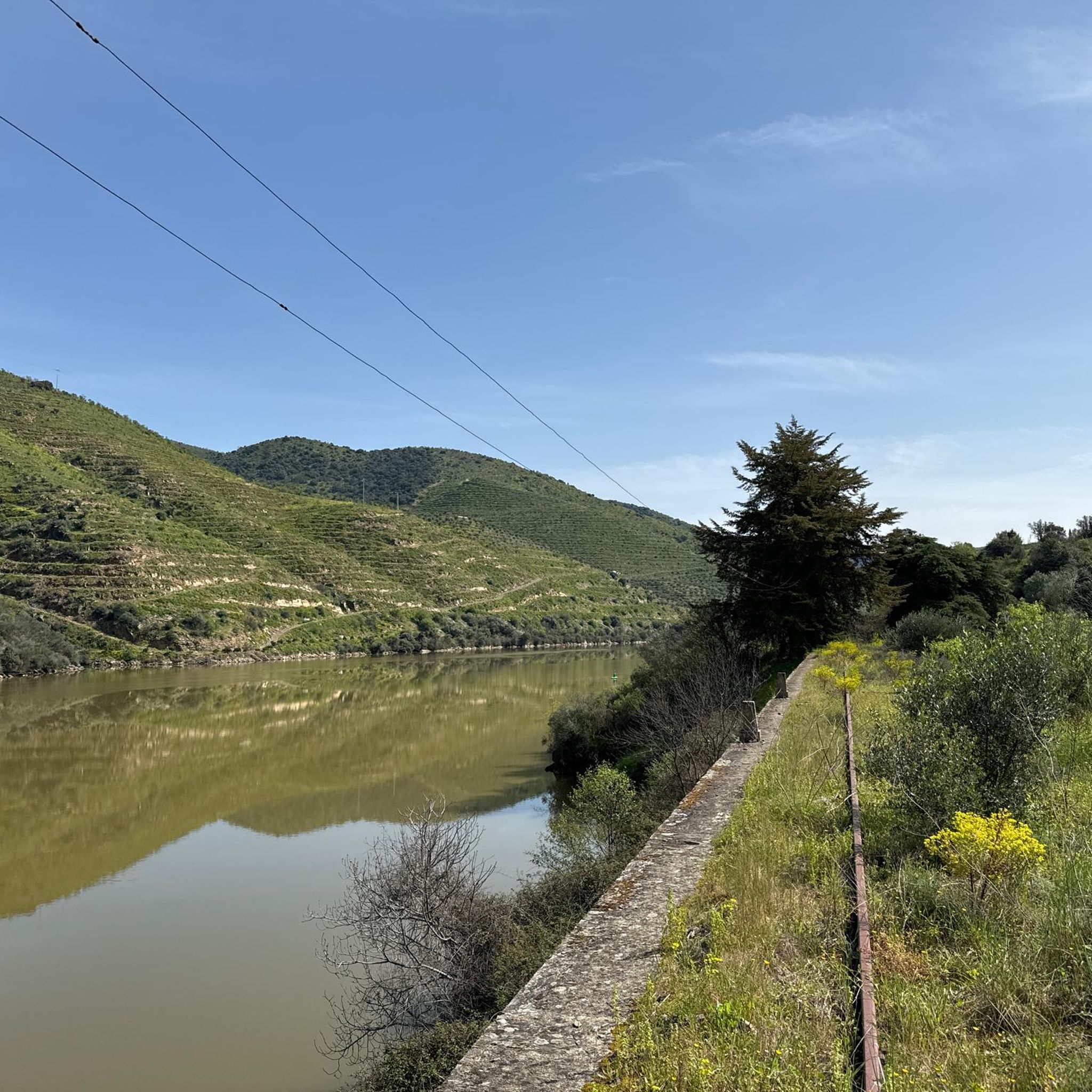
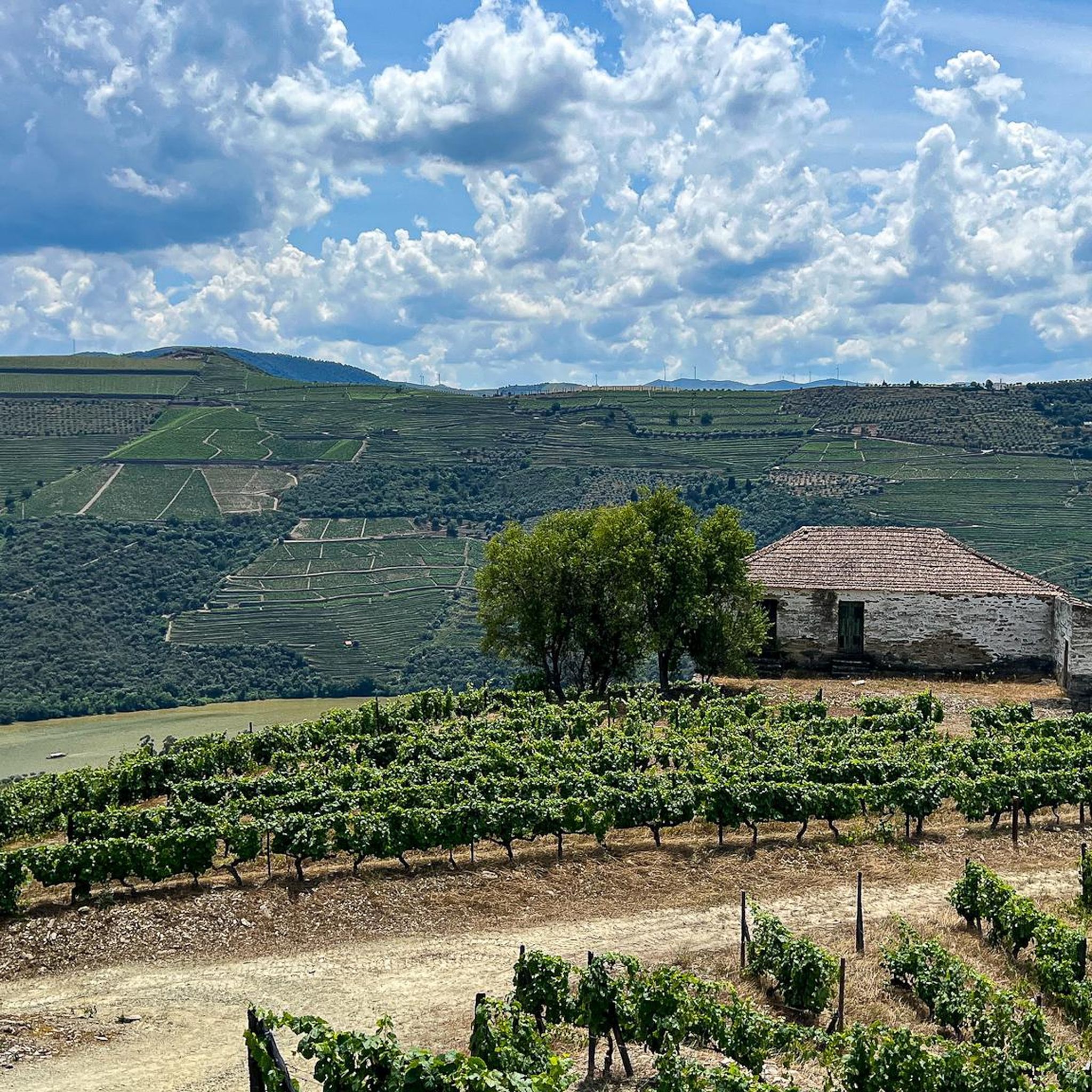
Road cycling routes around Vila Nova De Foz Coa traverse a landscape shaped by the confluence of the Douro and Côa rivers, characterized by deep valleys and rolling hills. The region features extensive terraced vineyards, ancient olive groves, and quiet stone hamlets. Roads often follow tributary valleys, offering varied gradients suitable for cycling.
Best road cycling routes around Vila Nova De Foz Coa
- The most popular road cycling route is Torre de Moncorvo and Sabor Greenway Loop, a 15.9…
Last updated: November 7, 2026
1
riders
25.6km
01:21
450m
450m
Moderate road ride. Good fitness required. Mostly well-paved surfaces and easy to ride.
16
riders
57.5km
02:58
910m
910m
Hard road ride. Very good fitness required. Mostly well-paved surfaces and easy to ride.

5.0
(1)
12
riders
46.5km
02:25
830m
830m
Moderate road ride. Good fitness required. Mostly well-paved surfaces and easy to ride.
5.0
(1)
8
riders
93.4km
04:55
1,690m
1,690m
Hard road ride. Very good fitness required. Mostly well-paved surfaces and easy to ride.
9
riders
Moderate road ride. Good fitness required. Mostly well-paved surfaces and easy to ride.
Get access to more routes and recommendations from other explorers.
Already have an account?
Our route recommendations are based on thousands of hikes, rides, and runs completed by other people on komoot.
Start today with a free account
Your next adventure awaits.
Tips from the Community

It was open and the visit was without an appointment
0
0

The Pocinho Road-Railway Bridge, also known as the Pocinho Bridge, is a road-rail infrastructure of the Linha do Sabor, which crosses the Douro River in the Municipality of Vila Nova de Foz Côa, in Portugal; it is closed to service, for both types of traffic. The construction of a bridge at this location, with two superimposed decks, was foreseen by the Plan of the Complementary Network North of Mondego, dated February 15, 1900.
0
0

Vila Nova de Foz Côa is a jewel of northern Portugal, located in the Guarda district of the Alto Douro region. It is known for its unique archaeological heritage, spectacular wine-growing landscapes, and its deep connection to history and nature.
3
0

Amid granite boulders and echoes of ancient battles, Moreira de Rei rises, an eagle's nest crowned by ruins that still whisper stories of fleeing kings, noblemen, and armies that passed through here. A good example is its name, which dates back to the time when Moreira welcomed King Sancho II on his way to exile from Toledo. Beneath the old Romanesque church lies a proto-Christian necropolis, witness to centuries of faith. Between worn walls, Roman pavements, and Visigothic memories, the town preserves, in stone and silence, the grandeur of a past that has never ceased to pulse.
2
0
Marialva is a jewel among Portugal's Historic Villages. High above, the castle watches over centuries of conquests and legends, while within the walls still echo the memory of kings, fairs, and battles. Strolling its cobblestone streets is like traveling back in time: from the keep to the Church of Santiago, every detail tells a story. Outside the walls, vineyards and flavors of Beira Alta complete the landscape: roast kid, sheep's cheese, and sweets that preserve the taste of tradition. Here, the village is experienced as much on foot as at the table.
3
0
Castelo Rodrigo holds millennia of history, from Paleolithic and Roman remains to the Muslim presence in the castle. Conquered and reconquered between the 12th and 13th centuries, it became a town and municipality under King Alfonso IX of León and passed definitively to Portugal in 1297, when King Dinis rebuilt and repopulated the castle. Marked by wars, charters, and restorations, it welcomed pilgrims on their way to Santiago and remains today one of the twelve Historic Villages of Portugal.
3
0
Castelo Rodrigo is a village with a medieval soul, where time has left its deep marks: walls, stone streets and remains of an ancient community of New Christians. Surrounded by magnificent landscapes, from the Douro International Natural Park to the Côa Valley, passing through the Serra da Marofa and the Faia Brava Reserve, this village is an invitation to contemplation and to taste. Here, history is served at the table: Marofa lamb, octopus in migas or rice are flavors that count as much as the books.
2
0

Its ancient castle contrasts with the fears and fears experienced by the people of yesteryear. It was a border town, the scene of many important battles and struggles for the formation and independence of the kingdom. It received important privileges. D. Afonso Henriques granted it a charter and D. Afonso III the charter of Feira. D. Dinis ordered the construction of the walls that still protect a village where Christians and Jews lived together. The ring of walls that still surround the old medieval town, as well as the vast civil and religious architectural heritage, give the Historic Centre a unique image.
3
0
Frequently Asked Questions
How many road cycling routes are available around Vila Nova De Foz Coa?
There are over 30 road cycling routes around Vila Nova De Foz Coa, offering a diverse range of experiences through the region's unique landscapes of river valleys, terraced vineyards, and historic villages.
What do other road cyclists enjoy most about the routes in Vila Nova De Foz Coa?
The area is highly rated by the komoot community, with an average score of 5.0 stars. Cyclists often praise the varied terrain, from gentle gradients along tributary valleys to more challenging climbs, and the immersive journey through history and nature that the region offers.
What is the general difficulty level for road cycling in Vila Nova De Foz Coa?
Road cycling in Vila Nova De Foz Coa offers a mix of challenges. While some routes feature a 'softer tempo' with more gentle gradients, about two-thirds of the routes are considered difficult, with the remaining third being moderate. This means there are options for various fitness levels, but many routes include significant elevation changes.
Are there challenging routes with significant climbs for experienced road cyclists?
Yes, experienced road cyclists will find plenty of challenging routes. For instance, the Castelo Rodrigo Village – End of N222 in Almendra loop from Pocinho is a difficult 92.9 km route with over 1600 meters of elevation gain. Another demanding option is the End of N222 in Almendra – Steep terrain in the Côa Valley loop from Vila Nova de Foz Coa, covering 79.8 km with over 1300 meters of ascent.
Are there any easier or moderate road cycling routes suitable for less experienced riders?
Yes, there are moderate options available. The Torre de Moncorvo and Sabor Greenway Loop is a moderate 25.6 km route that takes about 1 hour 21 minutes, offering views of the Sabor Valley. Another moderate choice is the Pocinho Station loop from Vila Nova de Foz Coa, a 46.6 km trail through river valleys.
What historical sites or landmarks can I see while road cycling in Vila Nova De Foz Coa?
The region is rich in history. You can cycle past the Historic Village of Marialva, known for its castle ruins, or explore the Castelo Melhor Castle. The Côa Valley Archaeological Park, a UNESCO World Heritage site with ancient rock art, is also a significant attraction in the area. The Historic Village of Marialva loop from Vila Nova de Foz Coa specifically leads to Marialva.
Are there scenic viewpoints along the road cycling routes?
Absolutely. Vila Nova de Foz Côa is known for its stunning 'miradouros' (viewpoints) offering expansive vistas over the Douro and Côa river valleys, terraced vineyards, and traditional villages. While specific viewpoints aren't always on every route, the landscape itself provides continuous scenic beauty.
What natural features will I encounter on road cycling routes in this region?
Road cycling routes in Vila Nova De Foz Coa are defined by the dramatic confluence of the Douro and Côa rivers, creating deep valleys and rolling hills. You'll traverse extensive terraced vineyards, ancient olive groves, and quiet stone hamlets. The Douro River and Steep terrain in the Côa Valley are prominent natural highlights.
When is the best season for road cycling in Vila Nova De Foz Coa?
The region offers pleasant cycling conditions for much of the year. February and March are particularly special due to the spectacular almond blossom, transforming the landscape into a sea of white and pink. Spring and autumn generally provide milder temperatures, ideal for longer rides, while summer can be warm but still enjoyable, especially in the mornings or late afternoons.
Are there any circular road cycling routes available?
Yes, many of the routes in the area are designed as loops. For example, the Torre de Moncorvo and Sabor Greenway Loop and the Historic Village of Marialva loop from Vila Nova de Foz Coa are both circular routes, allowing you to start and end in the same location.
Is Vila Nova De Foz Coa suitable for family road cycling trips?
While many routes involve varied terrain and significant elevation, some of the moderate routes could be suitable for families with older, more experienced children. The 'softer tempo' roads in tributary valleys might offer more gentle gradients. Always check the route's difficulty and elevation profile before setting out with family.
Are there public transport options to access cycling routes in Vila Nova De Foz Coa?
The Pocinho Railway District, with its historic 19th-century railway station, serves as a point of interest and a potential starting point for some cycling routes. This suggests some public transport access, likely by train, which could facilitate reaching certain areas to begin your ride.
Most popular attractions around Vila Nova De Foz Coa

Get inspired with the komoot mobile app


Explore more
Browse the best Road cycling routes in other regions.
