Attractions and Places To See around Sintra - Top 20
Best attractions and places to see around Sintra include a diverse range of historical sites, palaces, and natural landscapes. This UNESCO World Heritage site in Portugal is known for its enchanting architecture and dramatic coastal scenery. The region features ancient castles, whimsical palaces, and lush forests within the Sintra-Cascais Natural Park. Visitors can explore a mix of cultural landmarks and rugged natural features.
Best attractions and places to see around Sintra
- The most popular attractions is Castle of the Moors, a castle that features ancient stone walls stretching across the hills. From its elevated position, it offers panoramic views of Sintra and the Atlantic Ocean.
- Another must-see spot is Cabo da Roca — Westernmost point of mainland Europe, a viewpoint with dramatic cliffs rising about 100 meters above sea level. This location provides stunning views of the Atlantic Ocean.
- Visitors also love Sintra Historic Centre, a settlement characterized by narrow, cobbled streets. It allows visitors to explore artisan shops and experience old-world charm.
- Sintra is known for its palaces, castles, and natural parks. The area offers a variety of attractions, from historical monuments to dramatic coastal viewpoints, providing diverse exploration opportunities.
- The attractions around Sintra are appreciated by the komoot community, with more than 160 highlights and over 620 upvotes. Many visitors have also contributed more than 440 photos of the area.
Last updated: October 9, 2026
Sintra Historic Centre
Highlight • Settlement
Translated by Google •
Tip by

Pena Palace
Highlight • Castle
Translated by Google •
Tip by
Sign up now to discover places like this
Get recommendations on the best single tracks, peaks, & plenty of other exciting outdoor places.
Castle of the Moors
Highlight • Castle
Translated by Google •
Tip by
Monument to the Discoveries
Highlight • Monument
Translated by Google •
Tip by
Belém Tower
Highlight • Monument
Throughout its history, it has served as a prison, lighthouse, and tax collection center.
Along with the Jerónimos Monastery, it was declared a UNESCO World Heritage Site in 1983.
I hope this information is useful to you! 😊
Translated by Google •
Tip by
Sign up for free to discover even more attractions around Sintra.
Already have an account?
Start today with a free account
Your next adventure awaits.
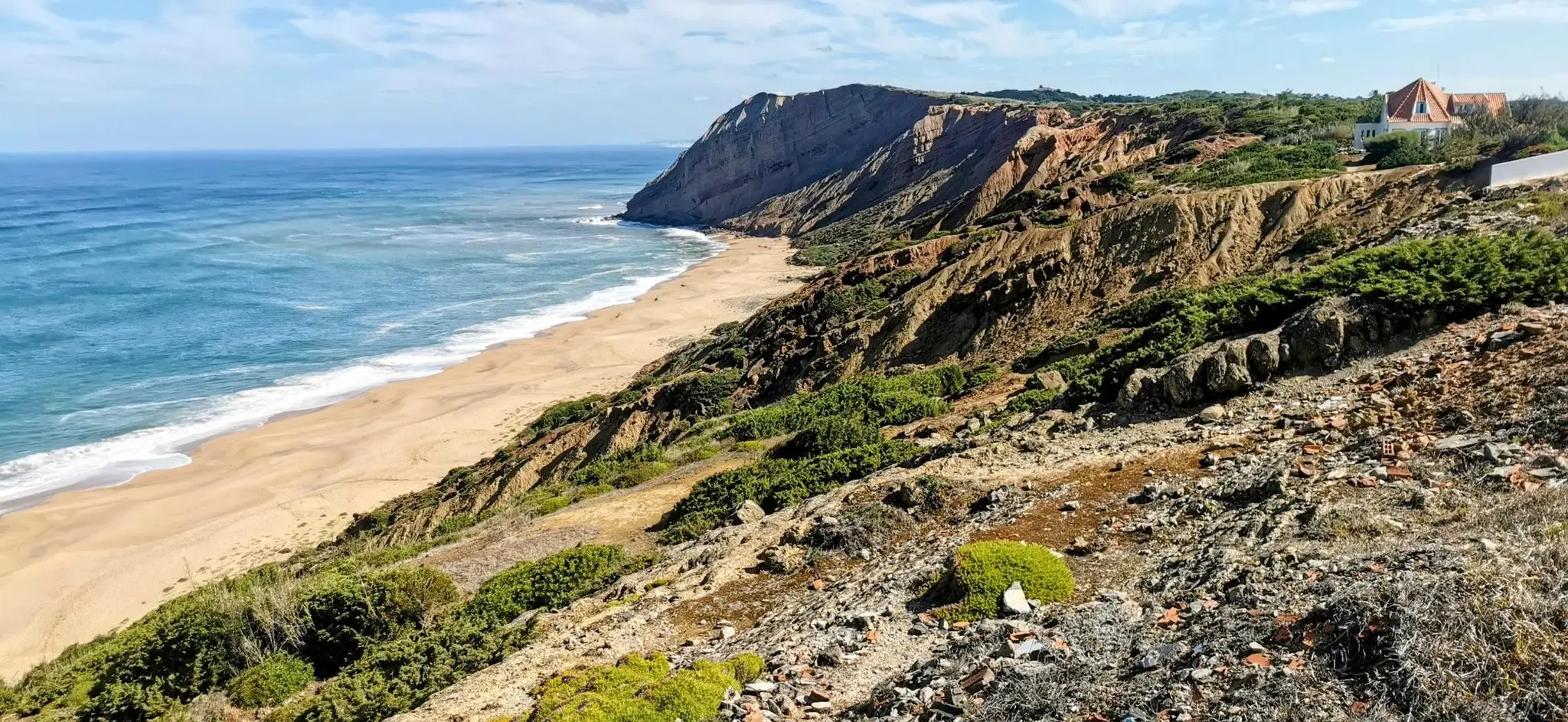
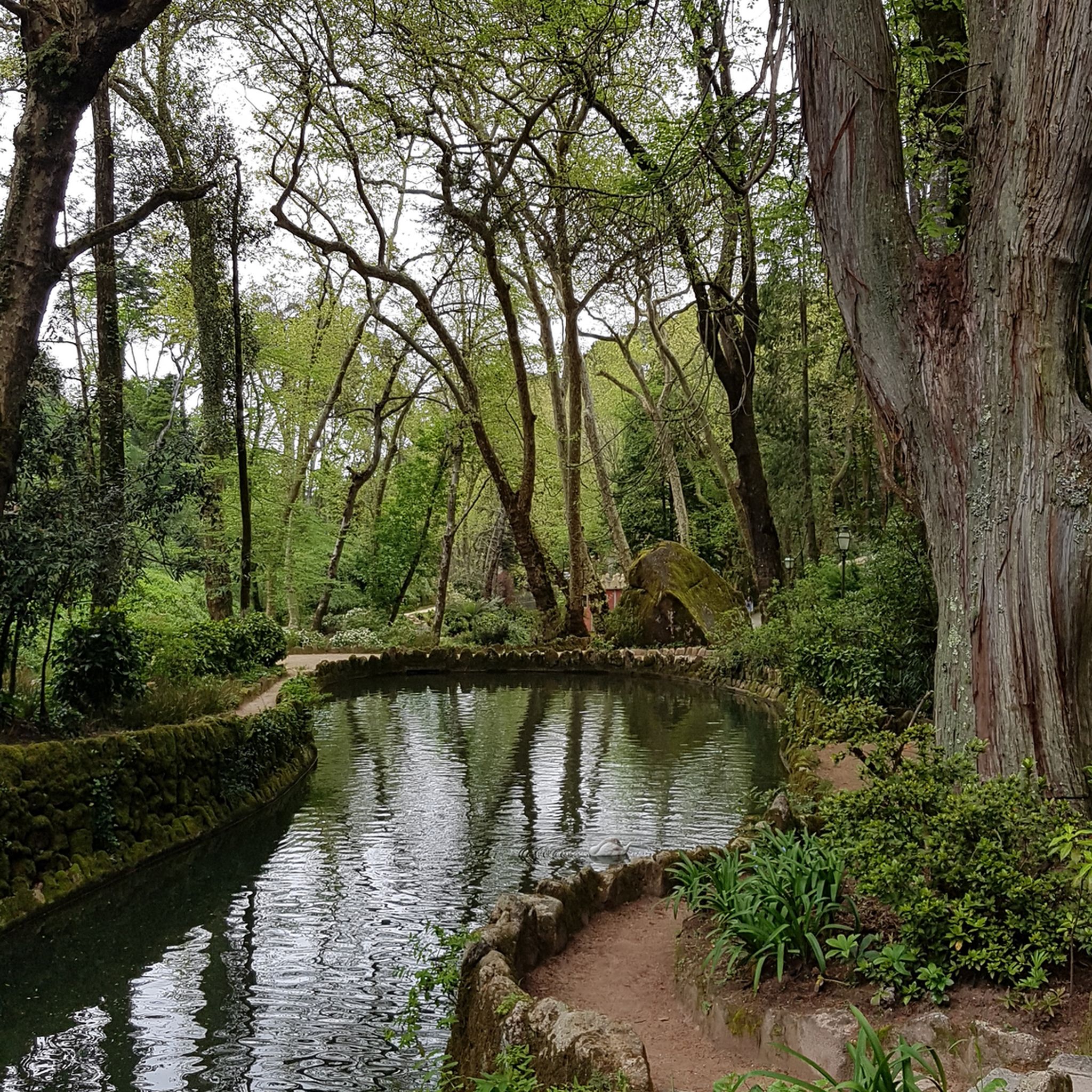
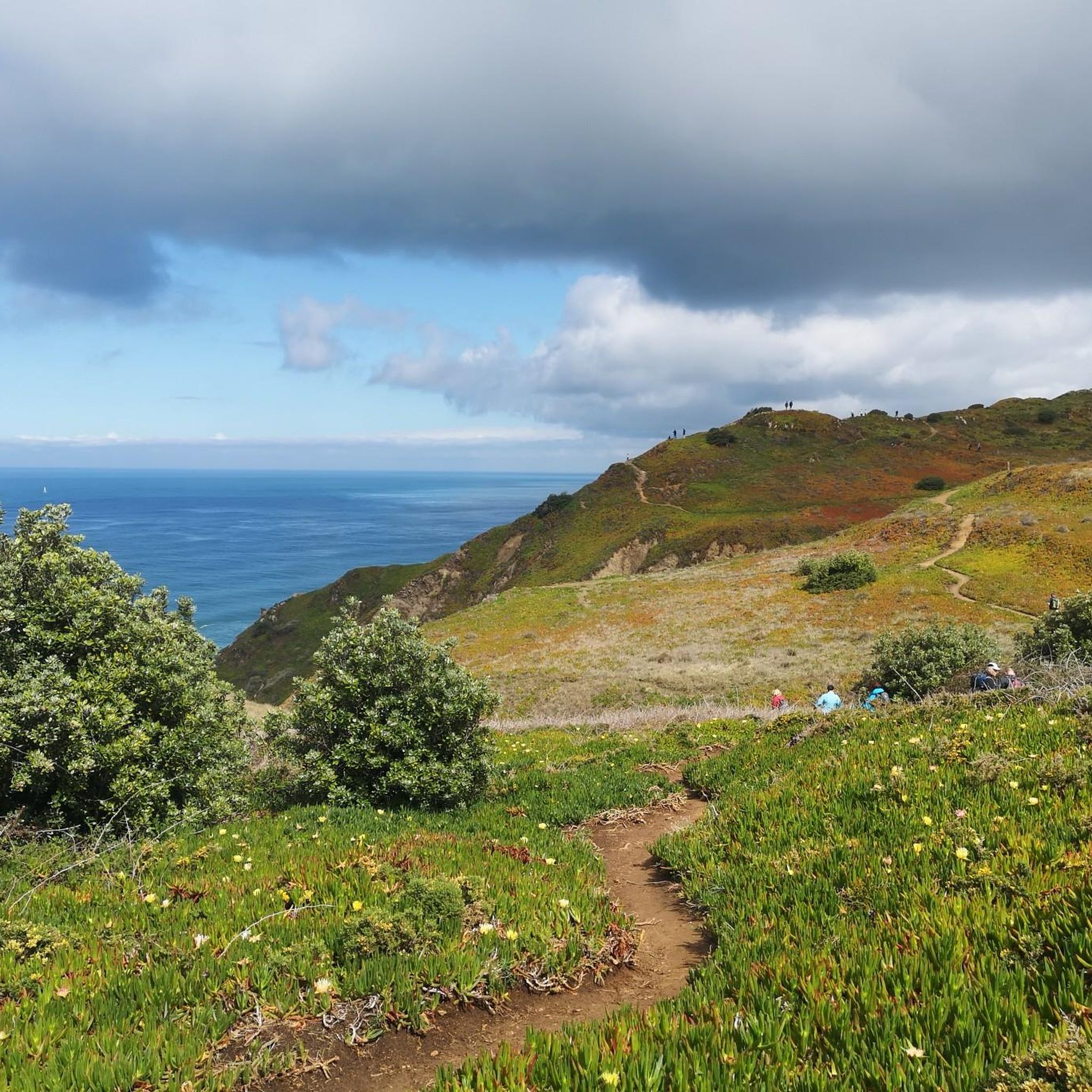
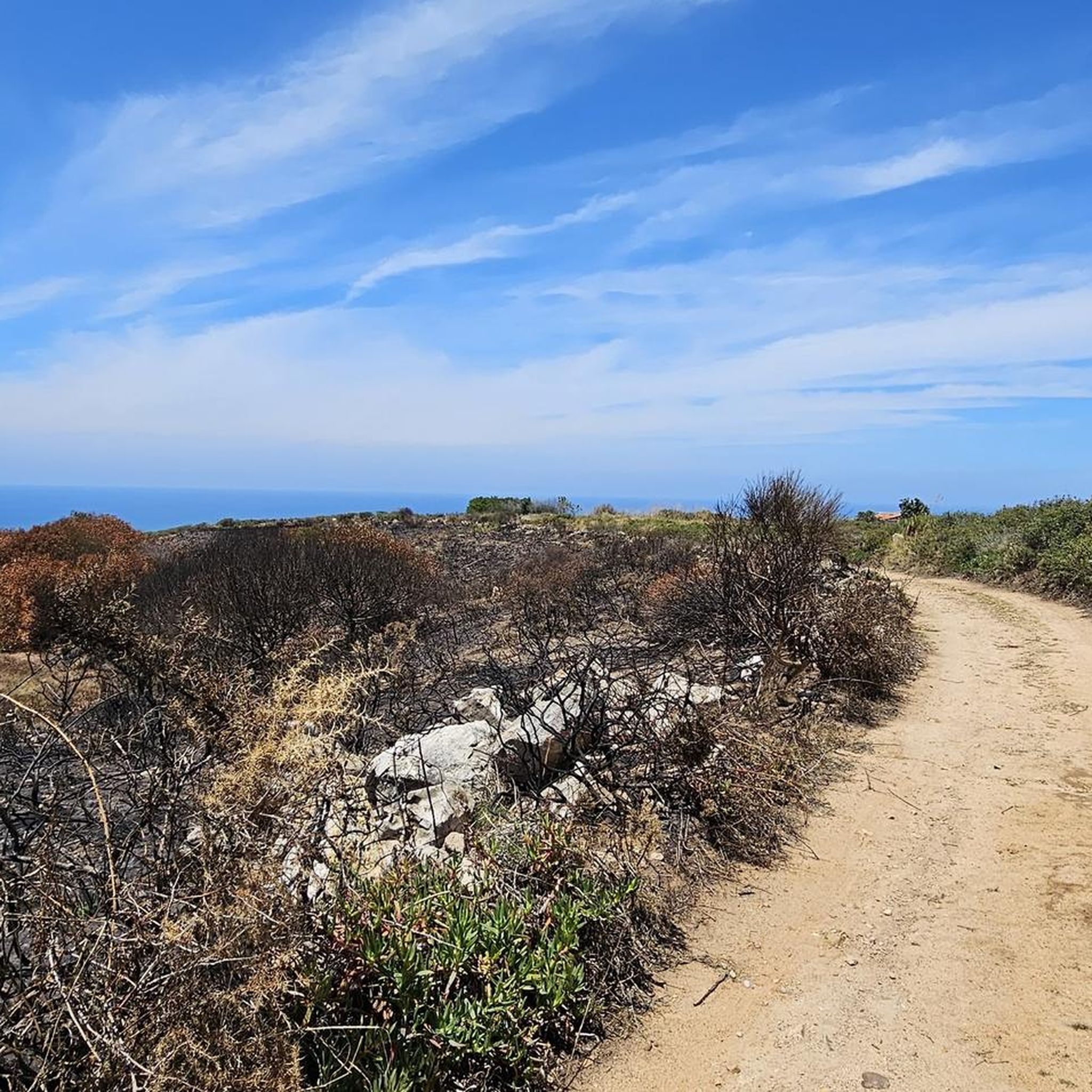
Other adventures around Sintra

Tips from the Community

A very pretty little town with winding streets. However, like every hot spot, it's now completely exploited for tourism.
8
1

The Monument to the Discoveries in Lisbon pays homage to Portuguese navigators. It represents the Age of Discovery, with statues of historical figures such as Henry the Navigator and Vasco da Gama. It is shaped like a caravel, symbolizing sea voyages.
5
0

The view of Pena Palace and Sintra from the Castelo dos Mouros is one of the most spectacular in the entire region. Walking along the castle walls, you'll discover a landscape that blends history, architecture, and nature in perfect harmony.
7
0
It was originally a Hieronymite monastery founded in the 16th century, dedicated to Our Lady of Sorrow. After the 1755 earthquake, it fell into ruins and was acquired by King Ferdinand II in 1838. Between 1842 and 1854, it became a summer palace for the Portuguese royal family. In 1910, following the end of the monarchy, it passed into state hands and was opened to the public.
20
0
The Pena Palace in Sintra is one of Portugal's most spectacular monuments and a jewel of European Romanticism. Located high in the Sintra Mountains, about 25 km from Lisbon, this palace looks like something out of a fairy tale with its colorful and eclectic architecture.
21
0
The Belém Tower is one of the most iconic monuments in Lisbon, Portugal. Built between 1515 and 1519 by architect Francisco de Arruda, this Manueline-style tower was originally a fortress intended to protect the entrance to the port of Lisbon across the Tagus River. Over time, the tower also served as a tax collection center, a lighthouse, and a prison. In 1983, it was declared a UNESCO World Heritage Site along with the nearby Jerónimos Monastery.
17
3
The Belém Tower is a 16th-century military construction designed by Francisco de Arruda and Diogo de Boitaca. It played a crucial role during the Age of Discovery as a fortress and port. Throughout its history, it has served as a prison, lighthouse, and tax collection center. Along with the Jerónimos Monastery, it was declared a UNESCO World Heritage Site in 1983. I hope this information is useful to you! 😊
19
2
The Belém Tower is a 16th-century military construction designed by Francisco de Arruda and Diogo de Boitaca. It played a crucial role during the Age of Discovery as a fortress and port. Throughout its history, it has served as a prison, lighthouse, and tax collection center. Along with the Jerónimos Monastery, it was declared a UNESCO World Heritage Site in 1983. I hope this information is useful to you! 😊
25
1
Frequently Asked Questions
What historical sites can I visit in Sintra?
Sintra is rich in historical sites. You can explore the ancient walls of the Castle of the Moors, a 9th-century fortress offering panoramic views. The Sintra Historic Centre itself is a UNESCO World Heritage site, featuring the National Palace of Sintra with its distinctive conical chimneys. Other notable palaces include the whimsical Quinta da Regaleira, the colorful Pena National Palace, and the elegant Monserrate Palace.
Are there any UNESCO World Heritage sites in Sintra?
Yes, the Cultural Landscape of Sintra, which includes the historic town center, palaces, and parks, is a designated UNESCO World Heritage site. This recognition highlights its unique blend of natural and cultural elements, showcasing its romantic 19th-century architecture and lush gardens.
How long does it typically take to visit the main castles and palaces in Sintra?
Visiting the main palaces and castles in Sintra can take a significant amount of time. For example, exploring the Castle of the Moors and Pena National Palace, including their surrounding parks, can easily take a full day. Quinta da Regaleira and the National Palace of Sintra each require several hours. It's advisable to plan at least two full days to comfortably experience the major sites without rushing.
What natural attractions can I explore in Sintra?
Sintra offers stunning natural beauty, particularly within the Sintra-Cascais Natural Park. A must-see is Cabo da Roca — Westernmost point of mainland Europe, with its dramatic cliffs and ocean views. You can also find wild beaches like Praia da Adraga, serene lakes such as Lagoa Azul and Barragem do Rio da Mula, and the highest point in the Sintra Mountains, Cruz Alta, offering expansive vistas.
Are there good hiking trails around Sintra's attractions?
Absolutely! The region around Sintra is excellent for hiking. You can find trails like the 'Cabo da Roca and Adraga Beach Loop' or the 'Capuchos Trail (PR6 SNT)' for more challenging routes. For a moderate option, consider the 'Palácio Nacional da Pena — circular route PR2 SNT in Sintra'. Many trails offer stunning views and connect various natural and historical sites. You can find more details on Running Trails around Sintra.
Can I go cycling or mountain biking near Sintra's attractions?
Yes, Sintra and its surroundings provide diverse terrain for both road cycling and mountain biking. Routes like the 'Penha Longa-Sintra Cycling Ruta' offer challenging rides through the Sintra-Cascais Natural Park. For mountain biking, explore trails such as the 'Sintra Mountains and Coast MTB Loop' or routes around the Convent of the Capuchos. Discover more options on Cycling around Sintra and MTB Trails around Sintra.
Where can I find the best panoramic views in Sintra?
For breathtaking panoramic views, head to the Castle of the Moors, where its ancient walls offer expansive vistas of Sintra, Pena Palace, and the Atlantic Ocean. Cabo da Roca — Westernmost point of mainland Europe provides dramatic coastal views, especially at sunset. The Pena National Palace, perched on a hilltop, also offers incredible perspectives of the surrounding landscape and forest.
Are there family-friendly activities in Sintra?
Sintra offers several family-friendly attractions. The Sintra Historic Centre is pleasant for strolling, and many palaces like Pena National Palace and Quinta da Regaleira captivate children with their fairytale-like architecture and mysterious gardens. The Cabo da Roca — Westernmost point of mainland Europe is also a popular spot for families to enjoy the dramatic coastal scenery.
What is the best time of year to visit Sintra?
The best time to visit Sintra is generally during the spring (April to May) or early autumn (September to October). During these months, the weather is pleasant, with fewer crowds than in the peak summer season, making it ideal for exploring the palaces, gardens, and hiking trails. Winter can be cooler and wetter, but the palaces are often less crowded.
What do visitors enjoy most about Sintra?
Visitors frequently praise Sintra for its unique blend of historical grandeur and natural beauty. The fairytale architecture of its palaces, like the colorful Pena National Palace, and the ancient walls of the Castle of the Moors, are often highlighted. The dramatic coastal views from Cabo da Roca — Westernmost point of mainland Europe and the charm of the Sintra Historic Centre also receive high acclaim.
Are there any hidden gem beaches near Sintra?
While Sintra is known for its palaces, the nearby coastline within the Sintra-Cascais Natural Park offers beautiful beaches. Praia da Adraga is a wild and dramatic beach framed by cliffs and rock formations, offering a more secluded experience away from the main tourist spots. It's an excellent place to enjoy the rugged Atlantic coast.
How can I get to Sintra's palaces and attractions using public transport?
Sintra is well-connected by train from Lisbon. Once in Sintra, local buses are available to transport visitors to the various palaces and attractions, including Pena National Palace, the Castle of the Moors, and Quinta da Regaleira. There are also specific bus routes that connect the town center to Cabo da Roca — Westernmost point of mainland Europe and other coastal areas.
Most popular attractions around Sintra

Get inspired with the komoot mobile app


Explore more
Still not found the Highlight you’re looking for? See guides of the top attractions in other regions:
