Attractions and Places To See around Pombal - Top 20
Attractions and places to see around Pombal, Portugal, encompass a range of historical landmarks and natural features. This region offers a blend of cultural sites and outdoor exploration opportunities. Visitors can explore ancient castles, historical churches, and museums, alongside natural attractions like coastal areas and mountain ranges. The area provides varied landscapes, from sandy beaches to limestone karst mountains, making it a destination for both cultural and nature enthusiasts.
Best attractions and places to see around Pombal
- The most popular attractions is Lagoa da Ervedeira, a lake that offers a beautiful lagoon with a small sandy beach, suitable for swimming and relaxation. It is approximately 600 meters long and features two bathing beaches.
- Another must-see spot is Roman Ruins of Conímbriga, a historical site showcasing the remains of an ancient Roman city. Visitors can expect to see Roman architecture, including baths, a theater, and a basilica, alongside well-preserved mosaics.
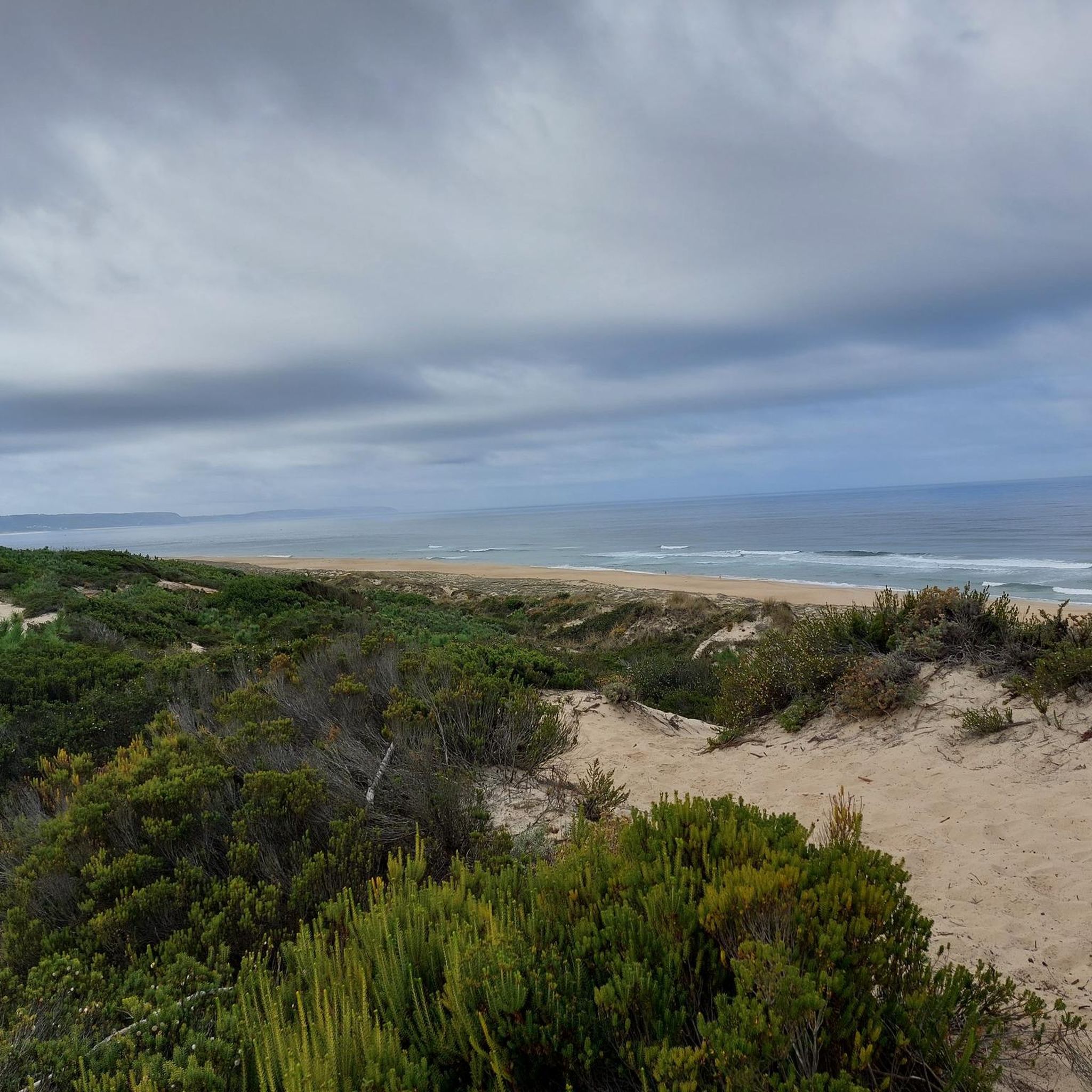
- Visitors also love Estrada Atlântica Cycle Path - Pedrógão, a cycle way that extends over 62 kilometers. This path offers conditions for cycling, rollerblading, or skateboarding, crossing four municipalities and providing views of forests and the Atlantic coast.
- Pombal is known for its historical sites, natural landscapes, and extensive cycling routes. The area offers a variety of attractions to see and explore, from ancient ruins to coastal paths and serene lakes.
- The attractions around Pombal are appreciated by the komoot community, with 17 highlights receiving a total of 140 upvotes and featuring 22 photos.
Last updated: July 20, 2026
Lagoa da Ervedeira
Highlight • Lake
Translated by Google •
Tip by

Estrada Atlântica Cycle Path - Pedrógão
Highlight • Cycleway
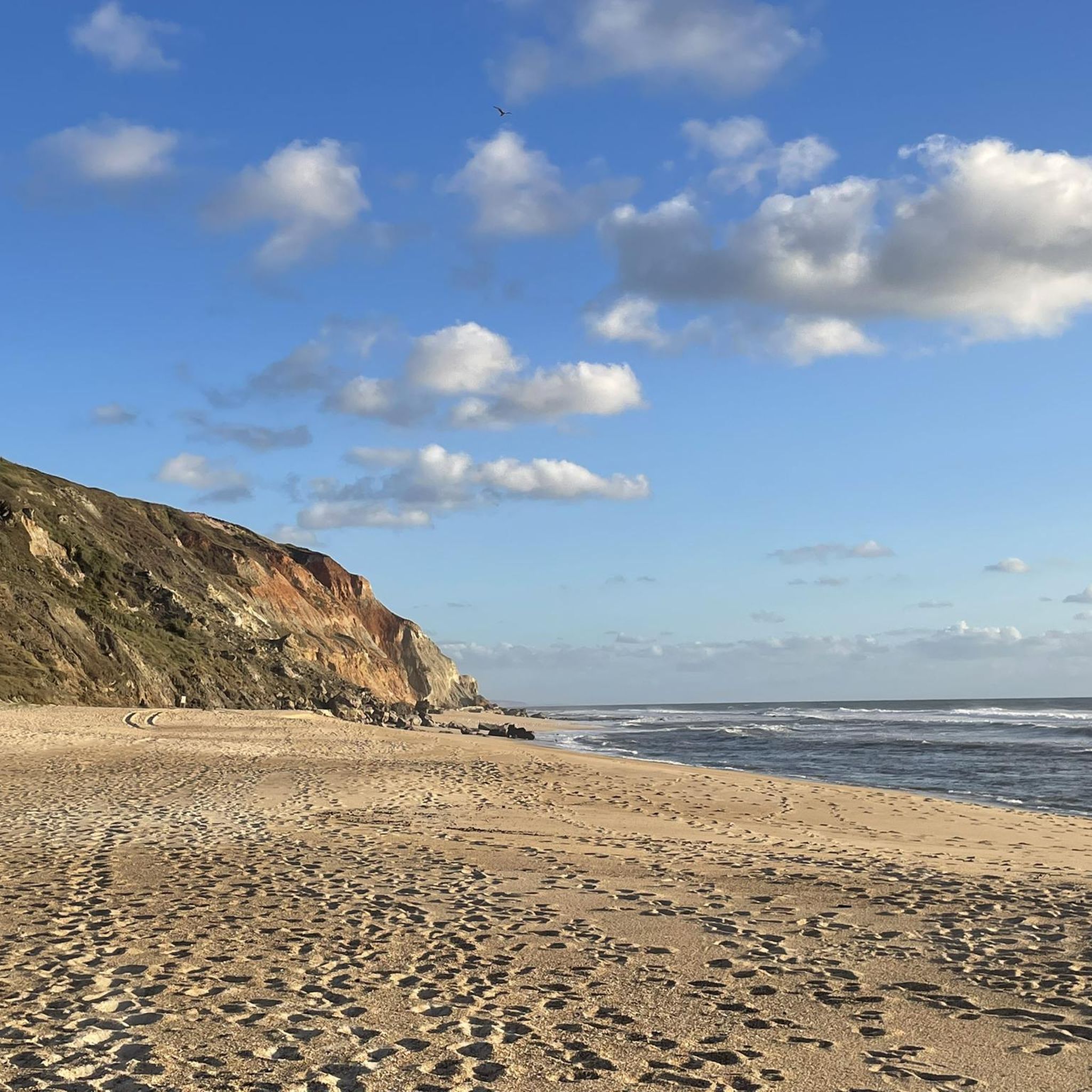
In the extreme north, this bike path begins in Mata do Urso, close to Osso da Baleia beach, in the municipality of Pombal. Proceed towards Lagoa da Ervedeira, perfect for windsurfing, and visit the village of Pedrógão, already in the municipality of Leiria, and its beaches, where the Art of Xávega (traditional fishing) is still practiced. Passing through Lagoa da Ervedeira and the village of Pedrógão, the bike path runs parallel to the sea and very close to the beaches, namely Praia do Fausto and Praia do Pedrógão, North and South. Http://ciclovia.pt
Translated by Google •
Tip by

Sign up now to discover places like this
Get recommendations on the best single tracks, peaks, & plenty of other exciting outdoor places.
Sign up for free
Beautiful cycle path through the Mata do Urso
Highlight (Segment) • Cycleway
Translated by Google •
Tip by

Conímbriga Roman Ruins
Highlight • Historical Site
Although only a small part has been excavated, the grandeur the city held throughout its almost six centuries under Roman rule is evident. The second wall, hastily erected with stone taken from entire buildings, reveals a time of threat and decline, a prelude to the abandonment that followed the Suebian invasions.
Today, among fallen columns and pavements that still gleam in the sun, Conímbriga continues to intrigue and amaze, preserving in its ruins the stories that time has almost erased.
Translated by Google •
Tip by

Igreja de Alvaiázere
Highlight • Religious Site
Translated by Google •
Tip by

Sign up for free to discover even more attractions around Pombal.
Sign up for free
Already have an account?
Start today with a free account
Your next adventure awaits.
Login or Signup
Tips from the Community

The Parish Church of Alvaiázere is a temple dedicated to Saint Mary Magdalene. This religious building was likely built in the second half of the 16th century and underwent extensive remodeling in subsequent centuries, modifying part of its 16th-century structure. [https://www.outdooractive.pt/mobile/pt/poi/alvaiazere/igreja-matriz-de-alvaiazere/805548327/](https://www.outdooractive.pt/mobile/pt/poi/alvaiazere/igreja-matriz-de-alvaiazere/805548327/)
1
0

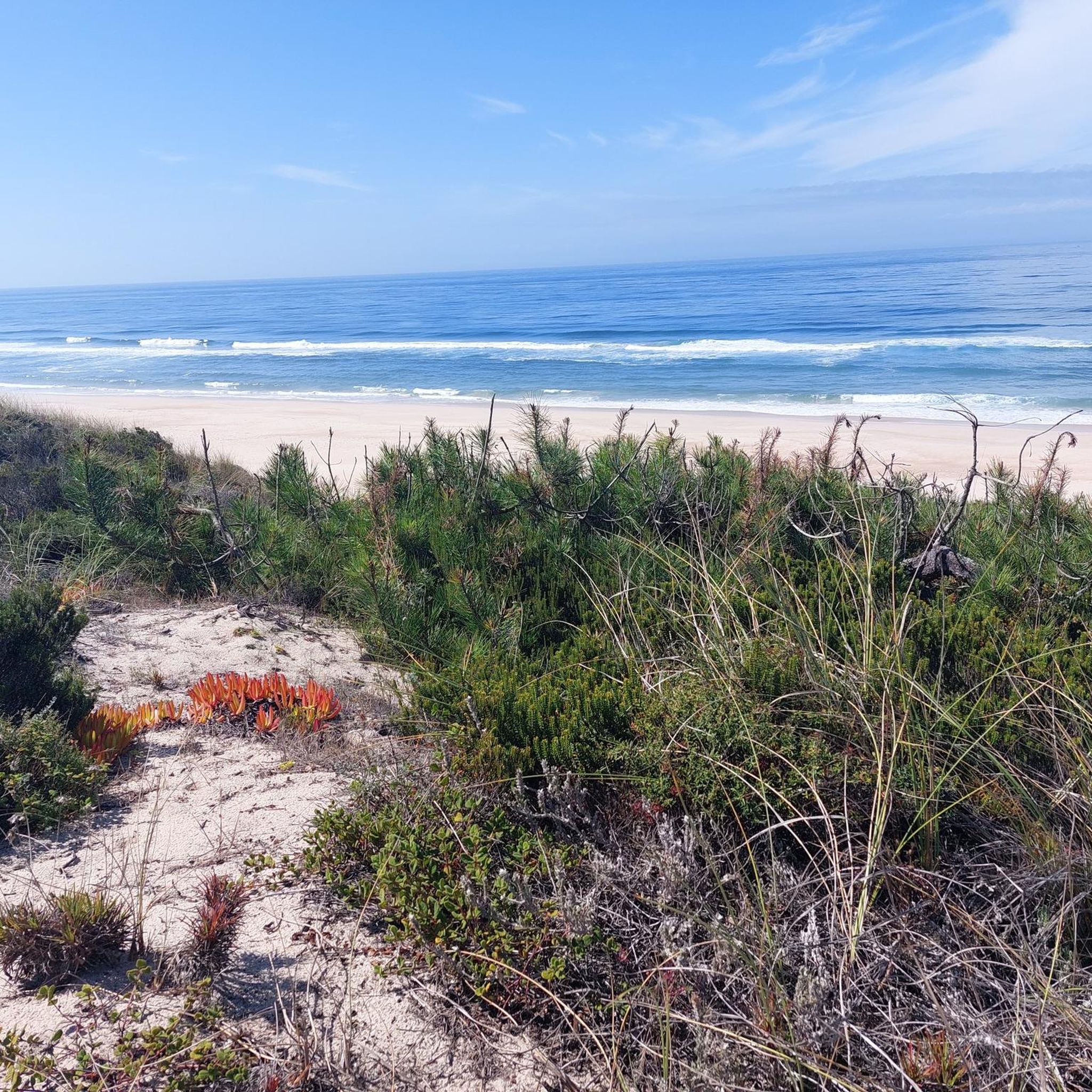
The lagoon is approximately 600 meters long and is fed by freshwater springs. Historically, it was crucial for the subsistence of local populations and for washing wool. It remains a mandatory stop for those traveling along the Atlantic Road by bicycle or car.
1
0
Recreational Area: It has a wooded picnic area, ideal for picnics, and a bar/terrace. Walks: The lagoon is surrounded by wooden walkways that allow you to walk along the entire shore and observe the local fauna and flora without damaging the ecosystem. Activities: It is a popular spot for sport fishing and swimming (in summer). The calm waters are suitable for canoeing and stand-up paddleboarding. Accessibility: There is a free parking lot and easy access for people with reduced mobility.
1
0
Ervedeira Lagoon is a unique natural destination in the parish of Coimbrão, municipality of Leiria. It is the only freshwater lagoon in the Leiria Pine Forest and serves as an important refuge for biodiversity and leisure...
1
0

Conímbriga, an ancient city of Lusitania, is the most impressive Roman complex in Portugal, a place where history still breathes among its baths, forum, amphitheater, and uniquely delicate mosaics, such as those in the famous House of Fountains. Although only a small part has been excavated, the grandeur the city held throughout its almost six centuries under Roman rule is evident. The second wall, hastily erected with stone taken from entire buildings, reveals a time of threat and decline, a prelude to the abandonment that followed the Suebian invasions. Today, among fallen columns and pavements that still gleam in the sun, Conímbriga continues to intrigue and amaze, preserving in its ruins the stories that time has almost erased.
2
0
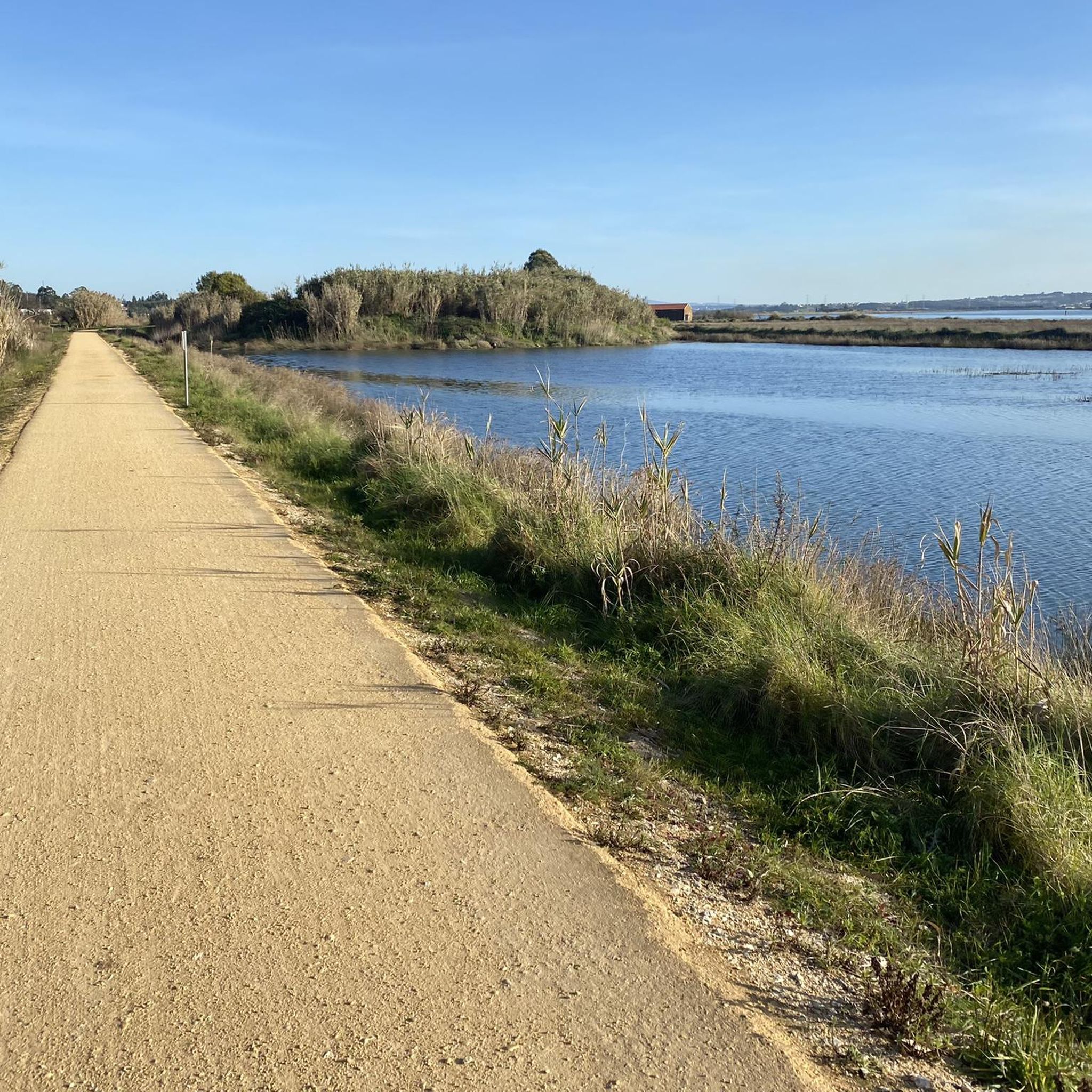
Mato do Urso is a National Forest located in the municipalities of Leiria, Figueira da Foz, and Pombal, covering an area of approximately 6,053 hectares. It is near the city of Figueira da Foz and is known for its natural beauty, including forests and trails. Mato do Urso was affected by fires in 2017 and a storm in 2018, but has been the subject of reforestation efforts.
3
0

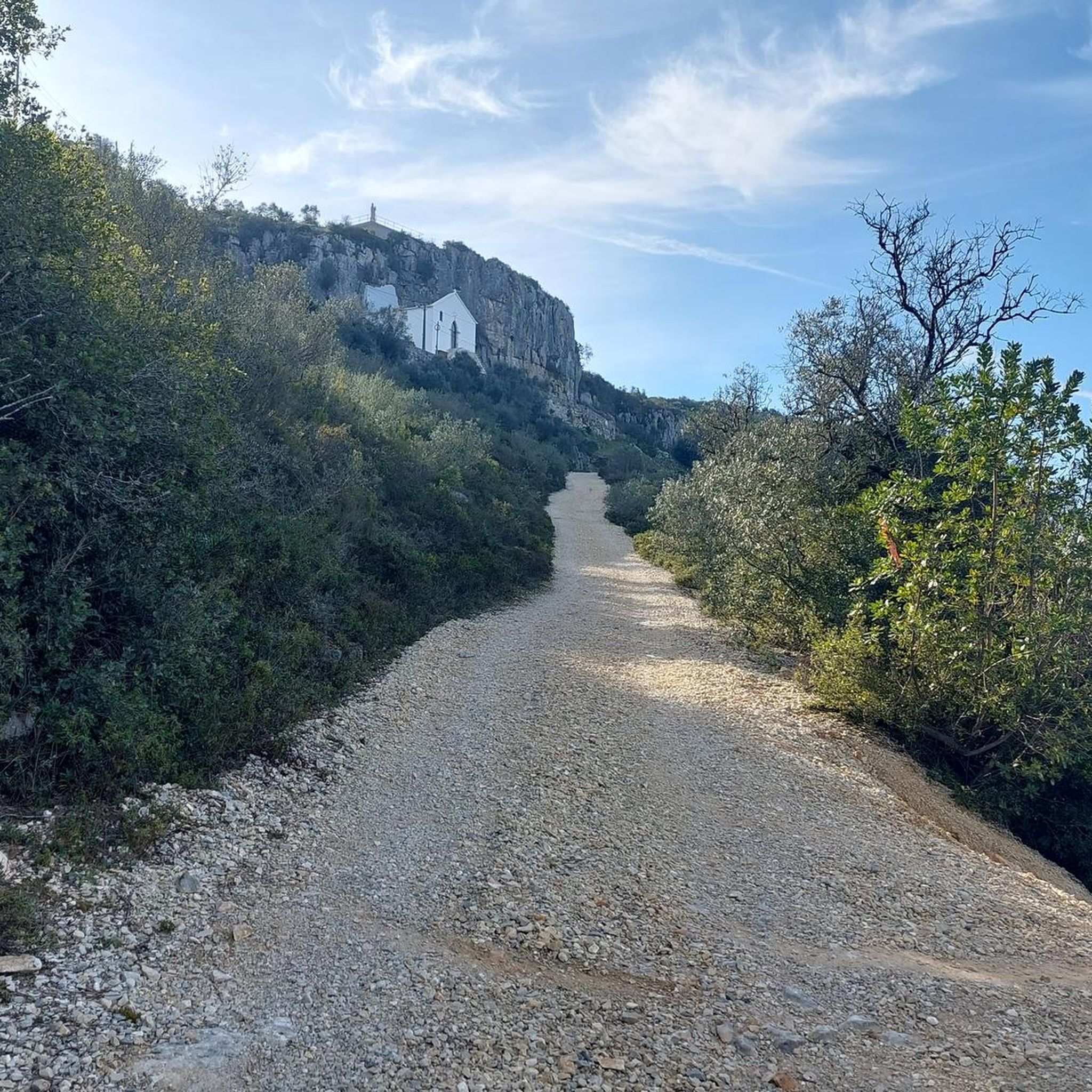
The Mother Church of Alvaiázere, officially known as the Parish Church of Santa Maria Madalena, is one of the main religious monuments in the municipality of Alvaiázere. It was built in the second half of the 16th century, although it has undergone significant renovations in subsequent centuries.
9
0
Frequently Asked Questions
What historical landmarks can I explore in Pombal?
Pombal is rich in history. You can visit the iconic Pombal Castle, a 12th-century Templar fortress offering panoramic views. The Museu Marquês de Pombal, housed in a former prison, details the life of one of Portugal's most influential statesmen. Don't miss the Igreja Matriz de São Martinho, a historically significant church dating back to the 14th century, known for its role in a peace treaty between King Denis I and his son.
Are there any ancient Roman sites near Pombal?
Yes, a significant ancient Roman site is the Roman Ruins of Conímbriga. Located near Condeixa-a-Nova, this archaeological site showcases the remains of an ancient Roman city, including baths, a theater, a basilica, and well-preserved mosaics. It offers a fascinating glimpse into Roman architecture and daily life.
Where can I learn about local art and culture in Pombal?
For a deep dive into Portuguese folk art and crafts, visit the Museu de Arte Popular Portuguesa. This museum is housed in a former granary commissioned by the Marquês de Pombal himself and features over 2,000 pieces from across Portugal.
What natural features and outdoor activities can I find near Pombal?
The region offers diverse natural beauty. Explore the wild and natural Praia do Osso da Baleia beach for a peaceful escape. Inland, the Serra de Sicó limestone karst mountain range provides opportunities for hiking, climbing, and caving, with impressive landscapes often referred to as the 'Portuguese Grand Canyon'. You can also explore the Mata Nacional do Urso, a large pine forest near the coast.
Are there good cycling paths around Pombal?
Absolutely! The Estrada Atlântica Cycle Path - Pedrógão is a highlight, extending over 62 kilometers and offering excellent conditions for cycling, rollerblading, or skateboarding. It crosses four municipalities, providing views of forests and the Atlantic coast. Another beautiful option is the cycle path through the Mata do Urso, which is well-separated from the road and winds through one of the central region's largest pine forests.
Can I go hiking or running near Pombal?
Yes, there are several routes for hiking and running. For running, you can find trails like the '🏰 POMBAL – View of POMBAL Castle loop from Pombal' or the 'Lago da Fonte da Pedra loop from Carriço'. For more options, explore the various running trails around Pombal. If you're interested in gravel biking, routes like the 'Terras de Sicó Loop from Ansião' are available, and you can find more details in the gravel biking guide around Pombal.
Are there any places for swimming or relaxation in nature?
Yes, the Lagoa da Ervedeira is a beautiful freshwater lagoon with a small sandy beach, perfect for swimming and relaxation. It's about 600 meters long and features two bathing beaches. Additionally, the wild Praia do Osso da Baleia offers a natural, undeveloped coastal setting for a peaceful escape by the sea.
What family-friendly attractions are available in Pombal?
Families can enjoy the Lagoa da Ervedeira, which has a sandy beach suitable for swimming and relaxation. The Estrada Atlântica Cycle Path is also great for family bike rides. For a fun day out, especially in summer, the Panorâmico AquaParque, a water park located a few kilometers outside Pombal, offers slides and pools.
What is the best time of year to visit Pombal for outdoor activities?
For beach activities and water parks, the summer months (June to August) are ideal. If you prefer hiking, cycling, and exploring historical sites without the intense heat, spring (April to May) and autumn (September to October) offer pleasant temperatures and beautiful scenery. The Festa de São Martinho in November and the Feira Nacional de Artesanato e Gastronomia are also great cultural experiences.
Are there any notable religious sites in the area?
Beyond the Igreja Matriz de São Martinho, you can visit the Igreja de Nossa Senhora do Cardal, a large 17th-century Baroque church known for its elegant architecture and as the center of the annual Festas do Bodo festival. The Santa Luzia Chapel features intricate Baroque architecture, and the Igreja do Convento do Louriçal, a Franciscan church and convent outside Pombal, is renowned for its superb azulejos tile panels. The Igreja de Alvaiázere is another significant religious monument, dating back to the 16th century.
What are the grottoes near Pombal, and are they worth visiting?
Yes, the grottoes are a fascinating natural attraction. Located within the Serras d'Aire e Candeeiros Natural Park, you can explore the Mira d'Aire, Santo António, and Alvados grottoes. The Mira d'Aire Grottoes are particularly notable, considered one of the seven natural wonders of Portugal, offering an opportunity to explore impressive underground formations.
What do visitors enjoy most about the attractions around Pombal?
Visitors frequently appreciate the blend of historical sites and natural landscapes. The Lagoa da Ervedeira is loved for its beautiful sandy beach and relaxation opportunities, while the Estrada Atlântica Cycle Path is praised for its exceptional conditions for cycling and scenic views. The Roman Ruins of Conímbriga are highly regarded for their well-preserved architecture and mosaics, offering a captivating historical experience.
Most popular attractions around Pombal

Get inspired with the komoot mobile app


Explore more
Still not found the Highlight you’re looking for? See guides of the top attractions in other regions:
