Top 20 Castles around Ambt Montfort
Castles around Ambt Montfort offer a glimpse into the rich history of the Limburg province in the Netherlands. The region is characterized by its strategic location, with historic sites often situated on ridges or within river valleys. These structures reflect centuries of architectural evolution and defensive strategies. Visitors can explore a variety of castle types, from impressive ruins to restored estates, set within a landscape that combines cultural heritage with natural beauty.
Best castles around Ambt Montfort
- The most popular…
Last updated: May 25, 2026
Historic town centre of Wassenberg
Highlight • Historical Site
Translated by Google •
Tip by

Hillenraad Castle
Highlight • Castle
Translated by Google •
Tip by

Sign up now to discover places like this
Get recommendations on the best single tracks, peaks, & plenty of other exciting outdoor places.
Sign up for free
Daelenbroeck Castle
Highlight • Castle
Historic Center of Stevensweert
Highlight • Historical Site
Translated by Google •
Tip by
Montfort Castle
Highlight • Castle
Translated by Google •
Tip by
Sign up for free to discover even more castles around Ambt Montfort.
Sign up for free
Already have an account?
Start today with a free account
Your next adventure awaits.
Login or Signup
Popular around Ambt Montfort
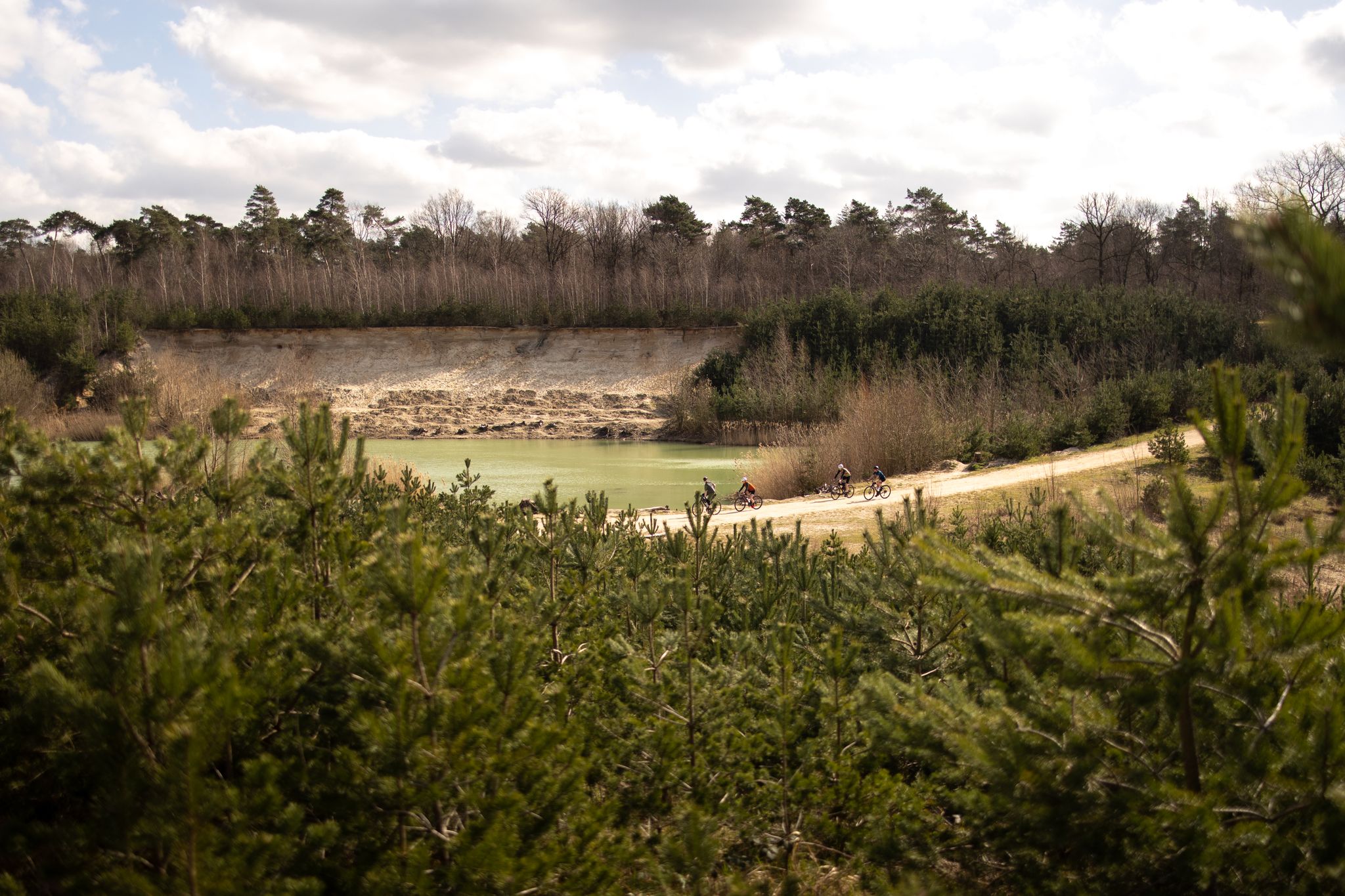
The Pieterpad by bike – From Pieterburen to Sint-Pietersberg
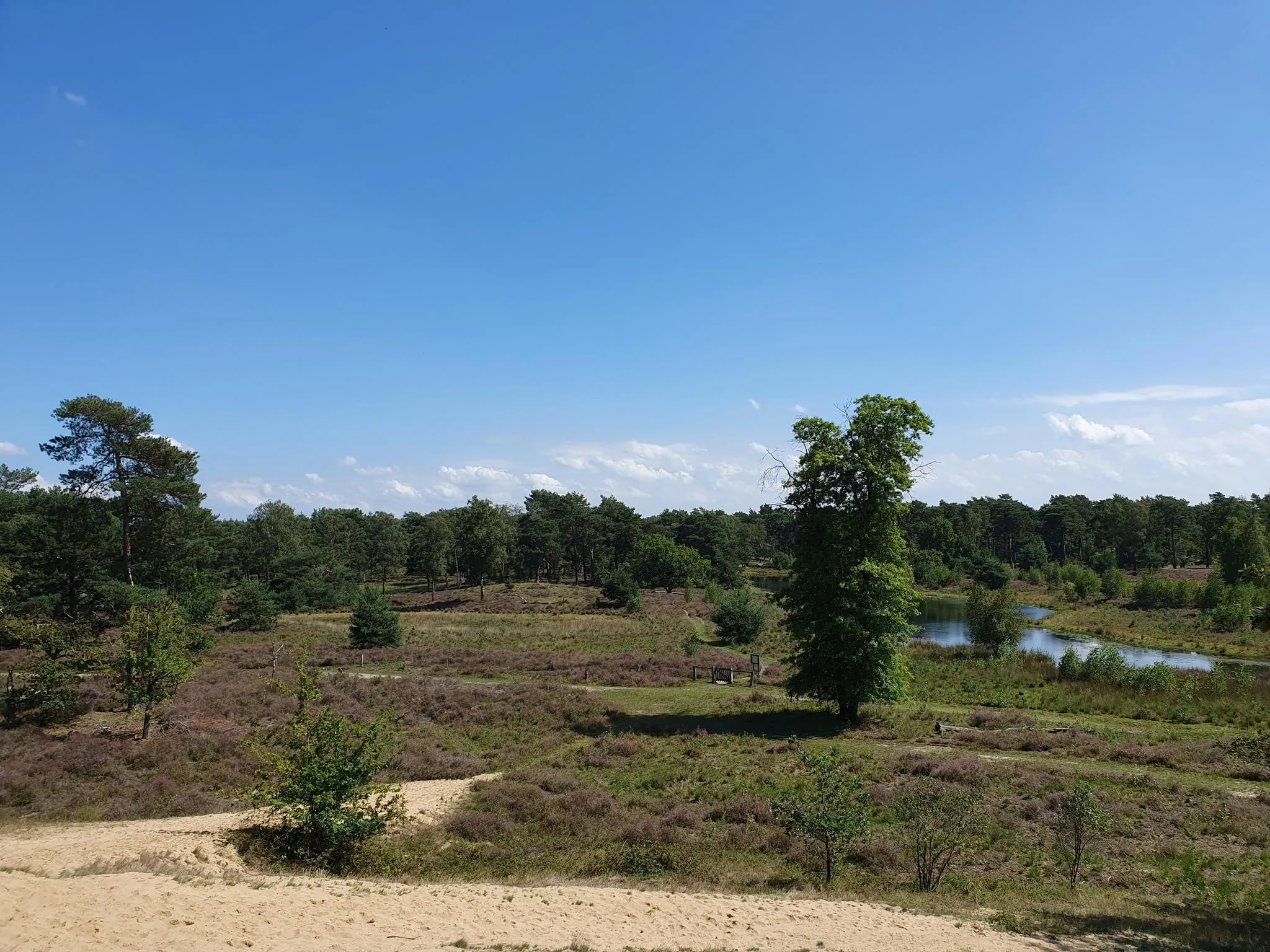
The Maas-Niederrhein Trail - Cross-border hiking in 19 stages
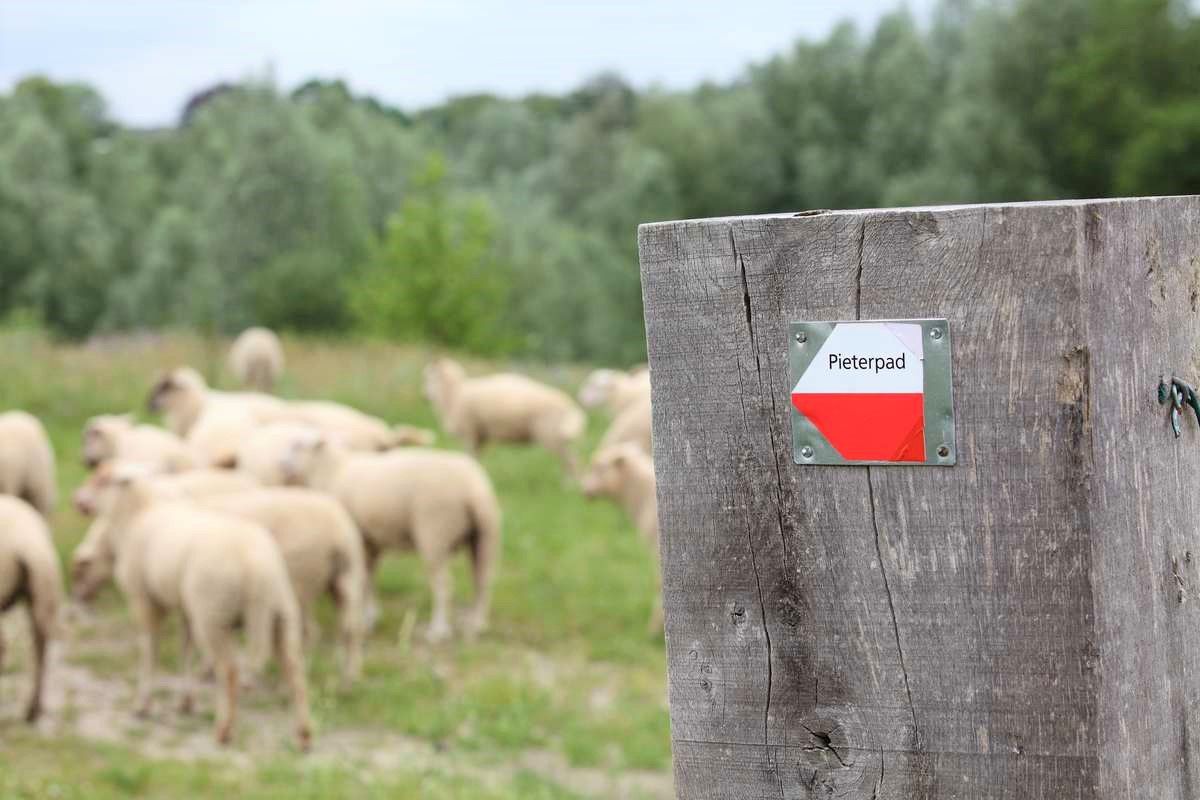
From Kasteel Vorden to the Sint-Pietersberg – Pieterpad long-distance hike part 2
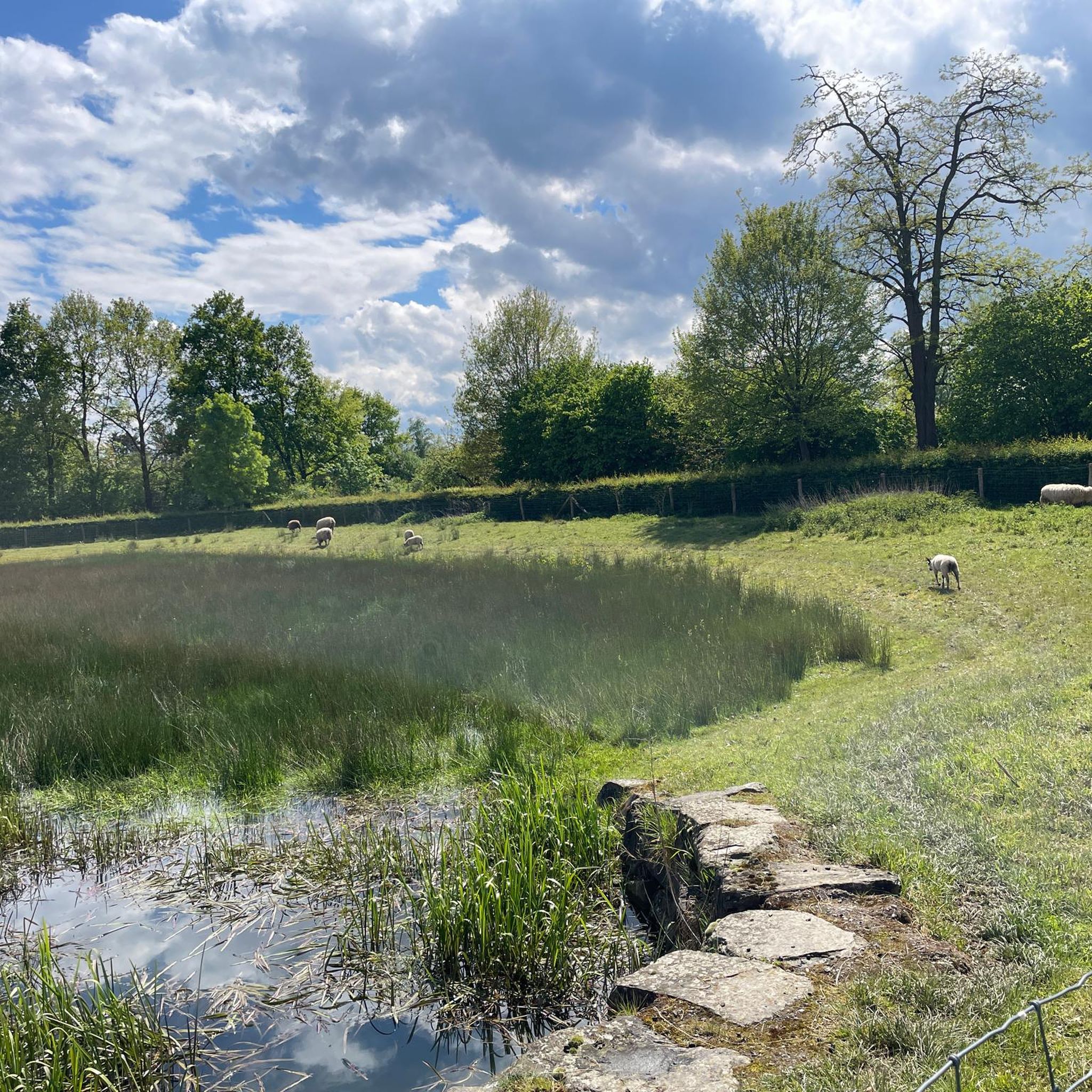
Hiking around Ambt Montfort
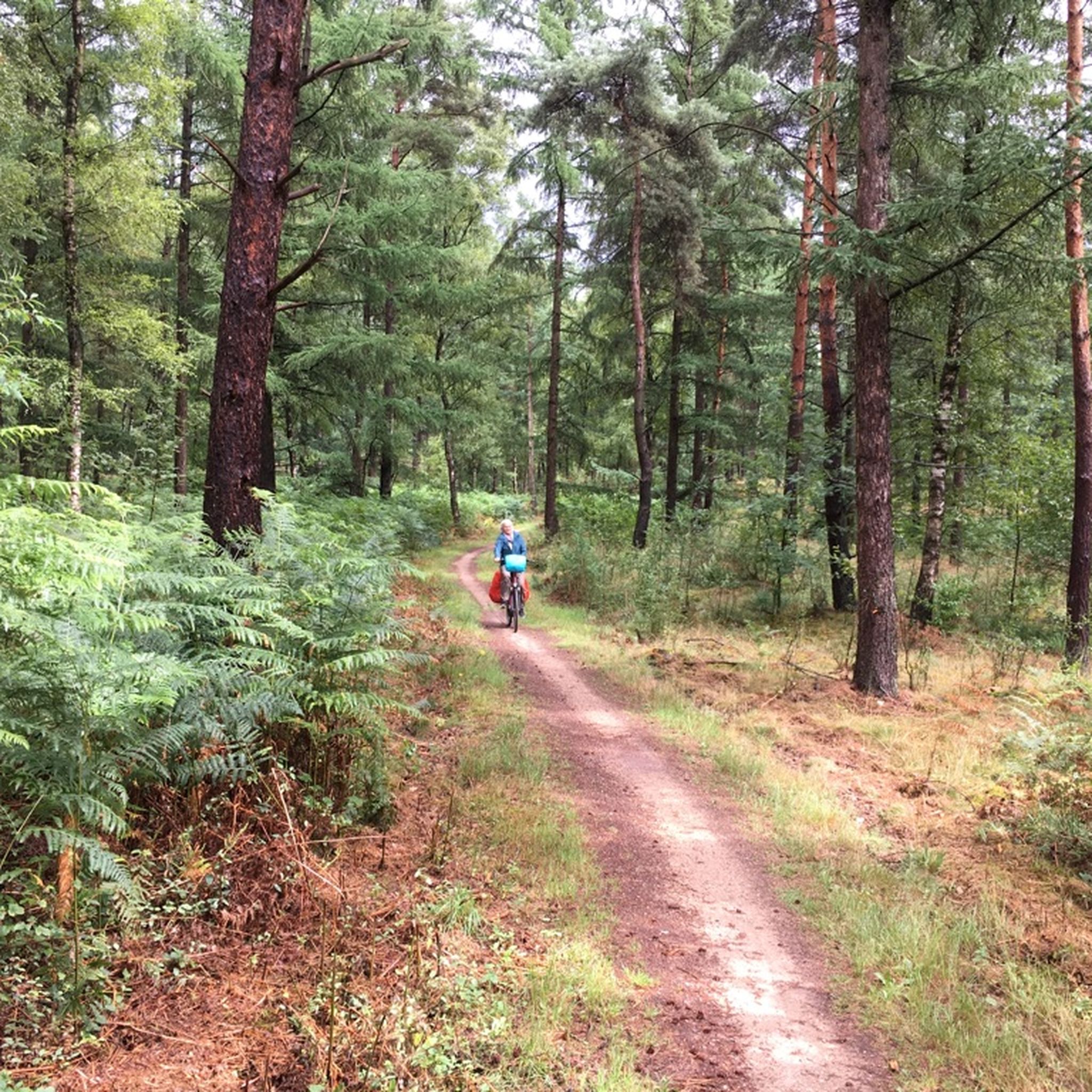
Cycling around Ambt Montfort
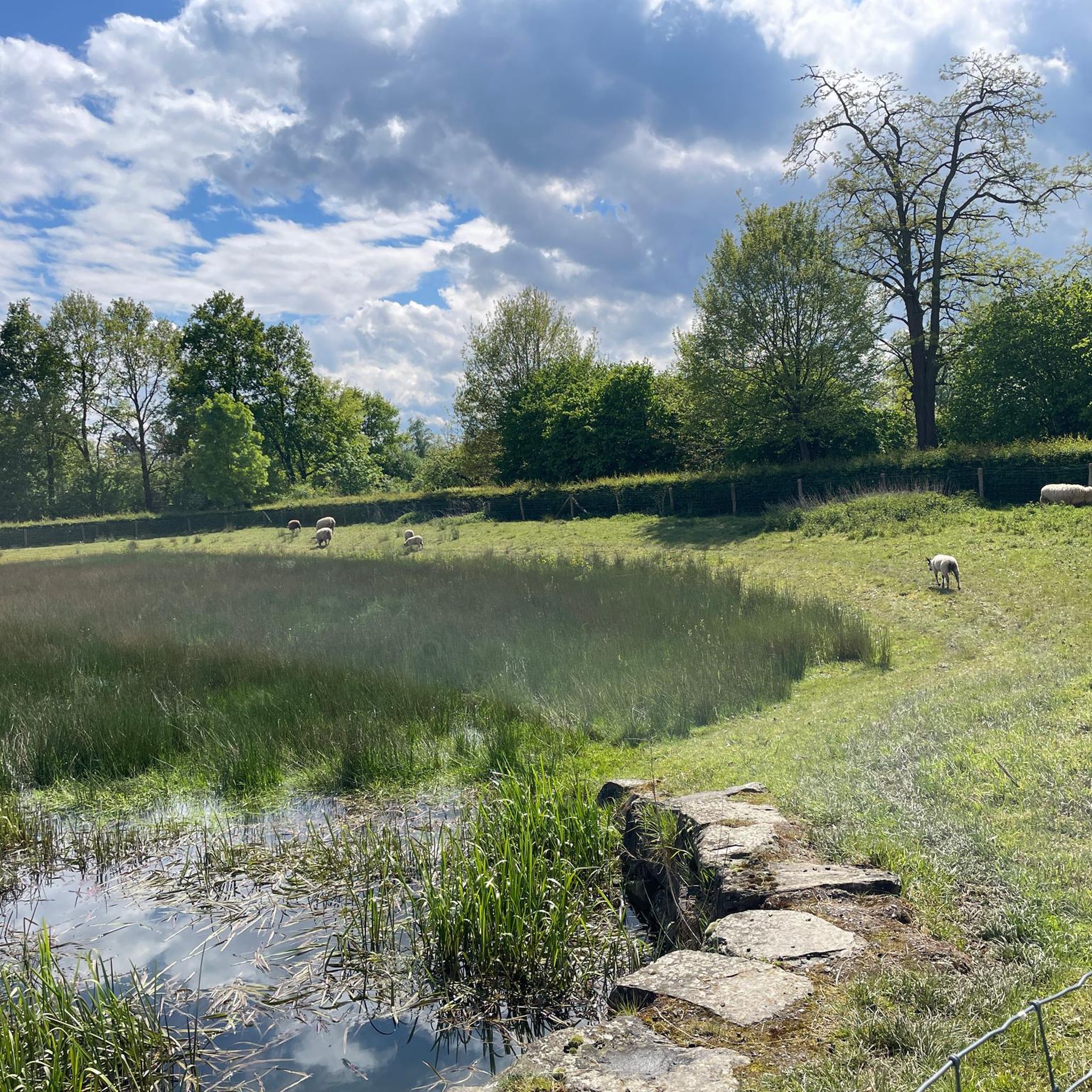
Road Cycling Routes around Ambt Montfort
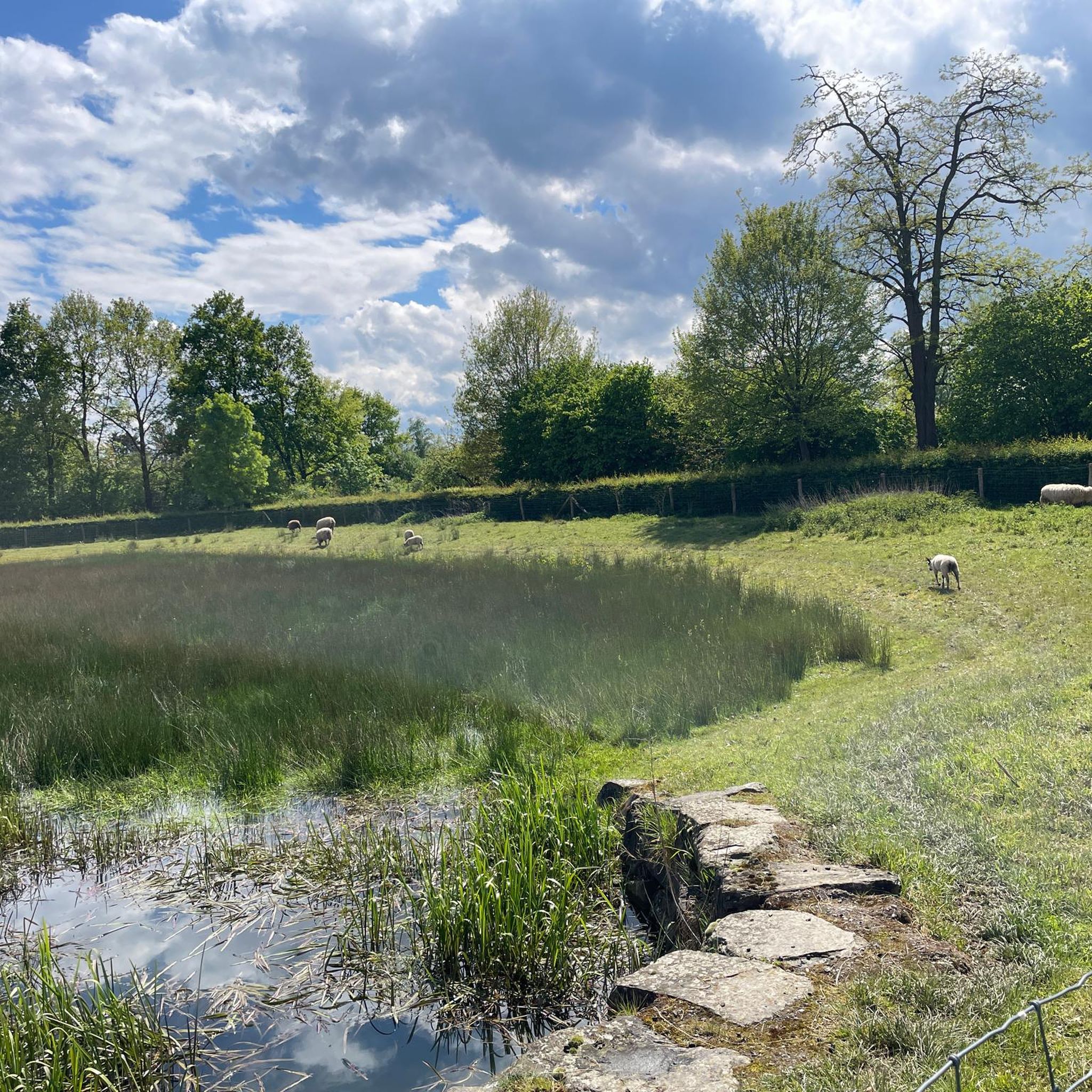
MTB Trails around Ambt Montfort
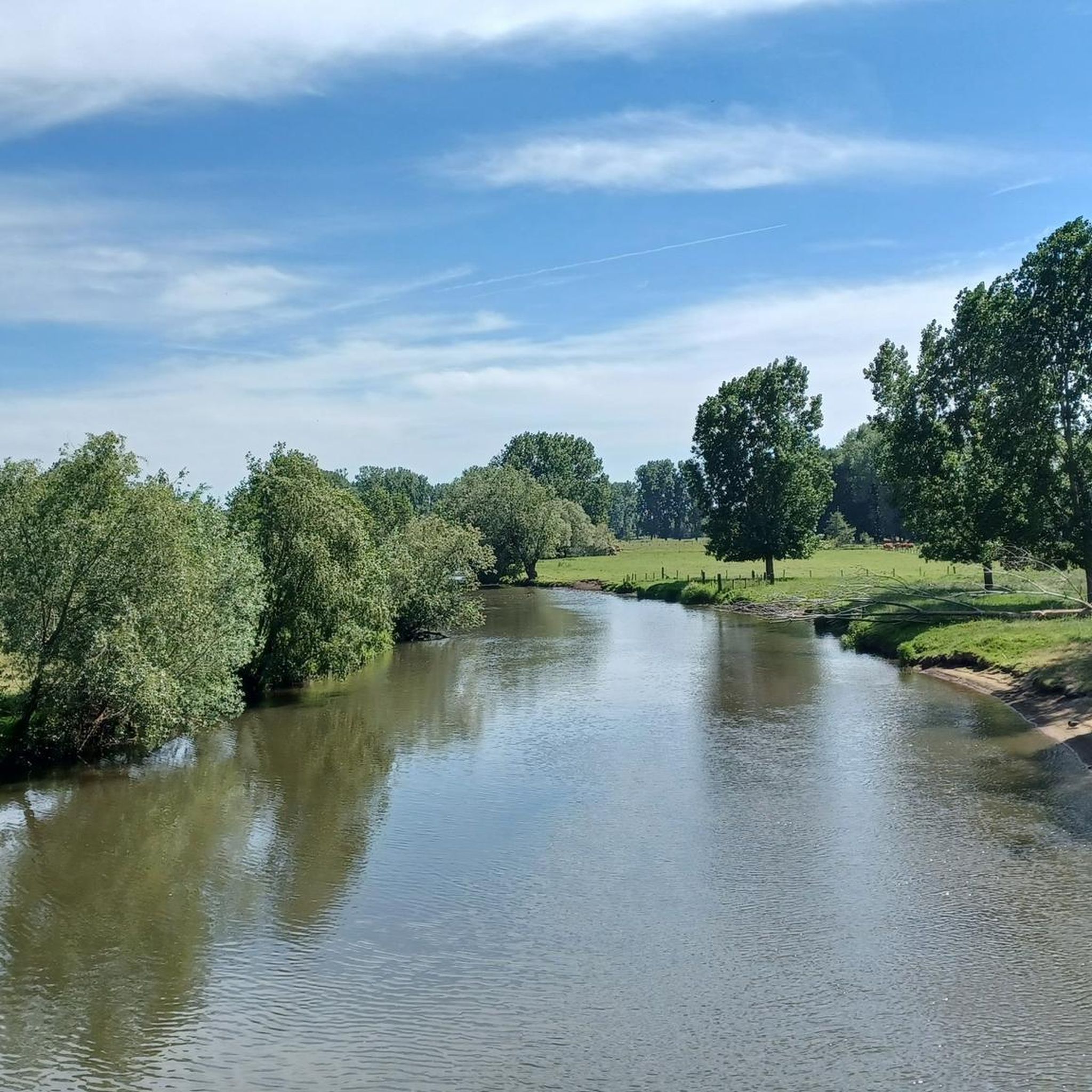
Running Trails around Ambt Montfort
Gravel biking around Ambt Montfort
Other adventures around Ambt Montfort


Tips from the Community

Good starting point with plenty of parking
1
0

Medieval town with ramparts and keep
1
0

Wassenberg was first mentioned in a document in the “Klosterrather Annals” (Annales Rodenses). Klosterrath is today's Rolduc near Herzogenrath. In 1020, Emperor Henry II (1002 - 1024) gave the Flemish nobleman Gerhard von Antoing rich land holdings in Wassenberg in return for services rendered. After the expansion of the motte (original castle), his descendants called themselves “Count of Wassenberg”. Count Gerhard III of Wassenberg and Geldern is also considered the founder of the Wassenberg St. George's Abbey and the builder of the St. George's Provost Church. The founding document from September 30, 1118 is still preserved in an older copy. The abbey and church helped determine the fate of the town for centuries.
1
0

During the Eighty Years' War, the original village of Stevensweert was expanded into a fortified town by the Spanish in 1633. An earthen wall with seven bastions and five ravelins was built. Part of Stevensweert is under town protection. The fortifications can still be seen in the city's unique street pattern. Be sure to take a look at the Stevensweert-Ohé en laak regional museum. In 2007, the reconstruction of a small part of the fortifications began based on historical maps of a bastion, a rave line and the associated north side of Stevensweert.
17
0
Today's Stevensweert arose in the early Middle Ages on an island in the Meuse, with the eastern branch being the Old Meuse. This domain initially belonged to the County of Loon and since 1243 to the Oberg. From 1253 it belonged to the Ambt Montfort. In 1543 Obergelre came to the Habsburg Monarchy and thus became Spanish Obergelr. The late Gothic sculptor Jan van Steffeswert was probably born here at the end of the 15th century. The original village was converted into a fortress town in 1633 by the Spanish general Francisco de Moncada. An earthen wall with seven bastions and five rave lines was built around the place. In 1702, Stevensweert was besieged by the states, causing severe damage to the castle and the fortress becoming state property. From 1716 Stevensweert finally came into state hands and belonged to Staatsober-Gelre. Stevensweert has retained its heptagonal perimeter and geometric street pattern to this day. The original fortification wall was destroyed in 1874. In 1882 the island bridge was built over the Oude Maas, connecting the island to the mainland. In 1922 the Roermond - Sittard tram line was completed and Stevensweert received a tram stop. Five trams ran in both directions every day and a journey to Roermond station took 24 minutes. In 1937 the tram line was broken up and bus services took over passenger transport. With the construction of the Juliana Canal (1925-1934), Stevensweert was again on an elongated island, which was only connected to the shore by a few bridges and therefore always still had a more or less isolated situation. After the Second World War, gravel extraction was added, which created a number of puddles. In 2007, the reconstruction of a small part of the fortifications began based on historical maps of a bastion, a rave line and the associated north side of Stevensweert.
13
0

Great building on a very nice market square 👍
4
0

The fortified town of Stevensweert has everything to be counted among the most beautiful villages in Limburg: history, beauty, atmosphere and located in a beautiful part of the Netherlands. The biggest attraction of Stevensweert is the village center itself. This is one of the most picturesque villages you will find in Limburg. Specific buildings worth mentioning are the former town hall, which now houses the Streekmuseum Stevensweert/Ohé en Laak, the eighteenth-century St. Stephen's Church and the striking former Reformed Church. This monumental building now serves as a wedding location and a place where events are organized, such as concerts.
8
1

The Wassenberg town hall is a reconstruction of the town hall from 1902, which was severely damaged in the war, and whose forms are based on the previous building from 1753. The town hall follows the old tradition of the Wassenberg town hall, but in the redesign of the post-war period it occupies the space of the former town hall and two adjoining houses and is thus closed as a four-winged complex around an inner courtyard, which has a gallery on the first floor.
6
0
Frequently Asked Questions
What types of castles can I explore around Ambt Montfort?
The region offers a diverse range of castles, from impressive ruins like Montfort Castle, known for its unique 'Grauwert' tower, to well-preserved moated castles such as Hillenraad Castle. You can also find historic residential and hunting lodges like Daelenbroeck Castle, each reflecting centuries of architectural evolution.
Are there family-friendly castles to visit in the Ambt Montfort area?
Yes, several castles and historical sites in the area are suitable for families. Montfort Castle is family-friendly and often hosts special programs during events like 'Dag van het Kasteel'. The Historic town centre of Wassenberg and the Historic Center of Stevensweert also offer engaging historical exploration for all ages.
What historical significance does Montfort Castle hold?
Montfort Castle, dating back to 1260, was once one of the largest castles in the Netherlands. Its strategic location and unique polygonal design, including the beak-shaped 'Grauwert' tower, made it practically impregnable. It served as a residence for rulers and a center for administration, offering over 750 years of rich history to explore.
Can I combine a castle visit with outdoor activities like hiking or cycling?
Absolutely! Many castles in the Ambt Montfort region are surrounded by beautiful natural landscapes, perfect for outdoor activities. For instance, Montfort Castle is a starting point for various walking and cycling routes through the domains of Rozendaal, Schrevenhof, and Reigersbroek. You can find more hiking routes in the area on the Hiking around Ambt Montfort guide and cycling routes on the Cycling around Ambt Montfort guide.
Are there any castles around Ambt Montfort that are not open to the public?
Yes, some castles are privately owned and not accessible for interior visits. For example, Hillenraad Castle, a protected national monument, is a private residence and not open to the public. However, its impressive exterior and surrounding estate can often be admired from a distance.
What are the unique architectural features of castles in this region?
The castles around Ambt Montfort showcase interesting architectural styles. Montfort Castle is notable for its transitional style, moving from round to square, and its unique 'Grauwert' tower designed to deflect projectiles. Many castles, like Hillenraad Castle, are also moated, a common defensive feature in the lowlands.
What do visitors particularly enjoy about the castles around Ambt Montfort?
Visitors appreciate the deep dive into history offered by these sites, with many enjoying the atmospheric eastern cellars and panoramic views from towers at places like Montfort Castle. The combination of cultural heritage with the surrounding natural beauty, and the opportunity to explore ruins or well-preserved estates, is also highly valued.
Are there any castles with dining options or cafes nearby?
Yes, some castles offer amenities for visitors. Daelenbroeck Castle features excellent cuisine and idyllic outdoor spaces. Montfort Castle has a castle terrace that is open in good weather, serving coffee and local treats like Montforter flan.
What is the best time of year to visit the castles in Ambt Montfort?
While castles can be visited year-round, the spring and summer months generally offer the most pleasant weather for exploring the outdoor grounds and combining your visit with walks or cycling. During these seasons, castle terraces, such as the one at Montfort Castle, are typically open.
Can I find any fortified towns or historic centers with castle connections in the region?
Yes, the region boasts historic centers that were once fortified. The Historic Center of Stevensweert, for instance, was expanded into a fortified town by the Spanish during the Eighty Years' War, and its unique street pattern still reflects its past fortifications. Similarly, the Historic town centre of Wassenberg features a city gate and castle remnants.
Are there guided tours available for any of the castles?
Yes, for a deeper understanding of the history, it is possible to visit Montfort Castle with a guide. The castle also houses a visitor center that delves into its history, inhabitants, and the surrounding landscape.
Most popular routes around Ambt Montfort
Most popular attractions around Ambt Montfort

Get inspired with the komoot mobile app


Explore more
Looking for the best castles somewhere else? Discover other guides around Ambt Montfort:
