The best MTB trails around Hulst
3.6
(68)
753
riders
45
rides
Mountain biking around Hulst offers diverse landscapes and a well-developed network of trails. The region, situated near the Belgian border, features unique natural areas like the Clingse Bossen with its sandy soil, providing distinct riding conditions. Riders can explore woodlands, singletracks, and gravel paths, often winding through the surroundings of the historic fortified town. The terrain includes a mix of challenging sections, short climbs, and twists, catering to various skill levels.
Best mountain bike trails around Hulst
- The most popular…
Last updated: July 20, 2026
3.6
(28)
136
riders
47.3km
03:12
50m
50m
Moderate mountain bike ride. Good fitness required. Suitable for all skill levels.
3.3
(6)
83
riders
45.4km
03:05
50m
50m
Moderate mountain bike ride. Good fitness required. Suitable for all skill levels.

Sign up for free
4.7
(6)
84
riders
50.3km
03:18
50m
50m
Moderate mountain bike ride. Good fitness required. Suitable for all skill levels.
4.0
(4)
78
riders
Moderate mountain bike ride. Good fitness required. Advanced riding skills necessary.
3.7
(3)
39
riders
51.7km
03:02
50m
50m
Moderate mountain bike ride. Good fitness required. Suitable for all skill levels.
Get access to more routes and recommendations from other explorers.
Sign up for free
Already have an account?
Our route recommendations are based on thousands of hikes, rides, and runs completed by other people on komoot.
Start today with a free account
Your next adventure awaits.
Login or Signup
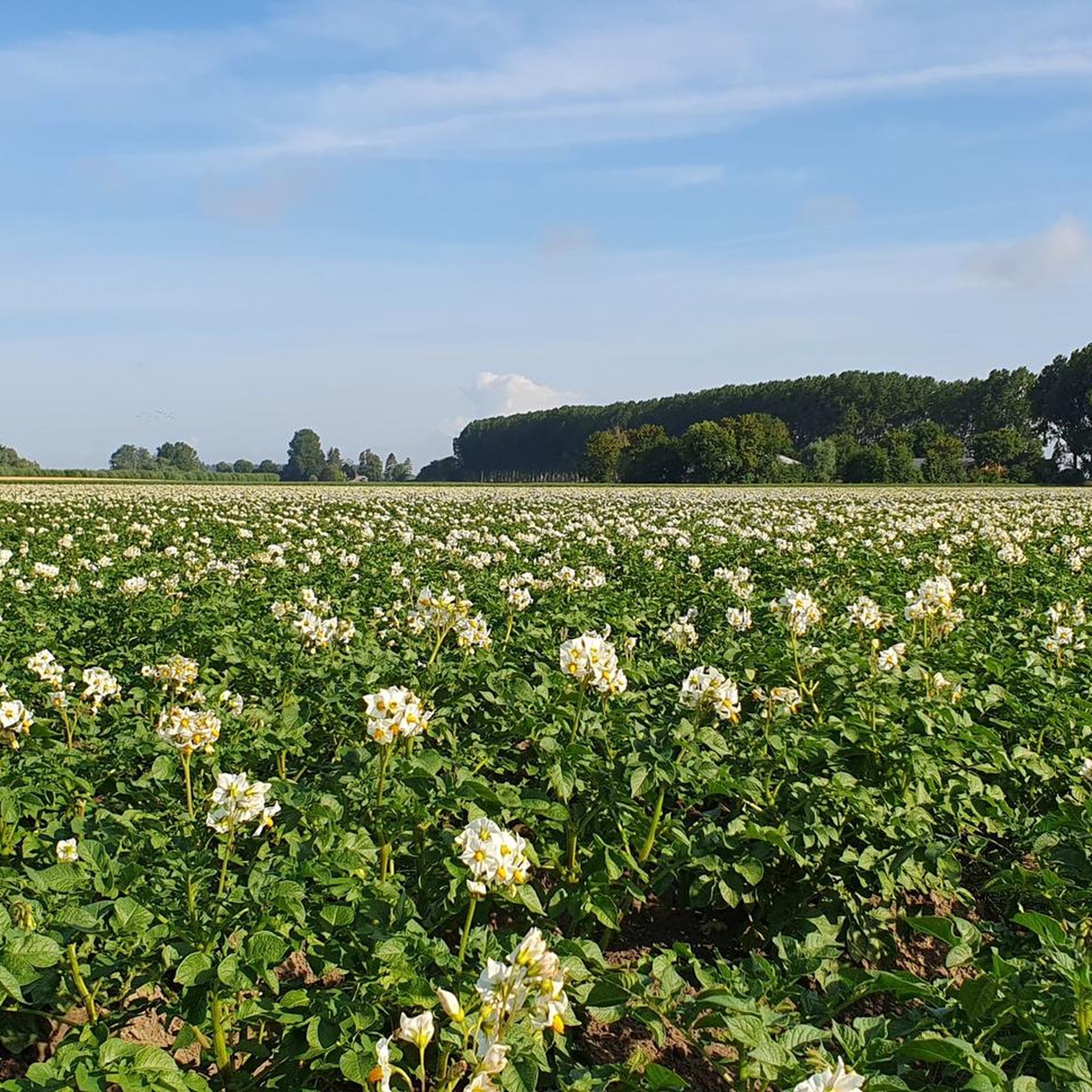
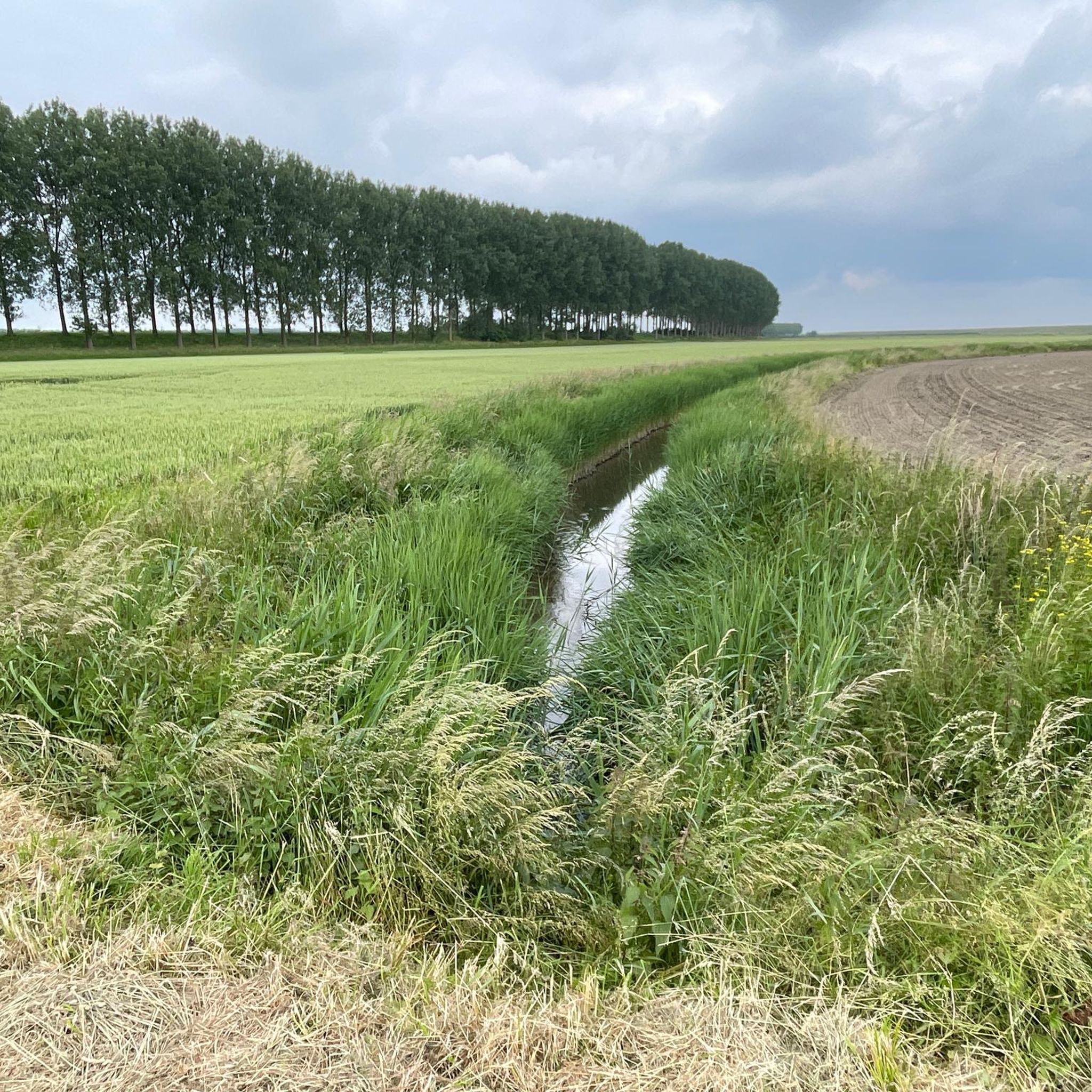
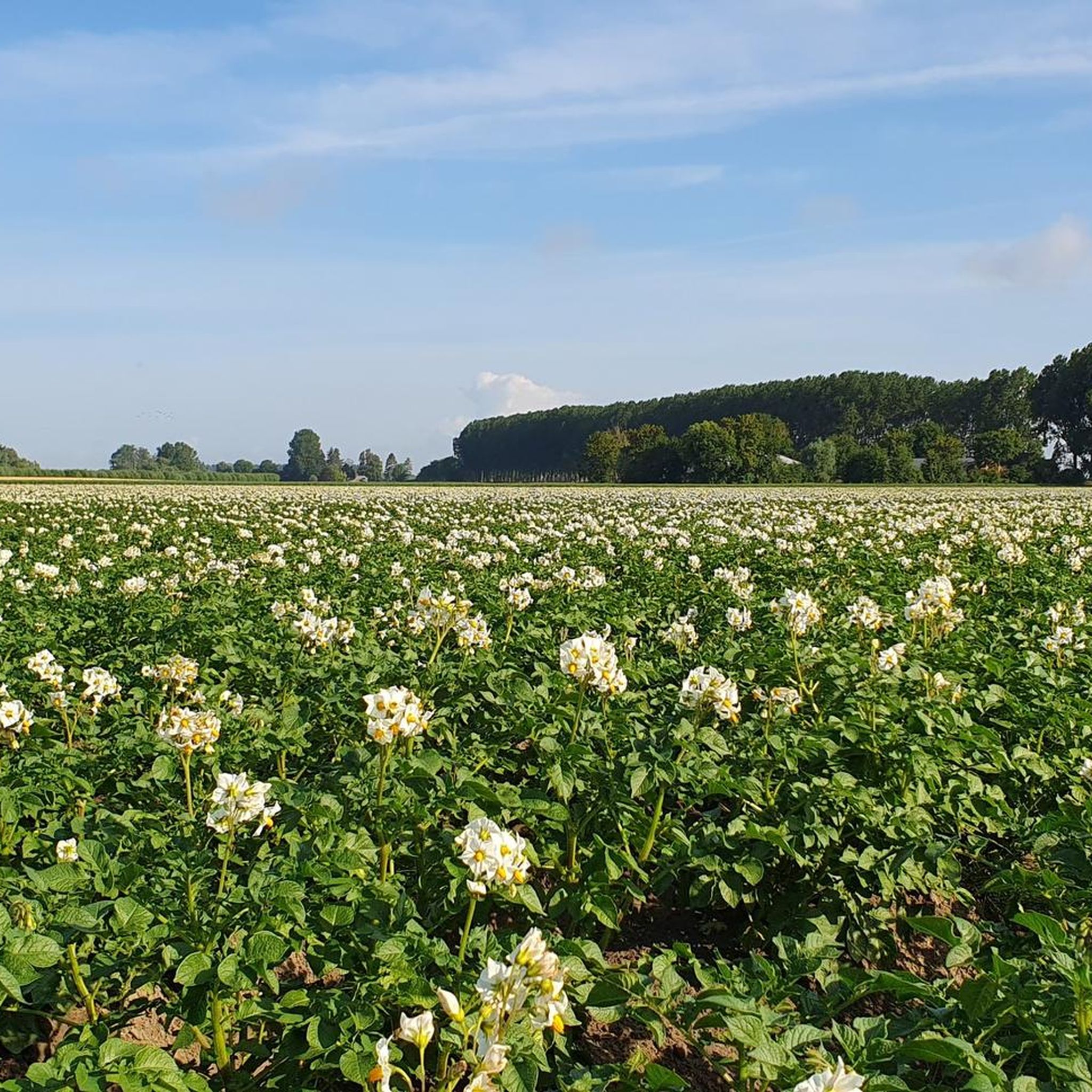
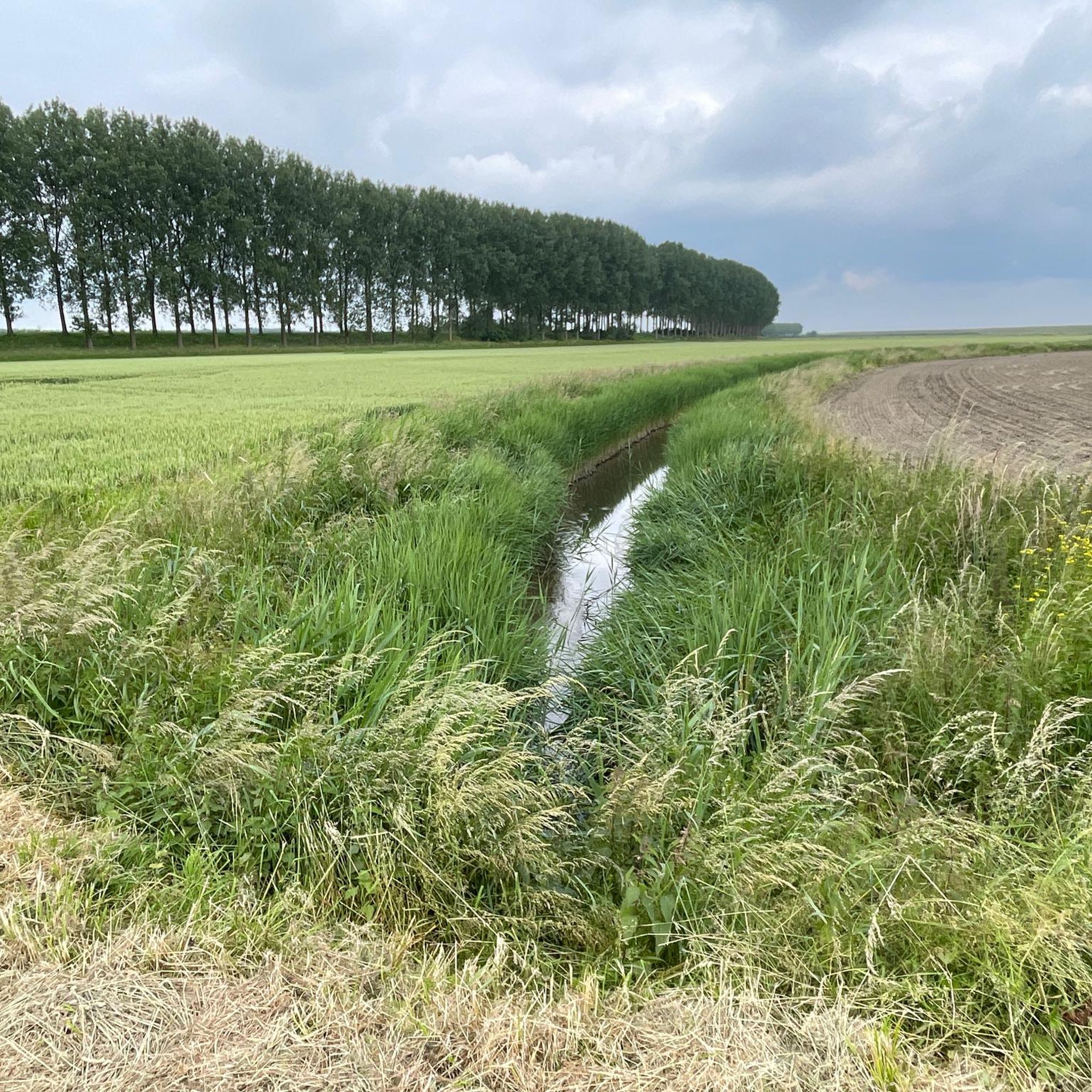

Tips from the Community

The Stropersbos is located right on the Belgian-Dutch border and forms a whole with the Clingse Bossen, as the forest on the Dutch side of the border is called. The history of the forest dates back to the 13th century. This means that the forest has experienced wars, and from one of those wars, the War of the Spanish Succession (1702-1713), very clear traces can still be seen: there are still a number of remnants of the Line that served here in 1701. A little further north, there are also remains of Fort Sint-Jan (from which the Dutch municipality Sint-Jan-Steen derives its name). But even if you are not interested in that history, the Stropersbos is a special place, both for the tree and plant lover, the birdwatcher, the playing child, the boot-wearing walker who likes to trudge through mud, the bivouacker, ... and everyone who simply enjoys a walk. There is a good chance you will encounter wild horses, pass grazing sheep, or that - who knows, maybe you'll be as lucky as I was - roe deer or a fox will cross your path. In short: a very beautiful hiking area ...
3
0
De Kouterwegel was the very first to win the Grage Weg Award, an initiative by the Province of Oost-Vlaanderen, which aims to reward inspiring slow roads that people not only use functionally, but which also invite an experience. De Kouterwegel is part of the Kaboutermolenpad, a special route that distinguishes itself through its pronounced experiential value, according to the award jury, an example of how slow roads can entice people to consciously choose a detour, purely for the sake of the experience. After all, a slow road is more than just a connection between two points. It is a place that stimulates one or more senses, that connects with the environment and that attracts users through its unique character. The Kaboutermolenpad - Kouterwegel succeeds in this, according to the jury, with flying colours. Along the path, playful gnome figures create wonder for young and old. Visitors can stop at a chapel that invites rest and connection, or enjoy a break at a nearby café. The unpaved path is simultaneously barrier-free and accessible to everyone, and is clearly signposted. The route winds through a varied and quiet landscape, where a rich palette of scents and colours constantly stimulates the senses. This is what can be read on pers.oost-vlaanderen.be... a recognisable report, but during my passage I thought: I hope that the prize money from the Grage Weg 2026 will be used to restore the gnome figures, which here and there are in considerable need of repair or beautification.
1
0

An ideal stopping point on your cycling or hiking experience: Step back in time and discover a hidden piece of history: Fort Sint-Jacob. This fascinating remnant from the Eighty Years' War takes you back to a period when borders were still fought over and waterways made the difference between safety and danger. Located on the Passageule, this fort once formed a crucial link between the Spanish Netherlands and the States' territories. As part of the impressive States-Spanish Lines, Fort Sint-Jacob guarded the border and held back enemy infiltrations from the north. After the Peace of Münster, the fort lost its military function and slowly faded into obscurity. Nature took over, until around 2010 it was restored with care and respect for the past. Today, you can once again experience the contours of the past, including a replica of a cannon that symbolises the struggle that was once waged here. But Fort Sint-Jacob is more than just history. It is a place where peace and nature meet. The ramparts and moats now form a unique landscape where special plants and animals feel at home, typical of the brackish Zeeland area. Whether you are walking or cycling, this is an ideal place to pause, enjoy, and let yourself be carried away by the past. Let yourself be surprised and experience Fort Sint-Jacob for yourself.
3
0
Information about the Stadsmolen This grain mill was built in 1750 for the city council of Axel according to specifications by Pieter Telle. Contractors were Pieter Paulus and Jan Hoelands. This mill was built on the site of a wooden city mill that burned down in 1747. Axel has a rich history, but unfortunately much has disappeared due to the urge for renewal. This mill was dismantled to its shell in 1911, after which a mechanical mill (with two pairs of millstones) was set up inside. Around 1980, the first plans for a complete restoration were made, but it took some time before more happened. In 1995, the municipality bought the mill from Mr. Misseghers (who had been operating the mill for years). In 1998, the large-scale restoration started. First, the masonry was carefully restored and in some places completely renewed. The next step was the new stage. In the autumn of 1999, the cap, windshaft, tail and gears were mounted. The pair of 17-inch millstones comes from the mill in Ossenisse; the 16-inch English millstones come from a mechanical mill in St. Jansteen. A very remarkable historical component in this otherwise largely new mill is the windshaft, the PvO no. 616. This was ordered in 1869 for the lower mill of the southern three-stage gang of the Driemanspolder in Stompwijk (near the present-day Leidschendam), but disappeared from there as early as 1877, when this gang was demolished and replaced by a steam pumping station. Before ending up in Axel more than 120 years later, this windshaft served two other mills. Source: https://www.molens.nl/ontdek-molens/alle-molens/stadsmolen-te-axel
6
0


When there is enough wind, the Axel mill from 1750 turns on Saturdays. The flour is used by the Axel bakers to bake the delicious mill bread.
6
0

This forest area offers a beautiful trail for mountain bikers who like a challenge. The Clingebos is a beautiful and varied nature area, where the combination of forest, hills and open field forms an ideal playground for MTB enthusiasts.
0
1

A short single track through green area near Belsele.
2
0
Frequently Asked Questions
What kind of terrain can I expect on mountain bike trails in Hulst?
Mountain biking in Hulst offers a diverse mix of terrains. You'll find sandy forest trails, particularly in areas like the Clingse Bossen, which provide a unique riding experience compared to the typical sea clay polders. The network also includes diverse singletracks, gravel paths, and sections with short climbs, twists, and turns, catering to various skill levels.
How many mountain bike trails are available around Hulst?
There are over 45 mountain bike trails around Hulst listed on komoot. These routes vary in difficulty and length, offering options for different preferences.
Are there mountain bike trails suitable for beginners in Hulst?
Yes, Hulst offers a good selection of trails for beginners. There are 17 easy-rated mountain bike routes available, allowing newer riders to enjoy the region's landscapes without overly challenging sections.
Are there challenging mountain bike trails for experienced riders in Hulst?
For experienced riders seeking a challenge, Hulst has 3 difficult-rated mountain bike trails. These routes often feature more technical sections, steeper climbs, or longer distances to test your skills and endurance.
What are some notable natural features or landmarks I can see along the mountain bike trails in Hulst?
While riding, you can encounter several interesting natural and historical features. The trails often wind through woodlands like the Clingse Bossen, known for its sandy soil. You might also pass by the Great Saleghem Channel or explore areas near the Sint Jacobspolder Nature Reserve. The historic fortified city walls of Hulst itself offer a unique backdrop to many routes.
Are there any circular mountain bike routes in Hulst?
Yes, many of the mountain bike routes in Hulst are designed as loops, allowing you to start and end at the same point. An example is the Singletrack Near Puivelde – Liniewegel Singletrack loop from Kapellebrug, which offers a comprehensive tour of the local terrain.
What do other mountain bikers enjoy most about mountain biking in Hulst?
The mountain biking experience in Hulst is highly rated by the komoot community, with an average score of 3.9 stars from over 40 reviews. Riders often praise the diverse terrain, including sandy forest trails and varied singletracks, and the opportunity to explore woodlands and open landscapes around the historic fortified town.
Is Hulst well-connected by public transport for accessing mountain bike trails?
Hulst is a regional center, and while specific public transport options directly to trailheads might vary, the town itself is accessible. For detailed information on bus routes and schedules within Zeeland, it's advisable to check local public transport websites. Parking is generally available near starting points of many routes.
Are there any specific permits required for mountain biking on trails in Hulst?
Generally, no specific permits are required for mountain biking on the designated trails around Hulst. However, it's always good practice to respect local signage and any temporary restrictions that might be in place for nature conservation or maintenance.
Can I find places to eat or stay near the mountain bike trails in Hulst?
Hulst, being a historic fortified city, offers various amenities. You'll find cafes, pubs, and accommodation options within the town and its surrounding villages. Many routes pass close to or through these areas, making it convenient to refuel or find a place to stay after your ride.
What is the best time of year for mountain biking in Hulst?
The region's sandy soil makes it suitable for mountain biking throughout much of the year, as it tends to drain well. Spring and autumn offer pleasant temperatures and beautiful scenery. Even in winter, many trails remain rideable, though conditions can be wetter. Summer can be enjoyable, but remember to stay hydrated.
Are there any specific bike parks or dedicated MTB areas near Hulst?
While Hulst itself is known for its trail network, the broader region of Zeeuws-Vlaanderen and nearby areas offer dedicated MTB parks. For example, the MTB Purple Route Brabantse Wal is a recognized route with challenging single trails, short climbs, and turns, providing a more focused mountain biking experience.
Most popular attractions around Hulst

Get inspired with the komoot mobile app


Explore more
Browse the best MTB trails in other regions.
