The best cycling routes around Zoeterwoude
4.5
(4292)
46,478
riders
1,144
rides
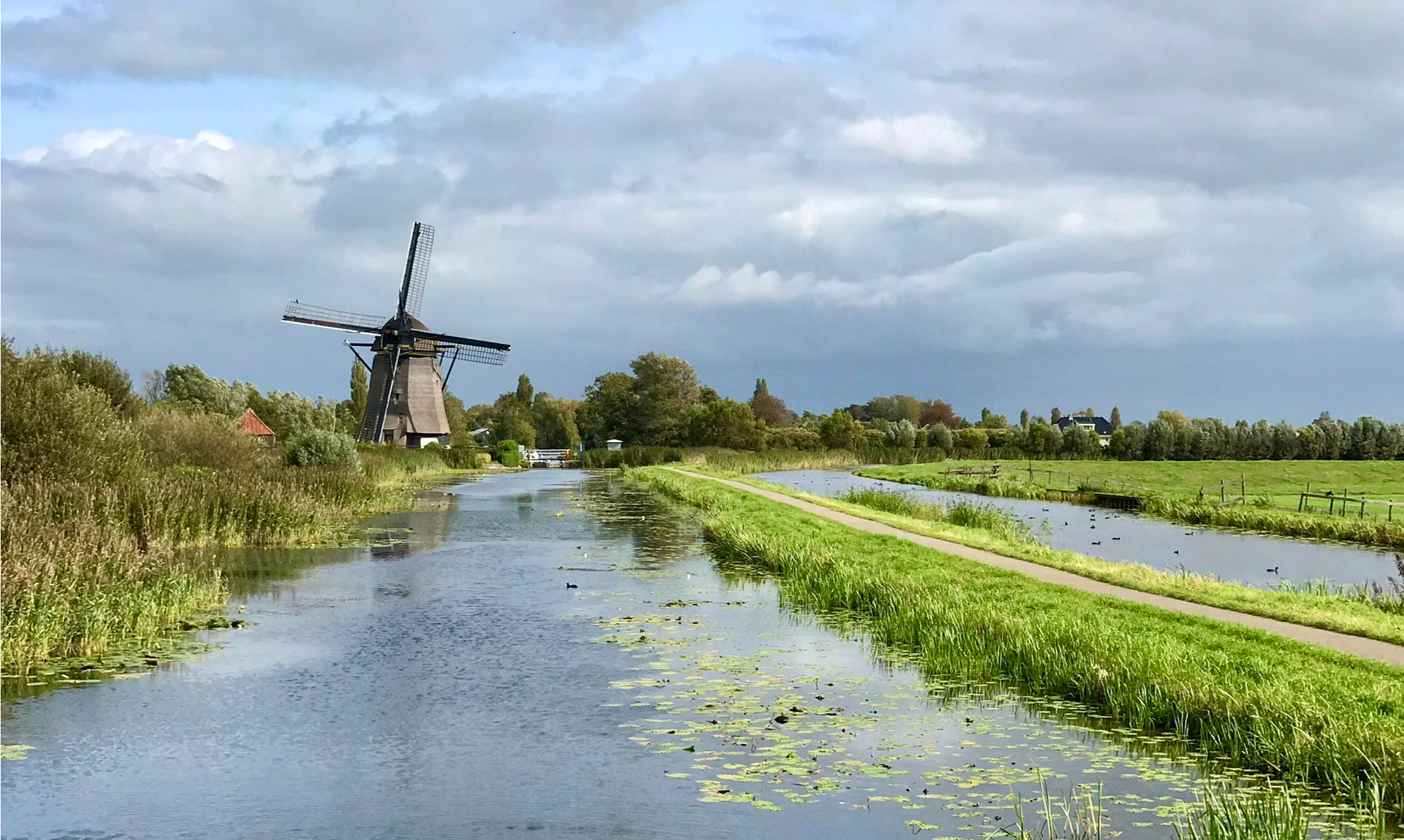
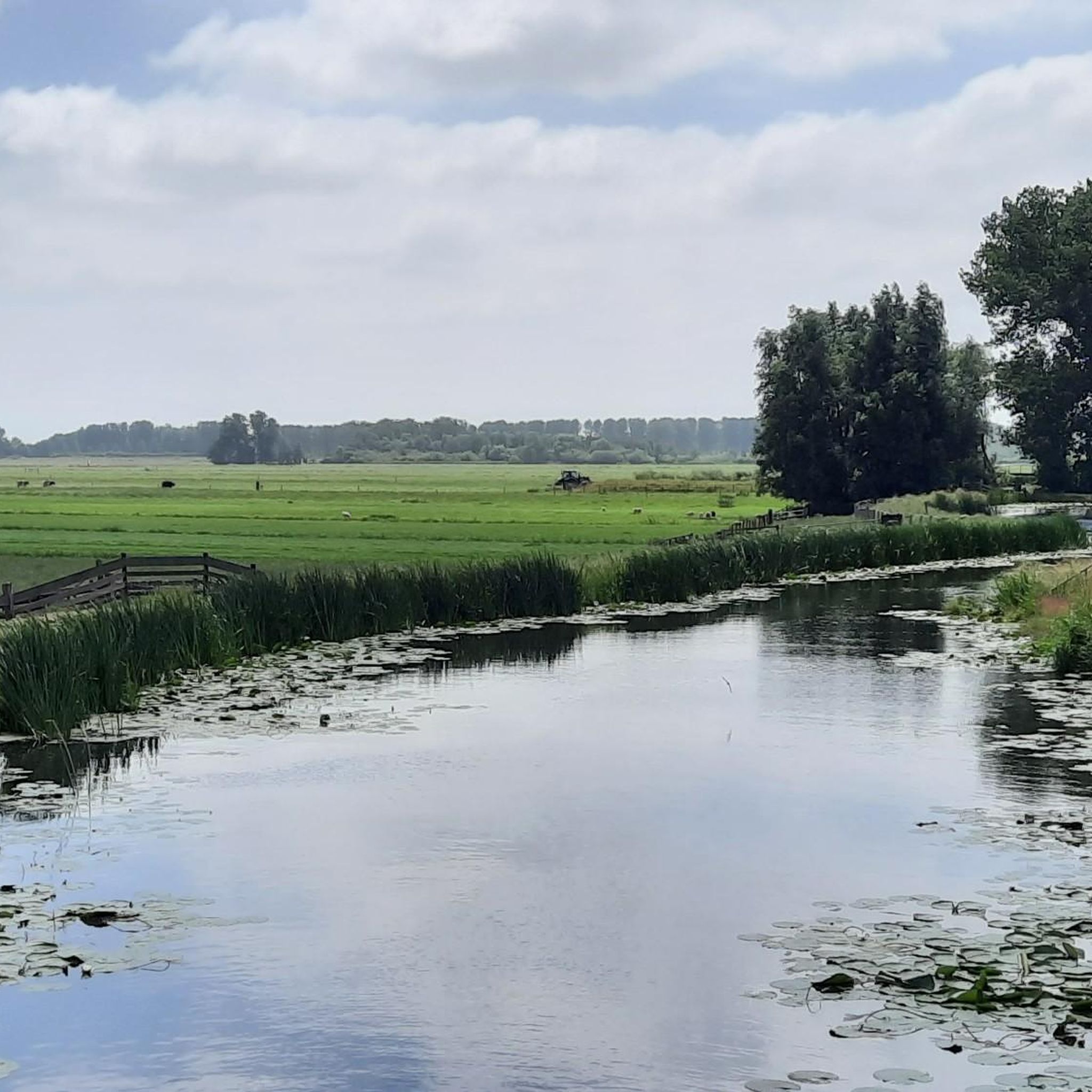
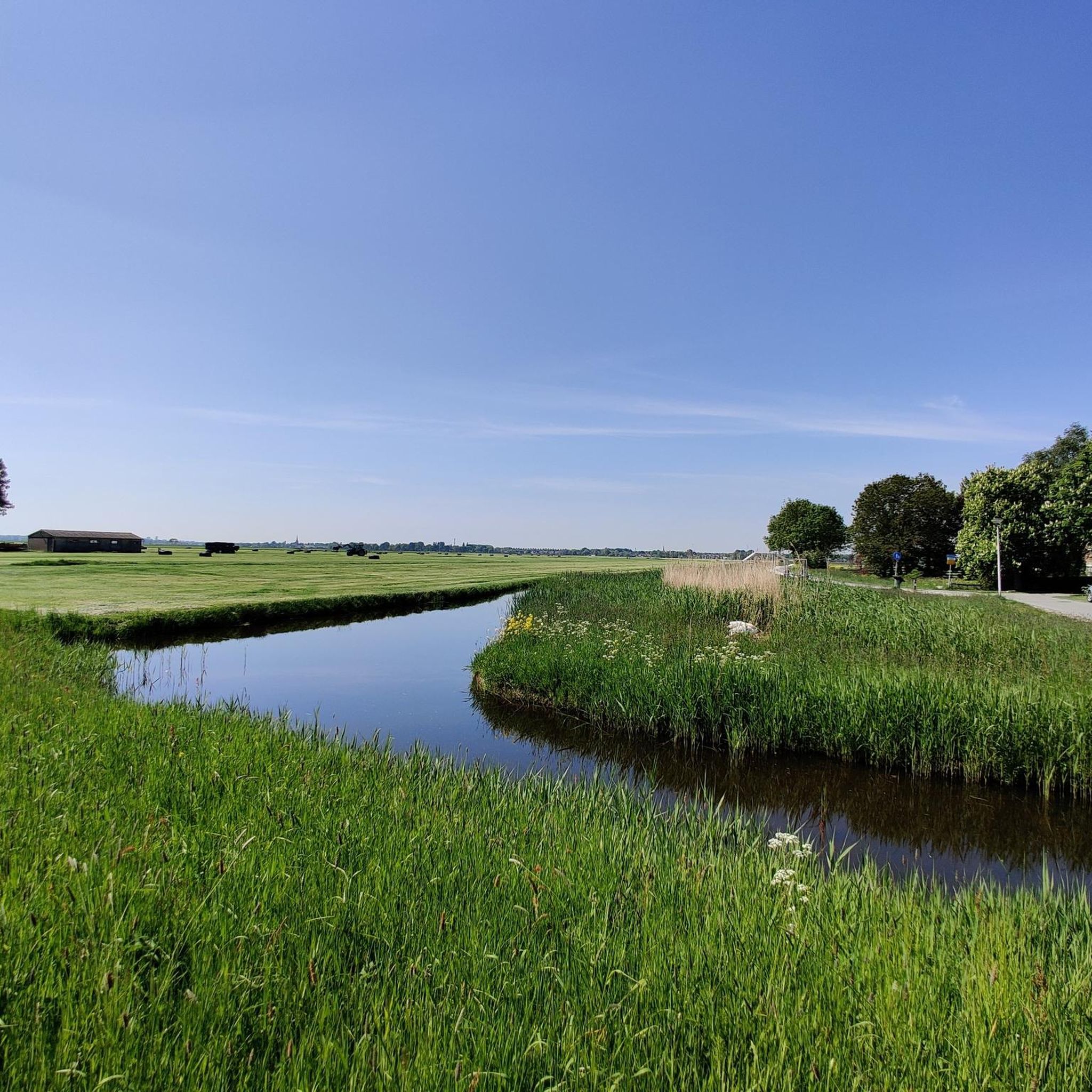
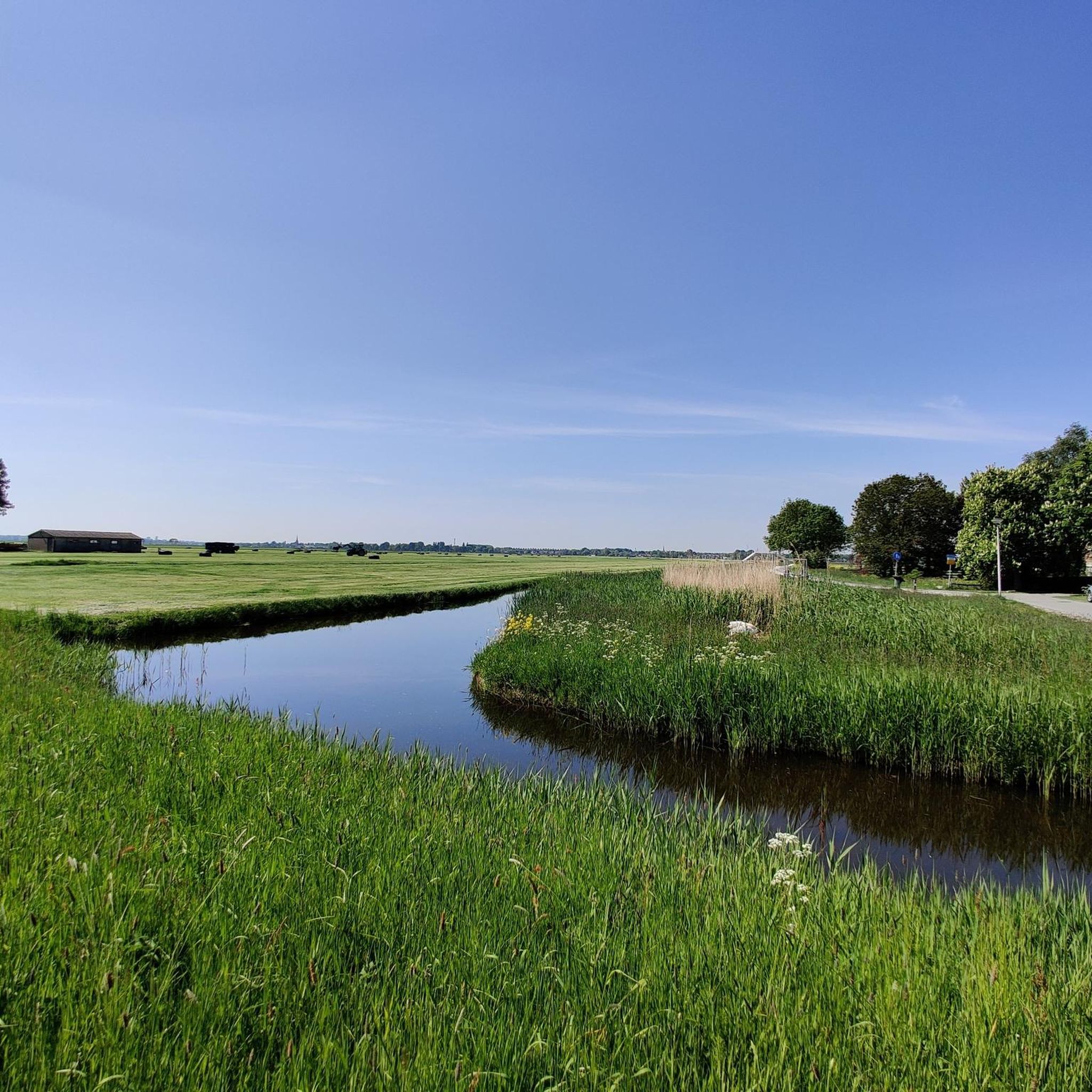
Touring cycling routes around Zoeterwoude traverse a quintessential Dutch polder landscape, characterized by flat, low-lying terrain. The region features an extensive network of waterways, including historic canals, and expansive green meadows. This rural environment is ideal for leisurely cycling, offering views of traditional windmills and agricultural areas.
Best touring cycling routes around Zoeterwoude
- The most popular touring cycling route is Polderland around Leiden - South Holland, a 27.3 miles (44.0 km) trail that takes 2 hours 34 minutes to…
Last updated: May 9, 2026
4.5
(19)
103
riders
44.0km
02:34
60m
60m
Moderate bike ride. Good fitness required. Mostly paved surfaces. Suitable for all skill levels.
3.5
(4)
143
riders
13.9km
00:48
20m
20m
Easy bike ride. Great for any fitness level. Mostly paved surfaces. Suitable for all skill levels.

Sign up for free
5.0
(1)
72
riders
9.02km
00:33
20m
20m
Easy bike ride. Great for any fitness level. Mostly paved surfaces. Suitable for all skill levels.
4.4
(5)
177
riders
9.68km
00:33
10m
10m
Easy bike ride. Great for any fitness level. Mostly paved surfaces. Suitable for all skill levels.
20
riders
Easy bike ride. Great for any fitness level. Mostly paved surfaces. Suitable for all skill levels.
Get access to more routes and recommendations from other explorers.
Sign up for free
Already have an account?
Our route recommendations are based on thousands of hikes, rides, and runs completed by other people on komoot.
Start today with a free account
Your next adventure awaits.
Login or Signup
Other adventures around Zoeterwoude

Tips from the Community


The first bridge on this site dates back to the 15th century. It was renovated in 1642 by the current stone arch bridge with three arches and elegant natural stone facades, designed by the Leiden architect Arent van 's Gravesande. The bridge crosses the Nieuwe Rijn and connects the Burgsteeg with the Koornbrugsteeg. It is called the Koornbrug (also Koornbeursbrug) because the grain market was held there from 1443 onwards. In 1825, it was given a canopy on each side to keep the grain dry. The canopies were designed by Salomon van der Paauw, Leiden's city architect. They consist of two neoclassical wooden galleries with Doric columns. The gables display the city's coat of arms (two red keys) surrounded by ears of corn (referring to the grain that was traded here). The grain was stored under the roof. Holes in the ceiling provided ventilation. The building has been a listed building since 1968. (Source: Wikipedia)
2
0
The first mention of a bridge on this site dates back to the 15th century. Since then, the grain market has been held here, and the bridge was named "Koornbrug." In 1642, the old bridge was replaced by the current one, featuring three arches and a beautiful natural stone facade, designed by the Leiden architect Arent van's-Gravesande. Originally, barges loaded with grain lay beneath this bridge to keep the grain dry during inclement weather. In 1825, the two canopies were built. The grain was also stored beneath the canopy. The openings in the roof provided ventilation. It remains the only covered bridge in Leiden to this day. (Source: "Leidener Runde" booklet from Leiden City Marketing)
2
0
The original town hall dates back to the Middle Ages. The town hall as we know it today, with its Renaissance façade on Breestraat, was designed around 1600 according to plans by Lüdiger von Bentheim, who also built the façade of Bremen's town hall at the same time. After the fire of February 12, 1929, the town hall had to be rebuilt on the Fish Market side (according to plans by C.J. Blaauw) and was simultaneously expanded to include the Stadhuisplein in 1932. Until the fire, the Rhenish Rod (L unit of measurement) was determined by the distance between two notches at the entrance to the town hall (Fish Market). After reconstruction, they were replaced by two iron knobs. The last renovation took place in 2020/22. The rooms below the town hall on the square are now used by a restaurant and an entertainment center. (Source: Wikipedia) Around 1600, the town hall resembled more of a museum, as the walls were hung with many paintings by (old) masters. (Source: "Leidener Runde" by City Marketing L.) CITY COAT OF ARMS: The coat of arms of the city of Leiden depicts two red lions (symbolizing the County of Holland) and two crossed red keys (symbolizing St. Peter, the city's patron saint), above which is a crown (recalling the city's connection to the reign of King William V. The crown was awarded to the city as an honor, symbolizing its rank and highlighting Leiden as an important city and trading center). The motto in the coat of arms is: "Haec Libertatis Ergo" = "In the name of freedom." This motto, which is also the city's motto, is important to the people of Leiden and commemorates the city's liberation from the Spanish siege on October 3, 1574. This significant blow against the Spanish contributed significantly to the independence of the Northern Netherlands (Republic of the Seven United Netherlands from 1581 to 1795). The Republic was a loose federation of seven largely independent provinces (Holland, Zeeland, Groningen, Utrecht, Friesland, Guelders, and Overijssel).
4
0

Here, you can take a break right by the canal and unwind. Since 2025, overnight stays at "Glamping Terra Zen" have also been possible. The site is also ideal for aircraft observation, as the western approach path to the north offers the opportunity.
0
0


a beautiful image of a child skating with a chair.
0
0
Frequently Asked Questions
How many touring cycling routes are available around Zoeterwoude?
Zoeterwoude offers a vast network of over 1150 touring cycling routes, catering to various preferences and skill levels. The majority, over 760, are classified as easy, making the region highly accessible for casual rides.
What is the typical terrain like for touring cycling in Zoeterwoude?
The terrain around Zoeterwoude is predominantly flat, characteristic of the Dutch polder landscape. You'll cycle through low-lying areas crisscrossed by canals and waterways, offering serene views of green meadows, traditional windmills, and agricultural fields. There are no significant elevation changes, making it ideal for relaxed touring.
Are there any family-friendly touring cycling routes in Zoeterwoude?
Yes, Zoeterwoude is excellent for family cycling due to its flat terrain and numerous easy routes. Many paths are suitable for all ages. For a pleasant, shorter ride, consider the Leiden City Hall – Koornbrug, Leiden loop from Leiderdorp, which is just under 6 miles (9.3 km) and takes about 33 minutes.
What kind of attractions can I see along the cycling routes in Zoeterwoude?
Cycling routes often pass by historic farms, traditional windmills like the Zoeterwoudse mill, and quaint churches. You can also explore the Rottemeren or enjoy the natural beauty of the Bentwoud Nature Reserve. For a unique experience, the 'Boerenkaas cycling route' allows you to visit farms and purchase local cheese.
Are there any circular touring cycling routes in the Zoeterwoude area?
Yes, many routes in Zoeterwoude are designed as loops, allowing you to start and end at the same point. An example is the Scheepjes Church – View of the Winding River loop from Roomburg, an easy 8.6 miles (13.8 km) path offering scenic views along waterways.
What is the best time of year for touring cycling in Zoeterwoude?
The mild winters and cool summers make Zoeterwoude pleasant for cycling year-round. However, spring and summer are particularly vibrant, with green meadows and roadside flower verges enhancing the scenery. These seasons offer the most comfortable temperatures and picturesque views.
Where can I find parking for touring cycling routes near Zoeterwoude?
While specific parking areas for each route are not always listed, Zoeterwoude and its surrounding villages typically offer public parking options. Many routes, such as the Polderland around Leiden - South Holland, often start near towns or accessible points where parking facilities can be found.
What do other touring cyclists enjoy most about cycling in Zoeterwoude?
The komoot community highly rates touring cycling in Zoeterwoude, with an average score of 4.5 stars from over 4000 reviews. Cyclists frequently praise the tranquil polder landscape, the extensive network of well-maintained paths, and the opportunity to experience the quintessential Dutch countryside with its windmills and waterways.
Are there any longer touring cycling routes for more experienced riders?
While the region is known for its flat, easy terrain, there are longer routes available. The Polderland around Leiden - South Holland route, for instance, covers 27.3 miles (44.0 km) and is classified as moderate, offering a more extended exploration of the polder landscape.
Can I combine a cycling tour with a visit to a city?
Absolutely. Zoeterwoude's proximity to Leiden makes it ideal for combining a cycling tour with an afternoon exploring the historic city. Many routes, like the Leiden City Hall – Koornbrug, Leiden loop from Leiderdorp, integrate both rural and urban landscapes.
Are there any routes that pass by traditional Dutch windmills?
Yes, the polder landscape of Zoeterwoude is dotted with traditional windmills. You can find routes that specifically feature these iconic structures, such as the View of the Rodenburgermolen – Vliet Drawbridge loop from Roodenburg, which offers views of the Rodenburgermolen.
Are there any routes that offer views of the Vliet canal?
The Vliet canal is a historic waterway popular with cyclists, and many routes in the region follow its banks. The View of the Rodenburgermolen – Vliet Drawbridge loop from Roodenburg is one such route that incorporates views of the Vliet.
Most popular attractions around Zoeterwoude

Get inspired with the komoot mobile app


Explore more
Browse the best Cycling routes in other regions.
