Barford St. John And St. Michael
Barford St. John And St. Michael
Attractions and Places To See around Barford St. John And St. Michael - Top 20
Best attractions and places to see around Barford St. John And St. Michael include historical sites, traditional villages, and natural landscapes. These two distinct villages in Oxfordshire, England, are separated by the River Swere and are characterized by traditional honey-colored stone houses. The area offers a mix of cultural landmarks, such as ancient churches, and views of the rolling Oxfordshire countryside. Visitors can explore local trails and discover points of interest within these historic settings.
Best attractions and places to see around Barford St. John And St. Michael
- The most popular attractions is Bloxham Grove Windmill, a viewpoint that offers views of a Grade II listed building. This windmill was built in 1865 as a 'memorial to all windmills'.
- Another must-see spot is Upper Heyford village and carved tree trunk, a settlement with access to the verdant Oxfordshire countryside. Visitors can explore local trails and find the Barley Mow pub for a lunch option.
- Visitors also love Banbury Town Hall, a historical site designed in the Gothic Revival style. This building, completed in 1854, features an assembly hall and was extended in 1891.
- Barford St. John And St. Michael is known for historical sites, traditional villages, and scenic viewpoints. The area offers a variety of attractions to see and explore, from ancient churches to former wartime airfields.
- The attractions around Barford St. John And St. Michael are appreciated by the komoot community, with 11 upvotes and 3 photos shared by visitors.
Last updated: August 2, 2026
Banbury Cross
Highlight • Historical Site
The English nursery rhyme "Ride a cock horse to Banbury Cross", in its several forms, may refer to one of the crosses destroyed by Puritans in 1600.[50] In April 2005, Princess Anne unveiled a large bronze statue depicting the Fine Lady upon a White Horse of the nursery rhyme.[51] It stands on the corner of West Bar and South Bar, just yards from the present Banbury Cross.
(en.wikipedia.org/wiki/Banbury#Banbury_Cross)
Tip by

Banbury Town Hall
Highlight • Historical Site
The design involved a symmetrical main frontage with three bays facing the junction of the High Street and Market Place; the central section, which projected forward, featured an arched doorway on the ground floor and a balcony with an ogee headed window on the first floor. A clock tower and spire were added in 1860.
The principal room was an assembly hall on the first floor. The building was extended to the south west to create a council chamber in 1891.
The town hall was the headquarters of Banbury Borough Council until the council moved its administration to the mechanics' institute in Marlborough Road in 1930.
Source: en.wikipedia.org/wiki/Banbury_Town_Hall
Tip by

Sign up now to discover places like this
Get recommendations on the best single tracks, peaks, & plenty of other exciting outdoor places.
Sign up for free
Wroxton Abbey and Gardens
Highlight • Historical Site
Tip by

Upper Heyford village and carved tree trunk
Highlight • Settlement
The nearby RAF base was decommissioned in 1993 and many of its buildings are now listed as scheduled monuments. The site is popular with local urban explorers.
Tip by

Banbury Cross
Highlight • Monument
Tip by
Sign up for free to discover even more attractions around Barford St. John And St. Michael.
Sign up for free
Already have an account?
Start today with a free account
Your next adventure awaits.
Login or Signup
Popular around Barford St. John And St. Michael
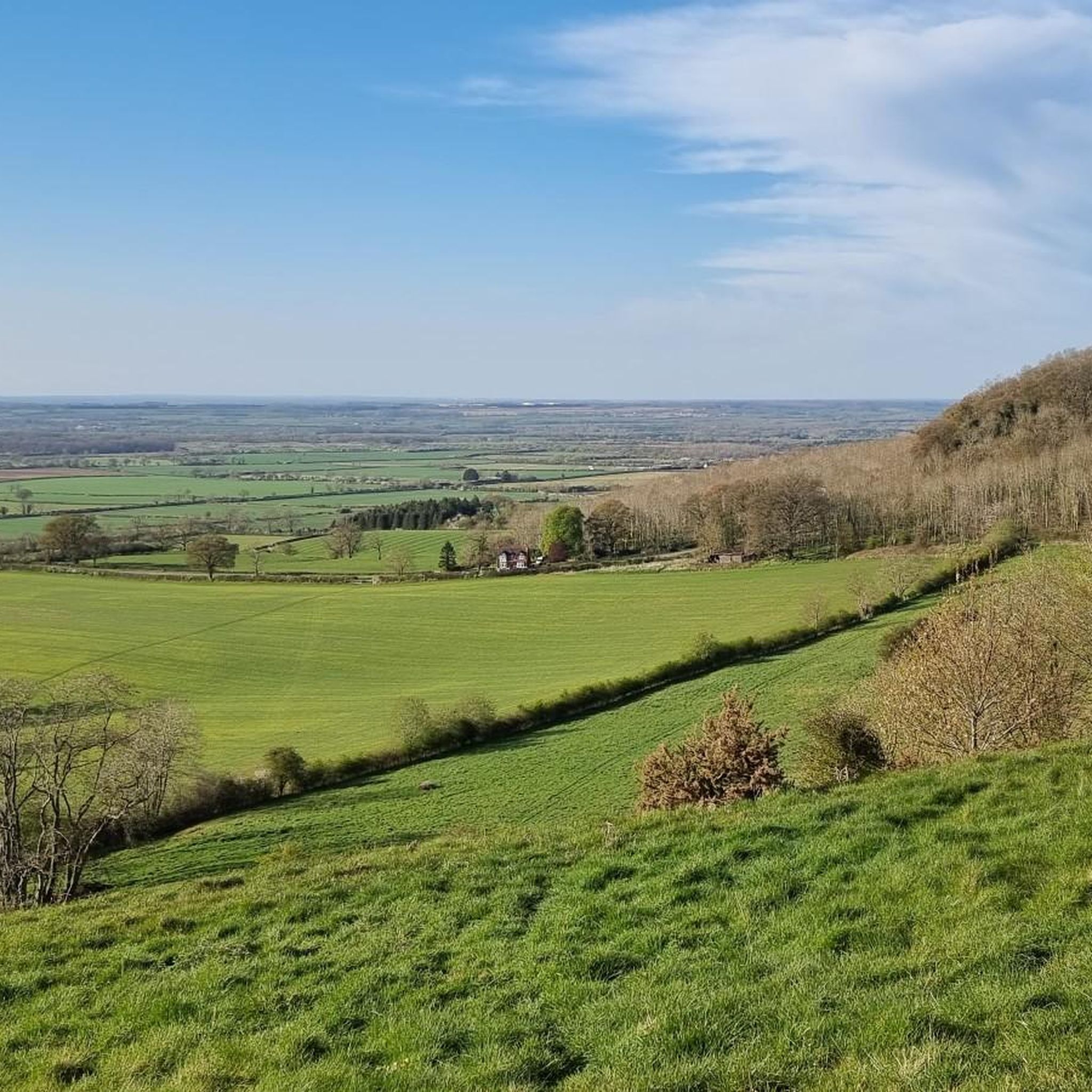
MTB Trails around Barford St. John And St. Michael
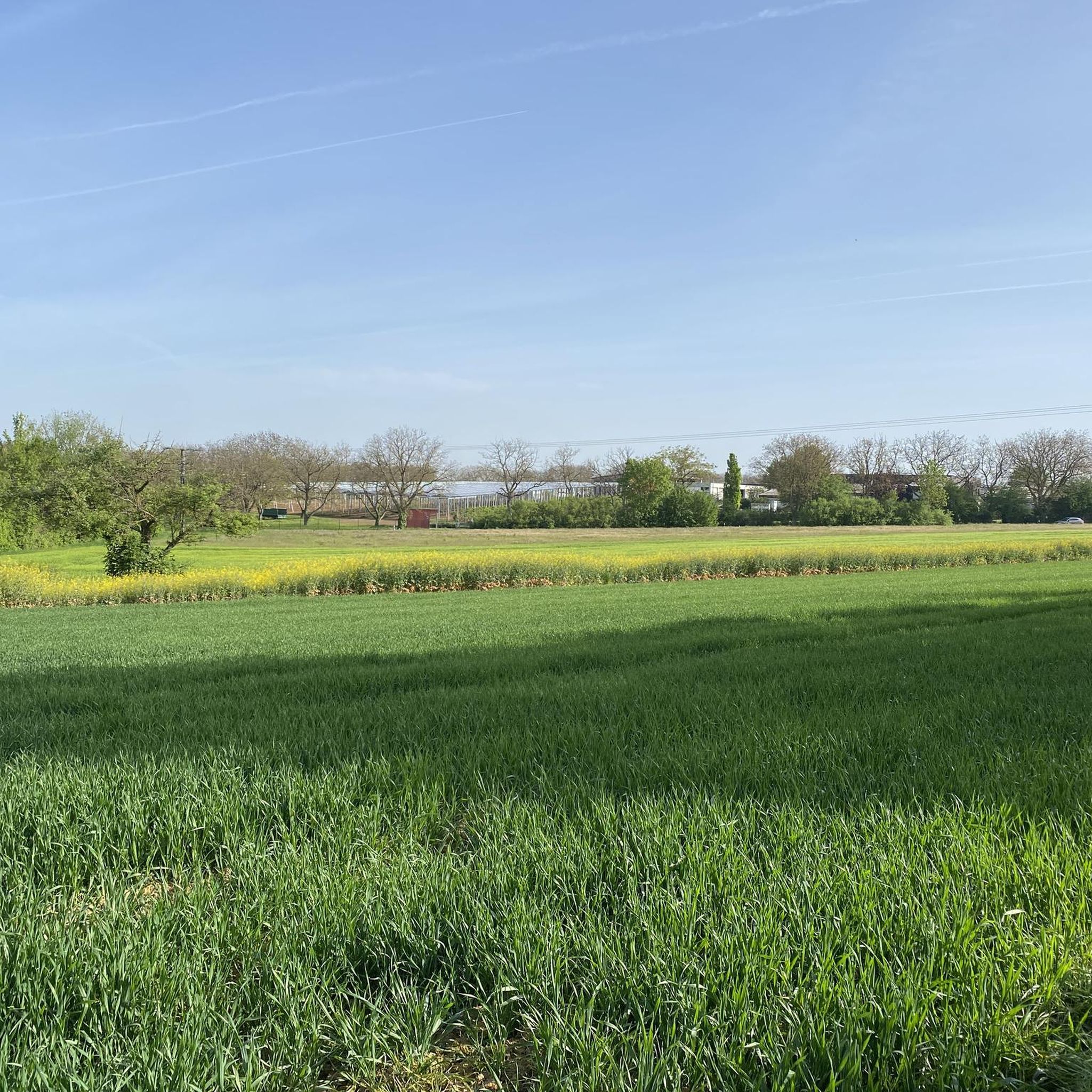
Running Trails around Barford St. John And St. Michael
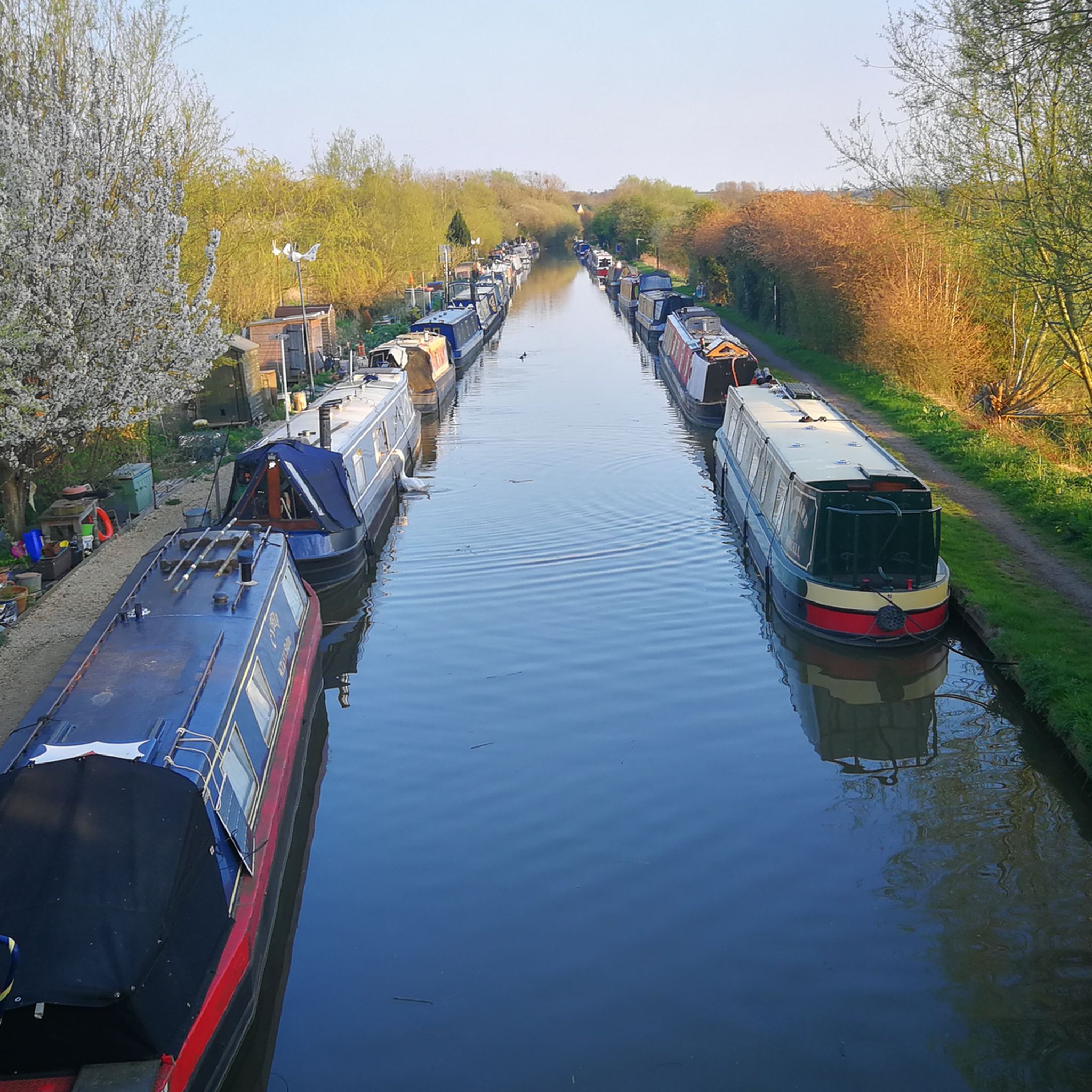
Hiking around Barford St. John And St. Michael
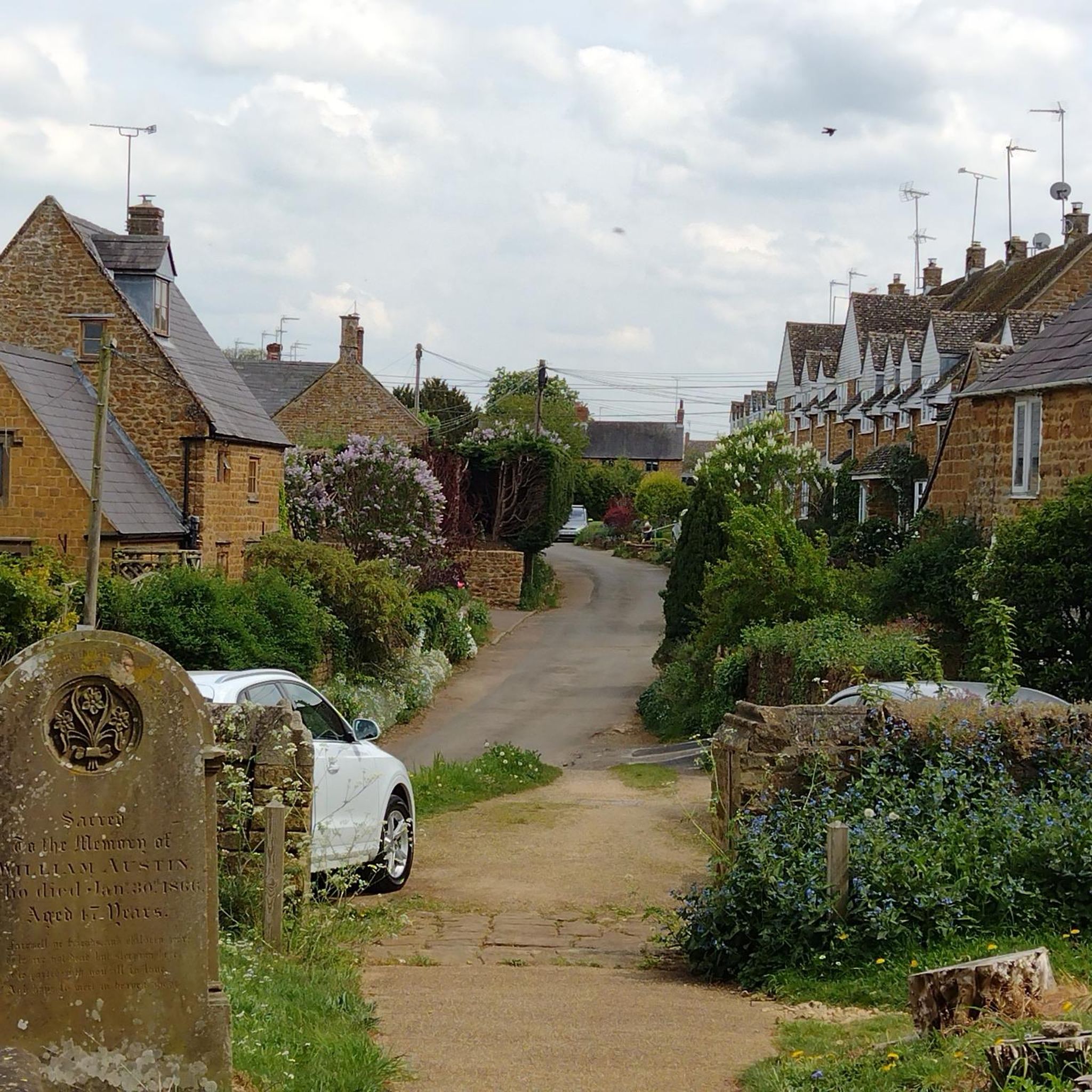
Cycling around Barford St. John And St. Michael
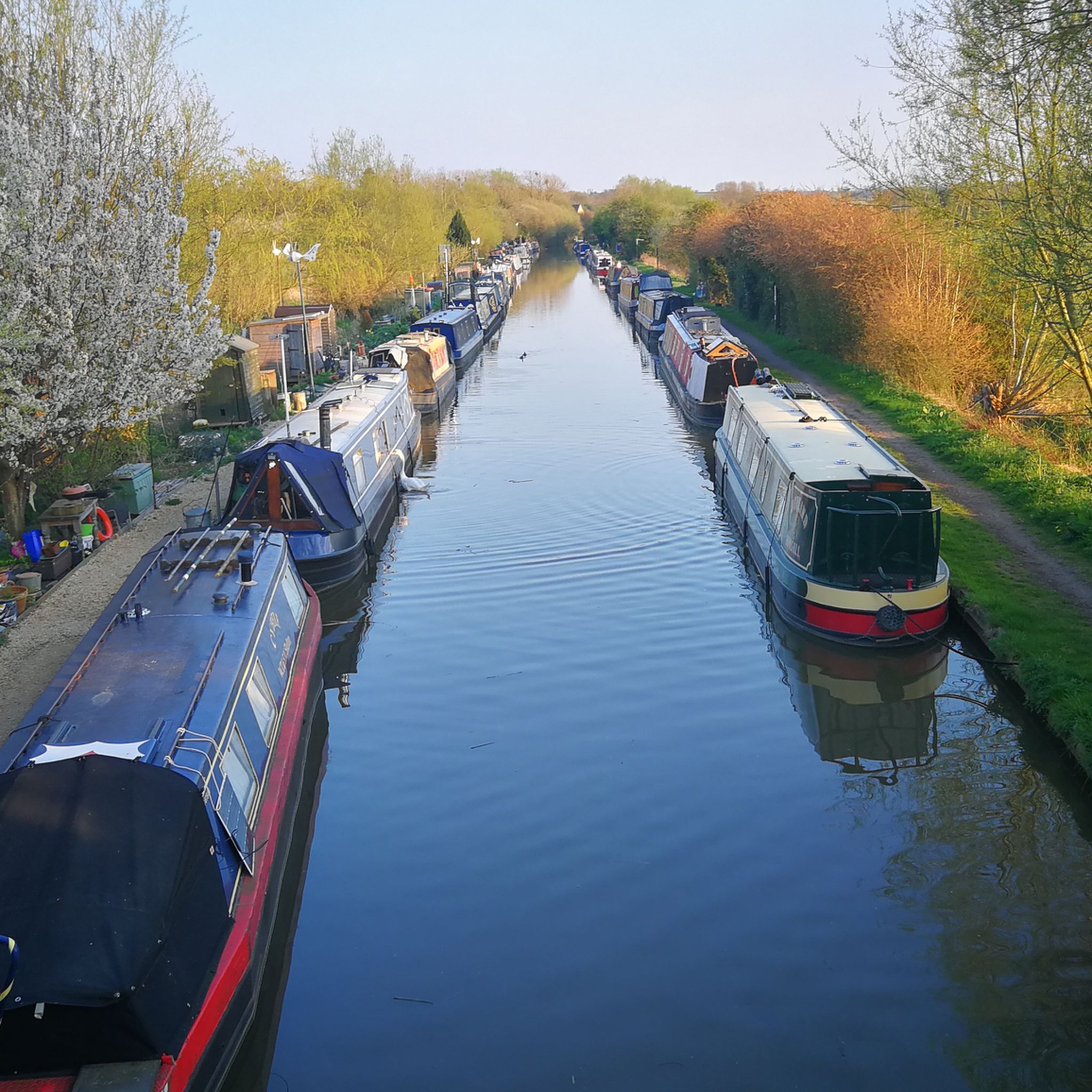
Road Cycling Routes around Barford St. John And St. Michael

Gravel biking around Barford St. John And St. Michael
Tips from the Community

At one time Banbury had many crosses (the High Cross, the Bread Cross and the White Cross), but these were destroyed by Puritans in 1600.[7][50] Banbury remained without a cross for more than 250 years until the current Banbury Cross was erected in 1859 at the centre of the town to commemorate the marriage of Victoria, Princess Royal (eldest child of Queen Victoria) to Prince Frederick of Prussia. The current Banbury Cross is a stone, spire-shaped monument decorated in Gothic form. Statues of Queen Victoria, Edward VII and George V were added in 1914 to commemorate the coronation of George V. The cross is 52 feet 6 inches (16 m) high, and topped by a gilt cross. Towns with crosses in England before the reformation were places of Christian pilgrimage. The English nursery rhyme "Ride a cock horse to Banbury Cross", in its several forms, may refer to one of the crosses destroyed by Puritans in 1600.[50] In April 2005, Princess Anne unveiled a large bronze statue depicting the Fine Lady upon a White Horse of the nursery rhyme.[51] It stands on the corner of West Bar and South Bar, just yards from the present Banbury Cross. (https://en.wikipedia.org/wiki/Banbury#Banbury_Cross)
3
0

This building, designed by Edward George Bruton in the Gothic Revival style and built by Chesterman Brothers of Abingdon, was completed in October 1854 and is the fourth town hall building built in Banbury town from 1590 onwards. The design involved a symmetrical main frontage with three bays facing the junction of the High Street and Market Place; the central section, which projected forward, featured an arched doorway on the ground floor and a balcony with an ogee headed window on the first floor. A clock tower and spire were added in 1860. The principal room was an assembly hall on the first floor. The building was extended to the south west to create a council chamber in 1891. The town hall was the headquarters of Banbury Borough Council until the council moved its administration to the mechanics' institute in Marlborough Road in 1930. Source: https://en.wikipedia.org/wiki/Banbury_Town_Hall
2
0

The thriving market town of Banbury is the most northern in Oxfordshire and has long been an important link with the Midlands. An important stop on the twin arteries of the Oxford Canal and the railway, it makes for a good base for exploring the Cotswolds Area of Outstanding Natural Beauty, as well as some pleasant walking along the Oxford Canal. The town is also the start point for the Jurassic Way long-distance trail.
2
0
A mile north of Lower Heyford is its twin village Upper Heyford. Its location in the Cherwell Valley gives it excellent access to the verdant Oxfordshire countryside. There are plenty of local trails to explore. The Barley Mow pub is a good lunch option. The nearby RAF base was decommissioned in 1993 and many of its buildings are now listed as scheduled monuments. The site is popular with local urban explorers.
2
0

Designed by Edward Bruton in 1854, Banbury Town Hall is a magnificent Gothic-style building in the town centre. It was once used as a police station and cells still exist in the building. However, the prisoners are gone today and the town hall is now used for weddings and conferences.
1
0
Built in 1727 in the Oxfordshire countryside, Wroxton Abbey is an impressive Jacobean manor complete with a great hall, minstrels' gallery and chapel. The house is named after the original 12th-century abbey that was destroyed during the Dissolution of the Monasteries in 1536. Its ruins can still be seen in the grounds today. In 1932, the house was donated to Trinity College, Oxford and it now serves as a campus for the American university Farleigh Dickinson. You can visit the 56 acres of lawns, lakes and woodlands, as well as a number of follies. Entrance is free and the gardens are open daily from dawn to dusk. You can find more information, here: https://www.wroxtonabbey.org/
0
0


The Cross Located at the top of Banbury High Street, Horsefair, South Bar and West Bar Street. Banbury Cross was erected in 1859 to celebrate the wedding of Queen Victoria’s eldest daughter, Princess Royal, to Prince Frederick of Prussia. The sponsors of the Cross wished for a monument to be installed that would honour the occasion, and also serve as a “lasting credit and honour to the town”. The Cross was installed with three statues in 1914 of Queen Victoria, Edward VII and George V to celebrate the coronation of the latter in 1911. It is also engraved with the different arms of the town throughout its history, along with the town’s motto ‘Dominus Nobis sol et scutum’ (The Lord is our Sun and Shield). On the upper part of the monument are the coats of arms of important people connected with the history of the town. http://www.banbury.gov.uk/Banbury-Town-Council/Banbury_Cross_3818.aspx
1
0
Frequently Asked Questions
What historical and cultural sites can I visit in Barford St. John and St. Michael?
The villages are rich in history. In Barford St. Michael, you can explore the Church of St. Michael, a Grade I listed parish church with Norman features and 13th-century Gothic elements, including spectacular beak-head carvings. In Barford St. John, visit the Church of St. John, a smaller, Grade II listed church with a Romanesque south doorway and font. You can also see the Barford St. John Manor House, built in the Cotswolds style, and the former RAF Barford St. John, now a US Air Force communications center.
Are there any family-friendly attractions near Barford St. John and St. Michael?
Yes, several attractions are suitable for families. You can visit Wroxton Abbey and Gardens, which offers 56 acres of lawns, lakes, and woodlands to explore. The Upper Heyford village and carved tree trunk provides access to the Oxfordshire countryside for walks, and Bloxham Grove Windmill offers scenic views that children might enjoy.
What natural features define the area around Barford St. John and St. Michael?
The villages are distinctly separated by the River Swere, which flows through the valley. The surrounding area is characterized by the rolling Oxfordshire Countryside, offering verdant landscapes and local trails. While the villages themselves stand above the valley floor, the river is still prone to flooding in certain areas.
What outdoor activities can I do near Barford St. John and St. Michael?
The region offers various outdoor activities, particularly cycling. You can find numerous road cycling routes, such as 'The Charlbury Deli and Cafe – Winding Country Road loop from Bloxham', or mountain biking trails like 'Track Leading to the Salt Way – Madmarston Hill Roman Road loop from Banbury'. For more options, explore the dedicated guides for Road Cycling Routes, MTB Trails, and Cycling around Barford St. John and St. Michael.
Are there any notable viewpoints or scenic spots?
Yes, Bloxham Grove Windmill is a popular viewpoint where you can enjoy views of this Grade II listed building, built in 1865 as a 'memorial to all windmills'. The general rolling Oxfordshire countryside also offers many scenic vistas, especially along local trails.
What is the significance of Banbury Cross?
Banbury Cross is a prominent historical monument in the nearby town of Banbury. Erected in 1859, it commemorates the marriage of Victoria, Princess Royal. It's also famously associated with the English nursery rhyme 'Ride a cock horse to Banbury Cross', and a bronze statue depicting the Fine Lady upon a White Horse stands nearby.
What is Woodworm Studios and its connection to the area?
Woodworm Studios is a residential recording studio located in Barford St. Michael, near the George pub. It gained fame as the base for the iconic 1970s band Fairport Convention. Many well-known artists and bands, including Jethro Tull, Radiohead, and Tony Hadley, have recorded there, making it a significant cultural landmark for music enthusiasts.
Can I visit Wroxton Abbey and its gardens?
Yes, the gardens of Wroxton Abbey are open to the public daily from dawn to dusk, and entrance is free. The abbey itself, a Jacobean manor, now serves as a campus for Farleigh Dickinson University, but you can explore its 56 acres of landscaped grounds, which include lakes, woodlands, and follies.
What is the architectural style of Banbury Town Hall?
Banbury Town Hall is a historical site designed in the Gothic Revival style. Completed in 1854, it features an assembly hall and was extended in 1891. Its design includes a symmetrical main frontage with an arched doorway and a balcony, and a clock tower and spire were added in 1860.
What are the villages of Barford St. John and St. Michael known for?
Barford St. John and St. Michael are known for their traditional dark honey-colored stone houses and their distinct separation by the River Swere. They offer a blend of historical sites, such as ancient churches, and access to the scenic rolling Oxfordshire countryside, providing a glimpse into traditional English village life.
Are there any pubs or places to eat near the attractions?
While specific pubs within Barford St. John and St. Michael are not detailed in the highlights, the nearby Upper Heyford village is noted for having the Barley Mow pub, which is a good option for lunch after exploring local trails. The George pub in Barford St. Michael is also mentioned in connection with Woodworm Studios.
What do visitors appreciate most about the attractions around Barford St. John and St. Michael?
Visitors appreciate the blend of historical sites, traditional village charm, and scenic viewpoints. The area's ancient churches, such as the Church of St. Michael with its Norman features, and the picturesque countryside views from places like Bloxham Grove Windmill, are highly valued by the komoot community.
Most popular routes around Barford St. John And St. Michael

Get inspired with the komoot mobile app


Explore more
Still not found the Highlight you’re looking for? See guides of the top attractions in other regions:
