The best mountain hikes in the Sobaek Mountains
4.5
(30)
127
hikers
8
hikes
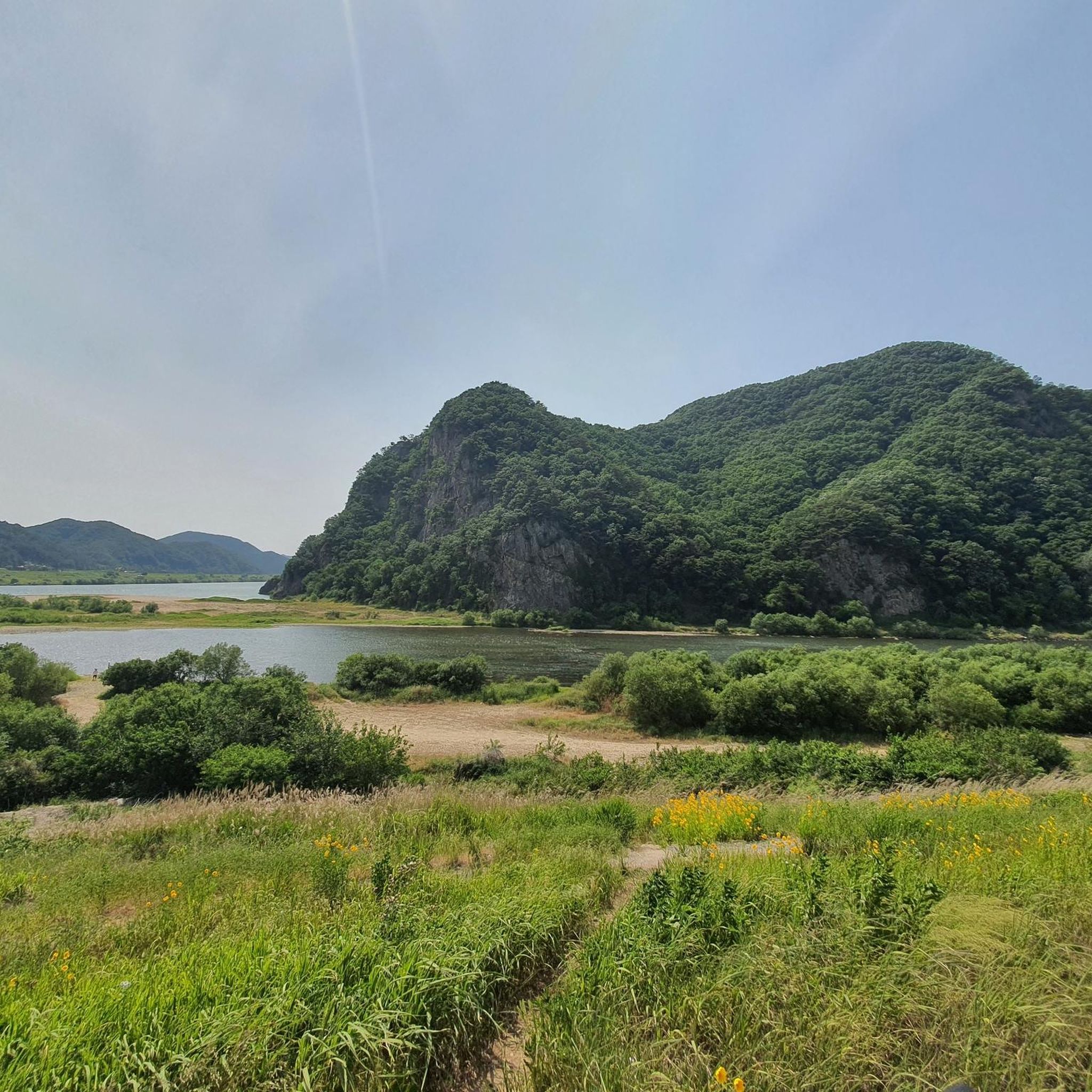
Mountaineering in the Sobaek Mountains offers diverse landscapes and prominent peaks within South Korea's third-largest national park. The region is characterized by long, sweeping ridges, often with open alpine grass fields, and features significant elevations, including Birobong Peak at 1,439 meters. The terrain includes dense yew tree communities, vibrant royal azalea fields, and numerous streams and waterfalls, providing varied challenges and scenic views for mountaineers.
Best mountaineering routes in the Sobaek Mountains
- The most popular mountaineering route is 치악산(비로봉) loop…
Last updated: May 31, 2026
4.8
(10)
27
hikers
11.8km
05:13
900m
900m
Hard mountaineering route. Very good fitness required. Sure-footedness, sturdy shoes and alpine experience required.
4.7
(6)
27
hikers
7.86km
03:41
800m
800m
Moderate mountaineering route. Good fitness required. Easily-accessible paths. Suitable for all skill levels.

Sign up for free
4.7
(6)
25
hikers
10.0km
04:12
600m
600m
Moderate mountaineering route. Good fitness required. Mostly accessible paths. Sure-footedness required.
5.0
(1)
17
hikers
8.33km
03:51
820m
820m
Hard mountaineering route. Good fitness required. Sure-footedness, sturdy shoes and alpine experience required.
3.7
(3)
13
hikers
5.86km
02:55
560m
560m
Hard mountaineering route. Good fitness required. Sure-footedness, sturdy shoes and alpine experience required.
4.0
(4)
11
hikers
5.97km
02:48
620m
610m
Moderate mountaineering route. Good fitness required. Easily-accessible paths. Suitable for all skill levels.
Get access to more routes and recommendations from other explorers.
Sign up for free
Already have an account?
Our route recommendations are based on thousands of hikes, rides, and runs completed by other people on komoot.
Start today with a free account
Your next adventure awaits.
Login or Signup
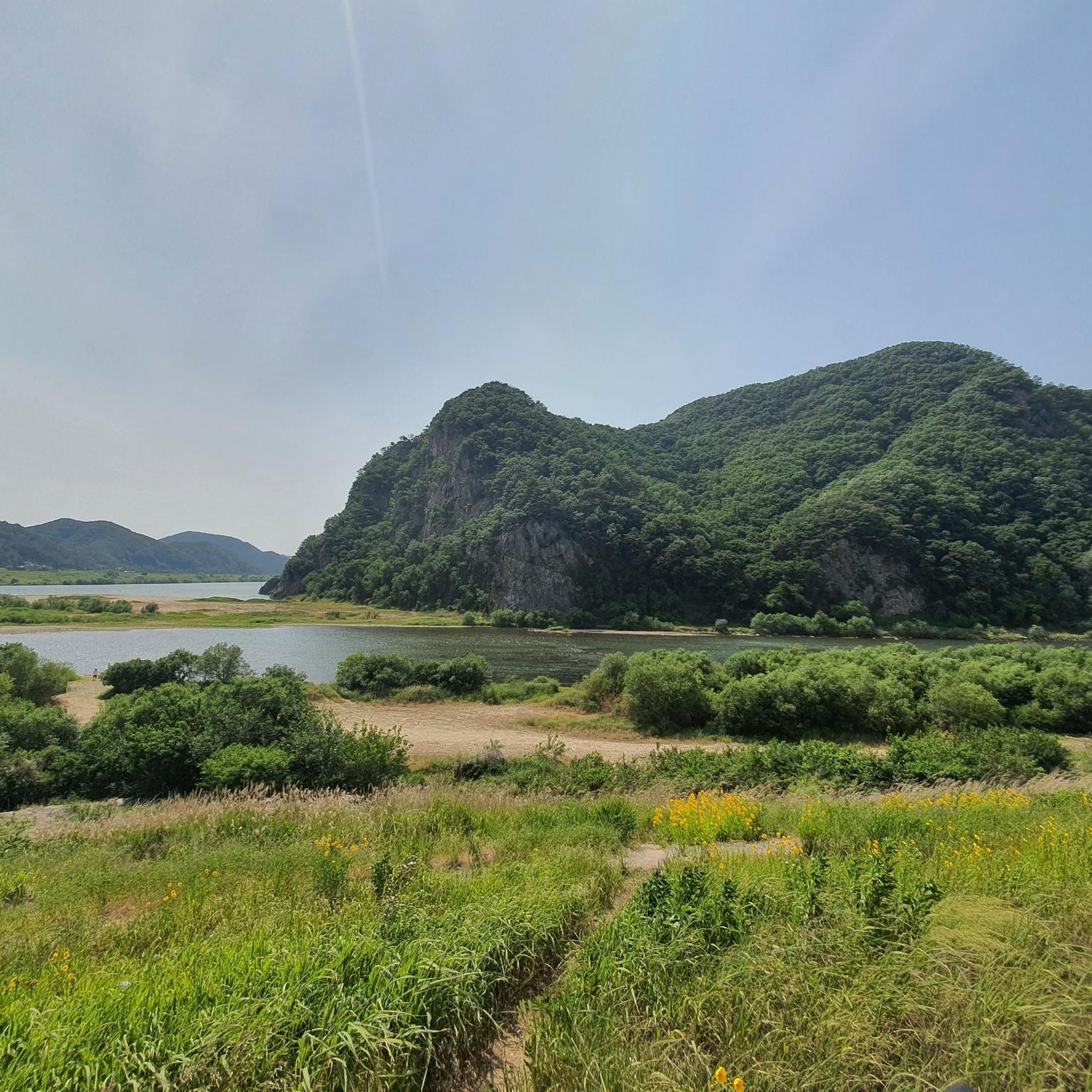
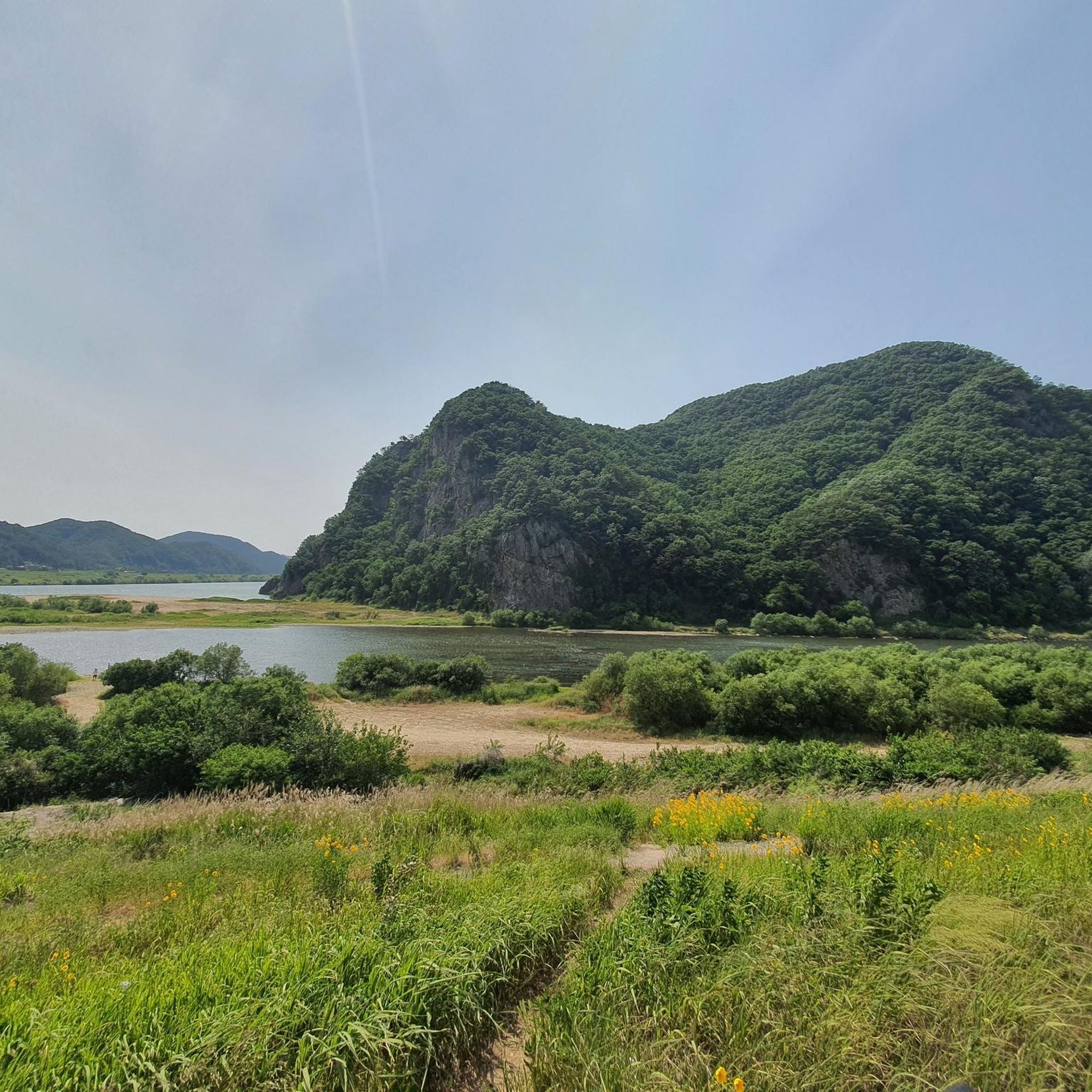
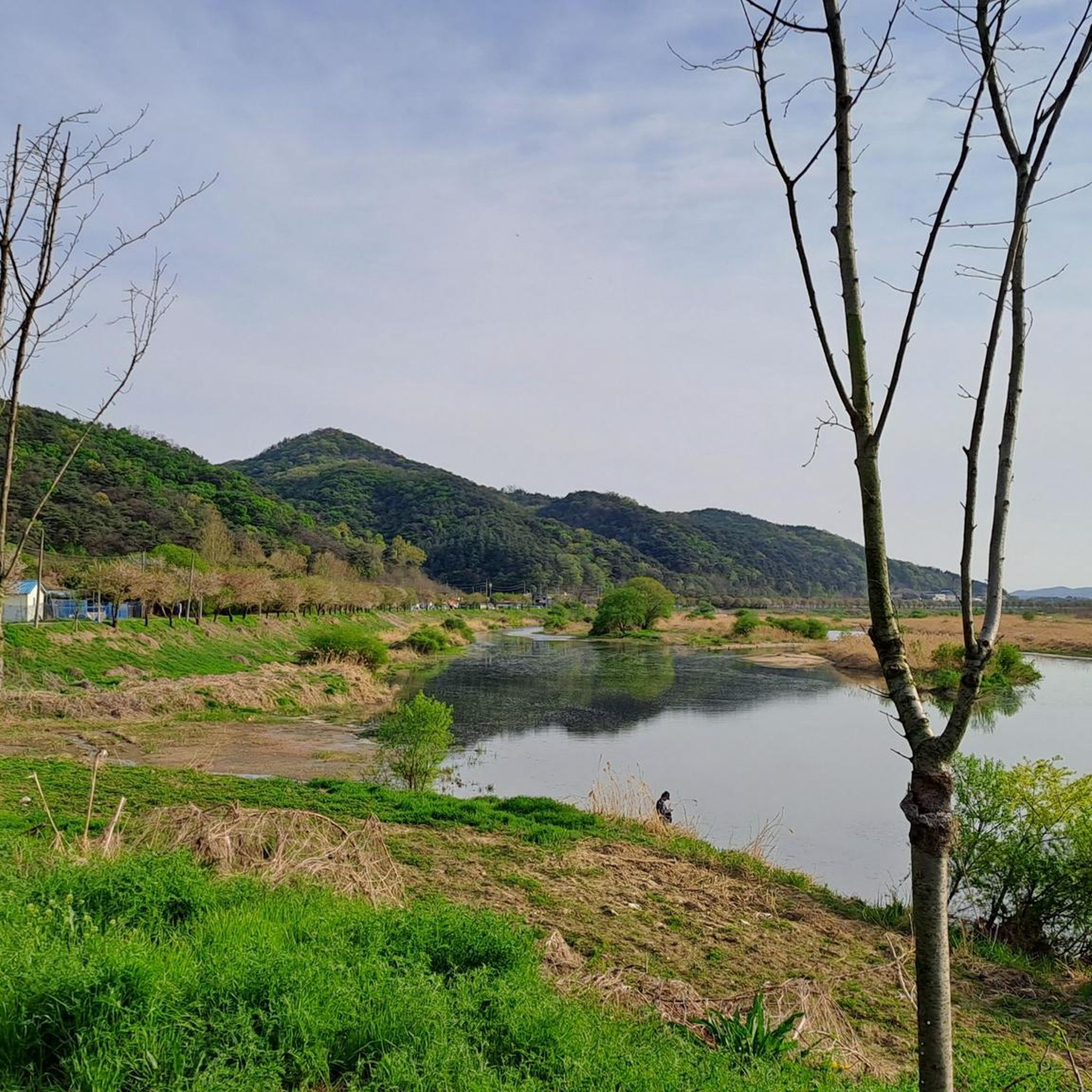
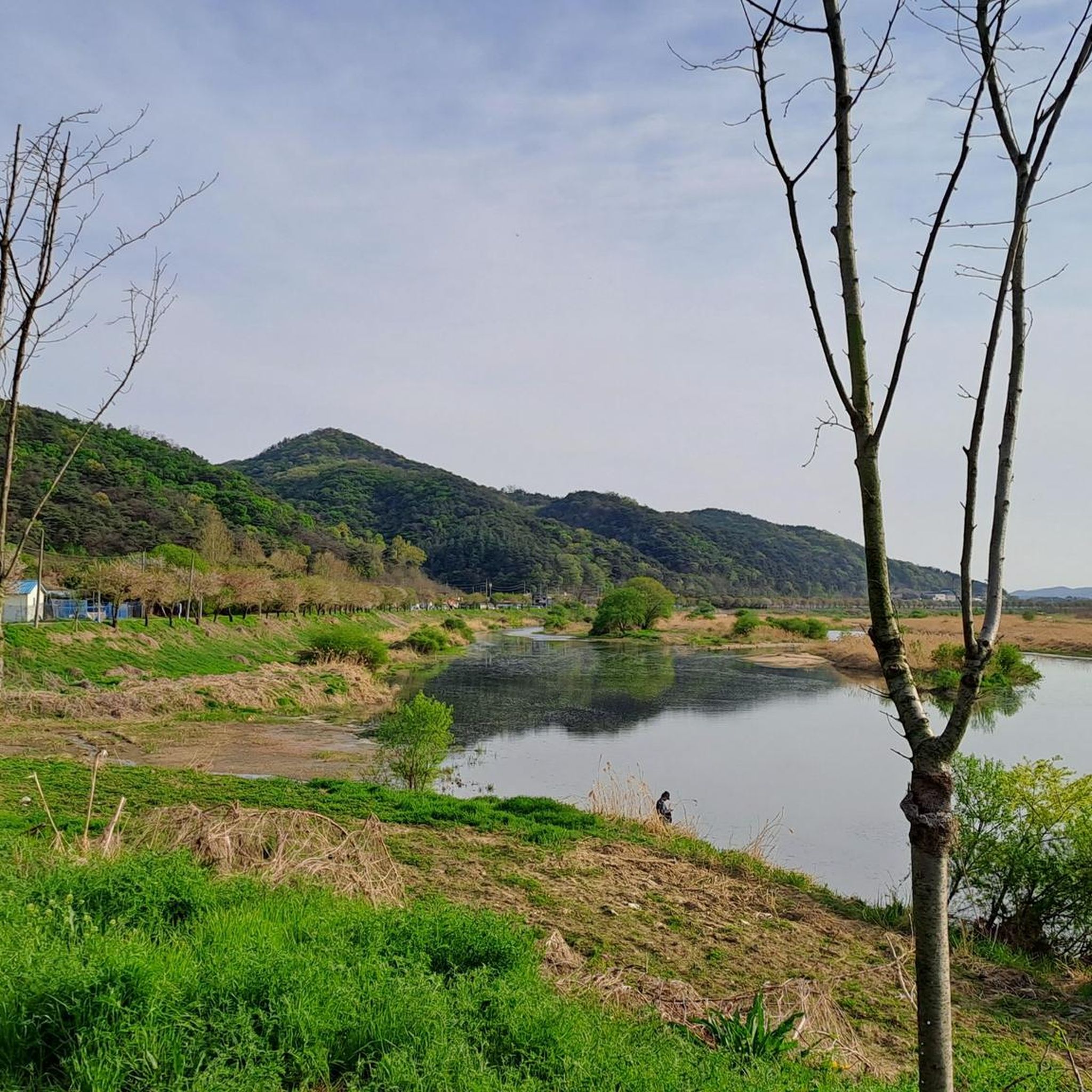
Tips from the Community

Magnificent 360 degree view. And benches below for a pleasant picnic.
0
0
Magnificent view from the summit, 360 degrees.
1
0

According to both Komoot and several other mapping sources there should be circular loop routes available off to the left and right of Birobong but they appear to have been made inaccessible. There is the option of a path that closely follows the main path up and rejoins it near Seryeop Waterfall (세렵폭포) which is very pretty and a stark contrast to the relentless elevation gain near the top of the main path, with a stream and countless little waterfalls and pools but it can be very rocky and slow in places, definitely recommend for coming down. Other paths available from the top lead down to the next valley, so prepare for an (almost) out and back route!
0
0
Frequently Asked Questions
How many mountaineering routes are available in the Sobaek Mountains?
There are over 8 mountaineering routes documented in the Sobaek Mountains, offering a variety of experiences for different skill levels.
What kind of terrain can I expect on mountaineering routes in the Sobaek Mountains?
The Sobaek Mountains are known for their long, sweeping ridges, often featuring expansive fields of alpine grass and wildflowers, providing unimpeded 360-degree views. You'll also encounter dense yew tree communities, especially between Yeonhwabong Peak and Birobong, and some trails can be rocky, requiring careful footing. Expect significant vertical gain on routes leading to prominent peaks like Birobong.
Are there routes suitable for beginners in the Sobaek Mountains?
Yes, there is at least one easy mountaineering route available. While many routes involve significant elevation gain, options exist for those new to mountaineering or seeking a less strenuous experience.
What are some challenging mountaineering routes in the Sobaek Mountains?
For those seeking a challenge, routes like 치악산(비로봉) loop from 소초면, a 7.3-mile (11.8 km) trail with nearly 900 meters of elevation gain, or the Gumsusan Peak loop from Sangcheon-ri, which covers 8.3 km with over 800 meters of ascent, offer demanding experiences. These routes often lead to prominent peaks and provide significant physical tests.
What natural features make the Sobaek Mountains unique for mountaineering?
The Sobaek Mountains are celebrated for their unique natural features. You'll find the largest community of yew trees in Korea, vast high-altitude silvergrass fields around Birobong Peak, and vibrant royal azalea blooms in late May. The park also transforms with stunning autumn foliage, making it a visually rewarding destination throughout the seasons.
Are there any waterfalls or significant water features along the trails?
Yes, the Sobaek Mountains feature numerous streams and waterfalls. Notably, Huibang Falls can be found along trails leading to Yeonhwabong Peak, offering a refreshing sight. Several trails also provide access to natural springs.
What cultural or historical sites can I find near the mountaineering routes?
Beyond natural beauty, the Sobaek Mountains are rich in cultural heritage. You can explore ancient temples like Buseok-sa, Biro-sa, and Huibang-sa, as well as Sosu-seowon, Korea's first Neo-Confucian Academy-Shrine. Historical sites such as Juheulgwan (Yeongnam Gateway No. 1) and Joryeonggwan Gate (Yeongnam Gateway No. 3) are also nearby.
What do other mountaineers enjoy the most about mountaineering in the Sobaek Mountains?
The Sobaek Mountains are highly rated by the komoot community, with an average score of 4.4 stars from over 20 reviews. Mountaineers often praise the diverse landscapes, the rewarding panoramic views from prominent peaks like Birobong, and the unique natural features such as the yew tree communities and seasonal azalea blooms.
Are there any circular mountaineering routes in the Sobaek Mountains?
Yes, many of the mountaineering routes in the Sobaek Mountains are designed as loops. For example, the 치악산(비로봉) – 쥐너미재전망대 loop from 화장실 is a moderate 4.9-mile (7.9 km) path, and the 대야산 – 월영대 loop from 대야산오토캠핑장 is a 6.2-mile (10.0 km) trail, both offering circular experiences.
What is the best time of year to go mountaineering in the Sobaek Mountains?
The Sobaek Mountains offer distinct beauty throughout the year. Late May is ideal for witnessing the vibrant royal azalea blooms. Autumn brings spectacular foliage, making it a popular time for hiking. Winter offers a magical landscape with 'snow rime' on trees, though conditions can be challenging. Strong winds at summits are common, so be prepared regardless of the season.
Are there any specific peaks or viewpoints I should aim for?
Absolutely. Birobong Peak, at 1,439 meters, is the highest point and offers panoramic views. Other significant peaks include Yeonhwabong (1,383m) and Gungmangbong (1,420m). Jebibong Peak and Munjangdae Summit are also notable viewpoints within the broader Sobaek Mountains region.
What should I be aware of regarding weather conditions at higher elevations?
Hikers should be prepared for strong winds at the summit areas, which can make conditions feel much colder than at lower elevations. Even on mild days, it's advisable to carry appropriate layers to protect against the wind and potential temperature drops at higher altitudes.
Can I find any unique flora or natural phenomena while mountaineering?
Yes, the Sobaek Mountains are renowned for their unique flora. You can observe the largest community of ancient yew trees in Korea, particularly on the northwestern slopes between Yeonhwabong Peak and Birobong. In late May, the mountains are ablaze with royal azaleas, and around Birobong Peak, vast silvergrass fields create a distinctive, almost alpine landscape.
Most popular routes in the Sobaek Mountains
Most popular attractions in the Sobaek Mountains

Get inspired with the komoot mobile app


Explore more
Browse the best Mountain Hikes & Routes in other regions.
