Bassingbourn-Cum-Kneesworth
Bassingbourn-Cum-Kneesworth
Attractions and Places To See around Bassingbourn-Cum-Kneesworth - Top 20
Attractions and places to see around Bassingbourn-Cum-Kneesworth offer a blend of historical landmarks, local charm, and natural routes. This civil parish in South Cambridgeshire, located about 14 miles southwest of Cambridge, provides opportunities for exploration. The area is characterized by its historical significance, including ancient routes like Icknield Way and Ermine Street, alongside architectural features and natural landscapes.
Best attractions and places to see around Bassingbourn-Cum-Kneesworth
- The most popular attractions is Wimpole Hall and Gardens, a historical site that…
Last updated: August 16, 2026
Wimpole Hall and Gardens
Highlight • Historical Site
Tip by

Wimpole's Folly
Highlight • Historical Site
Tip by
Sign up now to discover places like this
Get recommendations on the best single tracks, peaks, & plenty of other exciting outdoor places.
Sign up for free
Chapel Hill Climb
Highlight (Segment) • Climb
Tip by

Mullard Radio Astronomy Observatory
Highlight • Structure
Tip by

Greenwich Meridian marker at Orwell
Highlight (Segment) • Monument
Tip by

Sign up for free to discover even more attractions around Bassingbourn-Cum-Kneesworth.
Sign up for free
Already have an account?
Start today with a free account
Your next adventure awaits.
Login or Signup
Popular around Bassingbourn-Cum-Kneesworth
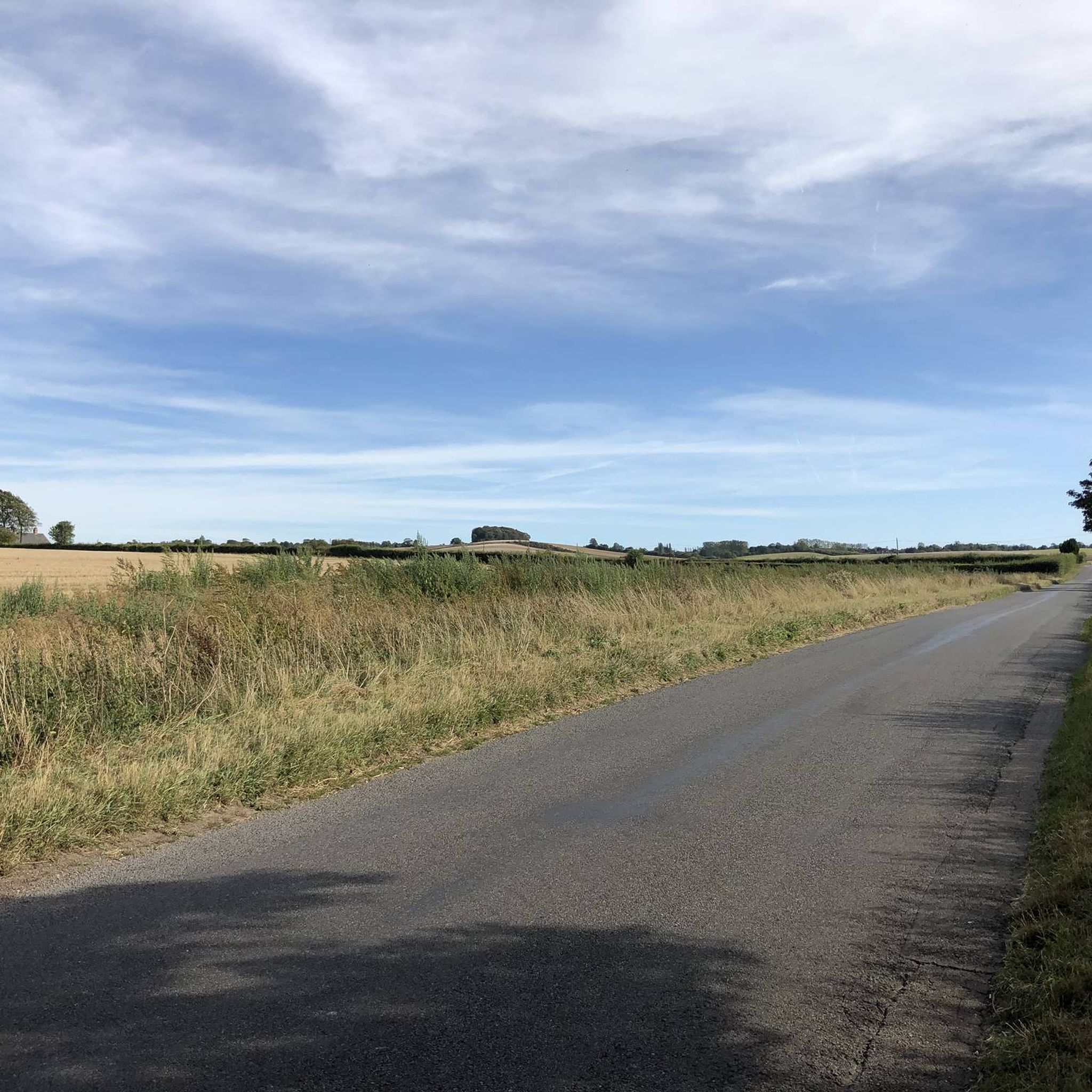
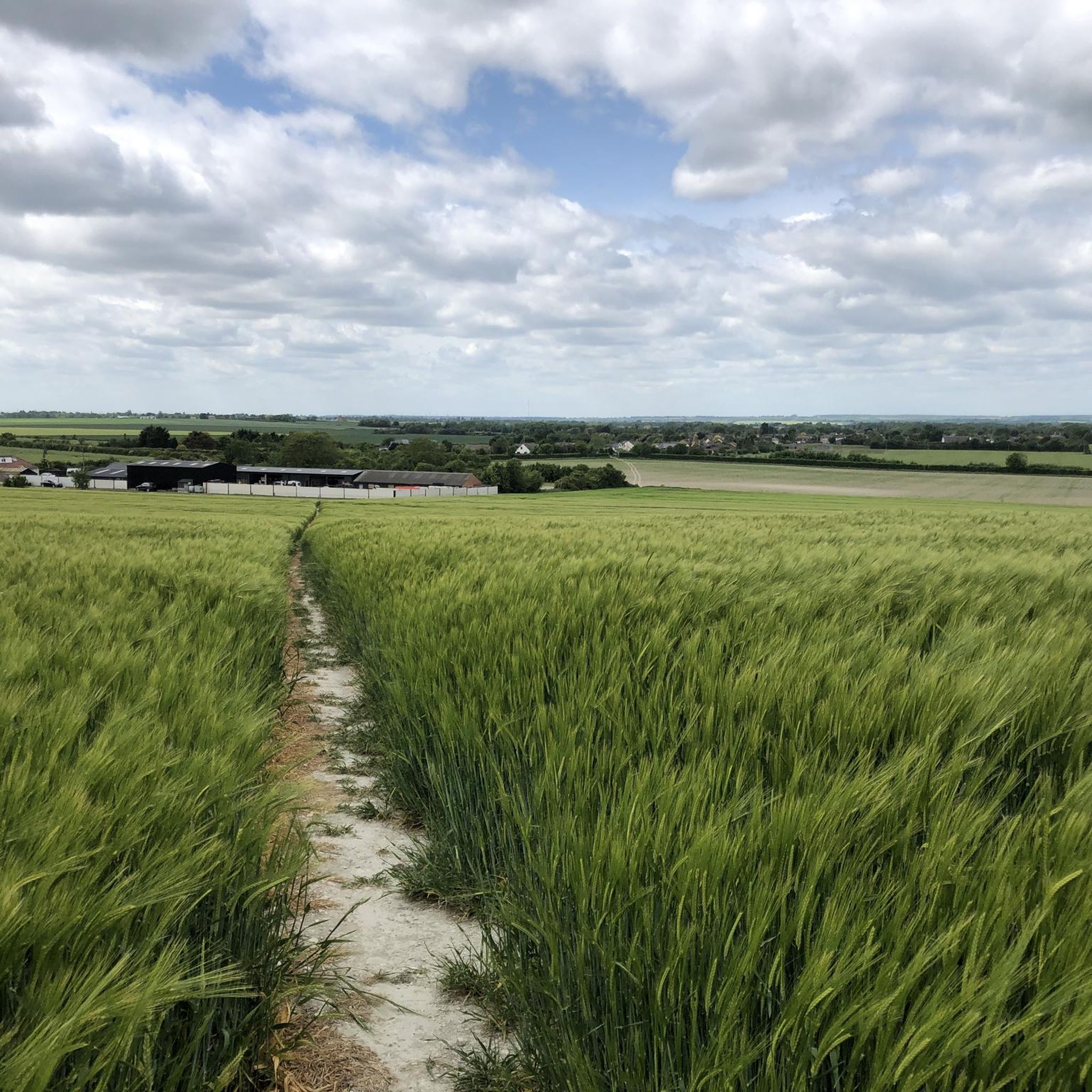
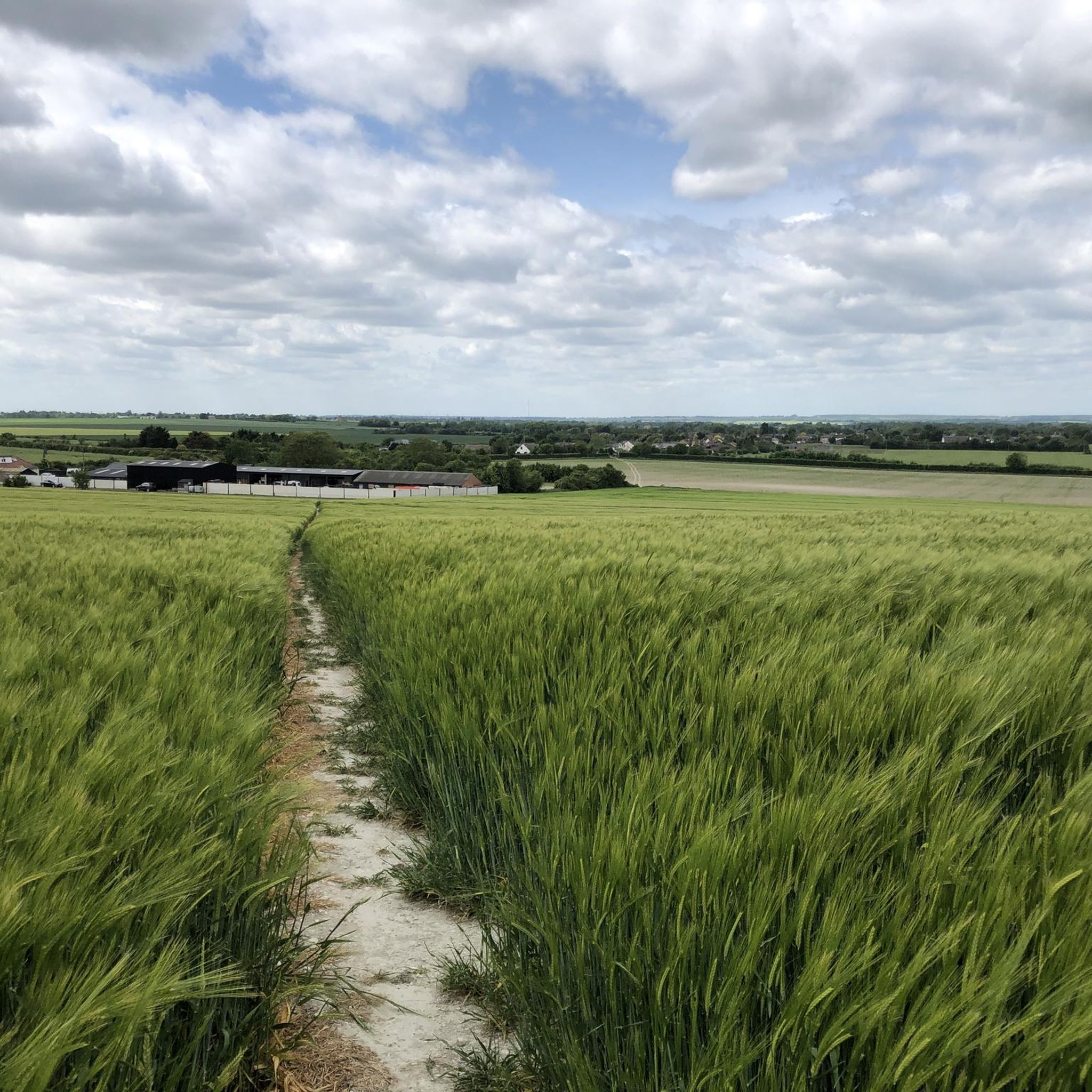
Tips from the Community


Radio interferometry started in the mid-1940s on the outskirts of Cambridge, but with funding from the Science Research Council and a corporate donation of £100,000 from Mullard Limited, a leading commercial manufacturer of thermionic valves. Construction of the Mullard Radio Astronomy Observatory commenced at Lords Bridge Air Ammunition Park,[1] a few kilometres to the west of Cambridge. The observatory was founded under Martin Ryle of the Radio-Astronomy Group of the Cavendish Laboratory, University of Cambridge and was opened by Sir Edward Victor Appleton on 25 July 1957. This group is now known as the Cavendish Astrophysics Group. (https://en.wikipedia.org/wiki/Mullard_Radio_Astronomy_Observatory)
3
0

The "invention" of the prime meridian – more precisely, the scientifically based division of the globe into longitude and latitude, with the prime meridian running at this point as the central reference line – in the second half of the 19th century was an epochal masterpiece in the field of cartography and navigation, particularly significant for seafaring at the time. Even today, in the age of modern GPS navigation based on satellites orbiting the Earth, coordinates based on this principle continue to be used to determine location. A film (in German) from the highly recommended series "Treasures of the World – Heritage of Humanity" explains the UNESCO World Heritage-listed sites in Greenwich and discusses the problem of longitude measurement solved there. This episode can be found in the ARD media library under the following link =>> https://www.ardmediathek.de/video/schaetze-der-welt/maritime-greenwich-grossbritannien-folge-194/swr/Y3JpZDovL3N3ci5kZS83MDM1NjMw
0
0

Visit The Blackbird's Nest Mobile Coffee Shop, based in Barrington church car park. Tuesday-Saturday 8am to 12pm. Serving outrageously good coffee, tea, soft drinks, pastries, and cooked breakfast rolls
0
0


In the winter months guided tours of 45 mins only going every 30 mins (selected times only) and only the ground floor is a accessible.
0
0

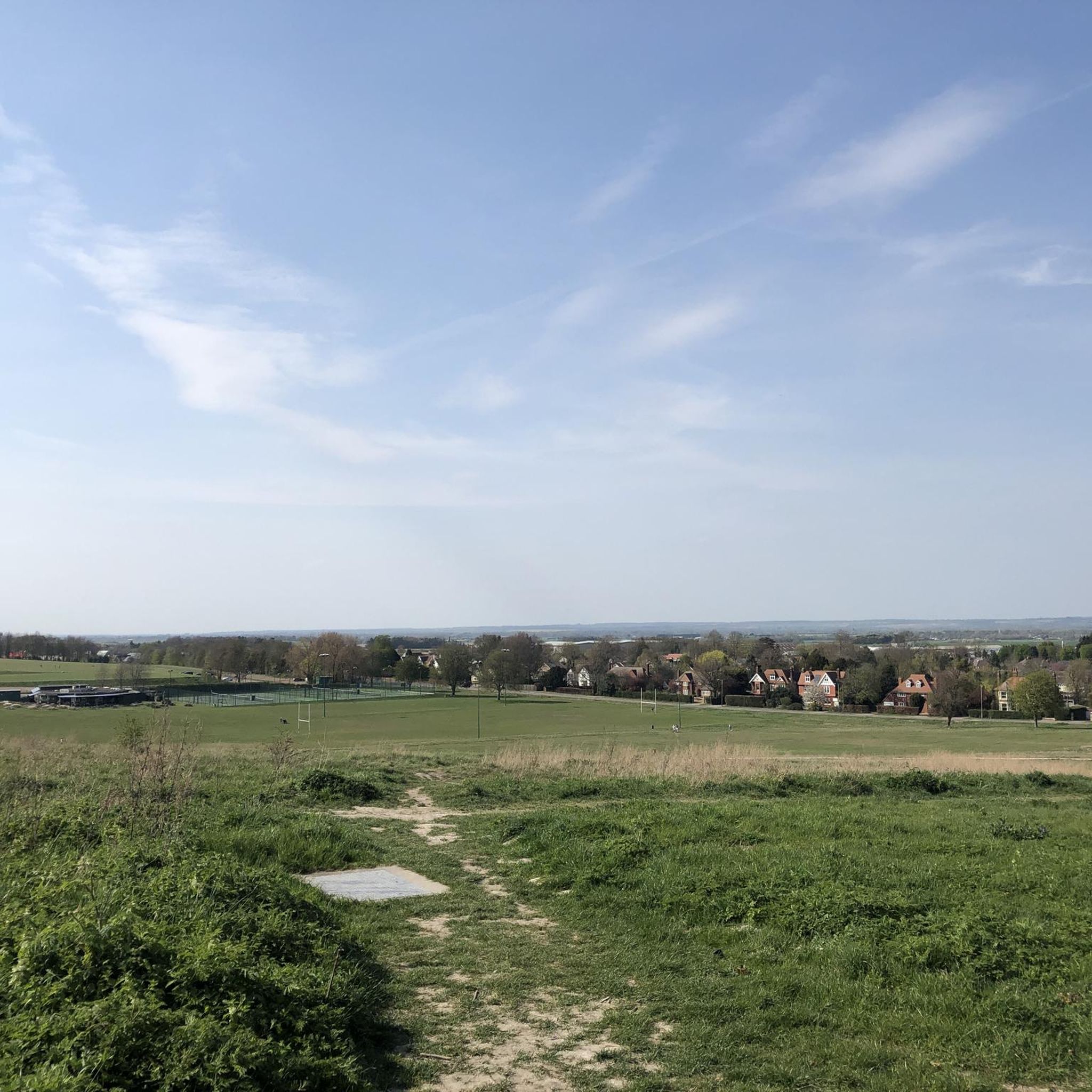
Easy walk from the National Trust owned Hall and Stable buildings. Great views looking back towards the Hall, and on a good day, back towards Royston
1
0

Not as steep as Croydon Hill...but nearer to Cambridge! It does touch just over 10% from both sides but for longer from the Haslingfield side.
0
1
Frequently Asked Questions
What historical sites can I explore in Bassingbourn-Cum-Kneesworth?
The area is rich in history. You can visit the Wimpole Hall and Gardens, a significant historical estate with extensive grounds. Another notable historical site is Wimpole's Folly, an impressive gothic tower. Beyond these, the Parish Church of St Peter and St Paul, dating largely from the 14th century, and The Grange, an 18th-century former farmhouse, offer glimpses into the region's past. The Village Sign also commemorates local heritage, including the area's coprolite mining history.
Are there opportunities for walking or hiking in the area?
Yes, Bassingbourn-Cum-Kneesworth offers various walking opportunities. The grounds of Wimpole Hall and Gardens provide free hiking around its woodland and parkland. The parish is also situated near ancient routes like the **Icknield Way** and **Ermine Street**, which offer historical walking paths. You can find local footpaths, bridleways, and byways throughout the parish. For more structured routes, explore the nearby hiking guides such as Hiking around Bassingbourn-Cum-Kneesworth.
What natural features can I discover around Bassingbourn-Cum-Kneesworth?
The region features several traditional village greens that add to its scenic charm. While not a major natural landmark, the area's ancient routes like the **Icknield Way** and **Ermine Street** traverse natural landscapes. Nearby, the 'Three Rivers, Meldreth' walk follows the River Mel, River Rhee (Cam), and River Shep, offering pleasant riverside scenery.
Are there any family-friendly attractions?
Absolutely. Wimpole Hall and Gardens is an excellent choice for families, featuring extensive grounds, woodland, and a farm that delights young visitors. Wimpole's Folly, an ornamental gothic tower, is also considered family-friendly and offers interesting views.
Where can I find cycling routes near Bassingbourn-Cum-Kneesworth?
The area is popular for cycling, including road cycling and mountain biking. You can find various routes, such as the Chapel Hill Climb for road cyclists. For a comprehensive list of routes, check out the dedicated guides for Road Cycling Routes around Bassingbourn-Cum-Kneesworth and MTB Trails around Bassingbourn-Cum-Kneesworth.
Are there any unique scientific or architectural landmarks?
Yes, the Mullard Radio Astronomy Observatory is a significant scientific site, home to some of the world's largest and most advanced radio telescopes. Architecturally, The Grange, an 18th-century house with a 17th-century wing, showcases distinctive red brickwork. You can also find the Greenwich Meridian marker at Orwell, a unique monument marking the prime meridian.
What are some of the oldest routes in the region?
The parish is notable for its proximity to two historically significant ancient routes: the **Icknield Way**, one of England's oldest roads, and **Ermine Street** (now the A1198 or Old North Road), a Roman road that connected London and York. These routes offer a glimpse into centuries of travel and trade.
Are there any pubs or restaurants with historical significance?
Yes, the area boasts several historic establishments. The **Yuva Restaurant** in Kneesworth (formerly The Red Lion) is housed in a 17th-century building. In Bassingbourn, **The Hoops** pub also occupies a 17th-century building, and **The Belle** (previously The Pear Tree) is another long-standing establishment, offering a taste of local history alongside refreshments.
What do visitors enjoy most about the attractions in Bassingbourn-Cum-Kneesworth?
Visitors particularly appreciate the extensive grounds and free hiking opportunities at Wimpole Hall and Gardens, especially the farm which is a hit with younger visitors. The historical significance of sites like Wimpole's Folly and the unique experience of the Mullard Radio Astronomy Observatory are also highly rated. The blend of history, nature, and outdoor activities is a major draw.
Are there any wheelchair-accessible attractions in the area?
Yes, the Greenwich Meridian marker at Orwell is noted as being wheelchair accessible, providing an opportunity to visit this unique landmark.
Can I find information on local paths and byways for walking?
Yes, the area has a network of local footpaths, bridleways, and byways. The Bassingbourn Parish Council provides resources for exploring these paths. You can find a map and details on local paths by visiting the Bassingbourn Parish Council website.
Most popular routes around Bassingbourn-Cum-Kneesworth

Get inspired with the komoot mobile app


Explore more
Still not found the Highlight you’re looking for? See guides of the top attractions in other regions:
