The best cycling routes around Margaret Marsh
4.4
(73)
1,161
riders
201
rides
Touring cycling routes around Margaret Marsh explore the rural landscape of the Blackmore Vale in North Dorset. The area is characterized by its location on Kimmeridge Clay and proximity to a small tributary of the River Stour. While the hamlet of Margaret Marsh is small, the wider region offers varied terrain for cycling.
Best touring cycling routes around Margaret Marsh
- The most popular touring cycling route is Marnhull and Stalbridge loop over the River Stour, an easy 11.8 miles (18.9 km) trail that takes 54 minutes to complete. This route follows the River Stour through the countryside.
- Another top favourite among local touring cyclists is St Peter's Church, Shaftesbury – Gold Hill, Shaftesbury loop from Shaftesbury, a moderate 13.3 miles (21.4 km) path. This route includes ascents and descents through the Shaftesbury area.
- Local touring cyclists also love the Spetisbury Old Railway Station – River Stour at Spetisbury loop from Shaftesbury, a 49.3 miles (79.3 km) trail leading through varied terrain, often completed in about 5 hours 20 minutes.
- Touring cycling around Margaret Marsh is defined by quiet country lanes, river valleys, and rolling hills. The network offers options for different ability levels, from easy loops to more challenging long-distance routes.
- The routes in Margaret Marsh are highly rated by the komoot community with an average score of 4.4 stars from over 70 reviews. More than 1200 touring cyclists have used komoot to explore Margaret Marsh's varied terrain.
Last updated: May 14, 2026
7
riders
18.9km
00:55
130m
130m
Embark on an easy touring cycling adventure through Dorset's picturesque Blackmore Vale with the Marnhull and Stalbridge loop. This route spans 11.8 miles (18.9 km) and involves a gentle 424 feet (129 metres) of elevation gain, making it a relaxed ride you can complete in about 54 minutes. As you pedal, you will enjoy views of the rolling countryside and the meandering River Stour, offering a peaceful escape.
Planning your visit is straightforward, as the route is mostly on paved surfaces, suitable for all skill levels. You will find convenient parking options in both Marnhull and Stalbridge, which also offer opportunities for refreshments. Look for local shops, cafes, and pubs in these charming villages if you need a break or a bite to eat.
This loop connects the delightful villages of Marnhull and Stalbridge, allowing you to experience rural Dorset at a leisurely pace. Keep an eye out for the historic Kings Mill, now a beautifully restored private residence, and the well-preserved Stalbridge Market Cross, crafted from distinctive golden Ham Hill stone, adding a touch of local history to your ride.
5.0
(2)
21
riders
79.4km
05:20
750m
750m
Hard bike ride. Very good fitness required. Mostly paved surfaces. Suitable for all skill levels.

Sign up for free
14
riders
Moderate bike ride. Good fitness required. Mostly paved surfaces. Suitable for all skill levels.
4.0
(2)
14
riders
48.6km
03:14
570m
570m
Hard bike ride. Very good fitness required. Mostly paved surfaces. Suitable for all skill levels.
4.0
(1)
12
riders
44.9km
03:04
360m
360m
Moderate bike ride. Good fitness required. Mostly paved surfaces. Suitable for all skill levels.
Get access to more routes and recommendations from other explorers.
Sign up for free
Already have an account?
Our route recommendations are based on thousands of hikes, rides, and runs completed by other people on komoot.
Start today with a free account
Your next adventure awaits.
Login or Signup

Tips from the Community

Historic Significance: It is a Grade I Listed Building (the highest level of protection), noted for its special architectural and historic interest. Age: The first record of the bridge dates back to 1334, suggesting its medieval origins, with parts of the current structure likely dating to the 15th century. Construction: It is built of coursed rubble and ashlar stone and features nine semi-circular arches. Widening: The bridge was widened in 1819. The upstream side is the original, medieval part and features triangular cut-waters which extend up to form pedestrian refuges. The downstream side is the later, plainer widening. Inscriptions: There is a reset stone on the east side of the bridge inscribed with the year 1719. Name Origin: The bridge is named Crawford Bridge because it carries the road from Spetisbury to Tarrant Crawford. The nearby area of Spetisbury was historically one of three manors, including Great Crawford.
0
0

Single lane beware of on coming vehicles
0
0
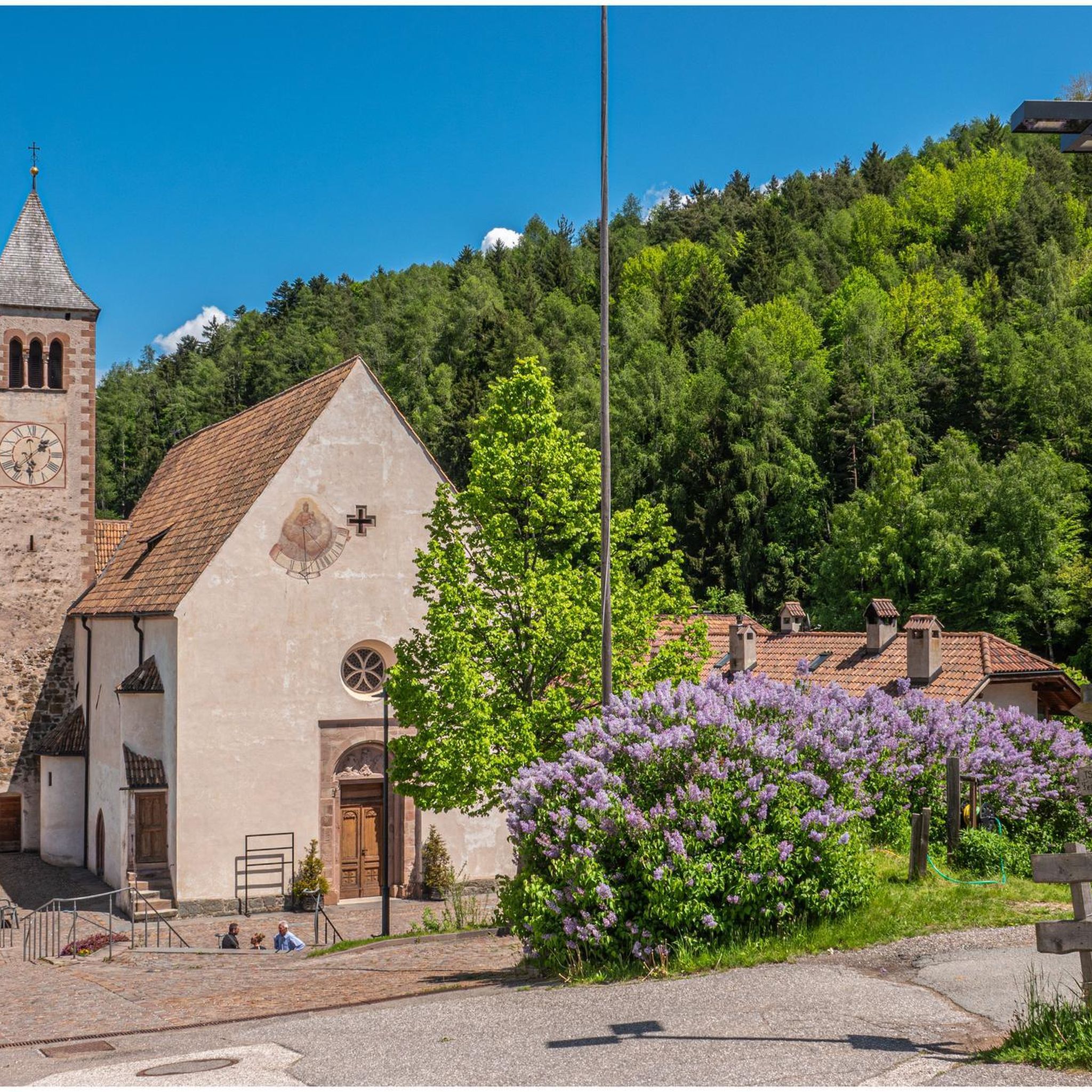
St Peter's Church is the oldest church in Shaftesbury, located at the top of the famous Gold Hill, right next to the ruins of Shaftesbury Abbey. It is a key historic building and a prominent part of the town's landscape. St Peter's Church was originally built in the 14th century to serve pilgrims visiting the nearby Shaftesbury Abbey. Due to economic hardships, such as the Black Death, its construction was prolonged, resulting in a mix of architectural styles, including Decorated and Perpendicular Gothic. The lower part of the tower is the oldest section of the current building. The nave and its arcades are from the 14th century, while the clerestory and the panelled oak roofs were added in the 15th and 16th centuries. The church also features a crypt under its south aisle. Decline and Restoration: By the late 19th century, St Peter's fell into disuse and disrepair. It was even used as a grain store during World War II. In 1971, it was officially declared redundant. However, a major restoration effort was launched by local groups, and in 1977, it was rededicated and became the parish church of Shaftesbury once again. It was the first church in the country to be re-established as a full-time parish church after being declared redundant.
0
0
Holy Trinity Church in Shaftesbury is a Grade II listed building with a rich history, but it is no longer a consecrated place of worship. Today, it is known as the Trinity Centre, a vibrant community hub. The current building, designed in the Early English Gothic Revival style by the famous architect Sir George Gilbert Scott, was largely built between 1841 and 1842 on the site of an even older medieval church. The new building featured a 100-foot-tall western tower and a chancel that was added in 1908. It was the principal Anglican parish church in Shaftesbury for over a century, even as the nearby St Peter's Church fell into disuse. However, with declining congregation numbers, Holy Trinity was made redundant as a parish church in 1977. Its congregation was transferred back to the newly restored St Peter's Church, and the Holy Trinity building was sold. I find it weird how a church can be sold off to become a selection of business's, while still keeping its graveyard.
0
0

Using the power of moving water to drive a mill wheel is an ancient invention of the human spirit of discovery, the origins of which can be traced back to times long past. Thanks to such a construction, a watercourse - natural or artificial - could simply replace human or animal muscle power with the power of the natural elements, for example to grind grain into corn or to press oil from fruit. There are essentially two different ways of driving watermills: * Either the flowing water simply hits the blades of the water wheel from below to set it in motion; or * the water is guided - usually through a so-called "mill channel" - above the wheel and falls onto the blades; this type of construction is more efficient due to natural gravity.
0
0
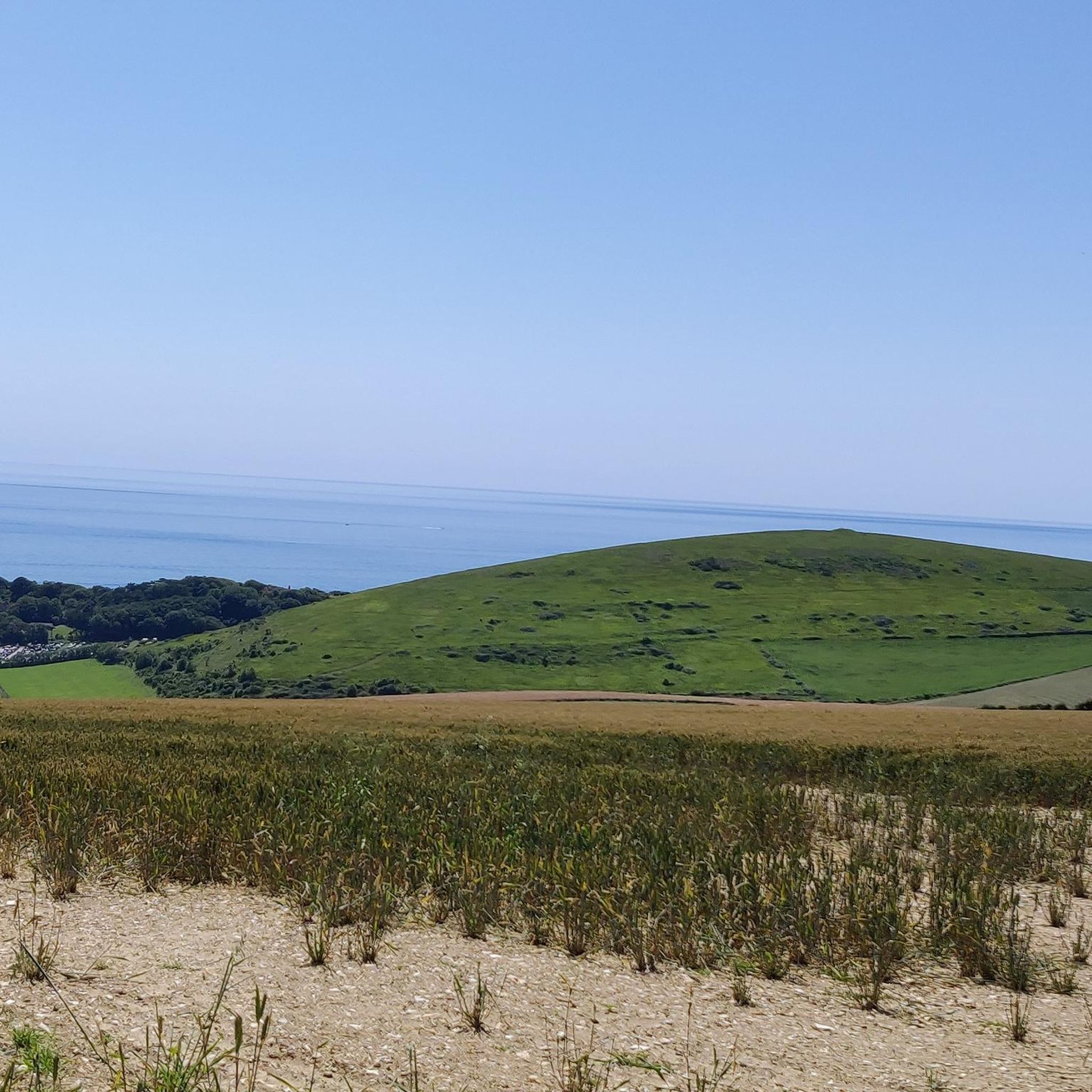
Was nice to see the Hod from a distance. On a hike route I'd done Hambledon and Hod on same day, in really bad conditions. worth a go up there
0
0
A very nice route indeed. Nothing too demanding at all. Give it a whirl!!!
1
0
No matter what section you're on here... The views are just so beautiful
0
0
Frequently Asked Questions
How many touring cycling routes are available around Margaret Marsh?
There are over 200 touring cycling routes available around Margaret Marsh, catering to various skill levels. You'll find a good mix of easy, moderate, and challenging options to explore the rural landscape of the Blackmore Vale.
Are there any easy touring cycling routes suitable for beginners or families?
Yes, there are over 40 easy touring cycling routes. A popular choice is the Marnhull and Stalbridge loop over the River Stour, an 11.8-mile trail that follows the River Stour through the countryside, ideal for a relaxed ride.
What kind of terrain can I expect on touring cycling routes near Margaret Marsh?
The touring cycling routes around Margaret Marsh are characterized by quiet country lanes, river valleys, and rolling hills. The area is situated in the Blackmore Vale and features terrain influenced by Kimmeridge Clay, offering a diverse cycling experience from mostly flat sections to moderate ascents and descents.
Are there any circular touring cycling routes in the area?
Many routes in the region are circular. For example, the popular Marnhull and Stalbridge loop over the River Stour is a circular route. Another option is the moderate St Peter's Church, Shaftesbury – Gold Hill, Shaftesbury loop from Shaftesbury, which includes ascents and descents through the Shaftesbury area.
What are some notable landmarks or attractions I can see while cycling?
While cycling, you can encounter several interesting landmarks. Near Shaftesbury, you might pass by Gold Hill. Other attractions in the wider area include the Hambledon Hill Iron Age hill fort and Hod Hill, offering historical insights and scenic views.
Are there any challenging routes for experienced touring cyclists?
Yes, there are 46 difficult routes for experienced touring cyclists. A challenging option is the Spetisbury Old Railway Station – River Stour at Spetisbury loop from Shaftesbury, a 49.3-mile trail with significant elevation changes, often taking over 5 hours to complete. Another demanding route is the Narrow Forest Singletrack – King Alfred's Kitchen loop from Shaftesbury.
What do other touring cyclists enjoy most about cycling in Margaret Marsh?
The area is highly rated by the komoot community, with an average score of 4.4 stars from over 70 reviews. Cyclists often praise the quiet country lanes, the scenic river valleys, and the varied terrain that offers options for all ability levels.
Is there public transport available to reach the cycling routes?
Margaret Marsh itself is a very small, rural hamlet with limited public transport options directly to specific trailheads. However, the wider region, including nearby towns like Shaftesbury, may offer more connections. It's advisable to check local bus services or consider driving to a starting point with parking.
Where can I find parking for cycling routes near Margaret Marsh?
Given the rural nature of Margaret Marsh, dedicated parking for specific bike trails might be limited. Cyclists often find parking in nearby villages or towns that serve as starting points for routes, such as Shaftesbury or areas around the River Stour. Always ensure you park responsibly and legally.
Are there any routes that offer views of Hod Hill?
Yes, you can find routes that offer views of Hod Hill. The View of Hod Hill – Durweston Mill loop from Compton Abbas is a moderate 44.8-mile route specifically designed to showcase this prominent viewpoint.
What is the best time of year to go touring cycling around Margaret Marsh?
The best time for touring cycling around Margaret Marsh is generally during the spring, summer, and early autumn months when the weather is milder and the countryside is in full bloom. The quiet country lanes are enjoyable in good conditions, allowing for pleasant rides through the Blackmore Vale.
Most popular attractions around Margaret Marsh

Get inspired with the komoot mobile app


Explore more
Browse the best Cycling routes in other regions.
