The best MTB trails around Wurzen
4.7
(51)
189
riders
37
rides
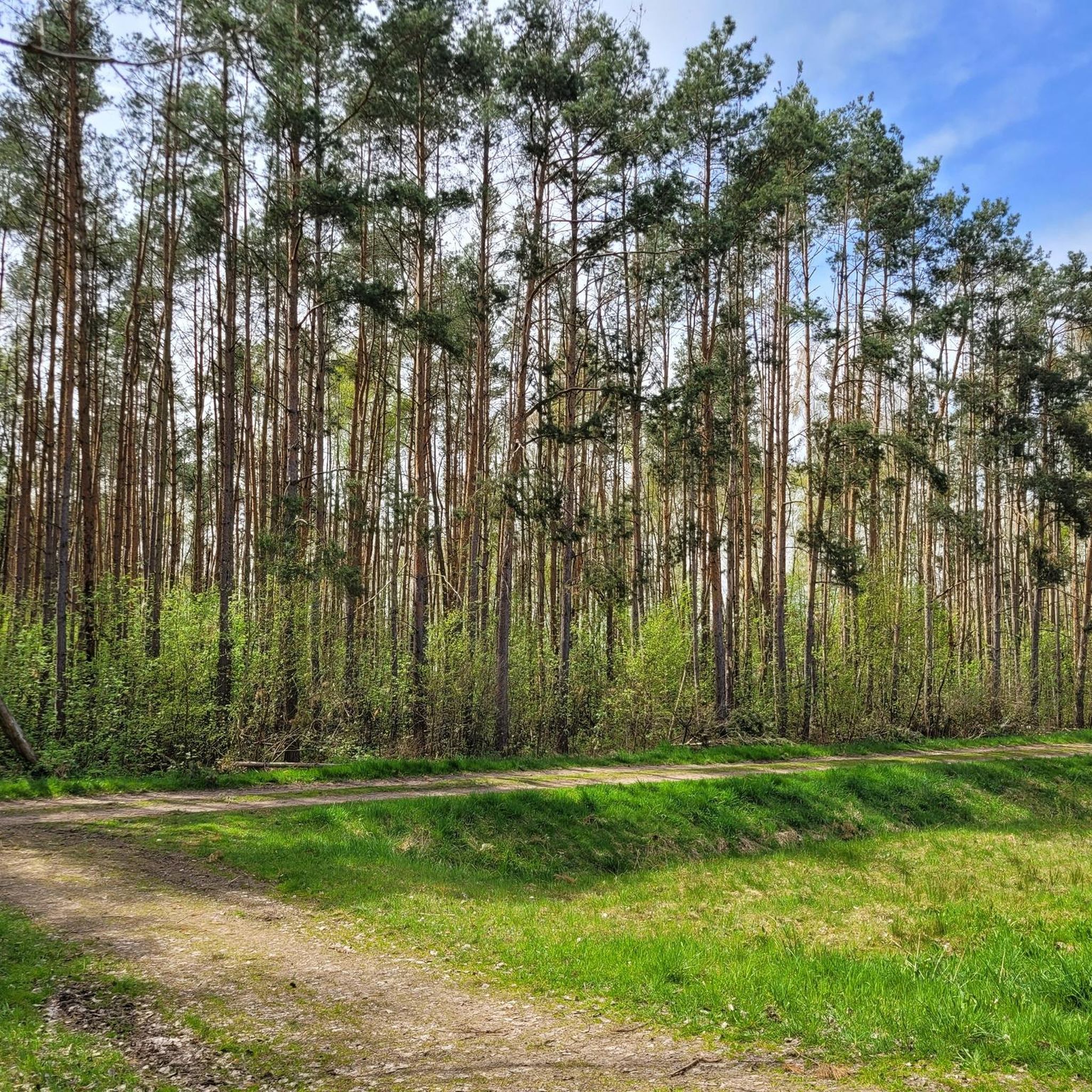
Mountain bike trails around Wurzen are set within the Muldental valley, characterized by rolling hills, extensive floodplains, and dense forests. The region features the Mulde River, which creates scenic routes, and the Hohburg Mountains, offering varied terrain with rock formations and quarries. These natural features provide diverse landscapes for mountain biking, ranging from flatter sections along the river to more challenging hilly areas.
Best mountain bike trails around Wurzen
- The most popular mountain bike trail is Wetland in Planitzwald –…
Last updated: September 28, 2026
4.9
(13)
37
riders
43.4km
02:23
200m
200m
Moderate mountain bike ride. Good fitness required. Suitable for all skill levels.
5.0
(4)
23
riders
55.0km
02:55
200m
200m
Moderate mountain bike ride. Good fitness required. Suitable for all skill levels.

5.0
(4)
19
riders
35.0km
01:58
70m
70m
Easy mountain bike ride. Great for any fitness level. Suitable for all skill levels.
3.0
(1)
4
riders
57.7km
04:11
350m
350m
Hard mountain bike ride. Good fitness required. Advanced riding skills necessary. Some portions of the route may require you to push your bike.
5.0
(1)
6
riders
30.9km
01:56
140m
140m
Moderate mountain bike ride. Great for any fitness level. Advanced riding skills necessary.
Get access to more routes and recommendations from other explorers.
Already have an account?
Our route recommendations are based on thousands of hikes, rides, and runs completed by other people on komoot.
Start today with a free account
Your next adventure awaits.
Popular around Wurzen
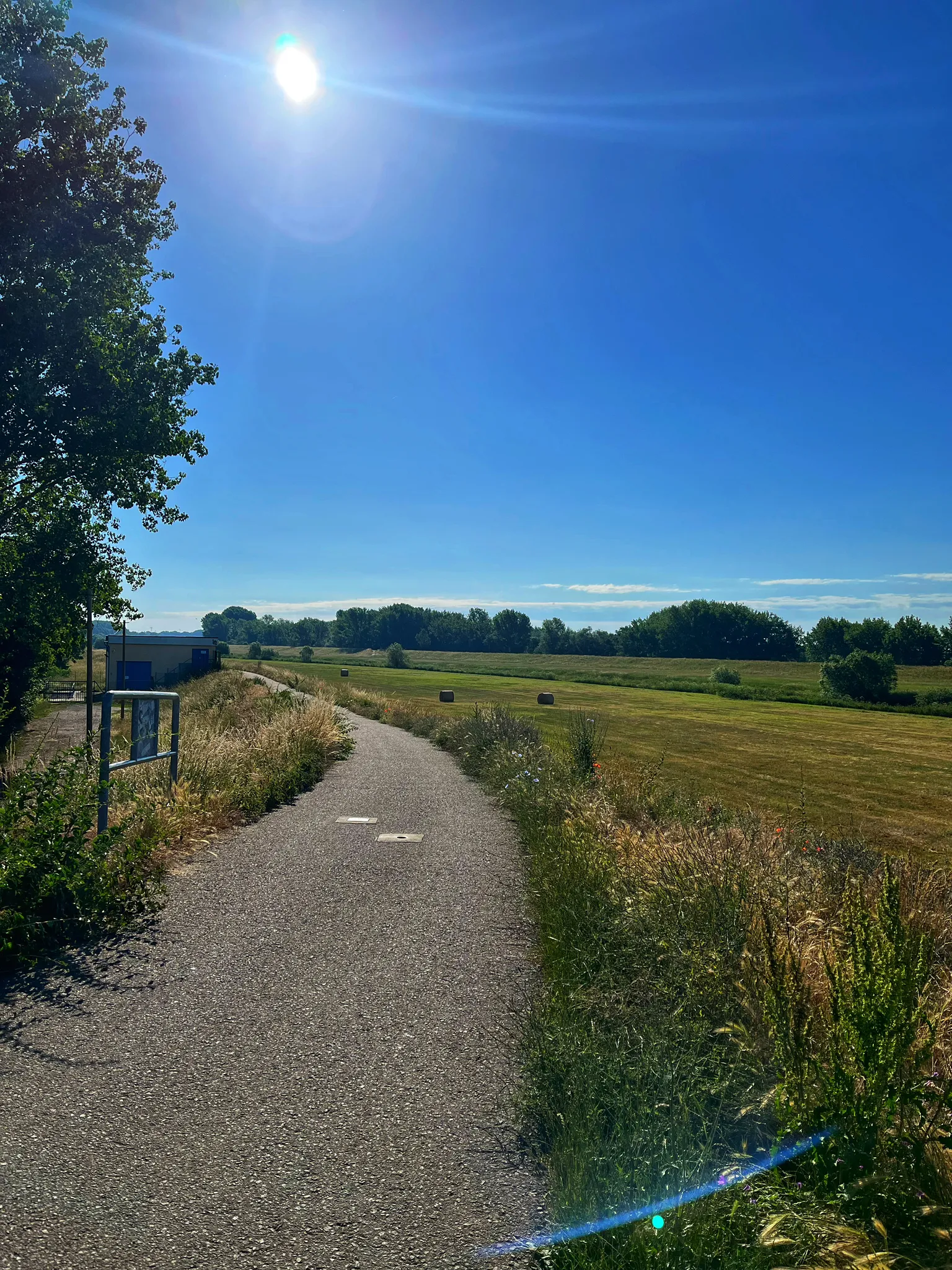
Leipzig by bike – explore industrial lands reclaimed by nature
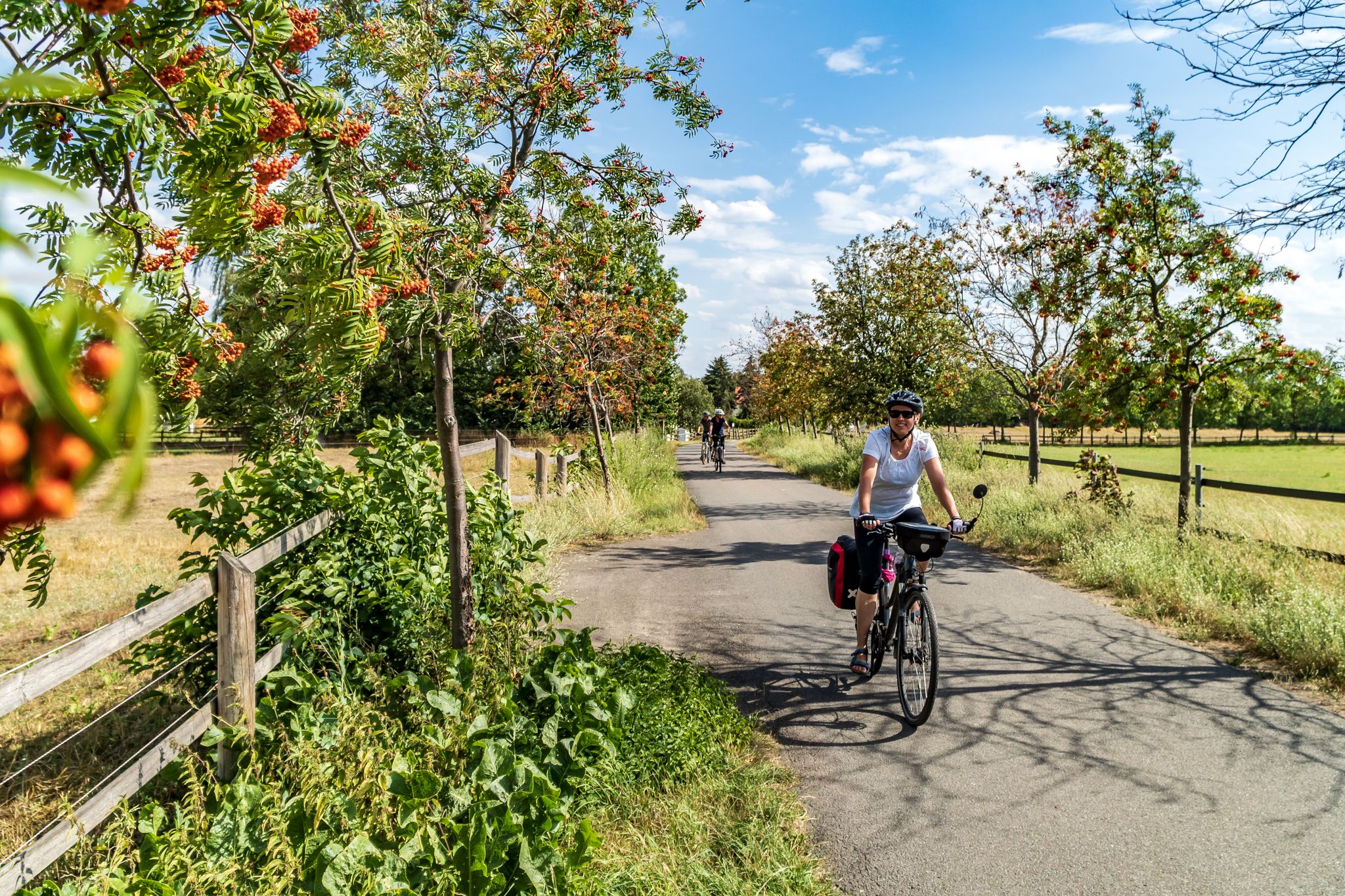
Cycling into the countryside – urban escapism around Leipzig
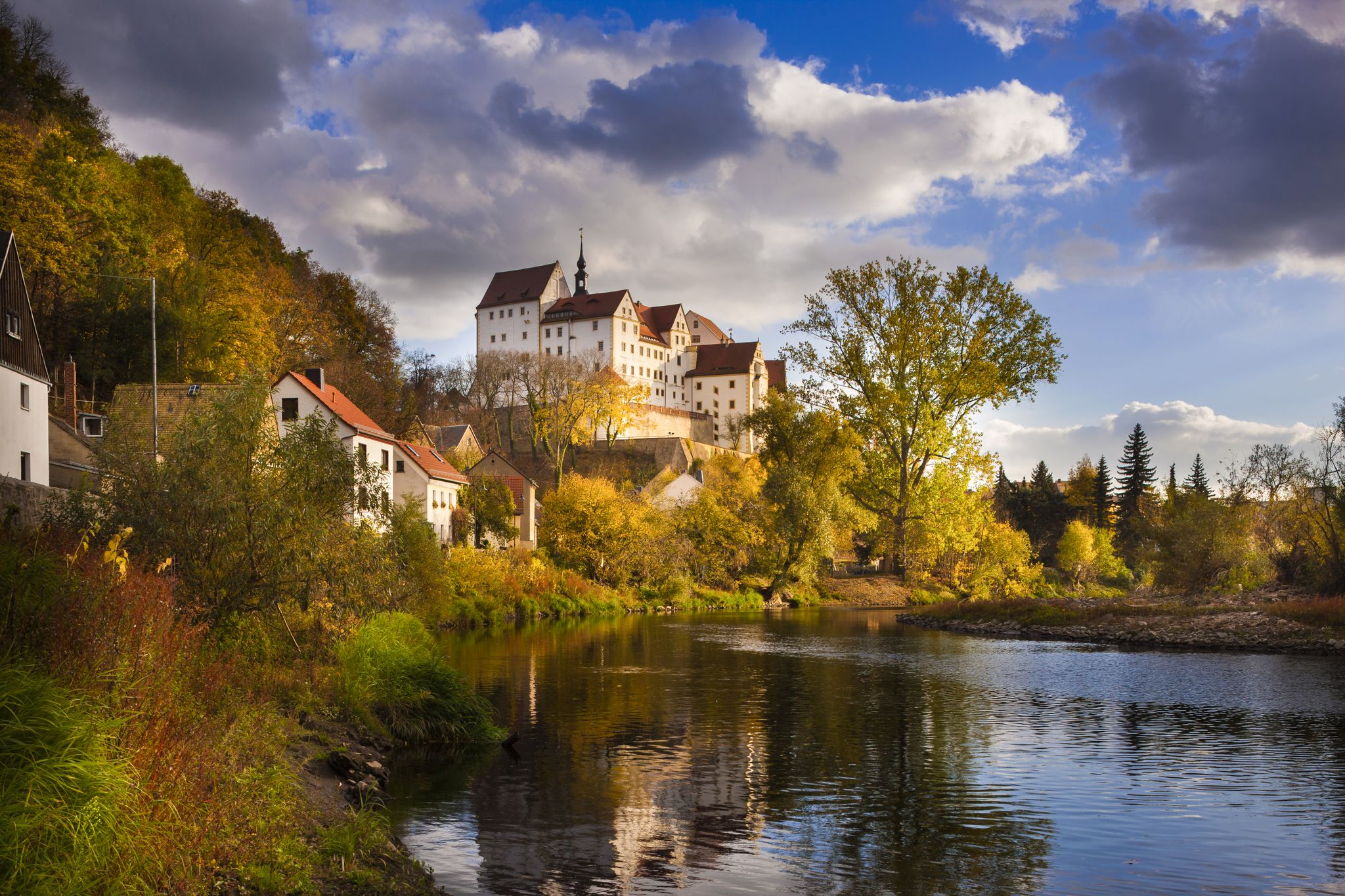
Experience art, culture and handicrafts – Germany’s Mulde Cycle Path

Rafting. Climbing. Hiking — awesome fun around Leipzig
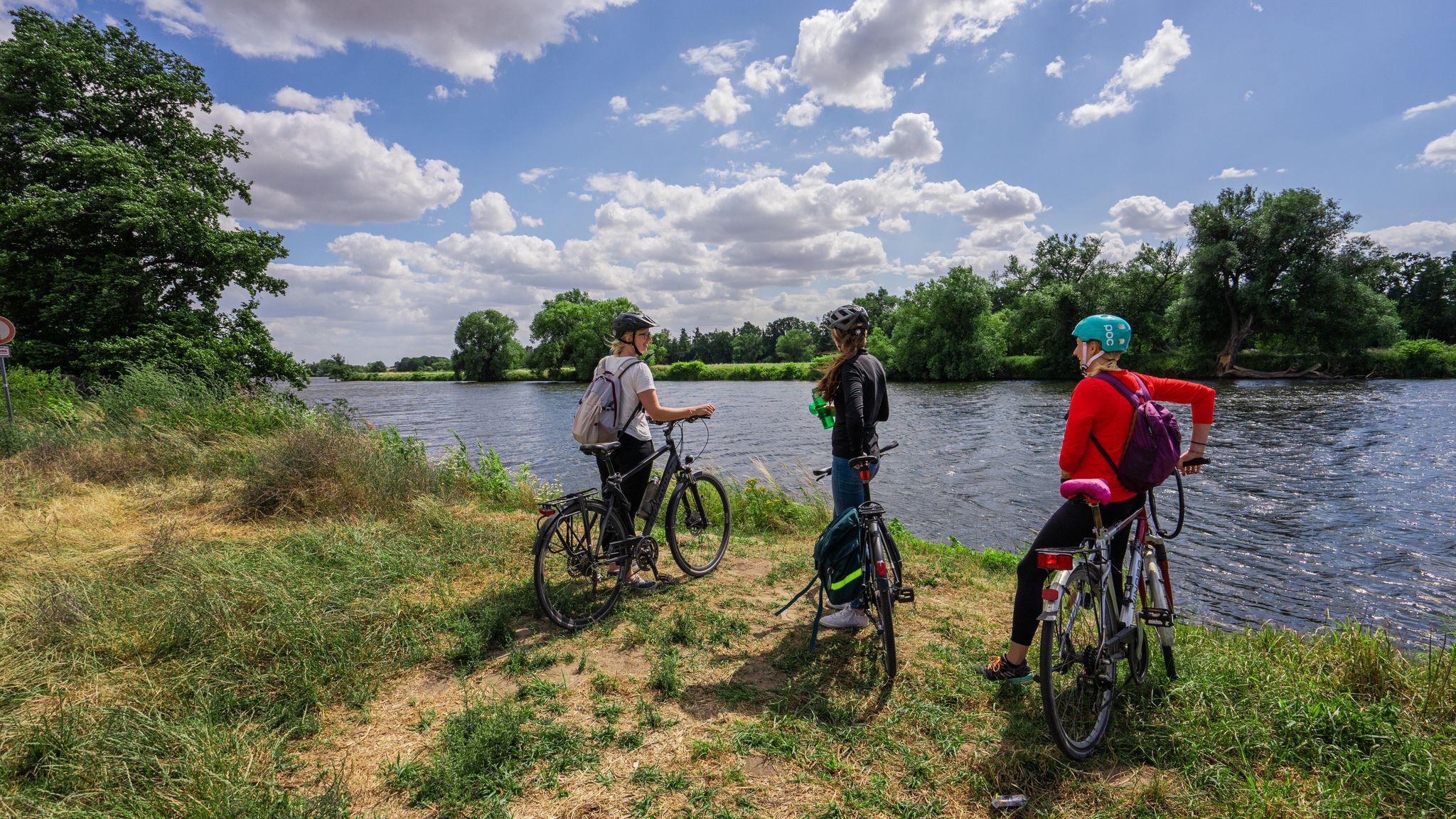
The Mulde Cycling Path
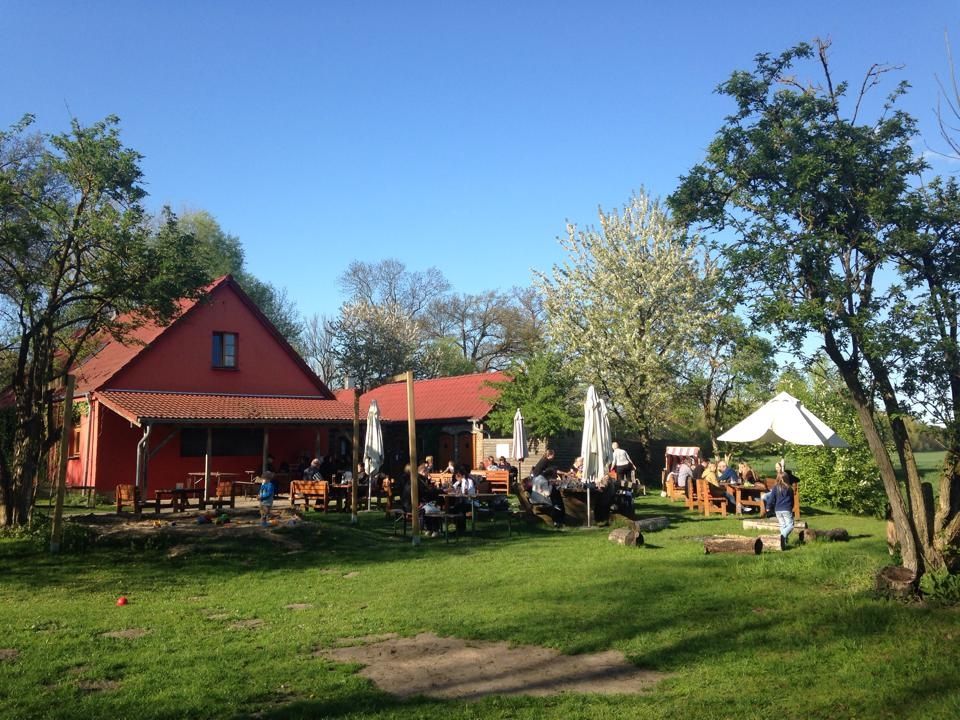
Farmer's shops — escape to the country
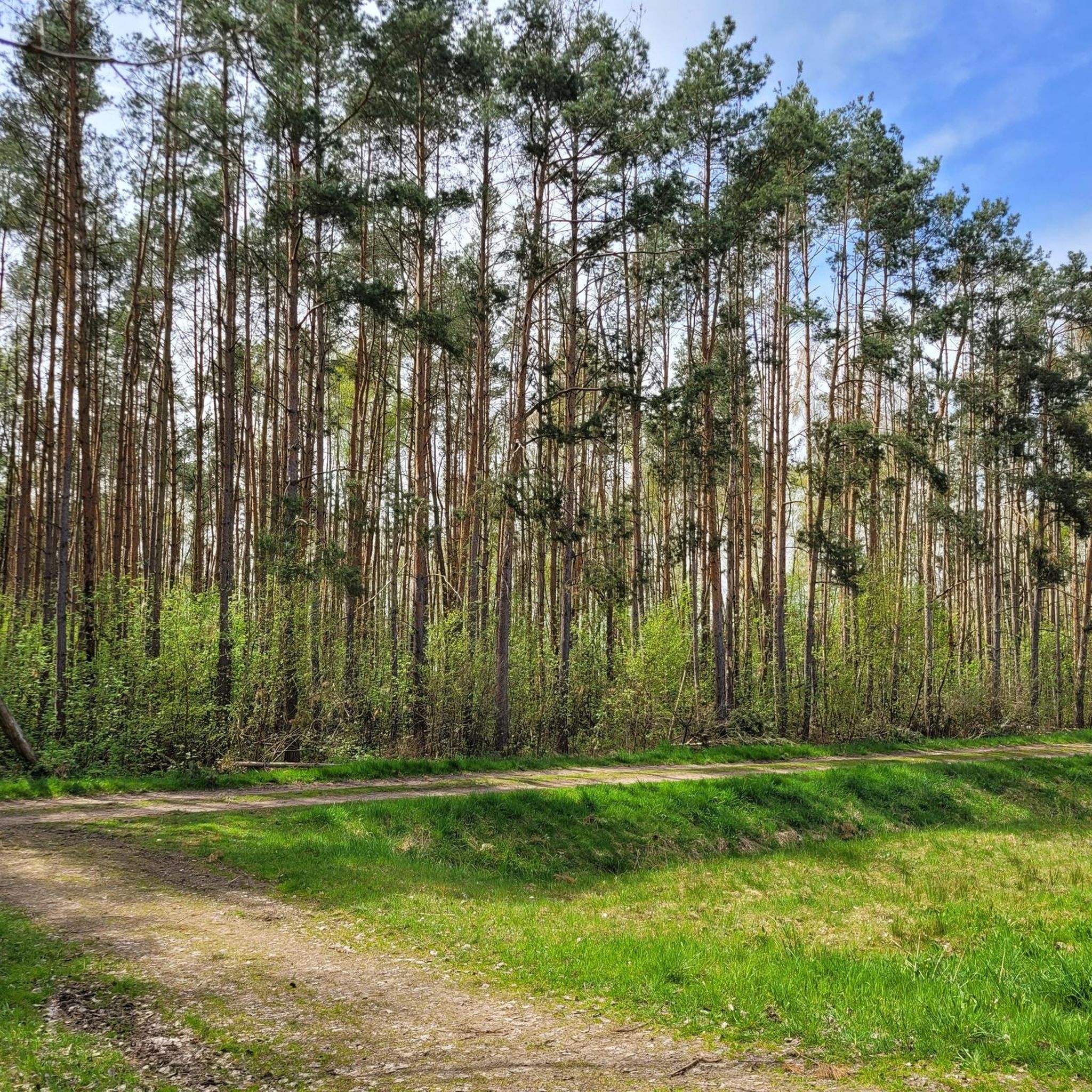
Cycling around Wurzen
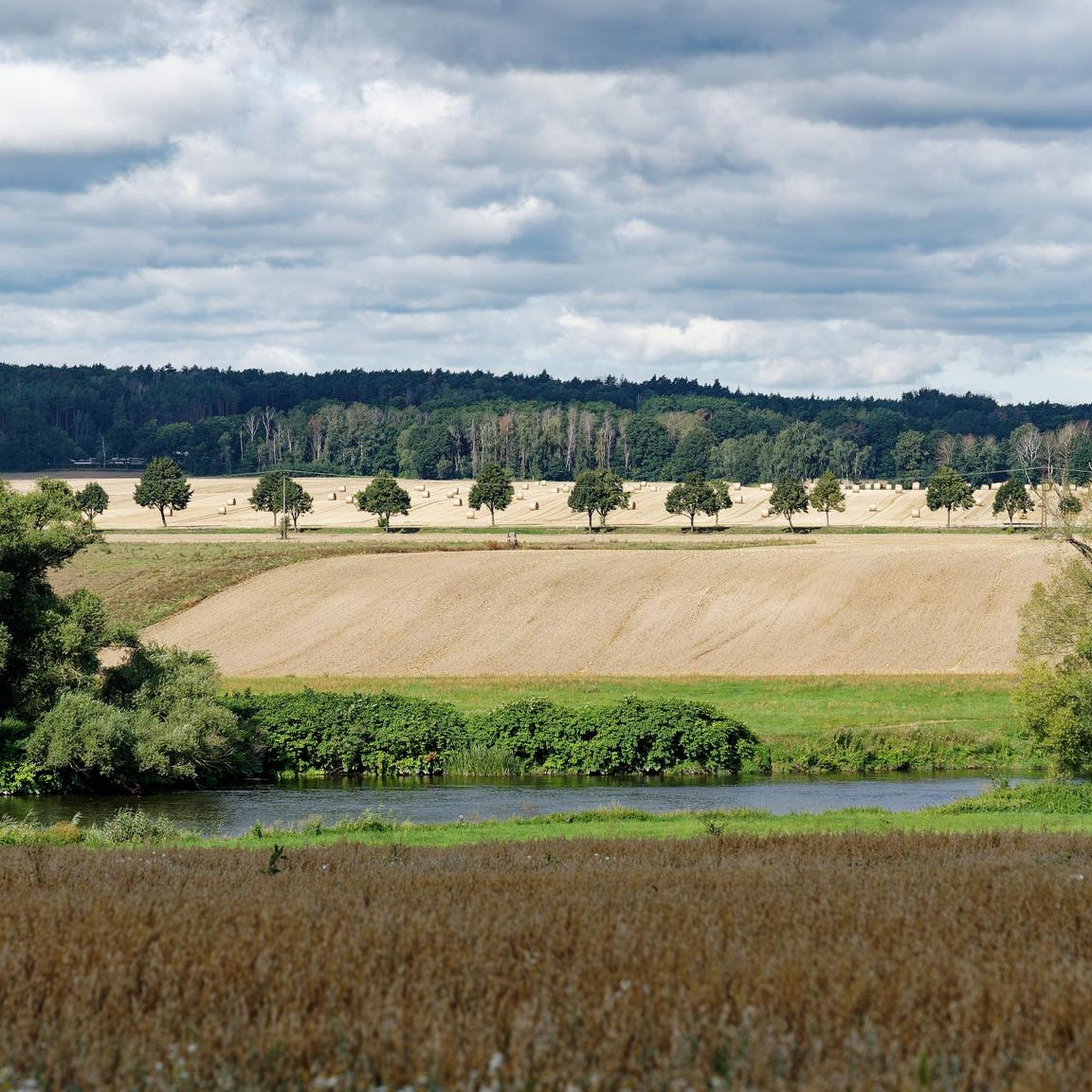
Hiking around Wurzen
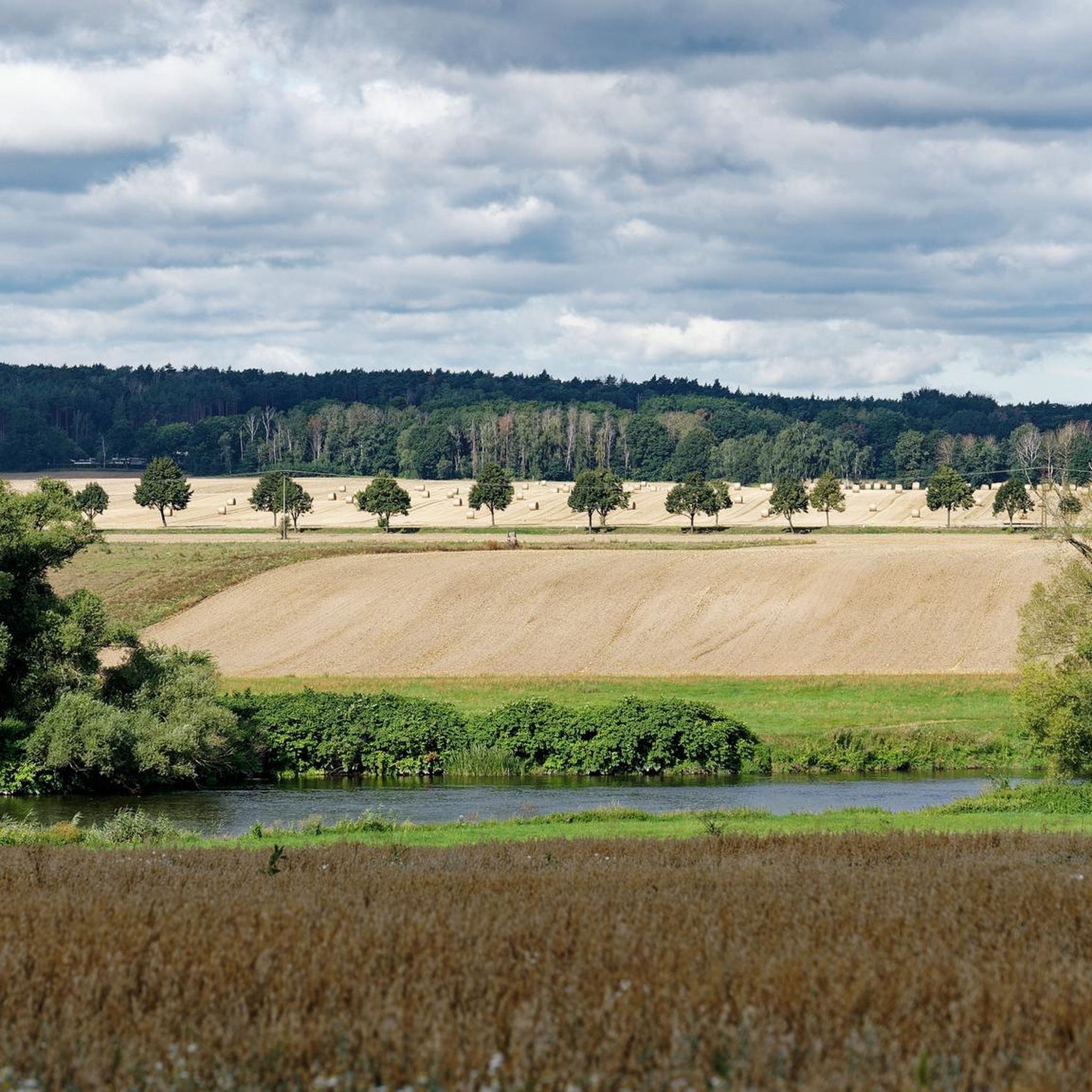
Road Cycling Routes around Wurzen
Running Trails around Wurzen
Other adventures around Wurzen


Tips from the Community

The places along the Mulde are particularly threatened by floods. During the August 2002 flood, Grimma was one of the most severely affected municipalities in Saxony, with damage totaling 250 million euros. The June 2013 flood also left behind millions in damages. In 2002, the first plans for flood protection, such as those that occur statistically every 100 years, began in Grimma. In total, the Free State of Saxony and the European Union are investing around 60 million euros in flood protection. The new flood protection facility for Grimma is technically and aesthetically very demanding. The goal was to skillfully combine flood protection, monument protection, and urban development. To find a suitable construction variant, the city was rebuilt on a 1:50 scale, and the model was flooded to simulate water currents. An underground sealing wall, reaching twelve meters deep, influences the natural groundwater flow. Eight wells control groundwater communication.
0
0

The view of the suspension bridge in Grimma is one of the city's most famous photo motifs. The suspension bridge, built in 1924, spans the Mulde river for a length of 80 meters and connects the old town with the city forest. From the bridge, you can enjoy a wide view of the Mulde, the historic city silhouette, and the Gattersburg located above. Schloss Püchau, on the other hand, is located about 10 kilometers northwest of Grimma in the village of Püchau, directly on the Mulde river. The historic castle with its park is situated in a quiet river landscape and also offers beautiful views of the Mulde valley. However, it is not visible from the Grimma suspension bridge, as the two locations are several kilometers apart.
4
0

already filled with water, natural monument
2
0

Broken bike! No problem: Radhaus am Markt Wurzen had the front fork repaired. No problems and done immediately. Great service, thank you very much, I was able to continue riding immediately.
0
0

Great view of the Mulde
3
0
As state property of the GDR, the palace, which had survived the war largely undamaged, served as a retirement and nursing home until reunification. During this time, the complex began to deteriorate progressively, which was only barely halted. Thanks to the work of a group of Polish restorers since the early 1980s, the palace's garden facade was largely restored to its original condition. In the early 1990s, the municipality sold the palace complex to a private investor named Grimm. It later became a holding company, which is gradually restoring the late Baroque palace complex. To date, the facade of the courtyard, the adjacent orangery and administration buildings, as well as the teahouse in the park, have been restored. Extensive restoration work has taken place inside, including the ceiling and wall paintings, as well as the late neoclassical staircase. Source: https://de.wikipedia.org/wiki/Schloss_Nischwitz
5
0
After further changes of ownership, extensive renovations were carried out on the ground floor in the mid-19th century under the direction of Gustav Adolf Boenisch. During this time, the Baroque staircase was replaced by a prestigious late-classical staircase and adorned with large wall and ceiling paintings. At this time, the Rococo park, designed by Friedrich August Krubsacius, was also transformed into an English landscape garden with tea pavilions, stone statues, and vases. In 1848, the von Ritzenberg family had a family crypt built in the form of a Doric temple in this park. Towards the end of the century, in 1888, Kurt von Zimmermann[3] purchased the Nischwitz Palace and Estate. In the final days of World War II, the von Zimmermann family fled from advancing Soviet troops and was expropriated during the Soviet occupation of 1945–1949. Later efforts by the family to regain their property after German reunification were unsuccessful, except for the return of some furniture. Source: https://de.wikipedia.org/wiki/Schloss_Nischwitz
4
0
The history of the castle dates back to the late Middle Ages.[2] The village, along with the associated manor, was acquired by the von Nischwitz family in 1450, and received its name from them. In 1714, after the old manor had fallen into disrepair, the then owner, Baron von Rackwitz, Chamberlain of the Electorate of Saxony, commissioned the construction of a new castle with appropriate outbuildings and a park. Matthäus Daniel Pöppelmann was the architect. After its completion in 1721, the property changed hands several times over the years. Finally, Count Heinrich von Brühl acquired the property in 1743. Around 1750, he had the property converted into his summer residence in the Rococo style under the direction of the chief architect, Johann Christoph Knöffel. The extensive extensions and renovations created an ensemble that has survived to this day, with its spacious courtyard, orangery, administrative buildings, and the palace park adjacent to the garden. However, much of the original, precious interior furnishings has been lost. The late Baroque wall and ceiling paintings in the garden and ballroom, attributed to the Italian painter Stefano Torelli, are worth seeing. They depict hunting scenes and mythological scenes. During the Seven Years' War, Prussian troops marched into Saxony in 1758. They occupied and plundered the palace. After the death of Heinrich von Brühl, his heirs sold the property to the Leipzig lawyer Philipp Heinrich Lastrop. Source: https://de.wikipedia.org/wiki/Schloss_Nischwitz
5
0
Frequently Asked Questions
How many mountain bike trails are available around Wurzen?
There are over 40 mountain bike trails around Wurzen, offering a diverse range of experiences. These routes are highly rated by the komoot community, with an average score of 4.7 stars.
What kind of terrain can I expect on mountain bike trails near Wurzen?
The terrain around Wurzen is varied, ranging from flatter sections along the Mulde River to more challenging hilly areas in the Hohburg Mountains. You'll encounter rolling hills, extensive floodplains, and dense forests, with some areas featuring rock formations and quarries, providing a mix of natural surfaces.
Are there mountain bike trails suitable for beginners or families in Wurzen?
Yes, Wurzen offers trails suitable for various skill levels, including easy and moderate options perfect for beginners or families. For example, the Wurzen Castle – Nischwitz Castle loop from Wurzen is an easy route that takes you through the local countryside.
Are there any challenging mountain bike routes for experienced riders?
Yes, Wurzen also caters to more experienced riders. There are 5 difficult routes available. The Schildberg Tower – Wittes Quarry loop from Wurzen is a challenging option, covering over 57 km with significant elevation gain, exploring areas with varied landscapes and quarries.
What natural attractions or landmarks can I see while mountain biking in Wurzen?
While mountain biking around Wurzen, you can explore several natural and historical landmarks. Routes often pass by the Mulde River, through wetlands, and near historic castles. Notable attractions include the Gattersburg Suspension Bridge and Trebsen Castle. The Hohburg Mountains also offer scenic rock formations.
Can I bring my dog on the mountain bike trails in Wurzen?
Many trails in the Wurzen region are suitable for dogs, especially those through forests and along river paths. However, it's always recommended to keep your dog on a leash, especially in nature reserves or areas with wildlife, and to check specific trail regulations if available.
What is the best time of year for mountain biking in Wurzen?
The best time for mountain biking in Wurzen is generally from spring to autumn (April to October) when the weather is mild and trails are dry. The diverse landscape, including forests and river floodplains, offers pleasant riding conditions during these seasons. Winter riding is possible, but conditions can be muddy or icy.
Are there any loop trails available for mountain biking around Wurzen?
Yes, many mountain bike routes around Wurzen are designed as loops, allowing you to start and end in the same location. Examples include the Wetland in Planitzwald – Trebsen Castle loop from Wurzen and the Lake Moritz – Gattersburg Suspension Bridge loop from Wurzen.
How accessible are the mountain bike trails by public transport or car parking?
The Hohburg Hills, a popular mountain biking area near Wurzen, are easily accessible by bicycle from Wurzen train station. For those arriving by car, parking is generally available in and around Wurzen, and at various trailheads, though specific parking details may vary by route.
Are there any cafes or pubs near the mountain bike trails in Wurzen?
Yes, the Wurzen region offers options for refreshments. You can find cafes and pubs in Wurzen itself, and some routes may pass by smaller villages or attractions with eateries. For example, the Wermsdorf Hunter and Fisherman's Hut is a highlight in the area that could be a stop on a longer ride.
What makes mountain biking in Wurzen unique compared to other regions?
Mountain biking in Wurzen is unique due to its blend of river valley landscapes, extensive floodplains, and the distinct Hohburg Mountains. This combination offers a diverse range of terrain, from scenic riverside paths to hilly forests with natural rock formations and quarries, providing a varied experience that caters to different skill levels within a relatively compact area.
Most popular attractions around Wurzen

Get inspired with the komoot mobile app


Explore more
Browse the best MTB trails in other regions.
