Attractions and Places To See around Papworth Everard - Top 20
Best attractions and places to see around Papworth Everard, a village in Cambridgeshire, England, offer a blend of historical sites, natural spaces, and recreational facilities. The area is characterized by its historical landmarks, including an ancient Roman road, and natural features like lakes and woodlands. It provides various routes for outdoor activities such as hiking and cycling. Papworth Everard serves as a starting point for exploring both its local heritage and the wider Cambridgeshire landscape.
Best attractions and places to…
Last updated: August 2, 2026
Houghton Mill
Highlight • Historical Site
Tip by

Wimpole's Folly
Highlight • Historical Site
Tip by

Sign up now to discover places like this
Get recommendations on the best single tracks, peaks, & plenty of other exciting outdoor places.
Sign up for free
Far Fen Lake
Highlight • Lake
Tip by
Buckden Towers and Gardens
Highlight • Historical Site
Tip by

St Ives Bridge and Chapel
Highlight • Bridge
Tip by
Sign up for free to discover even more attractions around Papworth Everard.
Sign up for free
Already have an account?
Start today with a free account
Your next adventure awaits.
Login or Signup

Other adventures around Papworth Everard

Tips from the Community

Have a chat to Oliver in the market Square or in Wellington Street.
0
0


Parking is £2. There is a portaloo and a bin in the carpark. This hike was limited in what you could see, in August the trees and weeds blocked most of the view. For safety note that the pathway takes the narrow road that cars are entering and exiting. There are two crossings over the guided path where the buses are traveling at speed. The first part of the walk by the Ouse was lovely as was the last part on a field where you ton off by the weight limited bridge. I would imagine in winter the path would be a mush pit.
0
0

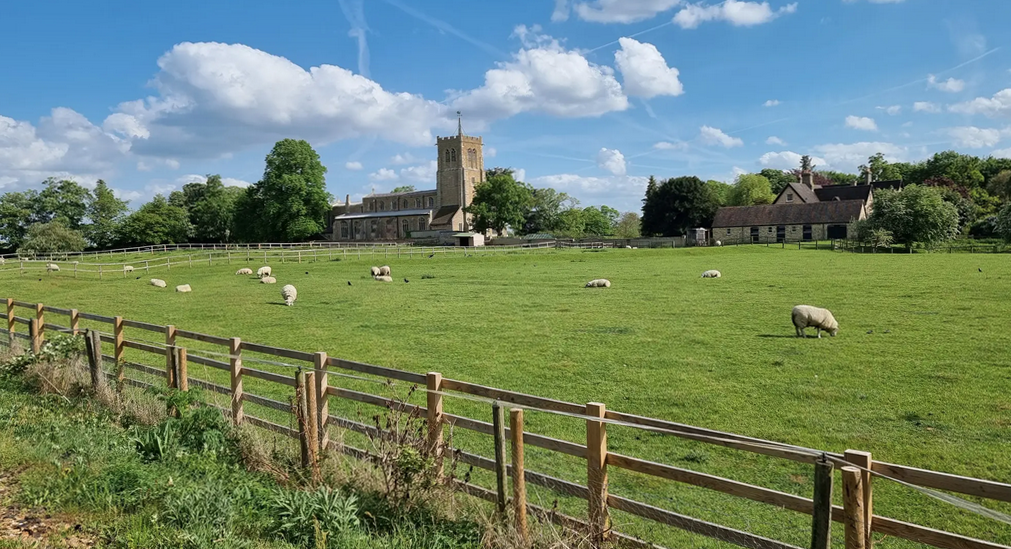
Easy walk from the National Trust owned Hall and Stable buildings. Great views looking back towards the Hall, and on a good day, back towards Royston
1
0

Not very visible from the road, hidden behind a tall brick wall. You can peep through the old gateway or else from the driveway at the far left of the wall.
0
0

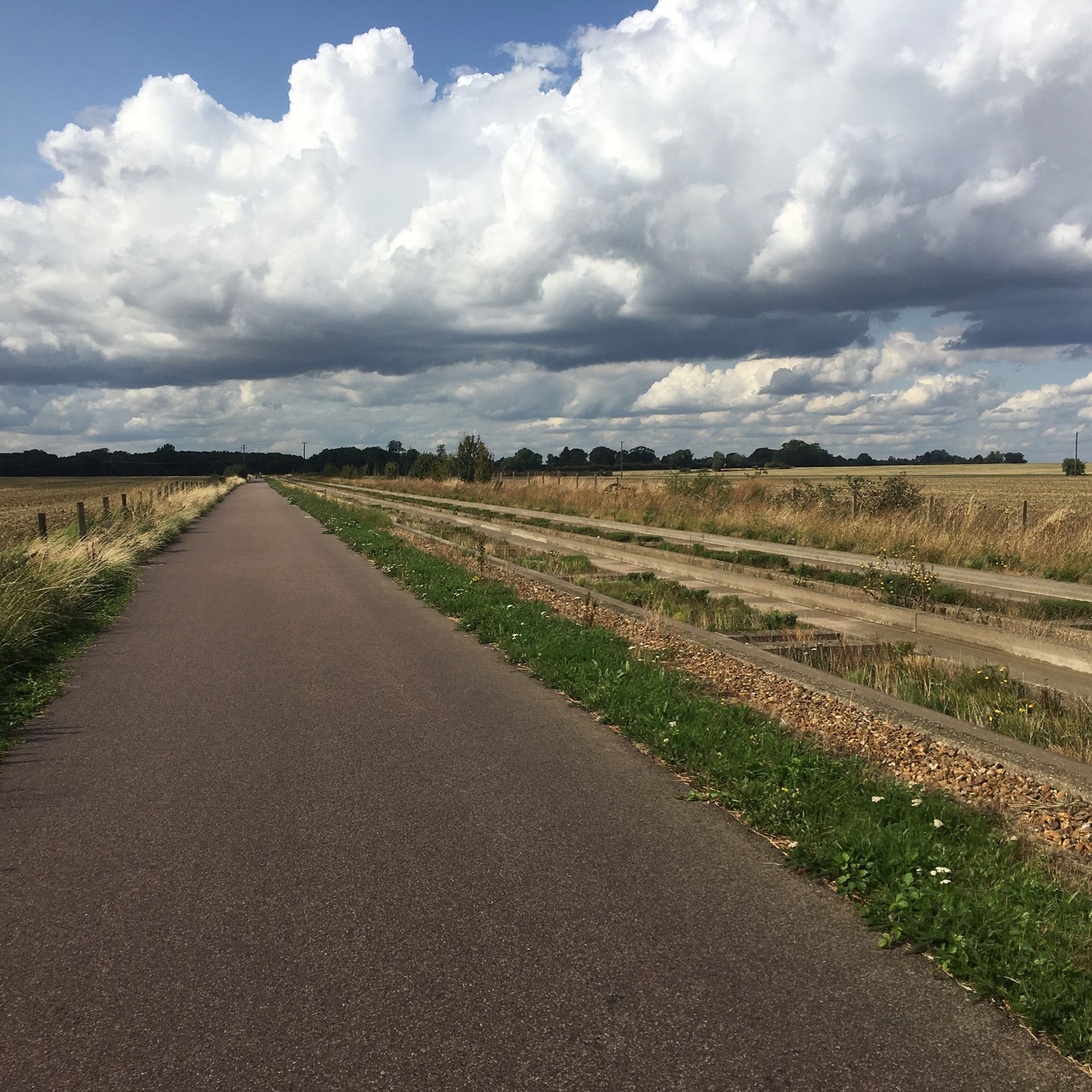
The bus whizzes through the yellow grain landscape like oiled lightning. The intercity bus from Cambridge to St Ivy rolls over a special lane bus track and reaches an impressive speed. Today he transports the four of us to the "Fen Drayton Lakes Nature Reserve", in the lake landscape we hike and do "birdwatching". “Fen Drayton Lakes was originally a flooded sand and gravel pit bordering river floodplains. Today the area is a magnet for a variety of wildlife including otters, dragonflies, ducks, swans and geese. There is something to see (and hear) here all year round.” (https://www.rspb.org.uk/reserves-and-events/reserves-a-z/fen-drayton-lakes/)
0
0
** "Folly (literally "foolishness"), plural follies, is an English term in garden design and architecture for an unusual ornamental building, [...] primarily related to landscape gardens in England. The bizarre conspicuousness of the building is intentional, the provocative uselessness of the system is programmatic. [...]" (https://de.wikipedia.org/wiki/Folly_(Garden Art)) Over the extensive pasture slopes we climb to the western ridges of the park at oddly grown, ancient willows. The visual axis of the Lindenallee leads the view over to the picturesque Folly in the northern part. Between the "Serpentine Lakes" the "Japanese Bridge" connects the areas of the park. Behind it we climb up to the artificial ruins of the Folly and enjoy the view for a while before the early dawn drives us down the slope back to the entrance.
1
0
Frequently Asked Questions
What historical sites can I explore around Papworth Everard?
The area boasts several historical sites. You can visit Houghton Mill, a working watermill on the River Great Ouse with nearly 1,000 years of history. Another significant landmark is Buckden Towers and Gardens, the remains of Buckden Palace, which has a rich history including connections to Henry VIII and Katherine of Aragon. Papworth Hall itself, built between 1809 and 1813, also has a notable past, having served as the Cambridgeshire Tuberculosis Colony.
Are there any natural features or wildlife spotting opportunities near Papworth Everard?
Yes, nature enthusiasts can explore Far Fen Lake, which is part of an RSPB Nature Reserve and known for its island near the eastern shore. The wider Cambridgeshire region, including areas like the boulder clay woodlands to the west, is part of initiatives like the Cambridge Nature Network, aiming to connect and create wildlife-rich habitats.
What cycling routes are available around Papworth Everard?
Papworth Everard is a great starting point for cycling. A popular option is the Cambridge to St Ives Guided Busway Cycle Path, a flat, car-free route through pleasant countryside. For more options, you can explore various routes like 'The Stove Café, Bourn – Hardwick Byway loop from Papworth Everard' or 'Elsworth Village – Hilton Turf Maze loop from Papworth Everard'. Find more cycling routes in the Cycling around Papworth Everard guide.
Are there family-friendly attractions or activities in the area?
Many attractions around Papworth Everard are family-friendly. Houghton Mill and Wimpole's Folly are both suitable for families. The Cambridge to St Ives Guided Busway Cycle Path offers a safe and easy cycling experience for all ages. Additionally, the Papworth Splash Park is a popular seasonal open-air paddling pool, and King George's Field provides recreational facilities like a multi-use games area and tennis courts.
What kind of hiking trails can I find near Papworth Everard?
You can find a variety of hiking trails, from easy to moderate. Options include 'View from Cambourne Mount – View of Crow Hill loop from Cambourne' or 'Elsworth Village loop from Elsworth'. These routes allow you to explore the local countryside. For a comprehensive list of trails, refer to the Hiking around Papworth Everard guide.
What is Wimpole's Folly and what can I expect to see there?
Wimpole's Folly is an impressive gothic tower built in the mid-1770s, designed as an extravagant place for entertainment. It offers great views across the park and is an interesting example of an ornamental building from landscape garden design. It's an easy walk from the National Trust owned Wimpole Hall and Stable buildings.
Are there any mountain biking trails around Papworth Everard?
Yes, there are mountain biking opportunities in the wider area. You can find trails like 'Wide Gravel Track – Grafham Water Main Car Park loop from St Neots' or 'Banks of the River Ouse – Childerley Hall loop from St. Ives'. These trails offer moderate difficulty for MTB enthusiasts. More details are available in the MTB Trails around Papworth Everard guide.
What do visitors enjoy most about the attractions around Papworth Everard?
Visitors appreciate the blend of historical significance and natural beauty. For instance, those visiting Houghton Mill often highlight the knowledgeable hosts and the historical experience. The Cambridge to St Ives Guided Busway Cycle Path is praised for being a fast, flat, and car-free connection through pleasant scenery, making it suitable for families and commuters alike. The overall area is valued for its opportunities for outdoor activities and exploring local heritage.
Is there an ancient Roman road near Papworth Everard?
Yes, the ancient Roman road known as Ermine Street, which historically connected London to York, runs through the center of Papworth Everard. It is now largely the A1198, marking a significant historical pathway through the area.
What recreational facilities are available in Papworth Everard village?
The village offers several recreational facilities. King George's Field serves as a memorial to King George V and includes a bowling green, a multi-use games area, and all-weather, floodlit tennis courts. The village also has local sports clubs for football, running, and cycling.
Are there any unique historical structures like moated sites in the area?
Yes, there is a medieval moated site located 140 meters east of Papworth Hall. It is believed to be the original location of the Manor of Papworth Everard, dating back to the 1160s, featuring a sub-circular island surrounded by a semi-water-filled moat.
Most popular routes around Papworth Everard
Most popular attractions around Papworth Everard

Get inspired with the komoot mobile app


Explore more
Still not found the Highlight you’re looking for? See guides of the top attractions in other regions:
