The best walks and hikes around Oostende
4.3
(6138)
56,252
hikers
997
hikes
Hiking trails around Oostende feature a diverse landscape, characterized by expansive sandy beaches, extensive dune belts, and tranquil green parks. The region also includes unique creek and polder areas, offering varied terrain for outdoor activities. These natural features provide a range of environments, from coastal walks to inland trails through woodlands and open fields.
Best hiking trails around Oostende
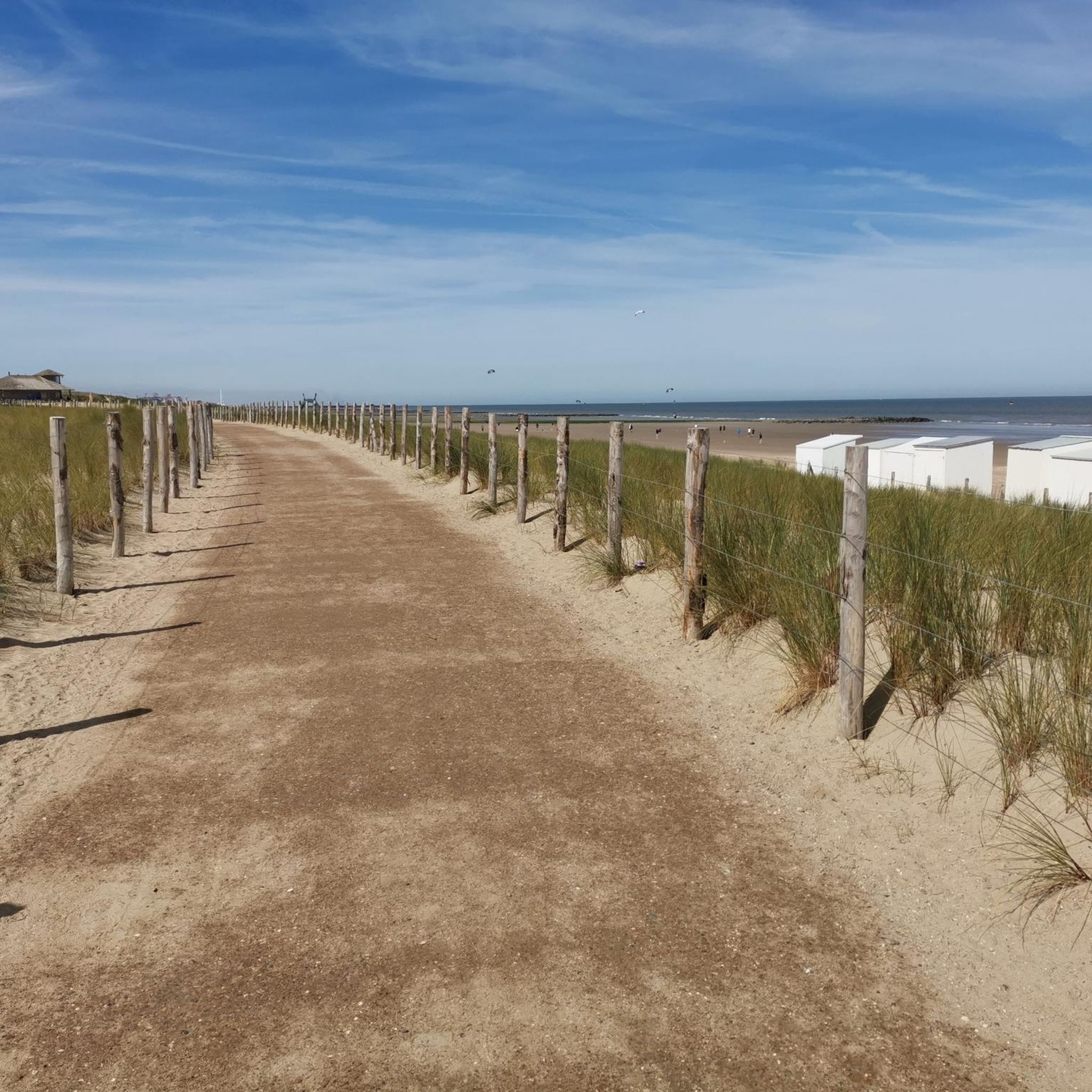
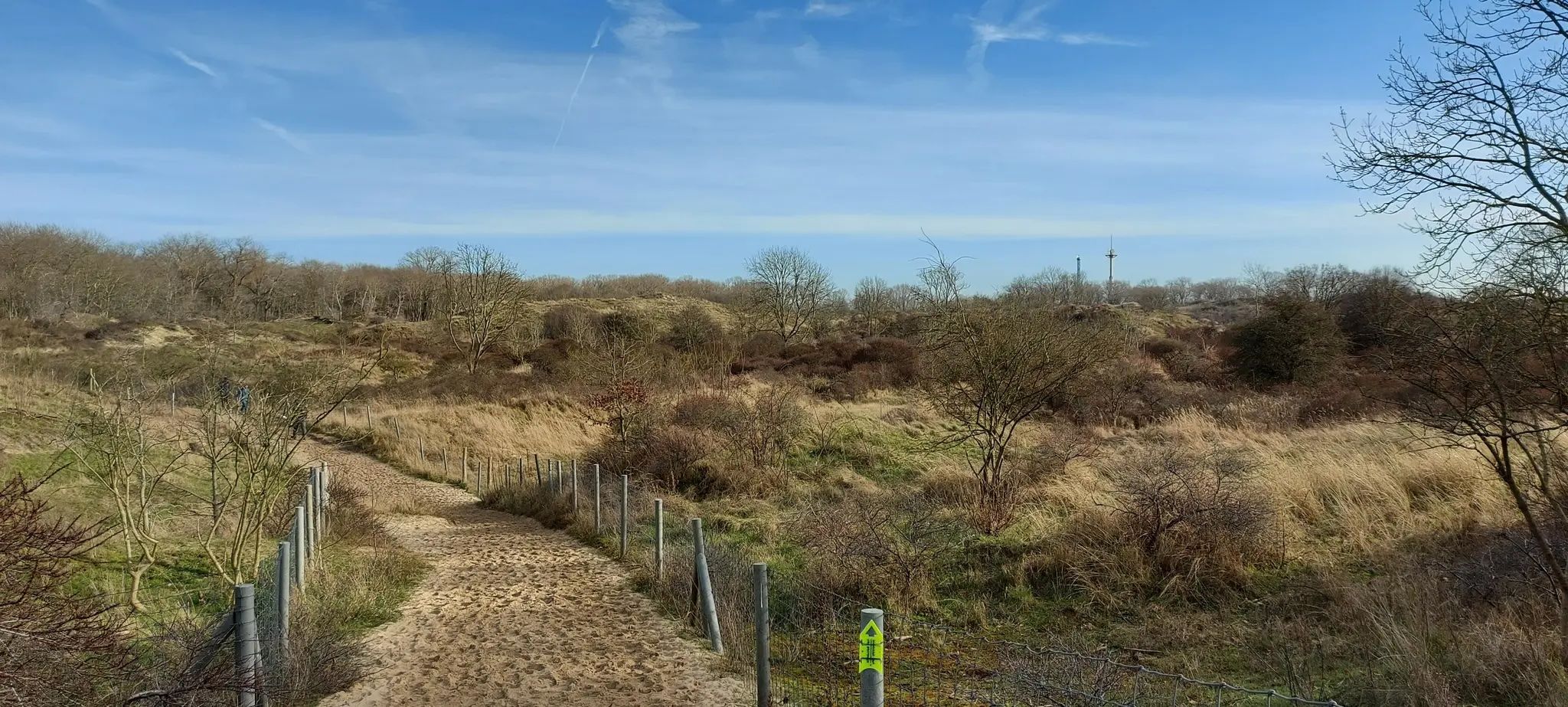
- The most popular hiking route is Duinbossen Trail, a 6.9 miles (11.2 km) moderate trail that takes 2 hours 50 minutes to complete, leading through the unique dune forests.
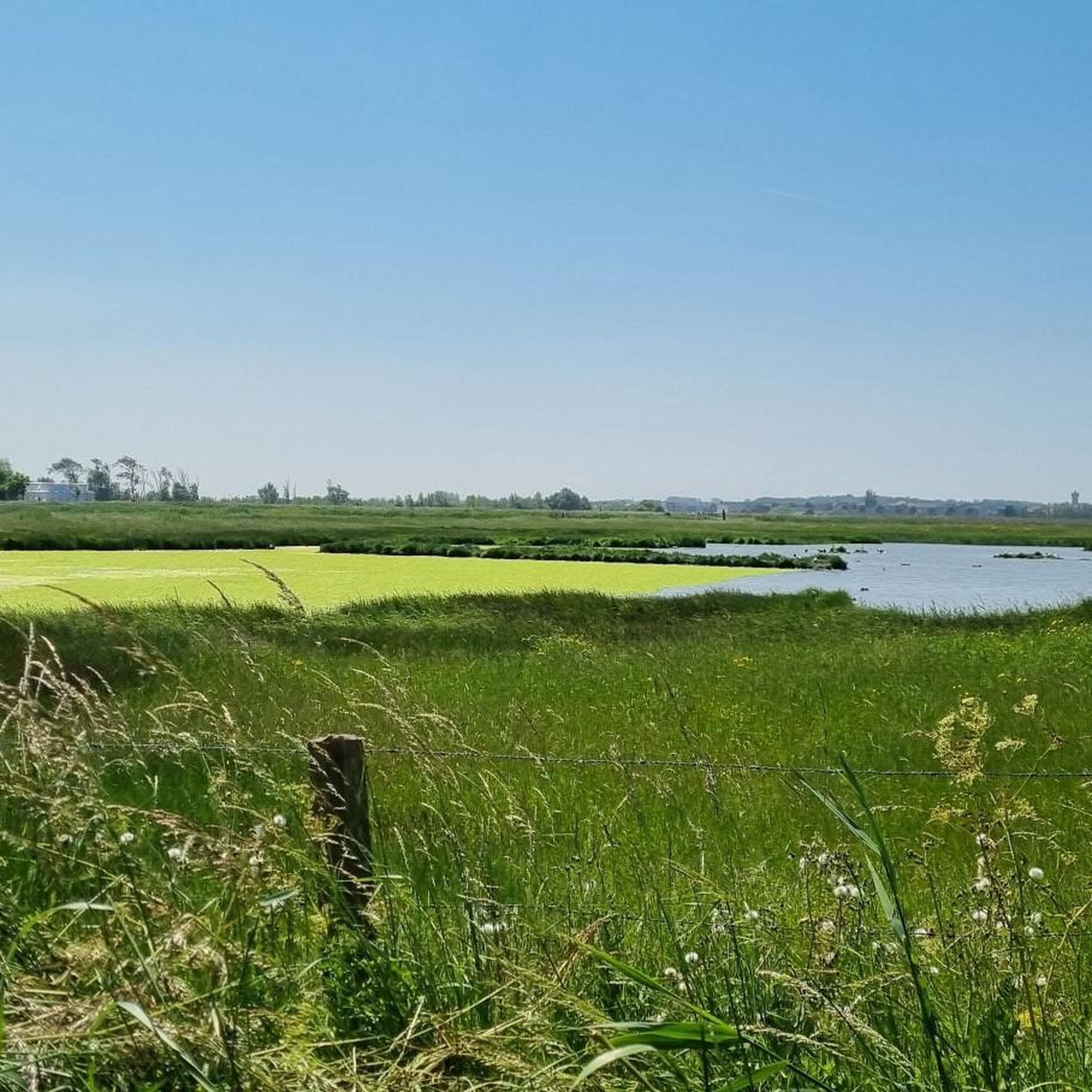
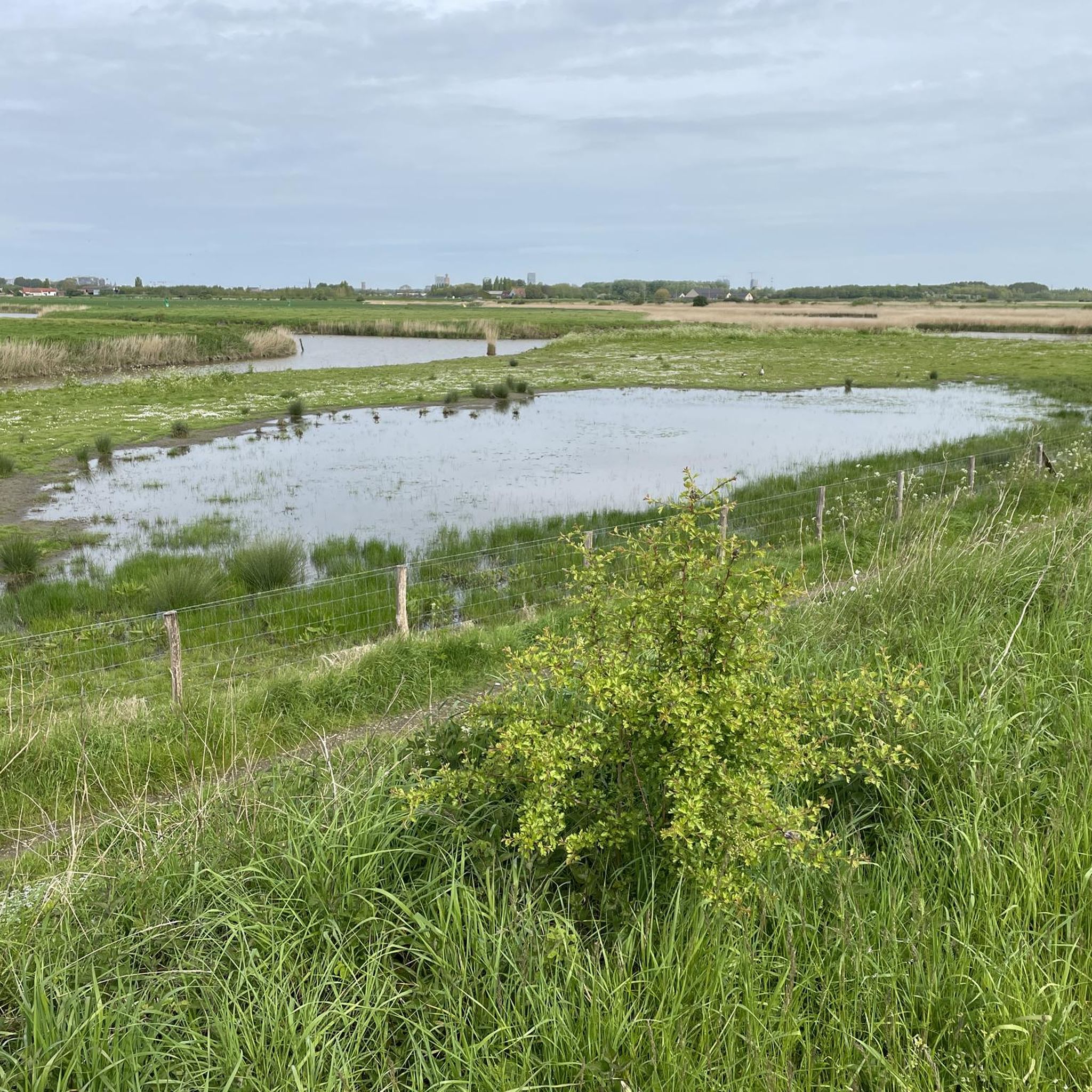
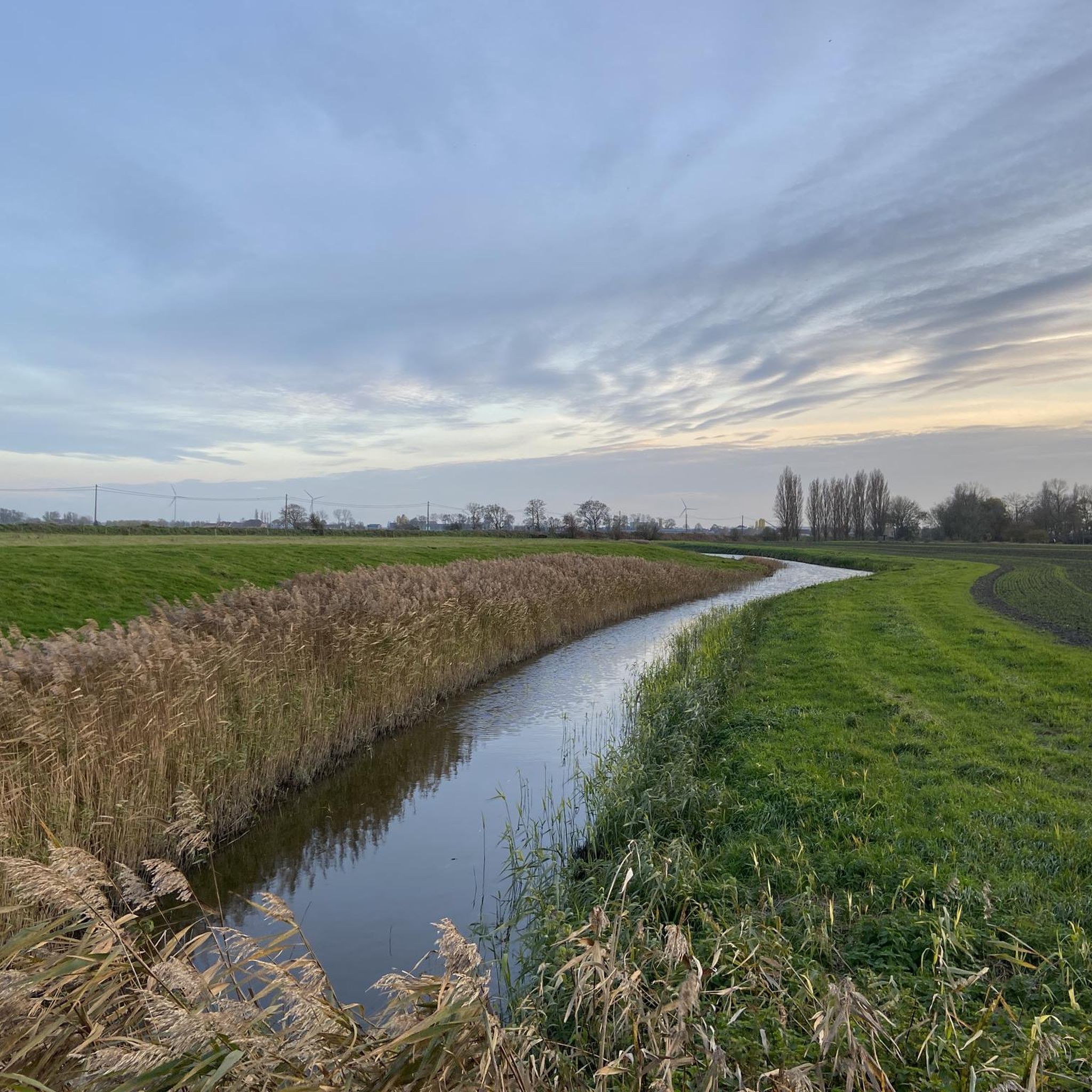
- Another top favourite among local hikers is Ostend Creeks – Oostendse Krekenroute loop from Oudenburg, a moderate 8.3 miles (13.3 km) path. This trail explores the historic creek and polder landscapes.
- Local hikers also love the Silt Casino Middelkerke – Warandetoren Observation Tower loop from Middelkerke-Bad, a 7.4 miles (12.0 km) trail leading through coastal areas, often completed in about 3 hours 3 minutes.
- Hiking around Oostende is defined by expansive beaches, diverse dune belts, and serene creek and polder areas. The network offers options for easy strolls, moderate excursions, and more challenging routes.
- The routes in Oostende are highly rated by the komoot community with an average score of 4.4 stars from over 4800 reviews. More than 44000 hikers have used komoot to explore Oostende's varied terrain.
Last updated: November 20, 2026
4.6
(629)
2,830
hikers
11.2km
02:50
20m
20m
Moderate hike. Good fitness required. Easily walkable paths.
4.4
(71)
1,248
hikers
Moderate hike. Good fitness required. Easily walkable paths.

4.6
(147)
674
hikers
13.3km
03:22
20m
20m
Moderate hike. Good fitness required. Easily walkable paths.
4.4
(45)
910
hikers
Easy hike. Easily walkable paths.
4.4
(121)
1,203
hikers
Moderate hike. Good fitness required. Easily walkable paths.
4.4
(43)
904
hikers
Moderate hike. Good fitness required. Easily walkable paths.
4.5
(137)
691
hikers
Moderate hike. Good fitness required. Easily walkable paths.
4.5
(106)
708
hikers
Moderate hike. Good fitness required. Easily walkable paths.
4.3
(29)
777
hikers
7.64km
01:57
30m
30m
Easy hike. Easily walkable paths.
4.6
(60)
1,101
hikers
Moderate hike. Good fitness required. Easily walkable paths.
Get access to more routes and recommendations from other explorers.
Already have an account?
Our route recommendations are based on thousands of hikes, rides, and runs completed by other people on komoot.
Start today with a free account
Your next adventure awaits.
Popular around Oostende
Other adventures around Oostende


Tips from the Community

In 2008, the Fifty-One-Club Oostende - Lange Nelle organized a competition for young sculptors to create a monumental sculpture symbolizing encounter and movement, in harmony with the renovated Kursaal. The winning work was "Dansende Golven" by artist Patrick Steen: a man and a woman dancing on the seawall, surrounded by wind, water, and waves. This sculpture, 7m high, 15m wide, and weighing 5 tons, is placed on a pedestal atop a historic bunker dating from the Second World War. The artist created it in his studio before it was transported and installed on-site through the collaboration between public bodies and private companies. It invites daydreaming and continues to be a very popular subject for all photographers, from dawn to sunset.
0
0

In a forest management context, girdling trees is often explained as a way to selectively remove "unwanted exotics" without disturbing the forest with heavy equipment – by cutting away the bark and bast, you interrupt the sap flow and the tree slowly dies, which also provides extra standing dead wood for insects and woodpeckers. However, there is a great irony to this along our coast: if you were to consistently remove all non-native species here, there would simply be no forest left. Almost every tree in the dune forests is, in fact, an exotic or at least non-native to the area. Due to the strong sea wind, salty sea spray, and lime-rich dune sand, trees along our coast can naturally barely grow into a full-fledged forest. Everything that stands here today – from Corsican and Austrian pines to maples and white poplars – was only planted by humans in the 19th and 20th centuries to stabilize shifting sands, grow mine timber, or provide wealthy beachgoers with a green walking backdrop. So, when nature managers in the dune forests girdle trees, they are not so much removing one "wrong" species from a natural forest, but rather pushing back a planted cultural forest to create light and space for the real, native coastal landscape: open dunes with rare grasses, mosses, and herbs. Girdling ensures that this transition happens gradually and that the dying wood continues to serve as a nursery for birds and insects for years to come.
0
0
Trompe-l'oeil, a 13.75-meter-high green and white 'lighthouse', a well-known site-specific installation by artist Guillaume Bijl from the Horizon 2025 project.
2
0

Anyone strolling along the sea dike of the Belgian coast will quickly find themselves overwhelmed by the sights. On the promenade of Middelkerke, 21 unique bronze statues of iconic comic book heroes add color to the walk. Middelkerke is the comic book municipality of Belgium, and you notice it immediately during a walk along the renovated dike. The beloved comic characters — including Suske and Wiske, Jommeke, Spirou, Lucky Luke, and the Smurfs — are set up on the promenade of Middelkerke. The walk takes you past the impressive new casino building, SILT. It is the ideal, nostalgic journey of discovery for young and old, where you can admire your favorite comic heroes from Franco-Belgian comic history one by one, with the rustling North Sea in the background.
5
0
The Flemish coastline is known for its enormous tidal differences and wide sandy beaches, which at low tide transform into a gigantic open space for walkers, land sailors, and those seeking peace and quiet. From the protected dune reserves in De Panne to the sophisticated atmosphere in Knokke, every seaside resort has its own character. What makes the Belgian coast unique in the world is the Kusttram: the longest tram line in the world, which seamlessly connects all sixteen coastal municipalities. This allows you to switch in no time from a culinary portion of shrimp croquettes on the promenade to impressive modern artworks that are permanently displayed on the beach and the boulevards.
3
0
The installation consists of two gigantic metal horns of no less than 13 meters long which, like the megaphones of antique gramophones, are fully directed at the North Sea. At the narrow end is a bench with a bronze statue of a lady who is attentively listening to the amplified rushing of the waves. Next to her, a spot has been left free, which explicitly invites passers-by to take a seat, listen along, and completely escape the everyday hustle and bustle for a moment. The industrial design with its many rivets consciously connects to the nostalgic Belle Époque style of the iconic Grand Hôtel Bellevue (De Rotonde) located behind it. Interesting fact: Although the artwork is reminiscent of the romantic early days of the gramophone, the shape has a surprisingly military-historical background. The horns are inspired by the acoustic radars from the 1930s, just before the invention of modern radar technology. In those days, the military used these types of gigantic listening horns to pick up the sound of approaching enemy aircraft in the distance. Drulle has transformed this historical war technology into a poetic instrument that now instead enhances peace, nature, and serenity. To defy the enormous construction as well as the heavy winter storms on the beach, the steel legs of the horns are also anchored no less than 8 meters deep into the sand.
4
0

October 2026: the trees have already grown quite a bit
2
0

Frequently Asked Questions
How many hiking trails are available around Oostende?
Oostende offers a wide variety of hiking experiences, with over 920 routes recorded on komoot. These range from easy coastal walks to more challenging trails through dune forests and polder landscapes.
What kind of terrain can I expect on hikes in Oostende?
You can expect a diverse range of terrain. Many routes feature expansive sandy beaches and extensive dune belts, offering invigorating sea air. Inland, you'll find tranquil green parks like Maria Hendrikapark and Stadsbos Oostende, as well as unique creek and polder areas with rich flora and fauna. Some trails, particularly around Fort Napoleon, may include steeper paths.
Are there easy hiking routes suitable for beginners or leisurely strolls?
Yes, Oostende has plenty of easy options. Over 620 of the routes are classified as easy, perfect for beginners or those seeking a relaxed walk. You can enjoy leisurely strolls through green spaces like Leopoldpark or along the coastal promenade. An example of an easy route is the Forest rest area with wooden benches – Winding forest trail in De Haan loop from De Haan, which is about 6.4 km long.
Can I find circular hiking routes in Oostende?
Many of the hiking routes around Oostende are designed as circular paths, allowing you to start and end at the same point. For instance, the Ostend Creeks – Oostendse Krekenroute loop from Oudenburg is a popular moderate circular trail exploring historic creek and polder landscapes.
Are there any family-friendly hiking options in Oostende?
Absolutely. The region's parks, such as Maria Hendrikapark, and the wide, sandy beaches are ideal for families. The dune areas, like those near Raversijde Domain, also offer engaging paths for children to explore. Look for shorter, easy routes that avoid significant elevation changes.
Are dogs allowed on hiking trails in Oostende?
Many outdoor areas in Oostende are dog-friendly, especially the beaches during off-peak seasons and designated sections of parks and dune areas. It's always best to check local signage for specific rules regarding leash requirements and restricted zones, particularly in nature reserves.
What natural features or landmarks can I see while hiking in Oostende?
Hiking around Oostende offers views of diverse natural features and historical landmarks. You can explore the unique dune landscapes, walk along the Bruges–Ostend Canal, or visit the De Zandpanne Nature Reserve. Historic sites like Fort Napoleon and the Atlantikwall Museum at Raversyde are also integrated into some routes, offering a blend of nature and history.
Are there opportunities for wildlife spotting on hikes around Oostende?
Yes, Oostende's diverse ecosystems provide opportunities for wildlife spotting. The dune landscapes and Stadsbos Oostende are home to various bird species and unique flora. The creek and polder areas, such as those explored on the Oostendse Krekenroute – Ostend Creeks loop from Stene, are particularly rich in birdlife and offer a chance to observe local fauna in their natural habitat.
How can I reach hiking trails around Oostende using public transport?
Oostende is well-connected by public transport. The coastal tram is a convenient way to access different sections of the coastline and various hiking starting points, including areas like De Haan and Westende. Local bus services also connect to many of the inland parks and nature reserves.
What do other hikers enjoy most about hiking in Oostende?
The komoot community highly rates hiking in Oostende, with an average score of 4.4 stars from over 4800 reviews. Hikers frequently praise the diverse landscapes, from the refreshing coastal paths and expansive beaches to the serene dune forests and tranquil polder areas. The well-maintained trails and the blend of natural beauty with historical sites are also often highlighted.
Are there any specific trails that offer great views of the North Sea?
Many trails along the coast provide excellent sea views. The dune belts, particularly near Oosteroever and Raversijde, offer breathtaking panoramic vistas. Routes that incorporate sections of the coastal promenade or wide dikes, such as the Silt Casino Middelkerke – Warandetoren Observation Tower loop from Middelkerke-Bad, also ensure continuous sea views.
What is the best time of year to go hiking in Oostende?
Oostende offers pleasant hiking conditions throughout much of the year. Spring and autumn provide mild temperatures and fewer crowds, making them ideal for exploring the diverse landscapes. Summer is popular for coastal walks, though beaches can be busy. Even in winter, the crisp sea air and unique atmosphere of the dunes can make for an invigorating hike, provided you dress appropriately.
Are there any routes that combine nature with cultural or historical sites?
Yes, several routes in Oostende beautifully blend nature with history. The Raversyde Nature Park, for example, allows hikers to explore dunes and forested areas while also visiting the Atlantikwall Museum. The Oosteroever area offers trails that pass by landmarks like Fort Napoleon and the Lange Nelle lighthouse, providing a rich cultural experience alongside natural beauty.
Most popular routes around Oostende
Most popular attractions around Oostende

Get inspired with the komoot mobile app


Didn’t find what you were looking for?
Check out more Hikes throughout Oostende below and find the perfect route in your destination.
