Attractions and Places To See around Diepenbeek - Top 20
Best attractions and places to see around Diepenbeek include a variety of natural landscapes and historical sites within the Belgian province of Limburg. The municipality is characterized by its green spaces, forests, and numerous ponds, forming part of the De Wijers landscape unit. Visitors can explore historic landmarks, extensive nature reserves, and unique outdoor experiences.
Best attractions and places to see around Diepenbeek
- The most popular attractions is Cycling Through the Water — Fietsen Door Het Water (Bokrijk), a cycle way that allows riders to traverse a path directly through a pond. This unique experience offers a distinctive interaction with the natural environment, with water at eye level.
- Another must-see spot is De Teut and Tenhaagdoornheide Nature Reserve, an expansive heathland area. This reserve spans approximately 2000 hectares, making it the largest heath area in Central Limburg, ideal for hiking and cycling.
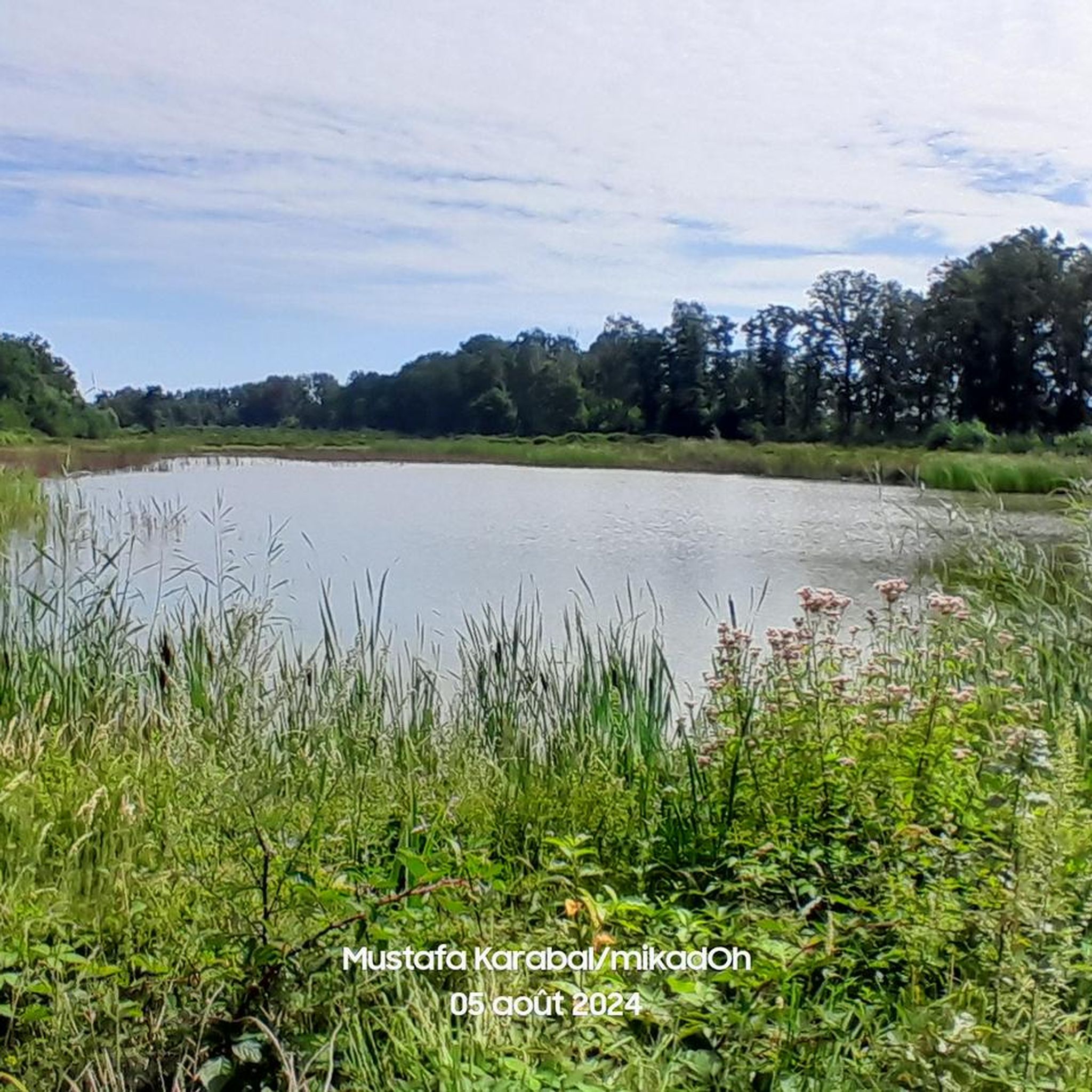
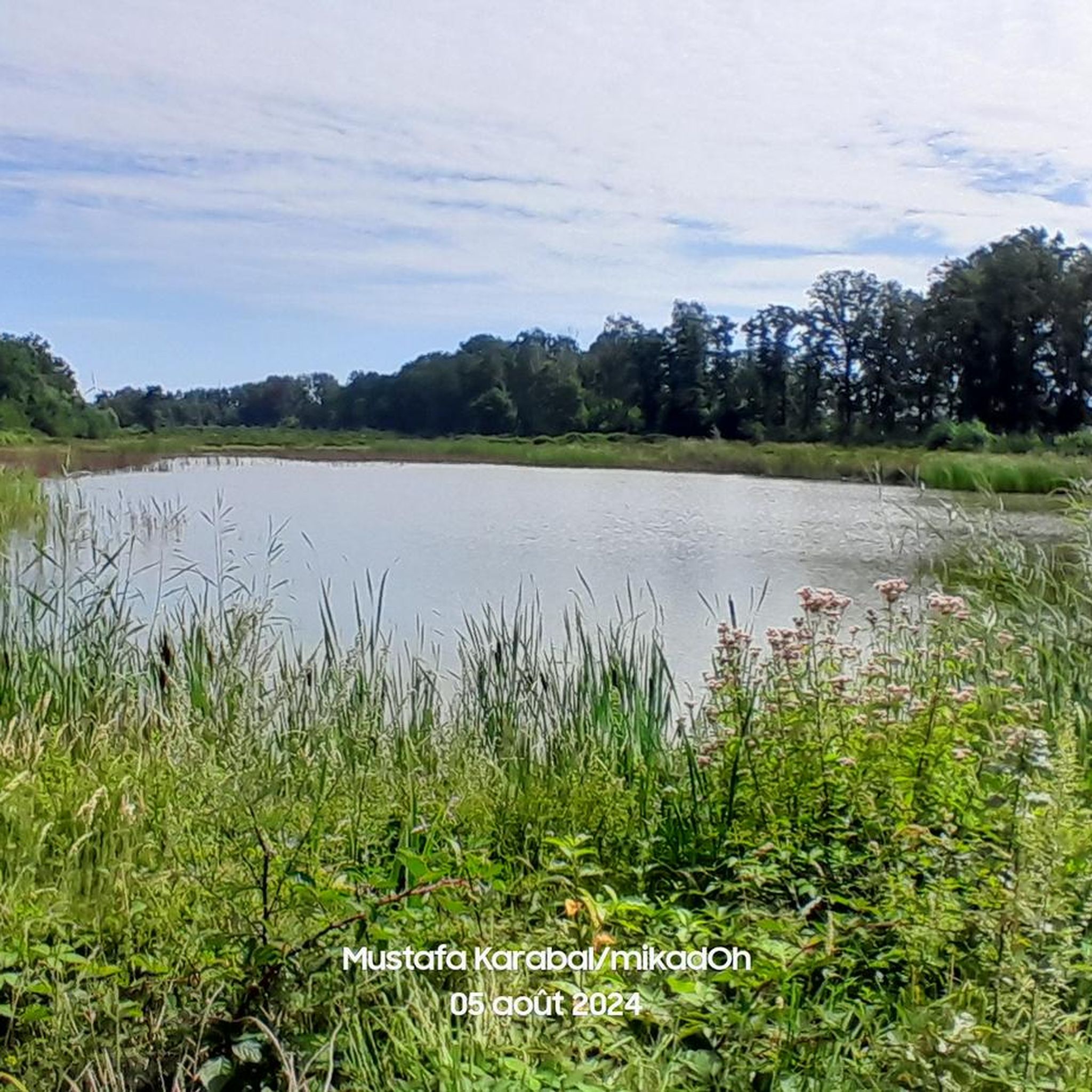
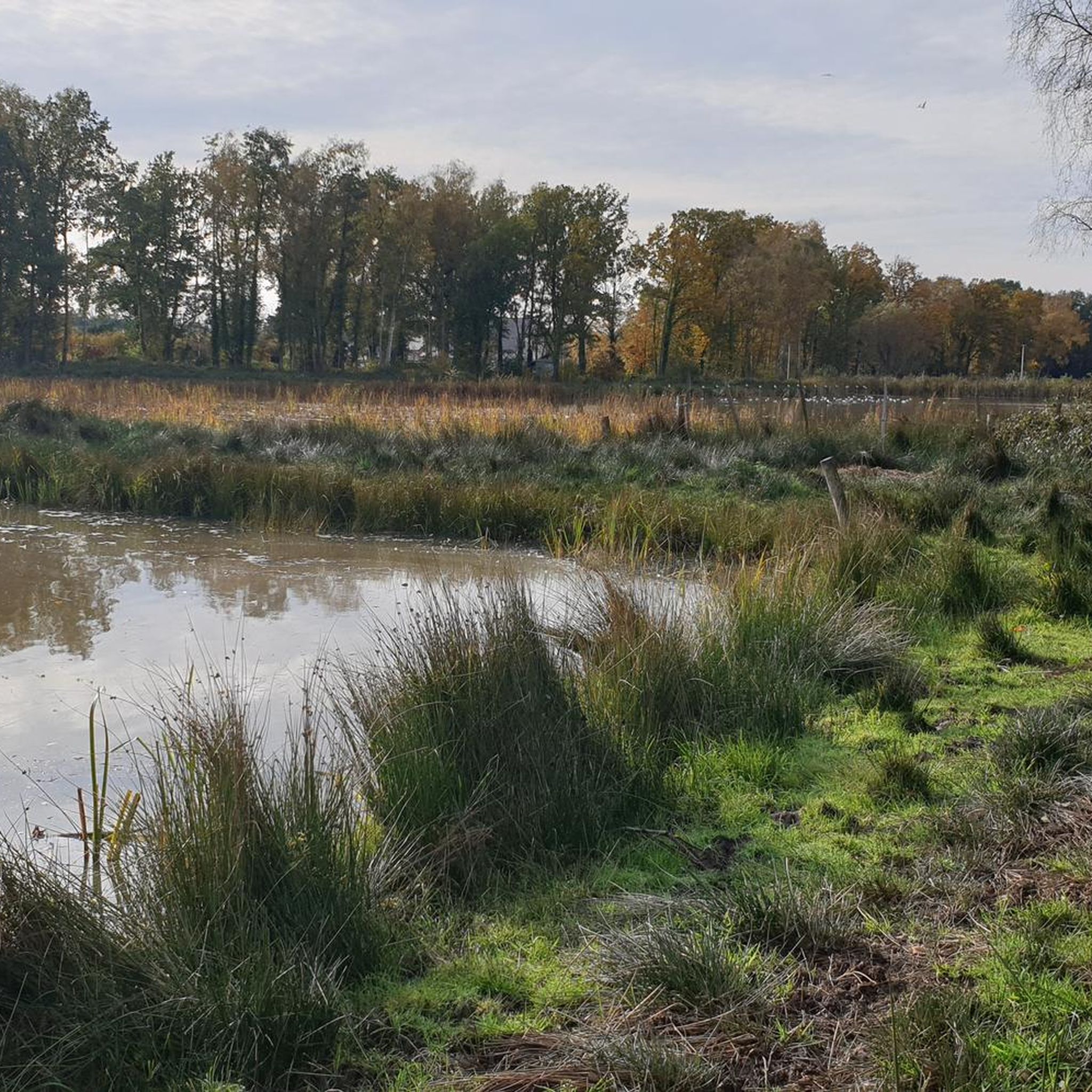
- Visitors also love De Platwijers-Wijvenheide Nature Reserve, a lake and nature reserve known for its abundant birdlife. This 200-hectare reserve consists mainly of fish farming ponds and meadows, forming a significant part of De Wijers.
- Diepenbeek is known for its diverse nature reserves, historical sites, and unique cycling routes. The region offers a variety of attractions to see and explore, from tranquil ponds to historic abbey sites.
- The attractions around Diepenbeek are appreciated by the komoot community, with over 3200 upvotes and more than 1600 photos shared.
Last updated: August 2, 2026
Cycling Through the Water
Highlight • Bridge
Showing Translation
Tip by

De Teut and Tenhaagdoornheide Nature Reserve
Highlight • Natural
Translated by Google •
Tip by

Sign up now to discover places like this
Get recommendations on the best single tracks, peaks, & plenty of other exciting outdoor places.
Sign up for free
De Platwijers-Wijvenheide Nature Reserve
Highlight • Lake
Translated by Google •
Tip by
Herkenrode Abbey Site
Highlight • Historical Site
Translated by Google •
Tip by

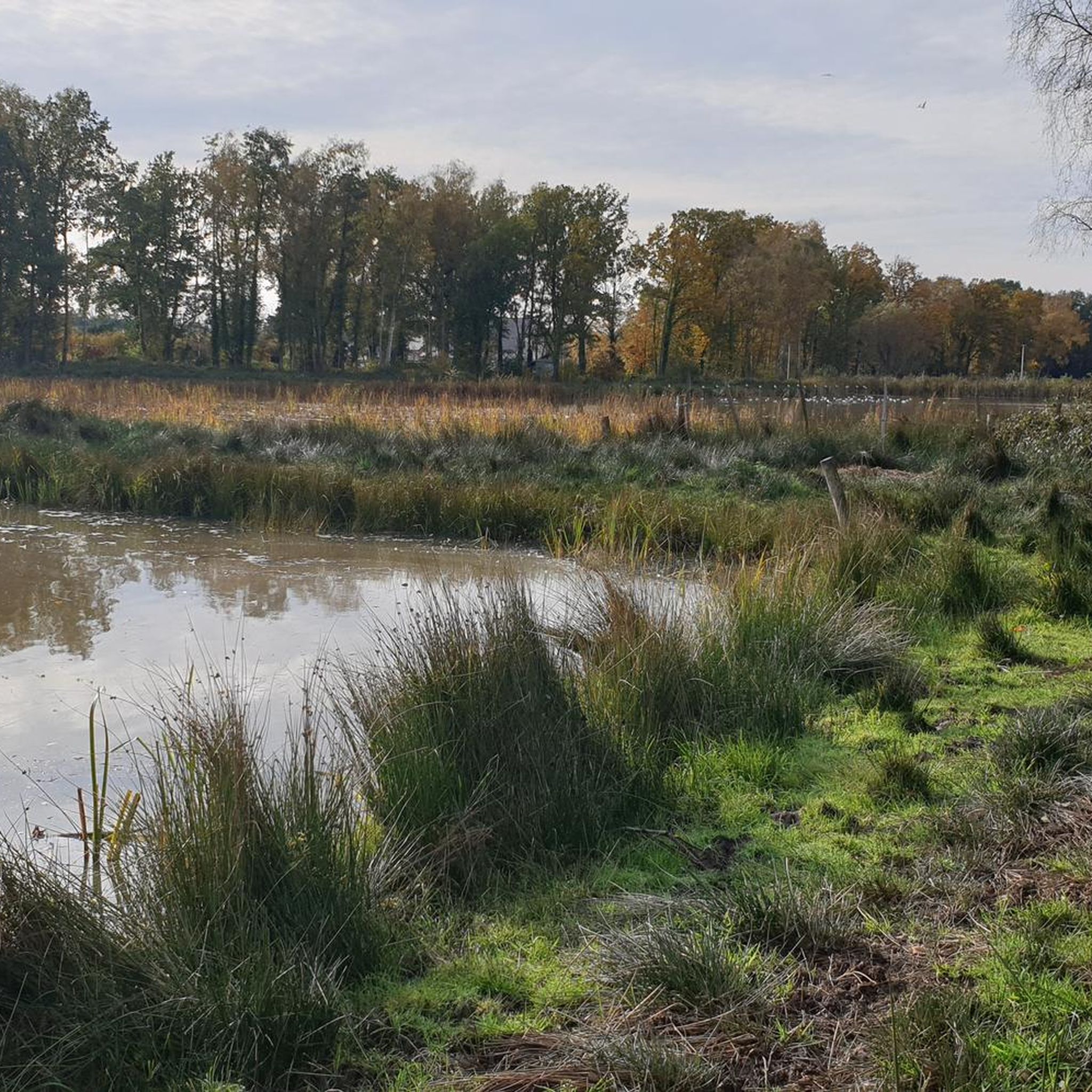
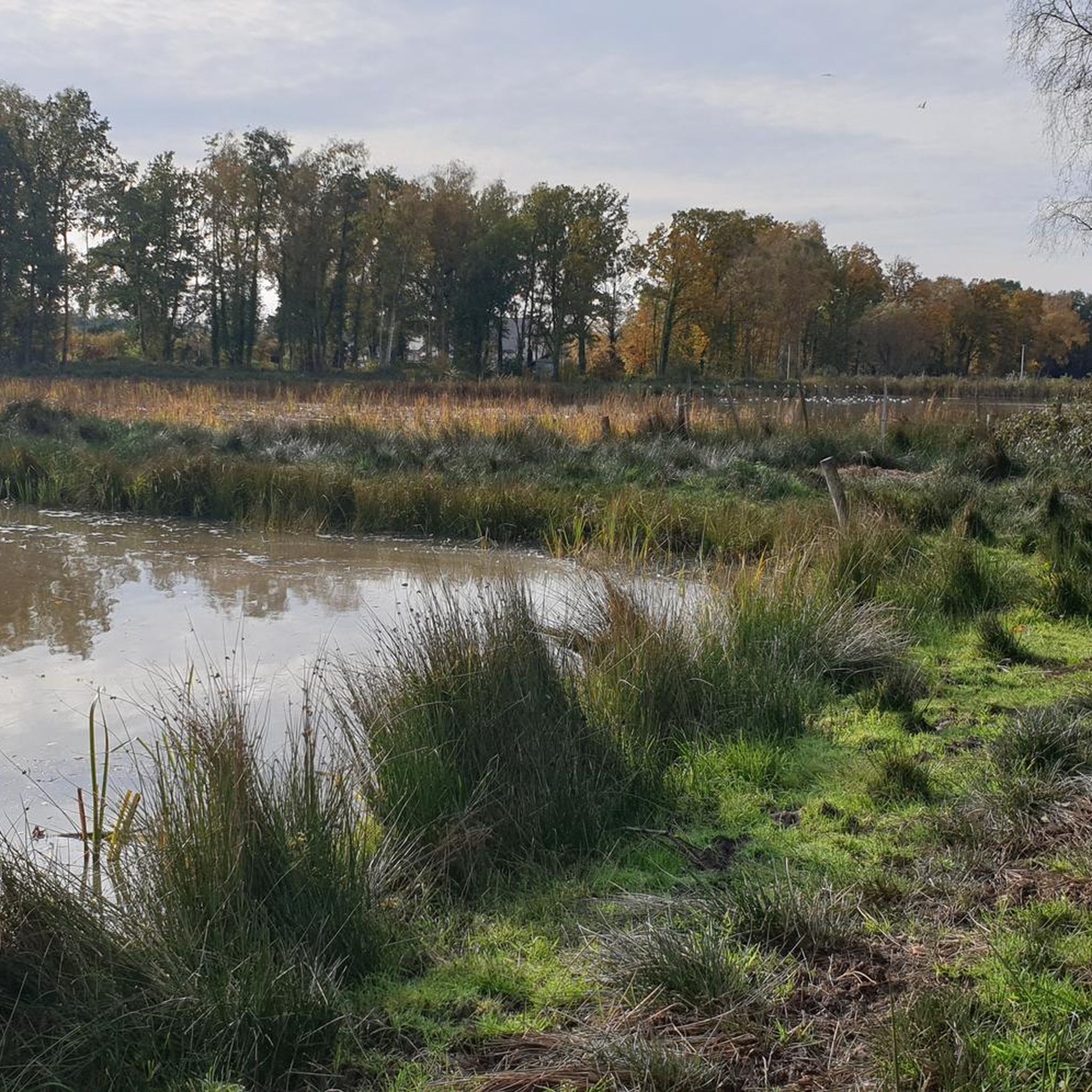
Pond in the De Teut heathland
Highlight • Lake
Translated by Google •
Tip by

Sign up for free to discover even more attractions around Diepenbeek.
Sign up for free
Already have an account?
Start today with a free account
Your next adventure awaits.
Login or Signup

Tips from the Community

The cycle path through the water leads cyclists over a 212-meter-long and three-meter-wide concrete path, with water at eye level on both sides. Swans and other waterfowl swim along the banks, curiously watching the cyclists. Since its opening, interest in this unique cycle path has been enormous. On average, 800 visitors per day explore this unforgettable part of the Limburg cycle network, with peaks on Saturdays and Sundays, and on some days even up to 5,000 cyclists.
1
1

The Teut gives you colorful fun...
5
0

The Herkenrode Abbey site is an interesting combination of culture, history, nature and an ideal starting point for walks.
10
0

The main entrance to the abbey is located to the south of the complex. It is a late Gothic gatehouse, built in 1531 by order of Abbess Mechtildis of Lechy. There are two storeys under two intersecting slate saddle roofs with a spire with a pear-shaped crowning at the intersection, dated 1531 (coat of arms on the rear facade) and restored in 1907 (architect G. Rypens) and 1973. Inventory of Immovable Heritage: Herkenrode Abbey, https://id.erfgoed.net/erfgoedobjecten/22246
8
0
The Herkenrode abbey site is located in the Demer valley, in a transitional area between the Lage Kempen and Haspengouw, south of the village centre of Stokrooi (Hasselt). It is an extensive historical domain that dates back to the former abbey complex of the Cistercian nuns. To the north of the Demer are the meadows, to the south the old abbey with its appurtenances, the farmyard, the eastern castle park and the other, higher agricultural lands. In addition to unirrigated hay and pasture land, there were also large flood meadows here until the 20th century. The latter were supplied with water via the Tuilterdemer. The abbey was founded in 1182, when Geeraard, Count of Loon, donated his estate Herkenrode to a certain brother Henricus to build a monastery for women. In 1271 the monastic community joined the order of Cîteaux. It became a flourishing enterprise that over the years acquired numerous possessions. The religious purpose came to an end with the departure of the sisters in 1796. At the beginning of the 19th century, the new abbess wing, built in 1768 to the south of the old abbess quarters, was converted into a castle. In the same period, an English garden was laid out on the east side and a front garden on the west side. The 14th-century church burned down in 1826 and was demolished together with the monastery building and the convent buildings in 1843. The buildings and the surrounding grounds formed a single differentiated whole for a long time. Over time, however, they fell into the hands of different owners. In 1972, 11 ha of the former abbey site became the property of the canonesses of the Holy Sepulchre. The property includes the actual remaining abbey buildings with the sisters' quarters, the old abbess quarters, the sacristy, the infirmary, the 18th-century abbess wing and the adjoining landscaped park. Inventory of Immovable Heritage: Herkenrode Abbey Site, https://id.erfgoed.net/erfgoedobjecten/135252
10
0
At the end of June 2024, it was announced that architects Arnout Van Vaerenbergh and Pieter-Jan Gijs will resurrect the church and other disappeared buildings on the Herkenrode site. Not quite as fully-fledged buildings, but with the interplay of lines that they are known for and that many have already seen in their see-through church in Borgloon. It should bring the total experience of Herkenrode more closely into line with historical reality and should work perfectly with the buildings that are still there today, making Herkenrode already a tourist attraction. This should be ready in 2026 and you can discover more about it at https://www.vrt.be/vrtnws/nl/2024/06/27/clausura-herkenrode/
11
0
The cycle path leads you straight through a pond, all the way from one bank to the other. In the middle, the water is at eye level on either side. You feel, see and smell the water. A beautiful and unique view of this piece of nature. When you watch from a distance, it is funny to see all those heads passing by on the surface of the water. Even though it is called 'Cycling through the Water' in Bokrijk, the path is accessible to walkers and joggers. (VisitLimburg)
12
0

Beautiful railway cycle path in the heathland.
7
0
Frequently Asked Questions
What are the main nature reserves to explore around Diepenbeek?
Diepenbeek and its surroundings are rich in nature reserves. Key areas include De Teut and Tenhaagdoornheide Nature Reserve, the largest heathland in Central Limburg, and De Platwijers-Wijvenheide Nature Reserve, known for its abundant birdlife and fish farming ponds. Other significant reserves are De Maten, one of Belgium's oldest, and Dauteweyers-Dorpsbemden, part of the Demer valley, celebrated for its diverse plant life and walking paths.
Where can I experience unique cycling in nature near Diepenbeek?
A truly unique experience is Cycling Through the Water — Fietsen Door Het Water (Bokrijk). This cycle path allows you to traverse a pond with the water at eye level, offering a distinctive interaction with the natural environment. You can find more cycling routes in the area, including gravel and road cycling options, by exploring the Gravel biking around Diepenbeek and Road Cycling Routes around Diepenbeek guides.
Are there opportunities for wildlife spotting in Diepenbeek's nature areas?
Yes, Diepenbeek offers excellent opportunities for wildlife spotting, especially birdlife. De Platwijers-Wijvenheide Nature Reserve is particularly renowned for its abundant bird species. The Dauteweyers area, part of the Demer valley, is also a habitat for the rare European tree frog. Many nature reserves feature watchtowers and bird hides to enhance observation.
What kind of landscapes can I expect in Diepenbeek's nature areas?
The landscapes around Diepenbeek are varied and picturesque. You'll find expansive heathlands, such as in De Teut and Tenhaagdoornheide Nature Reserve, alongside stream valleys, fens, dunes, and forests. The region is also characterized by over a thousand ponds, forming part of the large De Wijers landscape unit, with areas like De Platwijers-Wijvenheide featuring fish farming ponds and meadows.
What historical sites can I visit near Diepenbeek?
While Diepenbeek itself is home to the historic Kasteel van Diepenbeek (a private moated castle), a significant historical site nearby is the Herkenrode Abbey Site. Located just outside Diepenbeek, this was the first women's abbey of the Cistercian Order in the Netherlands, founded around 1182. Today, it's a 100-hectare oasis with restored historic buildings, a nature reserve, and an Experience Center.
Are there any notable churches or religious buildings in Diepenbeek?
Yes, Diepenbeek features significant religious architecture. The Sint-Servaaskerk (St. Servatius Church) and Heilig Hartkerk (Sacred Heart Church) are highlighted as must-see sights, showcasing the region's architectural and religious heritage.
Are there family-friendly activities or attractions in Diepenbeek?
Diepenbeek offers several family-friendly options. Many nature reserves, such as De Teut and Tenhaagdoornheide Nature Reserve and De Platwijers-Wijvenheide Nature Reserve, are suitable for families with easy trails. The Demerstrand, Diepenbeek's gateway to De Wijers, features a playground and play forest for children. Additionally, the unique Cycling Through the Water experience is popular with all ages.
What are the best times of year to visit Diepenbeek for outdoor activities?
The spring and autumn months are generally ideal for outdoor activities in Diepenbeek. Spring brings blooming flora and active wildlife, while autumn offers beautiful colors in the forests and heathlands. Summer is also pleasant, especially for cycling and exploring the pond areas. Winter can be charming for crisp walks, though some facilities might have reduced hours.
Are there hiking trails available near Diepenbeek's attractions?
Absolutely. Diepenbeek is excellent for hiking, with numerous trails through its nature reserves. You can find easy to moderate routes, such as the Pomperik Pond – Dorpsbemden boardwalk loop or the Nietelbroeken Nature Reserve trails. For a comprehensive list of options, consult the Hiking around Diepenbeek guide.
Can I bring my dog on walks in Diepenbeek's nature areas?
Many nature areas around Diepenbeek are dog-friendly, but it's always recommended to keep dogs on a leash to protect local wildlife and ensure a pleasant experience for all visitors. Specific rules may vary by reserve, so look for signage at trailheads.
Are there any accessible trails for visitors with limited mobility?
While specific accessible trails are not universally highlighted, many of the cycling paths, including parts of the Cycling Through the Water route, are paved and relatively flat, making them suitable for a wider range of visitors. It's advisable to check specific trail conditions if accessibility is a primary concern.
What do visitors enjoy most about Diepenbeek?
Visitors frequently praise Diepenbeek for its serene natural beauty, particularly the unique pond landscapes of De Wijers and the expansive heathlands. The innovative Cycling Through the Water experience is a major highlight, often described as a 'must-do'. The blend of peaceful nature, historical sites like Herkenrode Abbey, and well-maintained cycling and walking paths contributes to a highly appreciated outdoor experience.
Most popular routes around Diepenbeek
Most popular attractions around Diepenbeek

Get inspired with the komoot mobile app


Explore more
Still not found the Highlight you’re looking for? See guides of the top attractions in other regions:
