The best cycling routes around Moerbeke
4.5
(72)
767
riders
71
rides
Touring cycling around Moerbeke, located in the Flemish Region of Belgium, features generally flat terrain, making it suitable for various fitness levels. The landscape is characterized by extensive forested areas such as Heidebos and Kloosterbos, alongside tranquil waterside paths like the Moervaart Towpath and Stekene Canal. The region's well-developed cycling infrastructure includes a node network, facilitating navigation through its natural and historical settings.
Best touring cycling routes around Moerbeke
- The most popular touring cycling route is Chapel of the Cross…
Last updated: November 4, 2026
41
riders
64.6km
04:11
70m
70m
Moderate bike ride. Good fitness required. Mostly paved surfaces.
4.2
(5)
23
riders
Hard bike ride. Good fitness required. You may need to push your bike for some segments of this route.

4.0
(6)
103
riders
34.3km
02:21
30m
30m
Moderate bike ride. Good fitness required. Mostly paved surfaces.
4.2
(12)
40
riders
Easy bike ride. Mostly paved surfaces.
4.8
(6)
25
riders
46.2km
02:57
40m
40m
Hard bike ride. Good fitness required. You may need to push your bike for some segments of this route.
Get access to more routes and recommendations from other explorers.
Already have an account?
Our route recommendations are based on thousands of hikes, rides, and runs completed by other people on komoot.
Start today with a free account
Your next adventure awaits.

Tips from the Community


Part of the F41
0
0


On an information board on site, the history of the Stekense Vaart can be read. It began as early as 1315. Count Robrecht III of Béthune then gave the order to dig a canal from Ghent to Hulst. In Stekene, this new 'waterway' turned marshes into arable land and increased export opportunities. In 1556, many fields in Stekene were submerged for a long time. King Philip II of Spain therefore granted a charter for a direct connection to the Durme. In 1628, King Philip IV gave permission to extend the Stekense Vaart by 1300 meters to Hulst. This connected the Vaart to the Westerschelde, which was advantageous for trade. Hulst could thus also be supplied with war materials. South of Moerbeke, between 1637 and 1643, a new canal was dug connecting the Stekense Vaart with the Moervaart. Ships sailing between Ghent and Stekene no longer had to make a detour via the Spelonckvaart. After the Eighty Years' War ended in 1648, the connection with the Westerschelde was broken. The economic benefit of the Vaart was lost. The Vaart was dammed at Tromp in 1691. In 1853, the municipality of Stekene became the owner of the Vaart on the condition that it also be responsible for maintenance. In 1950, the Vaart was declared unnavigable. Wastewater from Sint-Niklaas caused pollution and a strong stench, here at the Quay. In 1953, a cross dam was built in the Durme in Lokeren. The tidal effect on the Stekense Vaart was thus a thing of the past. In 1964, a water treatment plant was commissioned in Sint-Niklaas. This significantly improved the water quality in the Stekense Vaart. In 1995, a water treatment plant was also built in Stekene. In 1998, the area around the Vaart was classified as a quiet area.
2
0
The wooden arch bridge over the Stekense Vaart, named after Frans Coppens, was receiver-clerk in the municipality of Sinaai for almost a quarter of a century. He played an important role in "de Groote Watering van Sinay", the name given to the project launched by the Boerenbond in 1926. This project was initiated after repeated floods and aimed to make the polders 'dry'. The construction of the pumping station near Hondsnest was one of the first achievements within this project. During the Second World War, the unemployed were employed to clean or widen ditches. Under the impetus of dike reeve Jozef "meester" Maes and... receiver-clerk Frans Coppens (!), major reclamation works were carried out in the 60s, continuing into the following decades. Thus, Hondsnest got a new pumping station in 1975. In the meantime, the watering area had been converted into a polder, pursuant to the polder law of June 3, 1957. source: info file "Polder Daknam-Sinaai"
2
0

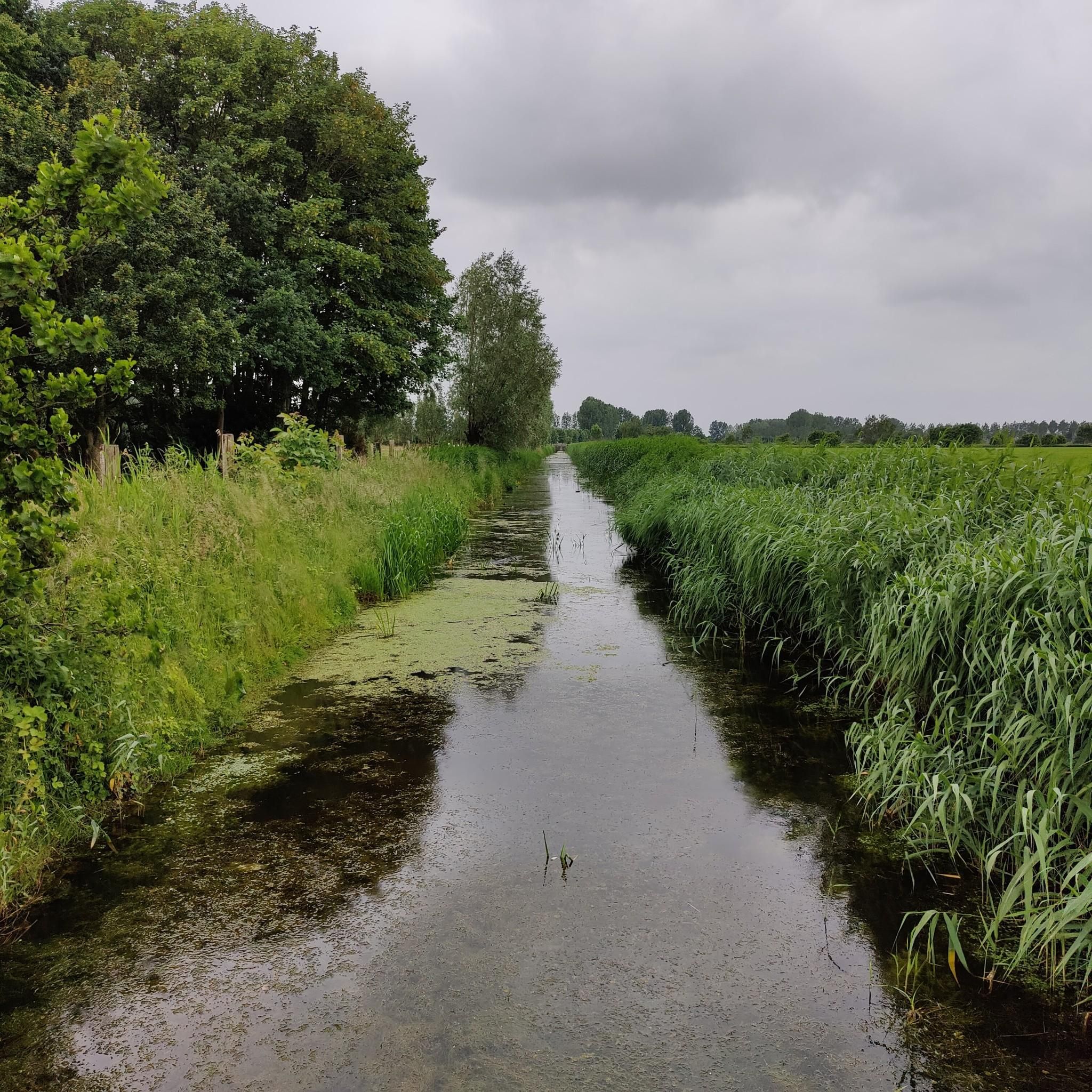
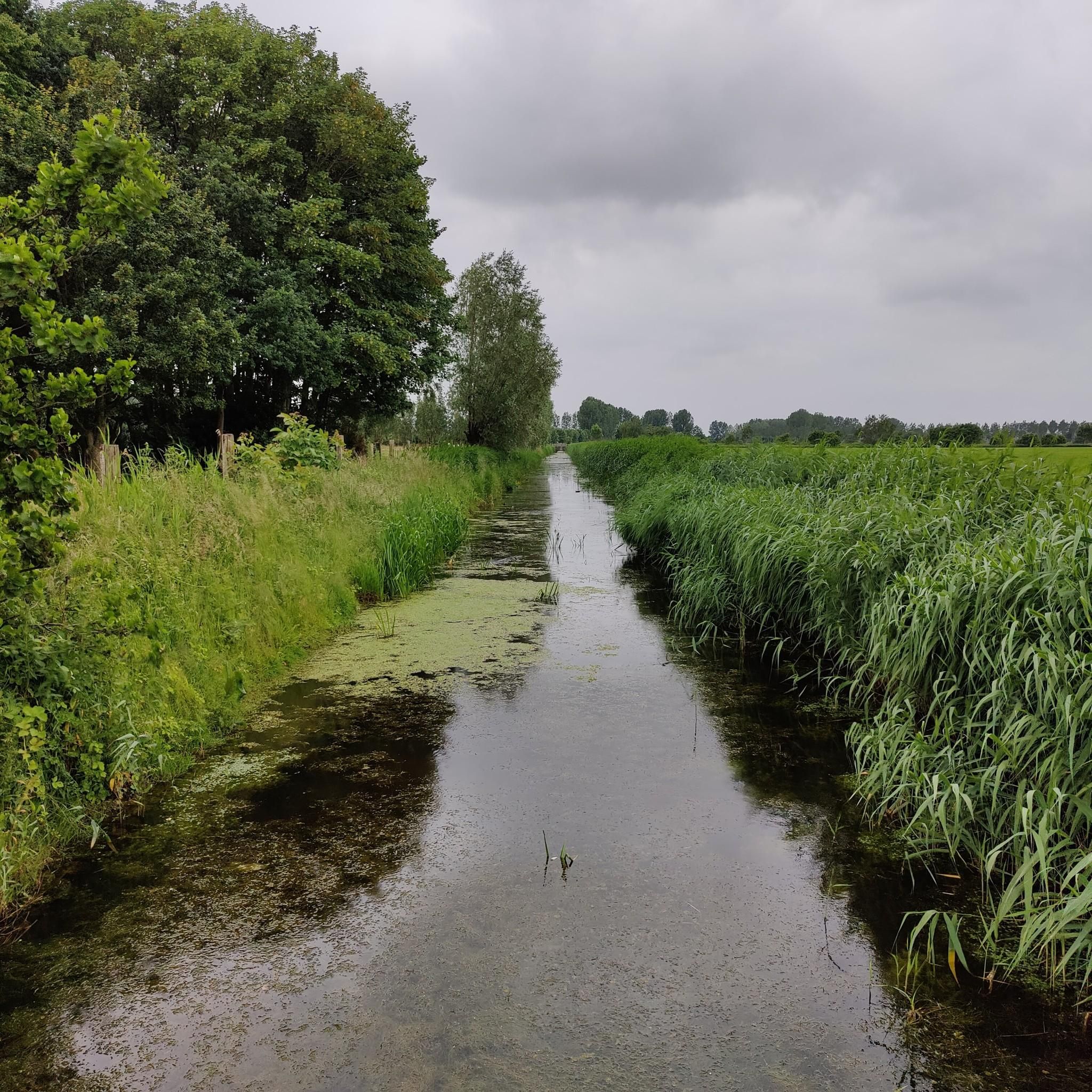
This open water (creek) is a remnant of a military inundation in the fight against the French in the War of the Spanish Succession - period 1701–1713. By breaching this dike, the polders behind it around Koewacht were flooded. When restoring the dike, they went around the deepest part of the stream channel.
6
0
An ideal stopping point on your cycling or hiking experience: Step back in time and discover a hidden piece of history: Fort Sint-Jacob. This fascinating remnant from the Eighty Years' War takes you back to a period when borders were still fought over and waterways made the difference between safety and danger. Located on the Passageule, this fort once formed a crucial link between the Spanish Netherlands and the States' territories. As part of the impressive States-Spanish Lines, Fort Sint-Jacob guarded the border and held back enemy infiltrations from the north. After the Peace of Münster, the fort lost its military function and slowly faded into obscurity. Nature took over, until around 2010 it was restored with care and respect for the past. Today, you can once again experience the contours of the past, including a replica of a cannon that symbolises the struggle that was once waged here. But Fort Sint-Jacob is more than just history. It is a place where peace and nature meet. The ramparts and moats now form a unique landscape where special plants and animals feel at home, typical of the brackish Zeeland area. Whether you are walking or cycling, this is an ideal place to pause, enjoy, and let yourself be carried away by the past. Let yourself be surprised and experience Fort Sint-Jacob for yourself.
4
0
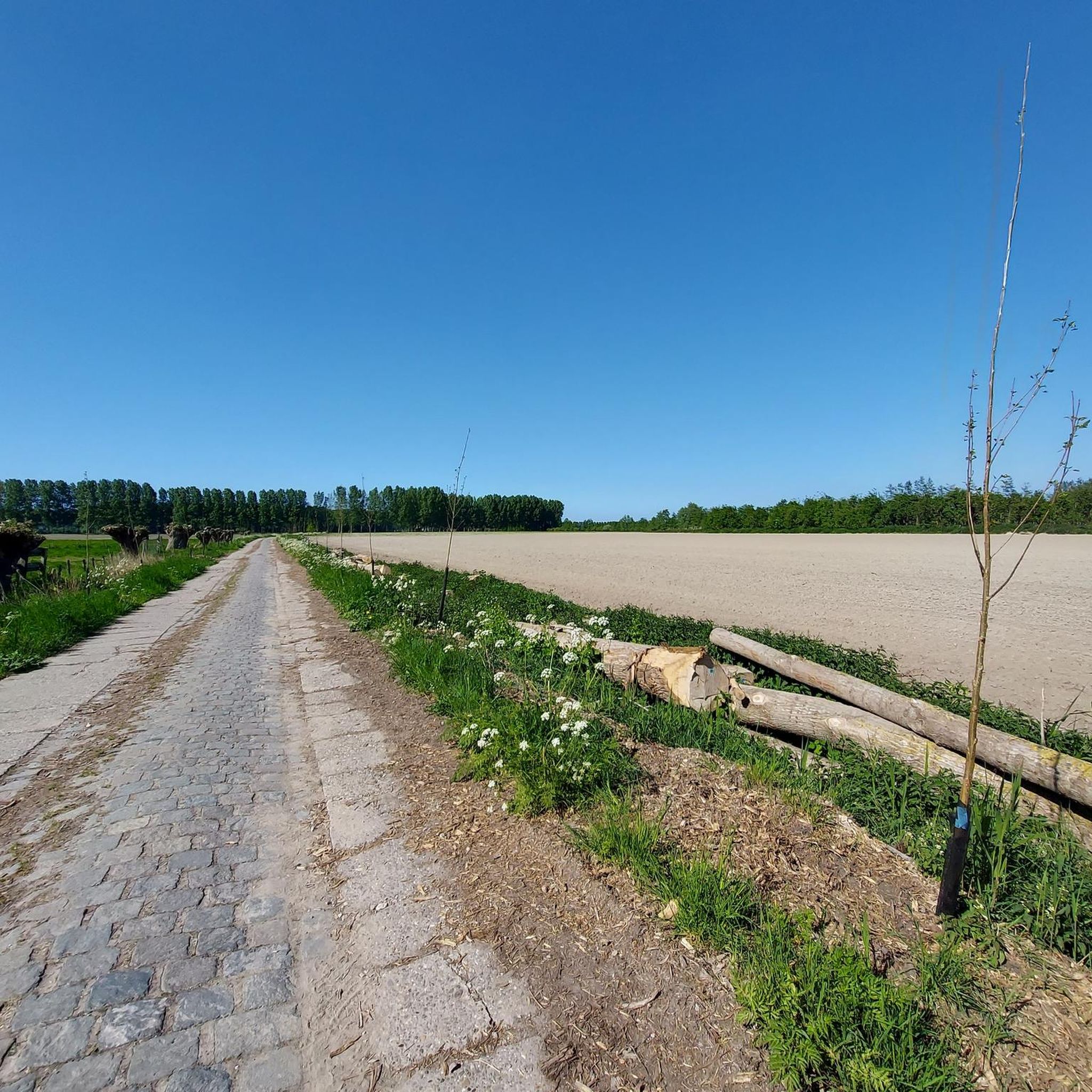
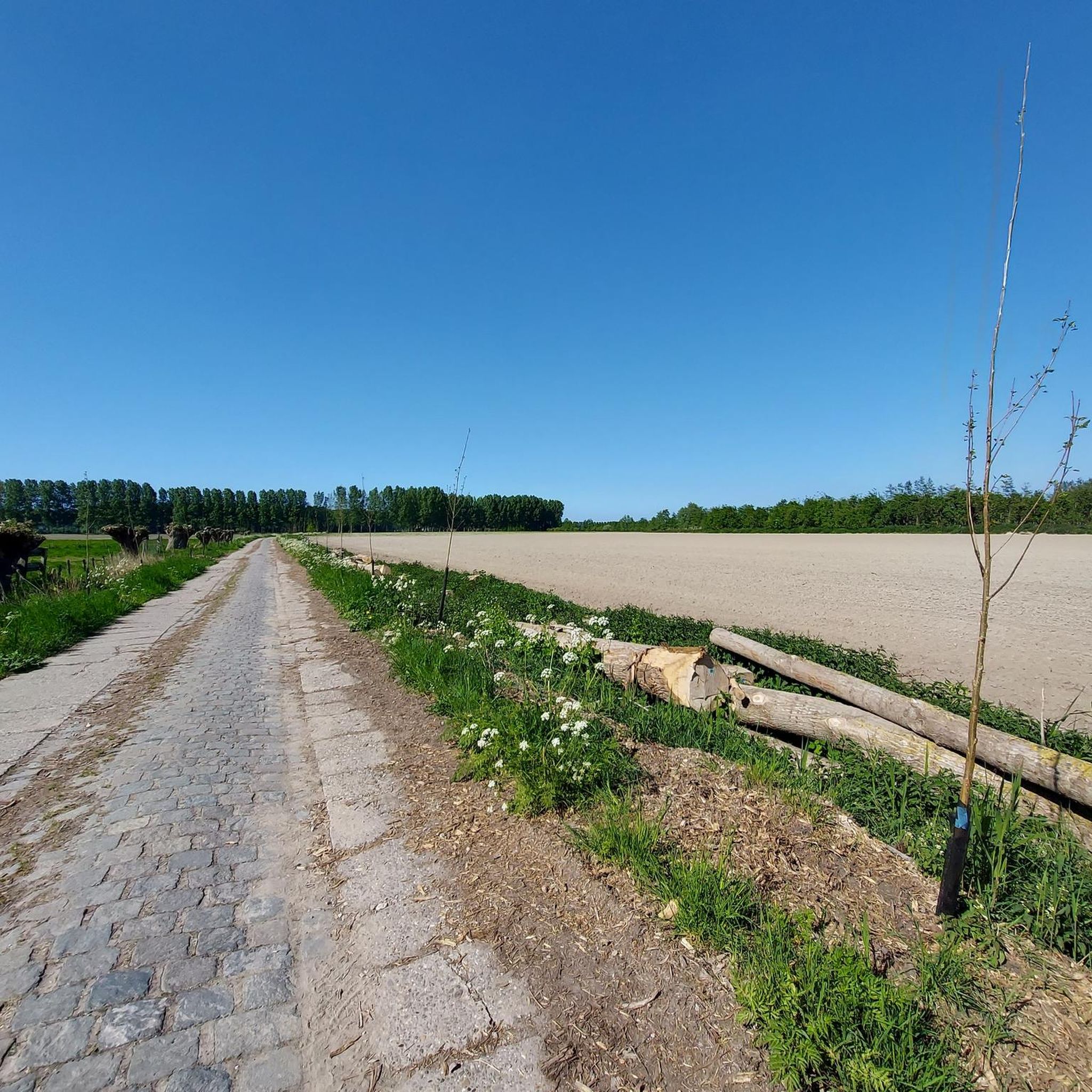
The gravel path is semi-hardened. The landscape you see here was partly shaped during the Spanish-Dutch struggle in the Eighty Years' War. Note the dikes and elevations in the landscape. These were important during the turbulent war years.
6
0
Frequently Asked Questions
How many touring cycling routes are available in Moerbeke?
Moerbeke offers a wide selection of touring cycling routes, with over 60 different tours to explore. These routes cater to various preferences, ranging from easy rides to more challenging distances.
What makes Moerbeke a good destination for touring cyclists?
Moerbeke is an excellent destination for touring cyclists due to its generally flat terrain, which makes for comfortable riding. The region boasts an extensive network of cycling routes, including a well-developed node system, and features scenic natural areas like Heidebos and Kloosterbos, as well as tranquil waterside paths along the Moervaart Towpath and Stekene Canal.
What are the general difficulty levels of touring cycling routes in Moerbeke?
The touring cycling routes in Moerbeke are diverse, with options for all skill levels. You'll find approximately 44 easy routes, 17 moderate routes, and 5 more challenging routes, ensuring there's something for everyone.
Are there any easy touring cycling routes suitable for beginners or families?
Yes, Moerbeke has many easy routes perfect for beginners or family outings. An example is the Cathedral of Poplars – Puyenbroeck Provincial Domain loop from Moerbeke, which is a shorter, less strenuous ride through pleasant scenery.
Can I find longer or more challenging touring cycling routes in the Moerbeke area?
For those seeking a longer or more challenging ride, Moerbeke offers several options. Consider the Terwest Bridge, Moerbeke – Bridge over the Zuidlede loop from Moerbeke, which is classified as a difficult route, providing a more extensive touring experience.
What kind of landscapes can I expect to see while cycling in Moerbeke?
While cycling in Moerbeke, you can expect a blend of natural and historical landscapes. Routes often pass through picturesque forested areas like Heidebos and Kloosterbos, along quiet waterways such as the Moervaart Towpath, and even through unique heathland areas like Heather Stropersbos. The flat terrain allows for easy enjoyment of these varied sights.
What is the best time of year to go touring cycling in Moerbeke?
The months of May and August are particularly popular for touring cycling in Moerbeke, likely due to favorable weather conditions. However, the region's generally mild climate makes it suitable for cycling throughout much of the spring, summer, and early autumn.
Are there any circular touring cycling routes around Moerbeke?
Many of the touring cycling routes around Moerbeke are designed as loops, allowing you to start and finish at the same point. For instance, the Chapel of the Cross – Ter Beuken Bicycle Bridge loop from Moerbeke is a popular circular option.
What are some interesting landmarks or attractions I can see near the cycling routes?
Beyond the cycling routes themselves, the Moerbeke area is home to several interesting landmarks. You can explore historical sites like Puyenbrug Castle or Blauwendael Castle. The region also features natural highlights such as the Heather Stropersbos, offering a mix of nature and history.
What do other touring cyclists enjoy the most about touring cycling in Moerbeke?
The touring cycling experience in Moerbeke is highly rated by the komoot community, with an average score of 4.6 stars from over 59 reviews. Cyclists often praise the region's well-maintained paths, the serene waterside routes, and the peaceful forested sections that make for a relaxing ride.
Is it possible to access Moerbeke's cycling routes using public transport?
Moerbeke is part of the Flemish Region, which is known for its well-developed public transport network. While specific access points vary, the region's commitment to cycling infrastructure often includes connections to public transport hubs, making it feasible to reach many starting points without a car. For detailed planning, it's advisable to check local public transport schedules.
Are there places to stop for refreshments or cafes along the cycling routes?
Given the popularity of cycling in the Flemish Region, many routes pass through or near towns and villages where you can find cafes and eateries. While specific stops are route-dependent, the extensive network means you're rarely far from a place to refuel.
Most popular attractions around Moerbeke

Get inspired with the komoot mobile app


Explore more
Browse the best Cycling routes in other regions.
