The best cycling routes around Huldenberg
4.3
(24)
2,740
riders
48
rides
Touring cycling around Huldenberg offers a diverse landscape characterized by its distinctly hilly terrain, situated within the "Green Belt" of Flemish-Brabant. The region features significant elevation changes, including challenging ascents like the Smeysberg and Koxberg. The Dyle river and its tributaries, the Ijse and Laan, wind through the area, contributing to picturesque views and natural reserves. Extensive primordial forests such as Meerdaal Forest, Heverlee Forest, and Margijsbos National Forest provide shaded paths and varied cycling surfaces.
Best touring cycling routes…
Last updated: May 14, 2026
4.0
(2)
69
riders
26.1km
01:37
170m
170m
Moderate bike ride. Good fitness required. Mostly paved surfaces. Suitable for all skill levels.
5.0
(1)
51
riders
31.7km
02:01
210m
210m
Moderate bike ride. Good fitness required. Mostly paved surfaces. Suitable for all skill levels.

Sign up for free
4.5
(2)
33
riders
25.7km
01:38
190m
190m
Moderate bike ride. Good fitness required. Mostly paved surfaces. Suitable for all skill levels.
3.0
(4)
26
riders
42.1km
02:38
280m
290m
Moderate bike ride. Good fitness required. Mostly paved surfaces. Suitable for all skill levels.
22
riders
Easy bike ride. Great for any fitness level. Mostly paved surfaces. Suitable for all skill levels.
Get access to more routes and recommendations from other explorers.
Sign up for free
Already have an account?
Our route recommendations are based on thousands of hikes, rides, and runs completed by other people on komoot.
Start today with a free account
Your next adventure awaits.
Login or Signup
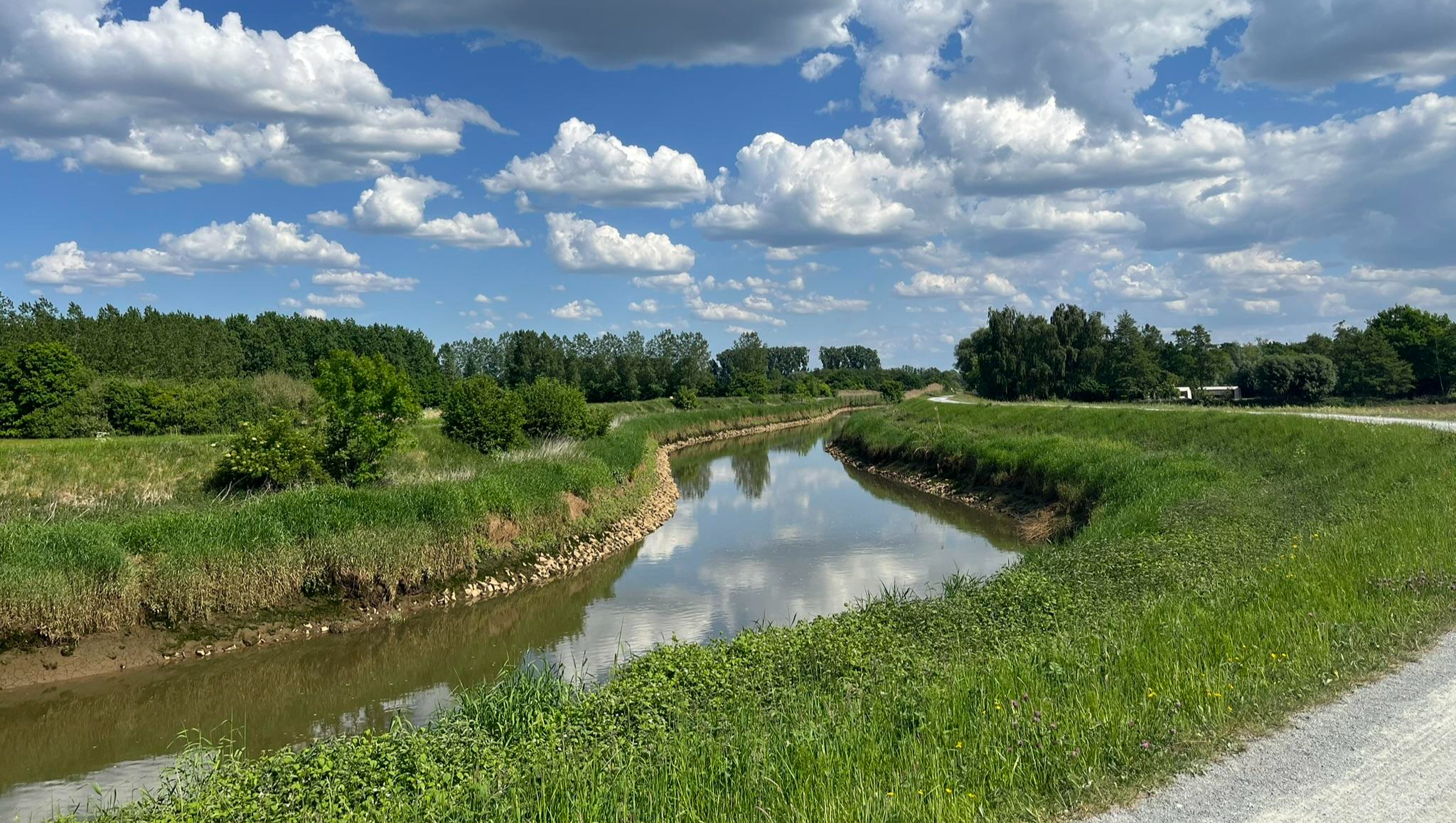
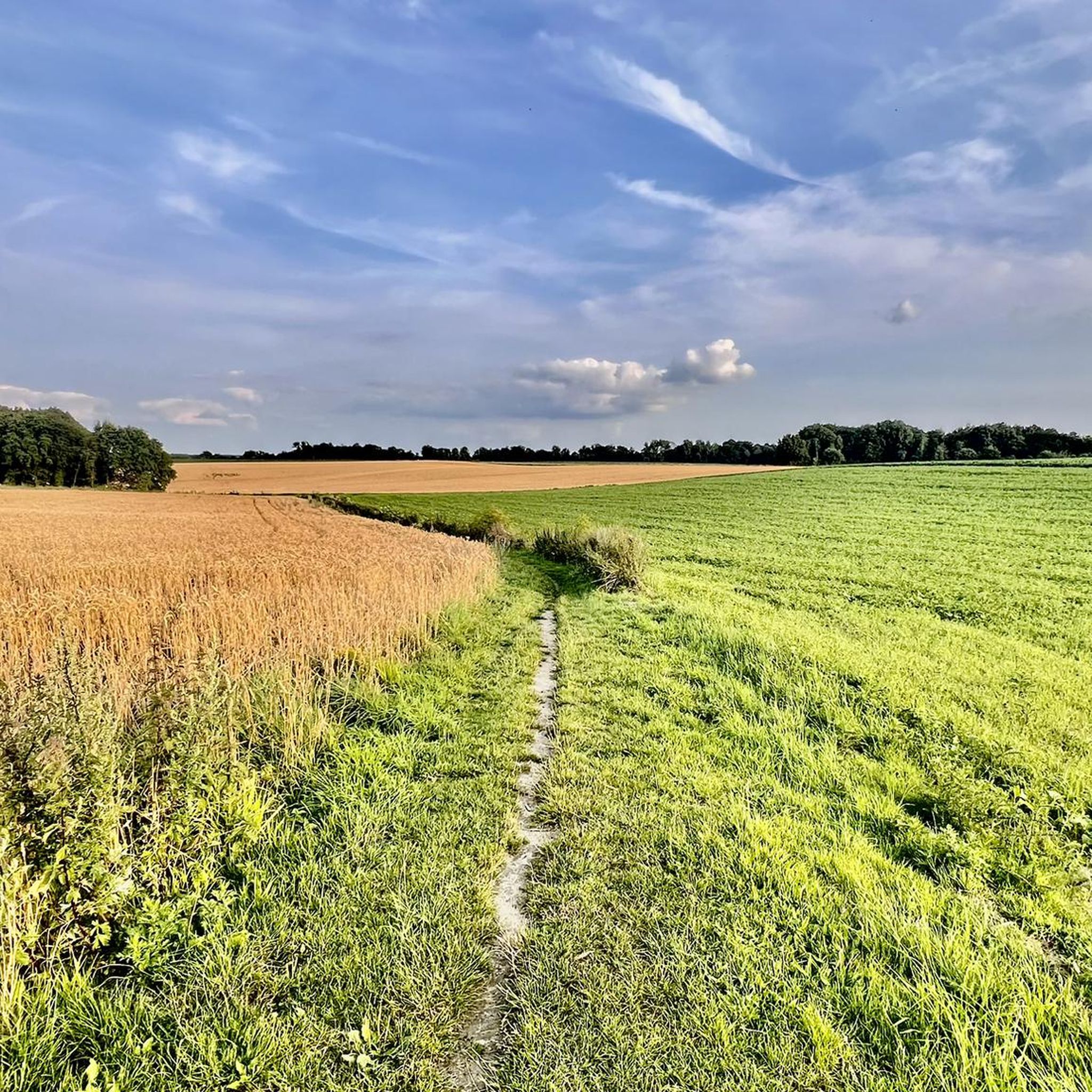
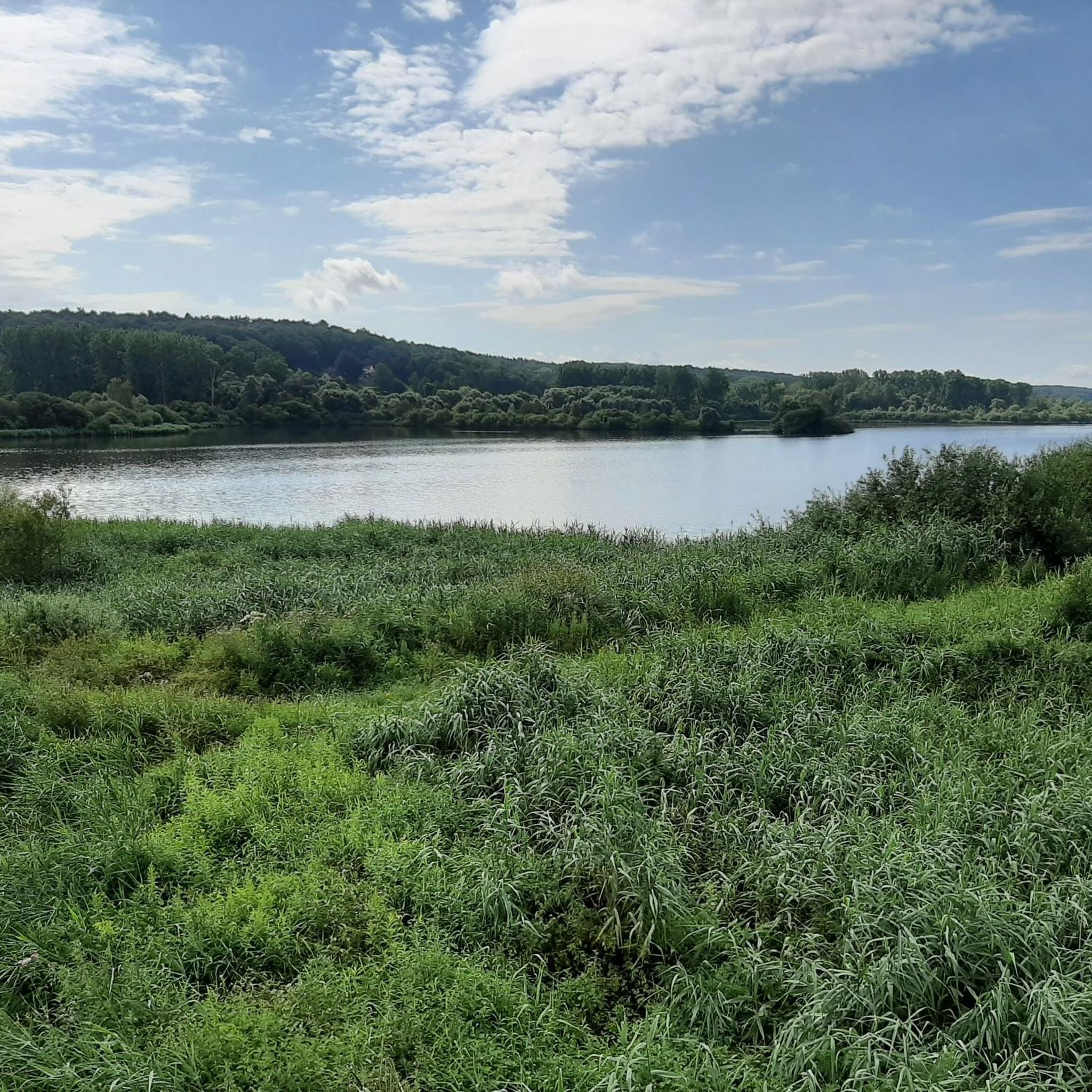
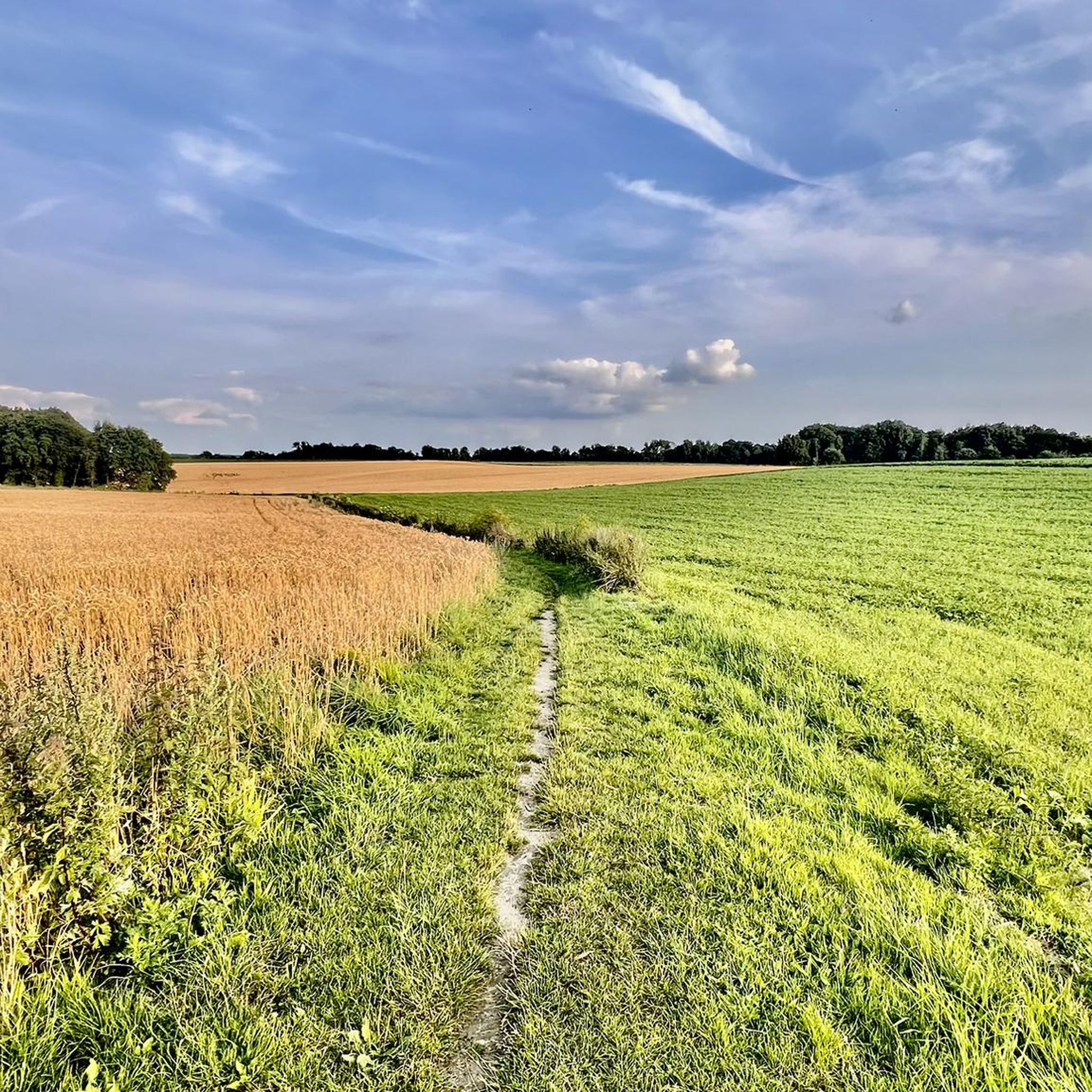


Other adventures around Huldenberg

Tips from the Community

Two important lordships formed the basis of the current Hoeilaart: the lordship of Ter Heyde south of the IJse on the one hand, and the lordship of Holaer or Hoeilaart north of the IJse on the other. Here once stood the castle of the Ter Heyde lordship from the fifteenth century. That lordship ceased to exist after the abolition of the ancien régime. The current castle was built in 1858 on the orders of baron Jean de Man d’Attenrode (mayor of Hoeilaart from 1854-1878) and his wife Maria Carolina d’Ormesson. It is therefore not a remnant of the old lordship. BUT: the chapel and former closed farm next to it are. This building has now, as others have mentioned, been given a different function and dominates the view in the park. Inventory of Immovable Heritage: Kasteel van Hoeilaart, https://id.erfgoed.net/erfgoedobjecten/39785
6
0
The neo-Romanesque parish church, situated on a slight elevation, was built between 1870 and 1874 according to a design by the Limburg architect Herman Jaminé. The originally surrounding graveyard, no longer in use since 1888-1889, was cleared in the early 20th century; the last graveyard walls disappeared during the First World War when the Gemeenteplein was leveled. The cemetery was moved to the Molenberg on the Jezus-Eiksesteenweg. The tower is flanked by a baptistery to the north and, to the south, by the Ruusbroeckapel, established in 1951, currently converted into a weekly chapel. The whole is constructed from brick, alternating with regular bands of sandstone under slate saddle or lean-to roofs; in stark contrast to the rest of the church, the choir apse is entirely constructed from sandstone. The latter material (both white and pink) was also used for the substructure, some frames, and decorative accents, including the cornerstones. Inventory of Immovable Heritage: Parish Church Saint-Clemens, https://id.erfgoed.net/erfgoedobjecten/39784
5
0

There was already a lordship of IJse. The lords belonged to the Isque family and were vassals of the Duke of Brabant. However, this family died out in the male line, and the last heiress, Maria d'Oisy, sold the lordship in 1335 to Johan I van Wittem of the van Wittem family. From 1410 to 1456, Hendrik II van Wittem lived, who married Jacoba van Glymes. Their son was Hendrik III van Wittem (1440-1515) (also Van Wittem van Beersel or Van Witthem van Beersel). He built the castle after the village of Overijse was burned down in 1489 by the troops of Maximilian of Austria. He married Elisabeth van der Spout. Their son and successor was Filips van Wittem van Beersel (1471-1523). She married Johanna van Halewijn and their son Hendrik IV van Wittem (1495-1554) became lord of Beersel, while their son Georges van Wittem (1500-1544) became lord of IJse.
0
0

You hear the water bubbling...
5
0

beautiful view of the turning wheel of the mill from the bridge
0
0

Huldenberg Castle is nestled between wooded hills and rolling meadows in the picturesque Dijle Valley. Although it is privately owned and not open to visitors, the stately building with its towers and surrounding park forms a beautiful backdrop along your route. Enjoy the peaceful view and the charming atmosphere of the historic landscape here.
0
0
Duke Charles III de Croy (1560-1612) had the Arenberg Castle moated, the park laid out and the avenue to Leuven extended at the end of the 16th century. A memorial stone was built into the right side wall of the Cantine to commemorate the construction of the avenue to Leuven in 1596. In the 18th century, when the castle and the park were owned by the Arenberg family, the entire domain was enclosed by a wall. The moat around the castle was also filled in. This resulted in a significant change to the terrain, which was originally very marshy. Nevertheless, the structure that Charles III de Croy gave to the landscape around 1600 is still clearly recognisable. The whole of gardens, orchards and outbuildings was then arranged around two main axes, which corresponded to the axes of the castle: an (approximately) north-south avenue, from the Terbank leper colony to the Meerdaal forest that served the Croys as a private hunting domain, and an east-west avenue, which extended from the Celestine Priory, the Croys' family mausoleum, past the new stable buildings to the entrance gate right on the city walls, opposite the Namur Gate. The construction of these straight avenues, bordered by palisades, for kilometres long, had forced the Duke to purchase important land and then to carry out major earthworks: hills were dug away – such as the hill on which the old Romanesque Saint-Lambert church stood, which was desecrated as a result – and holes and pits were filled in. Duke Charles Marie Raymond of Arenberg had a ‘jardin anglois’ built in 1771 to his own design, with the Yellow House as the focal point of the picturesque garden, a pavilion on a hill to the southeast of the castle, and with many remarkable exotic tree species such as a Lebanon cedar (Cedrus libanii) that was brought over from Edingen. The historical value of the Arenberg Park is formed by the connection with the Arenberg Castle and the other buildings located there. Inventory of Immovable Heritage: Arenberg Park, https://id.erfgoed.net/erfgoedobjecten/302524
3
0

across the lawn you can see the castle of Arenberg Leuven
0
0
Frequently Asked Questions
What kind of terrain can I expect when touring cycling around Huldenberg?
Huldenberg is known for its distinctly hilly landscape within the "Green Belt" of Flemish-Brabant. You'll encounter significant elevation changes, including challenging ascents like the Smeysberg (up to 17% gradient) and the Koxberg (6% with an 11% cobblestone section). The routes often feature primordial forests, expansive fields, and unique "hollow roads," providing a varied and engaging cycling experience.
Are there any easy touring cycling routes suitable for beginners or families in Huldenberg?
Yes, Huldenberg offers several easy touring cycling routes. Out of 41 available tours, 24 are classified as easy, making them suitable for beginners or families. An example is the Path Along the IJse – Path Along the Shaded IJse loop from Neerijse, which is a shorter, mostly flat route along the river.
What natural features or landmarks can I see along the touring cycling routes?
The routes wind through picturesque landscapes featuring the Dyle river and its tributaries, the Ijse and Laan. You can explore extensive primordial forests like Meerdaal Forest and Heverlee Forest. Historically, you might pass by sites such as the Church of Saint Anthony or the grounds of Huldenberg Castle. Additionally, the region is known for its unique "hollow roads" and is part of the "Brabantse Wouden" national park.
Are there any specific attractions or points of interest near the cycling routes?
Yes, there are several interesting attractions. You can find beautiful lakes such as Lake Genval and the Ponds of Tervuren Park. The region also features impressive castles like Château de La Hulpe and Domaine Solvay. For unique natural formations, explore the area's distinctive hollow ways, including the Hollow Way and Steps Huldenberg.
What do other touring cyclists say about the routes in Huldenberg?
The touring cycling routes in Huldenberg are highly regarded by the komoot community, holding an average rating of 4.0 stars from over 20 reviews. Cyclists often praise the varied terrain, the beauty of the extensive forest paths, and the serene river valleys that define the region's cycling experience.
Are there any circular touring cycling routes available?
Yes, many of the touring cycling routes around Huldenberg are designed as loops, allowing you to start and finish at the same point. For example, the Meerdaal Forest and Heverlee Forest – Weertse Dreef, Meerdaal Forest loop from Huldenberg is a popular circular route that takes you through dense woodlands.
What is the best time of year to go touring cycling in Huldenberg?
The region's diverse landscapes, including forests and river valleys, make it enjoyable across multiple seasons. Spring and autumn offer pleasant temperatures and beautiful scenery with changing foliage. Summer provides shaded paths through the forests, while winter cycling is possible, though conditions may vary, especially on unpaved sections.
Are there options for more challenging touring cycling routes?
Absolutely. Huldenberg's hilly terrain provides ample challenge for experienced touring cyclists. There are 5 routes classified as difficult, featuring significant elevation changes and demanding ascents. The Arenberg Castle – Arenberg Castle and Park loop from Sint-Agatha-Rode is an example of a difficult route that explores historic grounds with notable climbs.
Can I find routes that offer views of the wider region?
Yes, several routes provide scenic viewpoints. The View of the Overijse Plateau – Hoeilaart Castle loop from Loonbeek is specifically highlighted for its vistas of the Overijse Plateau, offering expansive views of the surrounding landscape.
Is Huldenberg suitable for gravel biking?
Huldenberg is an excellent destination for gravel biking. The region's varied terrain, including hollow roads, forest paths, and expansive plateaus, makes it ideal. The area's suitability for this discipline was underscored when the nearby Heverlee Forest hosted European and World Gravel Championships, indicating a strong network of gravel-friendly trails.
Are there any specific regulations for cycling in the forests around Huldenberg?
When cycling in the primordial forests like Meerdaal Forest, Heverlee Forest, and Margijsbos National Forest, it's generally recommended to stick to designated paths and trails. Respect local signage regarding access and speed limits to preserve the natural environment and ensure safety for all users. Specific regulations for the "Brabantse Wouden" national park should also be observed.
How many touring cycling routes are available in total around Huldenberg?
There are over 40 touring cycling routes available around Huldenberg, offering a wide range of options for different skill levels and preferences. This includes 24 easy, 12 moderate, and 5 difficult routes.
Most popular routes around Huldenberg
Most popular attractions around Huldenberg

Get inspired with the komoot mobile app


Explore more
Browse the best Cycling routes in other regions.
